Photography by Ray Castro
In downtown Fredericksburg, the Albert Hotel shows how new hospitality can grow directly from old ground. Designed by Clayton Korte with New Waterloo, this boutique hotel is built around more than 175 years of local history tied to the Keidel family.
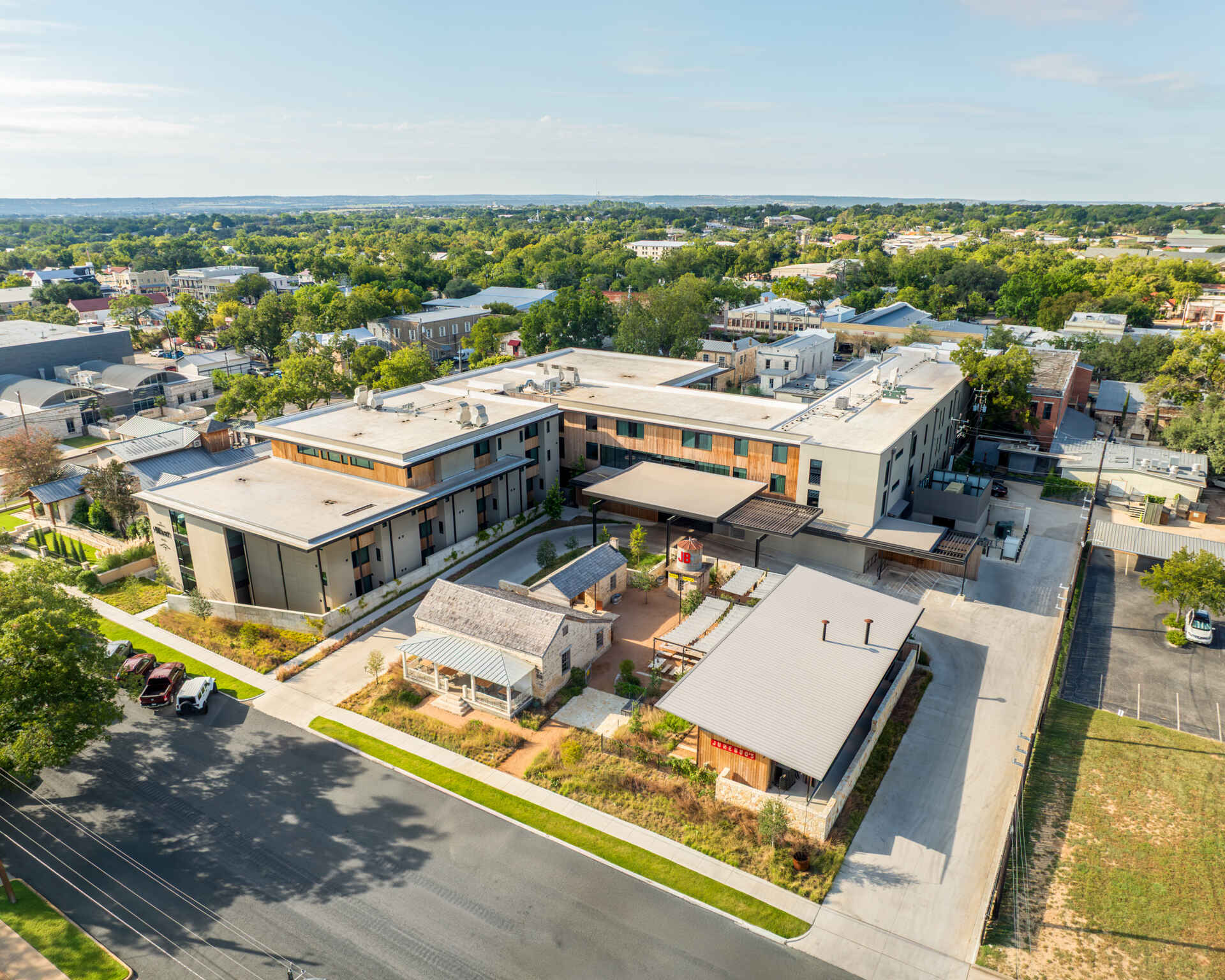
Instead of replacing what came before, the project integrates historic homes, a pharmacy, and a saloon into a new two acre hotel setting. The result is a stay shaped by architecture, material choices, and landscape that all point back to place.
A Family Legacy Rooted in Fredericksburg Since 1847
The hotel takes its name from Albert Keidel, an architect, preservationist, and well known local figure. The Keidel family’s connection to Fredericksburg began in 1847, when Albert’s great grandfather arrived as the town doctor and judge.
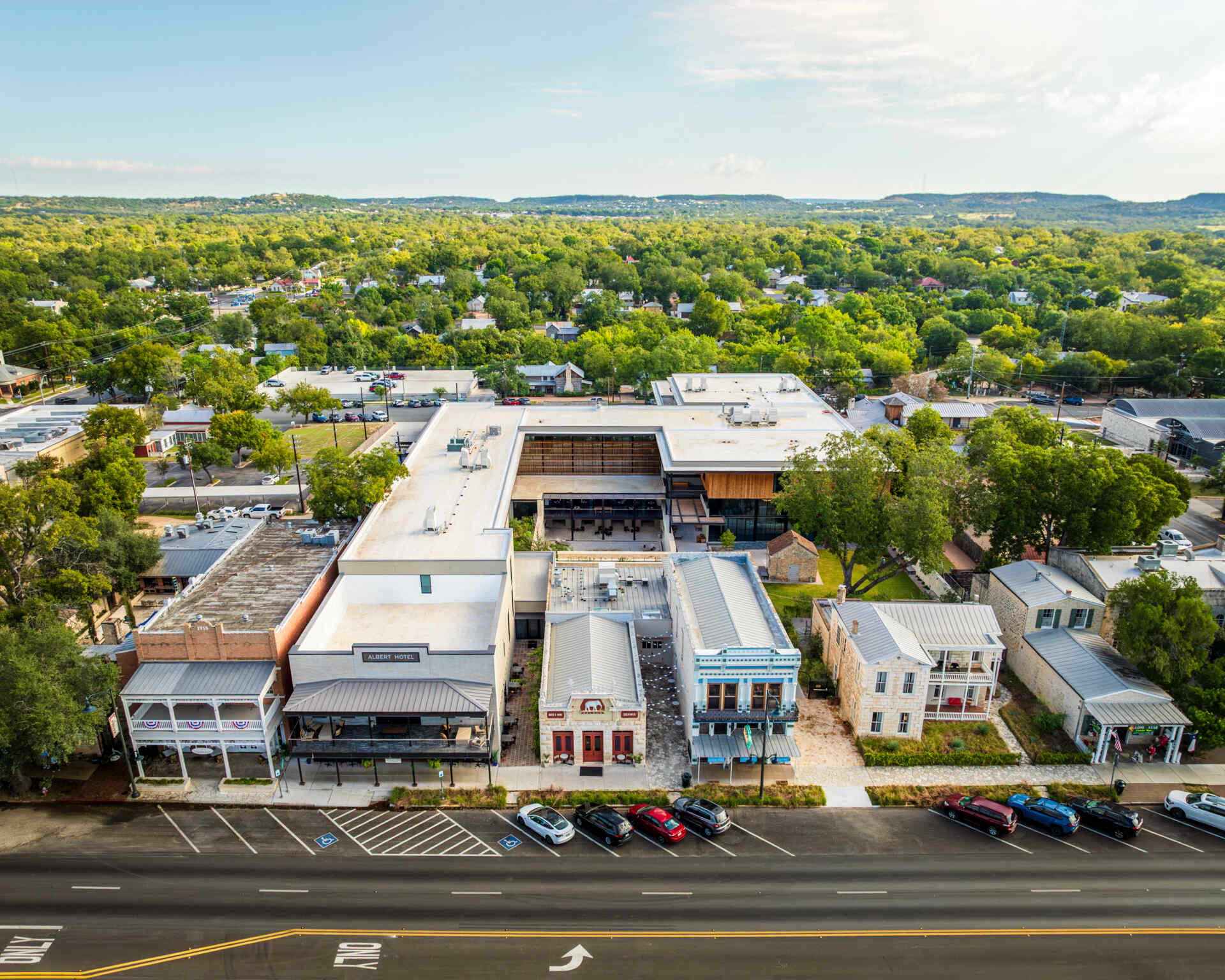
Today, the hotel occupies the same site where the family pharmacy and homestead still stand, both folded into the new development rather than removed.
Photography by Ray Castro
Photography by Ray Castro
Photography by Ray Castro
Preserving the Street, Hiding the Hotel
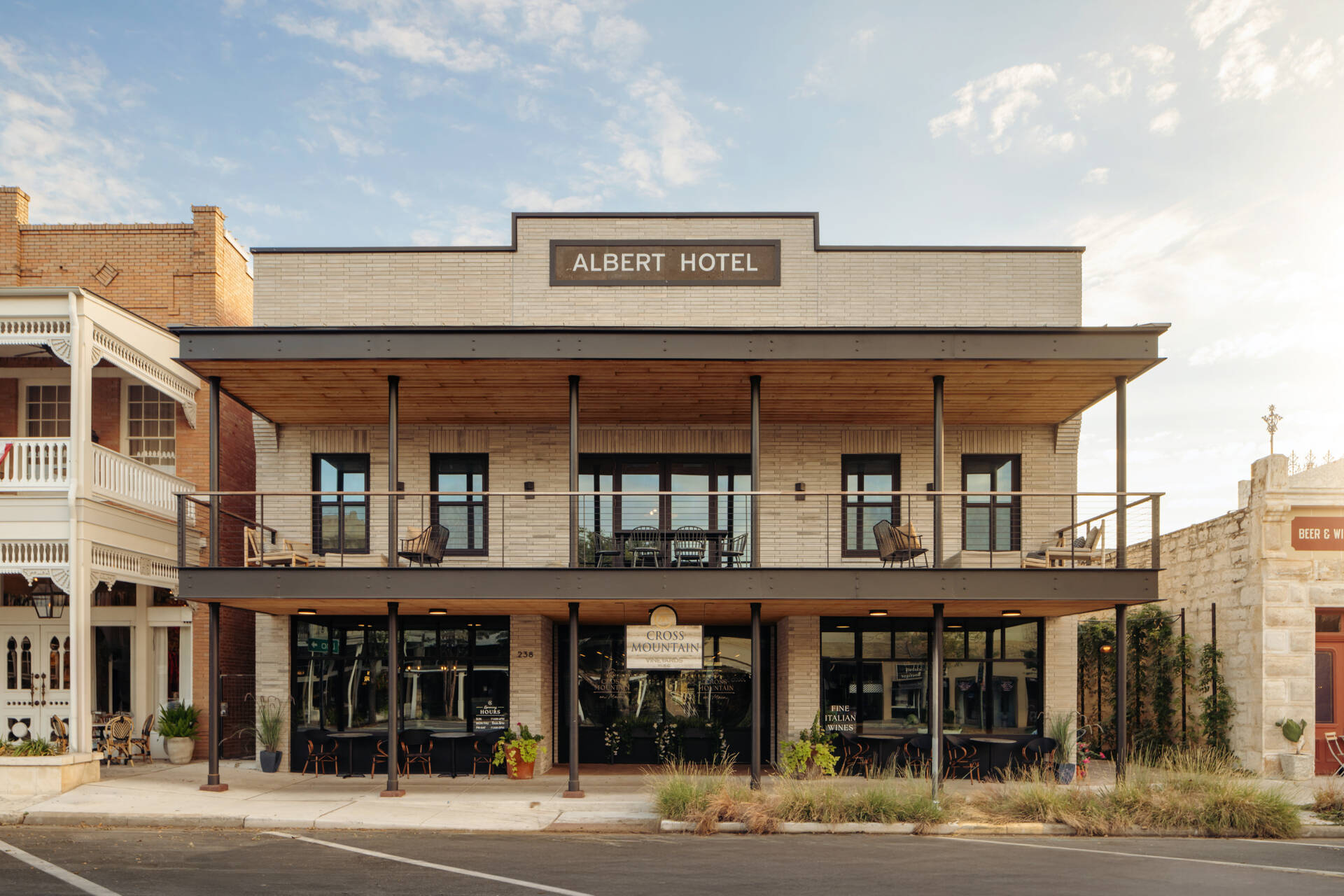
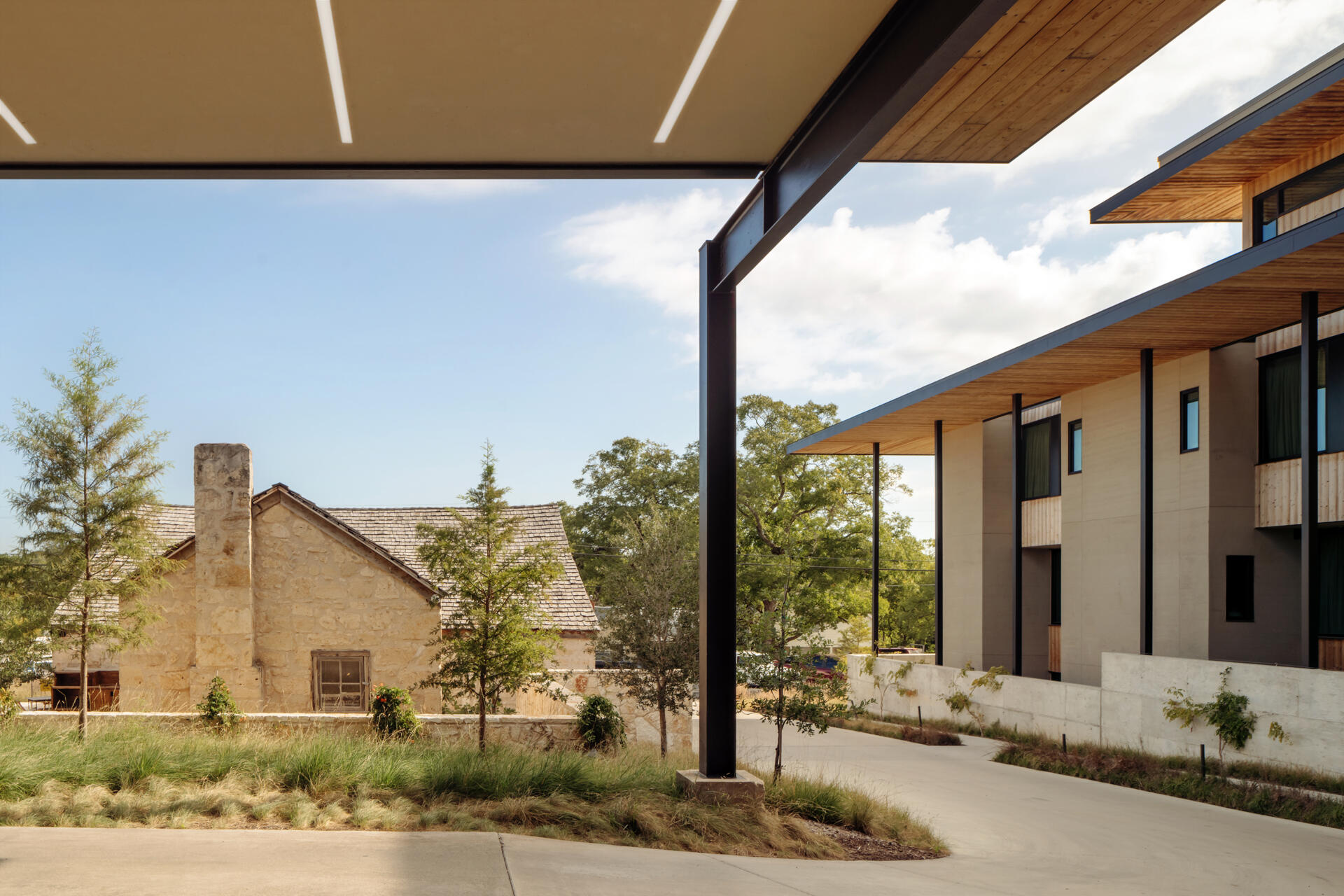
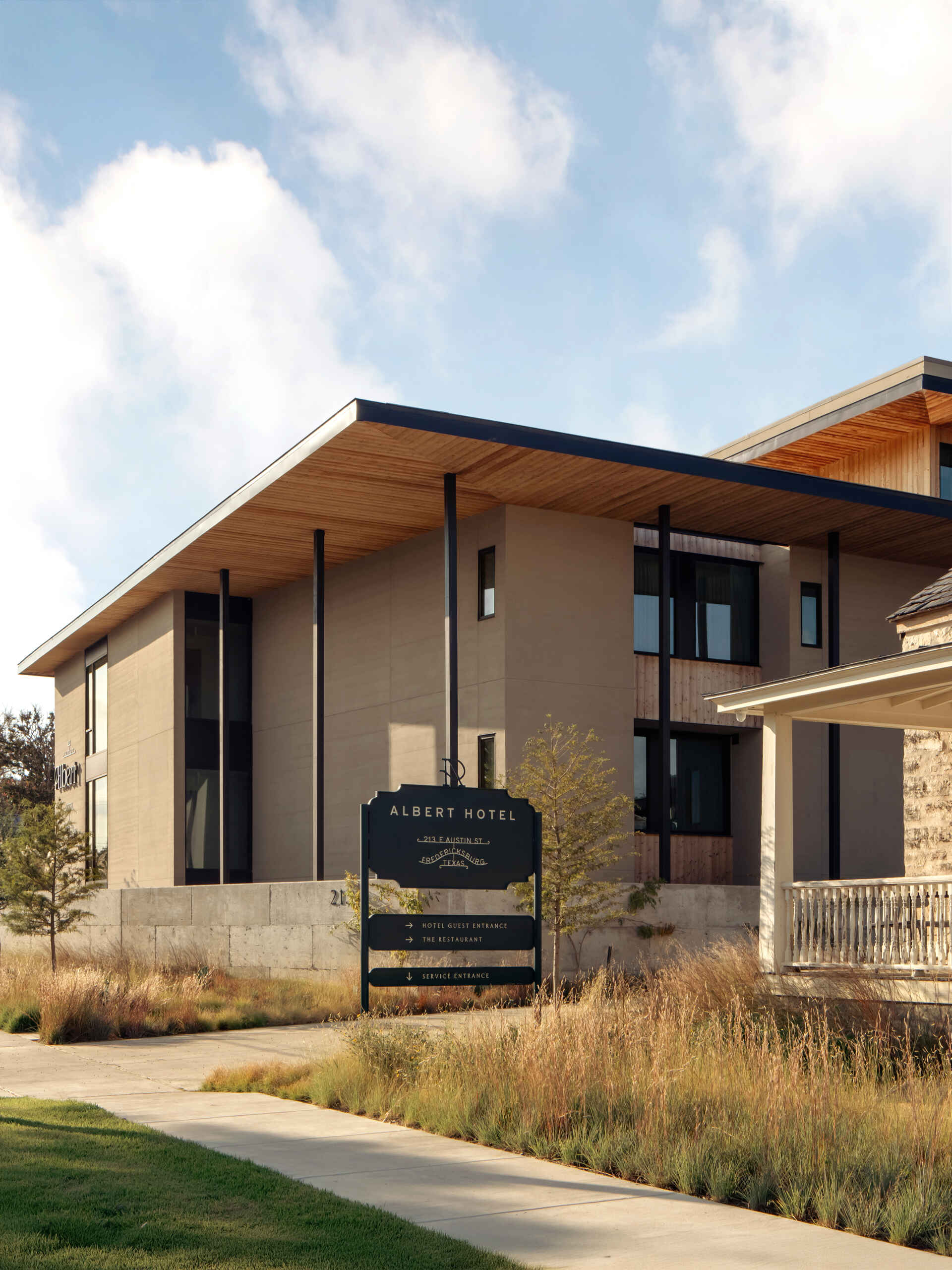
Clayton Korte and New Waterloo approached the project as an extension of the existing streetscape. Several historic structures remain in place along the street, preserving the visual rhythm of downtown Fredericksburg.
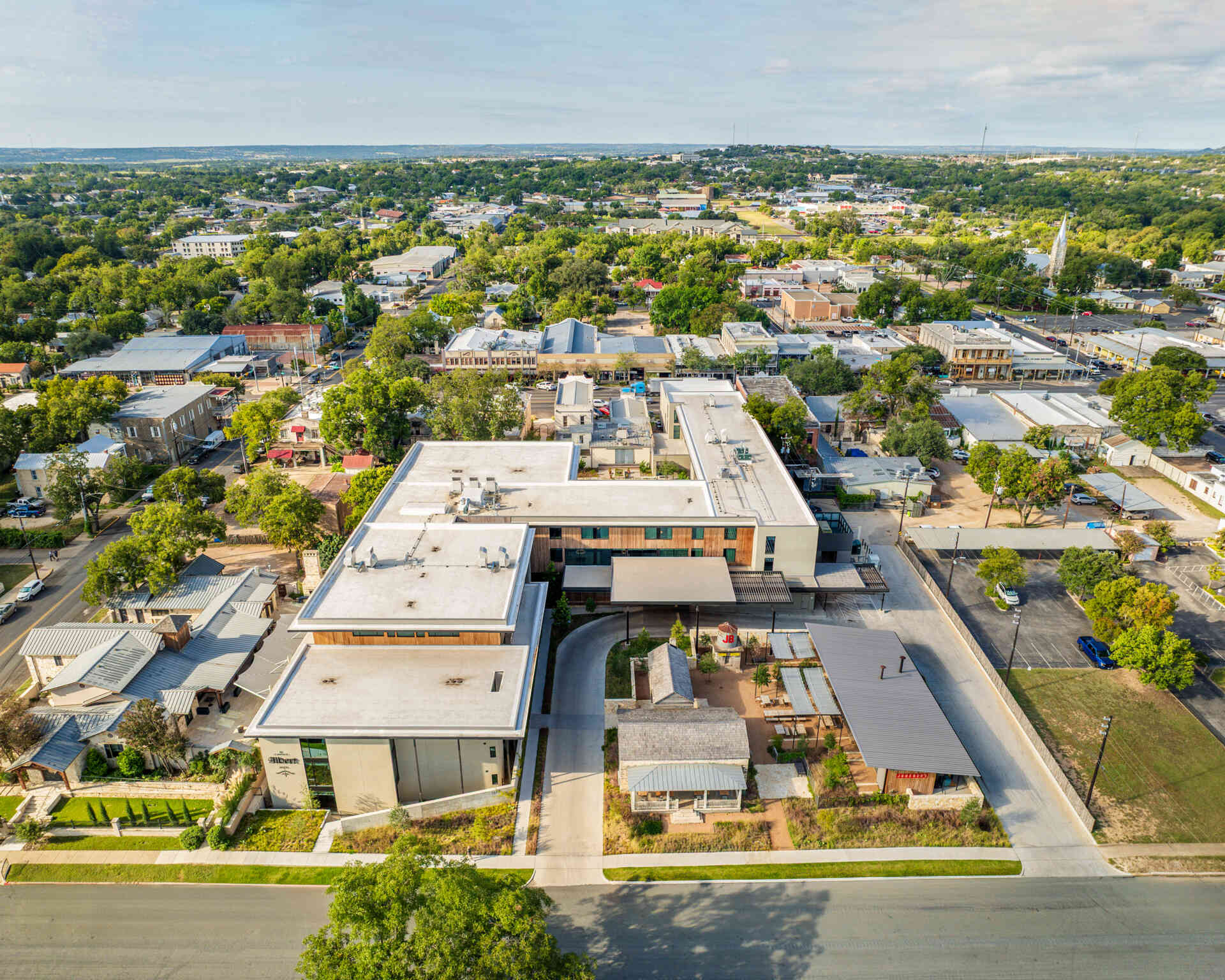
Behind them, the hotel is positioned out of view, reinforcing a sense of separation from the street while keeping the past visible and intact.
Photography by Chase Daniel
Hill Country Materials That Change With the Light
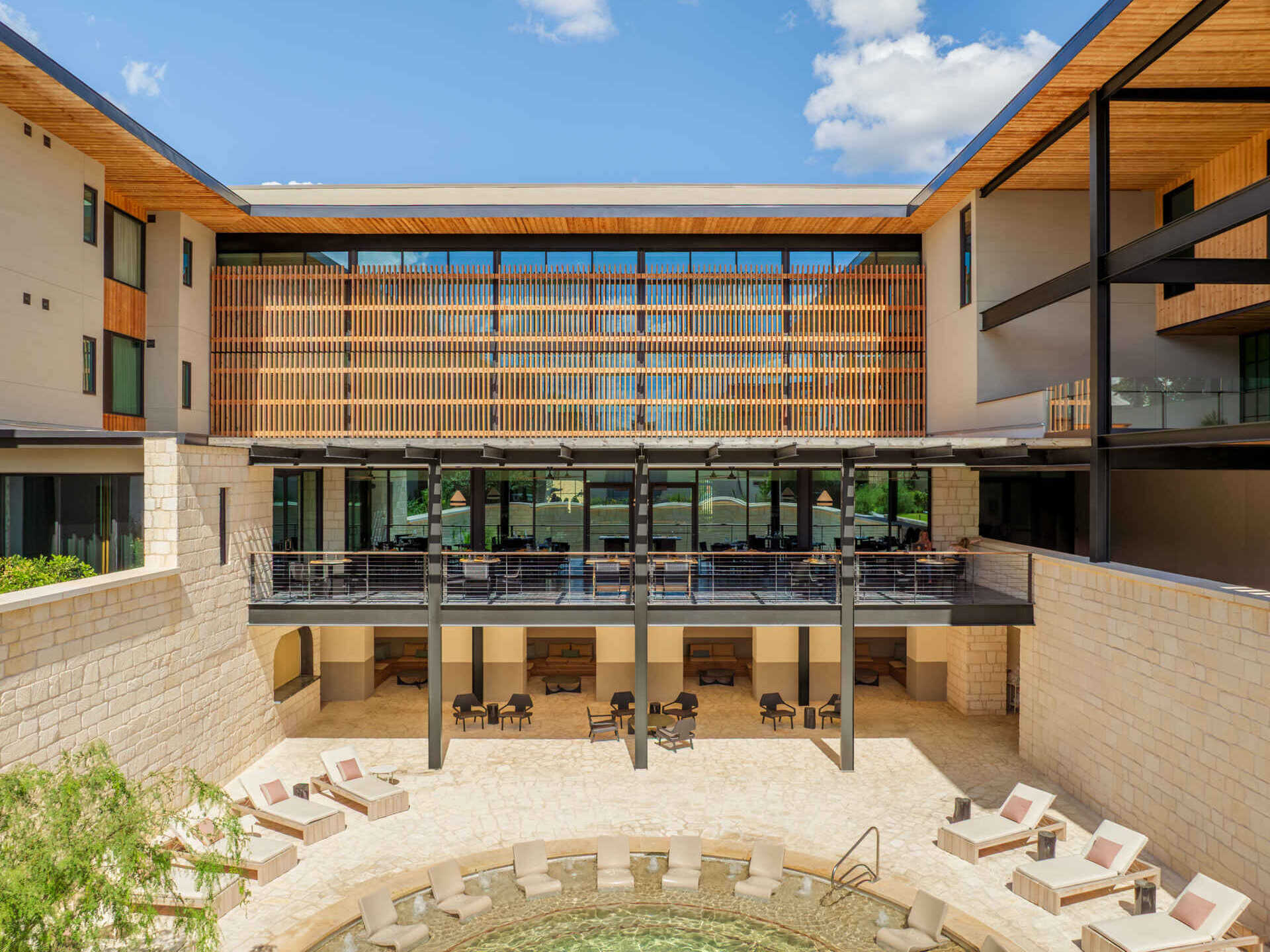
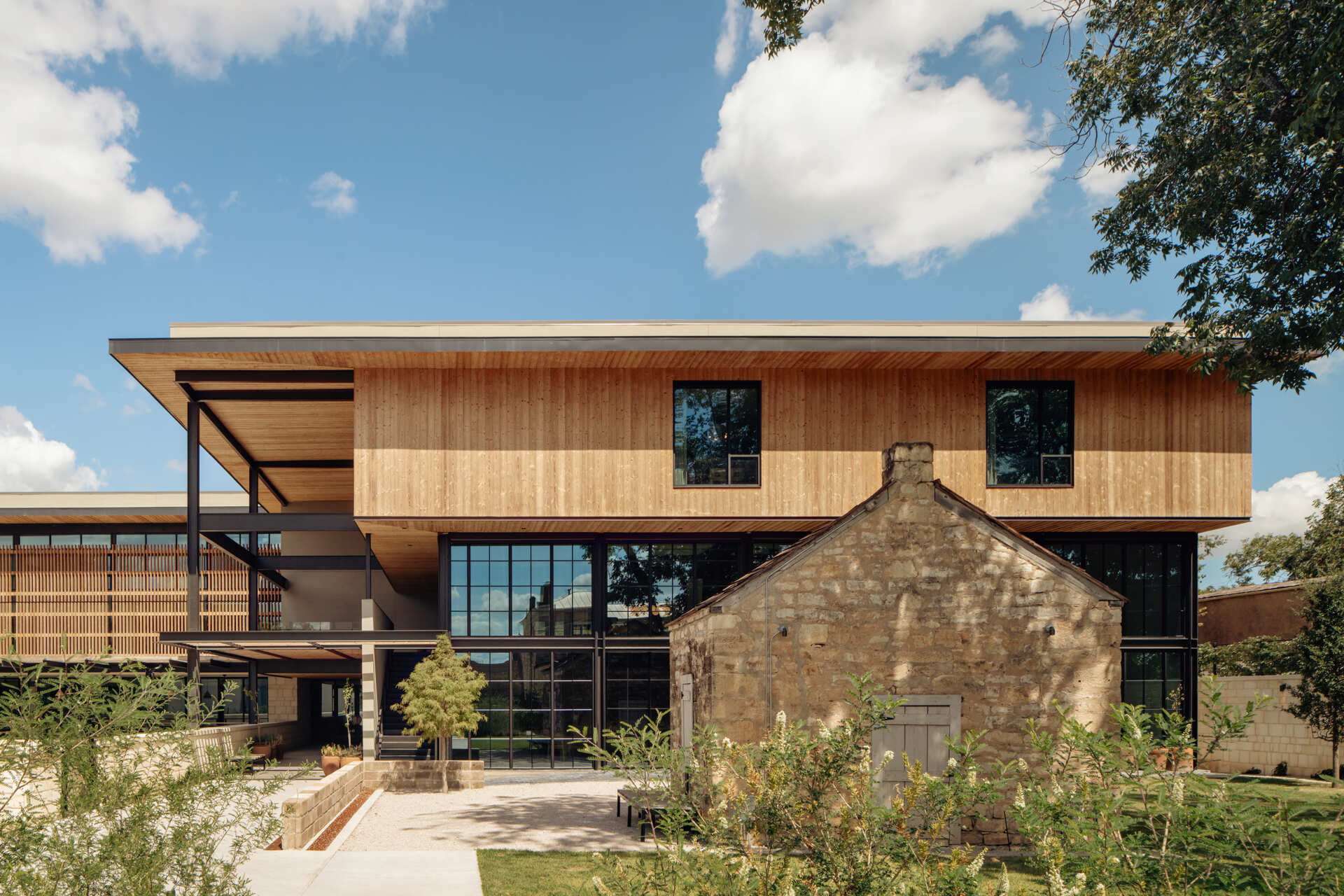
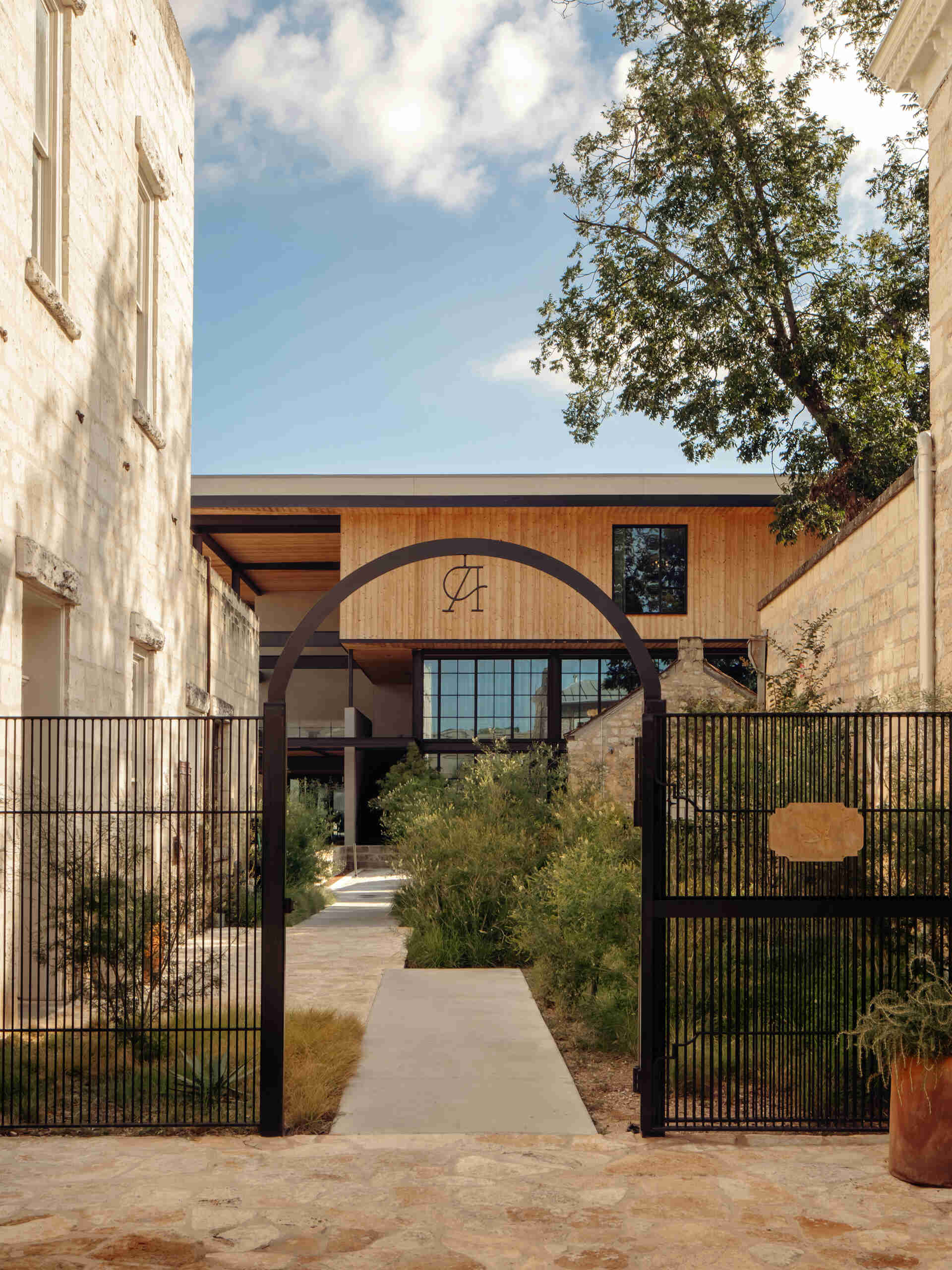
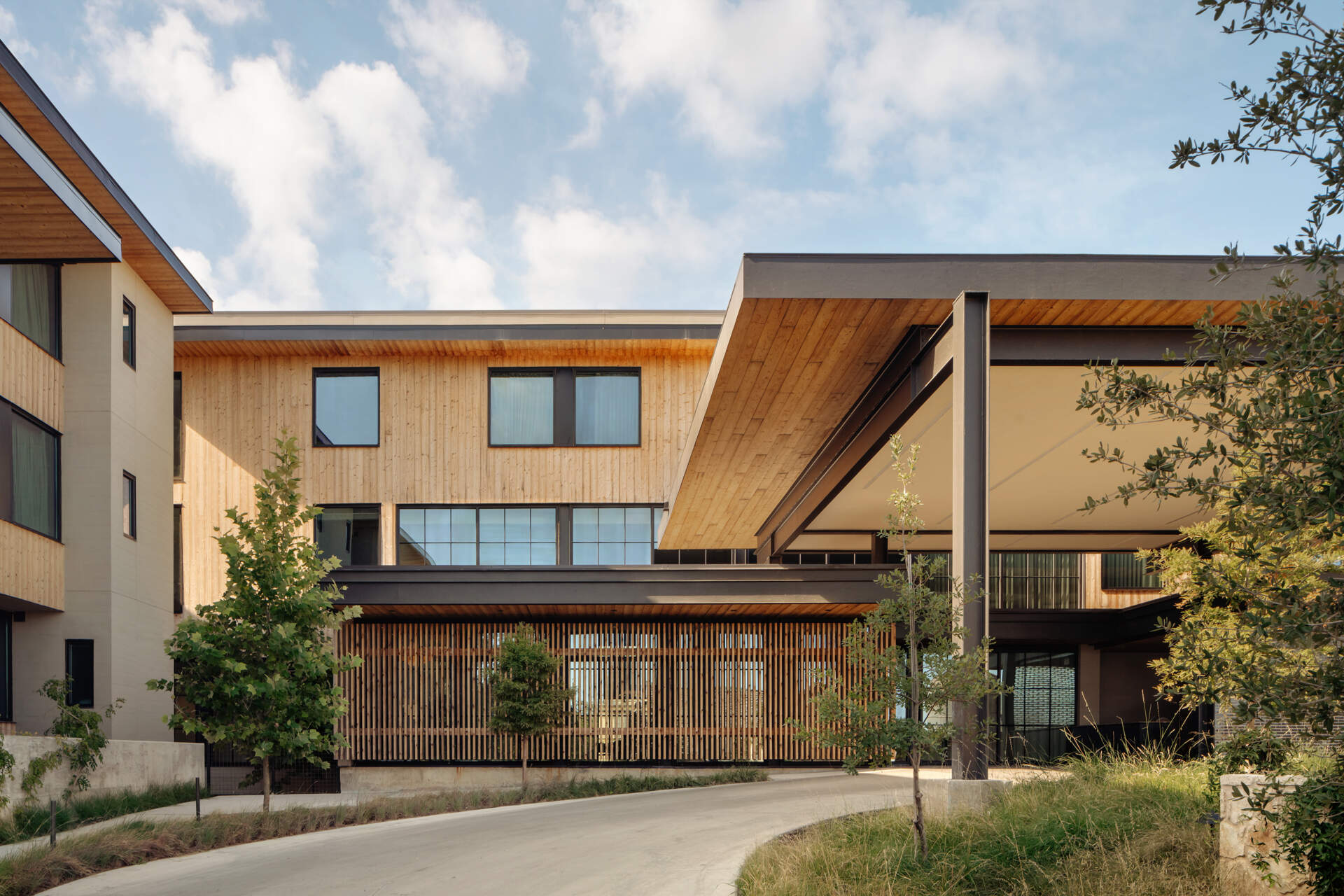
The new construction draws directly from the Hill Country context. Wood siding is paired with a custom raked stucco finish that responds to shifting daylight throughout the day.
Generous roof overhangs shade walkways and interiors from the Texas sun, balancing function with a calm architectural presence.
Photography by Chase Daniel
Photography by Chase Daniel
Photography by Chase Daniel
Photography by Chase Daniel
Photography by Chase Daniel
A Two Acre Property Designed to Be Walked
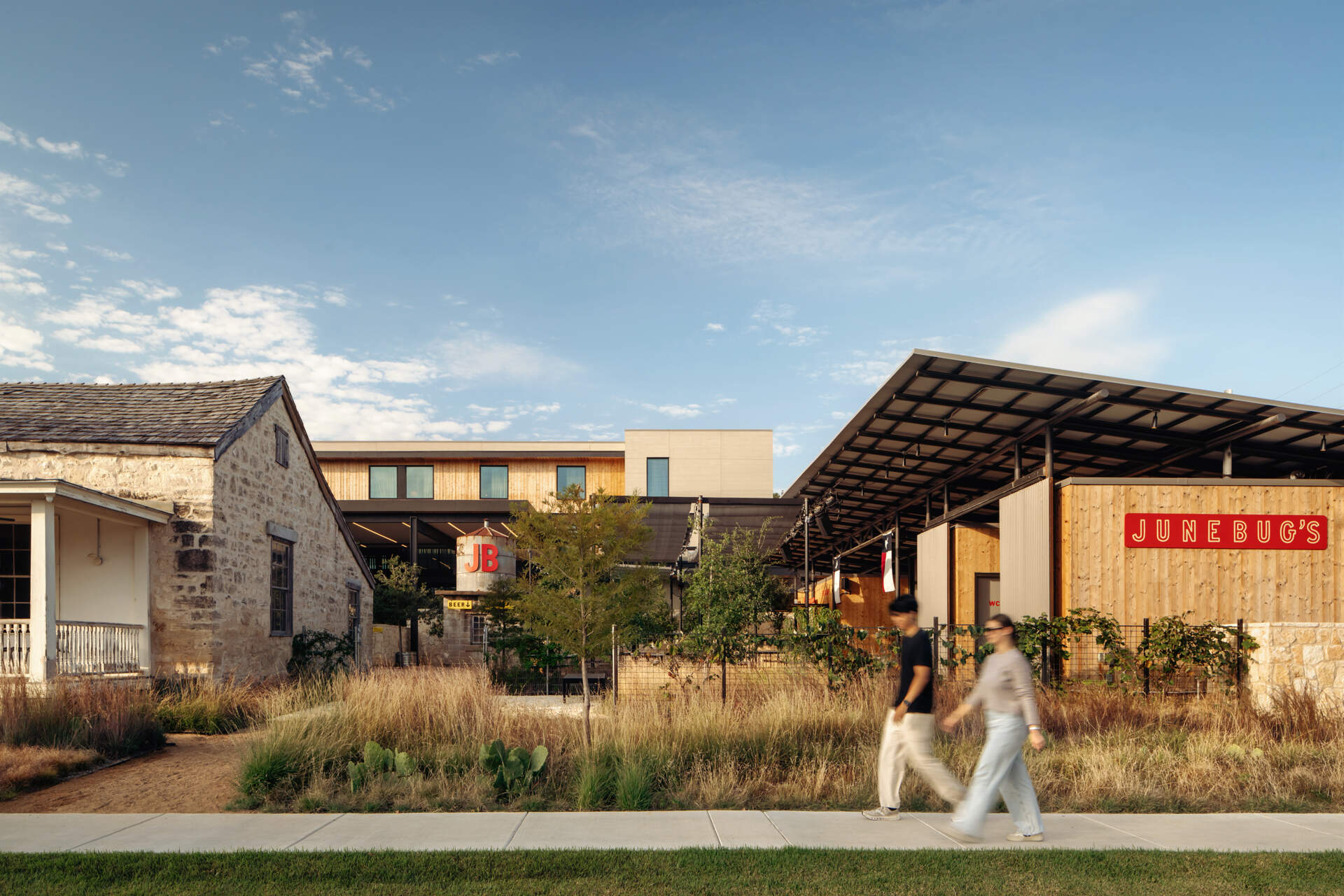
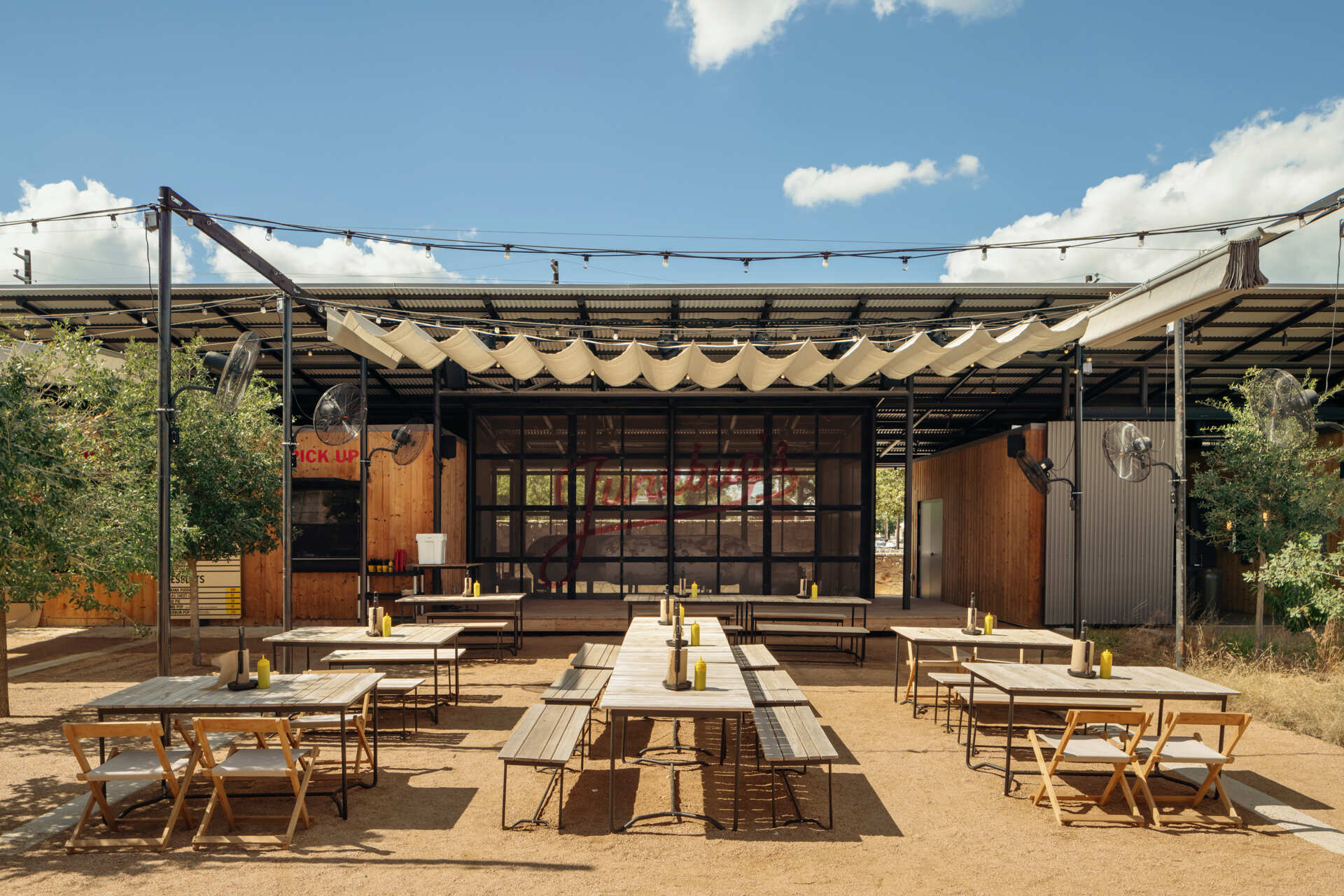
Spread across two acres, the property is organized as a sequence of buildings, gardens, and paths. Native grasses, live oaks, and mesquites define the landscape, while reclaimed materials from the site appear throughout outdoor areas.
Meandering pathways connect rooms, dining spaces, and amenities, encouraging movement across the property rather than through a single interior corridor.
Photography by Chase Daniel
Photography by Chase Daniel
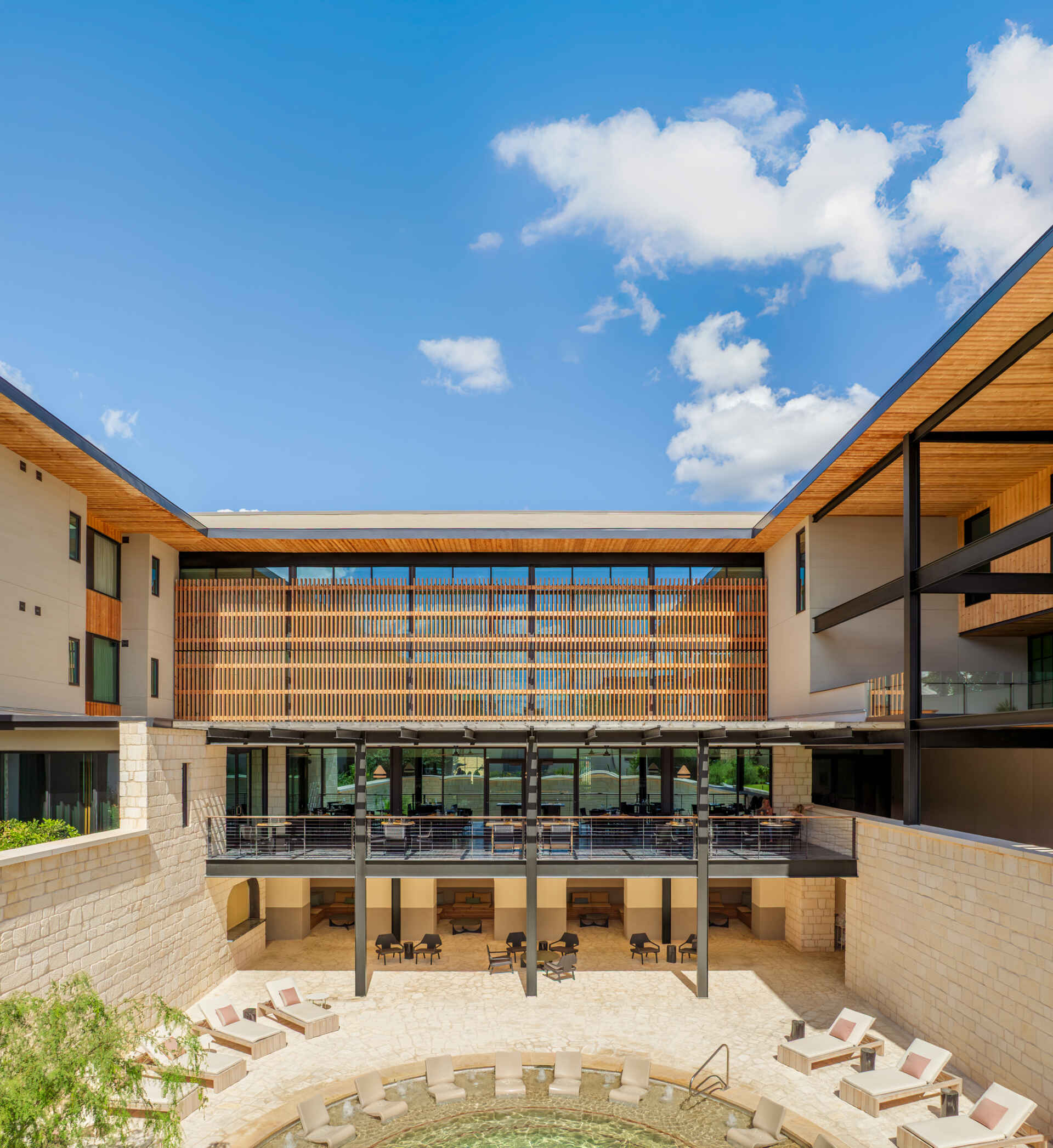
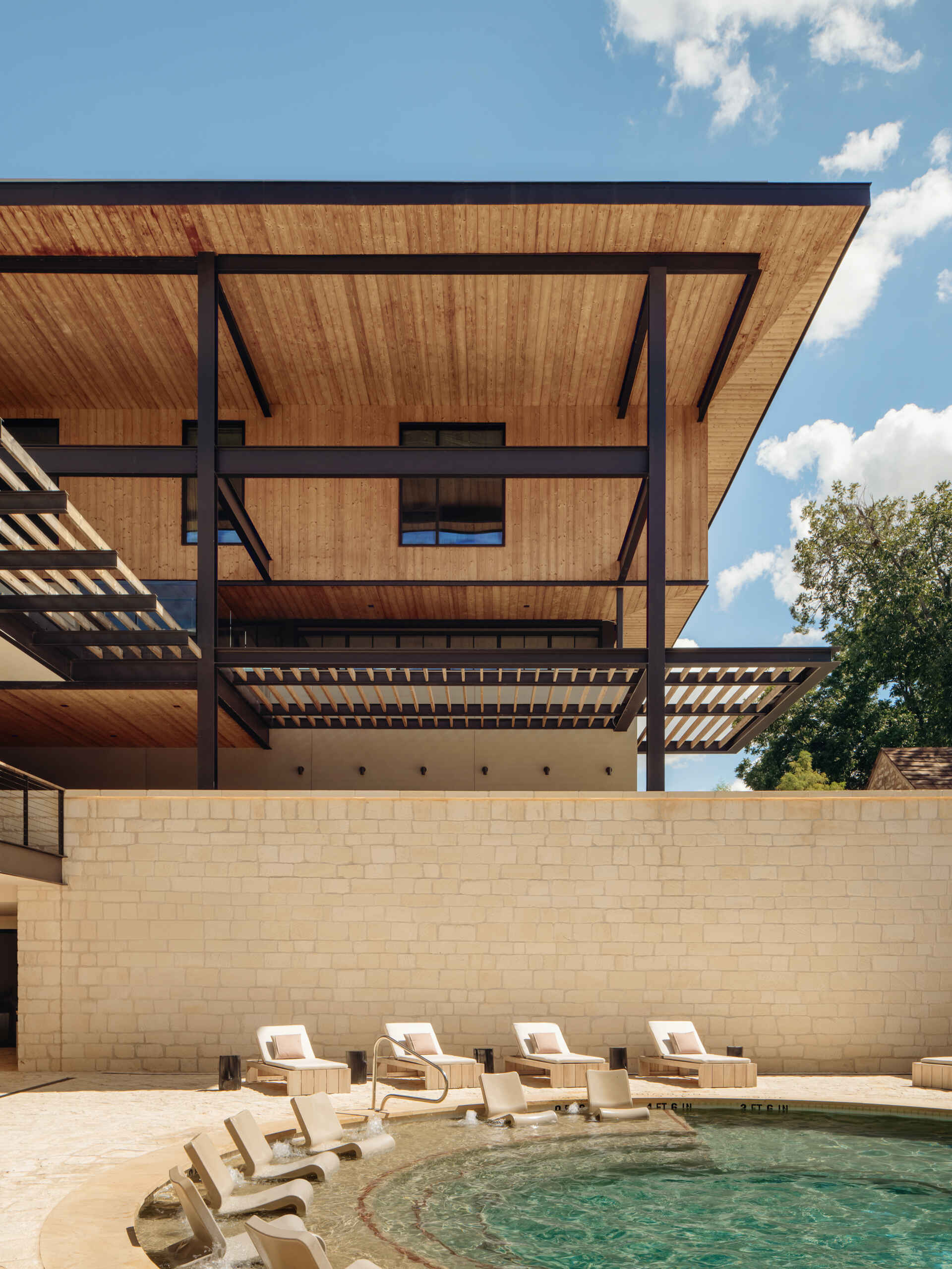
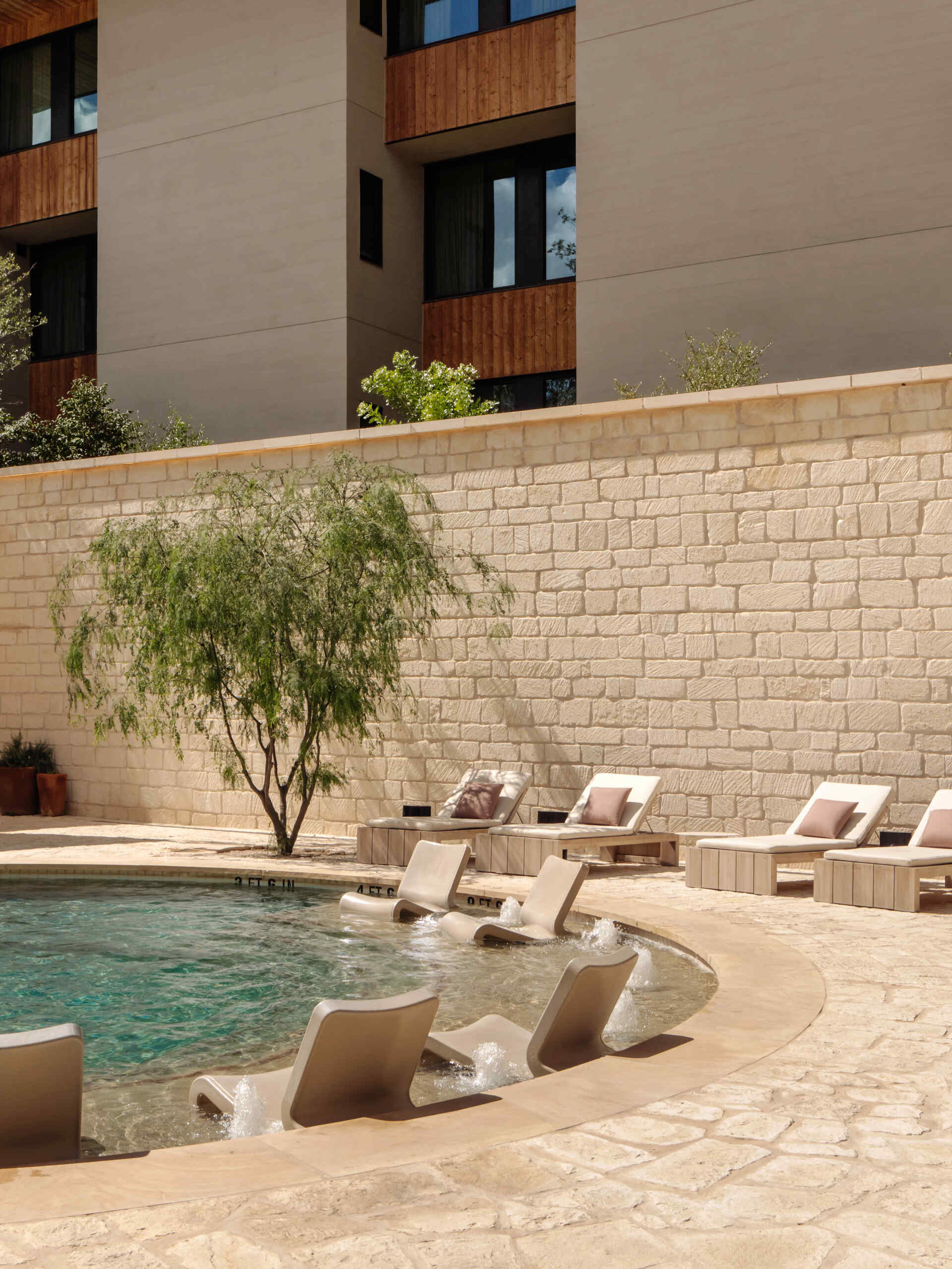
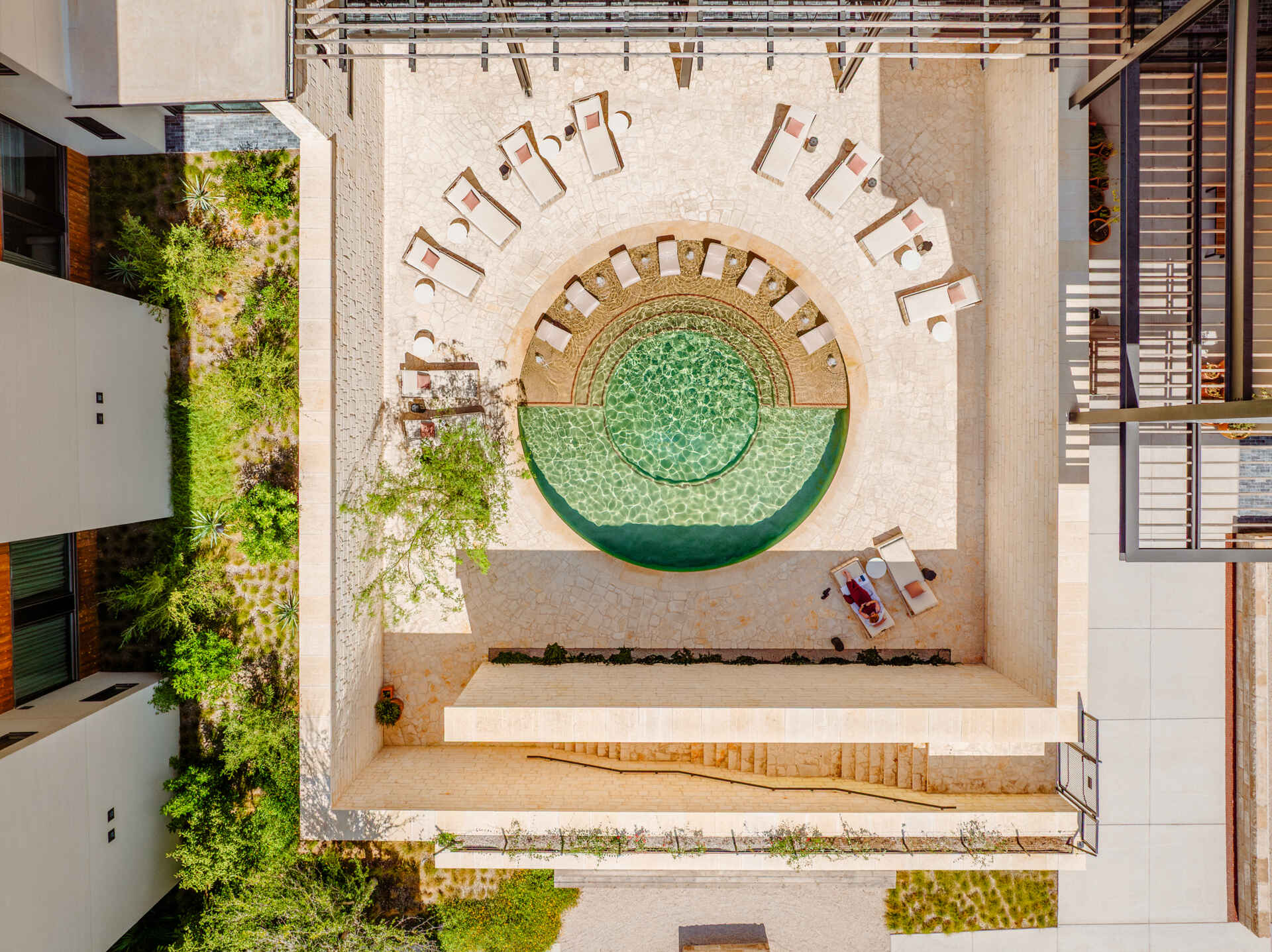
A Sunken Limestone Pool Built for the Texas Heat
A sunken outdoor limestone pool anchors the outdoor amenities. Paired with a lounge area, it offers a sheltered place to step away from the heat while remaining within the landscape of the property.
Photography by Ray Castro
Photography by Chase Daniel
Photography by Chase Daniel
Photography by Ray Castro
Arrival Spaces That Feel Quietly Intentional
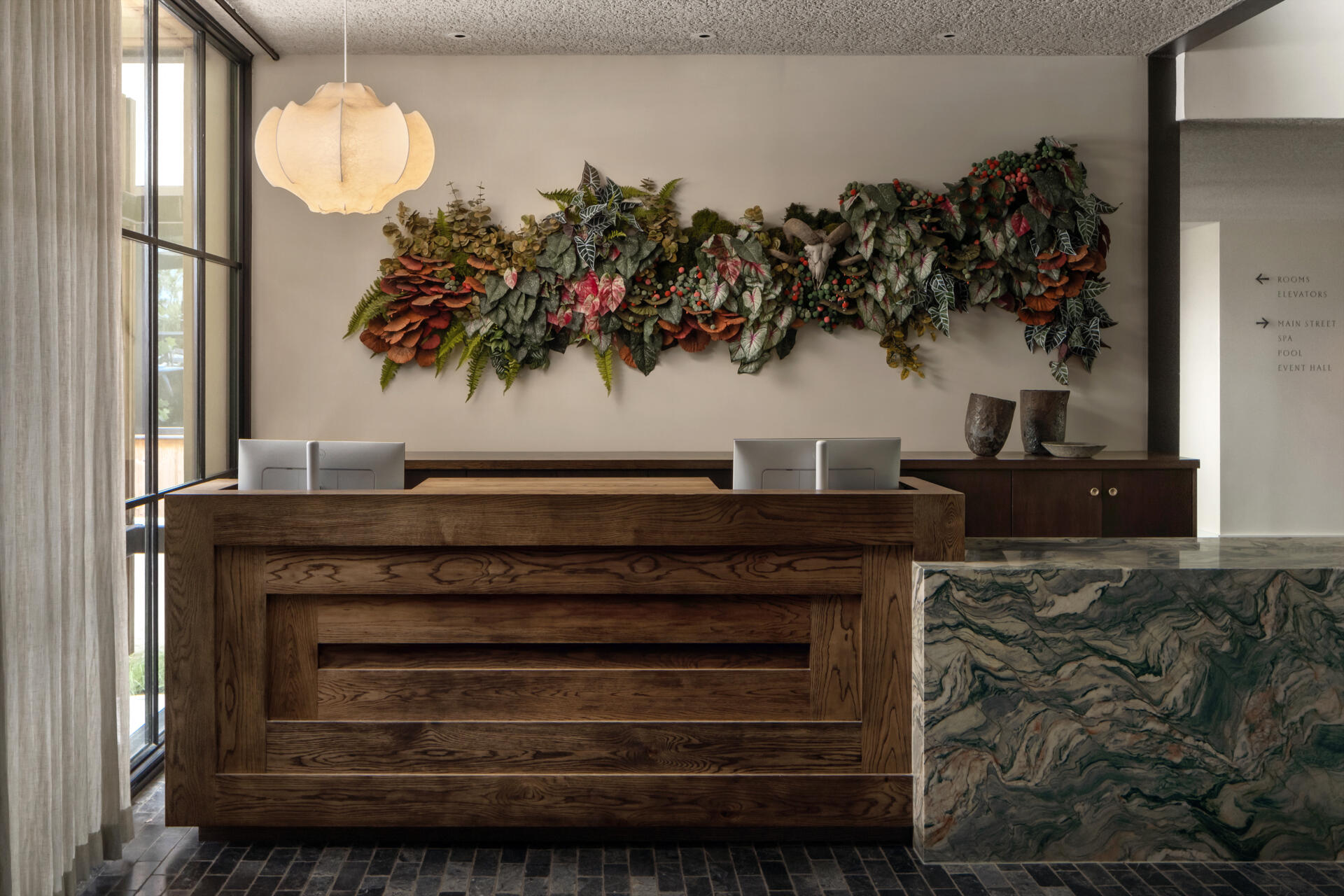
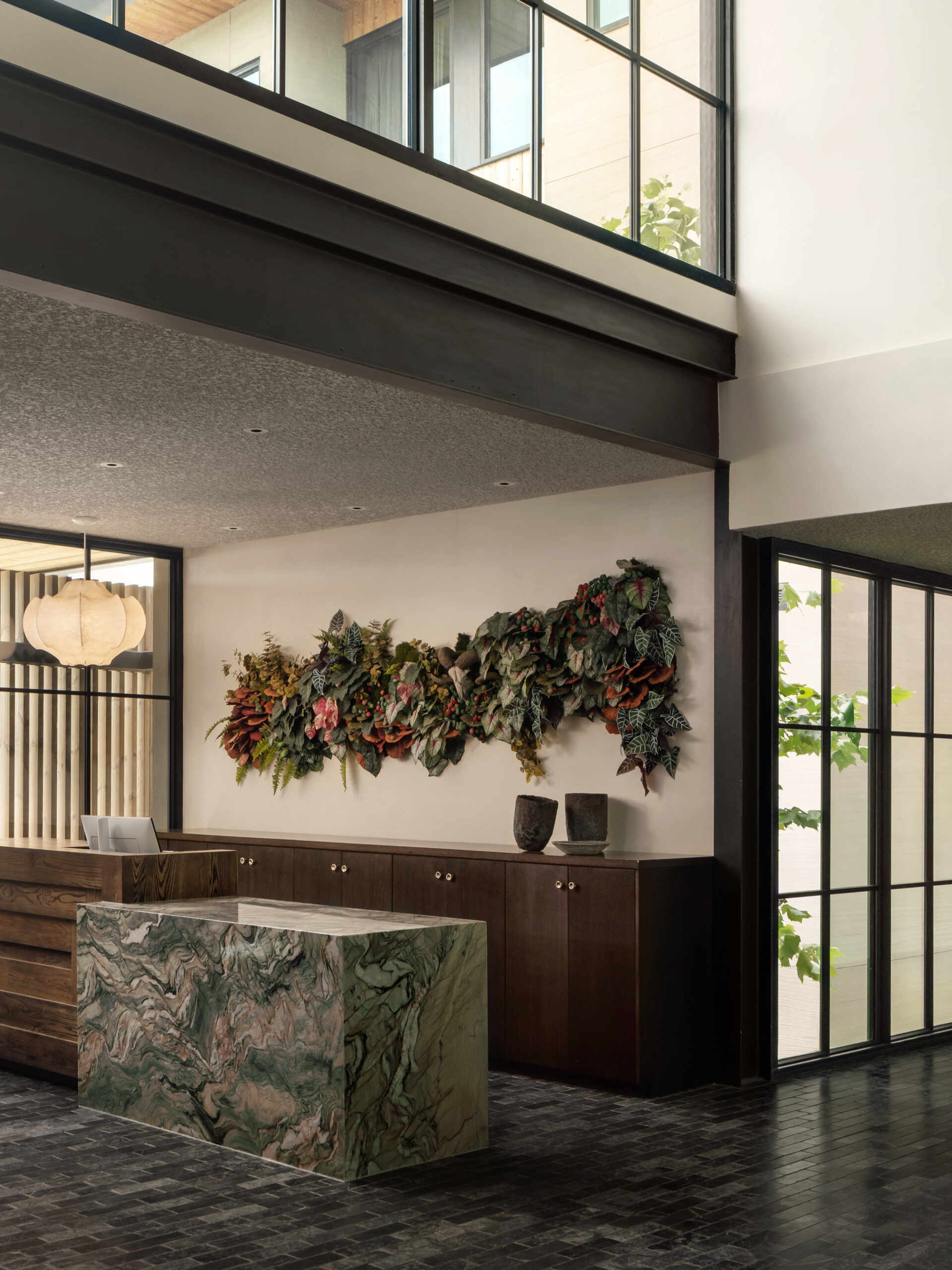
The lobby unfolds as a series of connected spaces that balance warmth with quiet character. A sculptural wood reception desk sits against green stone and soft pendant light, while a plant accent adds a subtle sense of life.
Photography by Chase Daniel
Photography by Chase Daniel
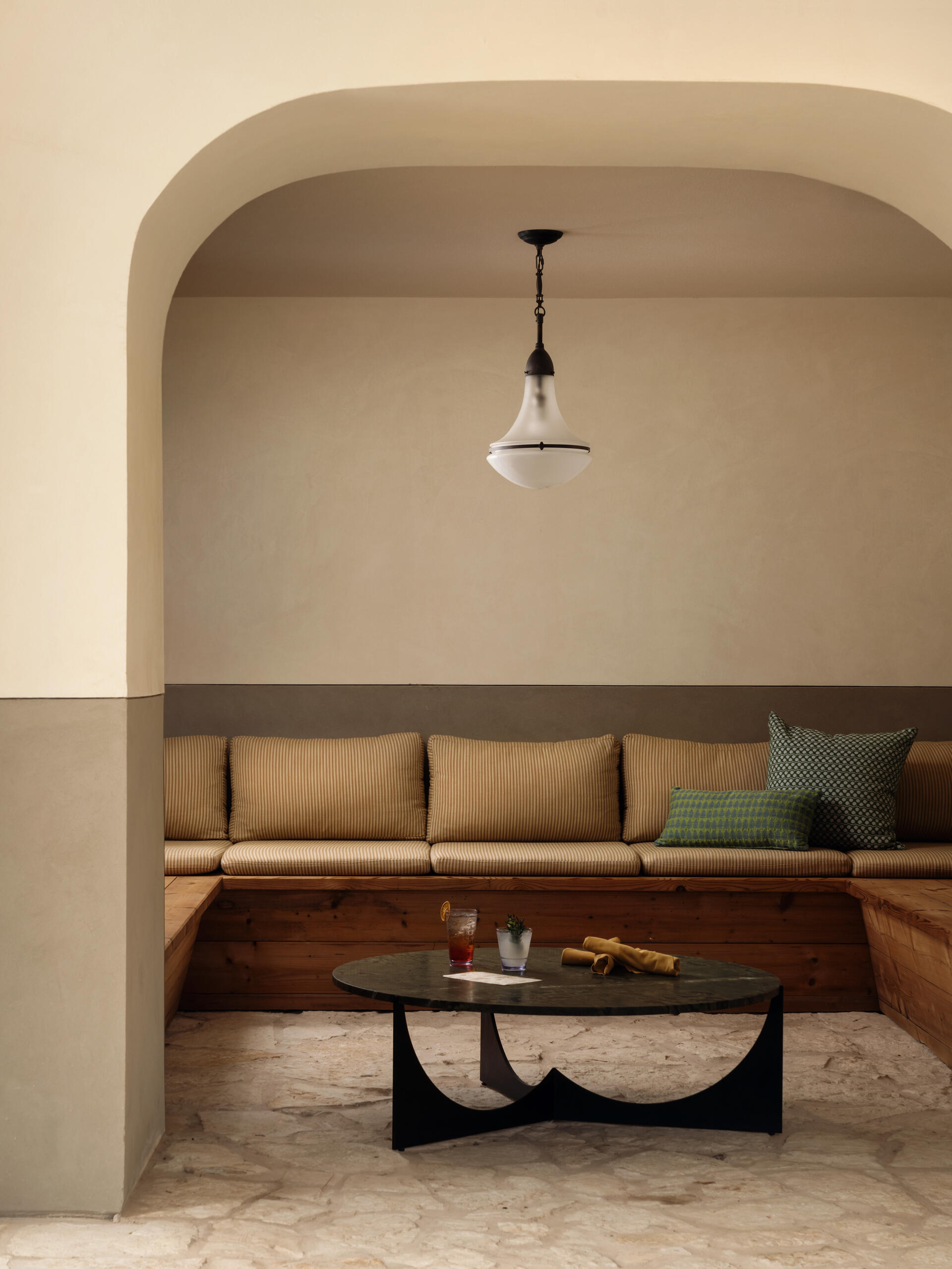
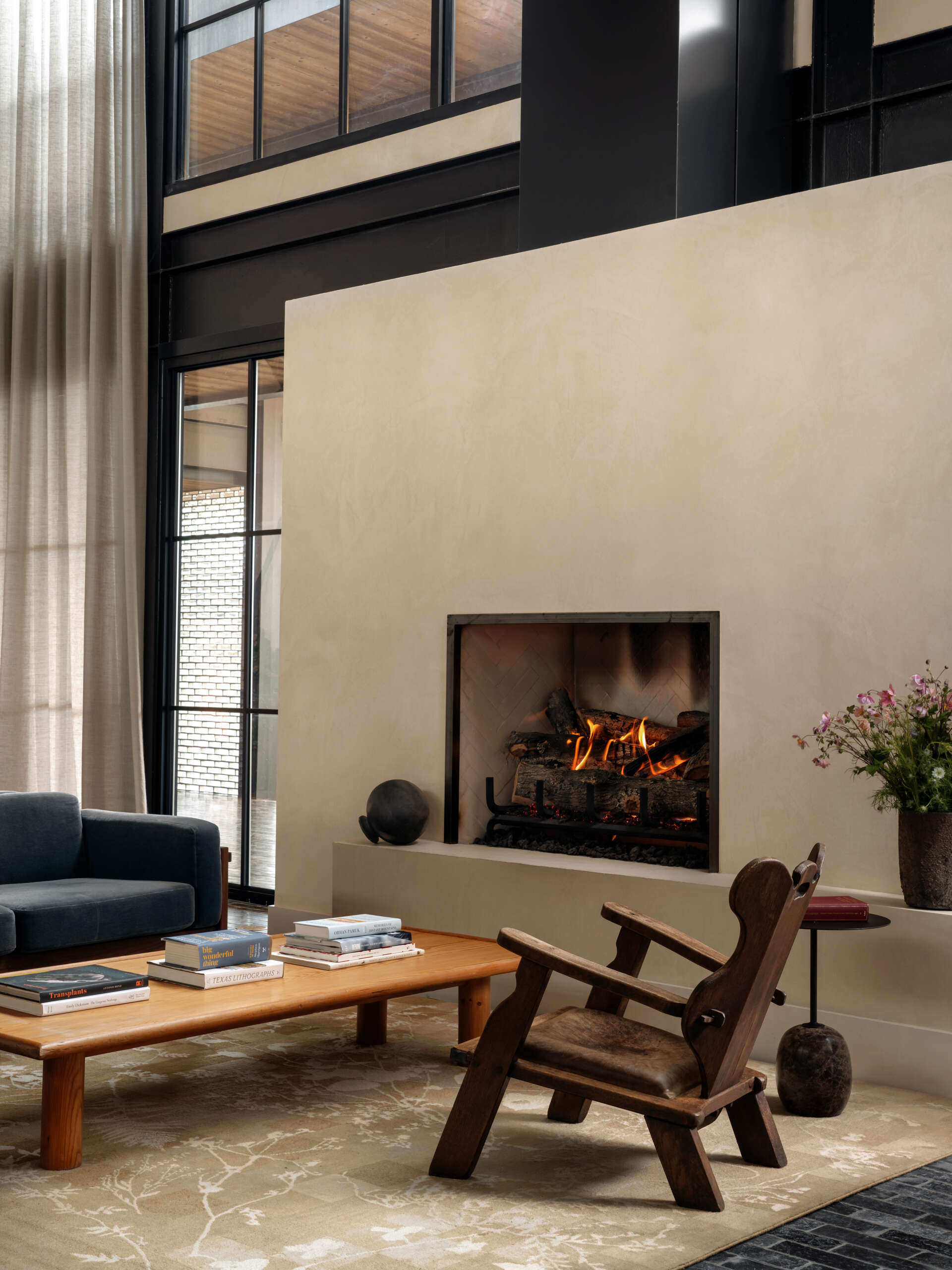
Nearby, built in seating and an arched nook offer places to pause with a drink, while the lounge pairs tall windows, a plaster fireplace, textured rugs, and grounded wood furniture that make waiting or lingering feel natural.
Photography by Chase Daniel
Photography by Chase Daniel
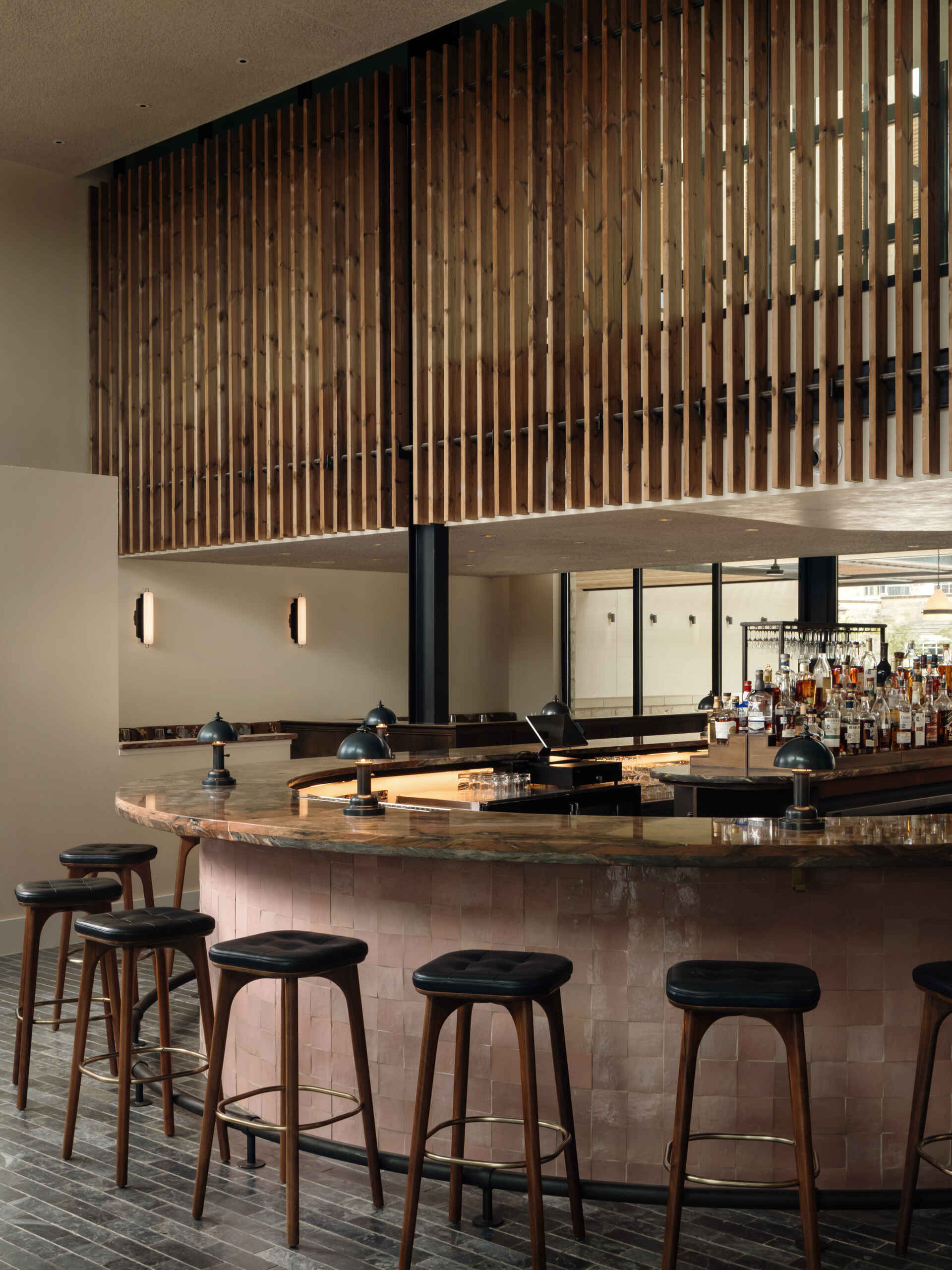
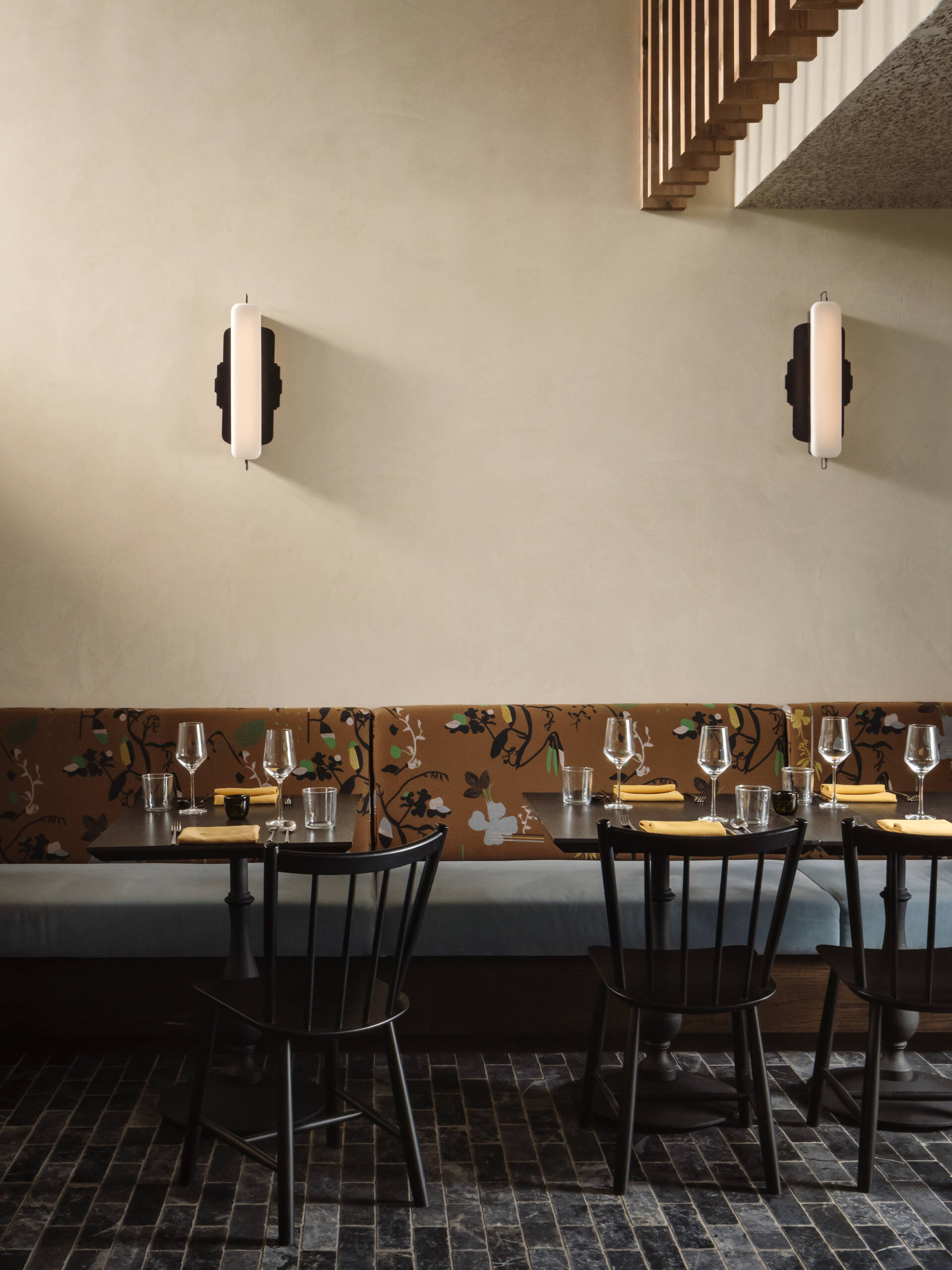
Dining and bar areas flow from this same palette, mixing plaster walls, patterned banquettes, dark wood tables, and a softly lit bar finished in stone, tile, and timber. Together, the spaces feel cohesive, relaxed, and designed for unhurried moments rather than quick arrivals.
Photography by Chase Daniel
Photography by Chase Daniel
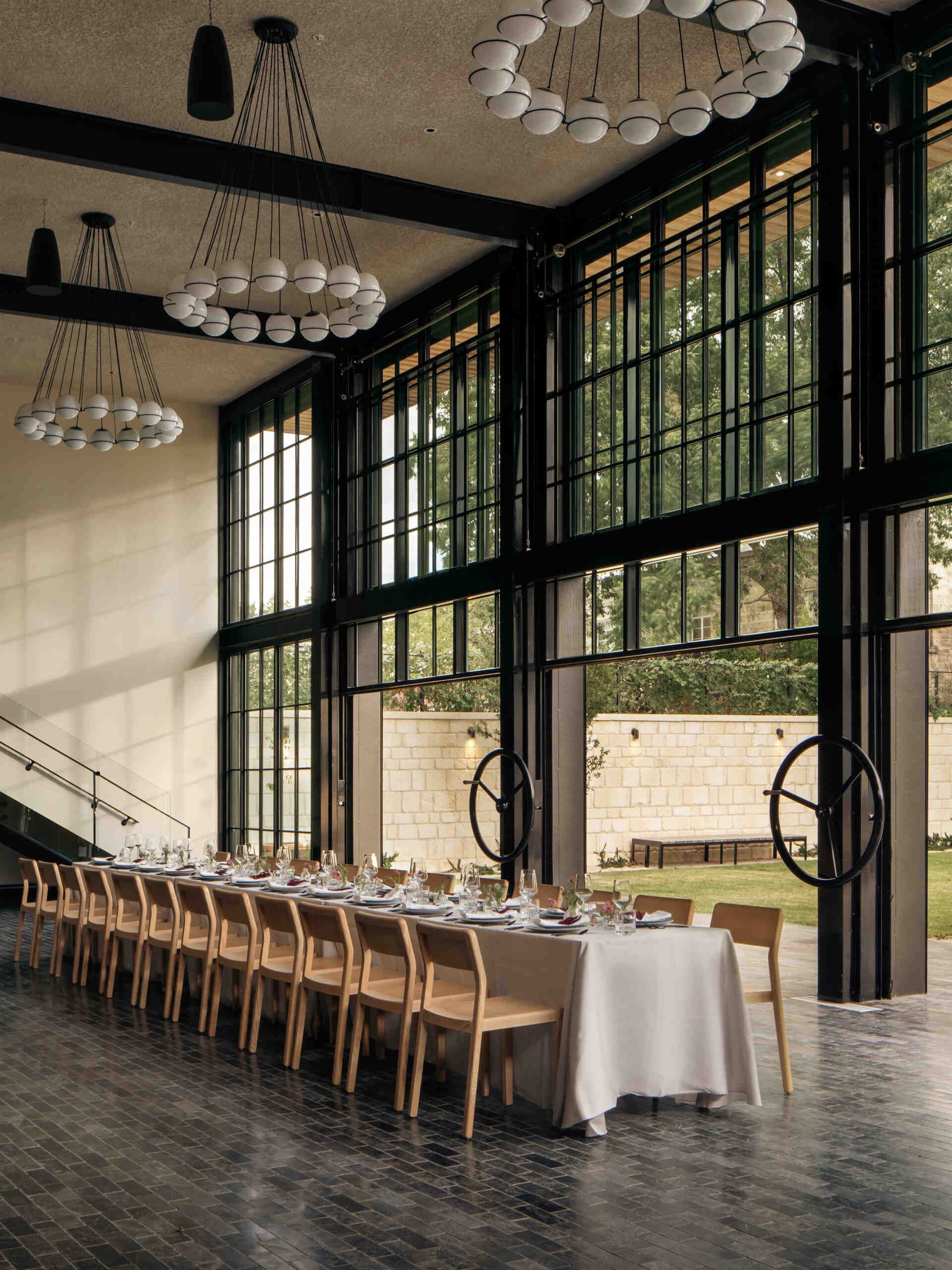
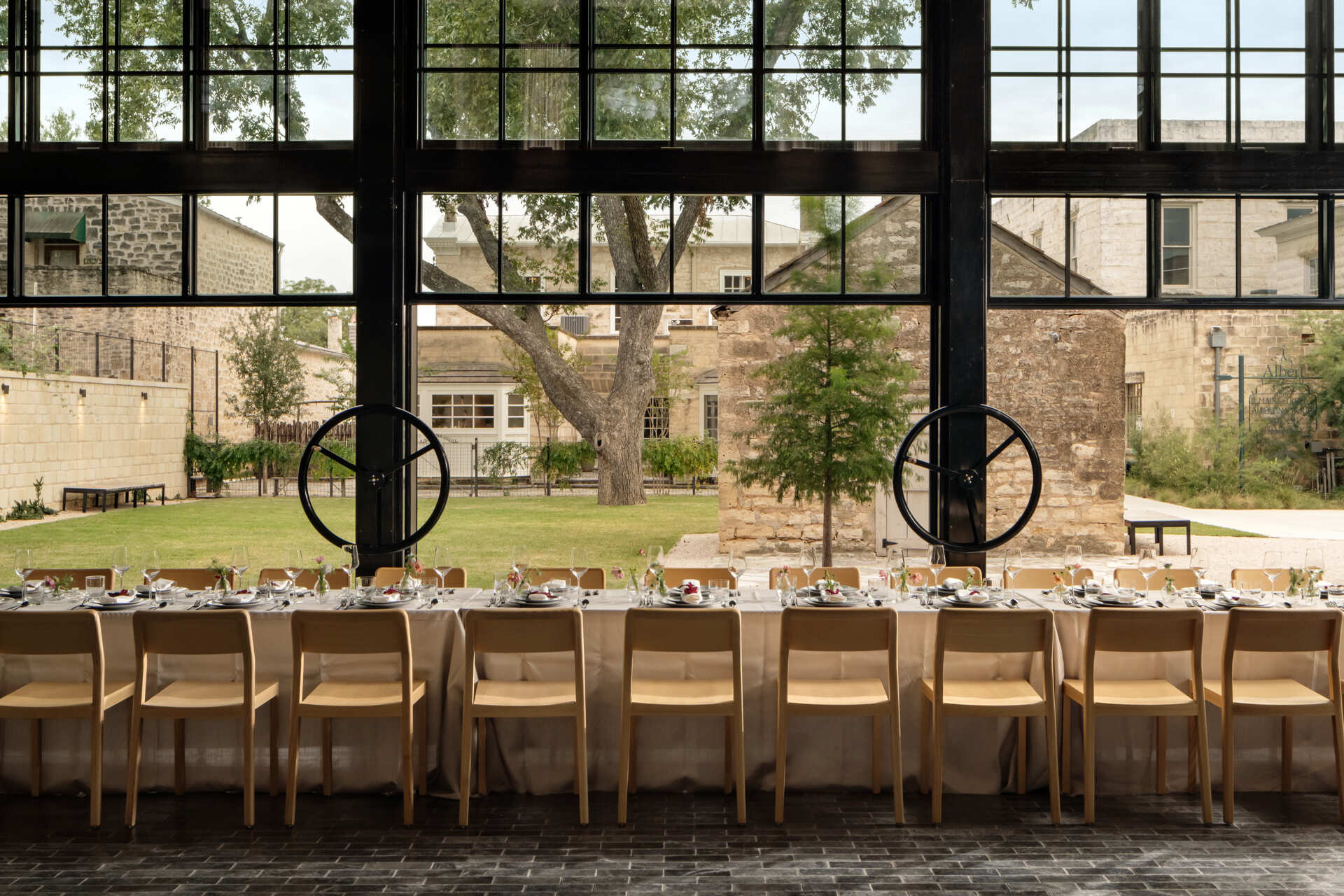
A Grand Event Space
Events are supported by a 3,600 square foot dedicated event space, along with a 1,200 square foot mezzanine deck and an event lawn. These spaces are integrated into the site rather than set apart from it.
Photography by Chase Daniel
Photography by Chase Daniel
Guest Suites Defined by Calm, Texture, and Light
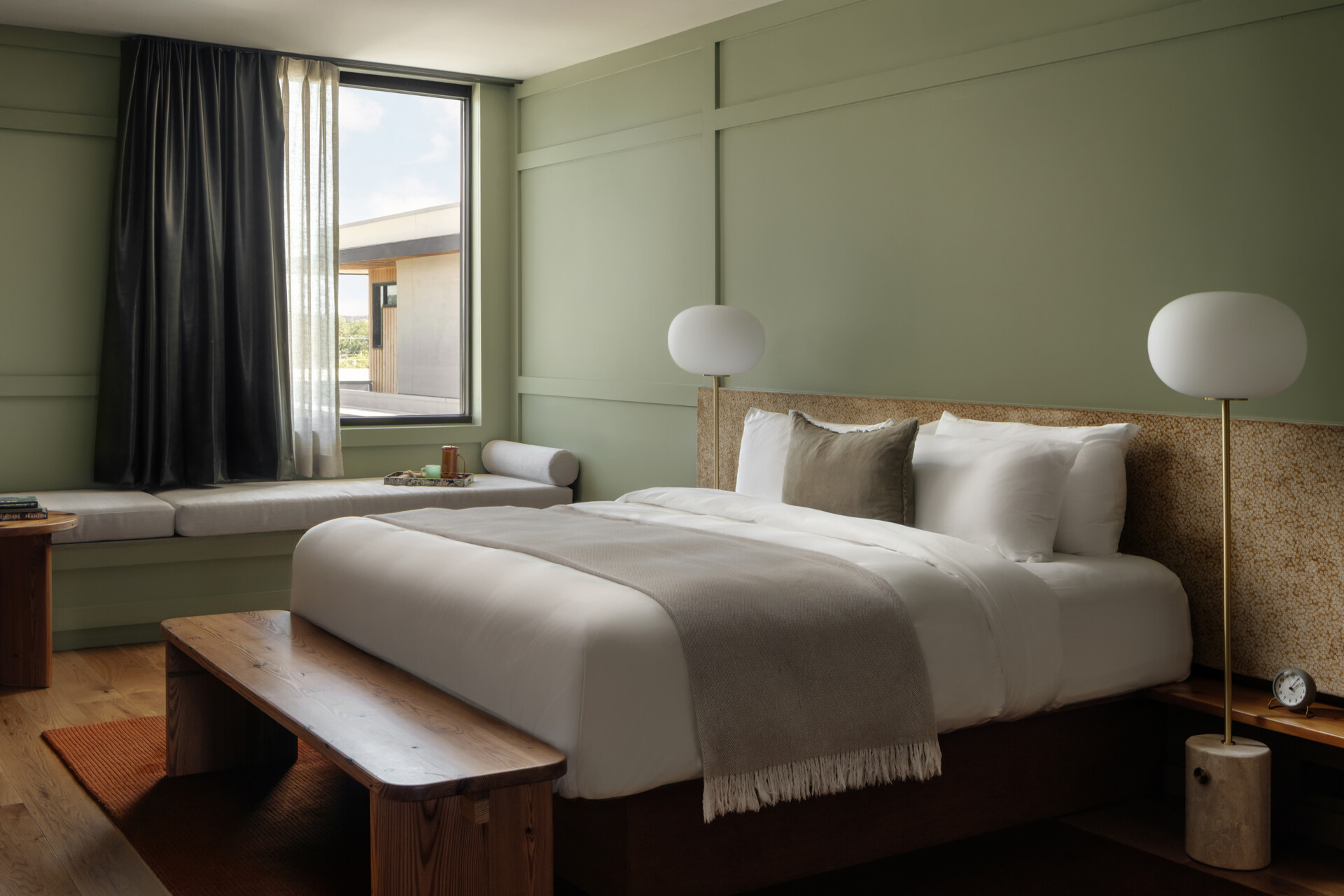
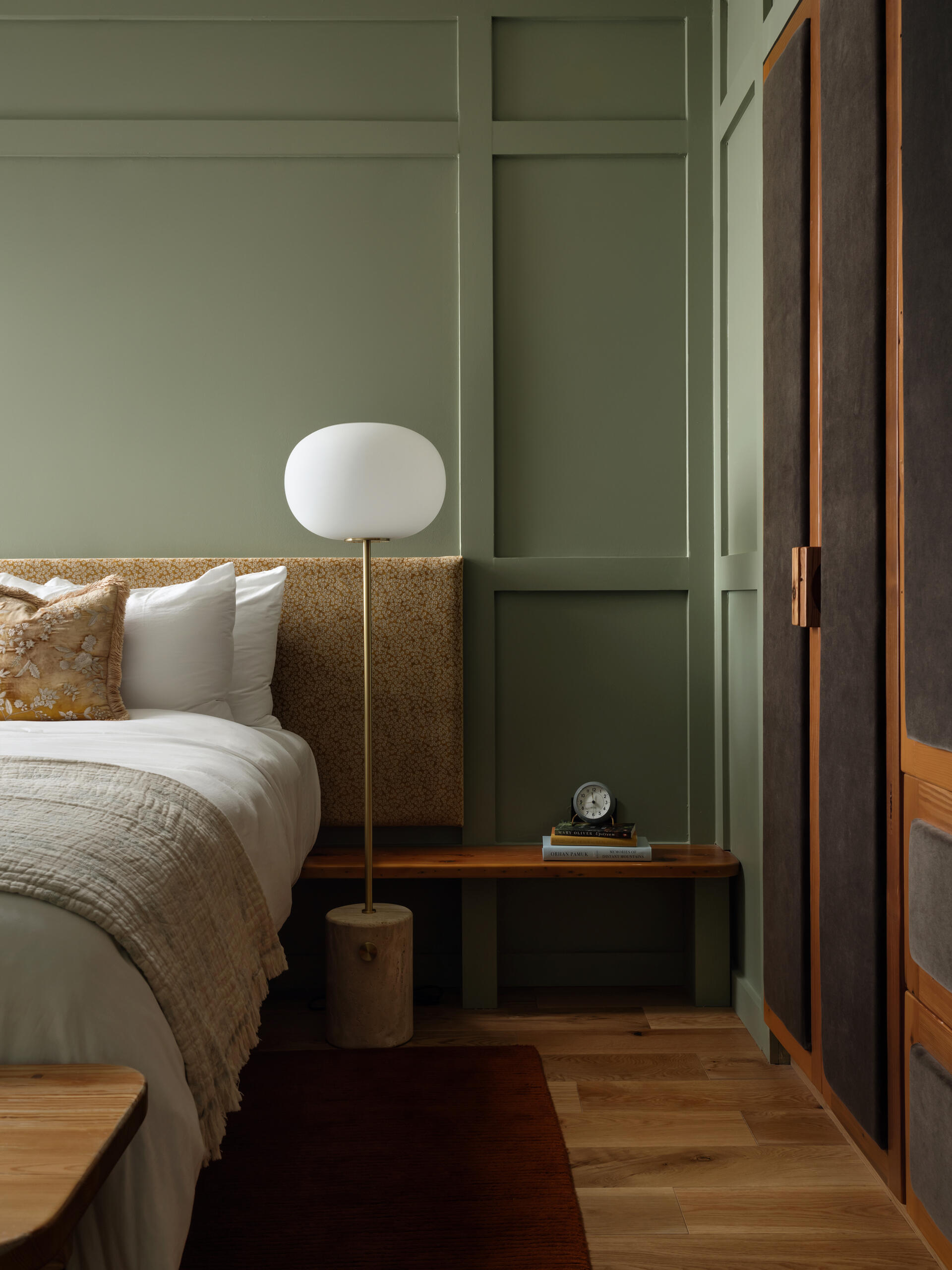
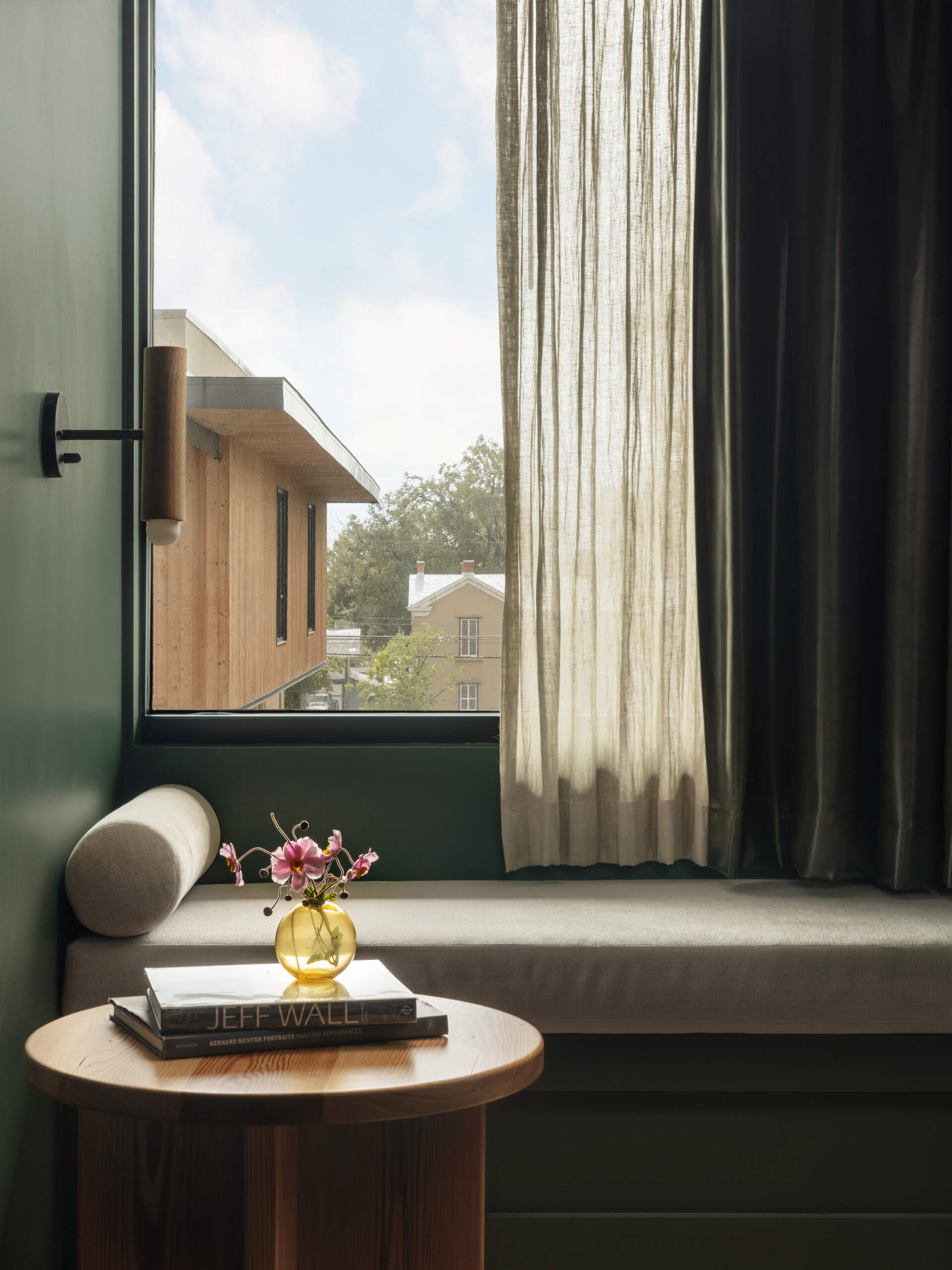
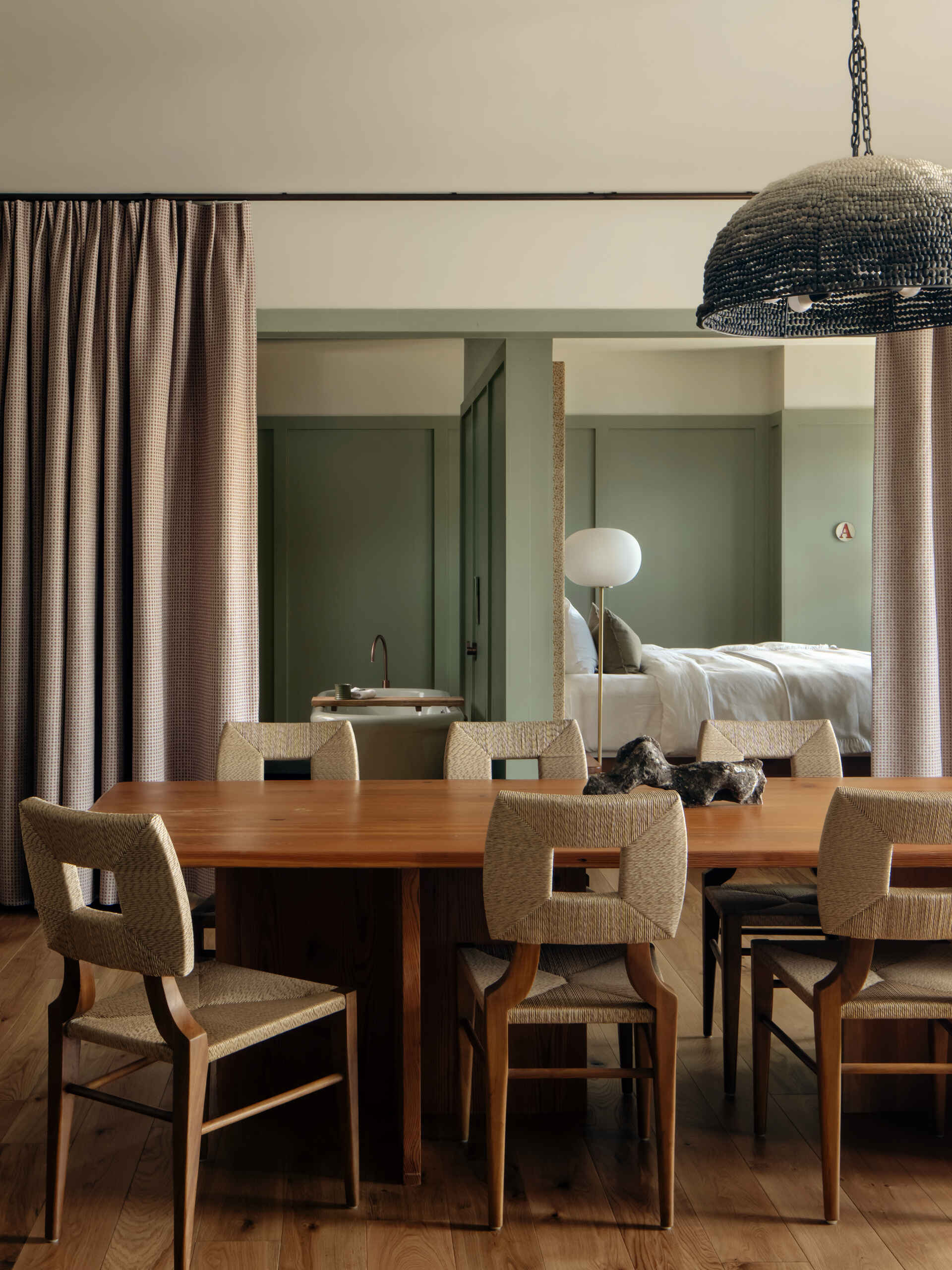
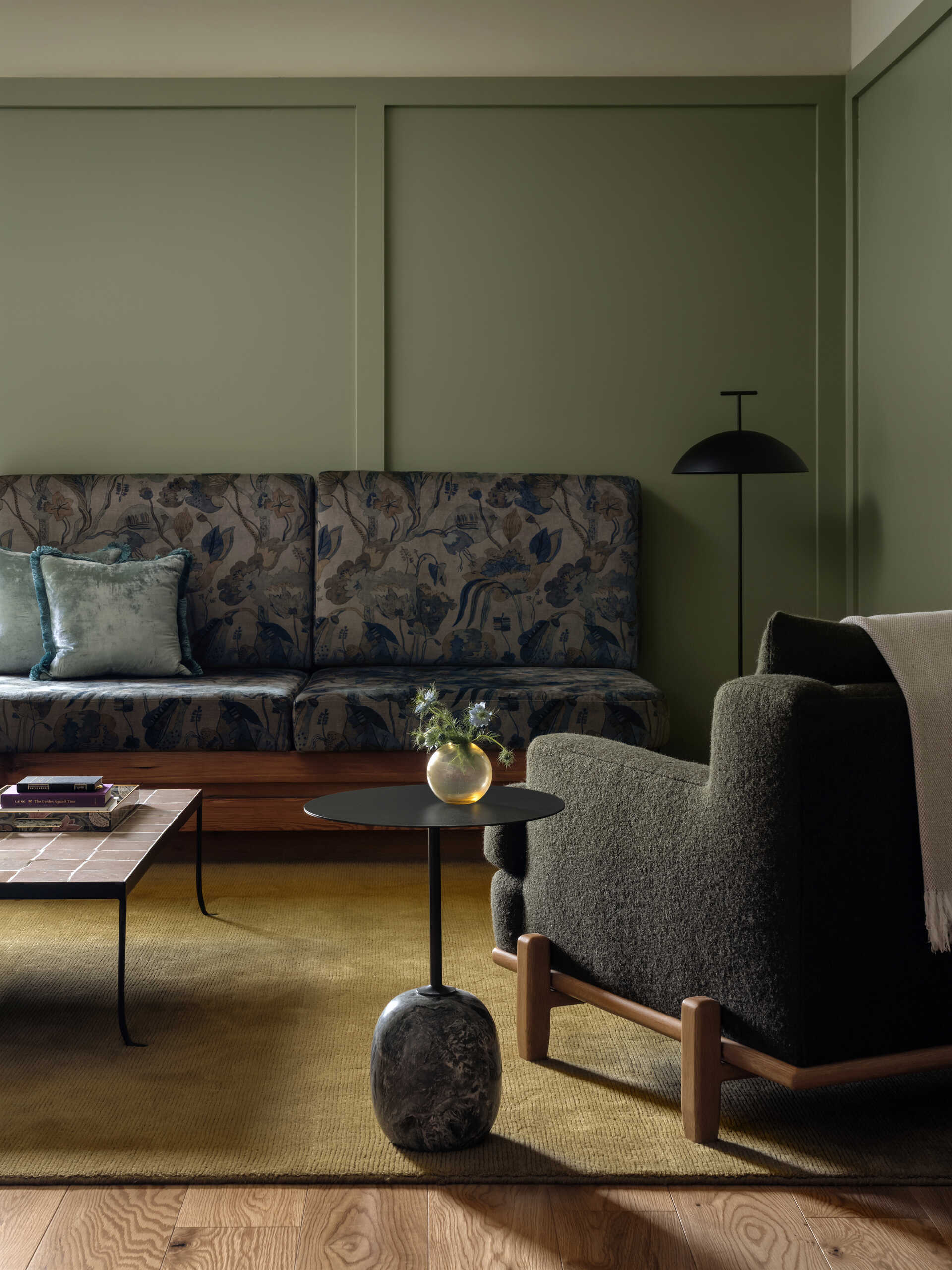
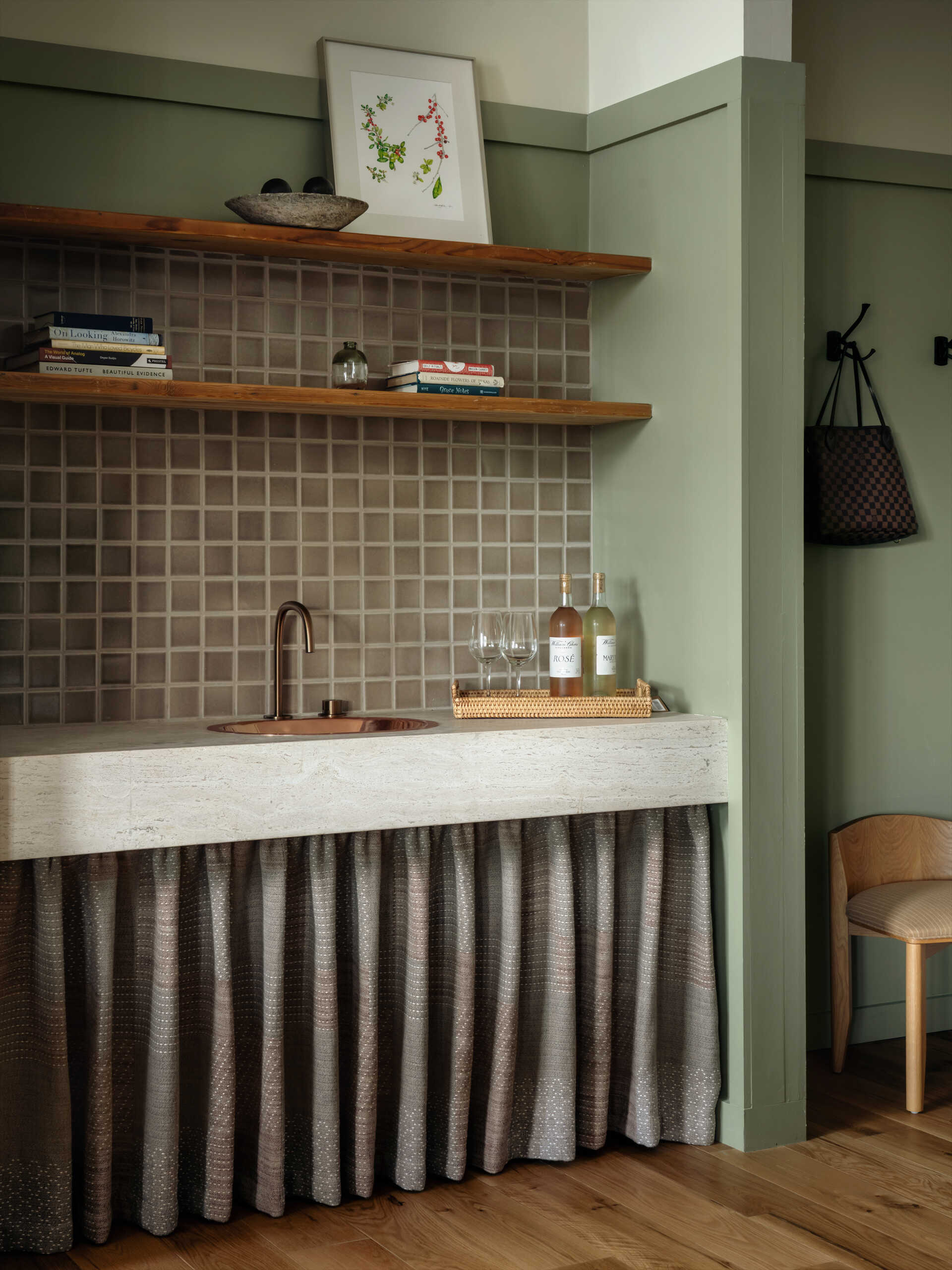
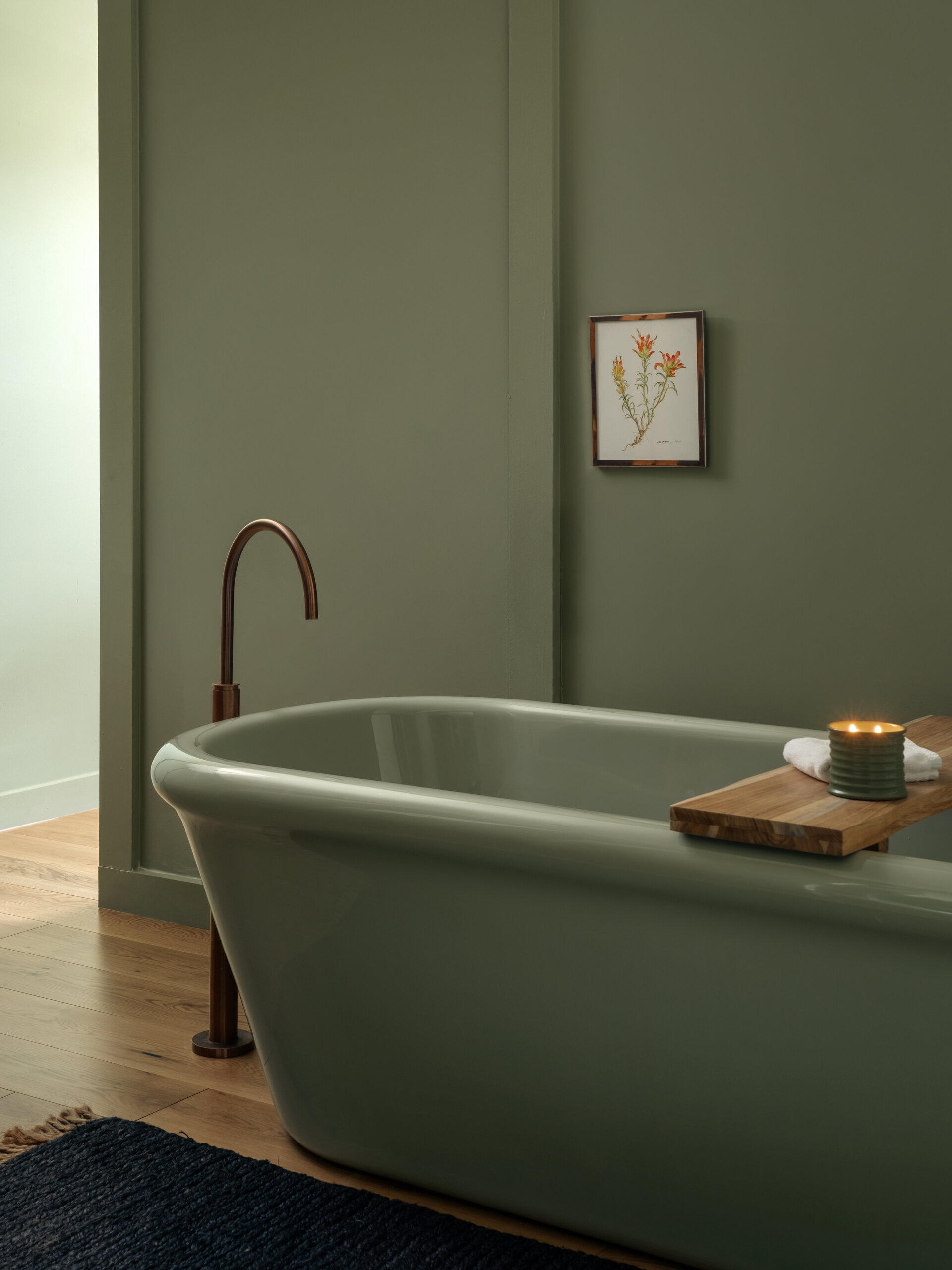
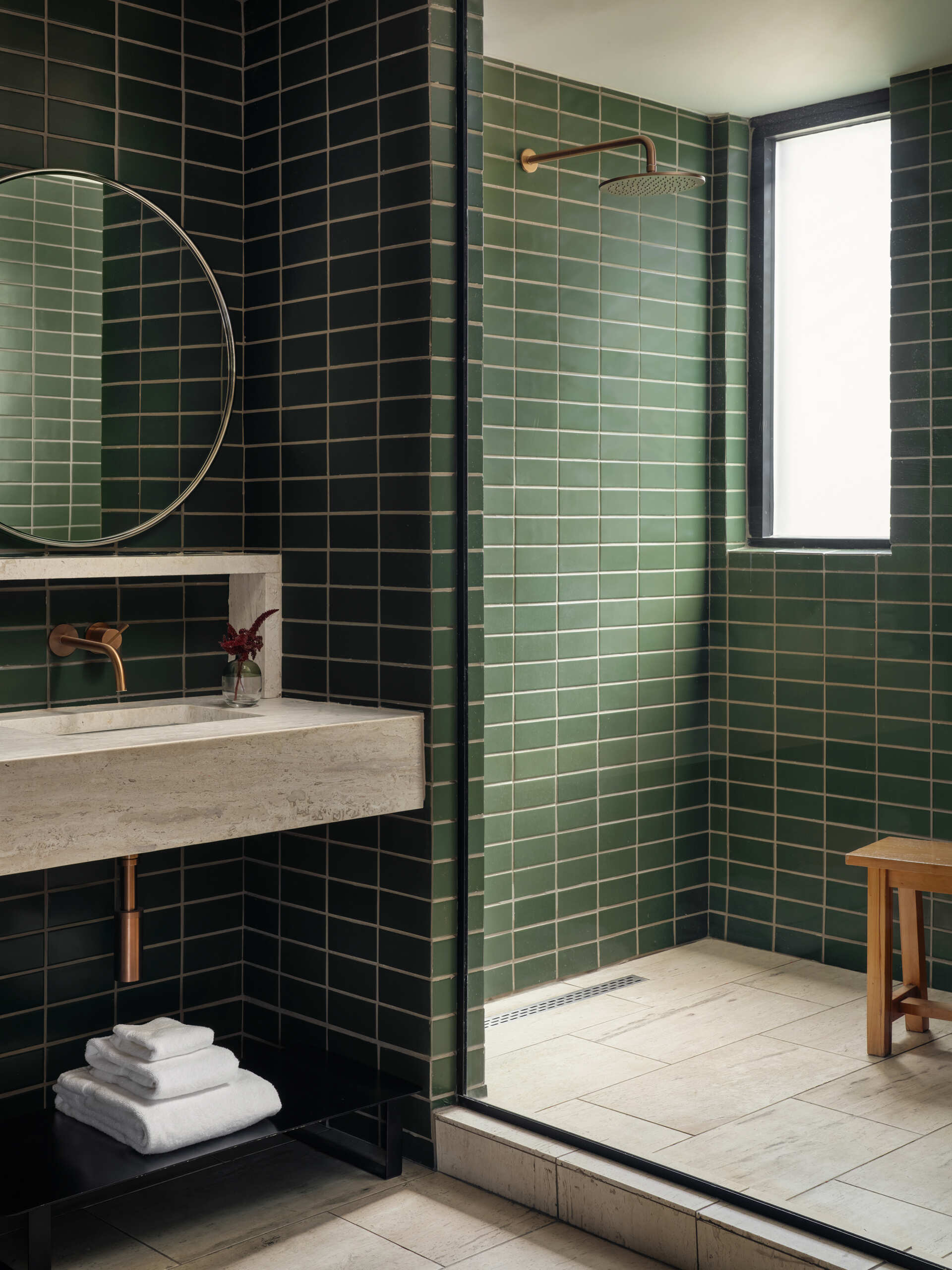
Across 105 guest rooms, accommodations range from bunkrooms to suites and a private house. Each room includes tailored amenities and custom designed furniture, aligning with the hotel’s layered yet unfussy interior approach.
An example of one hotel suite shows how the interior is shaped by muted green walls, warm timber floors, and soft natural light.
Photography by Chase Daniel
Photography by Chase Daniel
Photography by Chase Daniel
Photography by Chase Daniel
Photography by Chase Daniel
Photography by Chase Daniel
Photography by Chase Daniel
Photography by Chase Daniel
By preserving historic structures, referencing Hill Country materials, and organizing the site as a series of connected experiences, the Albert Hotel presents a model for building something new without disconnecting from what was already there.