This San Francisco Renovation Balances Contemporary Living And Bonsai Craft

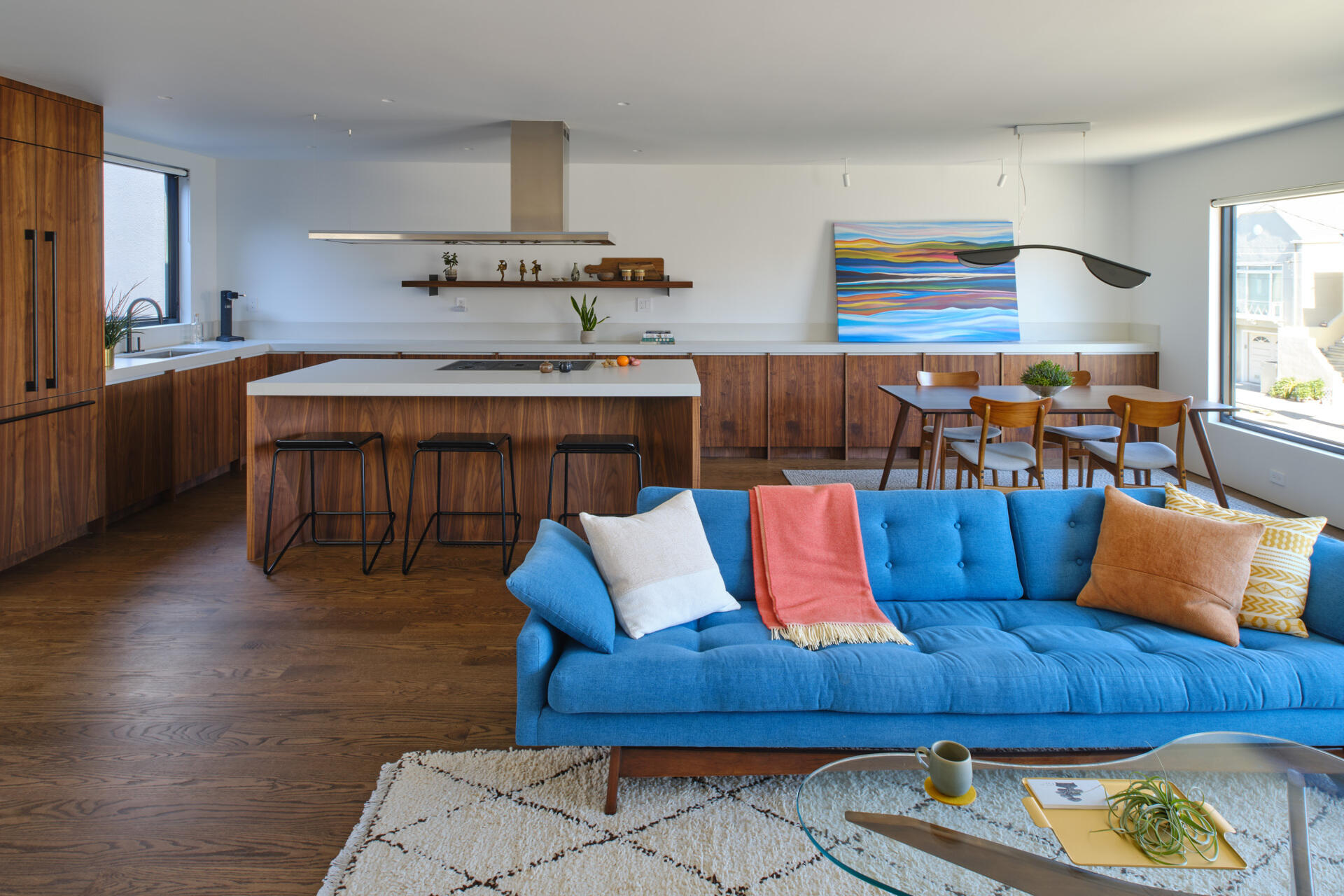
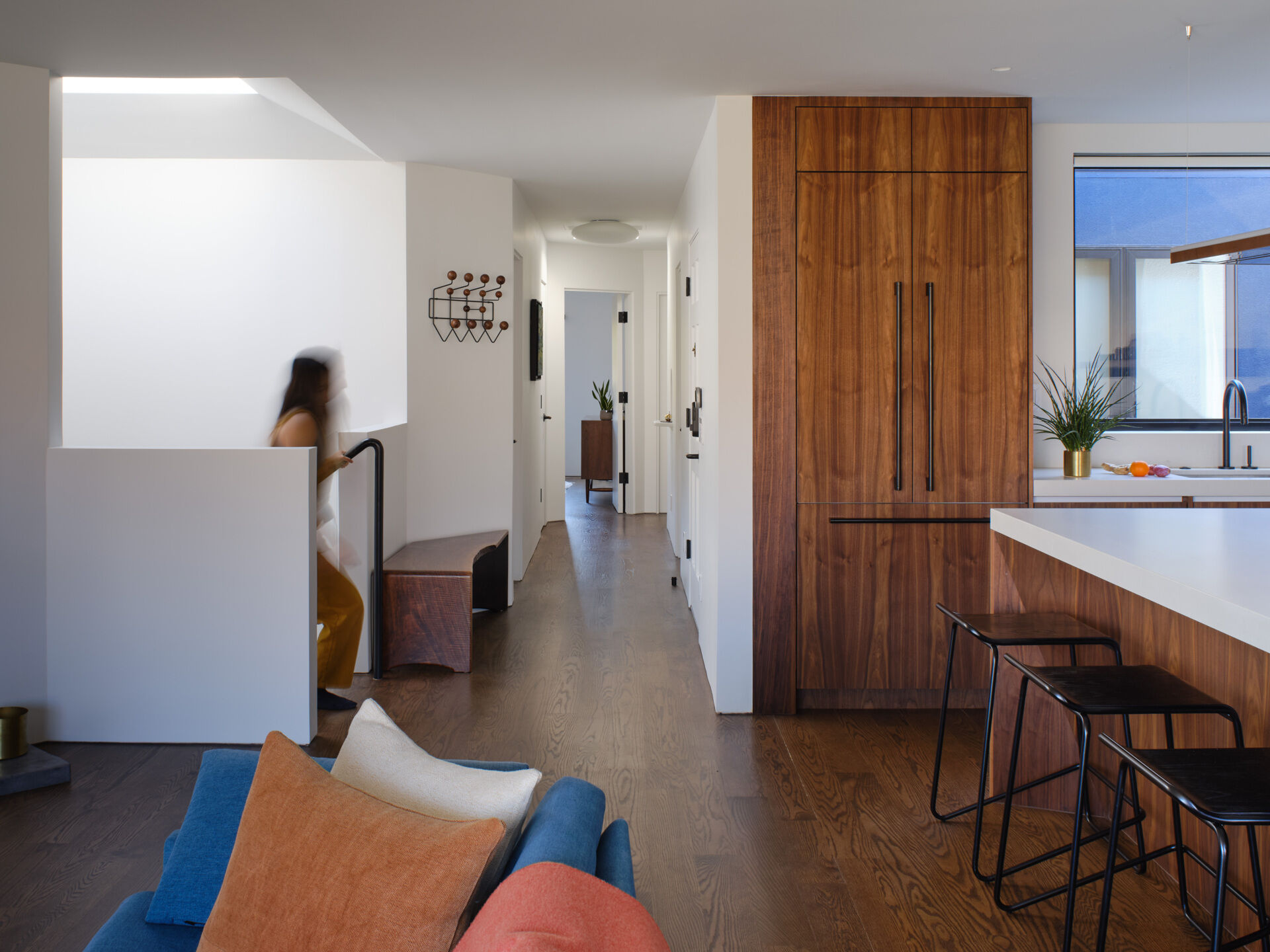
Previously, living spaces were segmented, cutting off visual connections and natural light. The layout felt constrained by its compartmentalized plan. Now, the living and dining areas unfold within the open upper level. Refinished original oak floors in a deeper tone ground the space, complemented by walnut millwork that adds warmth without overwhelming the volume.
Architecture by Firma Ladigin, photography © James Newman.

This San Francisco renovation tackles a common challenge: an aging home weighed down by dark, divided rooms and years of improvised updates. In its place is a light filled interior that supports dedicated creative work while opening up daily living above.

Designed by Firma Ladigin, the Portola Garden House reflects the history of its Portola setting while aligning closely with the artistic lives of its new owners.

Deep Navy Stucco Signals a Quiet Transformation

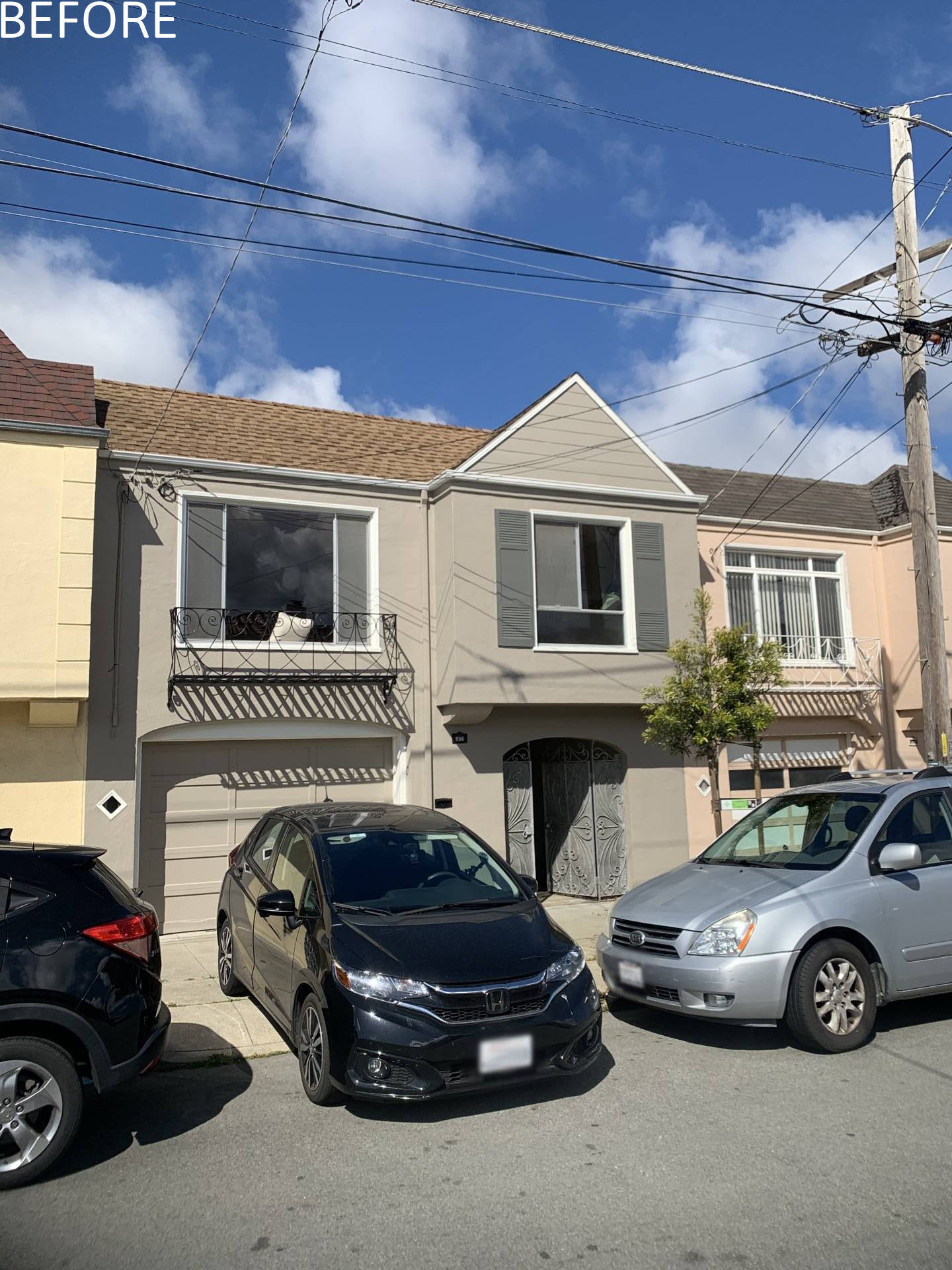
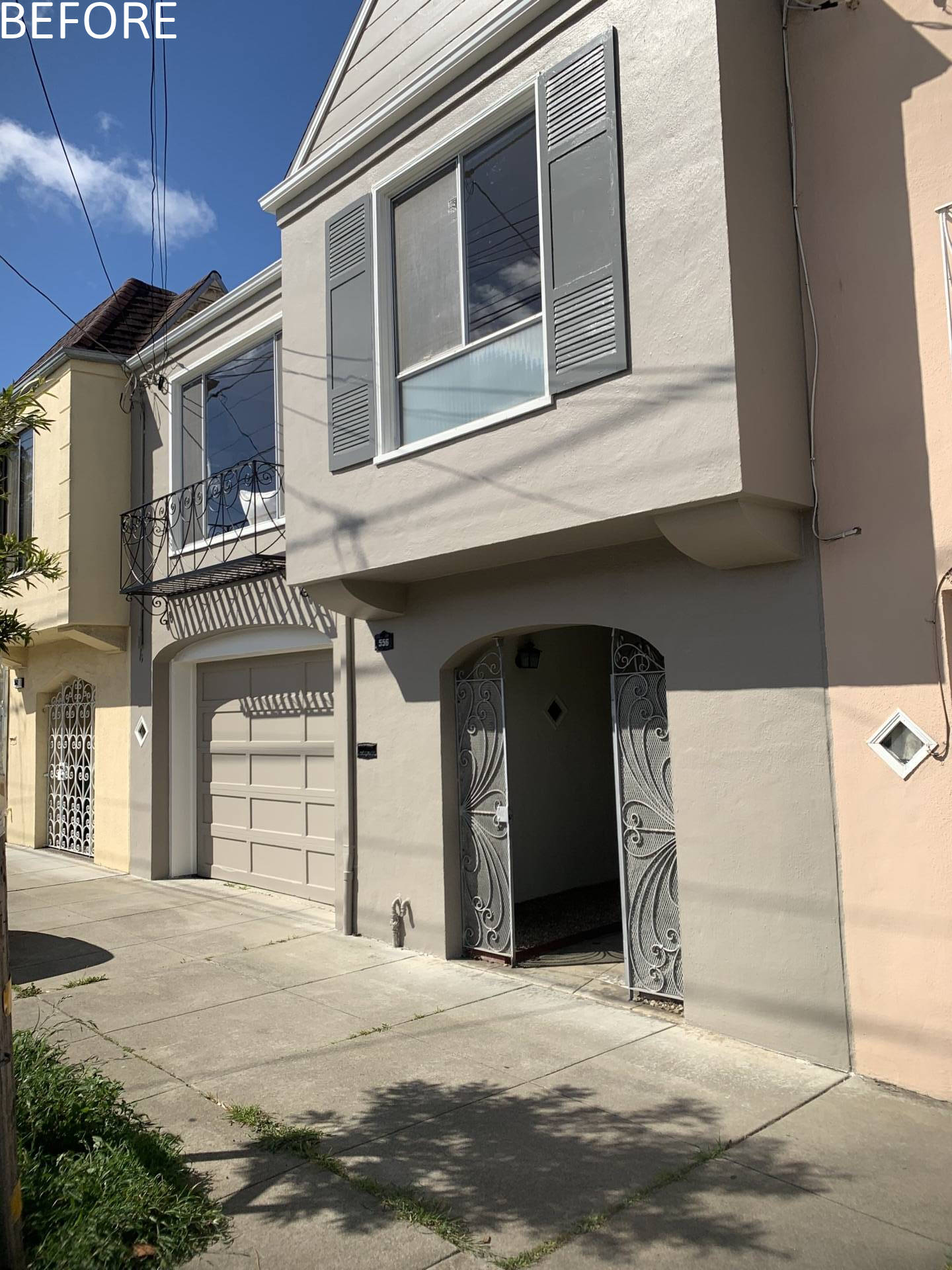
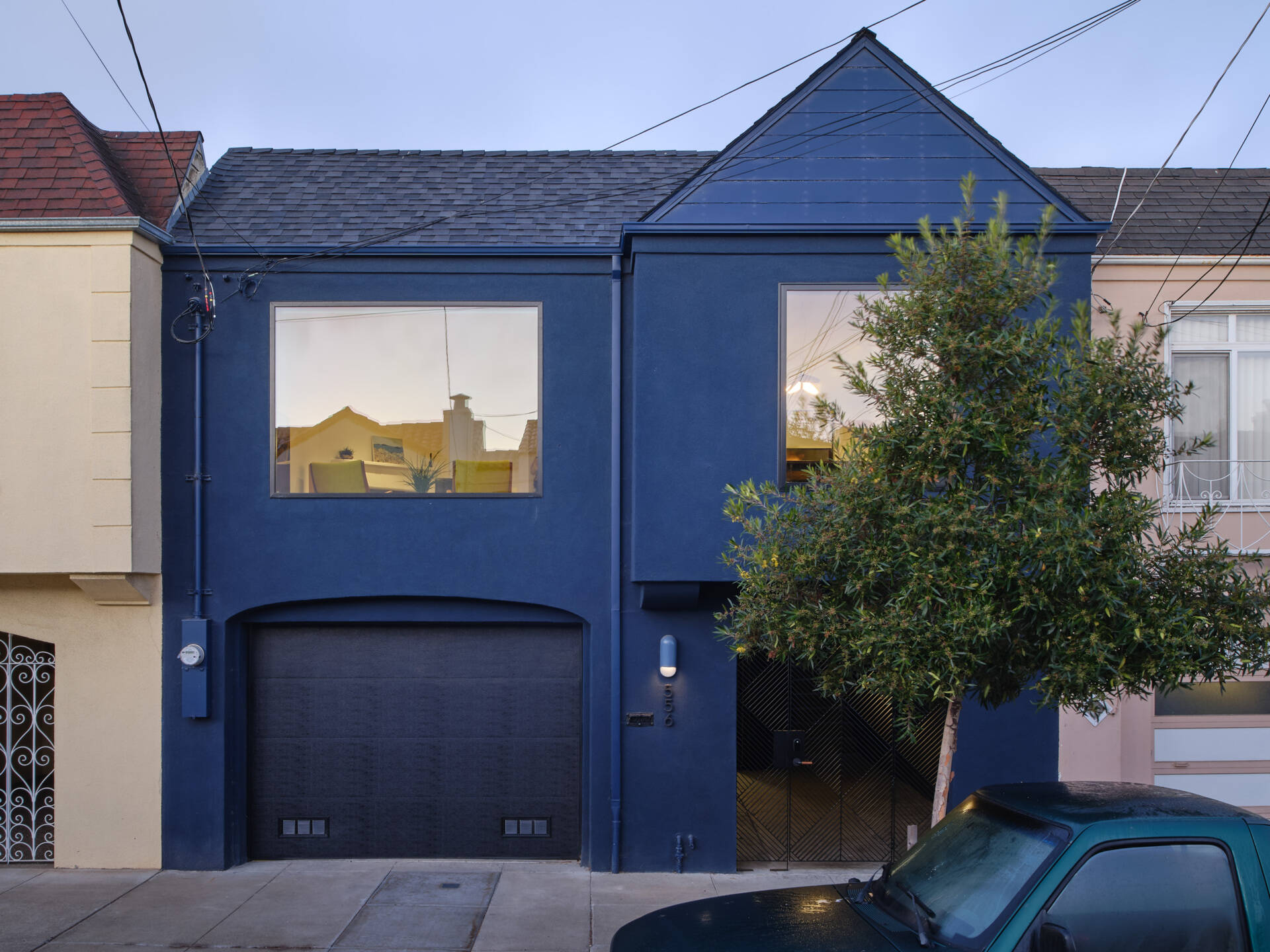
Budget constraints limited extensive facade changes, and the exterior showed little sign of the transformation inside. Strategic updates make a clear impact. Larger windows improve light, while a fresh coat of deep navy stucco ties the home to its surroundings. The exterior respects the neighborhood context while quietly signaling the contemporary interior within.
Budget constraints limited extensive facade changes, and the exterior showed little sign of the transformation inside. Strategic updates make a clear impact. Larger windows improve light, while a fresh coat of deep navy stucco ties the home to its surroundings. The exterior respects the neighborhood context while quietly signaling the contemporary interior within.
Before photo courtesy of PPM (Precision Property Measurements)
Budget constraints limited extensive facade changes, and the exterior showed little sign of the transformation inside. Strategic updates make a clear impact. Larger windows improve light, while a fresh coat of deep navy stucco ties the home to its surroundings. The exterior respects the neighborhood context while quietly signaling the contemporary interior within.
Before photo courtesy of PPM (Precision Property Measurements)
Budget constraints limited extensive facade changes, and the exterior showed little sign of the transformation inside. Strategic updates make a clear impact. Larger windows improve light, while a fresh coat of deep navy stucco ties the home to its surroundings. The exterior respects the neighborhood context while quietly signaling the contemporary interior within.
Architecture by Firma Ladigin, photography © James Newman.

An Open Living Space Anchored in Warm Wood

Previously, living spaces were segmented, cutting off visual connections and natural light. The layout felt constrained by its compartmentalized plan. Now, the living and dining areas unfold within the open upper level. Refinished original oak floors in a deeper tone ground the space, complemented by walnut millwork that adds warmth without overwhelming the volume.
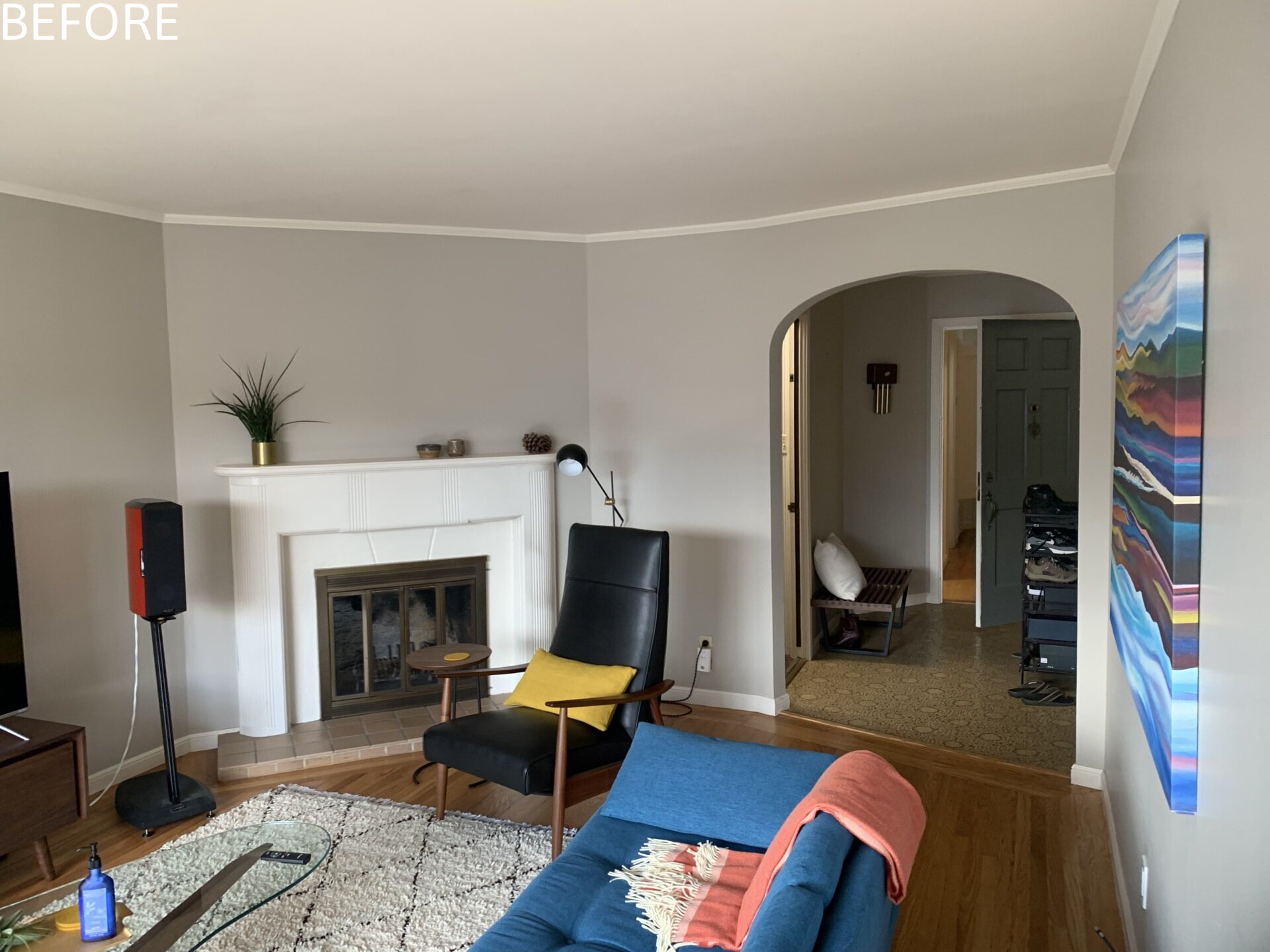
Previously, living spaces were segmented, cutting off visual connections and natural light. The layout felt constrained by its compartmentalized plan. Now, the living and dining areas unfold within the open upper level. Refinished original oak floors in a deeper tone ground the space, complemented by walnut millwork that adds warmth without overwhelming the volume.
Before photo courtesy of PPM (Precision Property Measurements)
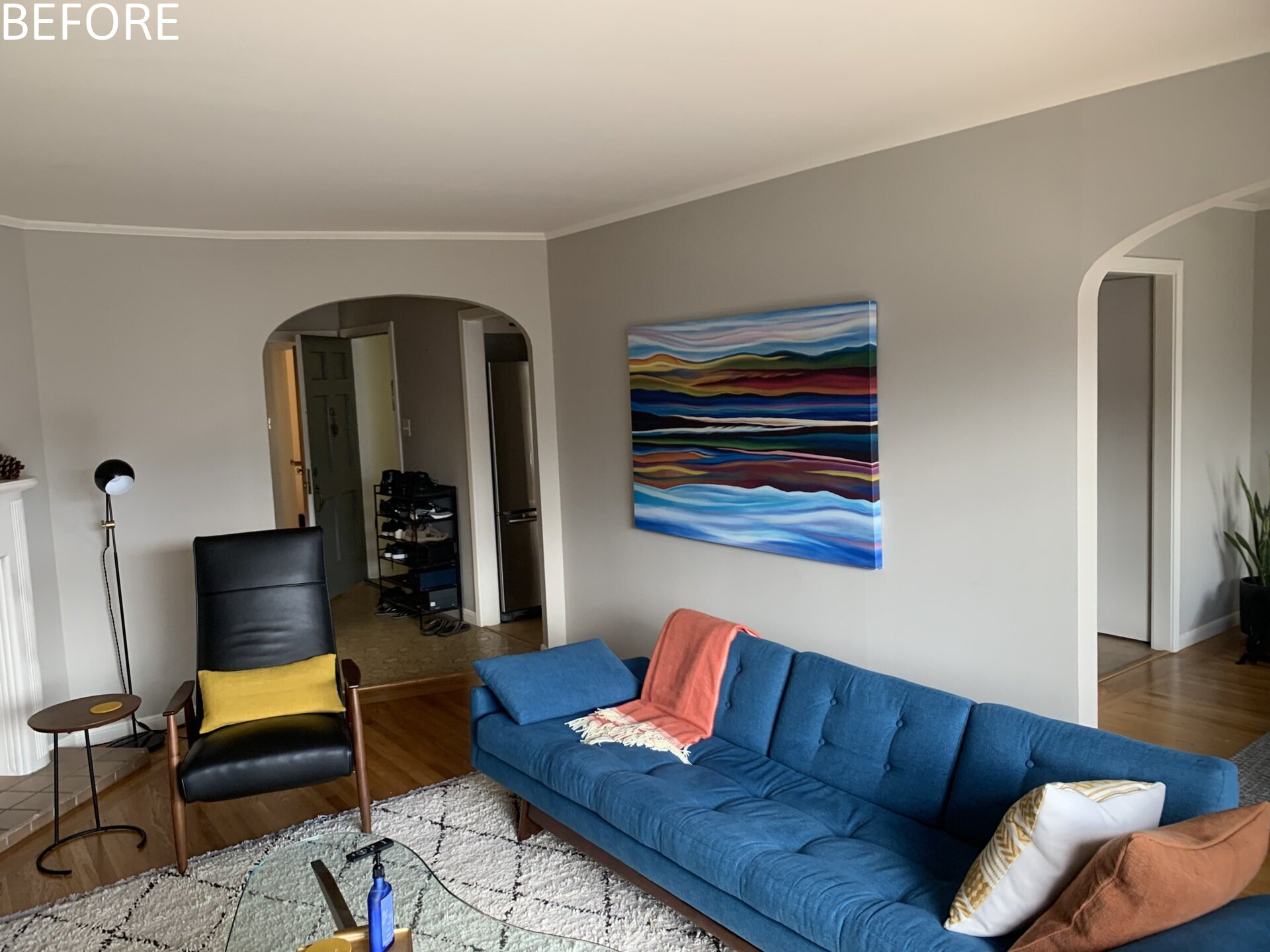
Previously, living spaces were segmented, cutting off visual connections and natural light. The layout felt constrained by its compartmentalized plan. Now, the living and dining areas unfold within the open upper level. Refinished original oak floors in a deeper tone ground the space, complemented by walnut millwork that adds warmth without overwhelming the volume.
Before photo courtesy of PPM (Precision Property Measurements)
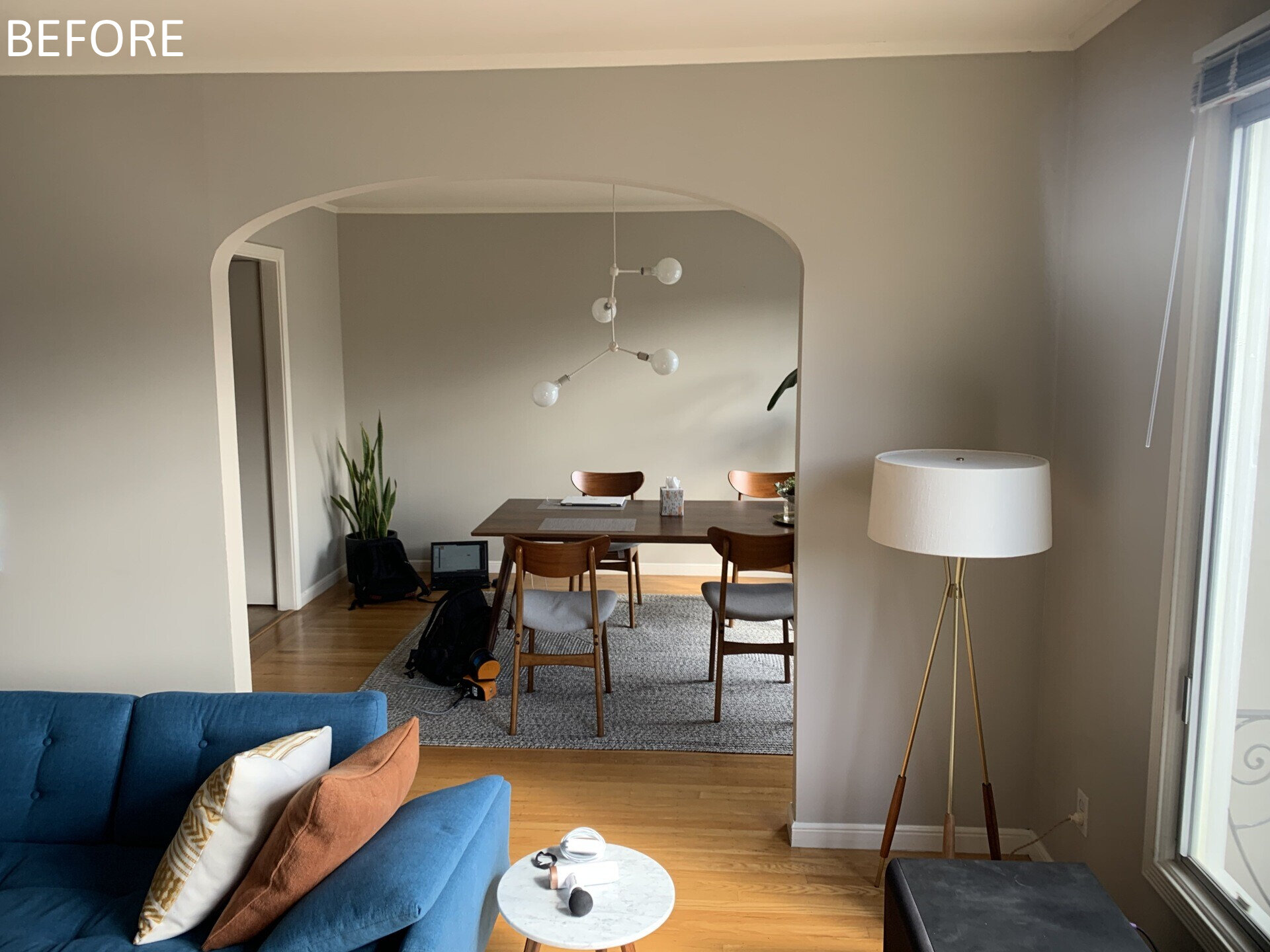
Previously, living spaces were segmented, cutting off visual connections and natural light. The layout felt constrained by its compartmentalized plan. Now, the living and dining areas unfold within the open upper level. Refinished original oak floors in a deeper tone ground the space, complemented by walnut millwork that adds warmth without overwhelming the volume.
Before photo courtesy of PPM (Precision Property Measurements)
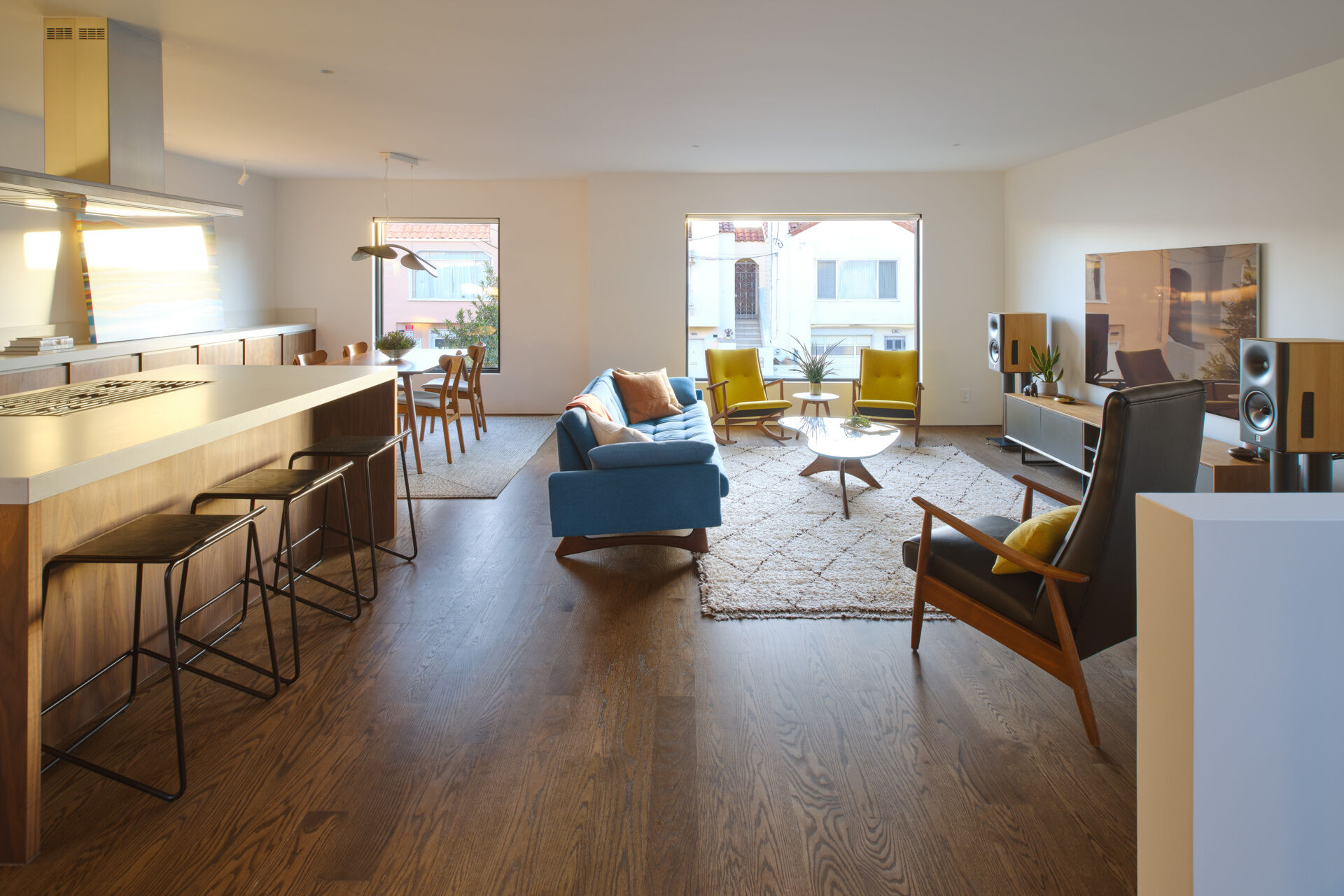
Previously, living spaces were segmented, cutting off visual connections and natural light. The layout felt constrained by its compartmentalized plan. Now, the living and dining areas unfold within the open upper level. Refinished original oak floors in a deeper tone ground the space, complemented by walnut millwork that adds warmth without overwhelming the volume.
Architecture by Firma Ladigin, photography © James Newman.
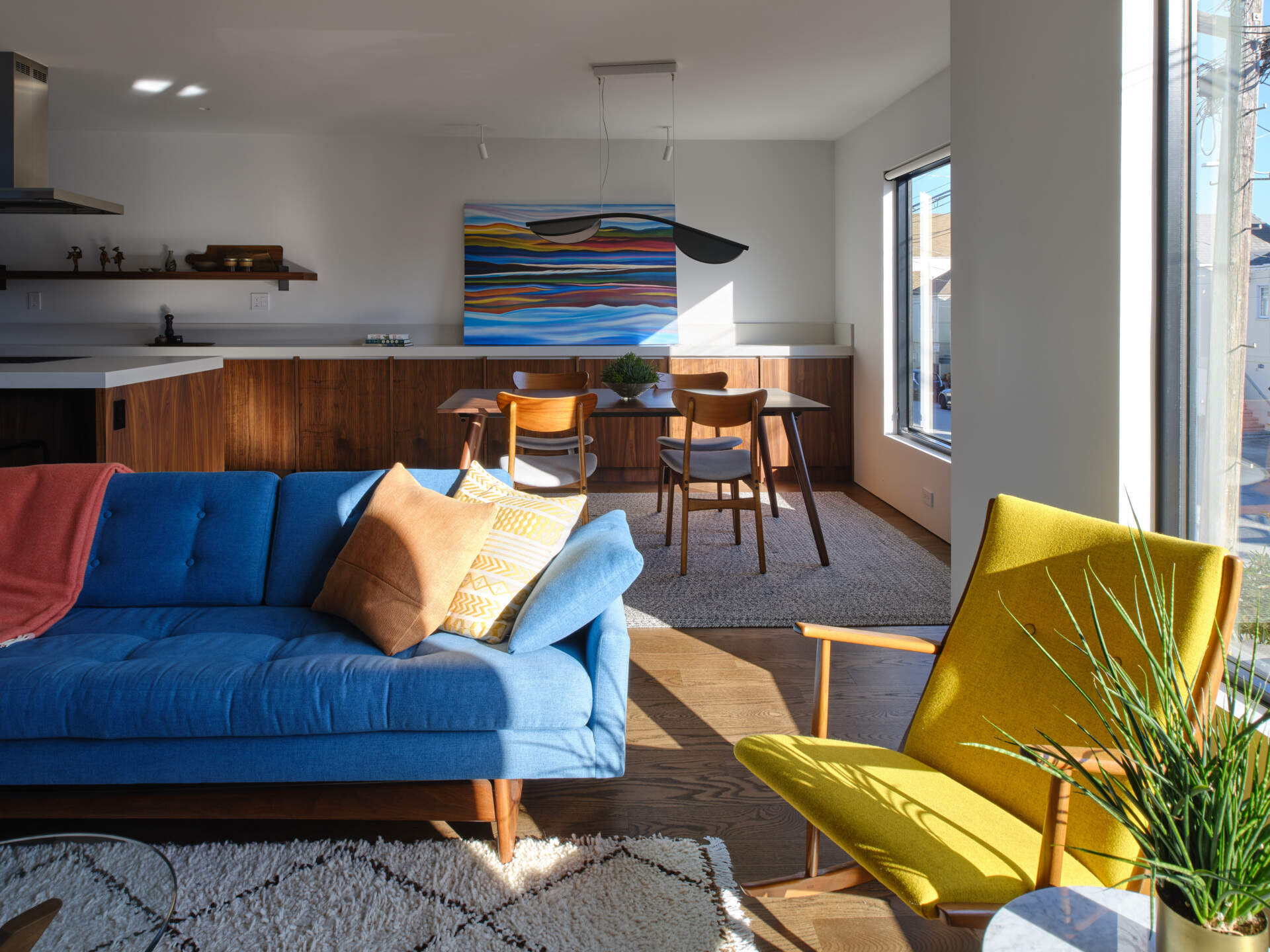
Previously, living spaces were segmented, cutting off visual connections and natural light. The layout felt constrained by its compartmentalized plan. Now, the living and dining areas unfold within the open upper level. Refinished original oak floors in a deeper tone ground the space, complemented by walnut millwork that adds warmth without overwhelming the volume.
Architecture by Firma Ladigin, photography © James Newman.
Previously, living spaces were segmented, cutting off visual connections and natural light. The layout felt constrained by its compartmentalized plan. Now, the living and dining areas unfold within the open upper level. Refinished original oak floors in a deeper tone ground the space, complemented by walnut millwork that adds warmth without overwhelming the volume.
Architecture by Firma Ladigin, photography © James Newman.

A Sculptural Walnut Island Inspired by Angled Walls

Before, the kitchen was part of the home’s dark and divided interior, lacking a strong relationship to the rest of the living spaces.

After the renovation, the kitchen becomes a focal point. A walnut clad island folds geometrically upon itself, inspired by the home’s original 45 degree angled walls.

The architects describe it as resembling an inverse gem or geoglyph. Above, a substantial range hood doubles as display space for plants and cookbooks, blending function with visual interest.
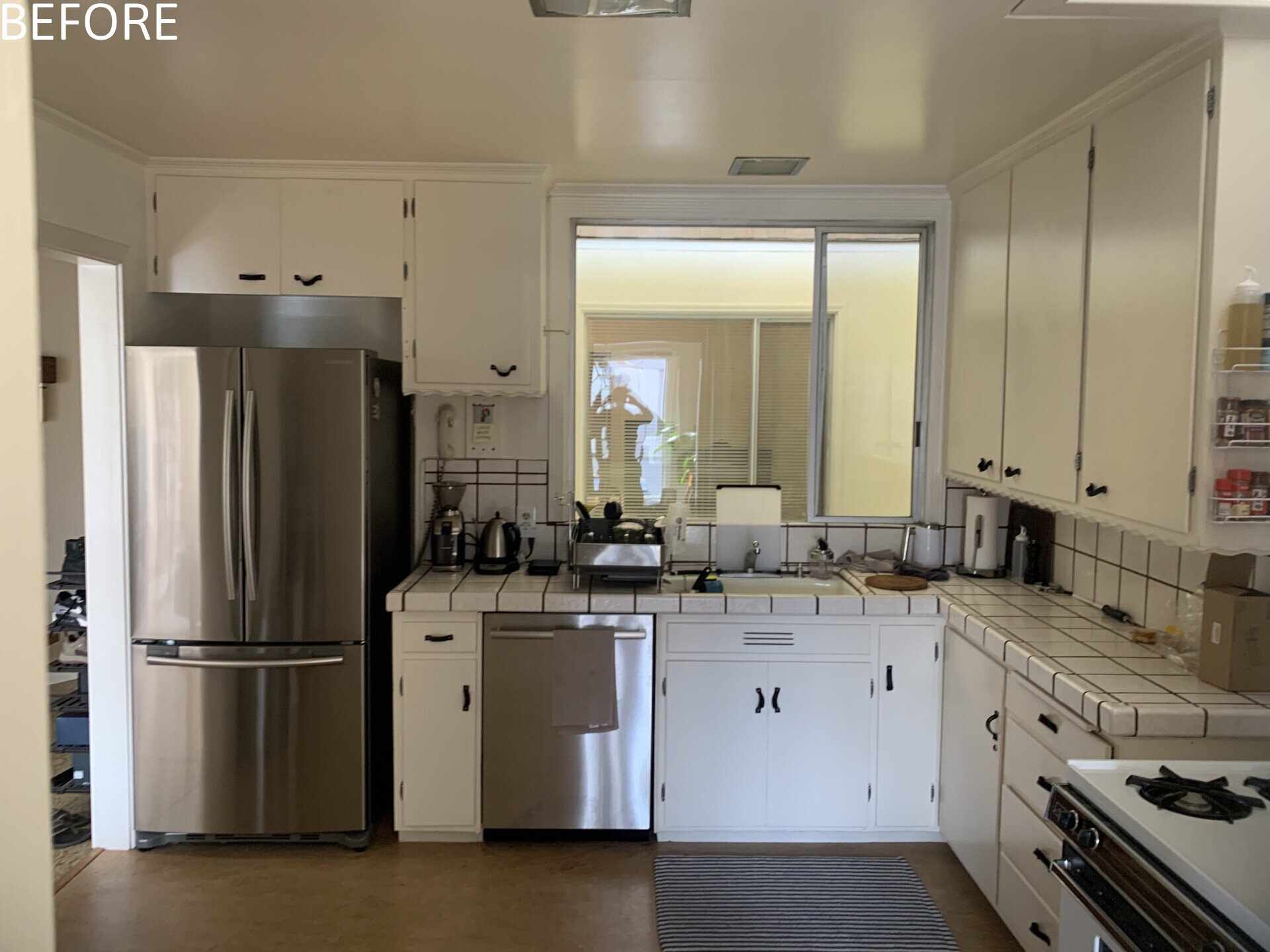
Before, the kitchen was part of the home’s dark and divided interior, lacking a strong relationship to the rest of the living spaces. After the renovation, the kitchen becomes a focal point. A walnut clad island folds geometrically upon itself, inspired by the home’s original 45 degree angled walls.
Before photo courtesy of PPM (Precision Property Measurements)
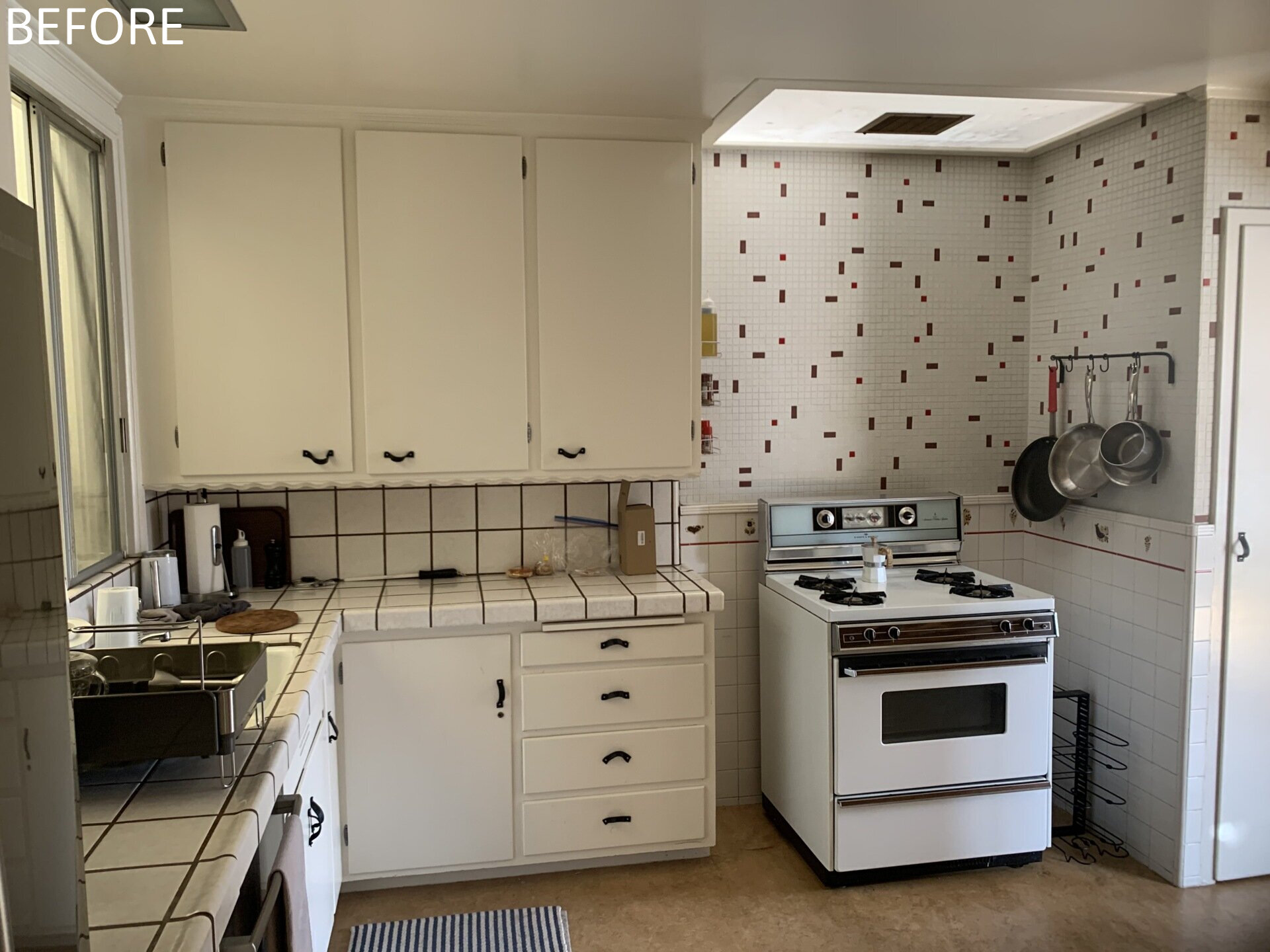
Before, the kitchen was part of the home’s dark and divided interior, lacking a strong relationship to the rest of the living spaces. After the renovation, the kitchen becomes a focal point. A walnut clad island folds geometrically upon itself, inspired by the home’s original 45 degree angled walls.
Before photo courtesy of PPM (Precision Property Measurements)
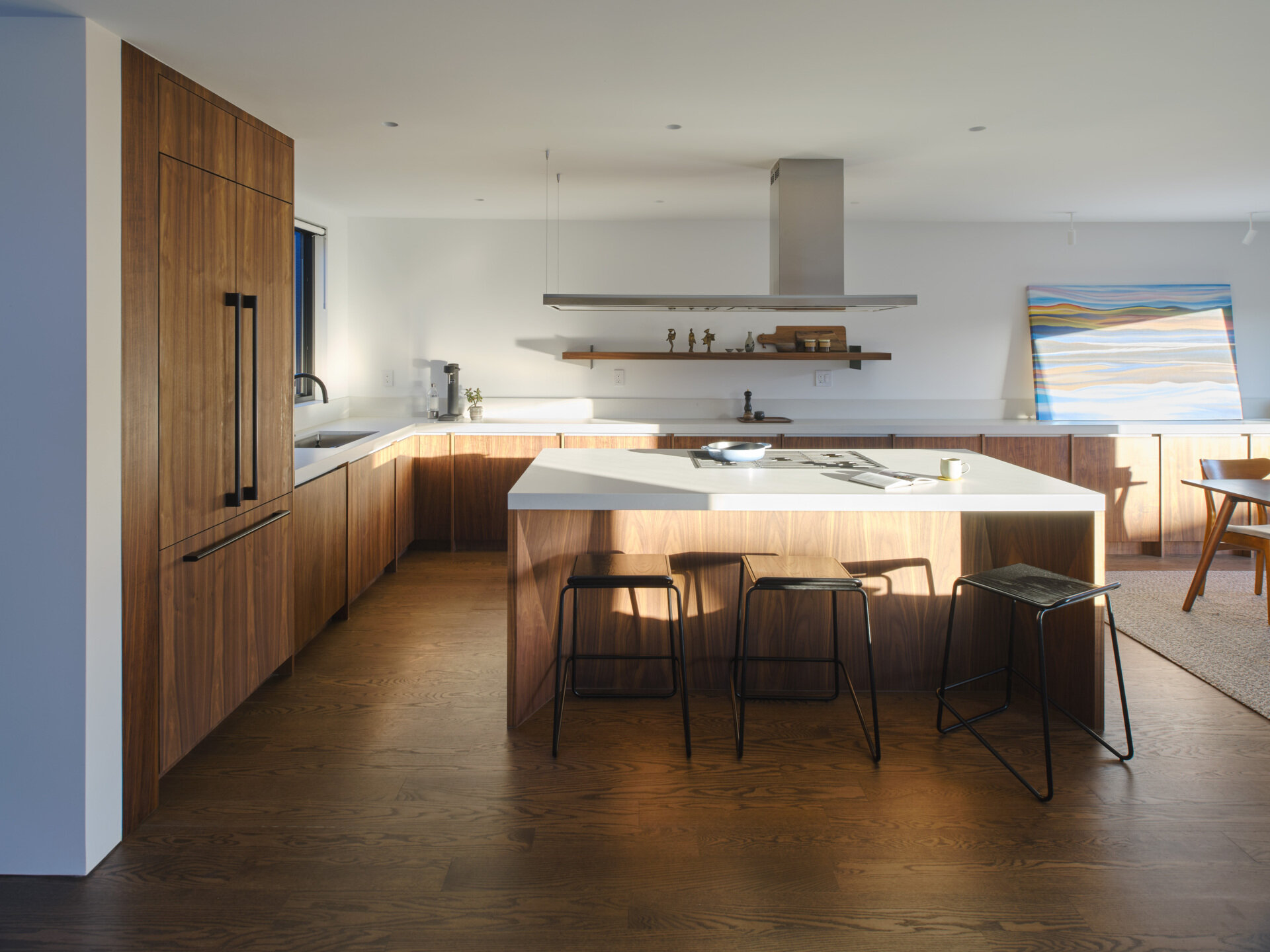
Before, the kitchen was part of the home’s dark and divided interior, lacking a strong relationship to the rest of the living spaces. After the renovation, the kitchen becomes a focal point. A walnut clad island folds geometrically upon itself, inspired by the home’s original 45 degree angled walls.
Architecture by Firma Ladigin, photography © James Newman.
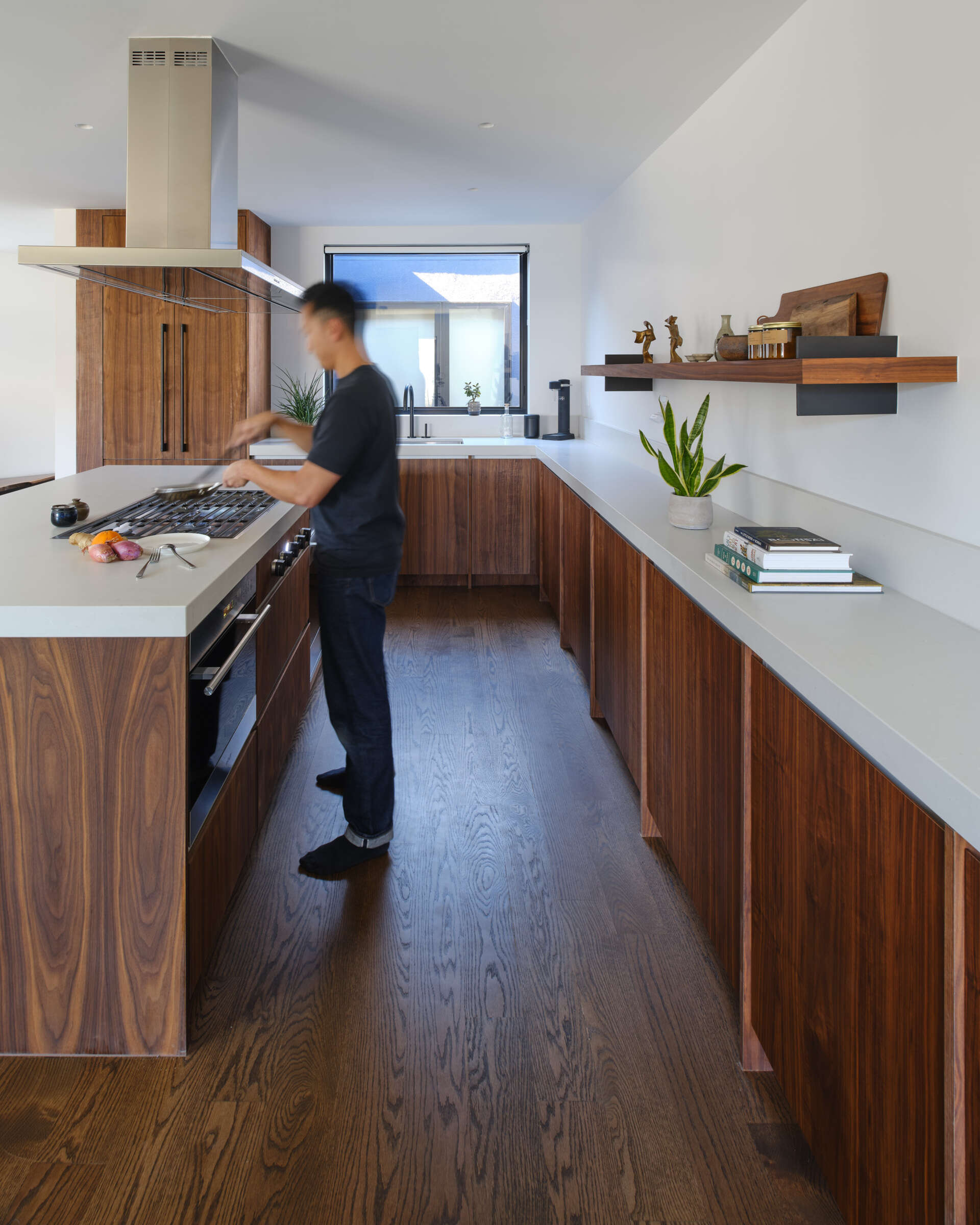
Before, the kitchen was part of the home’s dark and divided interior, lacking a strong relationship to the rest of the living spaces. After the renovation, the kitchen becomes a focal point. A walnut clad island folds geometrically upon itself, inspired by the home’s original 45 degree angled walls.
Architecture by Firma Ladigin, photography © James Newman.

A Skylit Staircase Connecting Levels

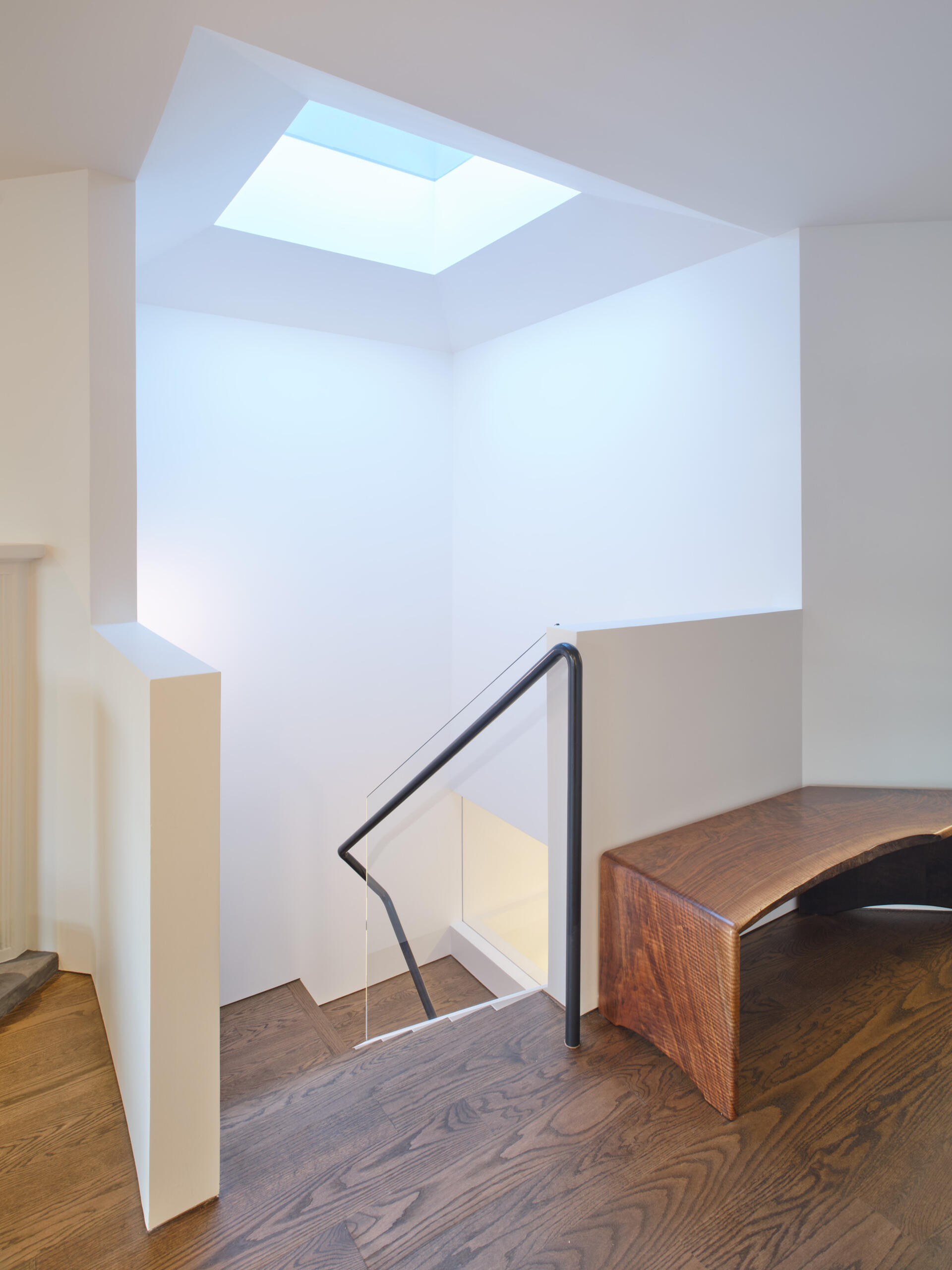
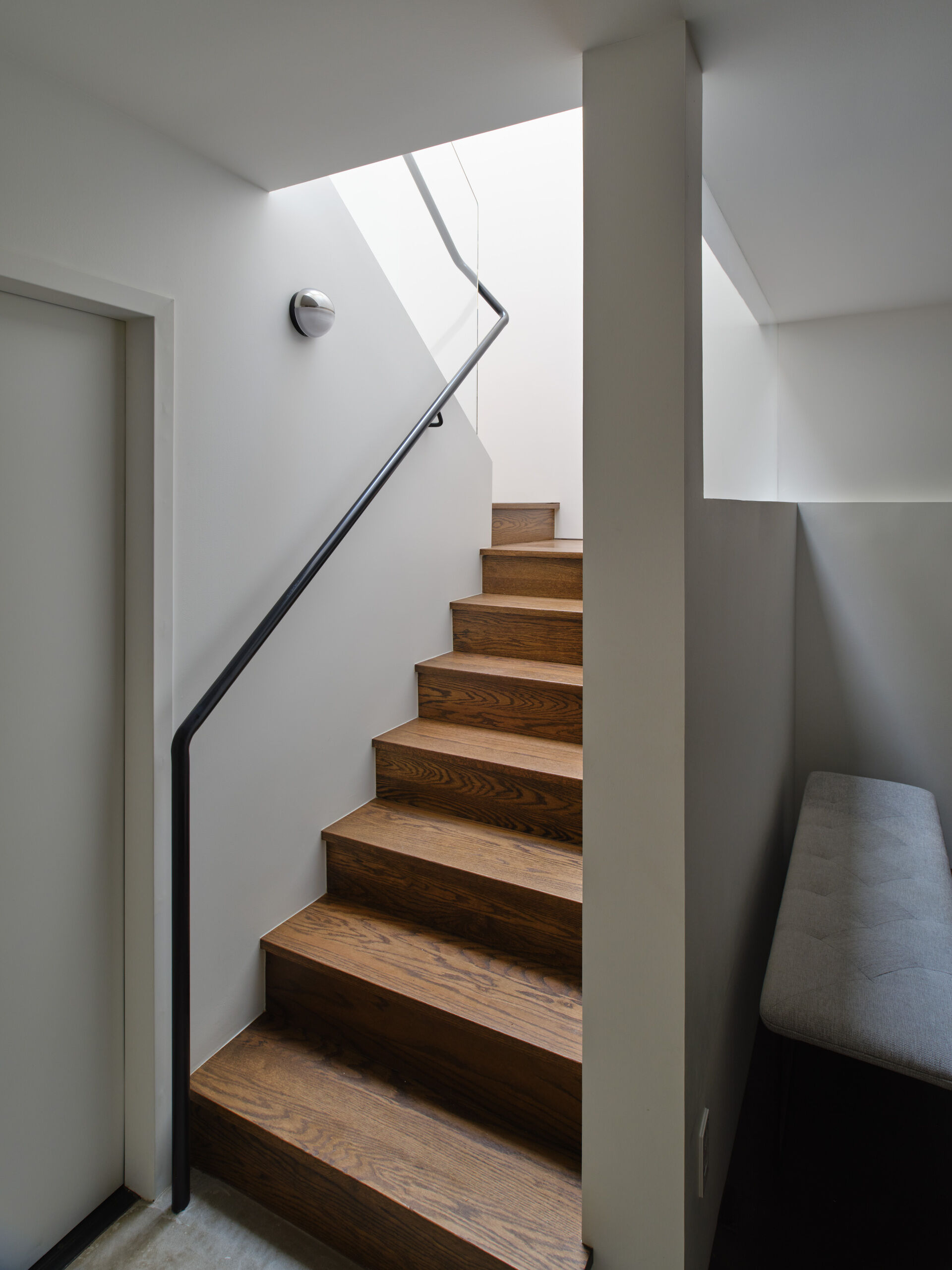
The original circulation did little to enhance light or connection between floors. Movement through the home felt secondary to the closed rooms it served.

The new central staircase transforms circulation into an architectural feature. A single piece glass guard maintains visual openness, while a sculptural metal handrail appears to float. Positioned beneath the skylight, the stair preserves sightlines and strengthens the sense of vertical continuity.
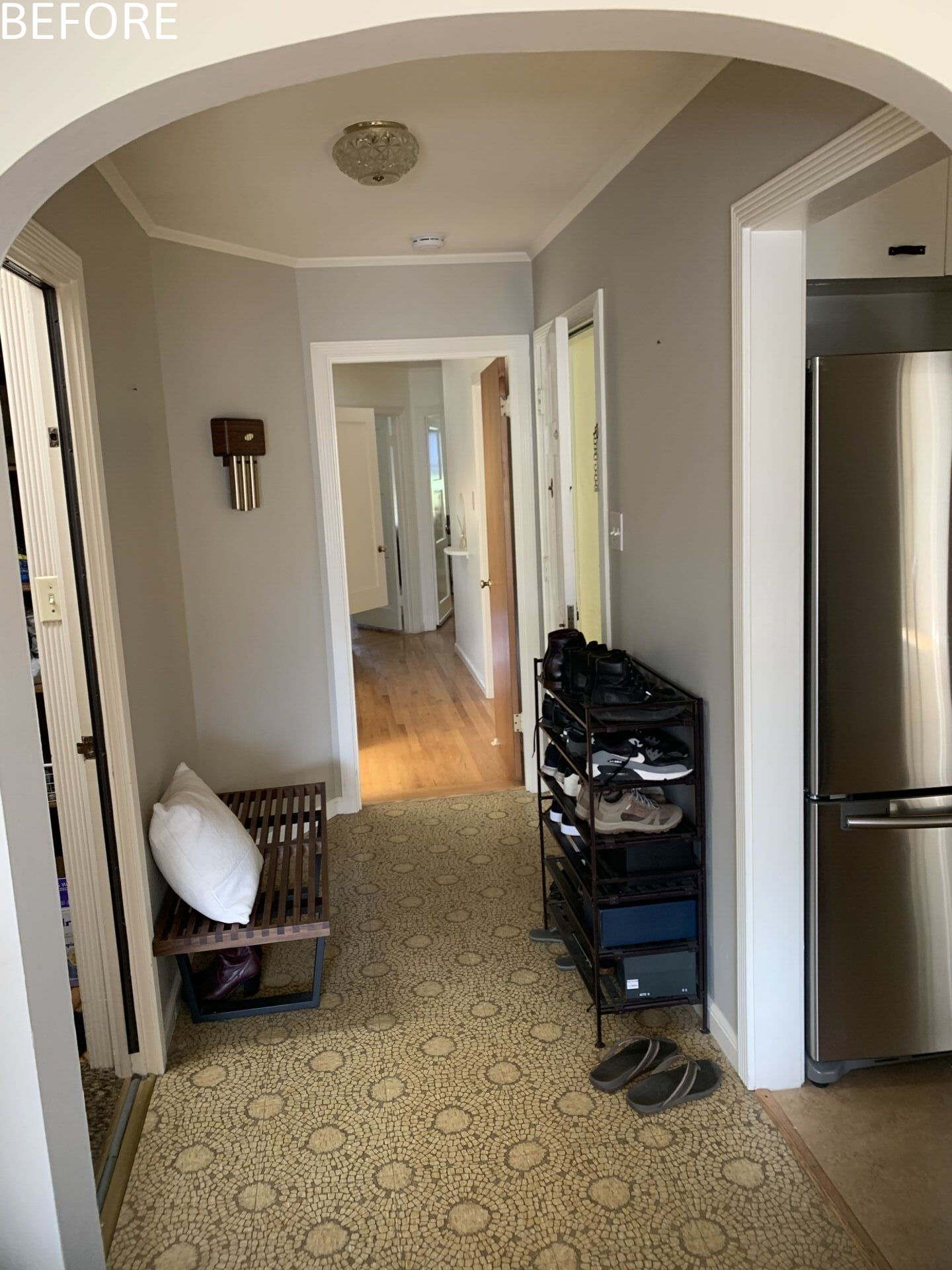
The original circulation did little to enhance light or connection between floors. Movement through the home felt secondary to the closed rooms it served.

The new central staircase transforms circulation into an architectural feature. A single piece glass guard maintains visual openness, while a sculptural metal handrail appears to float. Positioned beneath the skylight, the stair preserves sightlines and strengthens the sense of vertical continuity.
Before photo courtesy of PPM (Precision Property Measurements)
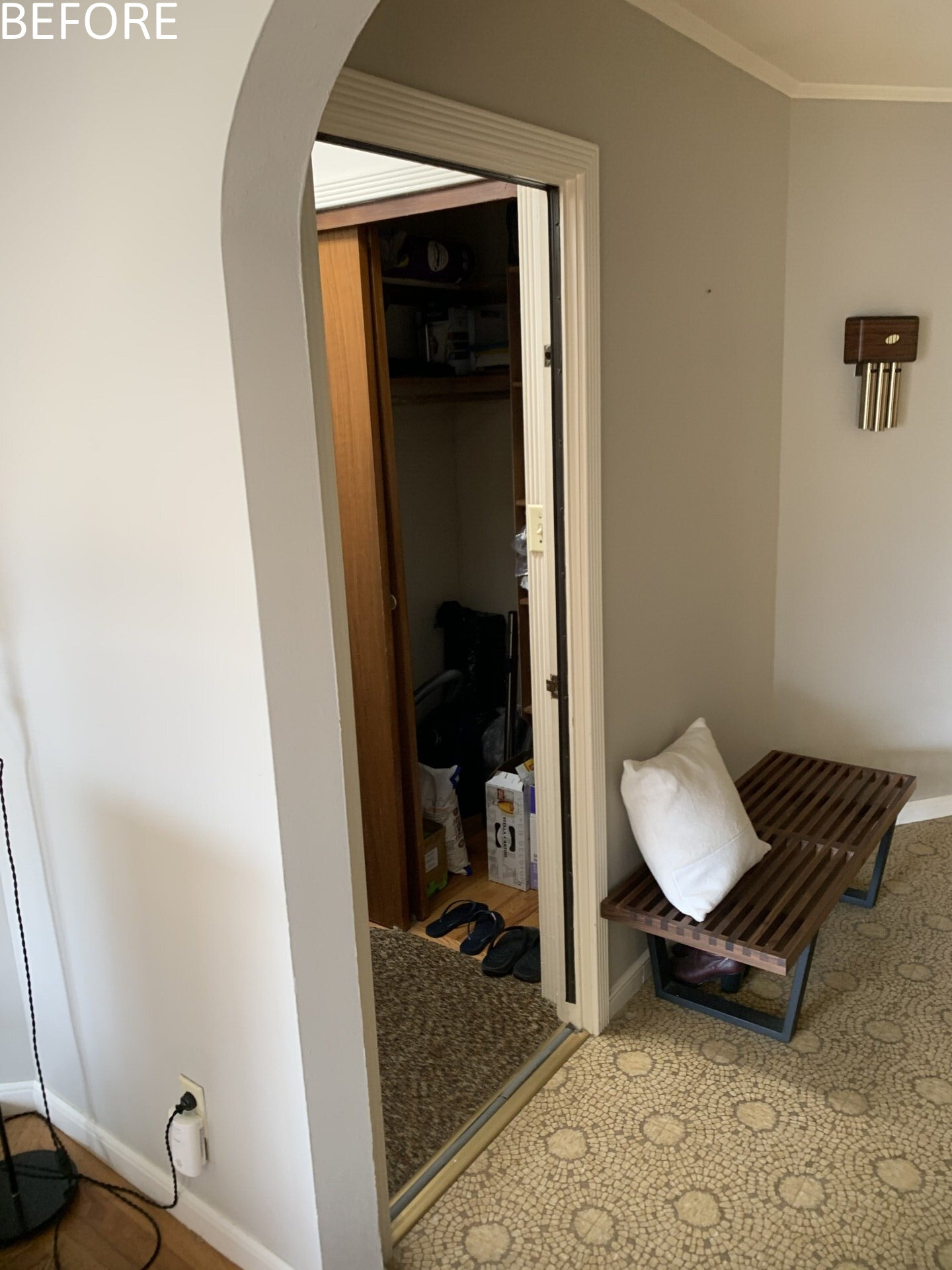
The original circulation did little to enhance light or connection between floors. Movement through the home felt secondary to the closed rooms it served.

The new central staircase transforms circulation into an architectural feature. A single piece glass guard maintains visual openness, while a sculptural metal handrail appears to float. Positioned beneath the skylight, the stair preserves sightlines and strengthens the sense of vertical continuity.
Before photo courtesy of PPM (Precision Property Measurements)
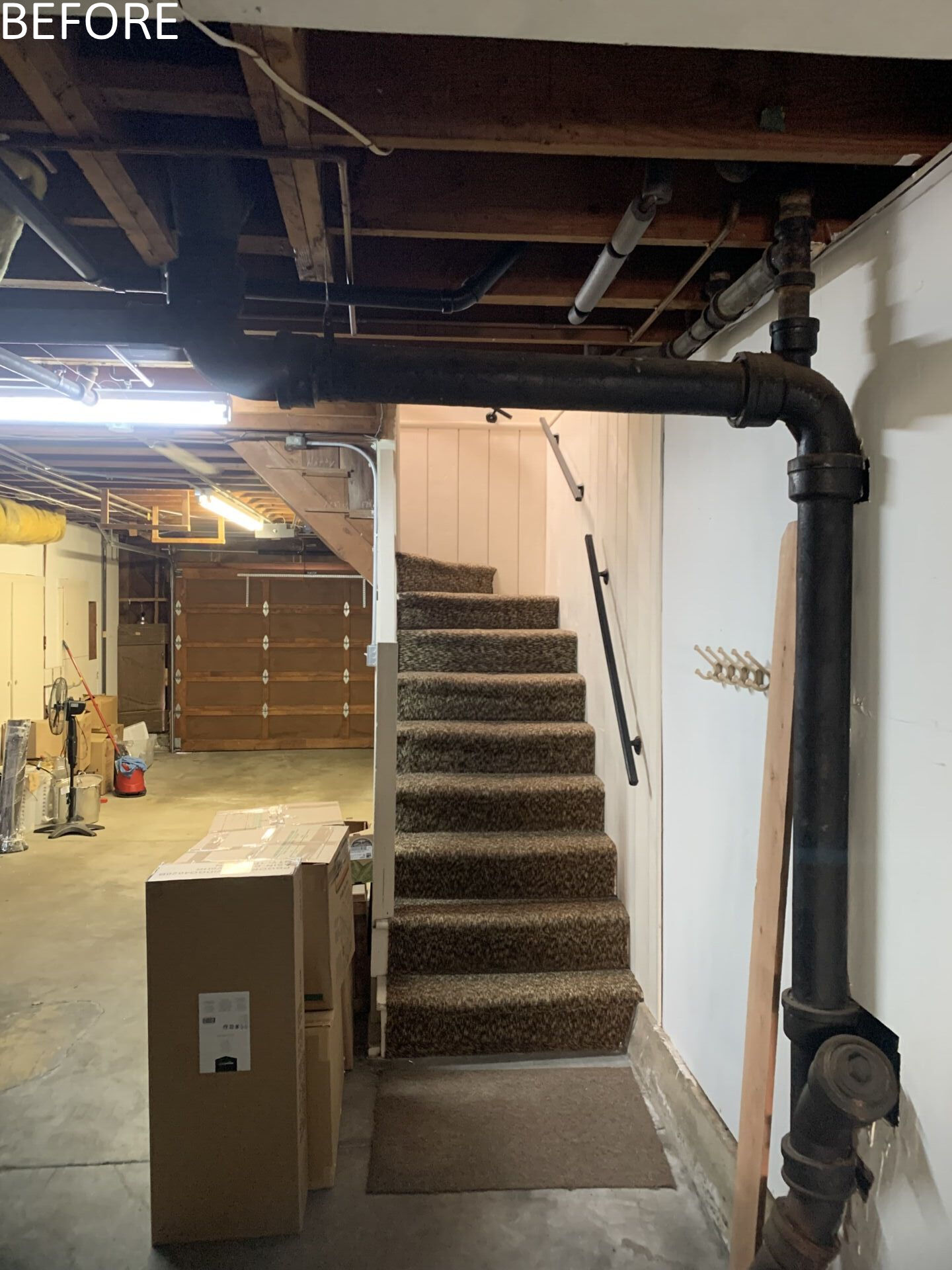
The original circulation did little to enhance light or connection between floors. Movement through the home felt secondary to the closed rooms it served.

The new central staircase transforms circulation into an architectural feature. A single piece glass guard maintains visual openness, while a sculptural metal handrail appears to float. Positioned beneath the skylight, the stair preserves sightlines and strengthens the sense of vertical continuity.
Before photo courtesy of PPM (Precision Property Measurements)
The original circulation did little to enhance light or connection between floors. Movement through the home felt secondary to the closed rooms it served.

The new central staircase transforms circulation into an architectural feature. A single piece glass guard maintains visual openness, while a sculptural metal handrail appears to float. Positioned beneath the skylight, the stair preserves sightlines and strengthens the sense of vertical continuity.
Architecture by Firma Ladigin, photography © James Newman.
The original circulation did little to enhance light or connection between floors. Movement through the home felt secondary to the closed rooms it served.

The new central staircase transforms circulation into an architectural feature. A single piece glass guard maintains visual openness, while a sculptural metal handrail appears to float. Positioned beneath the skylight, the stair preserves sightlines and strengthens the sense of vertical continuity.
Architecture by Firma Ladigin, photography © James Newman.
The original circulation did little to enhance light or connection between floors. Movement through the home felt secondary to the closed rooms it served.

The new central staircase transforms circulation into an architectural feature. A single piece glass guard maintains visual openness, while a sculptural metal handrail appears to float. Positioned beneath the skylight, the stair preserves sightlines and strengthens the sense of vertical continuity.
Architecture by Firma Ladigin, photography © James Newman.

An Update Bathroom With Gray Tiles, Slate, and Walnut

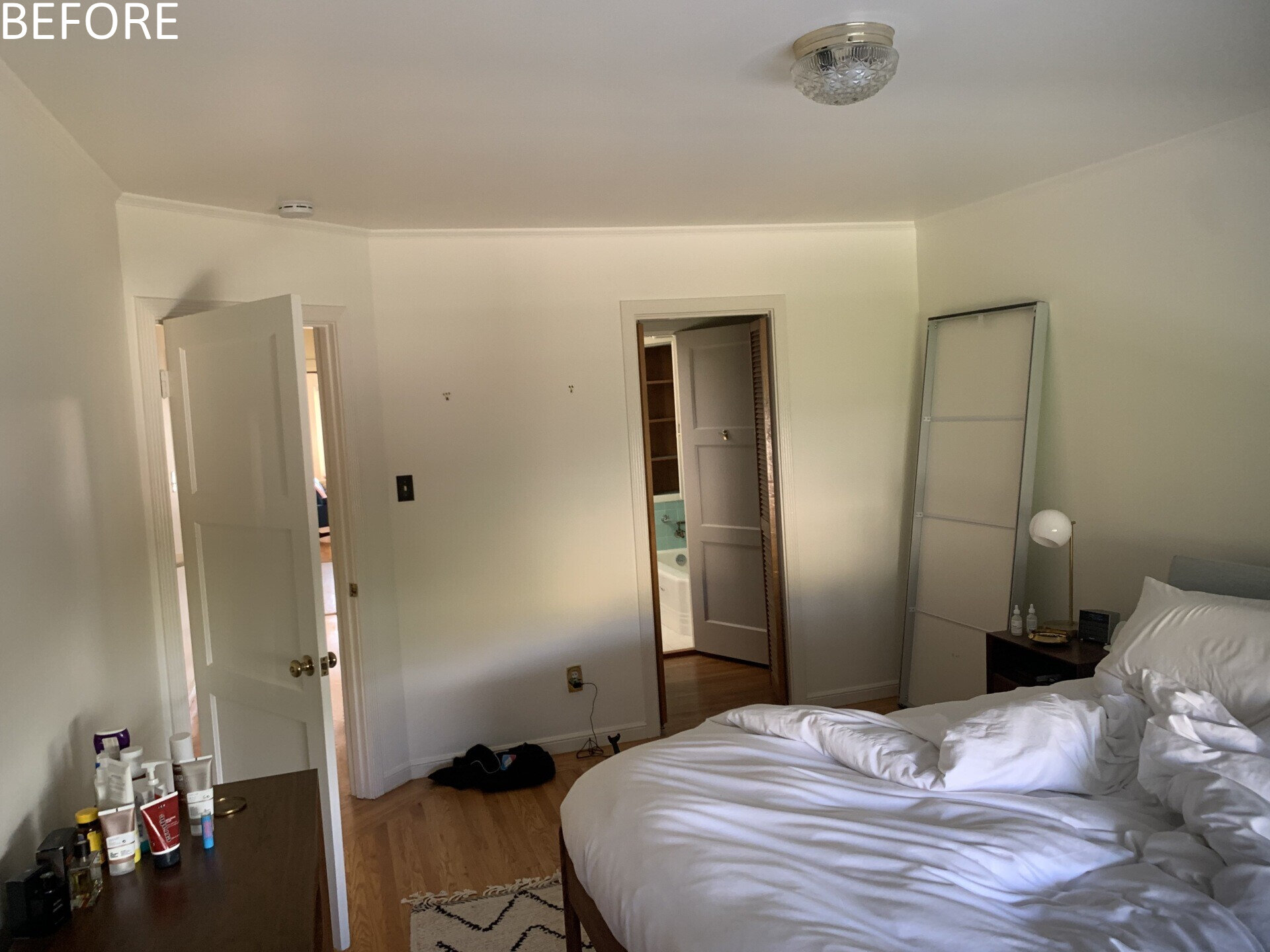
Like many older homes, the bathrooms were previously dark and enclosed. Natural light was minimal. The reconfigured main bathroom introduces a dramatic skylight directly over the shower. Dark gray tiles, slate flooring, and walnut cabinetry create contrast beneath the daylight above.
Like many older homes, the bathrooms were previously dark and enclosed. Natural light was minimal. The reconfigured main bathroom introduces a dramatic skylight directly over the shower. Dark gray tiles, slate flooring, and walnut cabinetry create contrast beneath the daylight above.
Before photo courtesy of PPM (Precision Property Measurements)
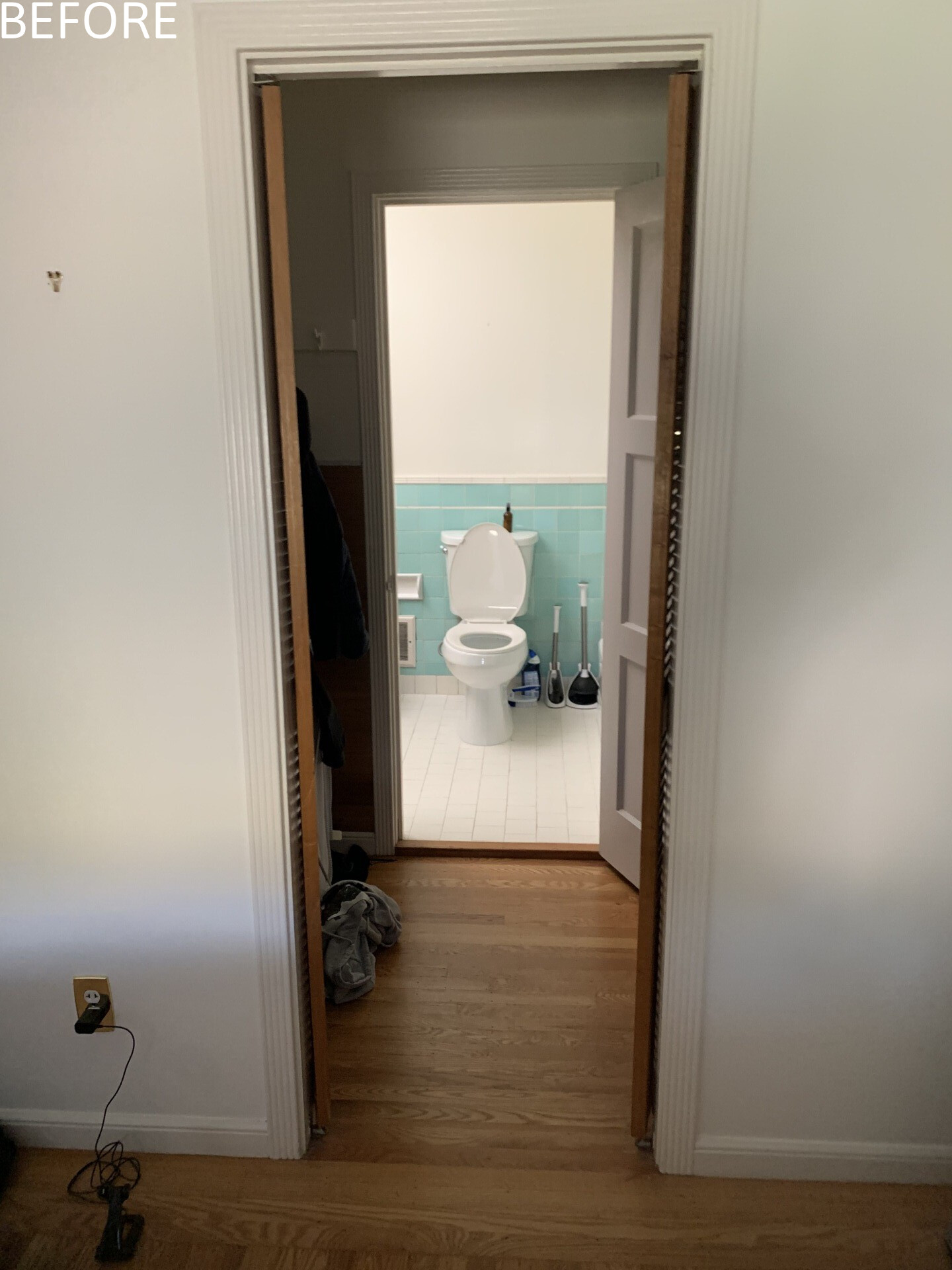
Like many older homes, the bathrooms were previously dark and enclosed. Natural light was minimal. The reconfigured main bathroom introduces a dramatic skylight directly over the shower. Dark gray tiles, slate flooring, and walnut cabinetry create contrast beneath the daylight above.
Before photo courtesy of PPM (Precision Property Measurements)
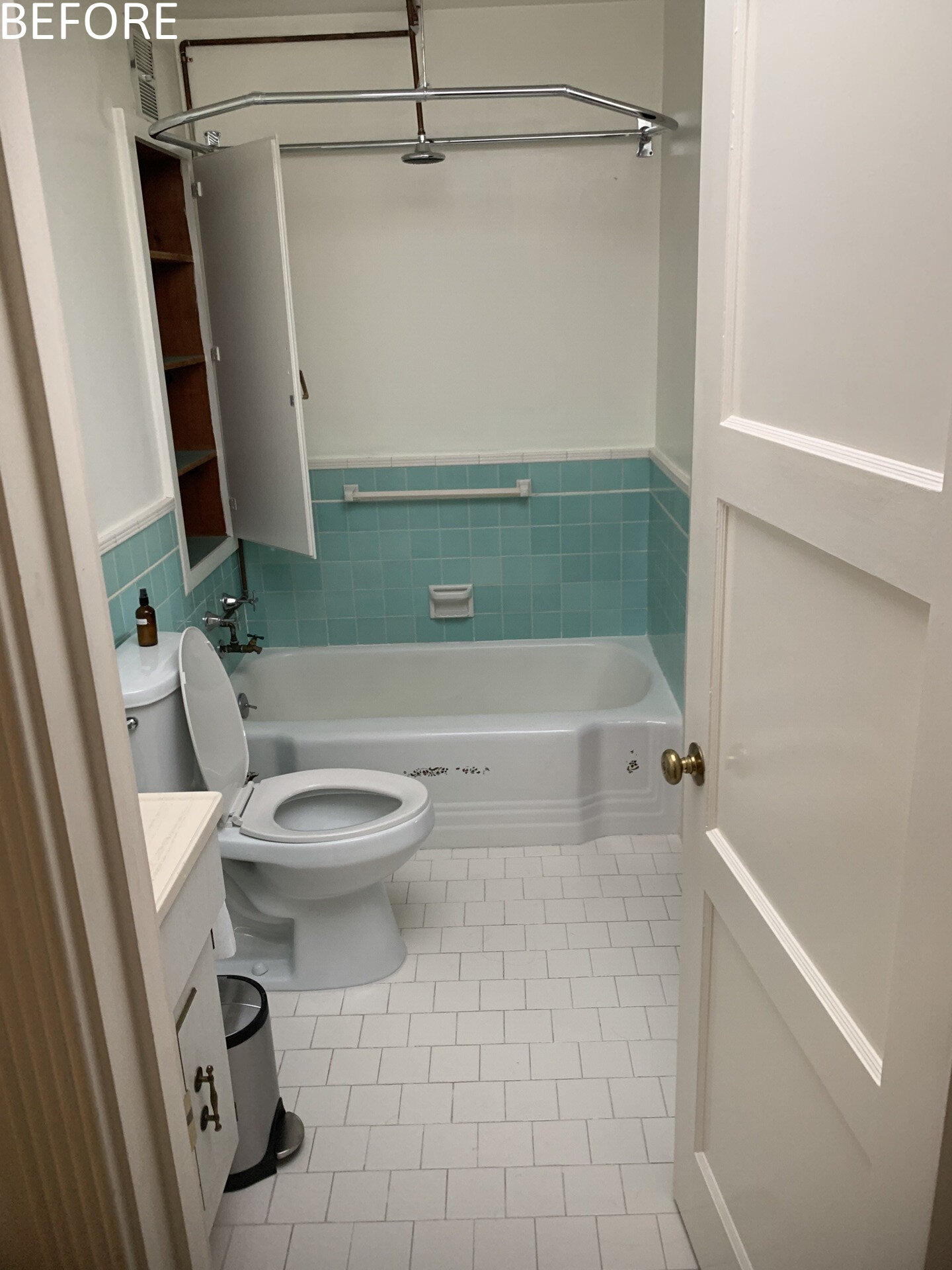
Like many older homes, the bathrooms were previously dark and enclosed. Natural light was minimal. The reconfigured main bathroom introduces a dramatic skylight directly over the shower. Dark gray tiles, slate flooring, and walnut cabinetry create contrast beneath the daylight above.
Before photo courtesy of PPM (Precision Property Measurements)
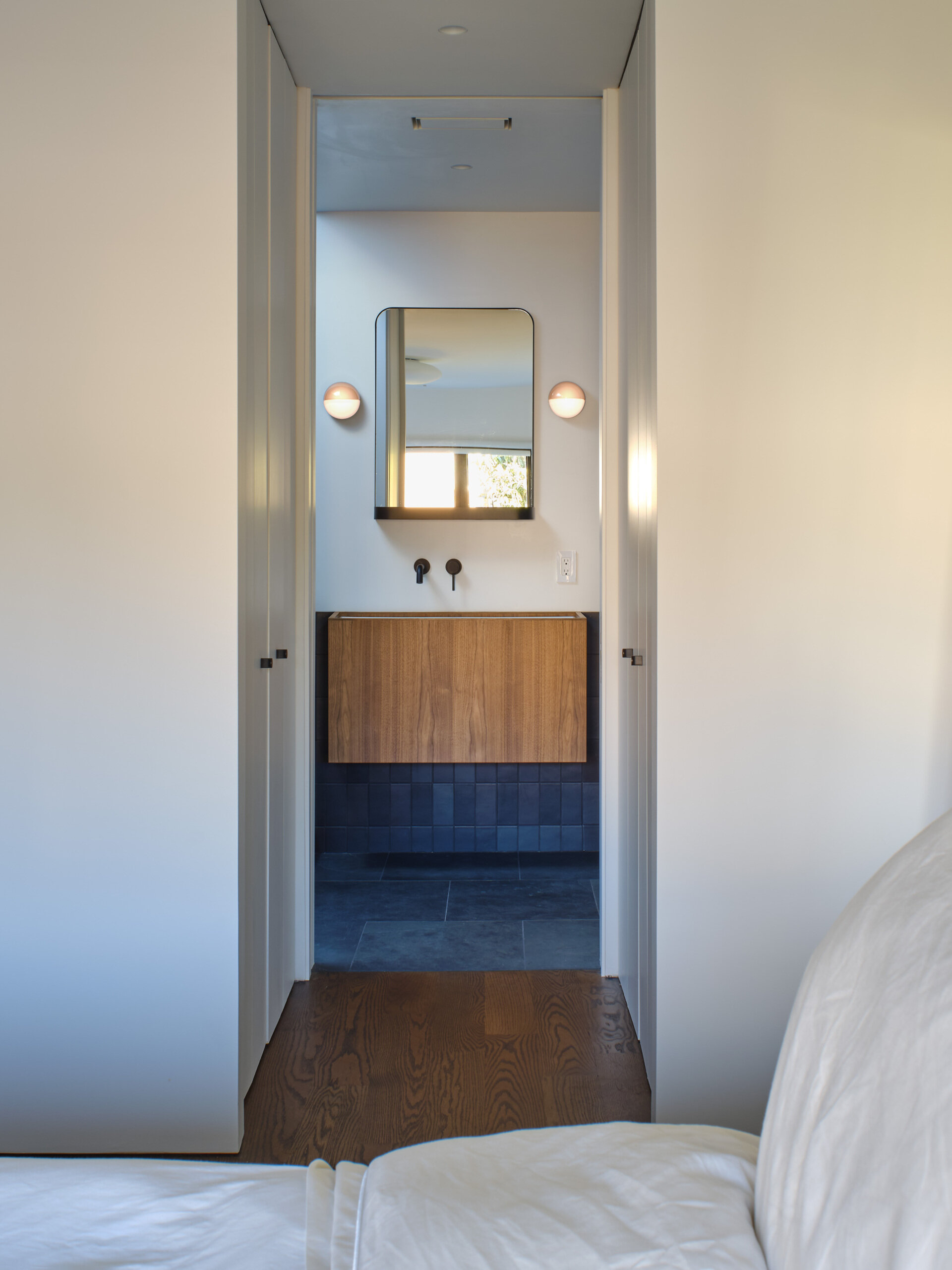
Like many older homes, the bathrooms were previously dark and enclosed. Natural light was minimal. The reconfigured main bathroom introduces a dramatic skylight directly over the shower. Dark gray tiles, slate flooring, and walnut cabinetry create contrast beneath the daylight above.
Architecture by Firma Ladigin, photography © James Newman.
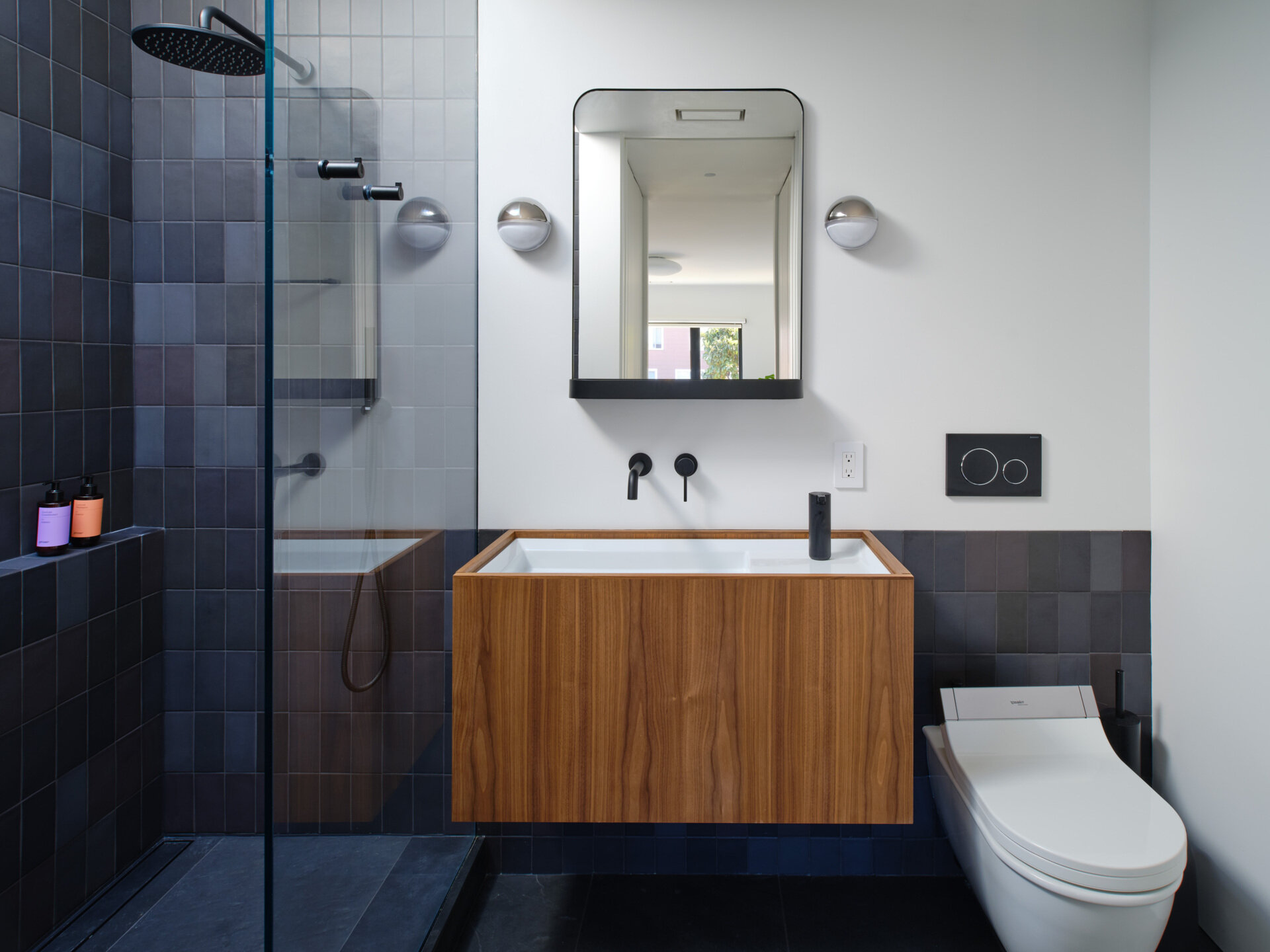
Like many older homes, the bathrooms were previously dark and enclosed. Natural light was minimal. The reconfigured main bathroom introduces a dramatic skylight directly over the shower. Dark gray tiles, slate flooring, and walnut cabinetry create contrast beneath the daylight above.
Architecture by Firma Ladigin, photography © James Newman.
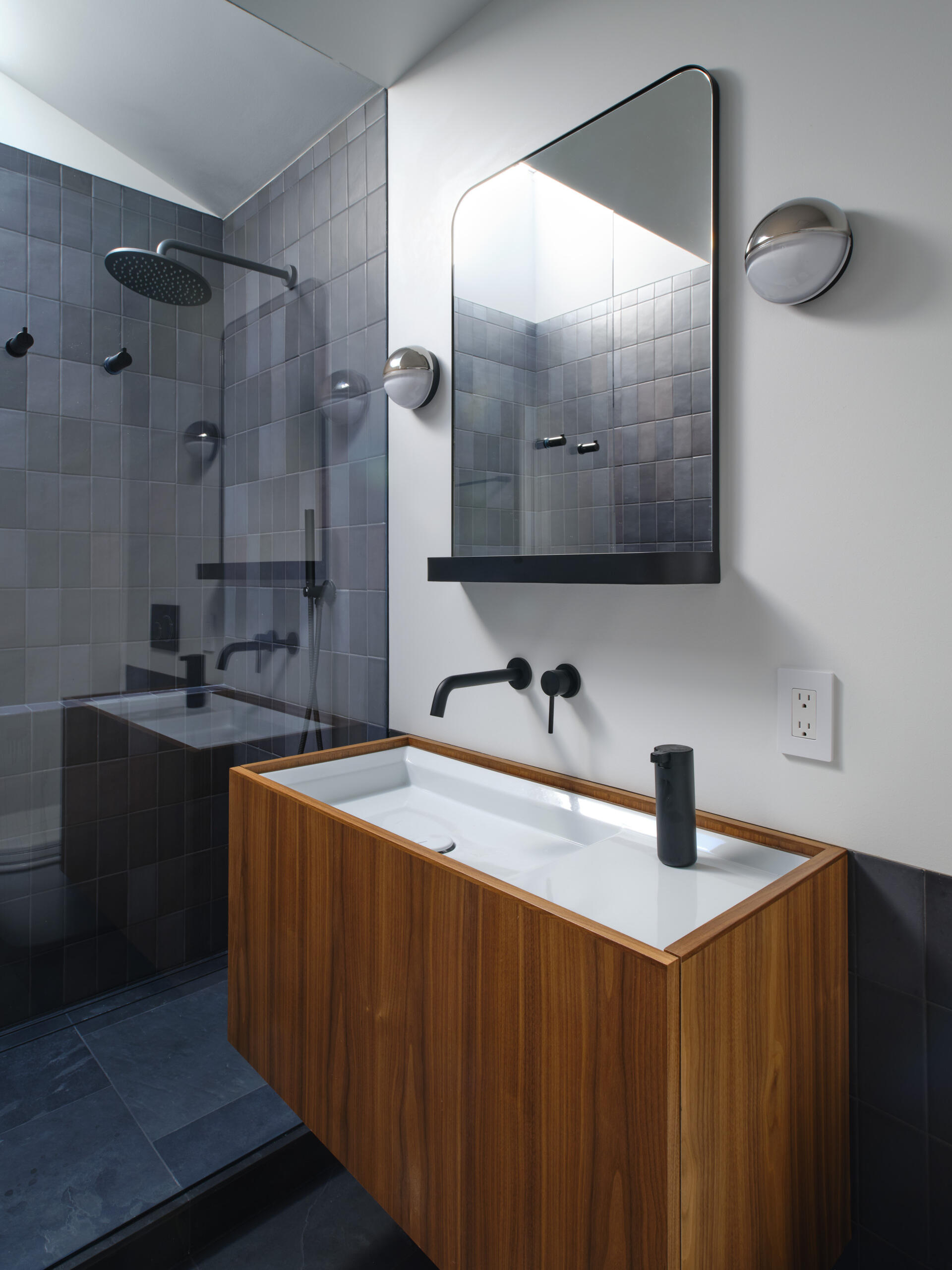
Like many older homes, the bathrooms were previously dark and enclosed. Natural light was minimal. The reconfigured main bathroom introduces a dramatic skylight directly over the shower. Dark gray tiles, slate flooring, and walnut cabinetry create contrast beneath the daylight above.
Architecture by Firma Ladigin, photography © James Newman.
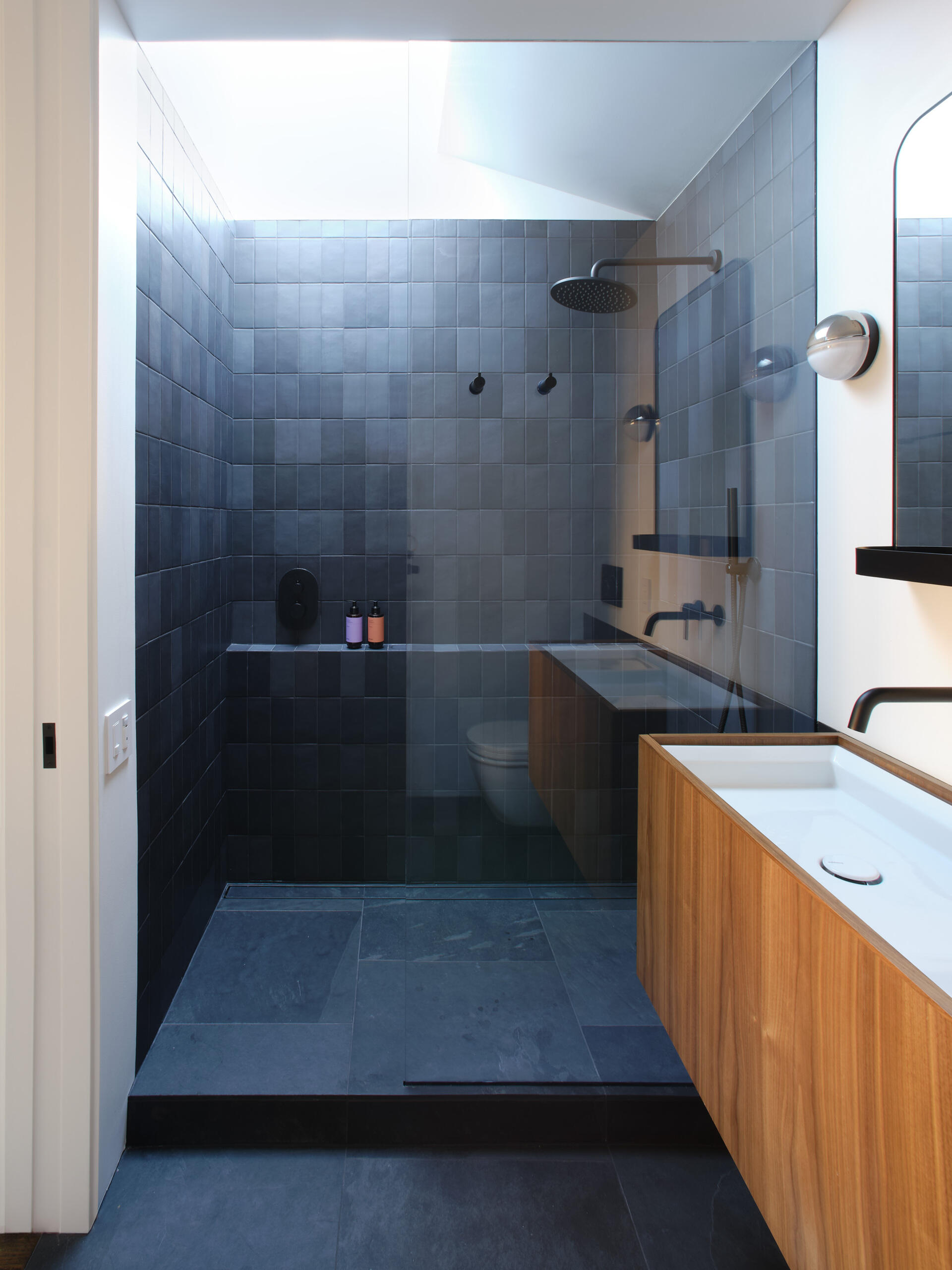
Like many older homes, the bathrooms were previously dark and enclosed. Natural light was minimal. The reconfigured main bathroom introduces a dramatic skylight directly over the shower. Dark gray tiles, slate flooring, and walnut cabinetry create contrast beneath the daylight above.
Architecture by Firma Ladigin, photography © James Newman.

White Tile Brightens a Compact Space

Before renovation, the guest bathroom shared the same limitations of low light and constrained proportions. In response, the design takes an opposite tonal approach to the main bath. Varied sizes of white stack bond tiles create graphic interest while visually enlarging the modest room. The brighter palette amplifies available light, making the space feel more expansive.
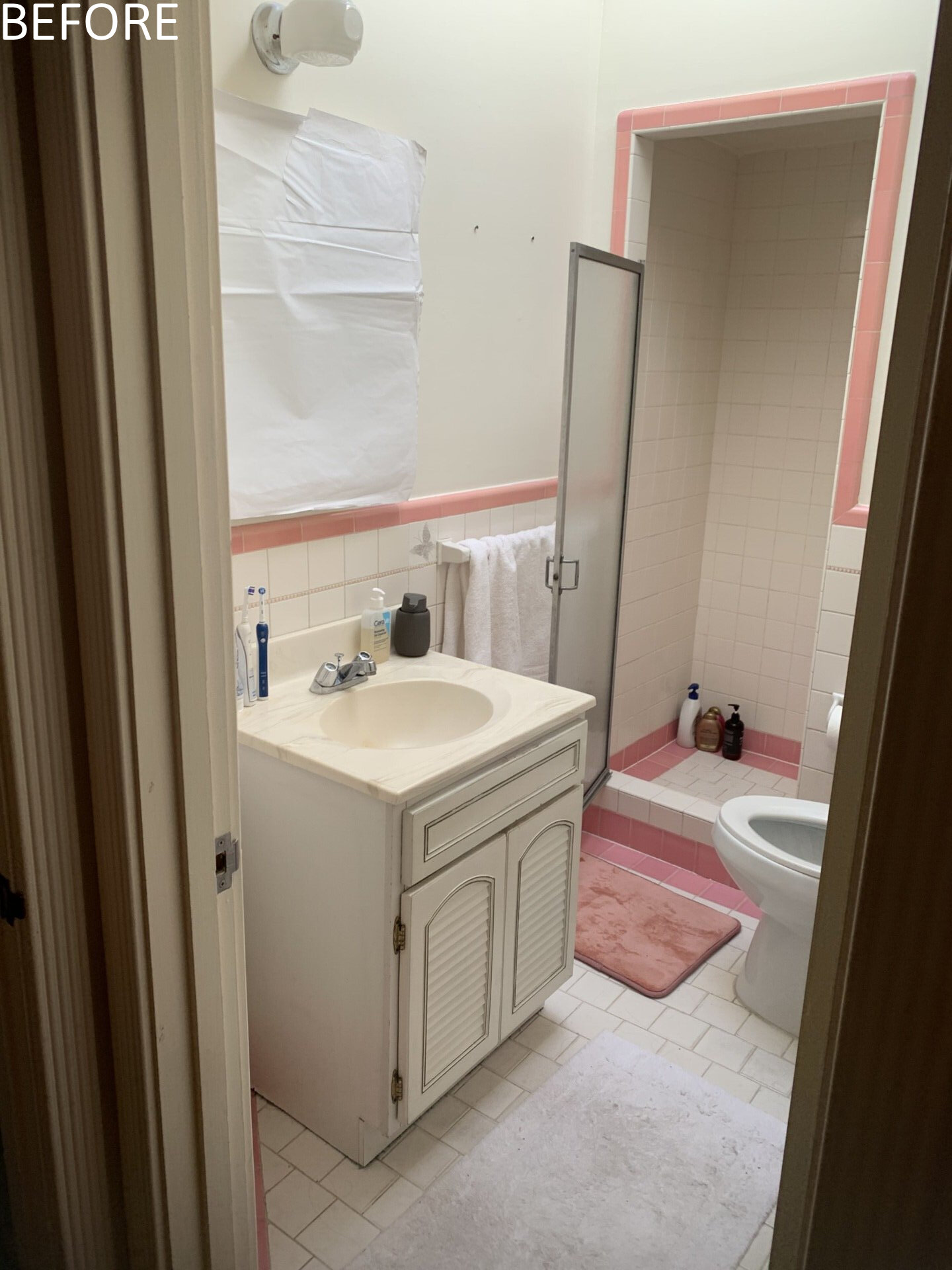
Before renovation, the guest bathroom shared the same limitations of low light and constrained proportions. In response, the design takes an opposite tonal approach to the main bath. Varied sizes of white stack bond tiles create graphic interest while visually enlarging the modest room. The brighter palette amplifies available light, making the space feel more expansive.
Before photo courtesy of PPM (Precision Property Measurements)
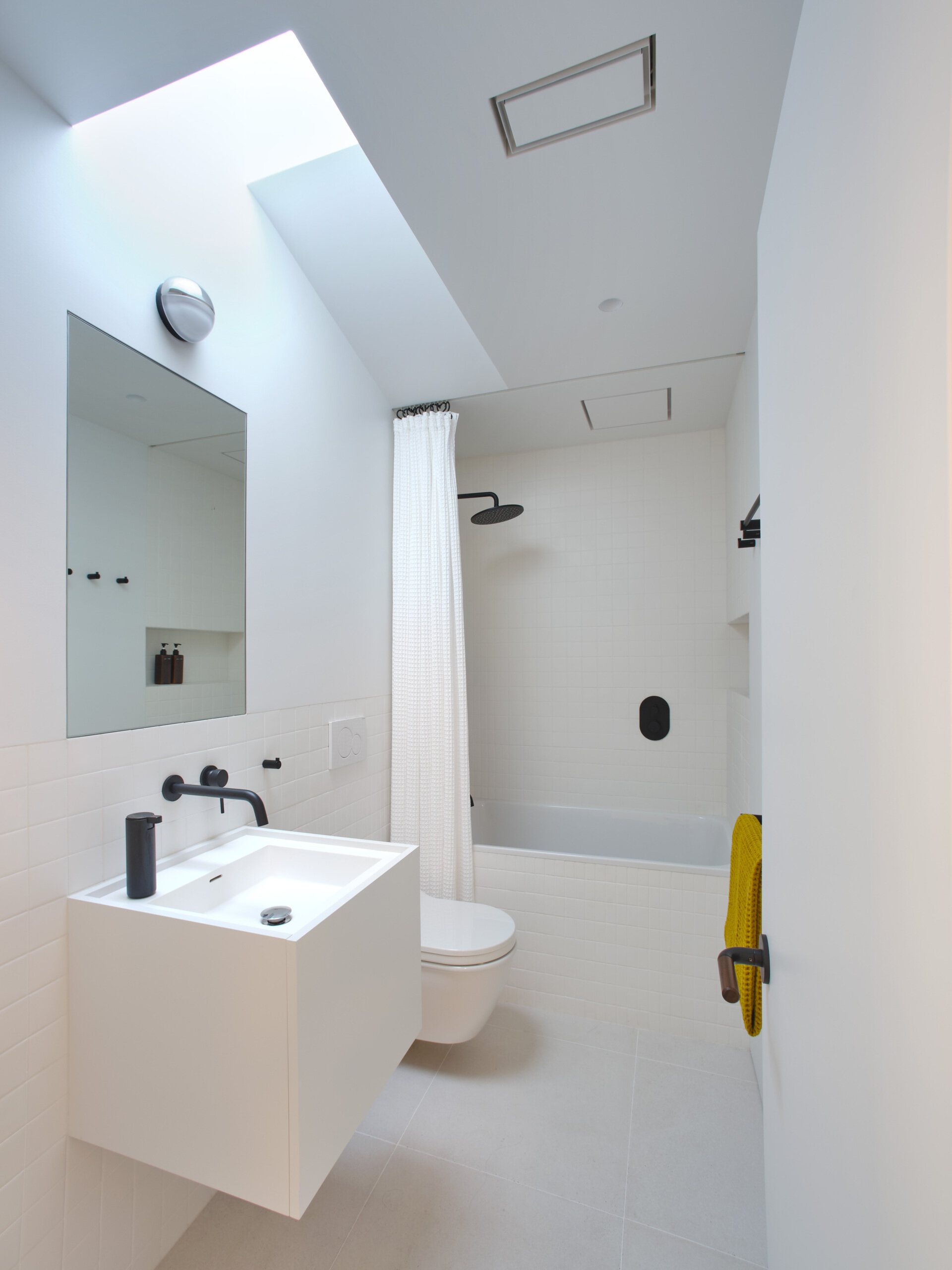
Before renovation, the guest bathroom shared the same limitations of low light and constrained proportions. In response, the design takes an opposite tonal approach to the main bath. Varied sizes of white stack bond tiles create graphic interest while visually enlarging the modest room. The brighter palette amplifies available light, making the space feel more expansive.
Architecture by Firma Ladigin, photography © James Newman.

A Ground Floor Studio Built for Bonsai and Ceramics

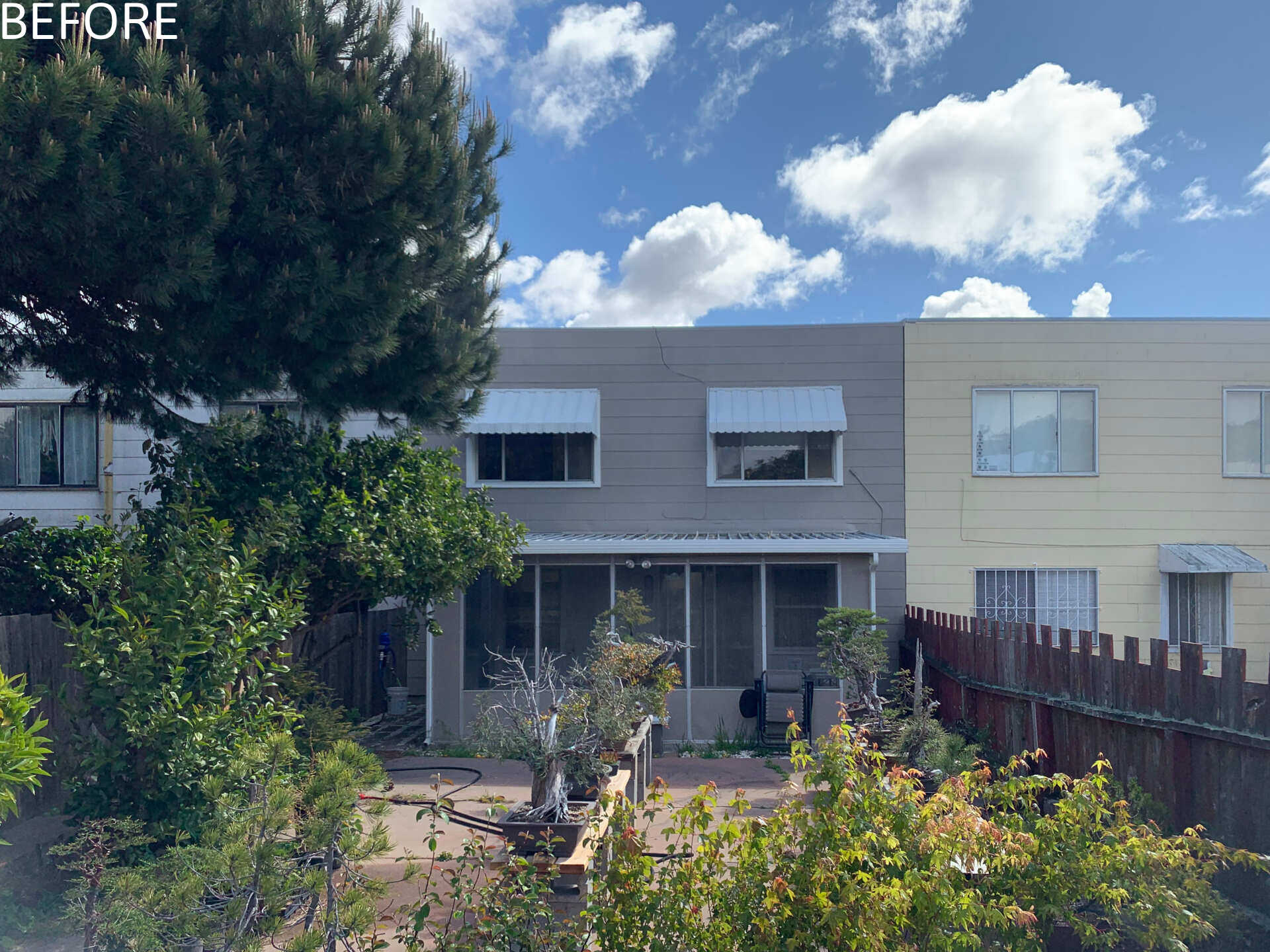
Originally, the ground floor lacked purpose and clear connection to the backyard. It did not support the couple’s artistic practices.

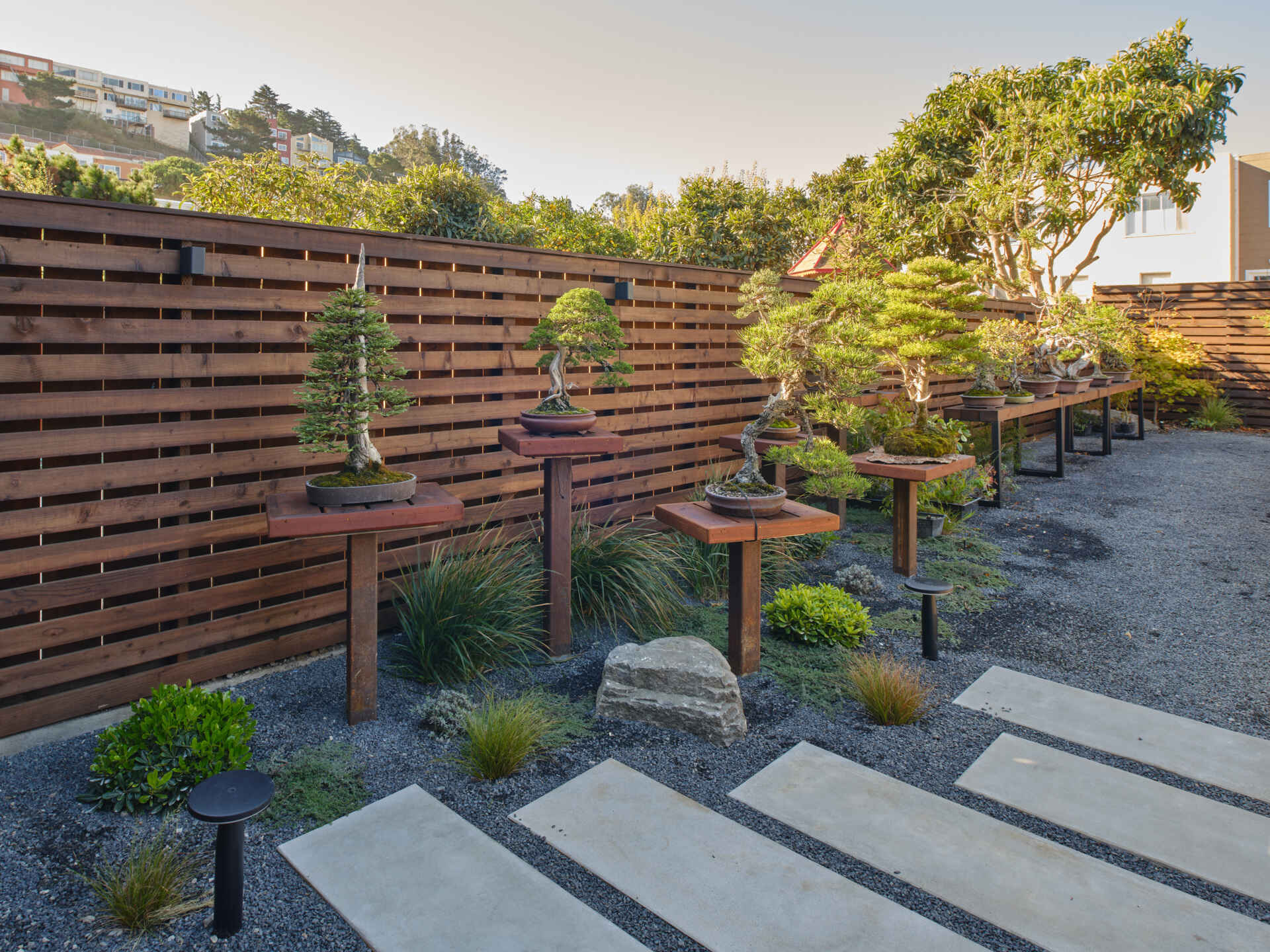
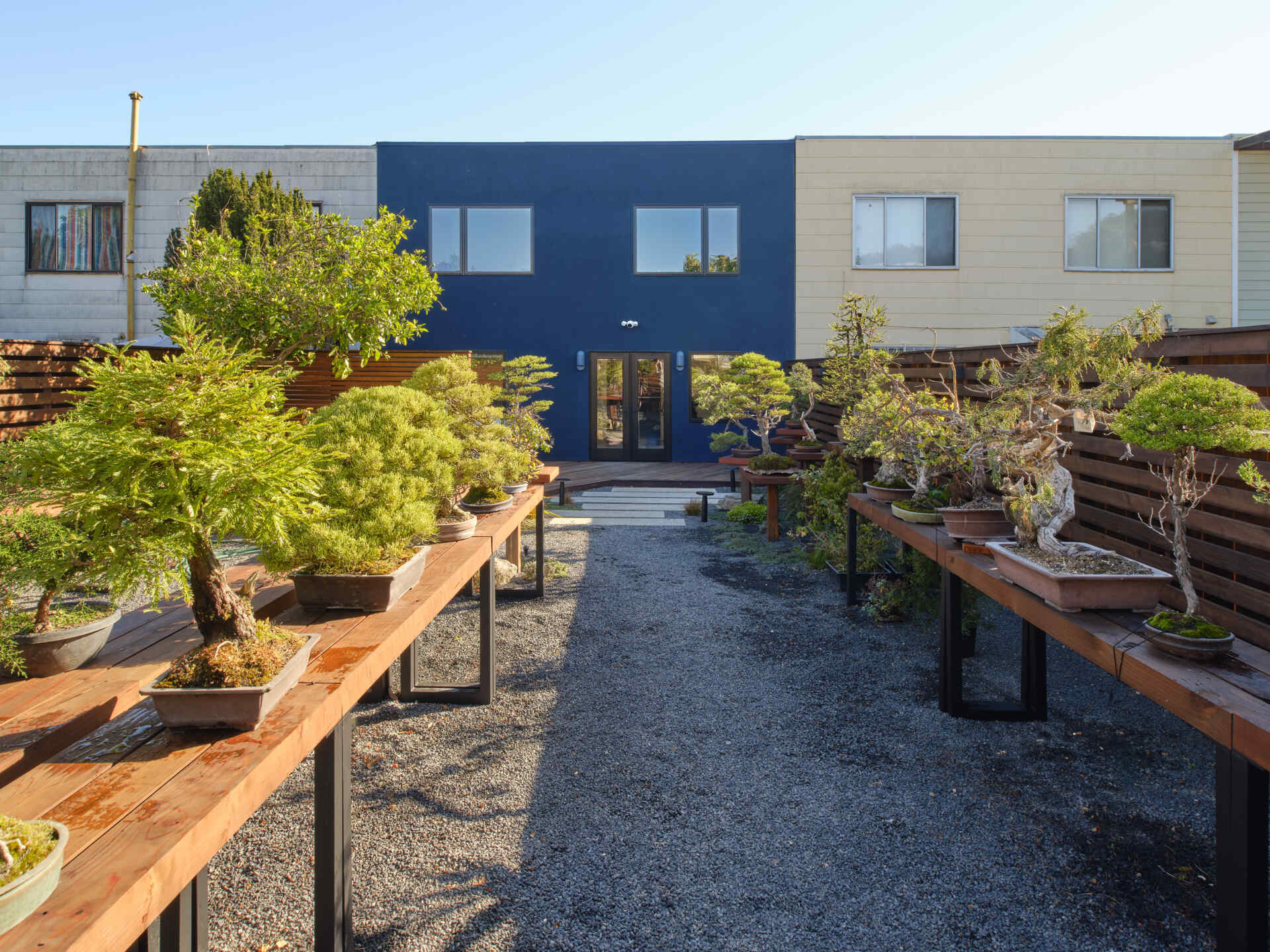
The renovation introduces a dedicated workshop environment with wide French doors opening from street to garden. Large carts can move bonsai trees directly from truck to backyard with ease, while still accommodating a single car garage.

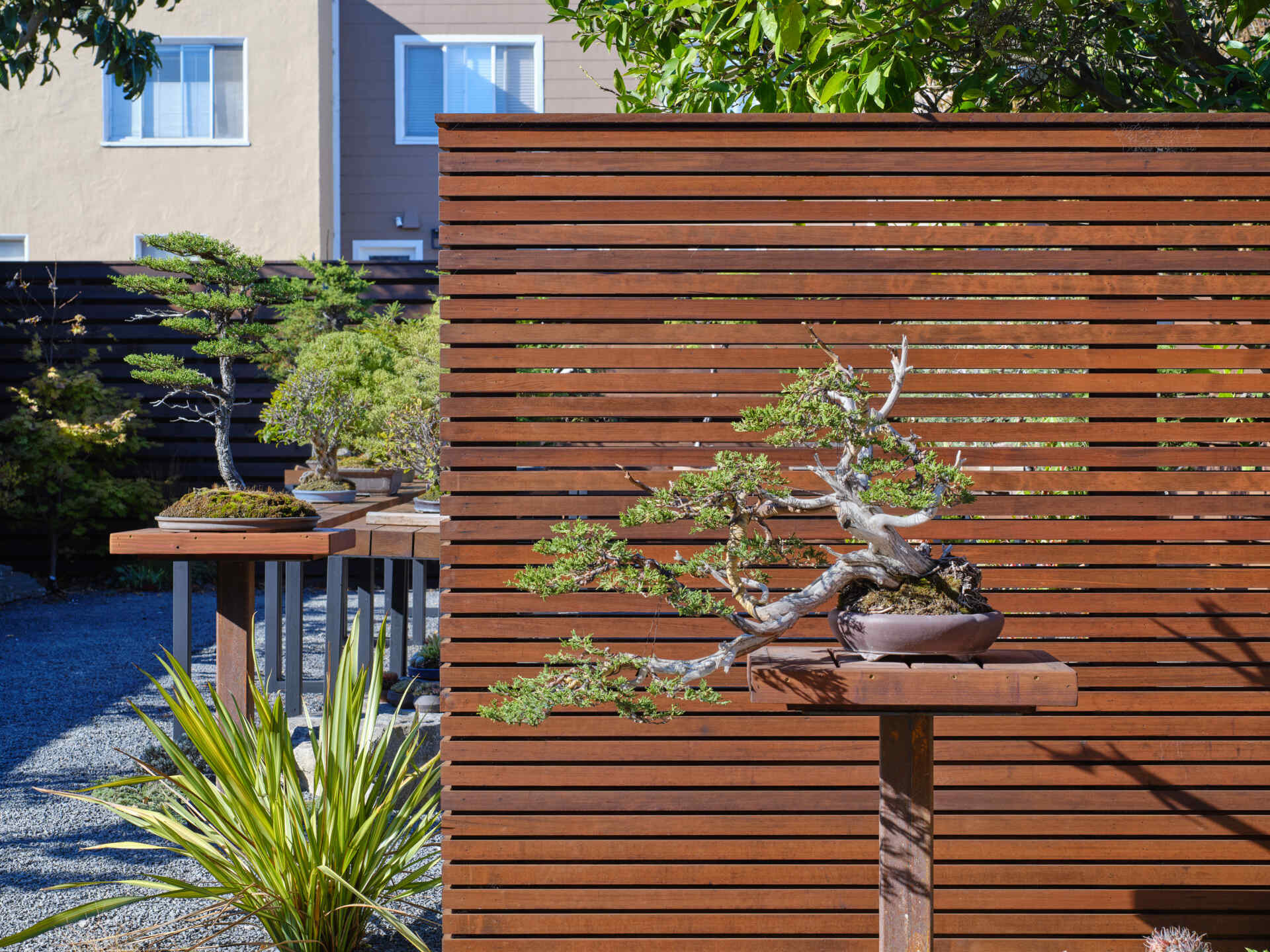
The ceramics workspace shares this flexible ground level setting, and both studios benefit from direct garden access. The southwest facing backyard provides optimal conditions for bonsai cultivation, linking craft and landscape.
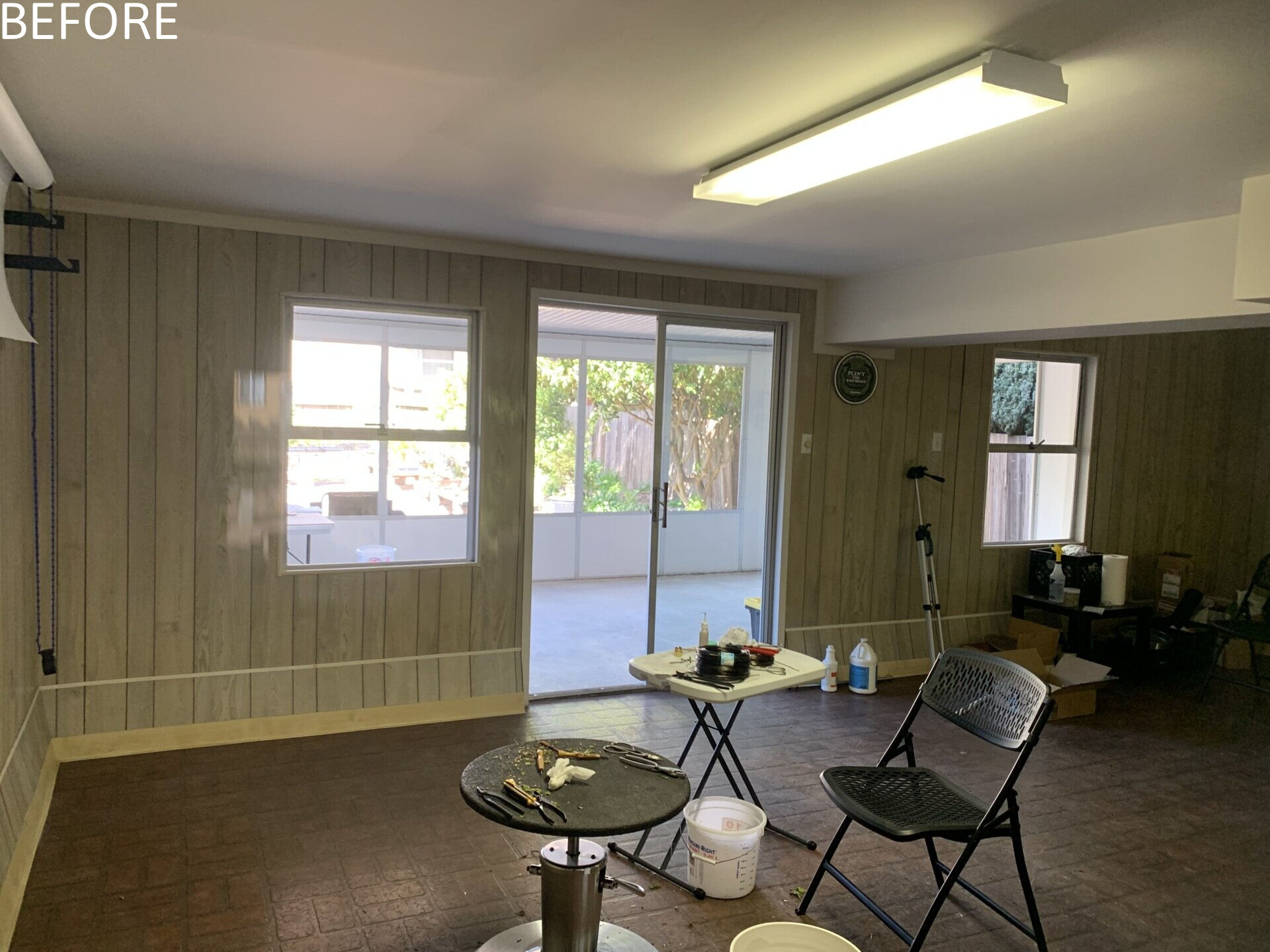
The renovation introduces a dedicated workshop environment with wide French doors opening from street to garden. Large carts can move bonsai trees directly from truck to backyard with ease, while still accommodating a single car garage.
Before photo courtesy of PPM (Precision Property Measurements)
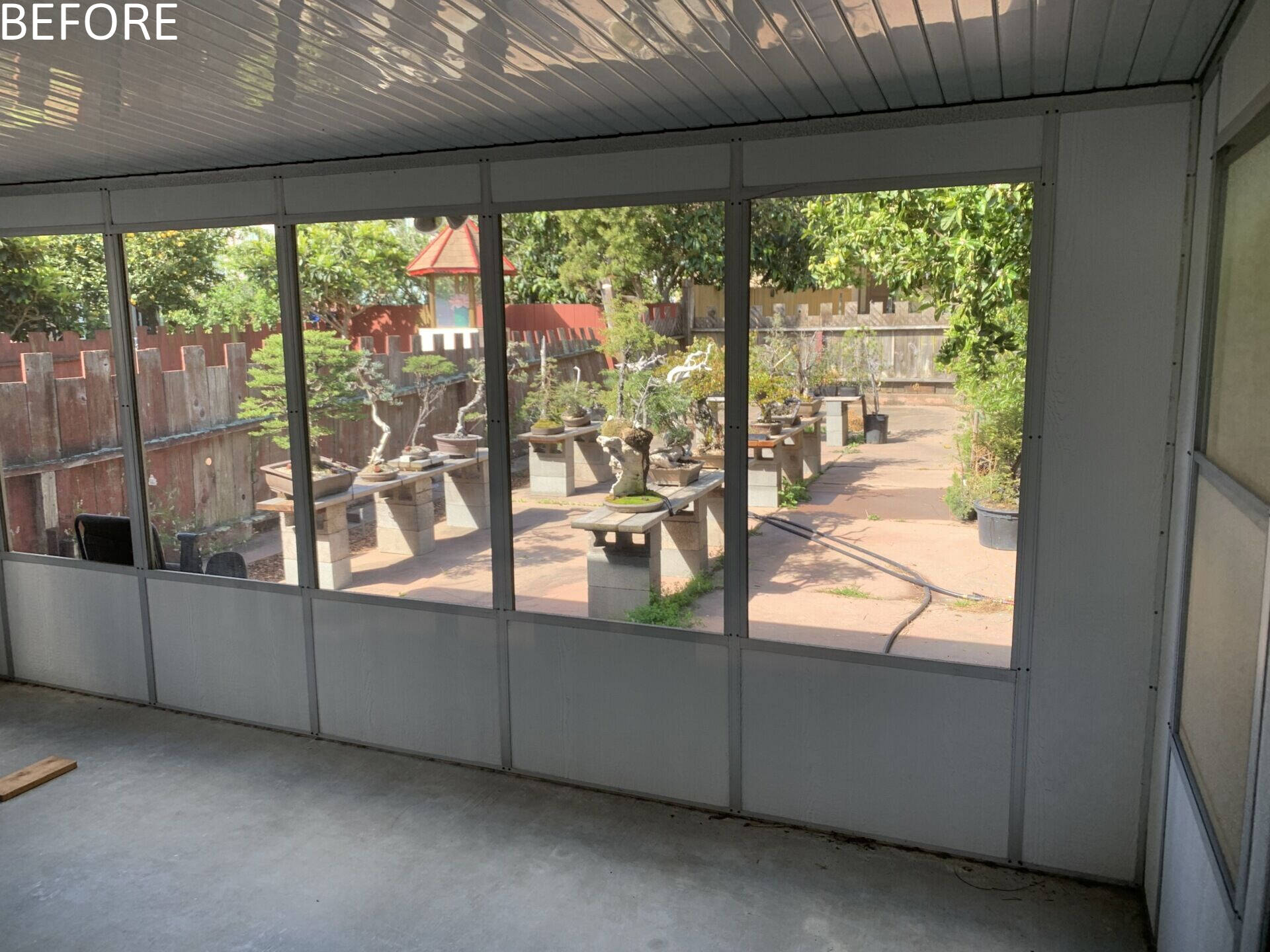
The renovation introduces a dedicated workshop environment with wide French doors opening from street to garden. Large carts can move bonsai trees directly from truck to backyard with ease, while still accommodating a single car garage.
Before photo courtesy of PPM (Precision Property Measurements)
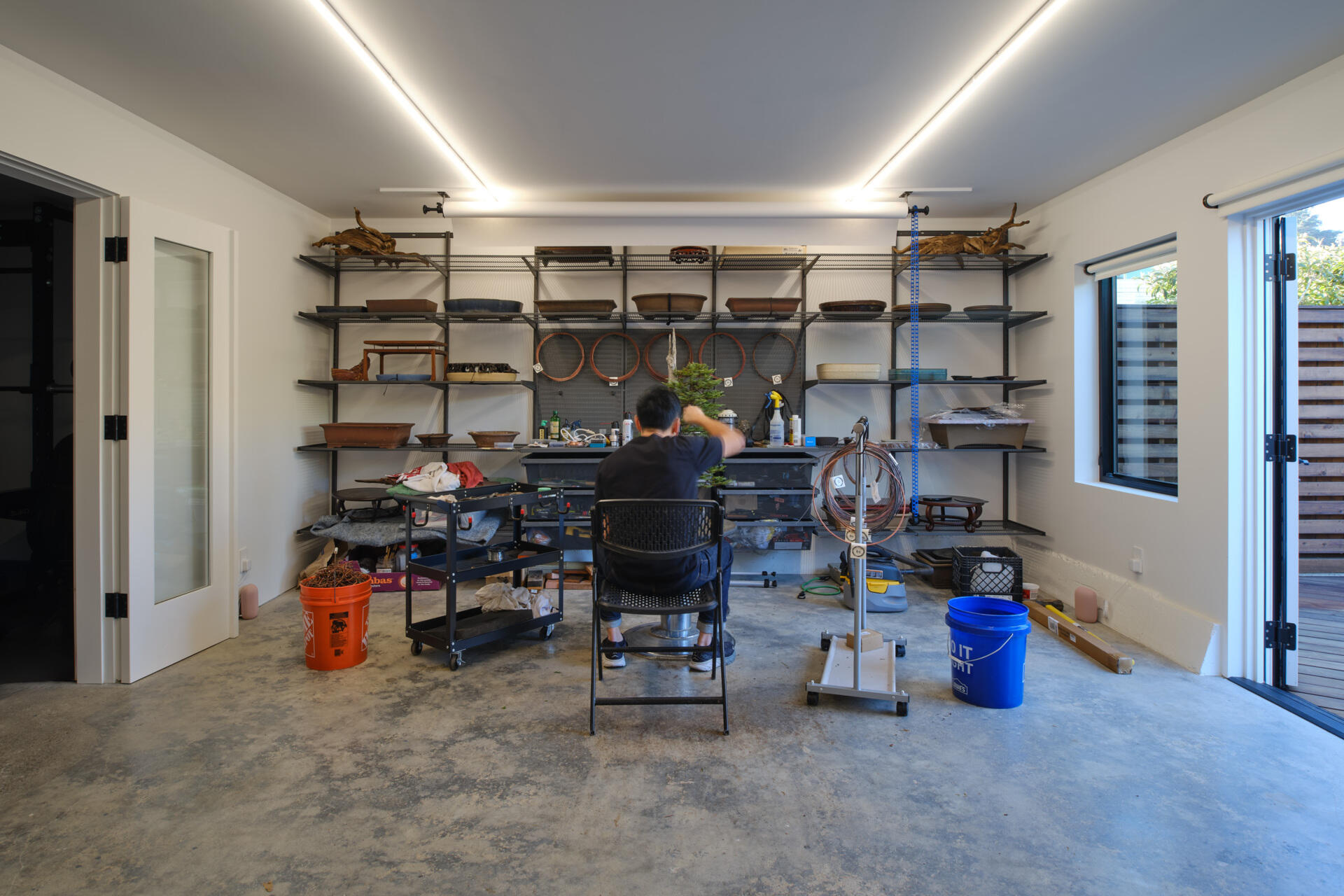
The renovation introduces a dedicated workshop environment with wide French doors opening from street to garden. Large carts can move bonsai trees directly from truck to backyard with ease, while still accommodating a single car garage.
Architecture by Firma Ladigin, photography © James Newman.
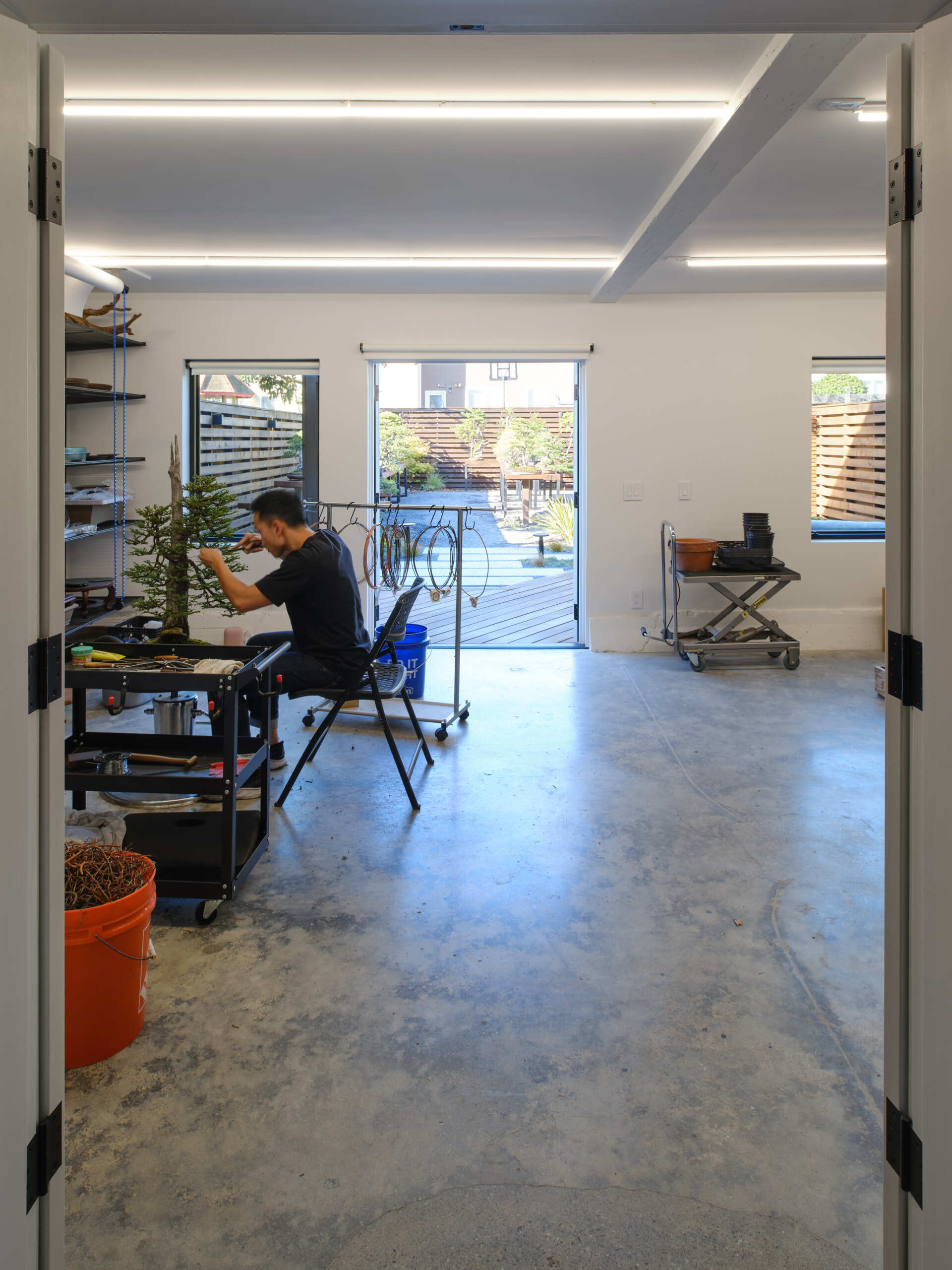
The renovation introduces a dedicated workshop environment with wide French doors opening from street to garden. Large carts can move bonsai trees directly from truck to backyard with ease, while still accommodating a single car garage.
Architecture by Firma Ladigin, photography © James Newman.
A renovated home with a bonsai workshop and garden.
Architecture by Firma Ladigin, photography © James Newman.

A renovated home with a bonsai workshop and garden.
Architecture by Firma Ladigin, photography © James Newman.
A renovated home with a bonsai workshop and garden.
Architecture by Firma Ladigin, photography © James Newman.
A renovated home with a bonsai workshop and garden.
Before photo courtesy of PPM (Precision Property Measurements)
A renovated home with a bonsai workshop and garden.
Architecture by Firma Ladigin, photography © James Newman.

The Portola Garden House demonstrates how thoughtful renovation can honor both place and personal passion. It references Portola’s flower growing legacy and acknowledges the land’s original Yelamu inhabitants of the Ramaytush Ohlone.

By aligning architecture with bonsai cultivation, ceramics practice, and everyday living, the project creates a cohesive home shaped by craft, light, and history.


Architecture by Firma Ladigin, photography © James Newman. | Architect: Firma Ladigin | General Contractor: Rico General Construction | Walnut cabinetry and millwork: New Century Cabinets | Structural Engineer: TA Structural