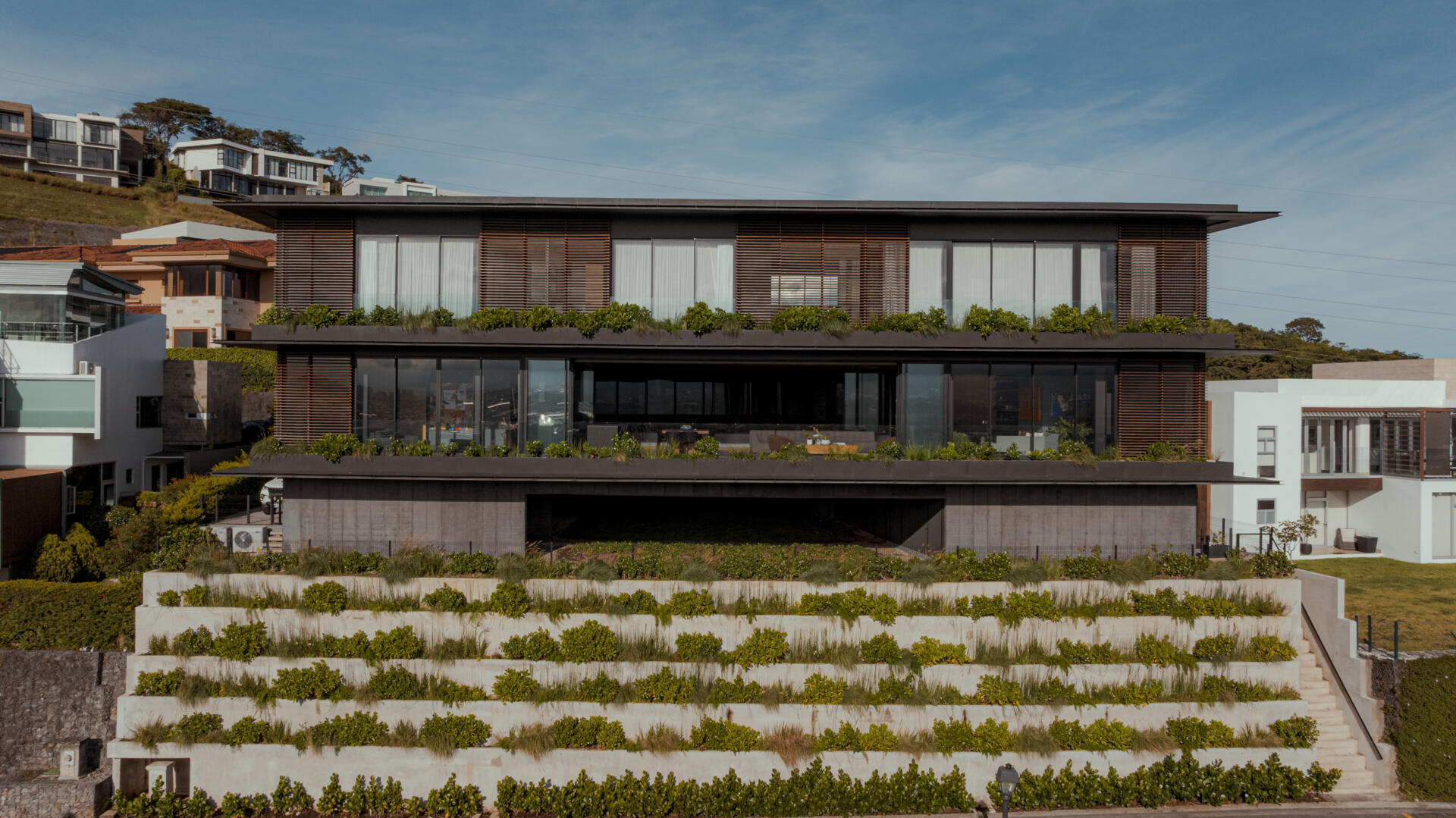
Set into the hills of Escazú in San José, Costa Rica, Casa Anahata by Carazo Arquitectura unfolds as a layered home shaped by light, air, and elevation. Positioned on a steep site overlooking the Central Valley, the house takes its name from the concept of Anahata, often associated with balance and openness, and translates that idea into built form.
A Tiered Design That Follows the Slope
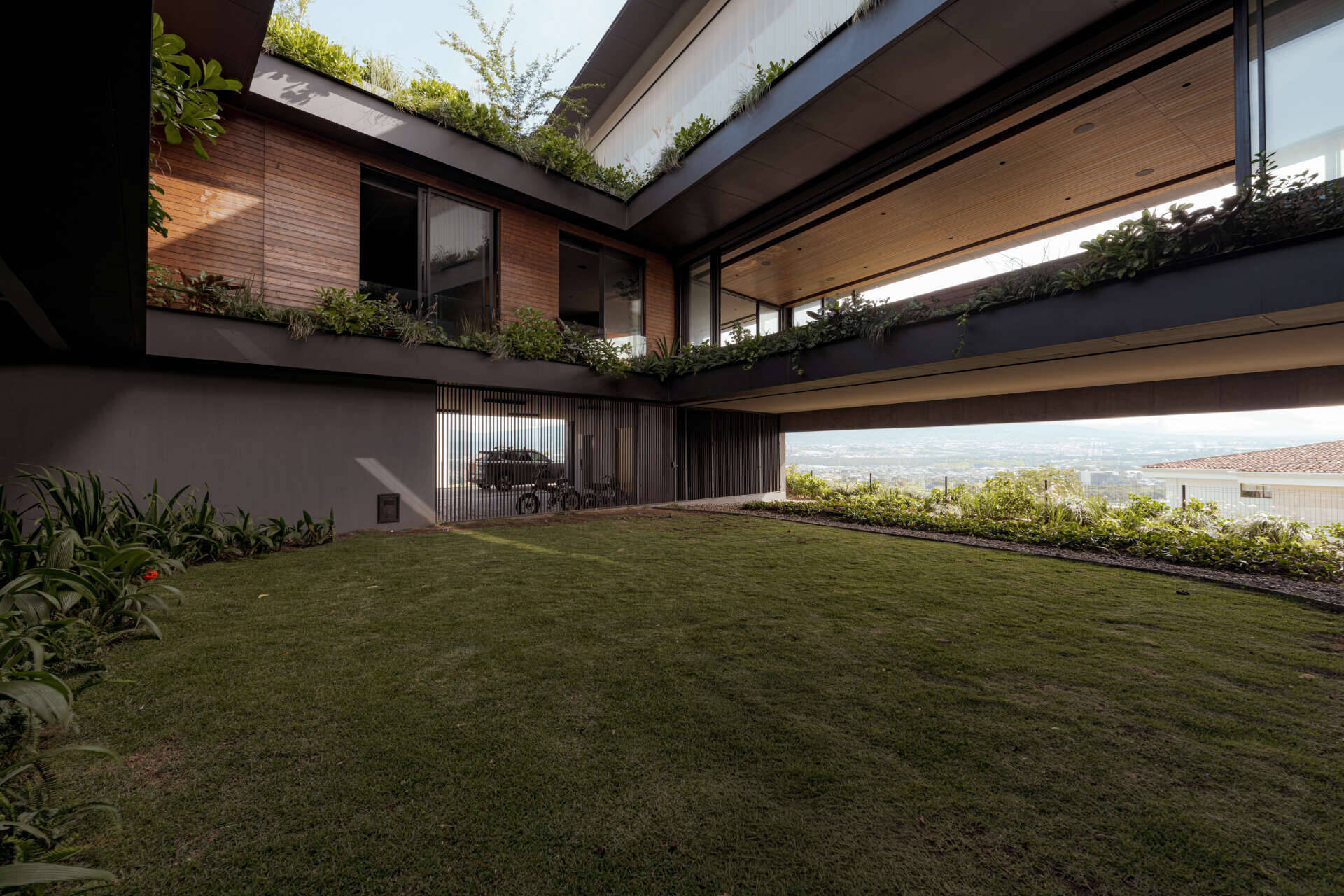
The steep terrain shapes the entire layout of Casa Anahata. Instead of resisting the site, the design steps down with it, organizing the home across three distinct levels.
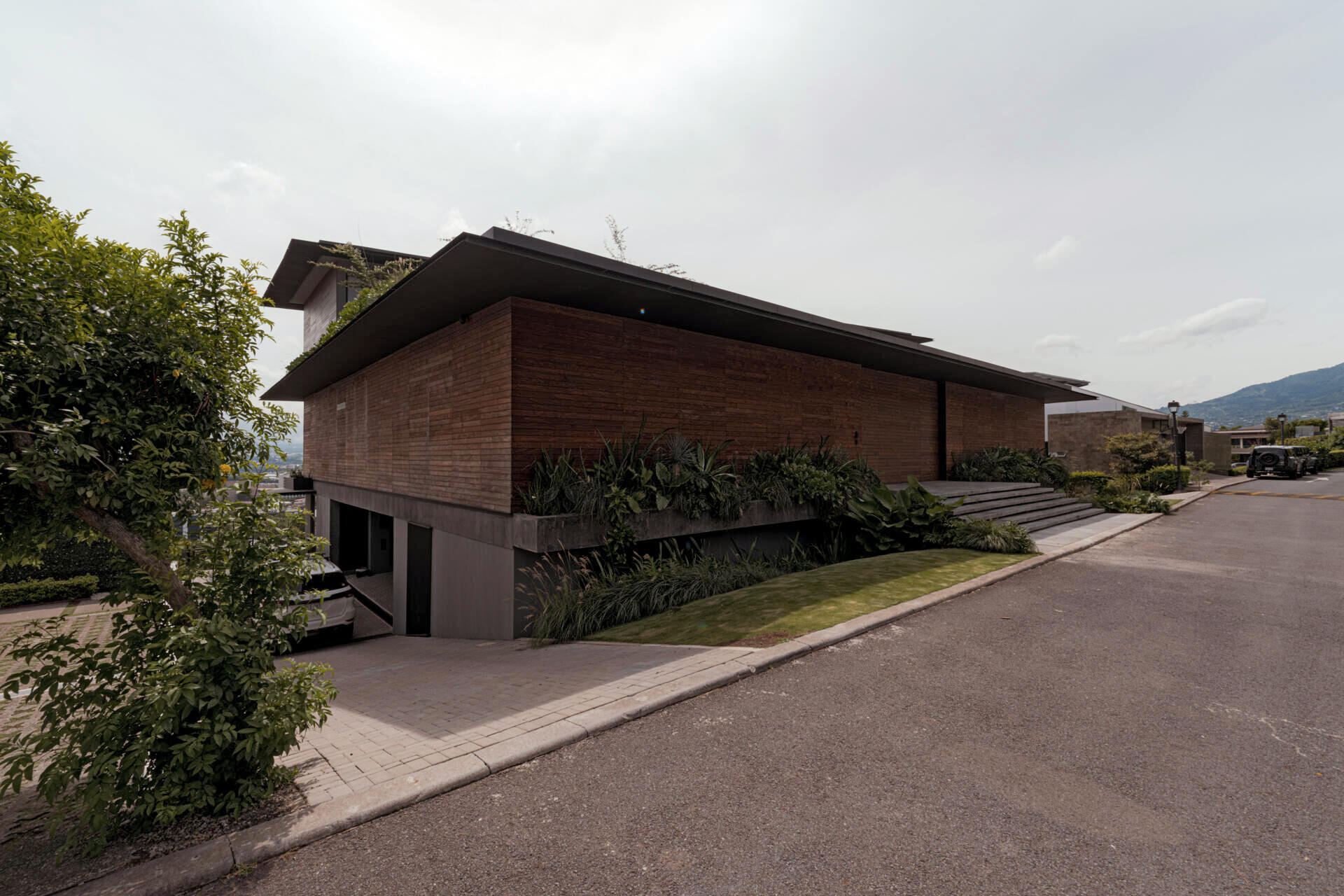
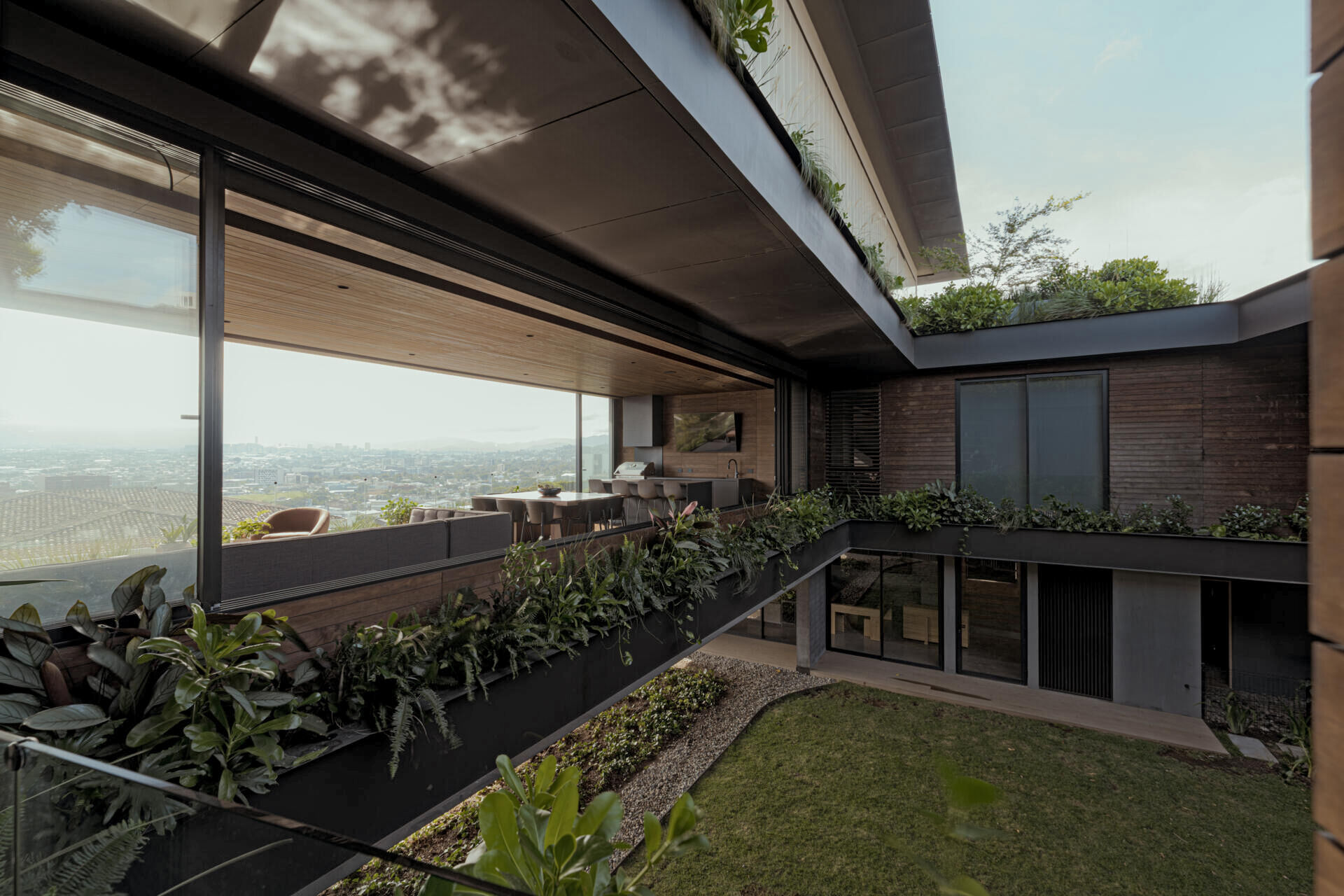
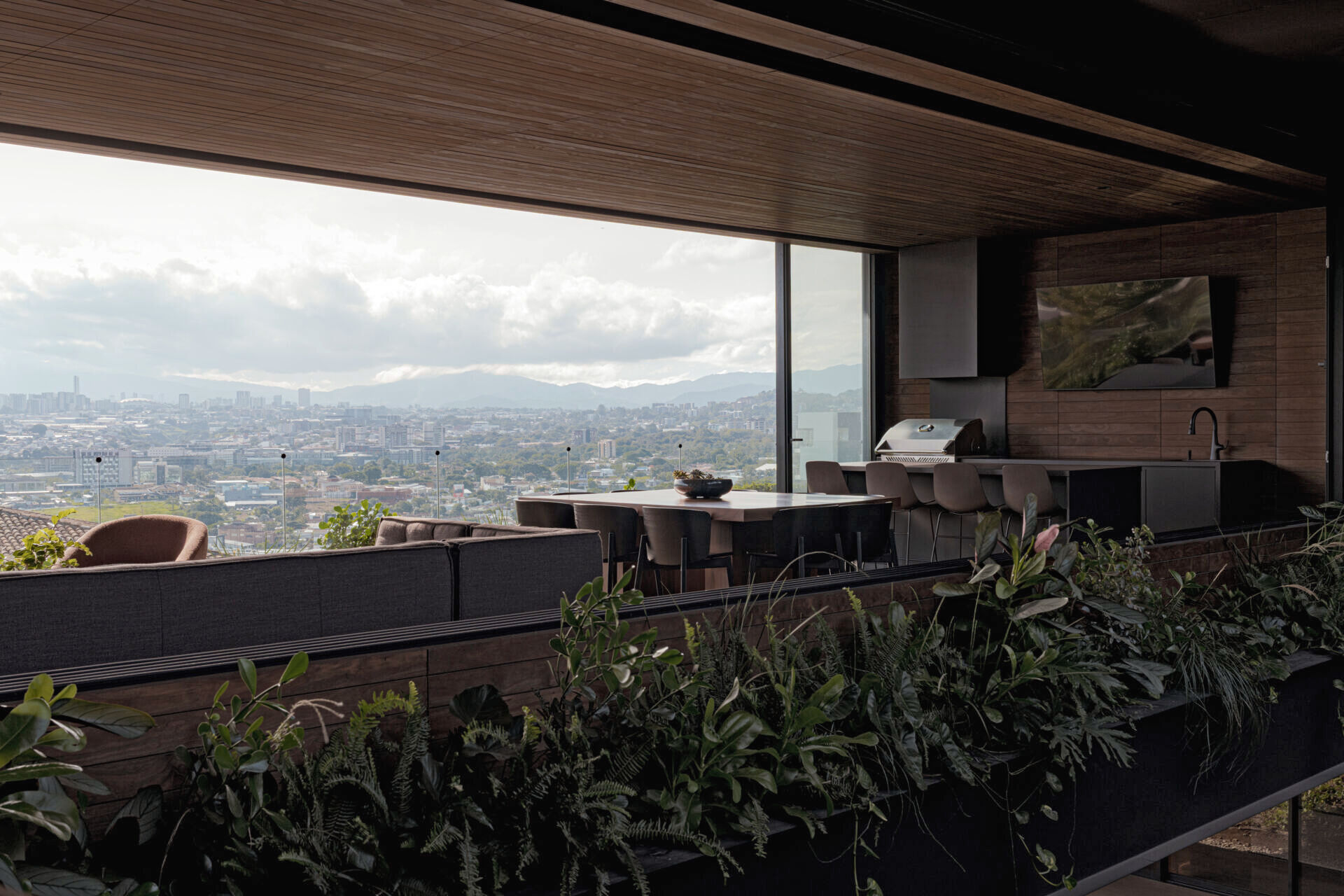
The lower level is tucked into the ground, housing parking, service areas, and a recreational zone. Above, the main level opens up into the social core of the home, where the living room, dining area, kitchen, and office are arranged around the central void. Extending outward, a bridge-like terrace projects toward the valley, complete with a firepit that turns the view into part of the experience.
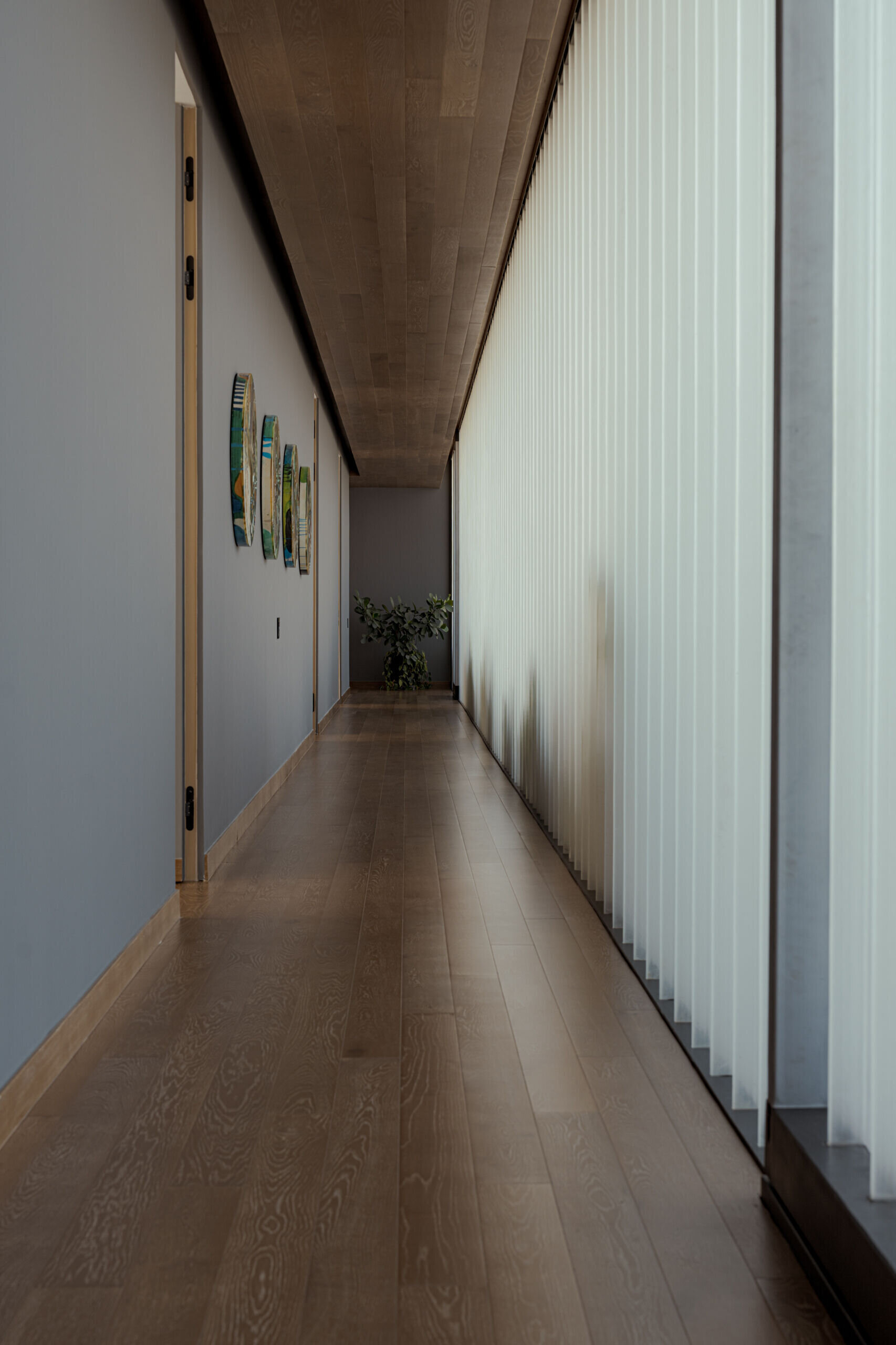
The upper level is more private, with the main suite and additional bedrooms positioned to face either the distant landscape or the internal courtyard. This dual orientation reinforces the importance of both outward views and inward focus.
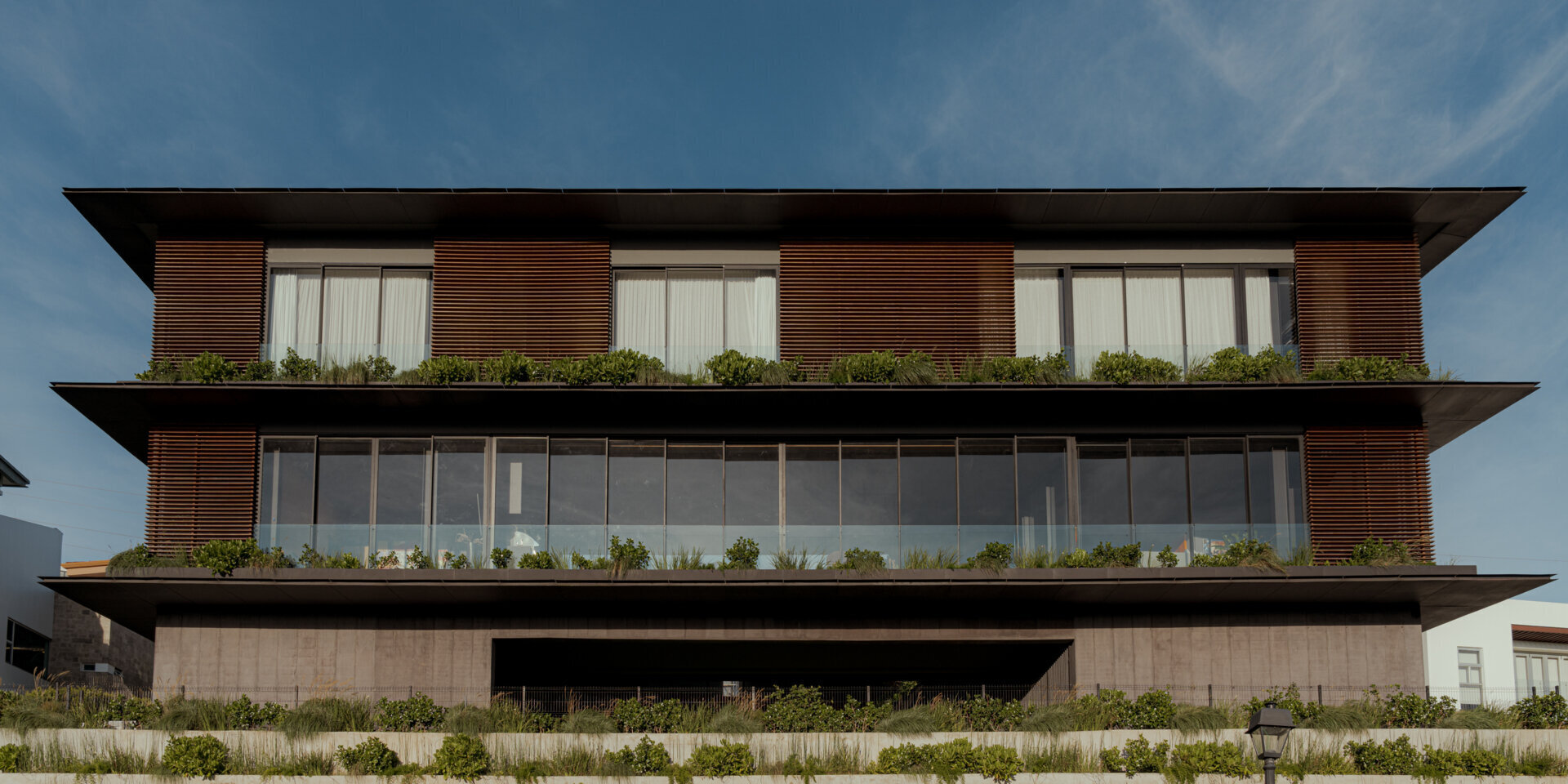
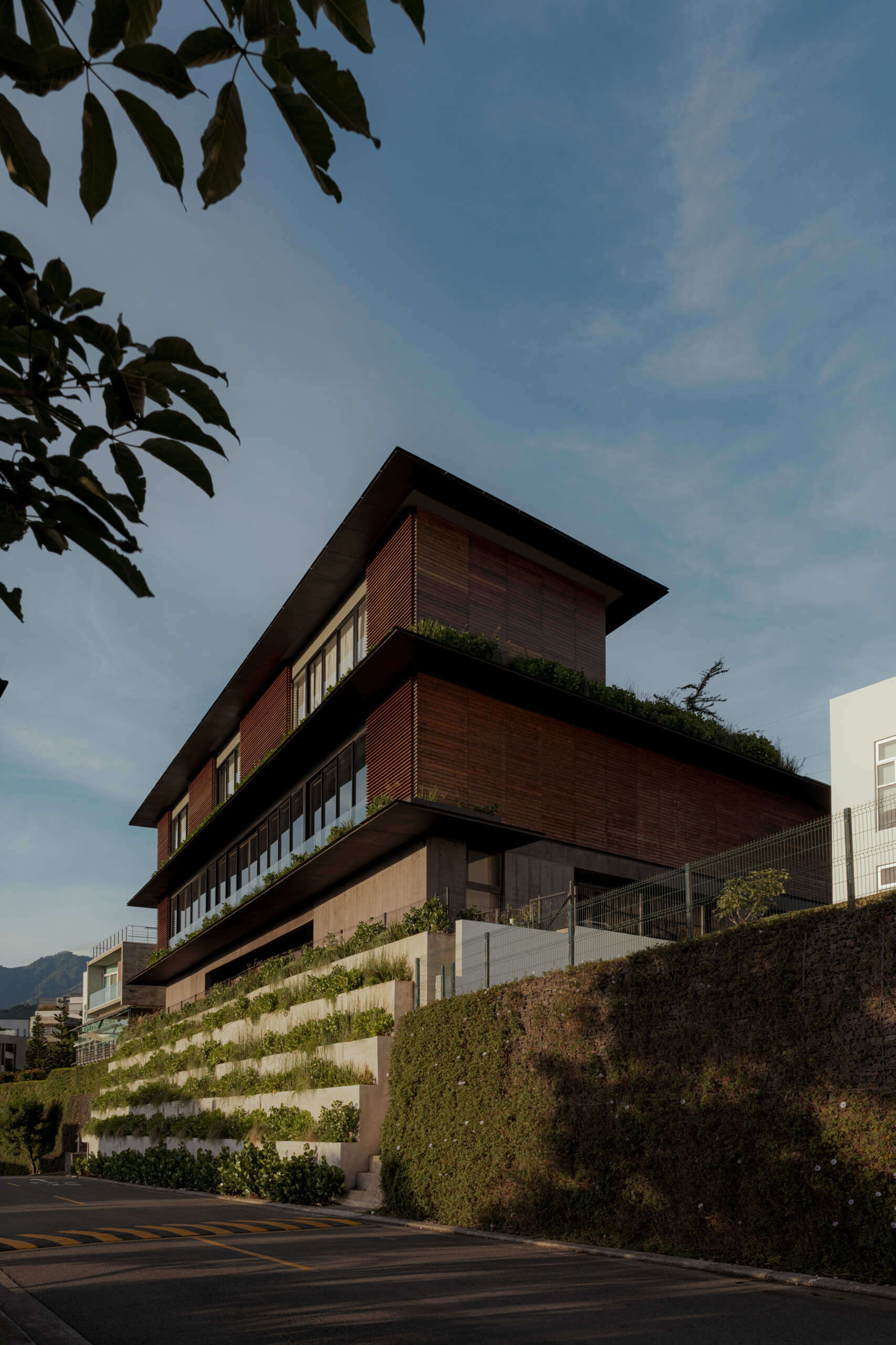
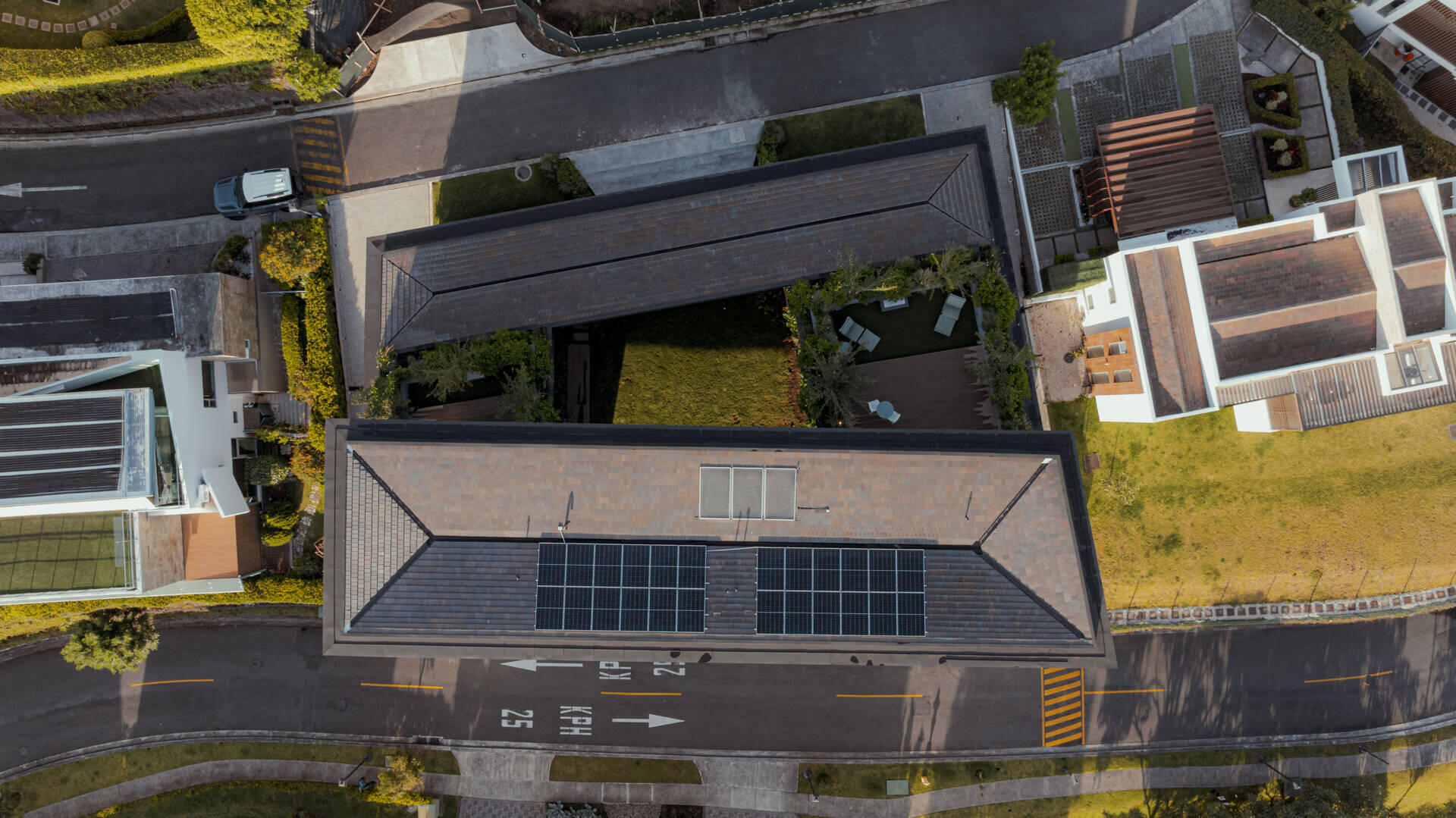
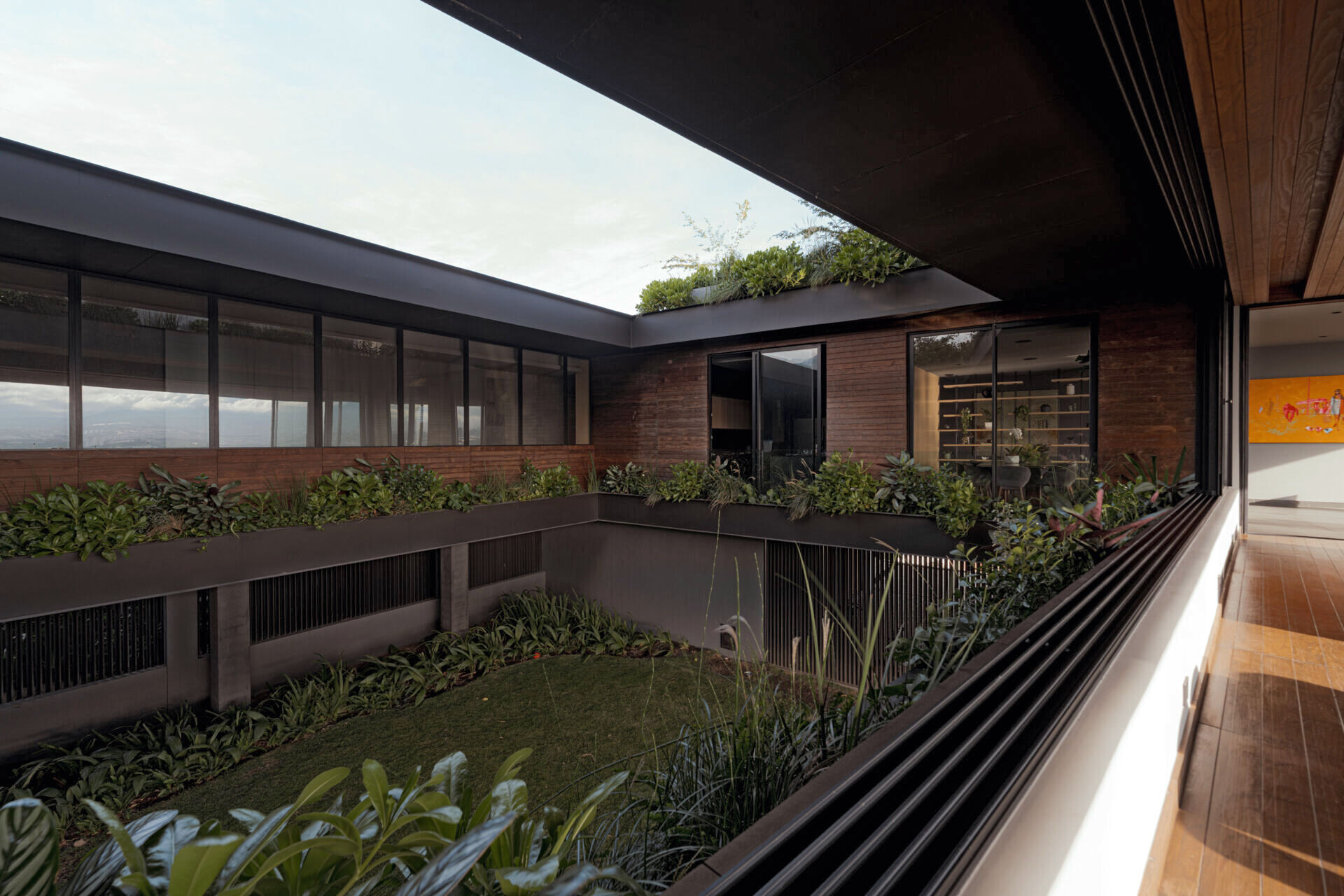
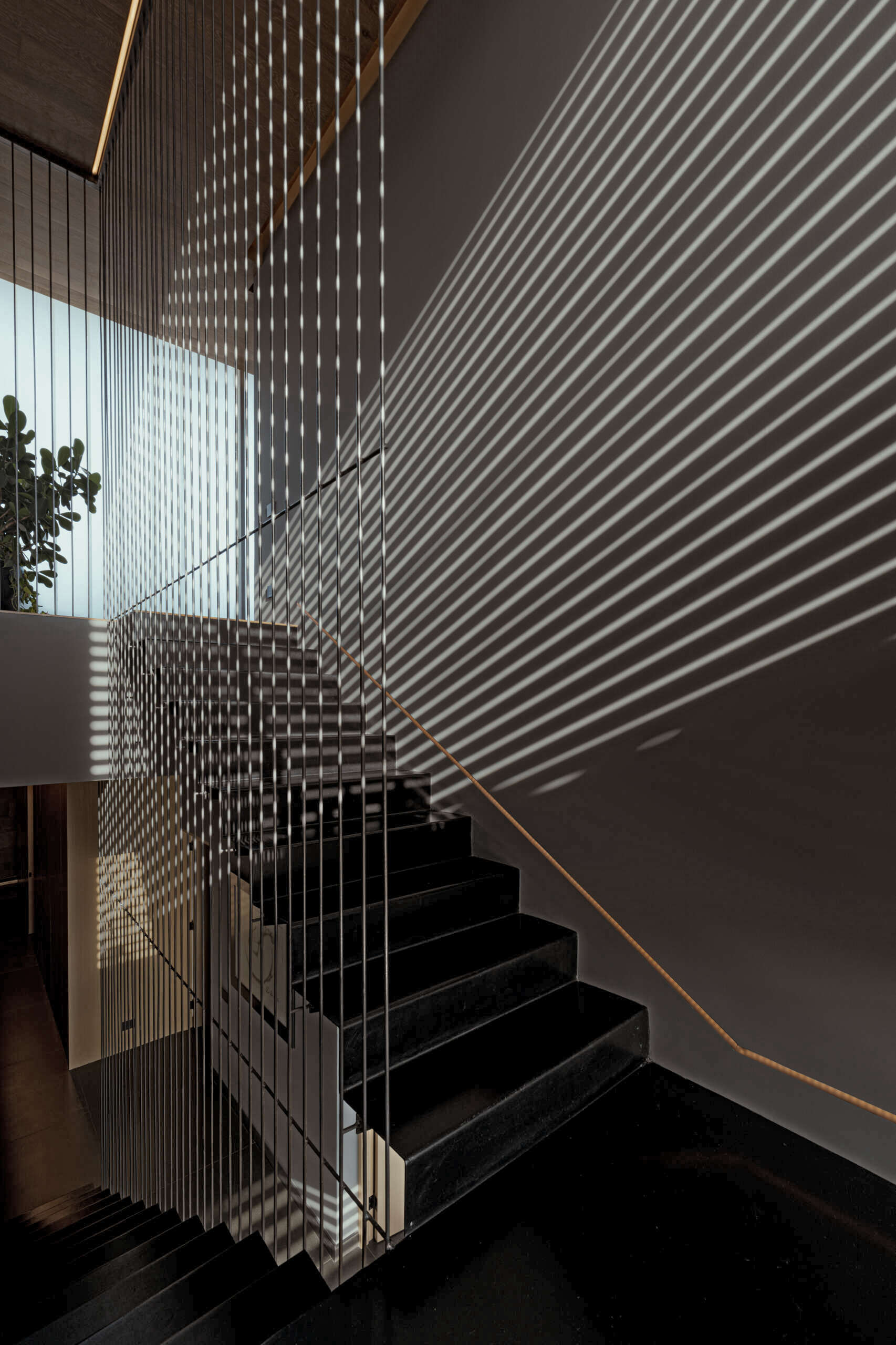
Across all levels, the architecture works with natural forces. Cross ventilation moves air through the spaces, filtered daylight softens the interiors, and planted edges blur the line between built form and landscape. Rooftop photovoltaic panels and solar water heating systems add another layer of environmental performance.
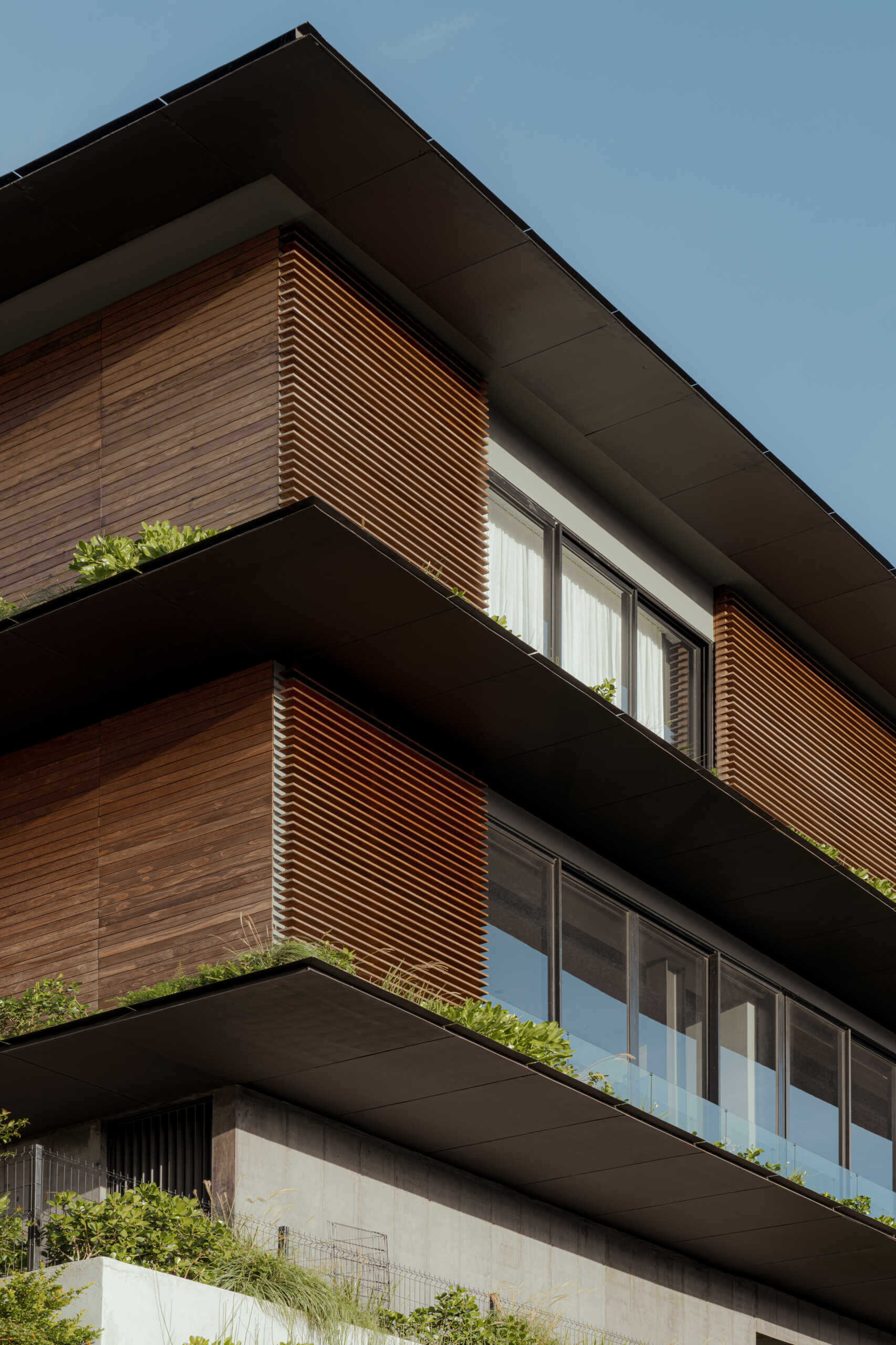
Natural Textures Paired With Clean Lines
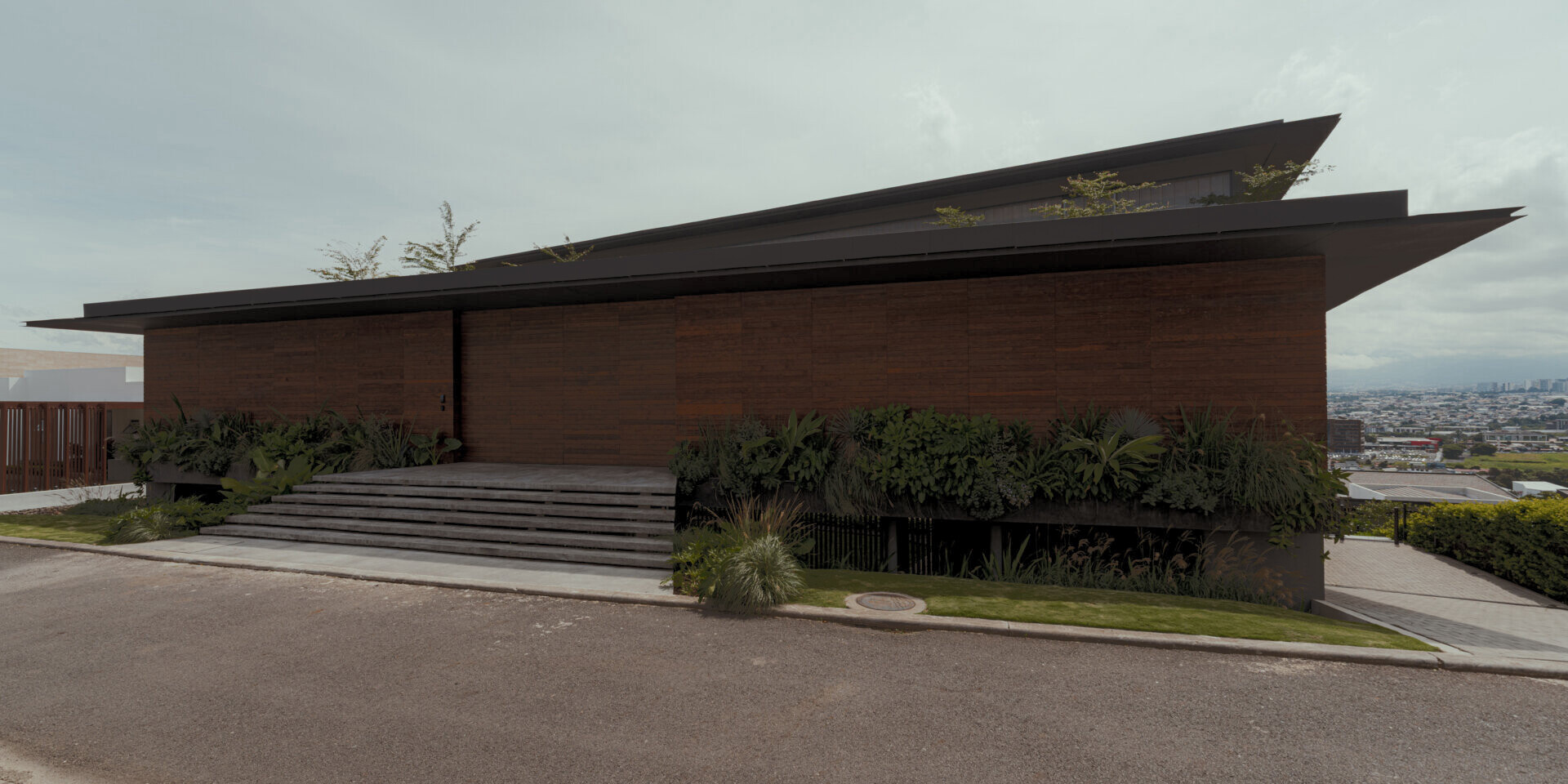
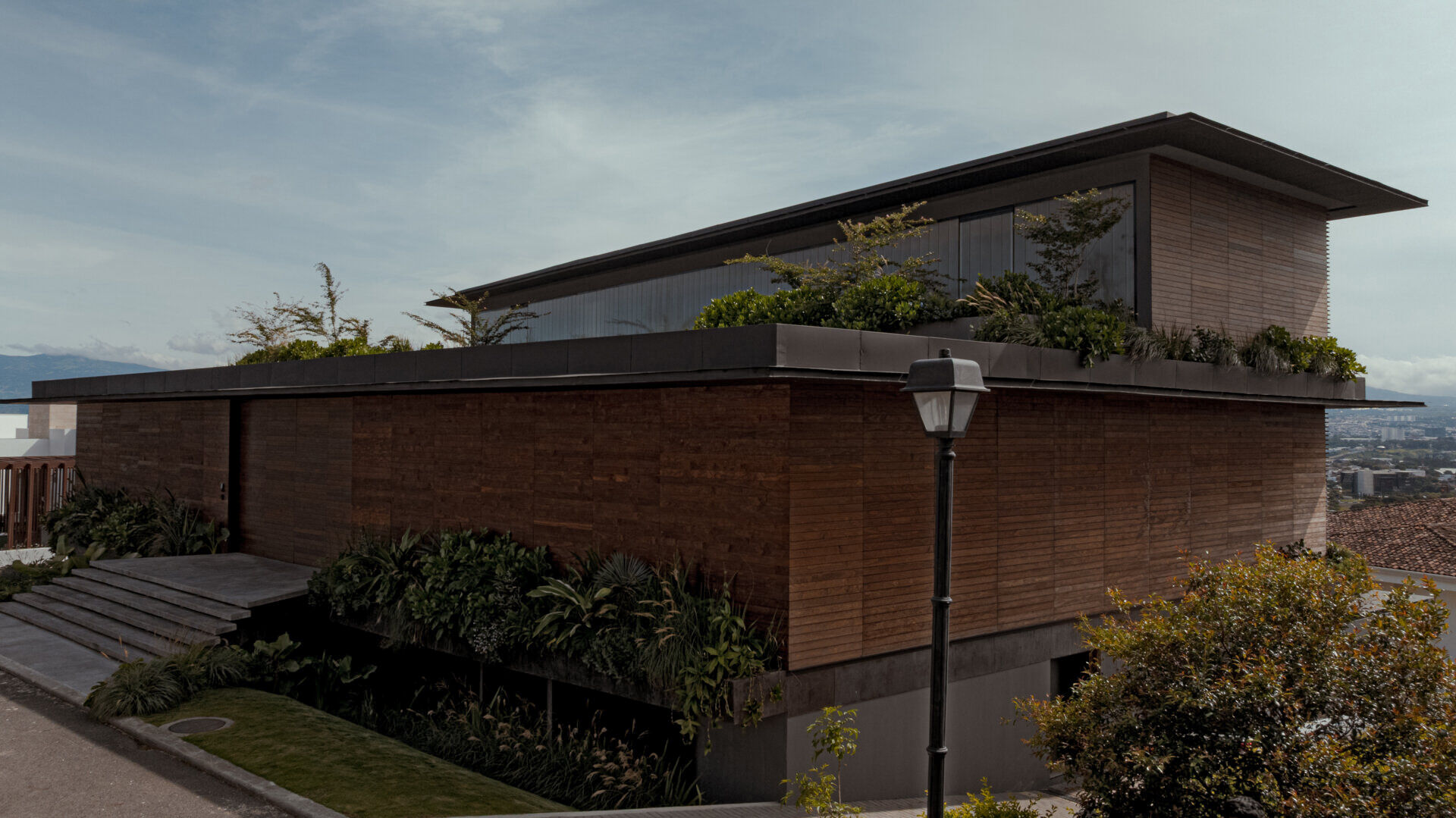
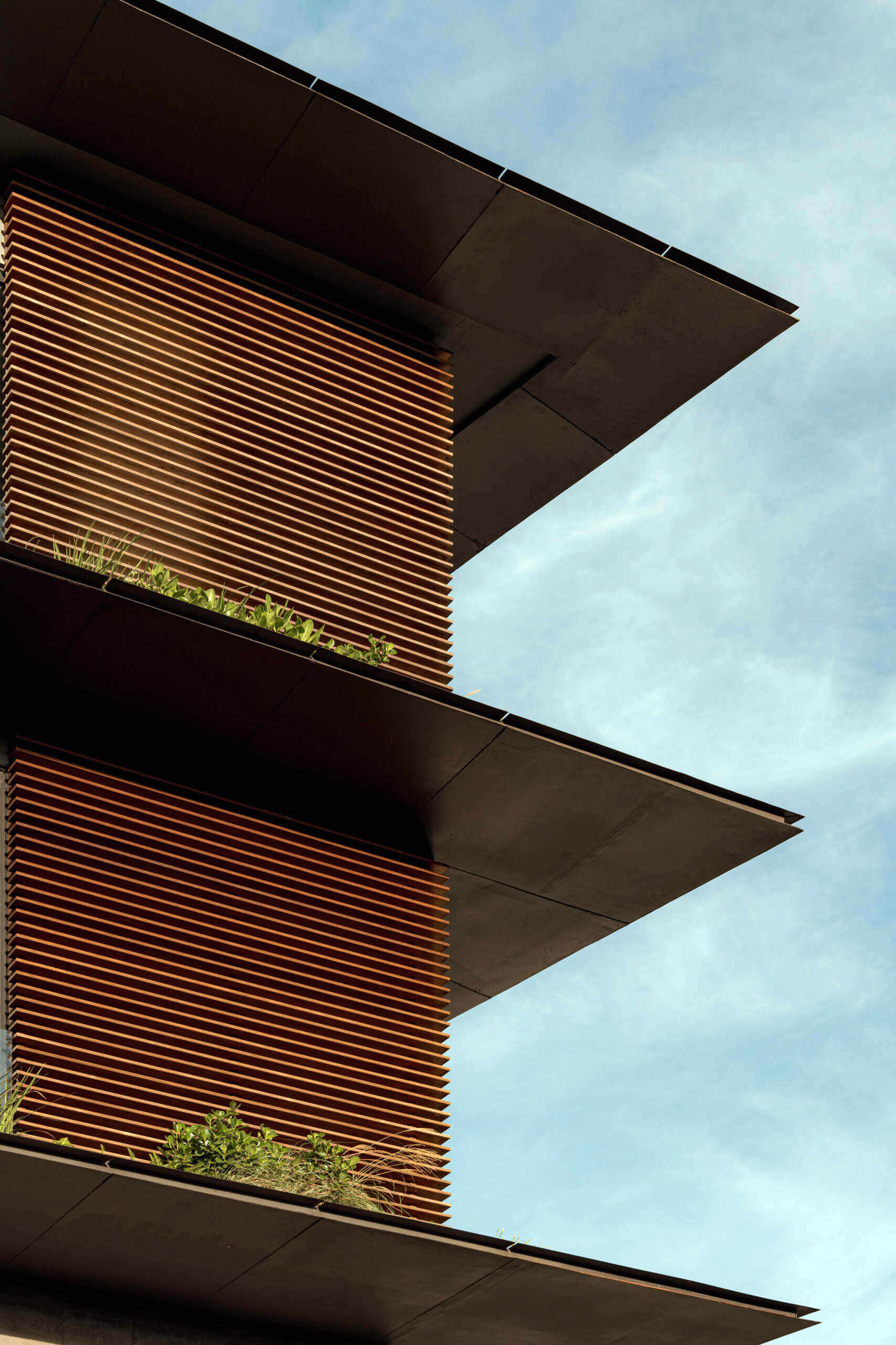
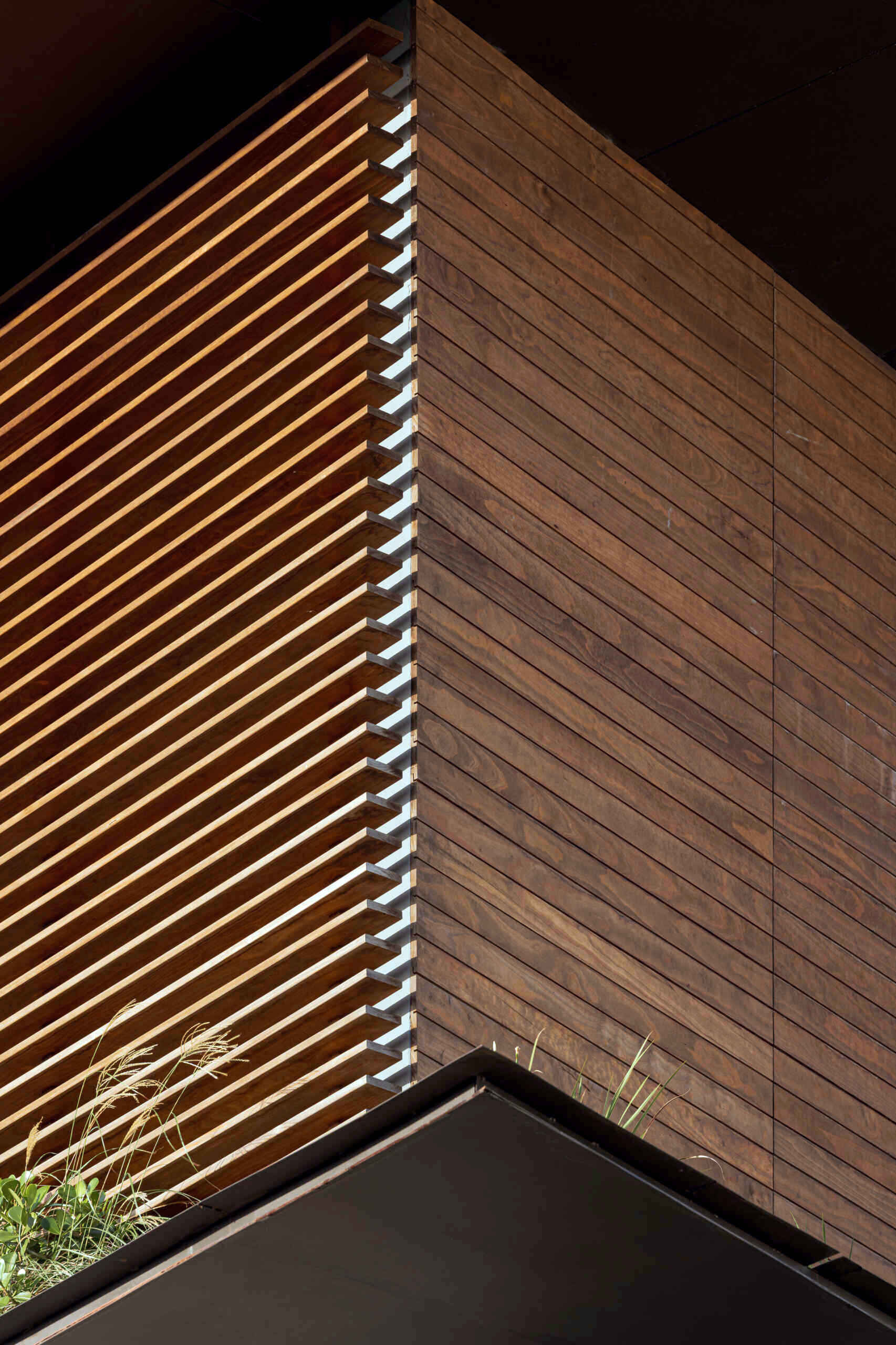
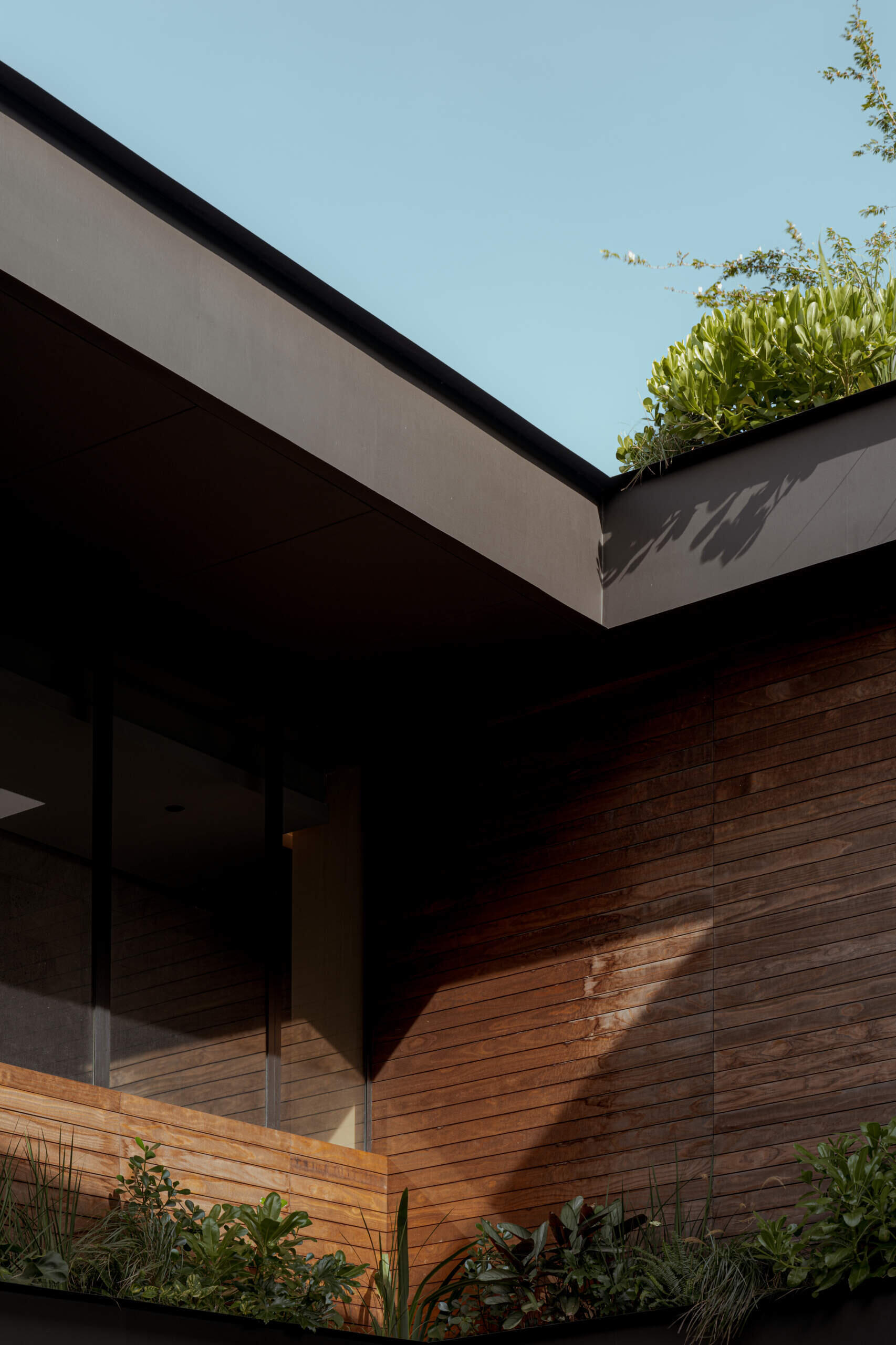
The material palette of Casa Anahata leans into a balance of warmth and restraint. Timber appears throughout the home, often in the form of horizontal wood slats, while metal details are introduced with a lighter touch, adding structure and definition without drawing attention away from the overall composition.
A Home Built Around Its Own Center
At the core of the project is a central void that acts as the anchor for everything around it. This open space draws in daylight, airflow, and greenery, giving the home a clear internal focus while allowing each level to feel visually linked.
Open Spaces Framed by Light and Greenery
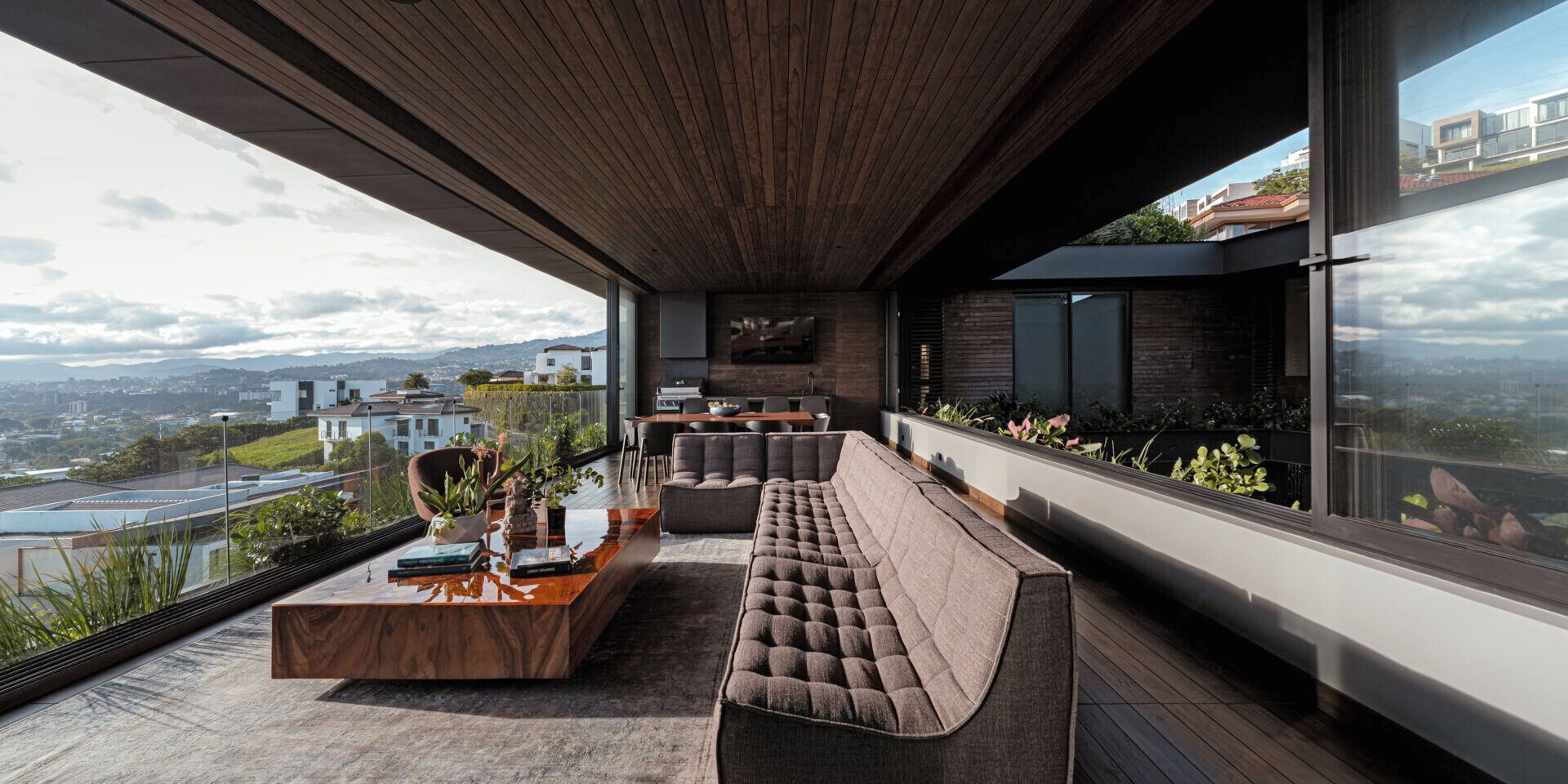
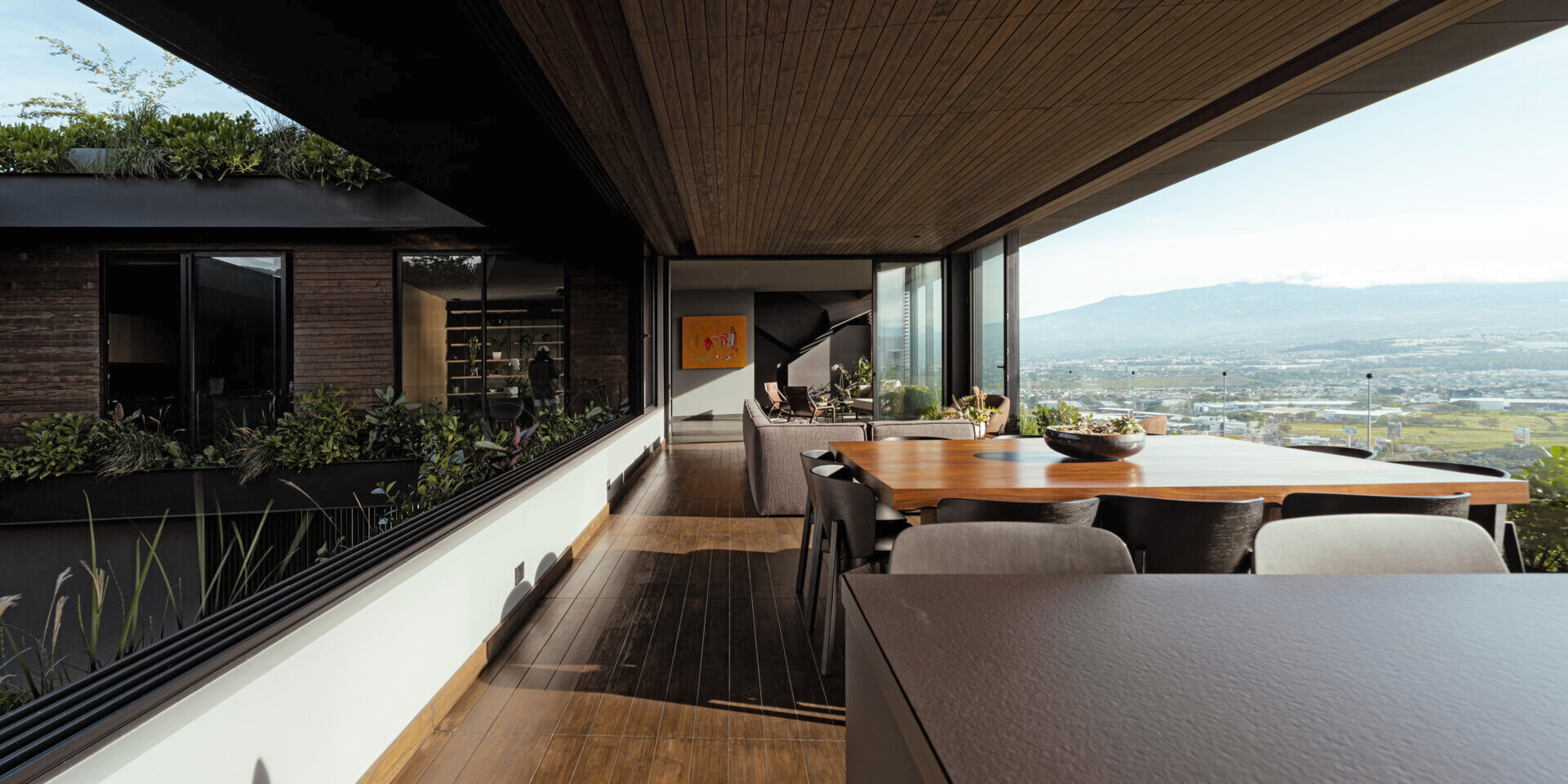
Materials are kept natural and tactile, reinforcing the connection between interior and exterior. The layout encourages movement across spaces without rigid boundaries, with sightlines that stretch from one end of the house to the other. Whether in the kitchen, living area, or bedrooms, there is always a visual link back to the courtyard or outward to the valley.
The result is an interior that feels both expansive and grounded. Open-air rooms, shaded zones, and layered views create a living environment that shifts throughout the day as light and weather change.
Casa Anahata presents a clear approach to tropical architecture. It works with its site, its climate, and its views, using a central courtyard to organize space and bring natural elements into everyday living.
From its tiered structure to its open-air design, the house shows how a steep hillside can become an opportunity for layered living. Each level offers a different perspective, yet all remain tied to the same central idea, a home shaped from the inside out.