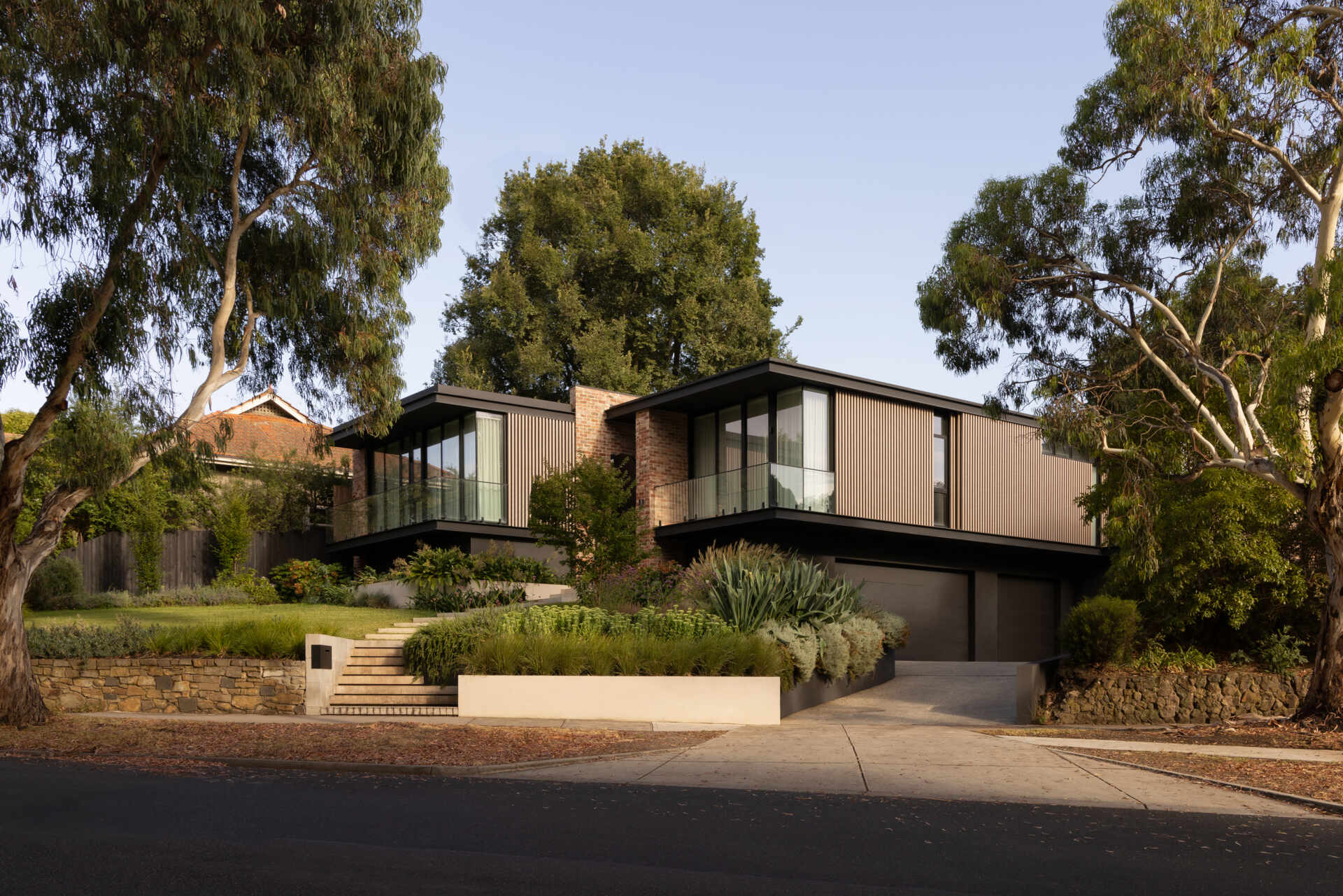
The House That Begins With a Gate and Ends in a Garden

This single-level home uses elevation and layout to open fully to the north, creating a seamless indoor-outdoor connection.

Designed by Di Bartolo Architects, Atrium House began as a simple extension to a post-war clinker brick home, but quickly grew into something far more ambitious. As the needs of a growing family shifted, so did the scope, turning the project into a complete rethink of how the home could function, feel, and evolve over time.

At its core, the design is shaped by three ideas, the garden, the family, and the arrival. These elements guide everything from layout to material choices, creating a home that feels open, warm, and ready for both everyday living and large gatherings.
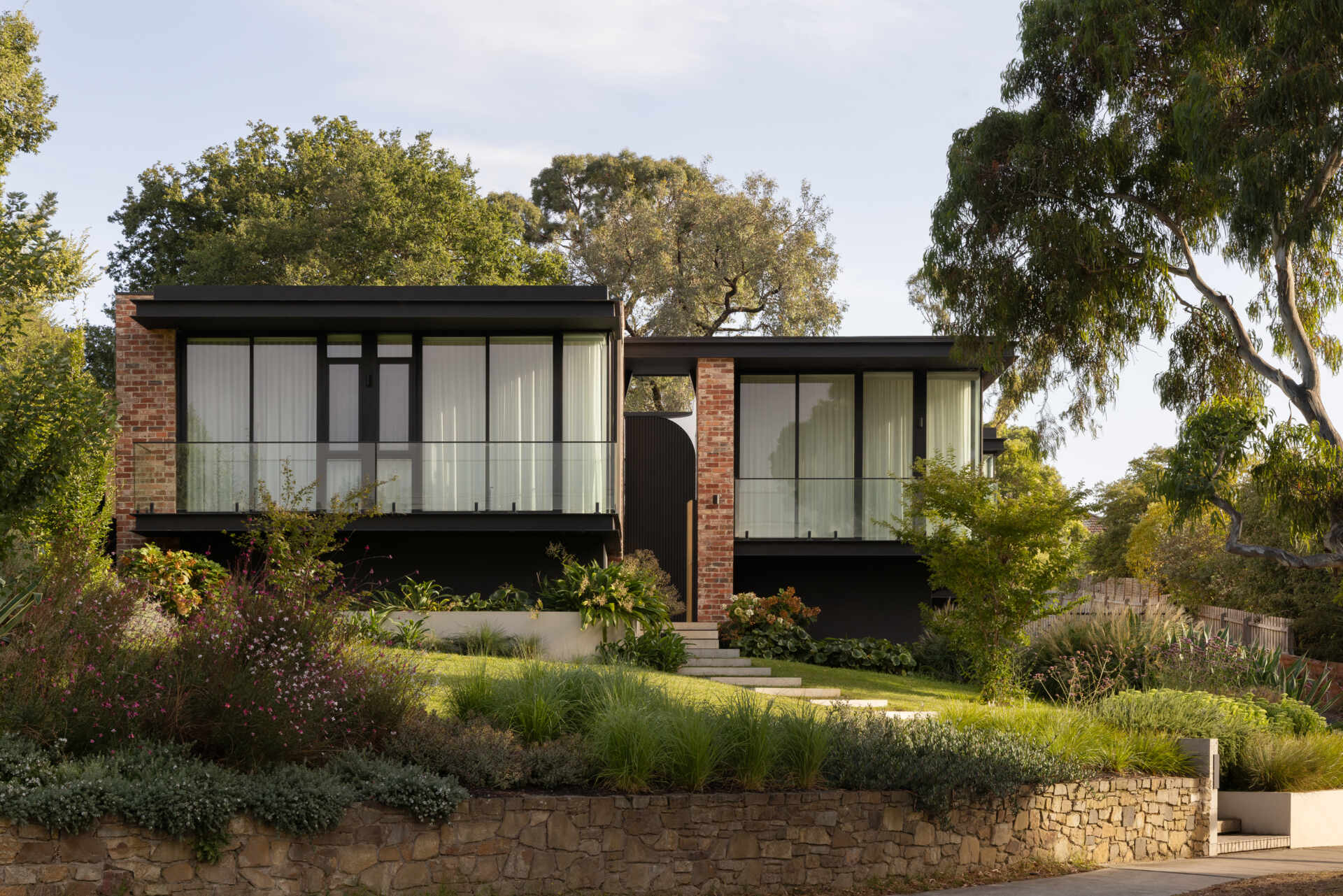
This single-level home uses elevation and layout to open fully to the north, creating a seamless indoor-outdoor connection.

A Single-Level Plan That Opens to the North

The house is arranged as a single-level dwelling, aligned directly with the rear alfresco and pool. This allows the main living areas to stretch outward, opening seamlessly to the north and pulling in sunlight throughout the day.

Rather than fighting the natural slope of the site, the design works with it. A garage is tucked discreetly below, allowing the main floor to sit slightly elevated. From the street, the home doesn’t feel raised, but gently approached, as the landscape leads you upward.
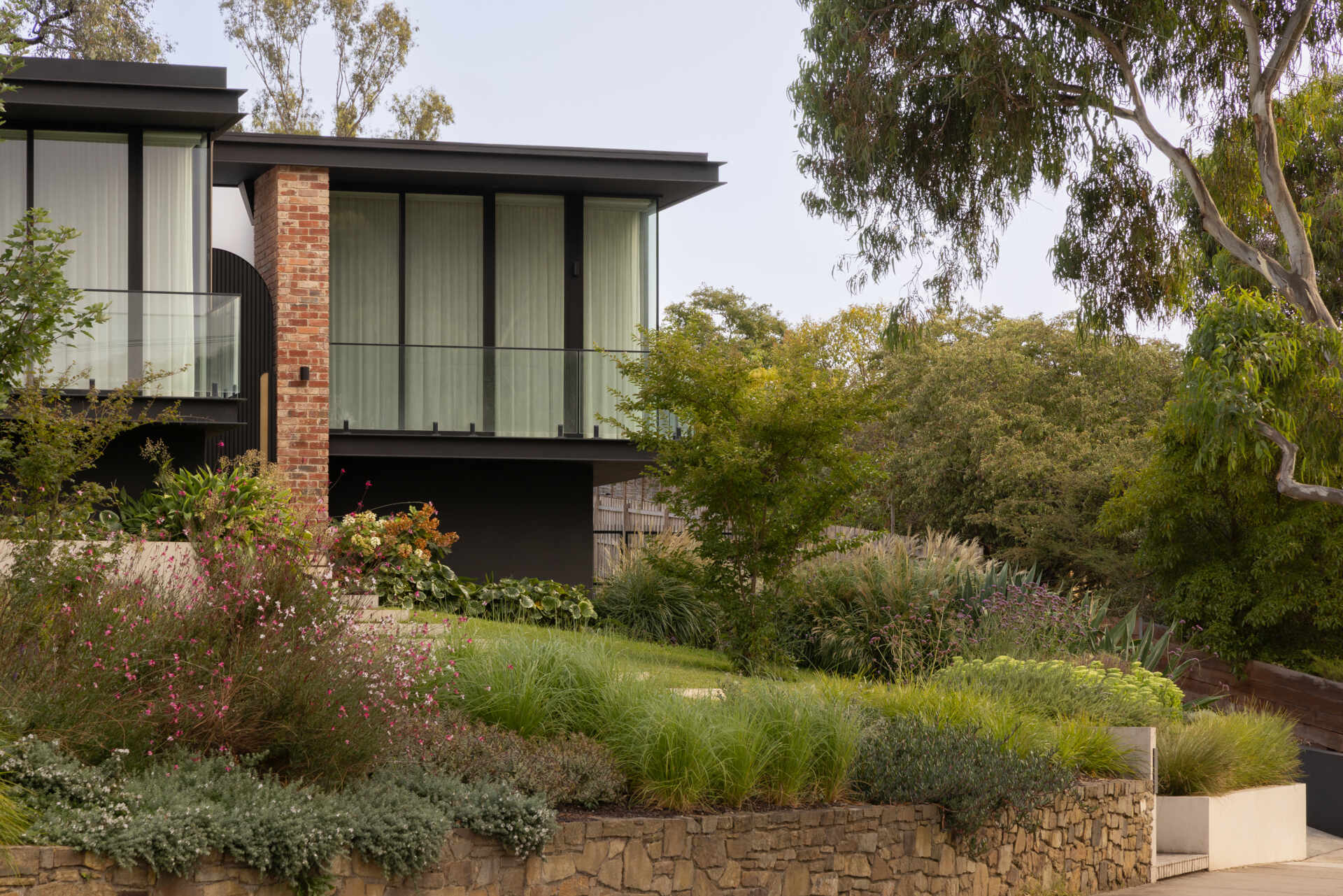
This single-level home uses elevation and layout to open fully to the north, creating a seamless indoor-outdoor connection.

A Threshold That Signals Arrival

The journey begins with steps that lead to a large metal courtyard door. Passing through it introduces a slower pace, where movement becomes intentional and the transition into the home feels defined and memorable. The use of reclaimed clinker bricks ties the home back to its past, while also grounding it within the established character of the area.
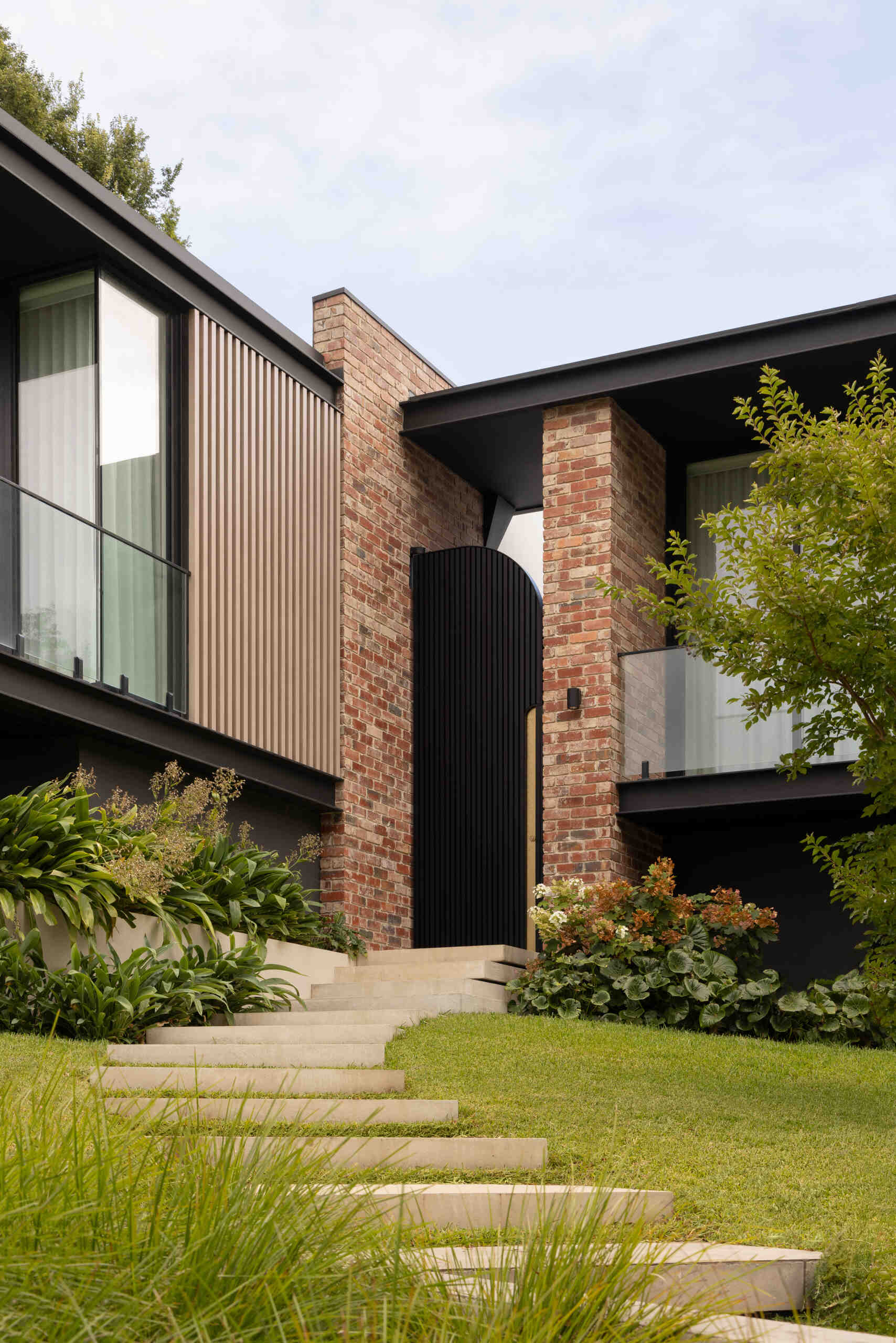
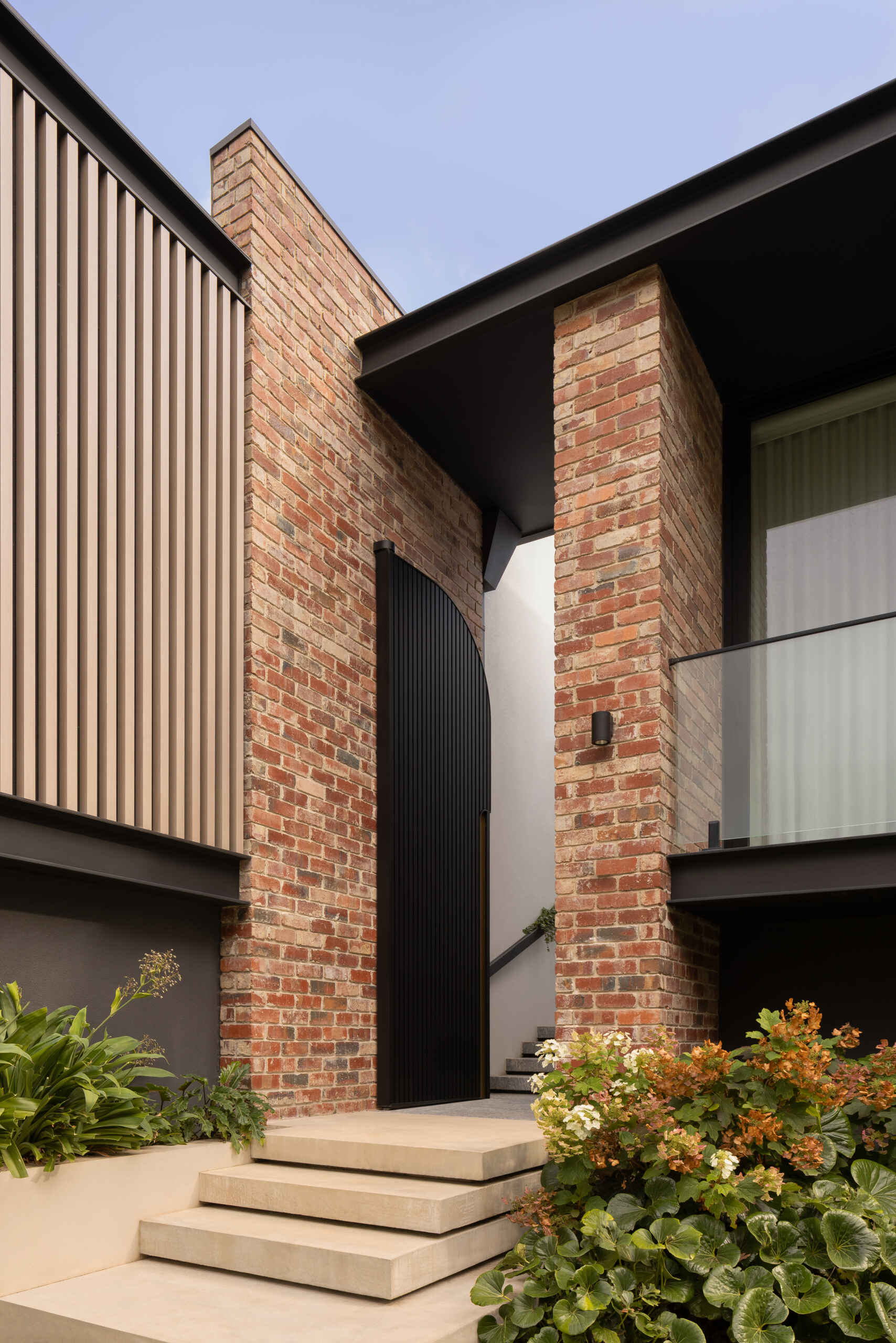
The journey begins with steps that lead to a large metal courtyard door. Passing through it introduces a slower pace, where movement becomes intentional and the transition into the home feels defined and memorable. The use of reclaimed clinker bricks ties the home back to its past, while also grounding it within the established character of the area.
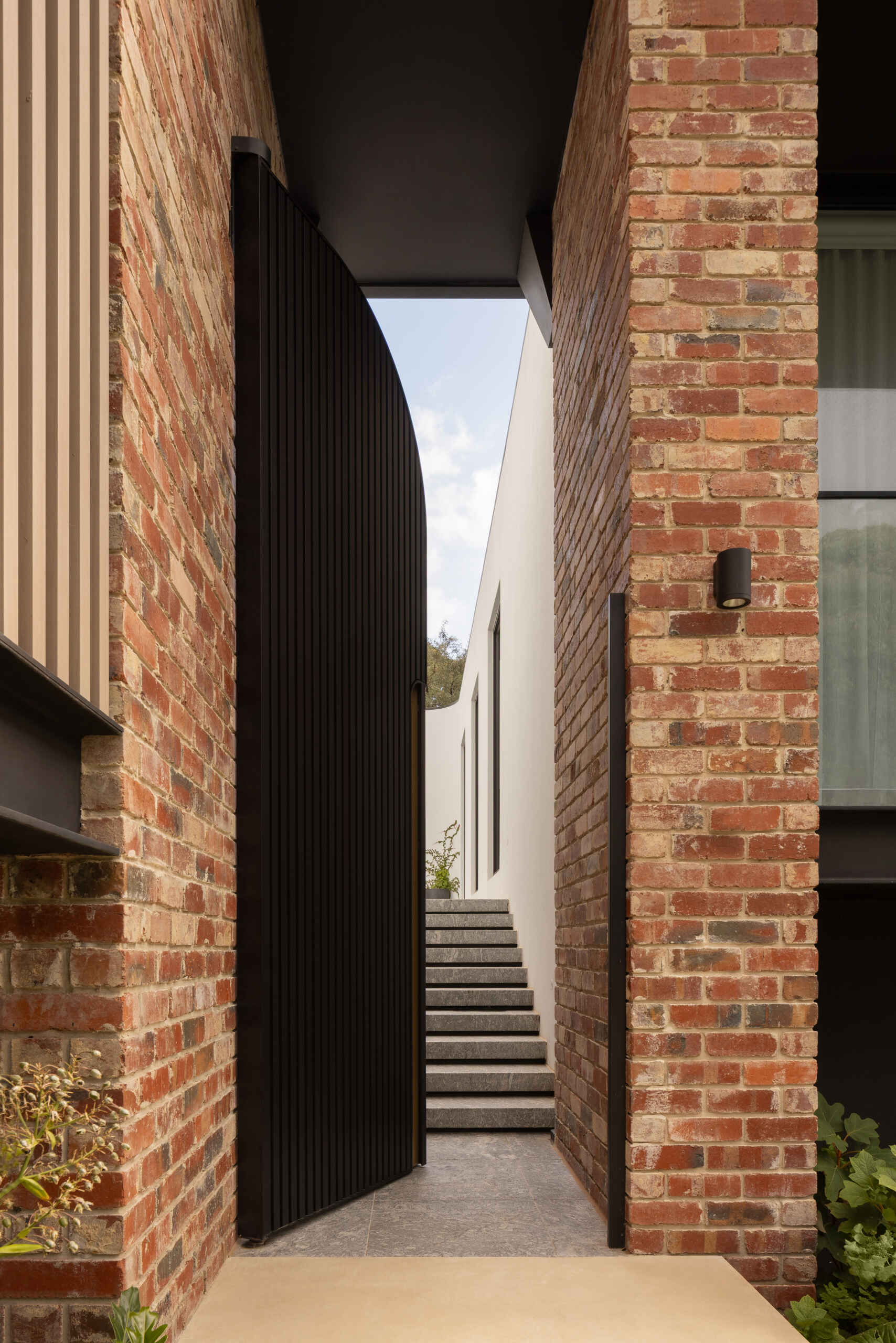

The Atrium at the Heart of the Home

At the center of the design is a planted internal courtyard that acts as both entry and anchor. Moving alongside a reflective pond and garden bed, the experience feels almost ceremonial.

This space isn’t just visual. It connects key areas of the home, bringing in light, greenery, and a constant awareness of the outdoors.
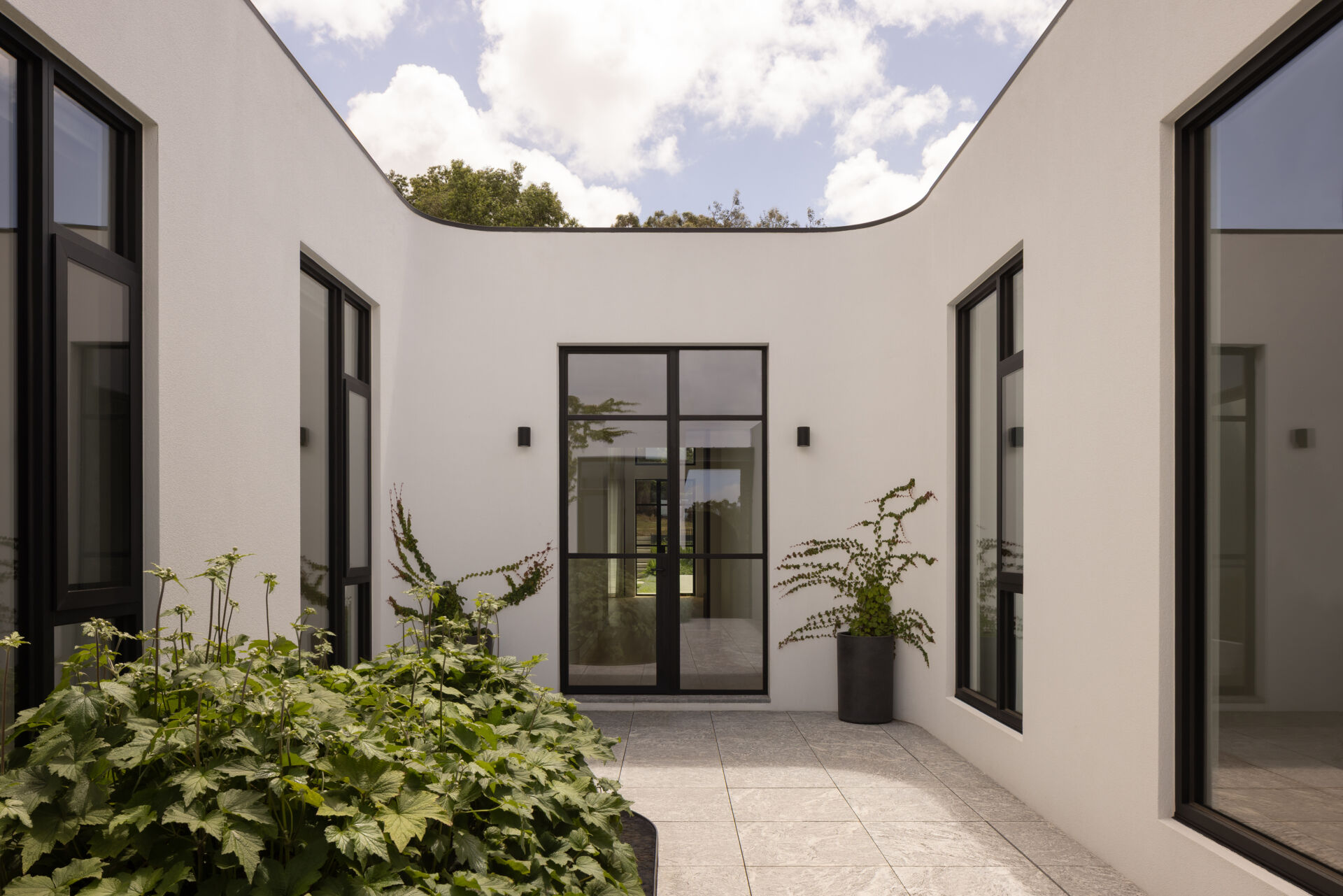
A central courtyard with a reflective pond and garden creates a striking entry sequence and anchors the entire layout.

Light, Volume, and a Sense of Ease

The living room sits beneath a raked ceiling, where high-level windows draw in soft southern light. This creates a balanced atmosphere throughout the day, avoiding harsh contrasts while keeping the space bright. Large openings connect directly to the outdoors, reinforcing the home’s focus on flow and openness.
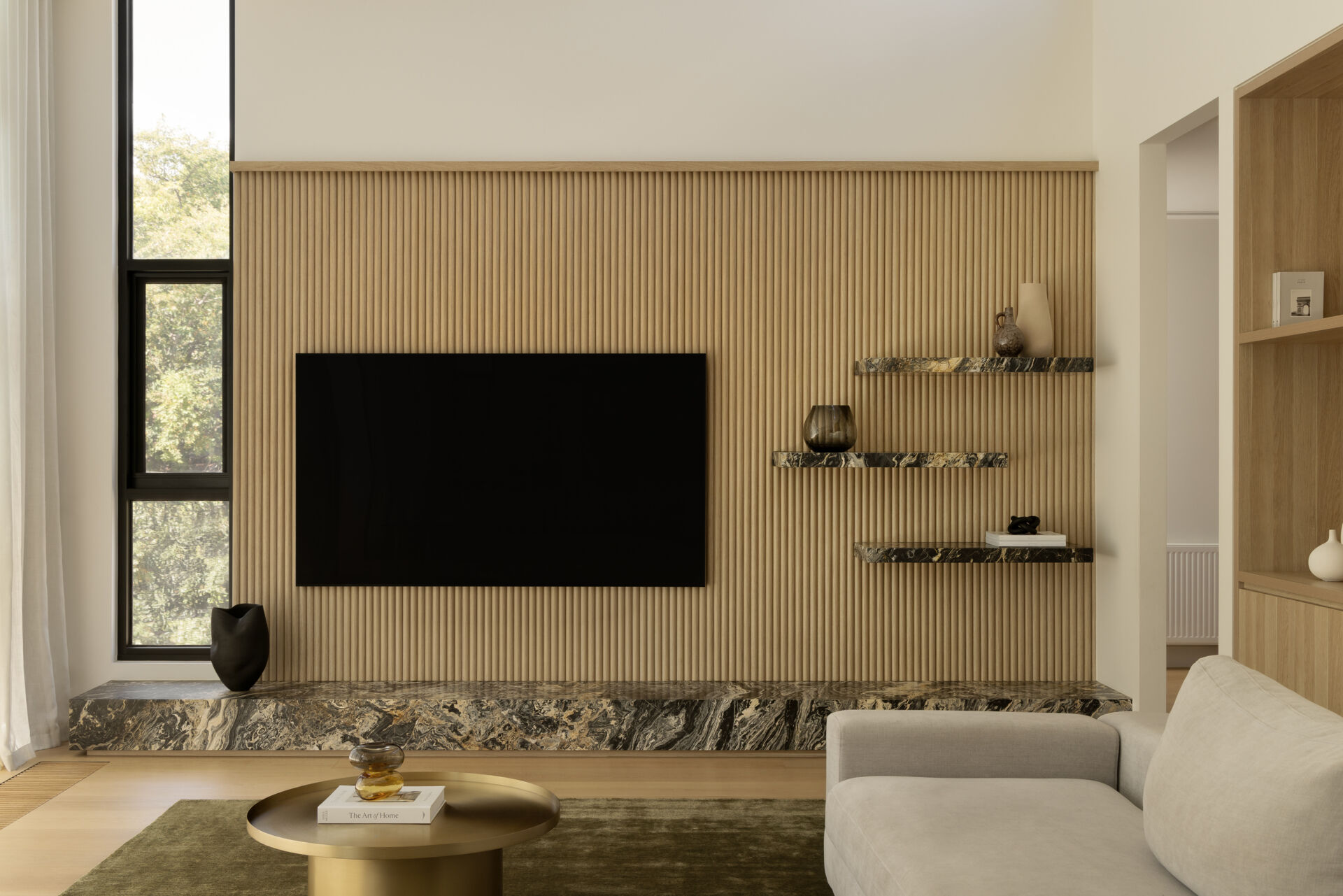
The living room sits beneath a raked ceiling, where high-level windows draw in soft southern light. This creates a balanced atmosphere throughout the day, avoiding harsh contrasts while keeping the space bright. Large openings connect directly to the outdoors, reinforcing the home’s focus on flow and openness.

Positioned for Connection

The dining space sits naturally between the kitchen and living zones, forming part of a continuous open-plan layout. It supports large gatherings without feeling oversized, maintaining a sense of intimacy while still being part of the broader entertaining space.
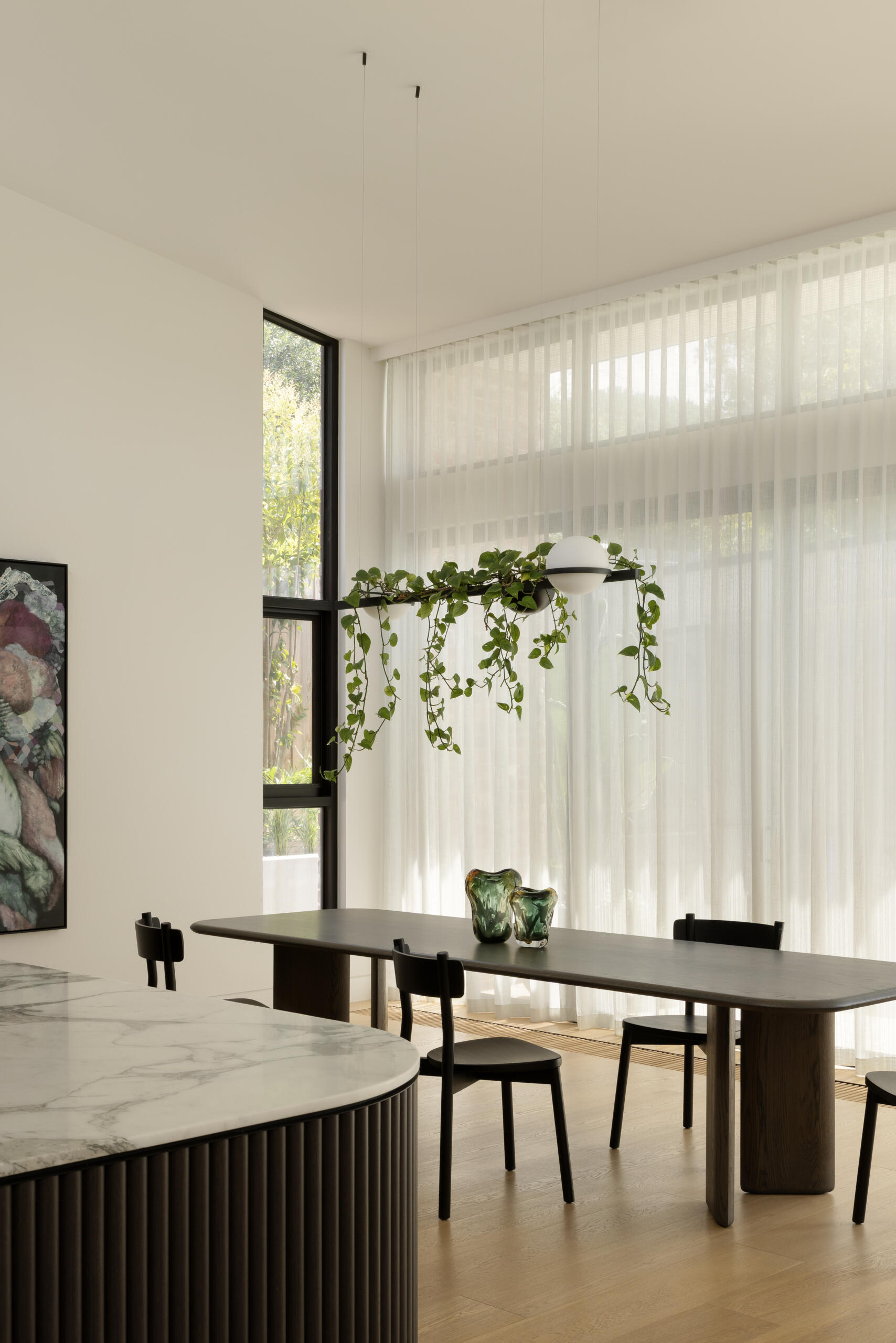
The dining space sits naturally between the kitchen and living zones, forming part of a continuous open-plan layout. It supports large gatherings without feeling oversized, maintaining a sense of intimacy while still being part of the broader entertaining space.

Built for Gathering

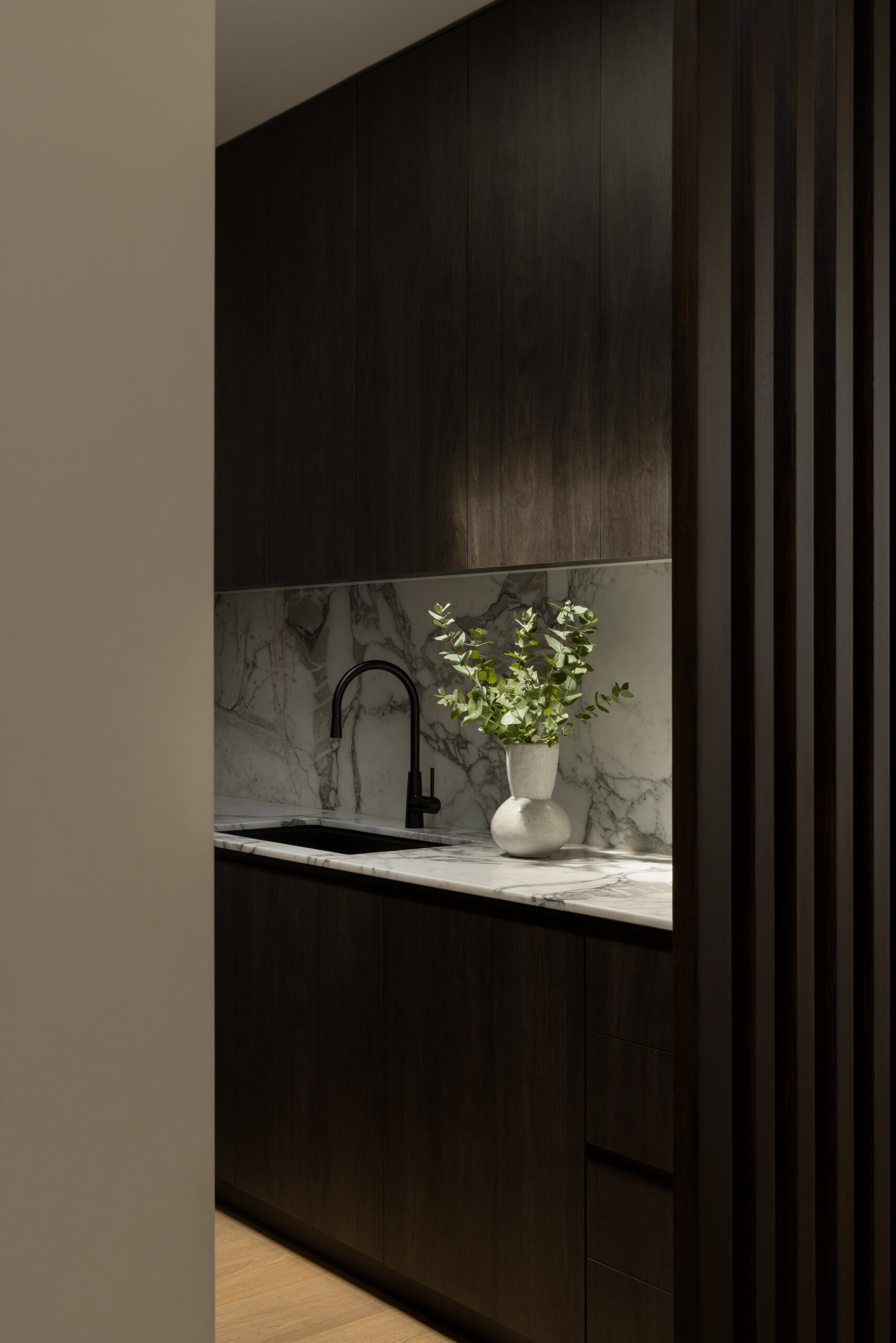
The kitchen, with its dark cabinets and rounded island, plays a central role in the home’s layout, designed to handle everything from daily meals to larger family events.
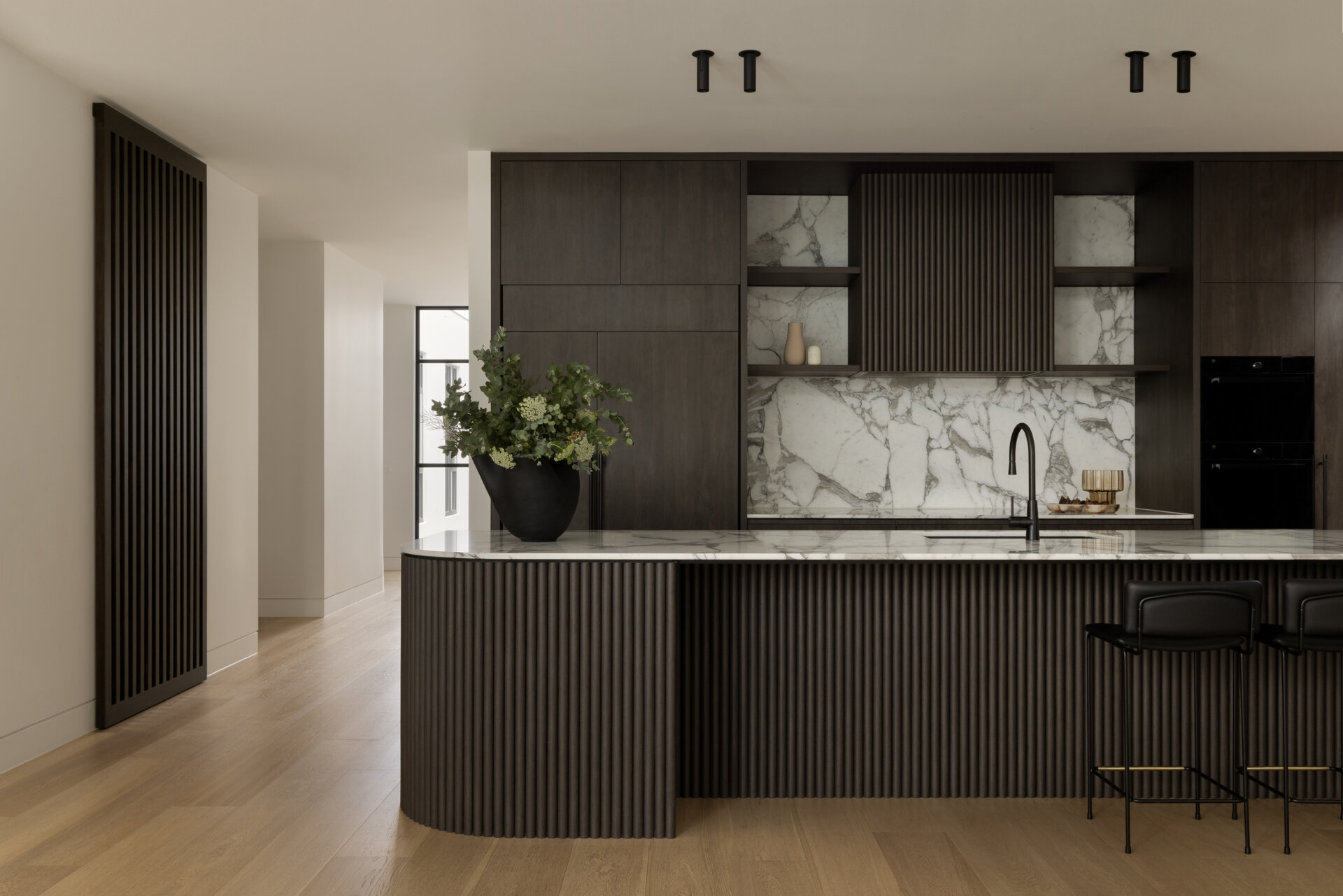
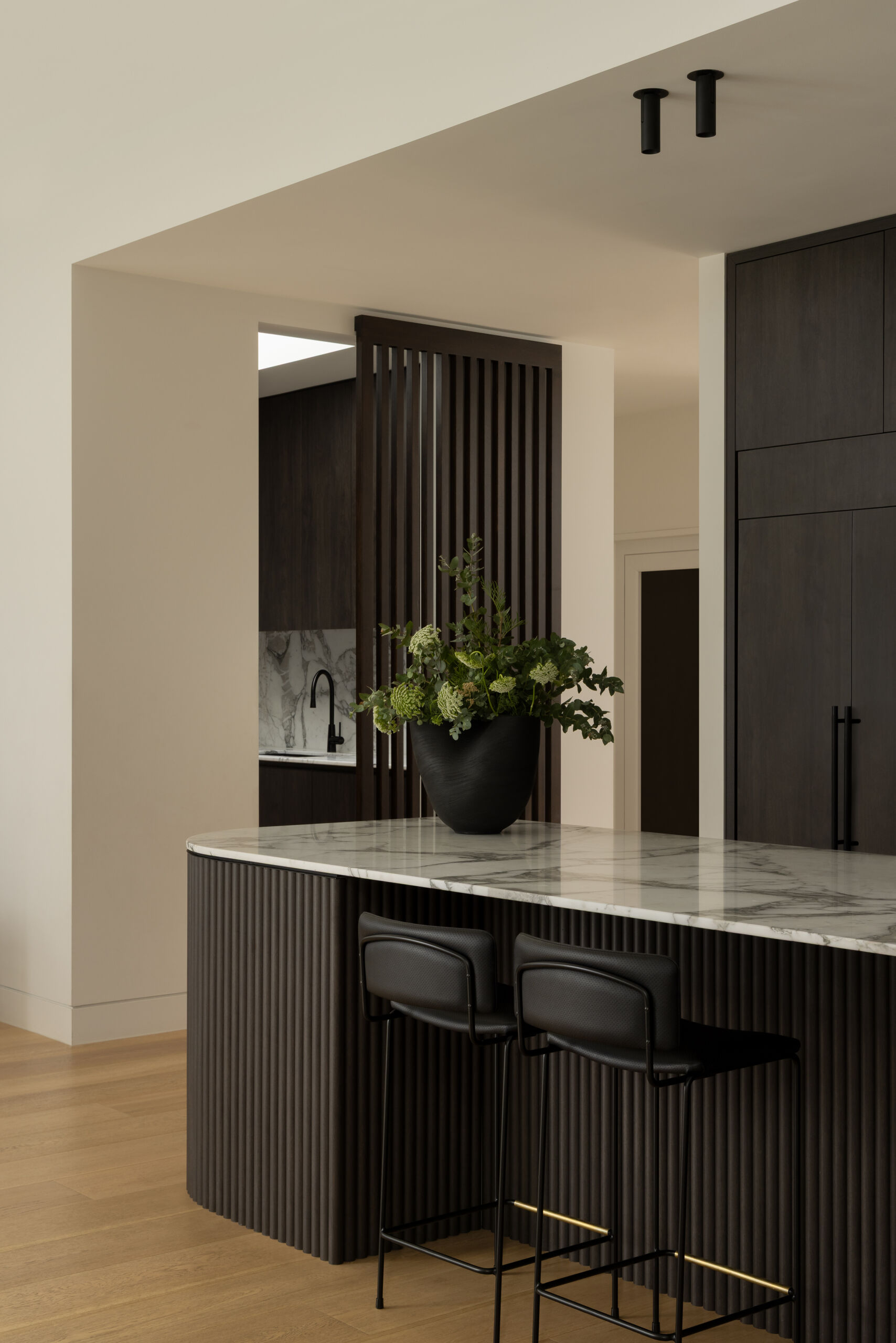
This kitchen, with its dark cabinets and rounded island, plays a central role in the home’s layout, designed to handle everything from daily meals to larger family events.

Extending Living Beyond the Walls

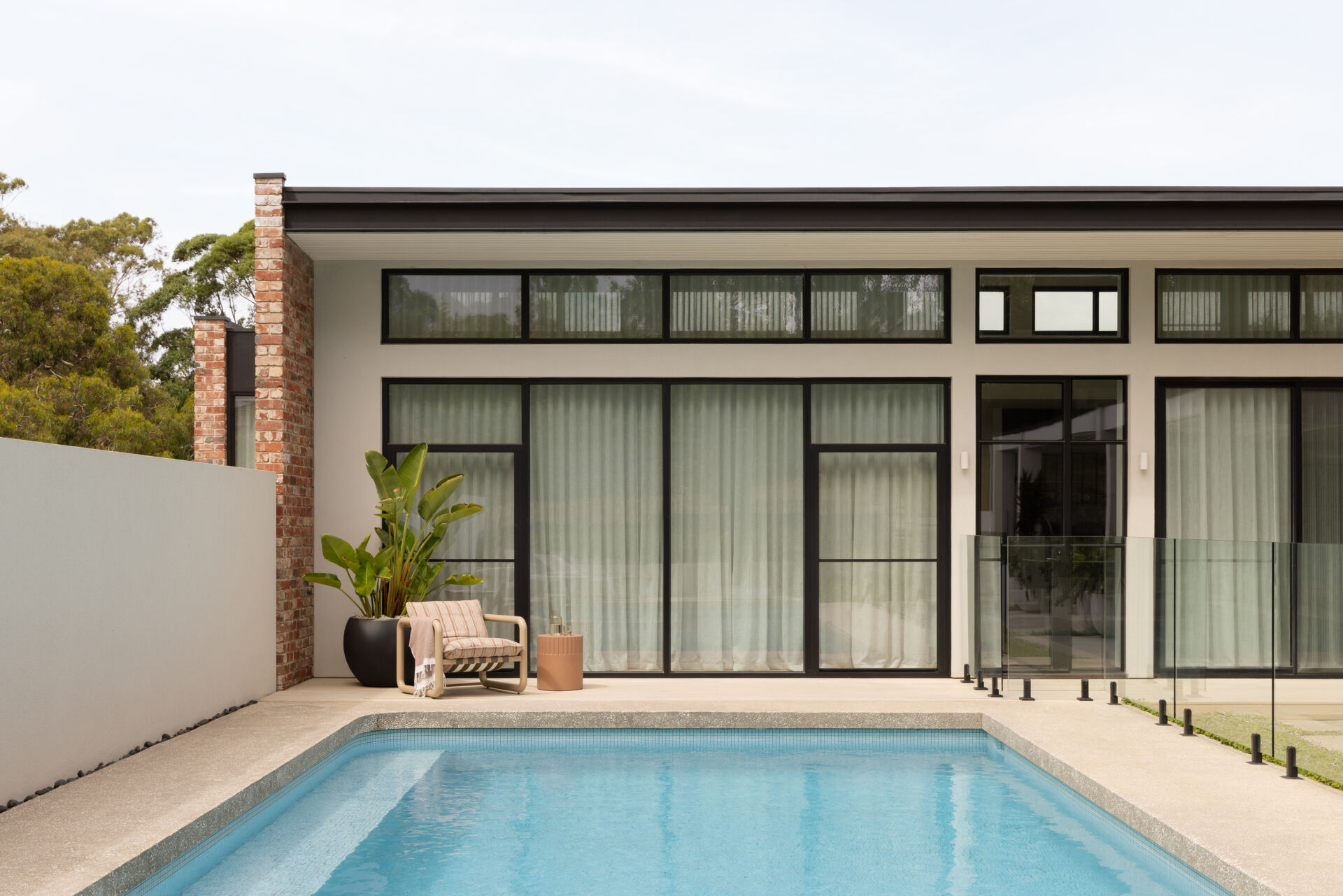
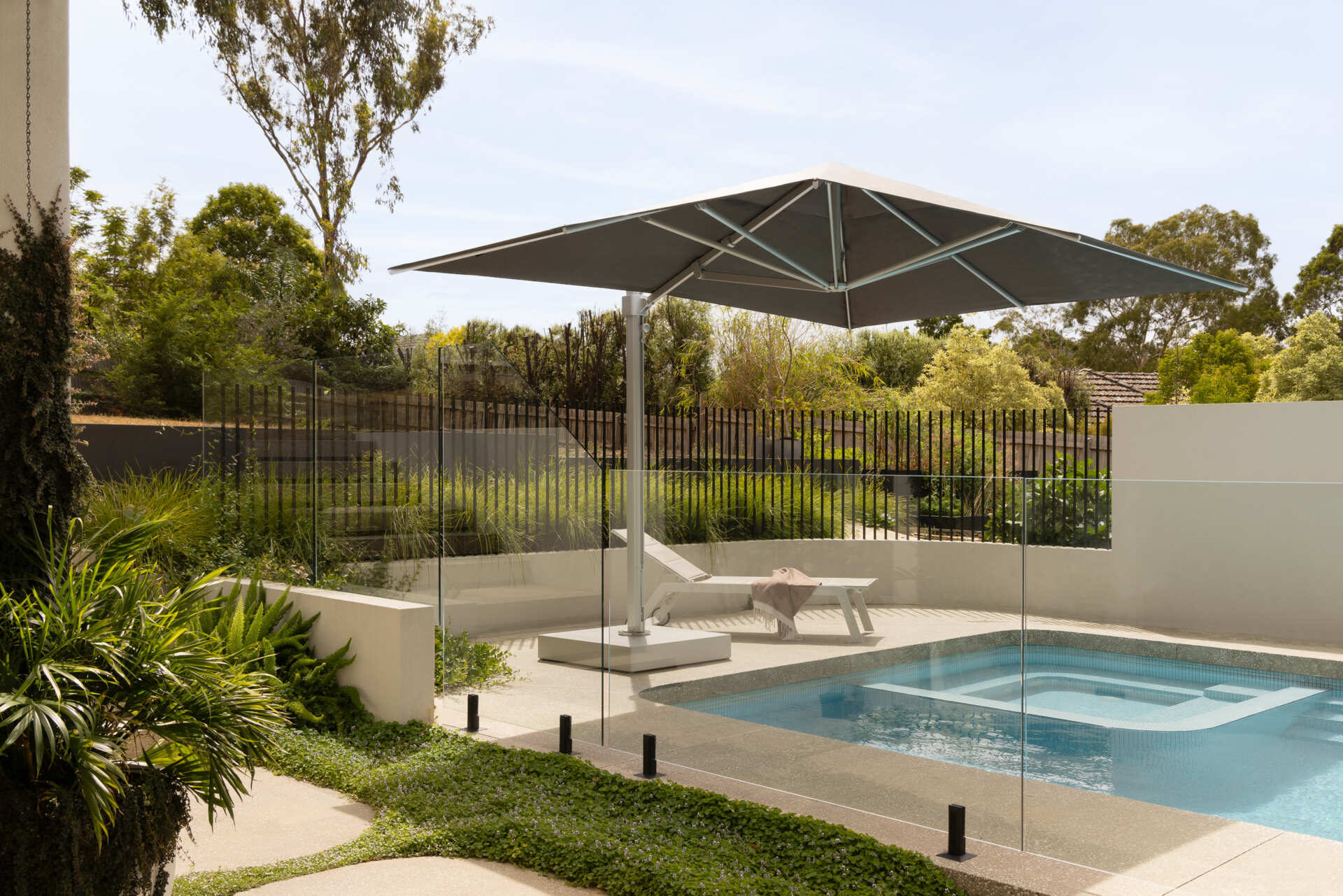
The alfresco area, pergola, and pool sit directly to the north, forming a natural extension of the interior spaces. This outdoor zone isn’t separate. It works as part of the overall living environment, allowing gatherings to spill outside while maintaining a strong visual connection back into the home.
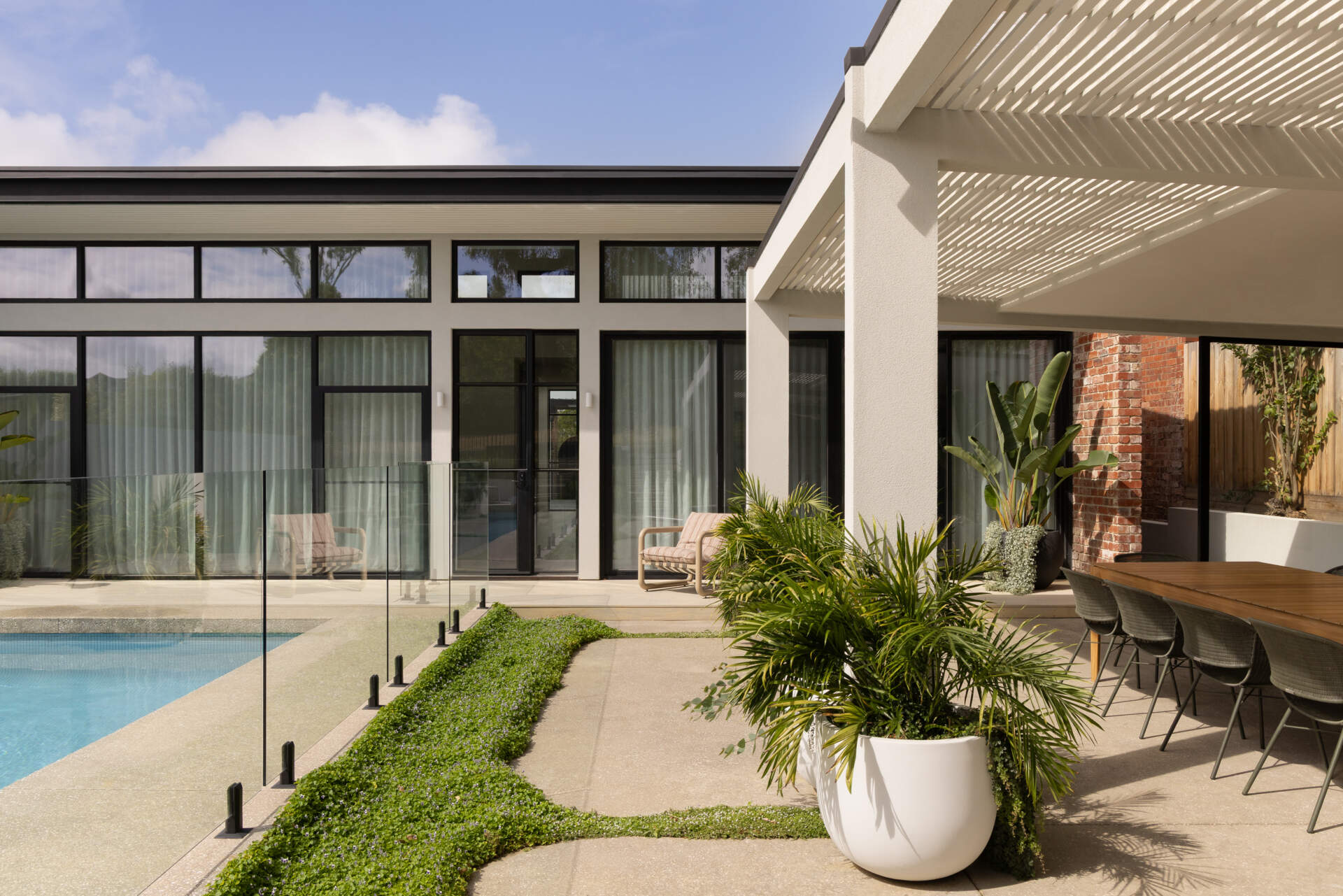
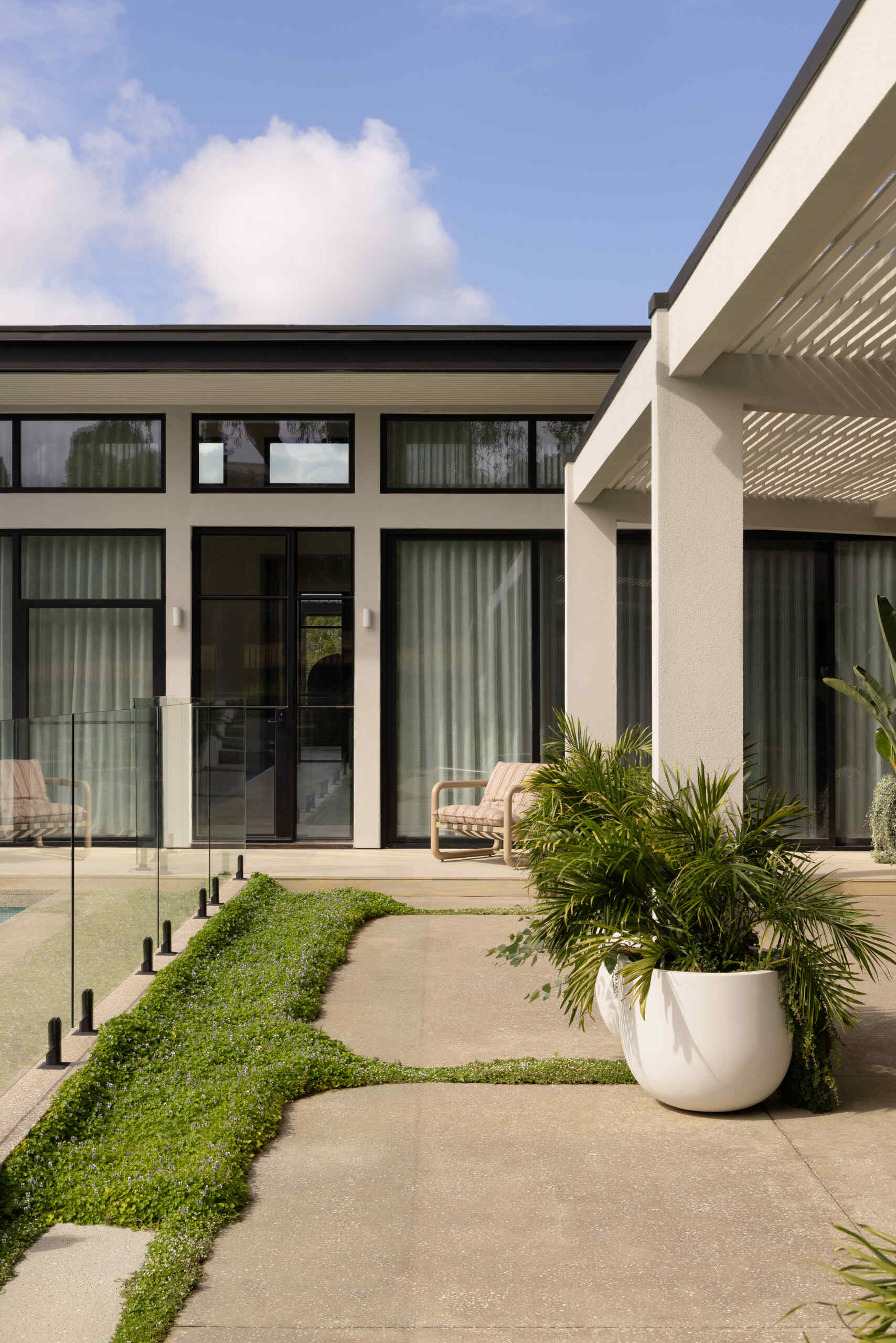
The alfresco area, pergola, and pool sit directly to the north, forming a natural extension of the interior spaces. This outdoor zone isn’t separate. It works as part of the overall living environment, allowing gatherings to spill outside while maintaining a strong visual connection back into the home.

A Garden-Led Approach

The surrounding landscape plays a key role in shaping the experience of the house. Mature trees and greenery influenced window placement, views, and light, while steps connect the pool and alfresco level with the elevated section of the garden.
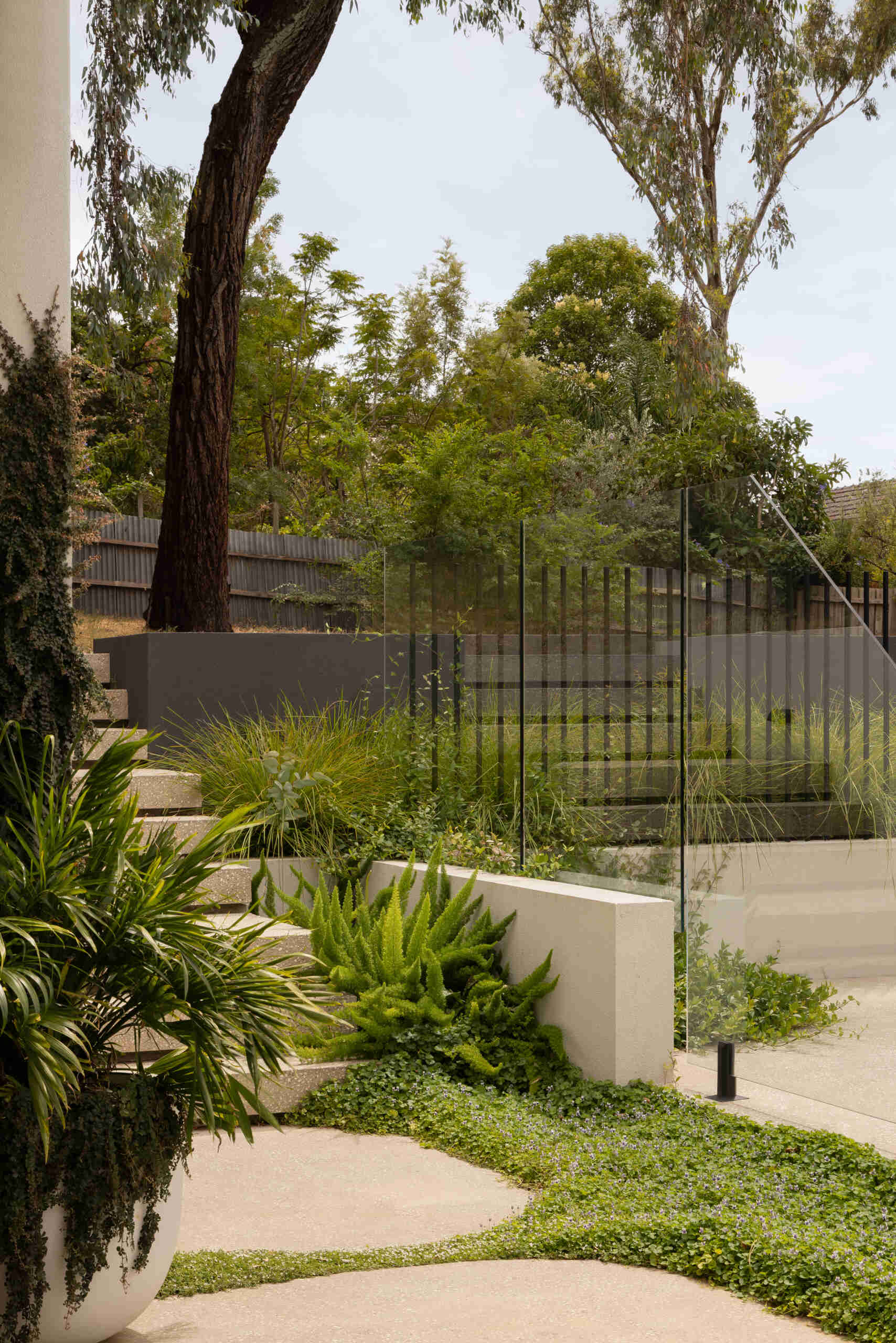
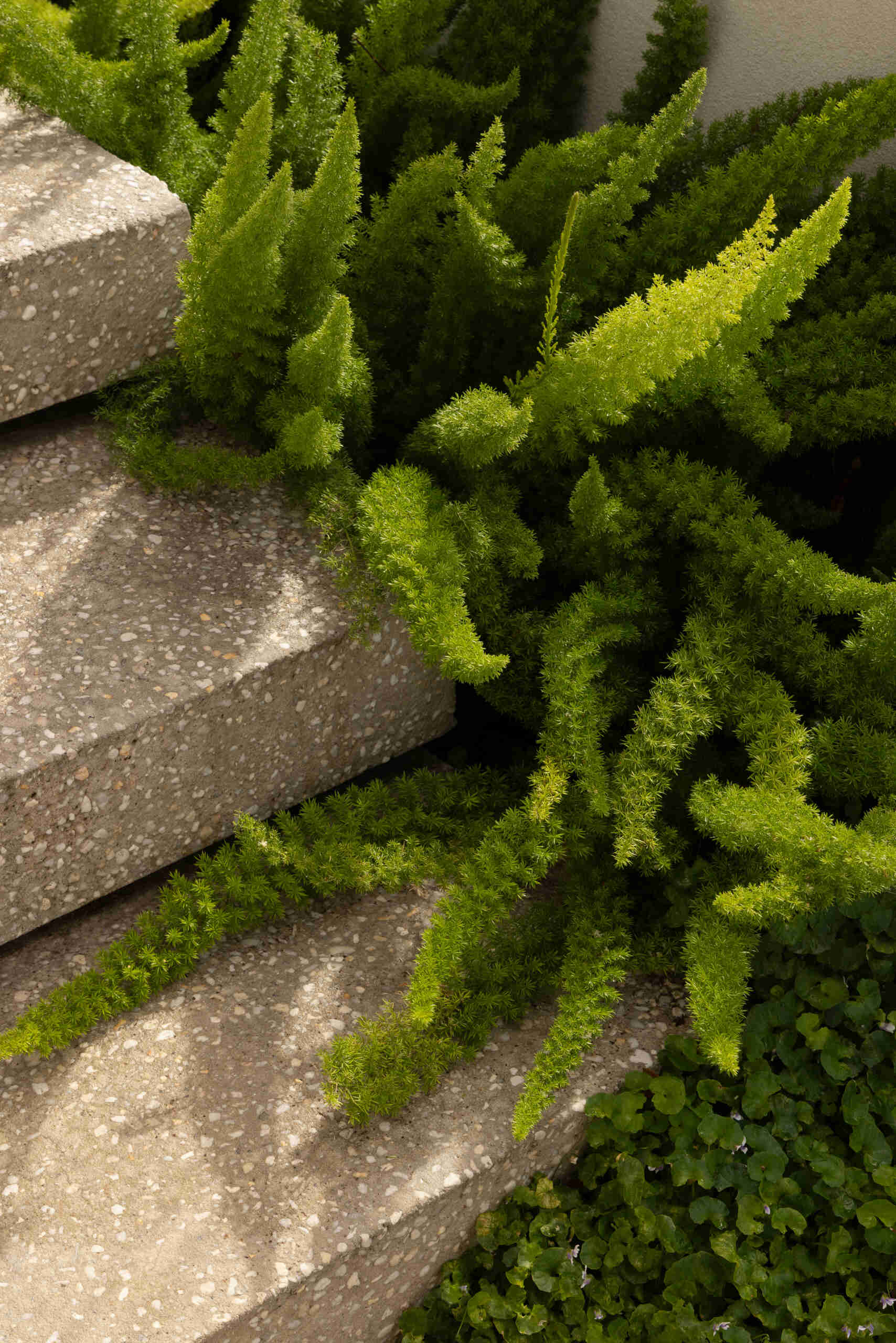
The surrounding landscape plays a key role in shaping the experience of the house. Mature trees and greenery influenced window placement, views, and light, while steps connect the pool and alfresco level with the elevated section of the garden.

Quiet and Light-Filled

The bedrooms continue the home’s focus on light and simplicity. Openings are positioned to capture views of surrounding greenery, keeping each space calm and connected to the outdoors. The material palette remains calm with neutral tones, and a pop of muted color is added with the inclusion of artwork.
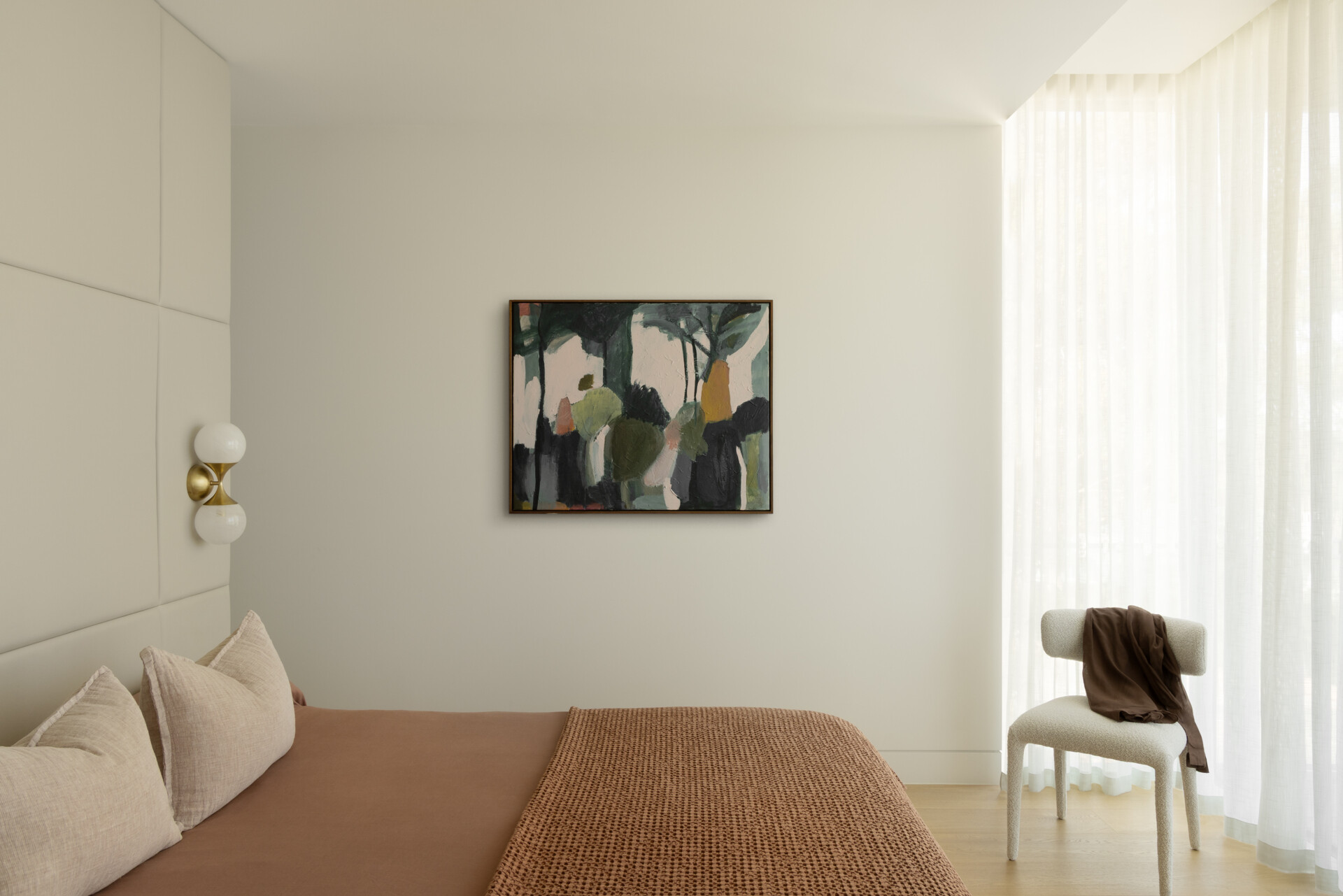
The bedrooms continue the home’s focus on light and simplicity. Openings are positioned to capture views of surrounding greenery, keeping each space calm and connected to the outdoors. The material palette remains calm with neutral tones, and a pop of muted color is added with the inclusion of artwork.

Warm Materials Meet Clean Lines

The bathroom creates a space that feels calm without being minimal to the point of emptiness. Large-format tiles wrap the walls, giving the room a seamless, almost monolithic feel.

A floating timber vanity introduces warmth, topped with a marble surface that adds subtle texture. Black fixtures and framed mirrors bring contrast and definition, while the walk-in shower sits quietly behind glass, keeping the layout open and uncluttered.
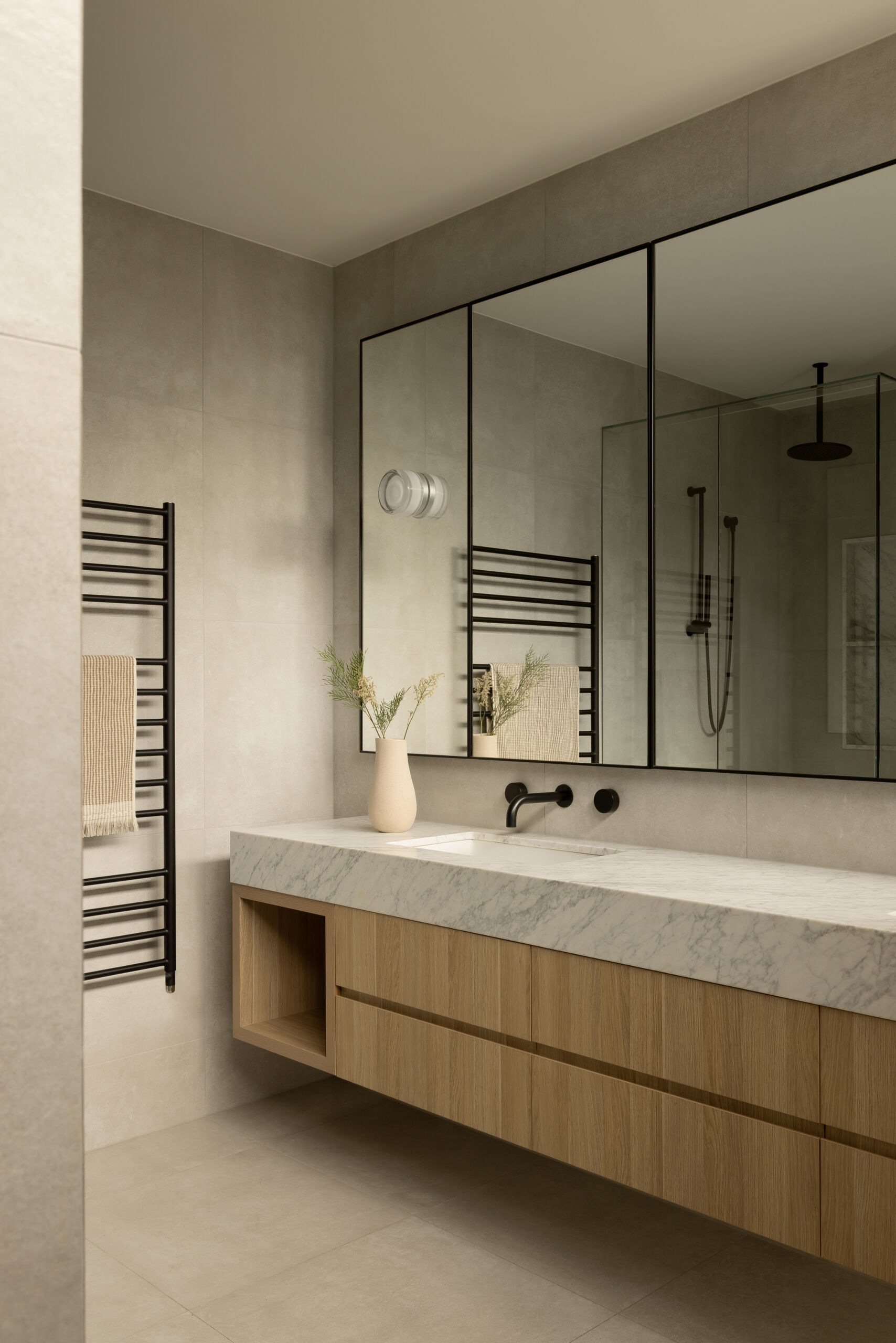
A warm, modern bathroom with a floating timber vanity, marble countertop, and soft neutral tiles, finished with black fixtures for contrast.

A Compact but Considered Space

The powder room follows the same restrained material approach, offering a smaller but cohesive extension of the home’s overall design language. A tall mirror and white walls helps reflect light from the skylight, keeping the small space bright.
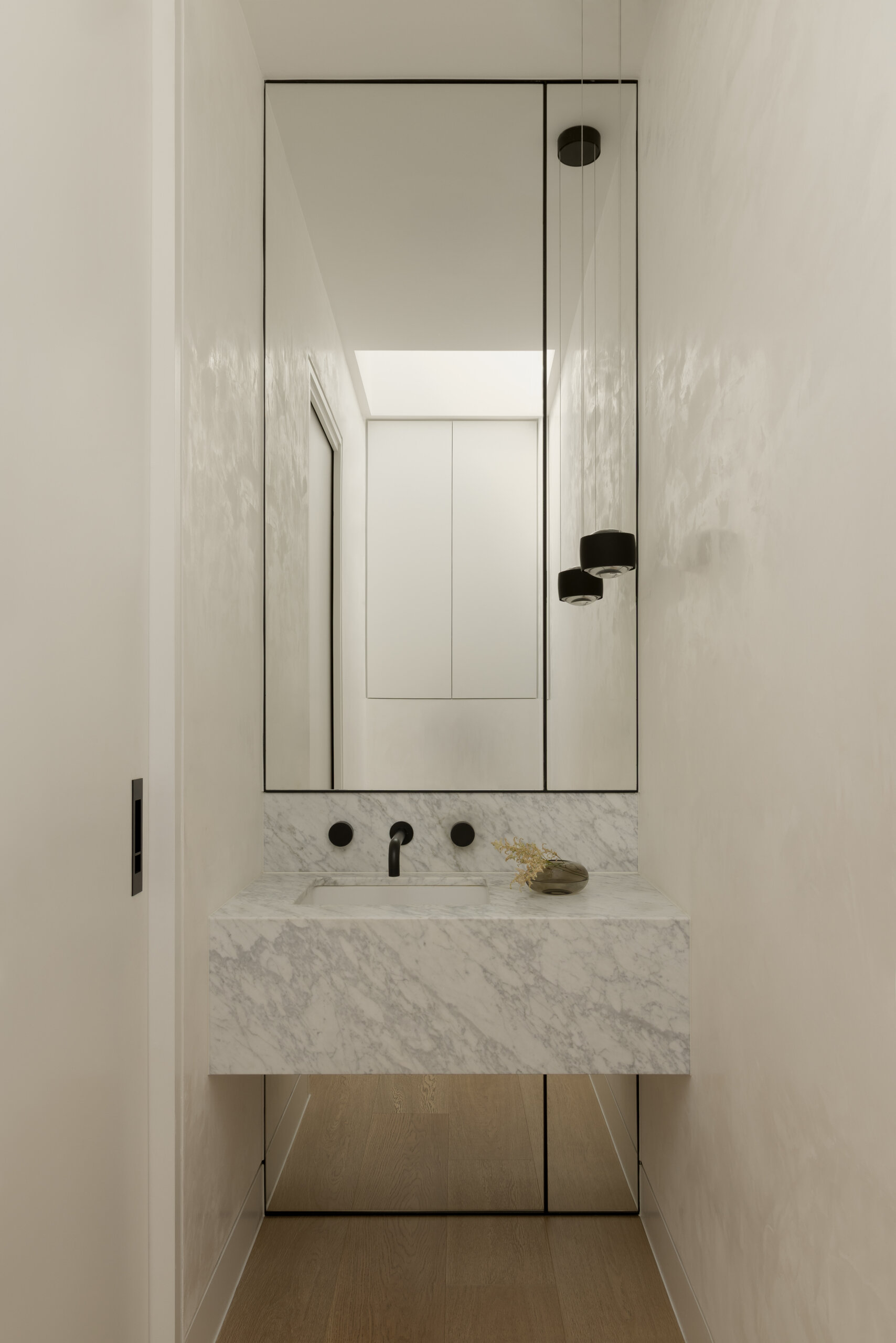
The powder room follows the same restrained material approach, offering a smaller but cohesive extension of the home’s overall design language. A tall mirror and white walls helps reflect light from the skylight, keeping the small space bright.

A Soft Transition From Living to Garage

This stair connects to the garage below, turning a purely functional moment into something calm and refined. Instead of feeling like a back-of-house route, the space is treated with the same care as the rest of the home.

A sculpted ceiling cutout draws natural light down from above, and is paired with light timber flooring, minimal detailing, and a simple handrail.
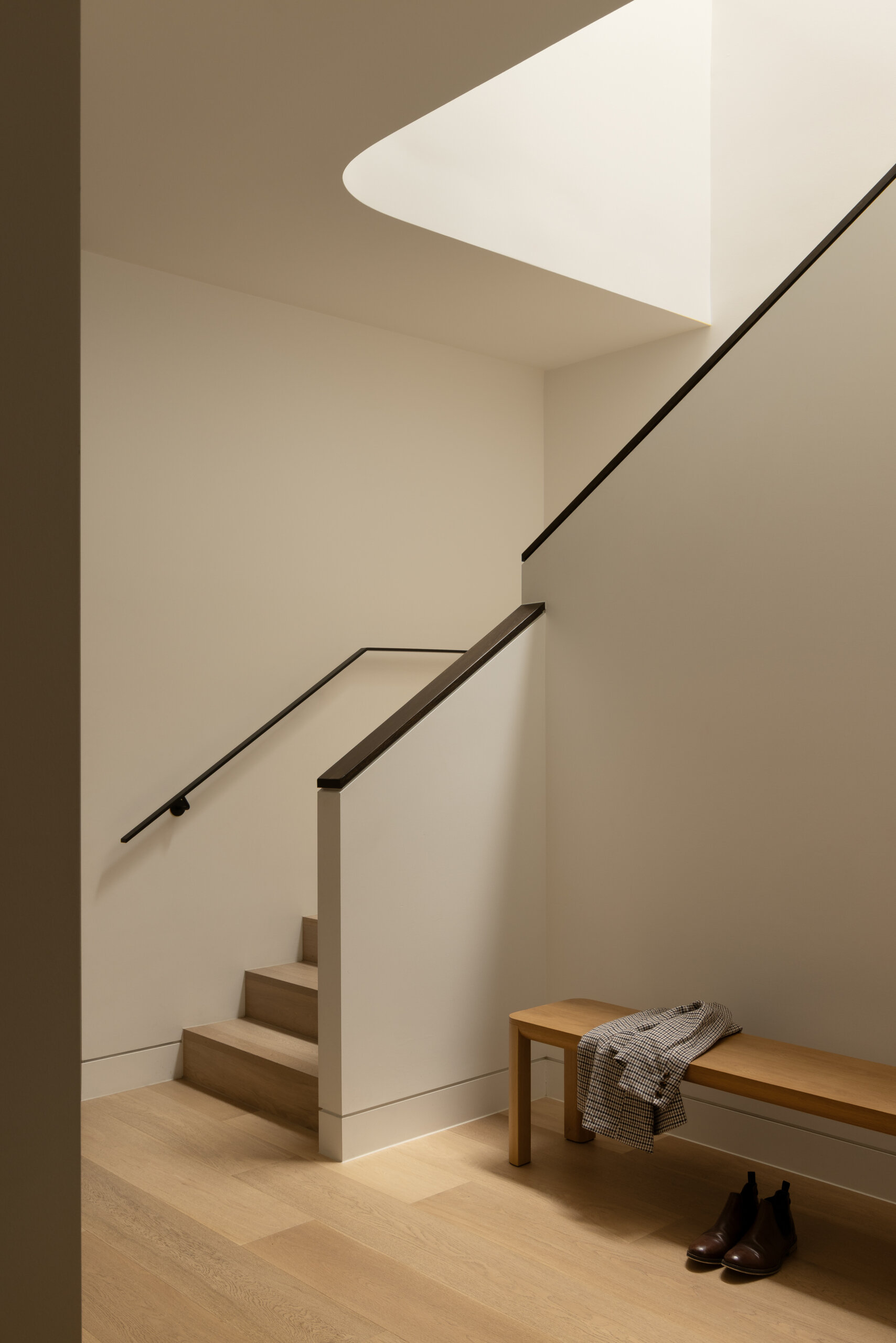
A softly lit staircase with a sculpted ceiling opening brings natural light into this minimal, warm transition from garage to home.

Atrium House moves beyond the idea of a simple extension. It becomes a home shaped by movement, light, and connection, where the experience begins at the gate and unfolds gradually through each space.

From the central courtyard to the north-facing living areas, every element works together to support both family life and large gatherings, creating a home that feels open, intuitive, and built to evolve over time.


Photography by Timothy Kaye | Architects: Di Bartolo Architects | Engineers: Shackelford Consulting Engineers Construction: Alternative Construction