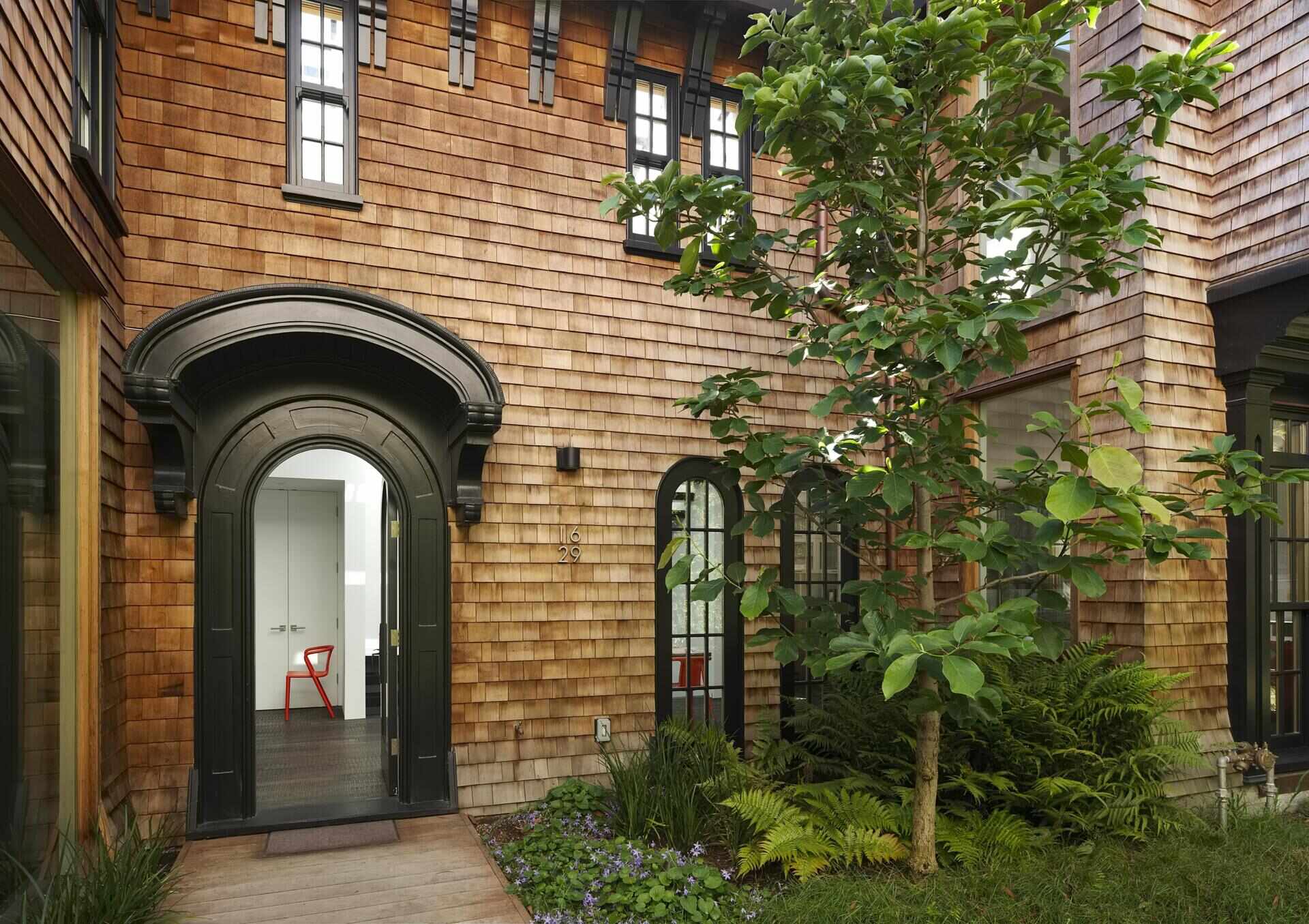
Set in San Francisco’s Cow Hollow neighborhood, this 1917 residence has been reworked by Mark English Architects with a clear objective, respect the original design by Elizabeth Austin while adapting the home for how people live now.
Austin was among a small group of women practicing architecture in the early 20th century, which adds another layer of significance to the project. The update moves between restoration and intervention, keeping the historic identity intact while opening up the interior in unexpected ways.
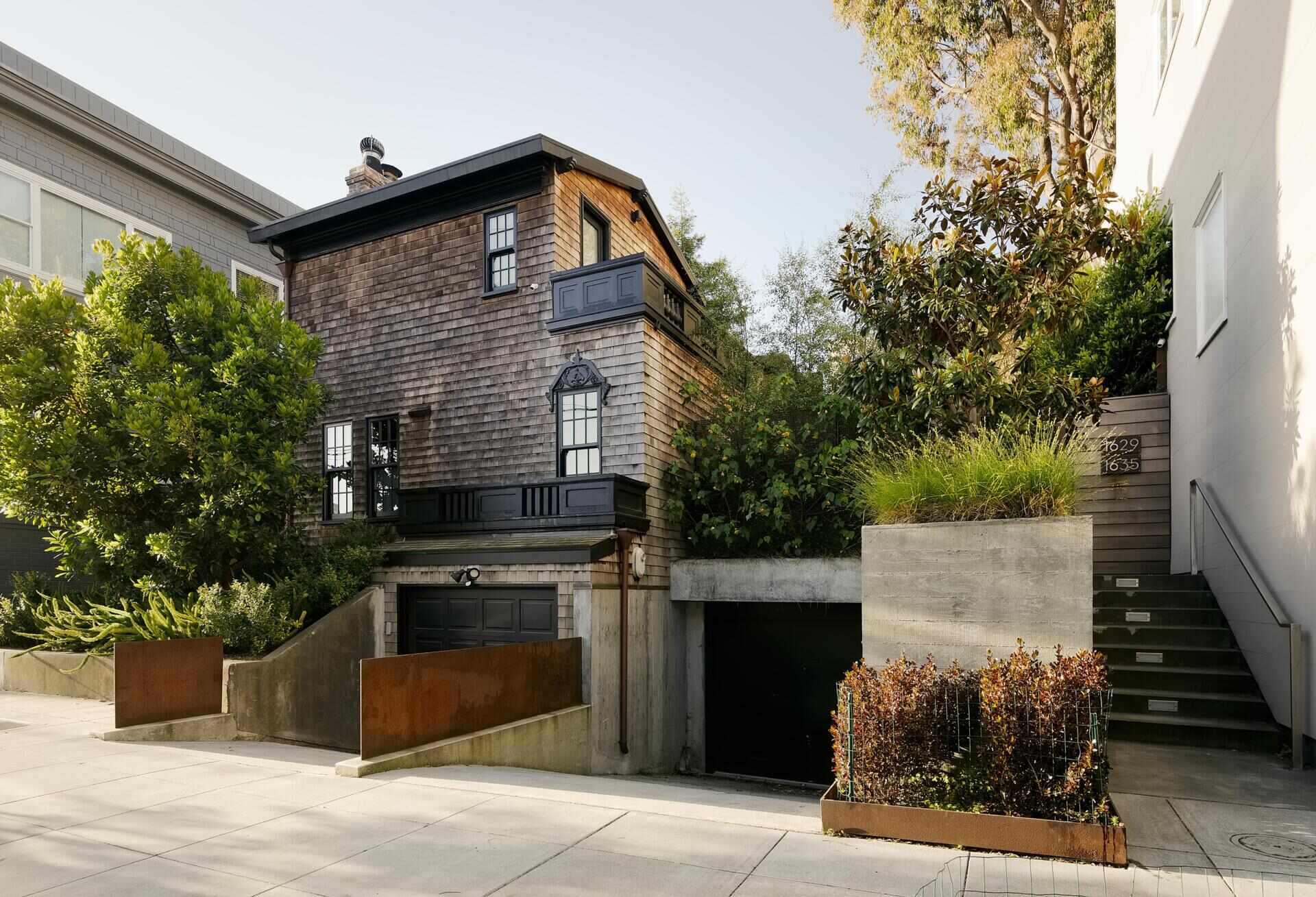
Restoring the Past, Reworking the Exterior
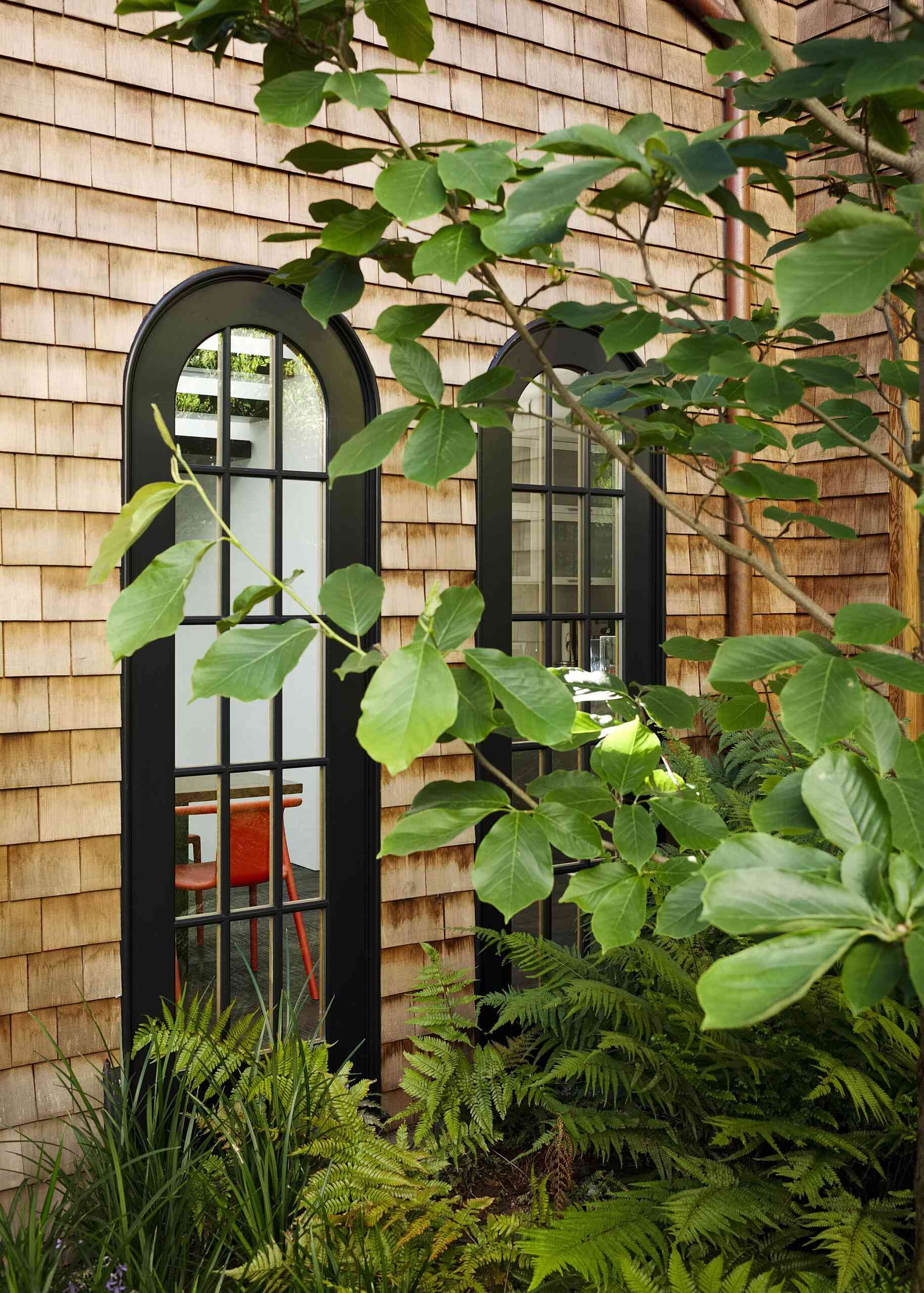
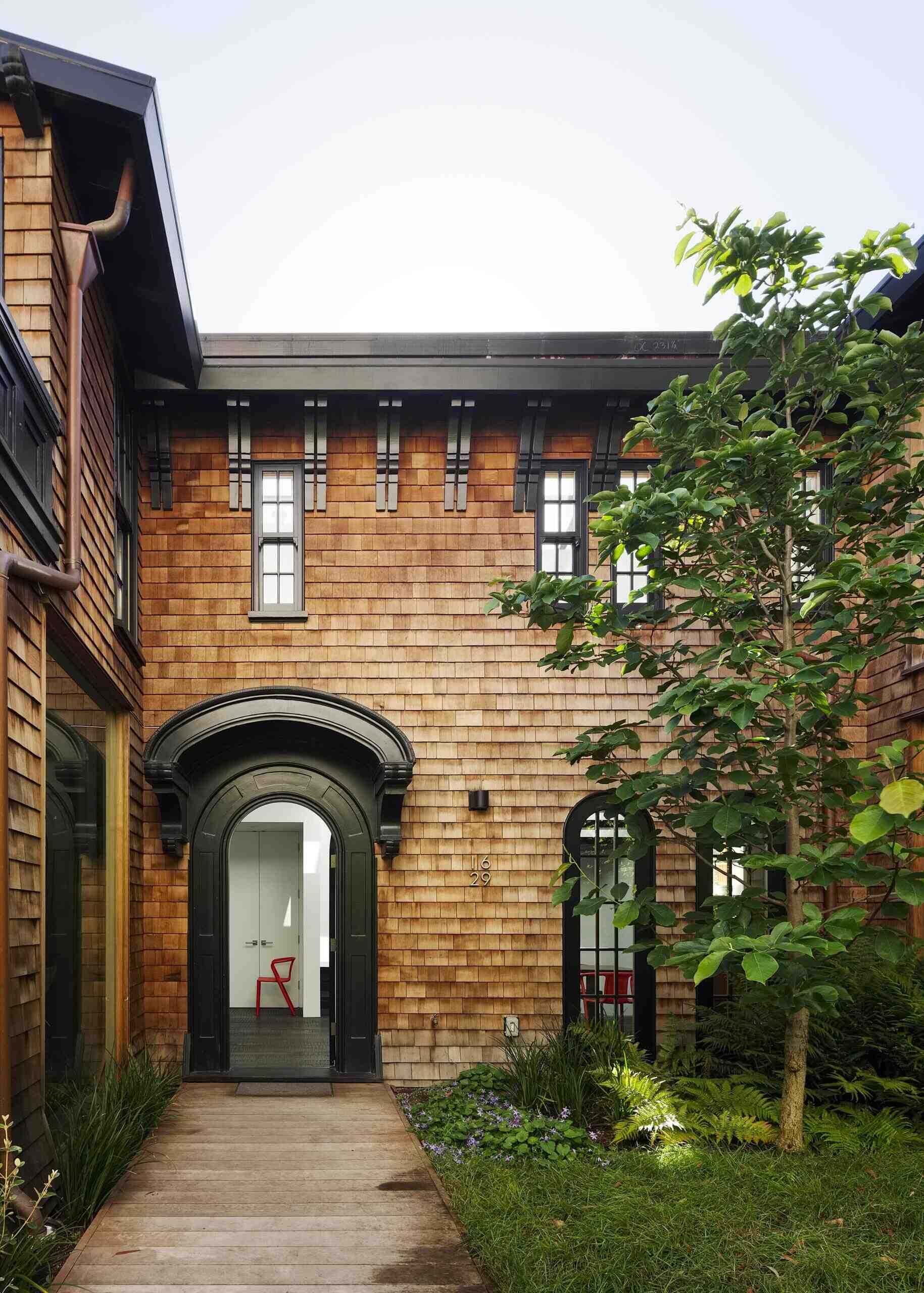
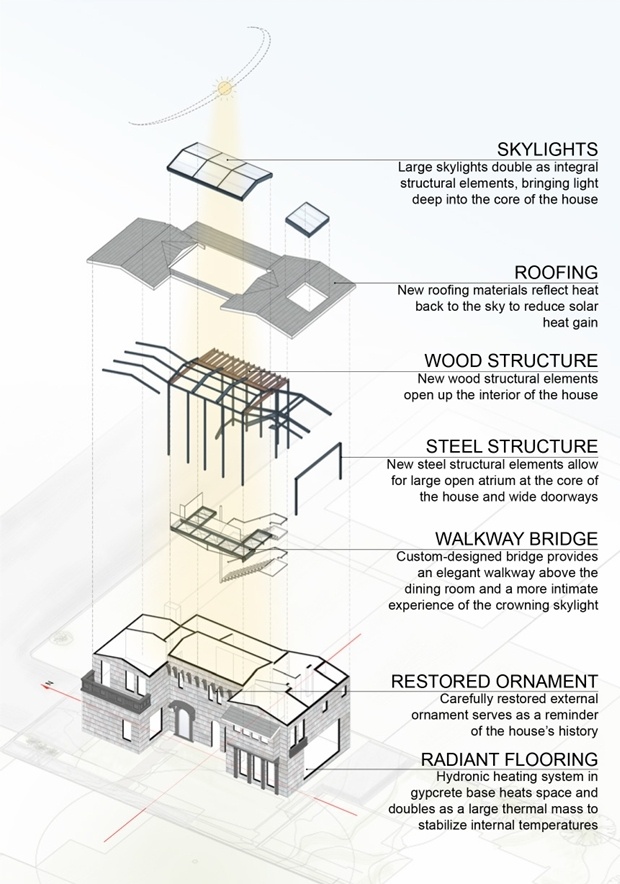
The exterior stays close to its original appearance, but the process behind it was anything but simple. Every piece of ornamentation was removed, labelled, and reinstated, ensuring nothing was lost during construction.
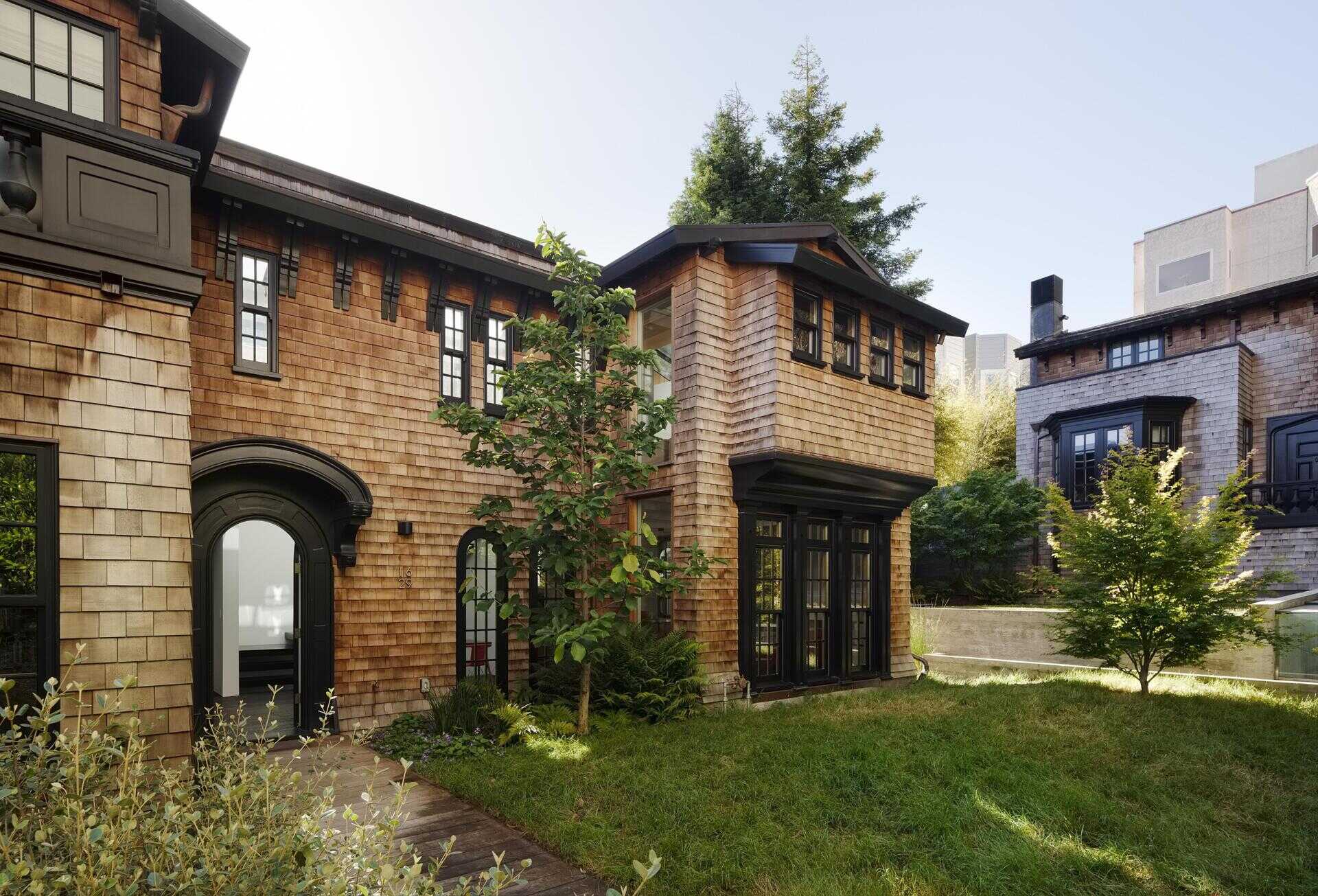
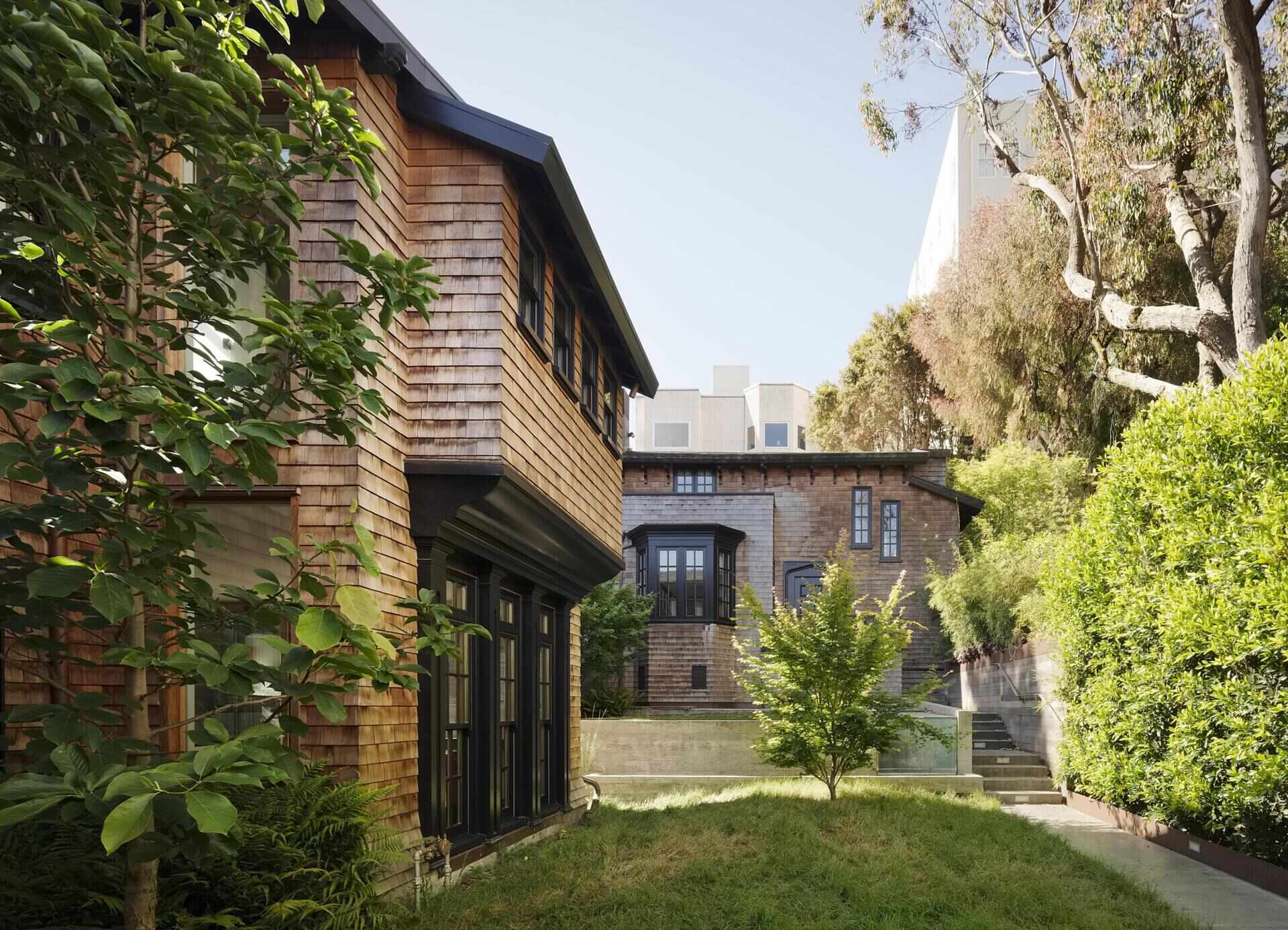
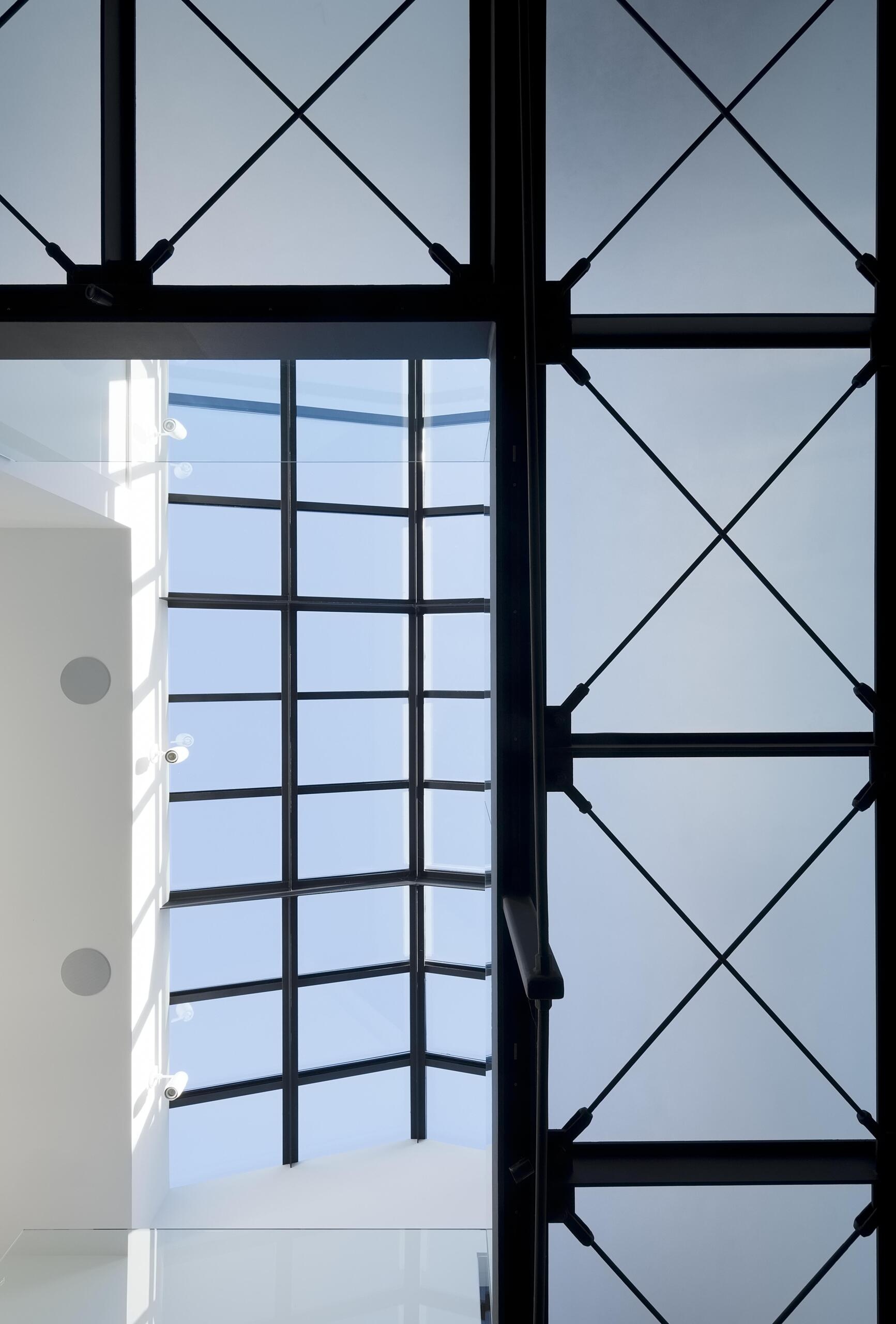
Materials play a key role in maintaining that familiar street presence. Stained clear red cedar shakes wrap the facade, paired with repaired railings and black-painted detailing. Dual-glazed wood windows from Kolbe’s Heritage Series sit comfortably within the historic envelope, while subtle upgrades like modern skylights introduce better light without drawing attention to themselves.
There’s a quiet precision to the way old and new meet here, with each update sitting in line with what came before.
A Dining Atrium at the Center
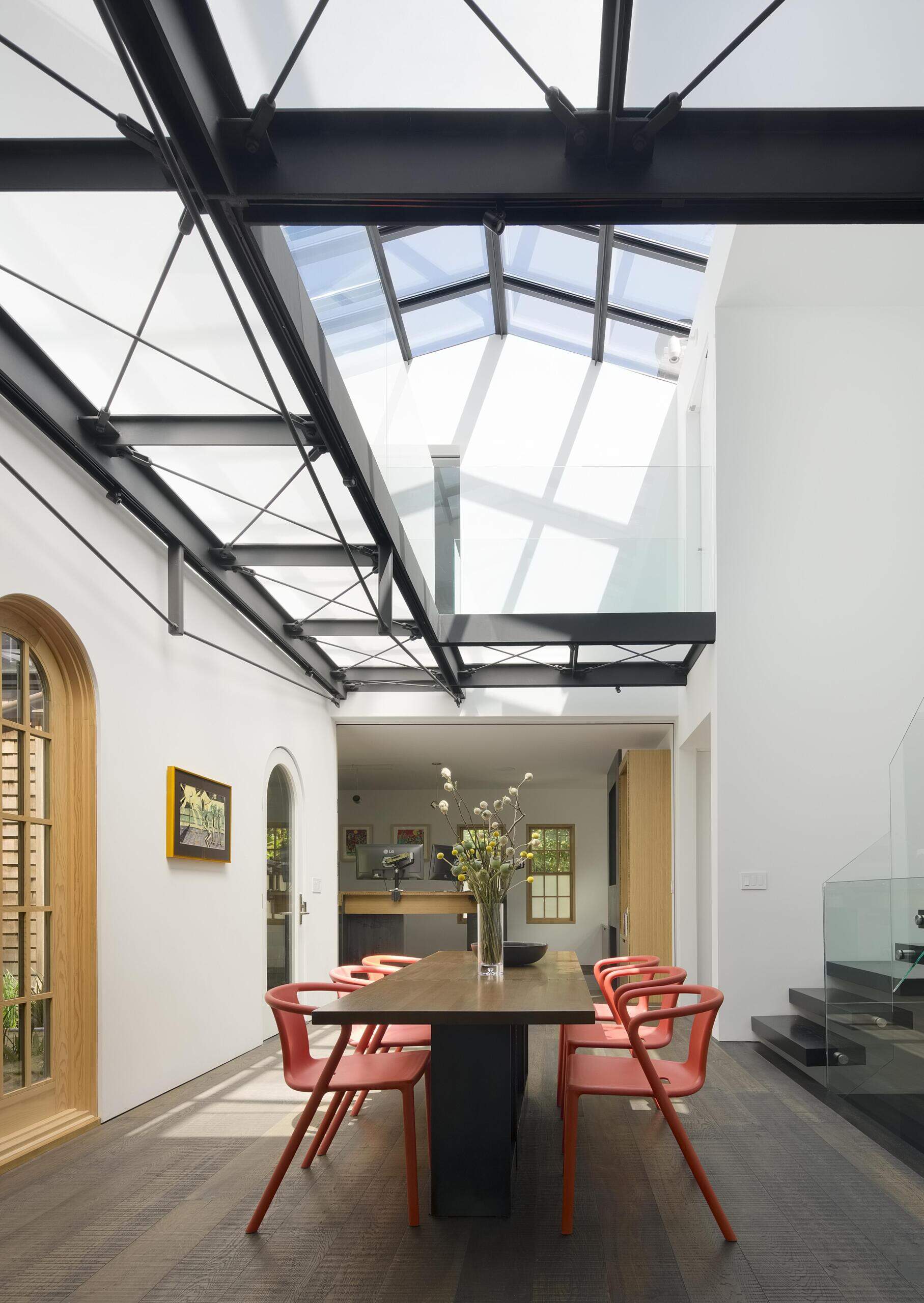
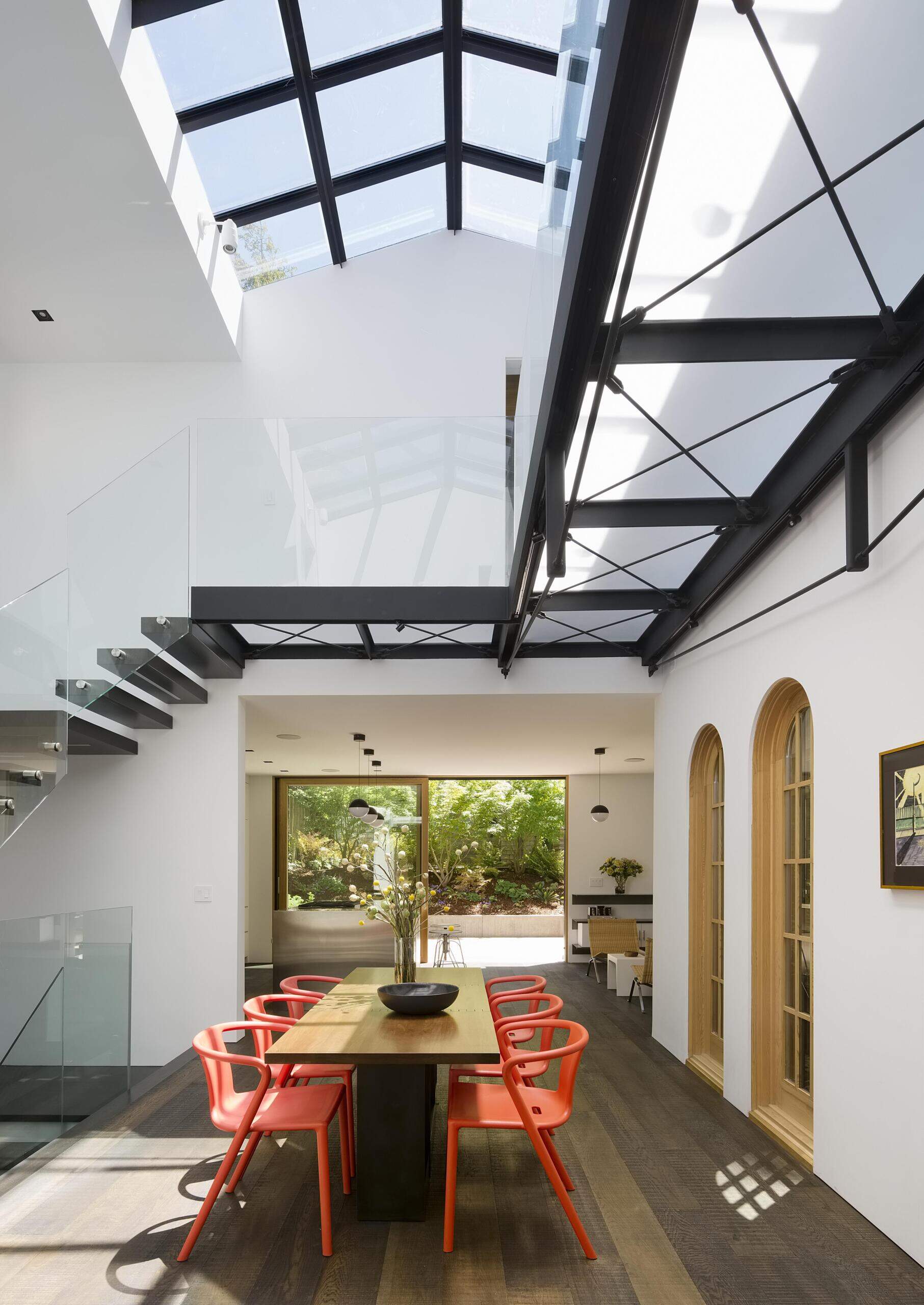
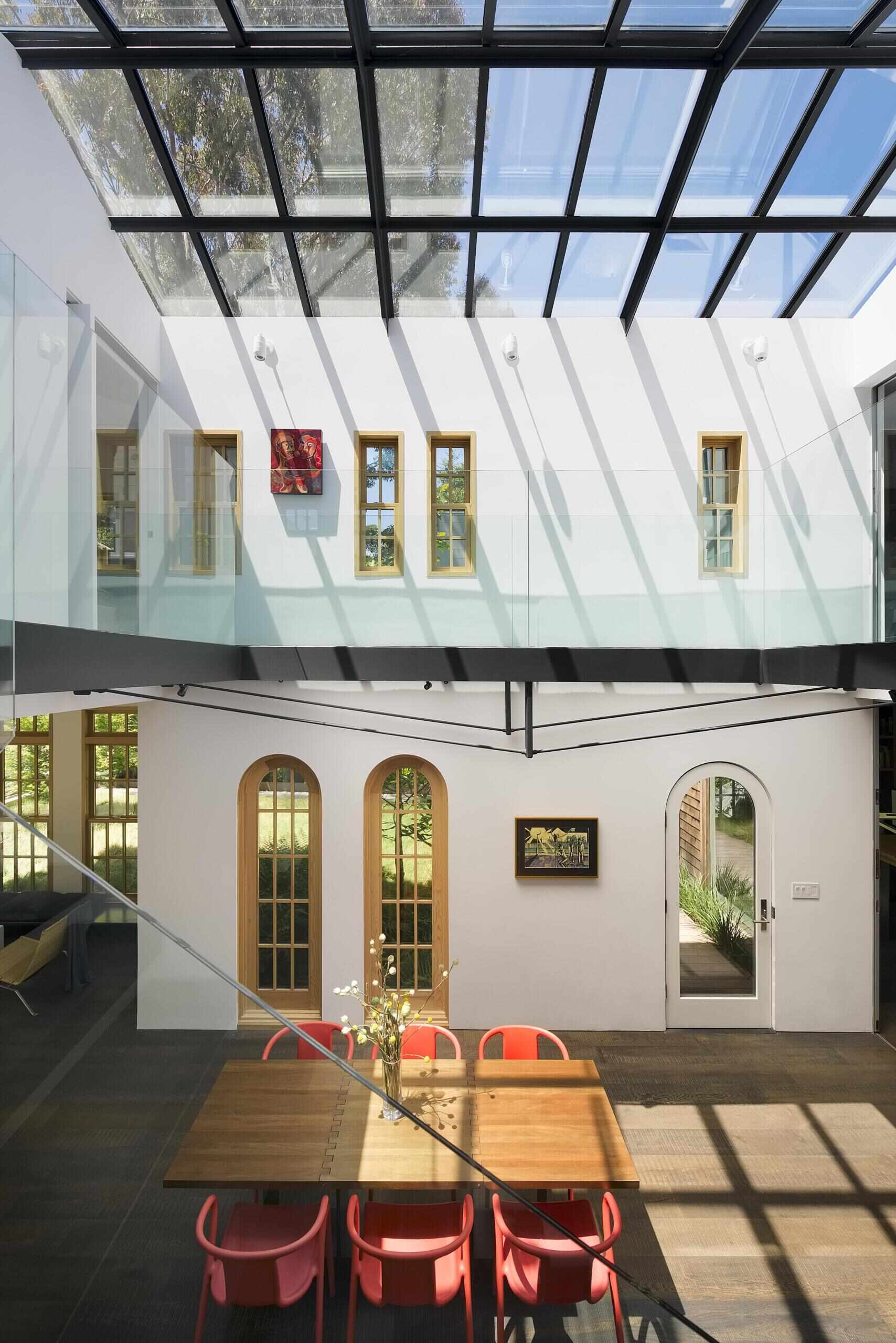
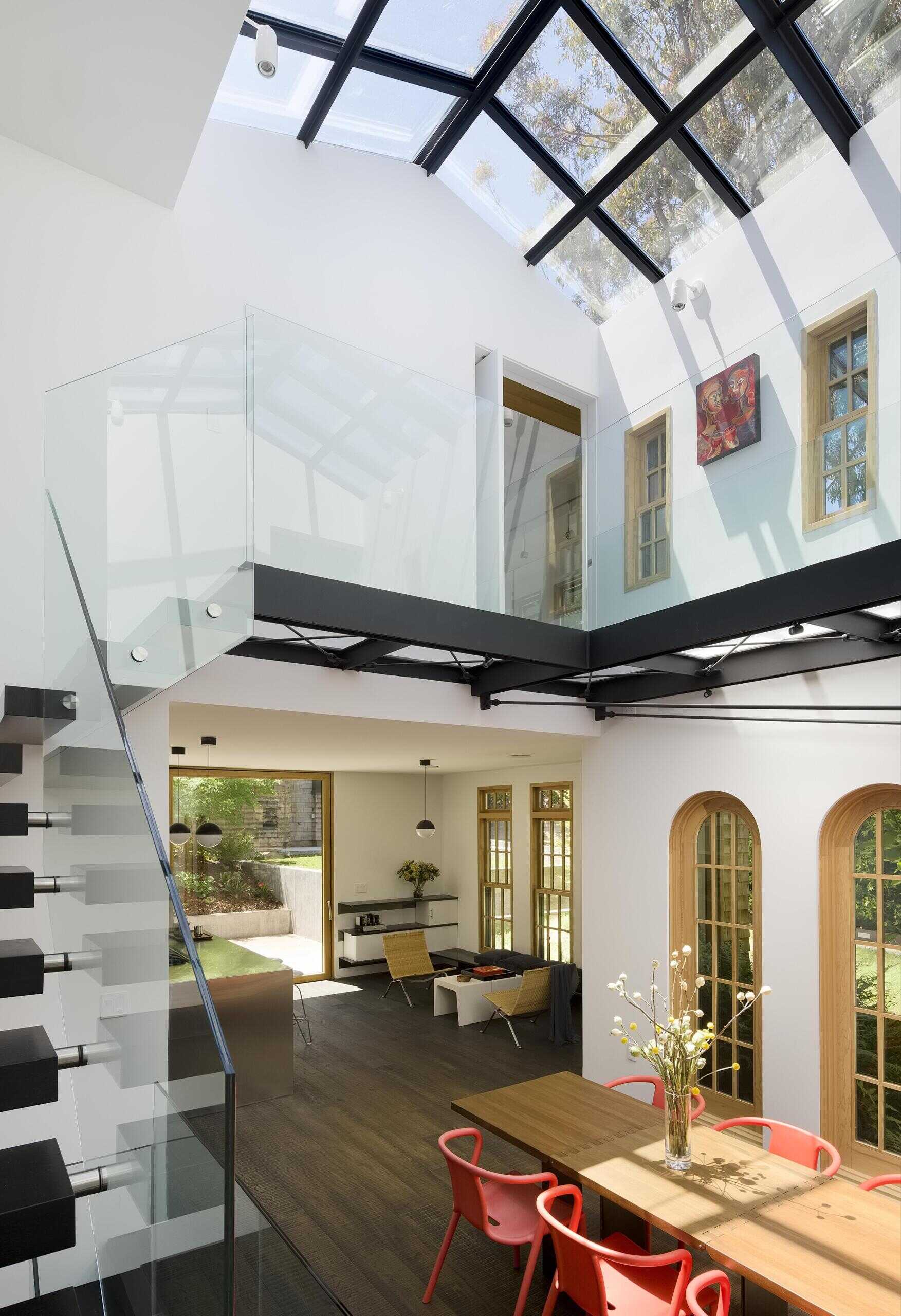
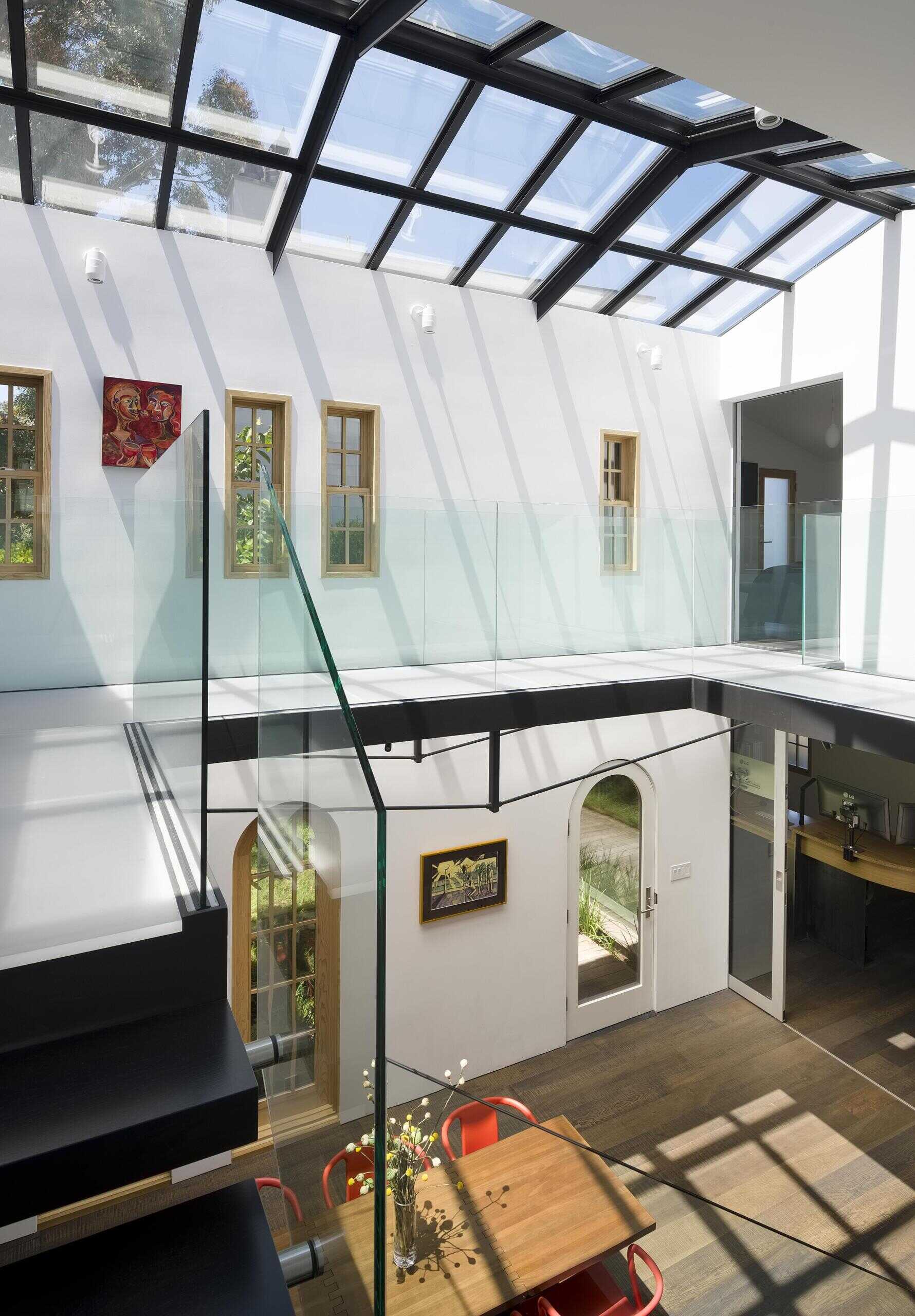
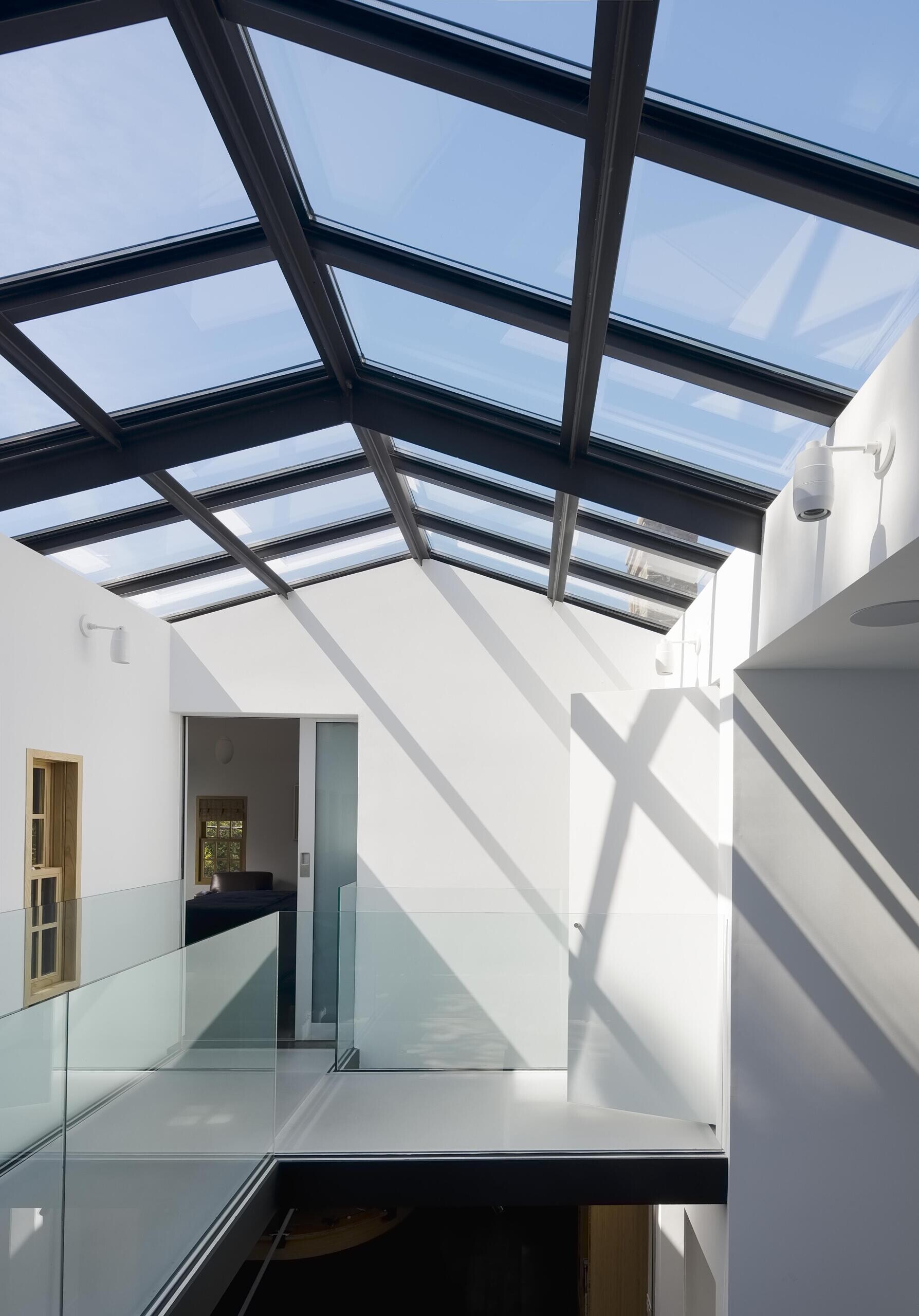
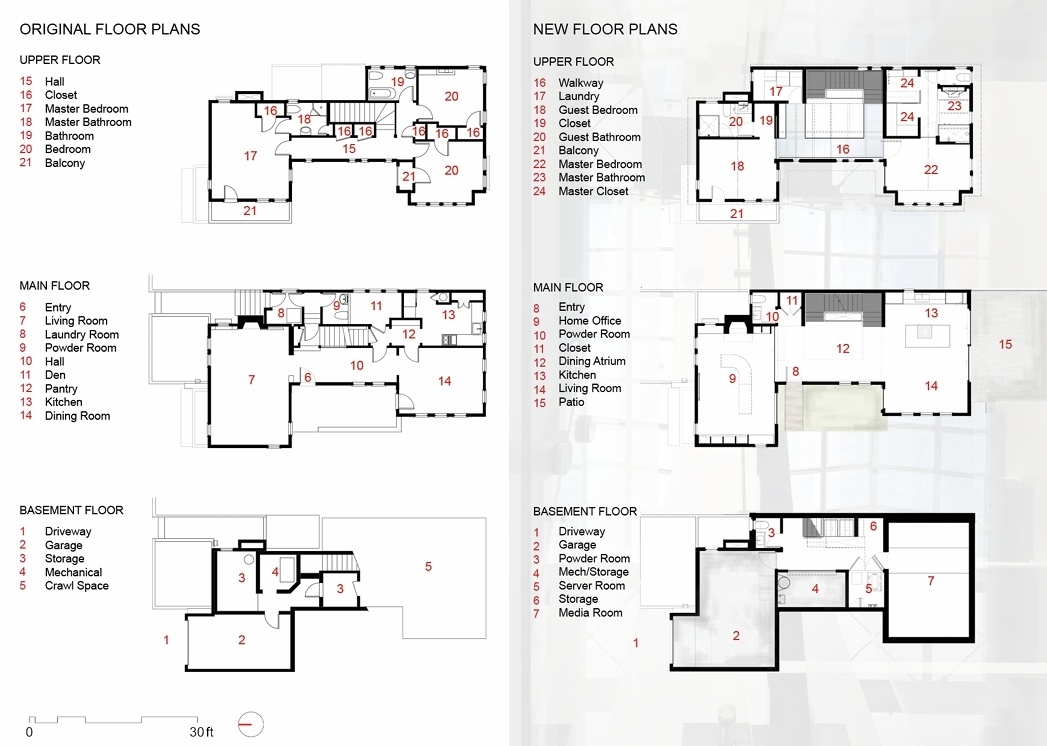
Inside, the biggest move is impossible to miss. The center of the original U-shaped plan has been opened up, with much of the second floor removed to create a double-height dining atrium.
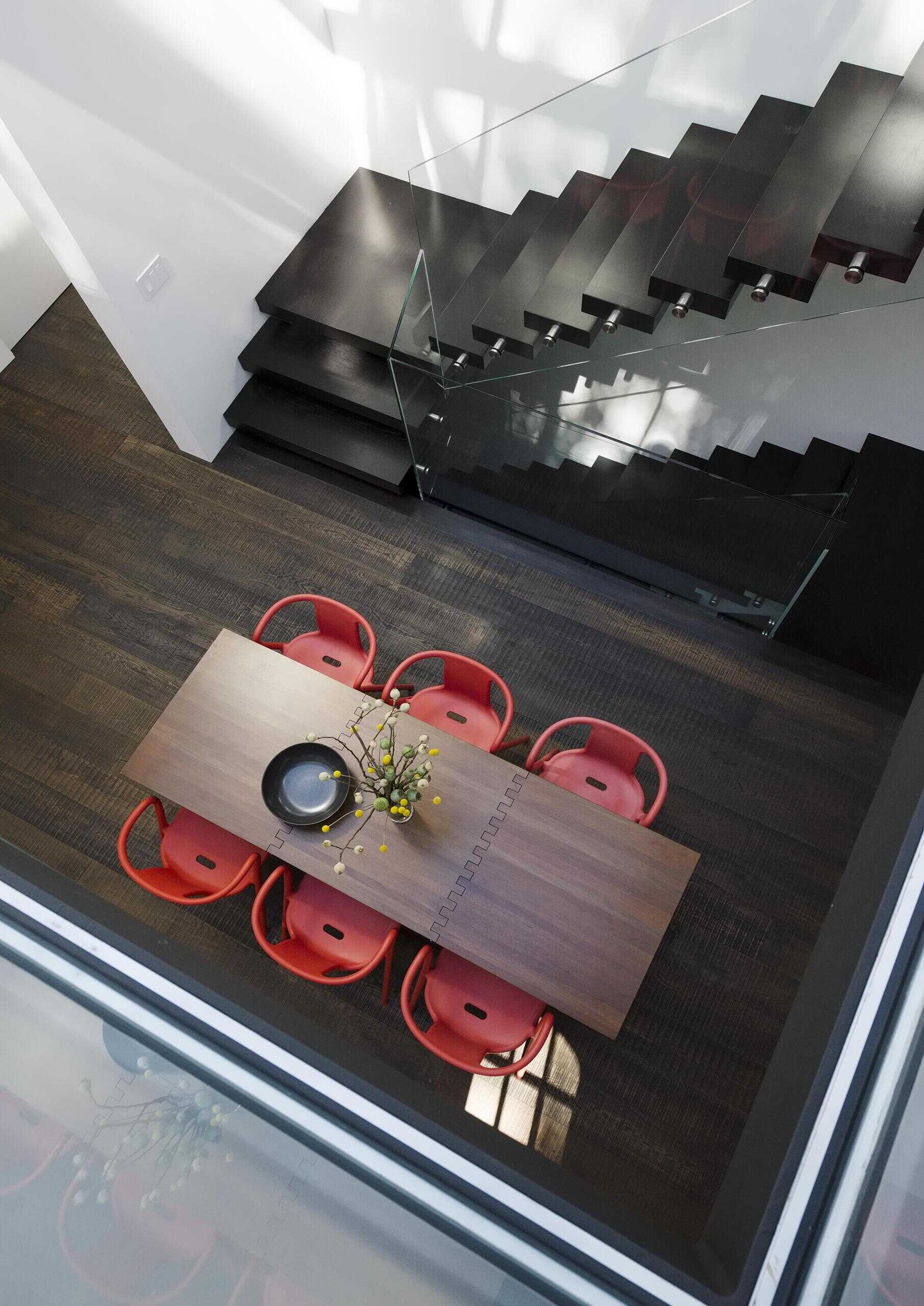
This space becomes the anchor of the home. Light drops in from above, shifting throughout the day and pulling attention upward. The dining table, designed by the architects, adds flexibility with a folding and pivoting mechanism, balancing practicality with sculptural presence.
It’s a bold structural change that reshapes how every surrounding room connects.
Living Room with Custom Character
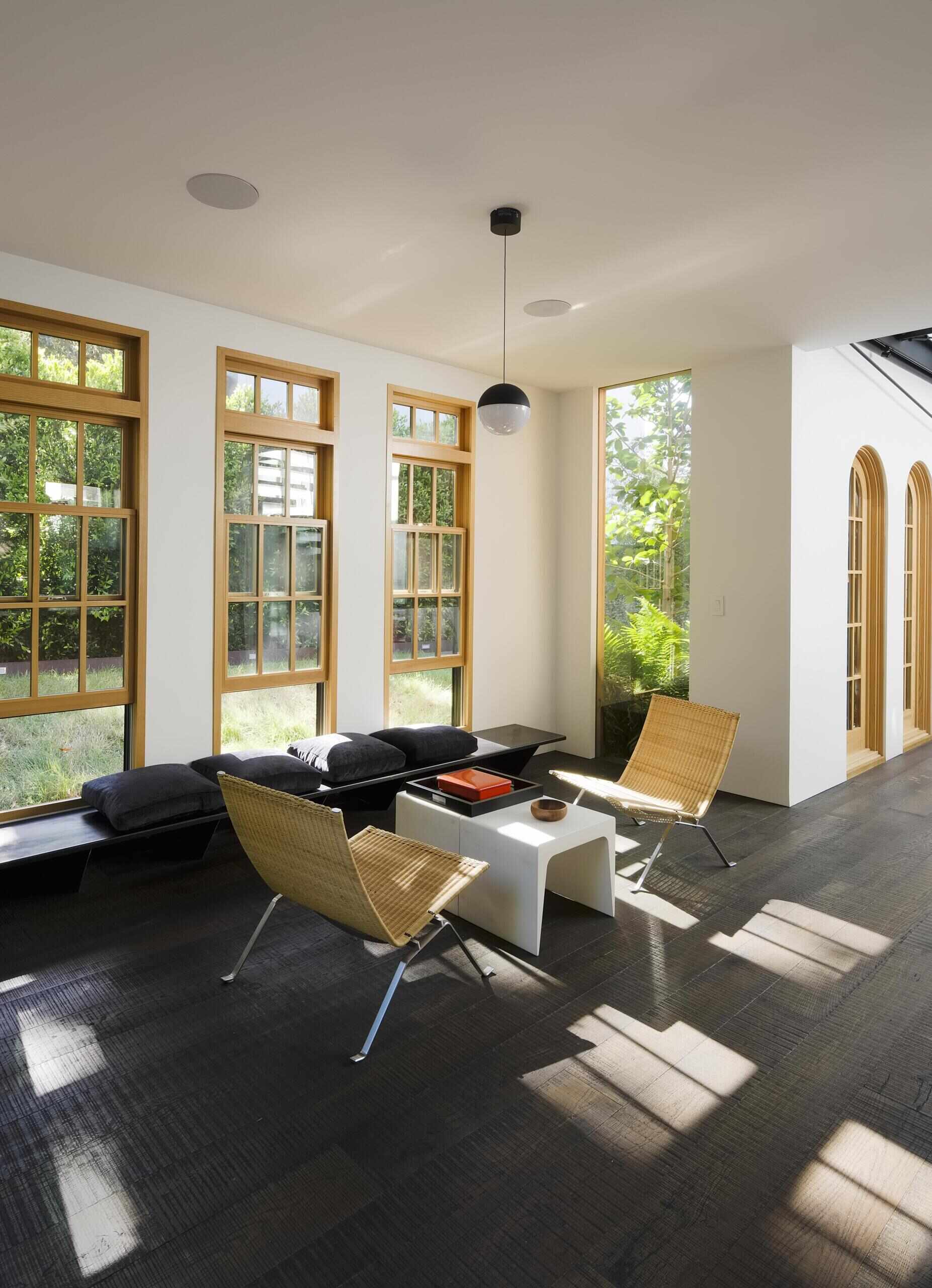
The living room introduces a small seating area by the windows, with the the bench and chairs positioned to take advantage of the garden views.
A lift-and-slide patio door connects the living room and kitchen to the exterior, making it feel more open and functional without overcomplicating the layout.
A Material-Led Kitchen
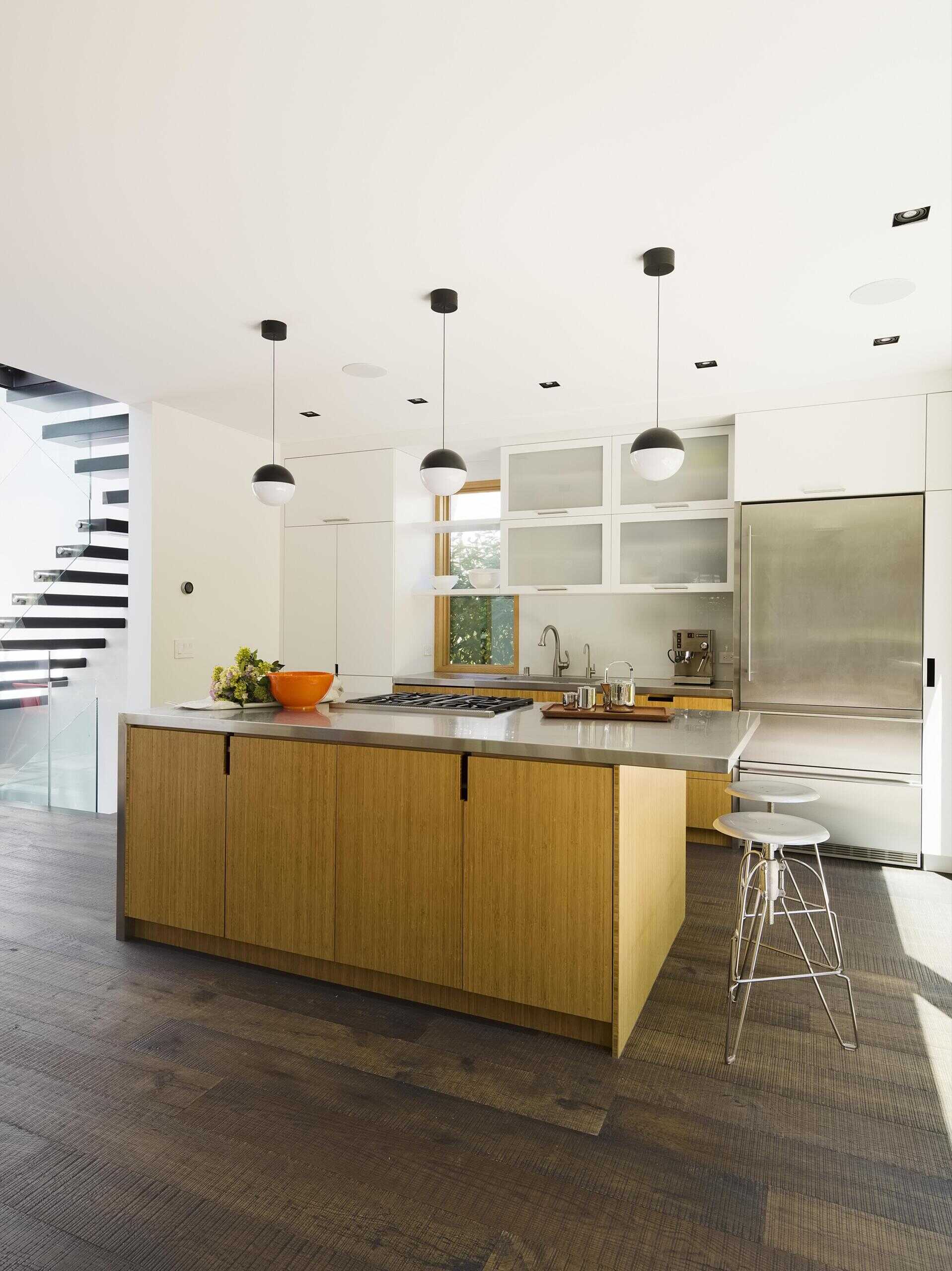
In the kitchen, material choices take the lead. Stainless steel countertops run across both the main counter and island, giving the space a sharp, utilitarian feel.
That’s balanced by amber edge grain bamboo cabinetry, adding warmth and texture. Painted wood cabinetry rounds out the palette, keeping the space from feeling too rigid.
A Home Office with Custom Details
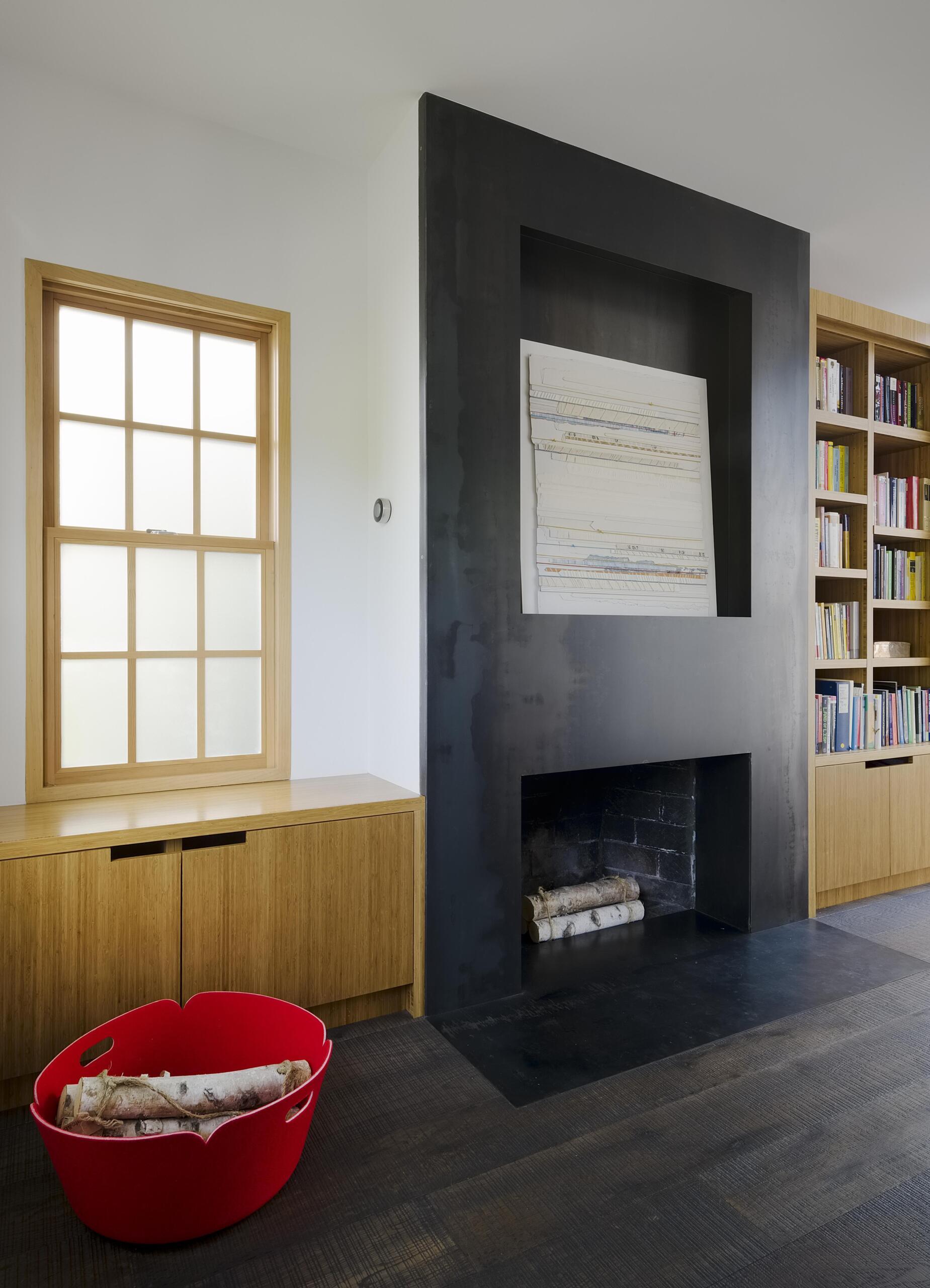
The home office, with built-in shelving and cabinetry, also includes a fireplace. Finished in hot rolled steel with an integrated art niche, it brings a more industrial edge into the space. It’s a mix that feels intentional, pairing clean architectural moves with furniture that adds personality.
The Bridge and Stair Connection
One of the more unexpected features is the upper-level bridge. Made with acrylic flooring, it introduces a lighter, almost floating quality as it spans across the atrium.
This walkway connects different parts of the home while keeping sightlines open below. Combined with the stair sequence, it adds a sense of movement through the space that wouldn’t exist in the original layout.
Bedroom and Ensuite Material Contrast
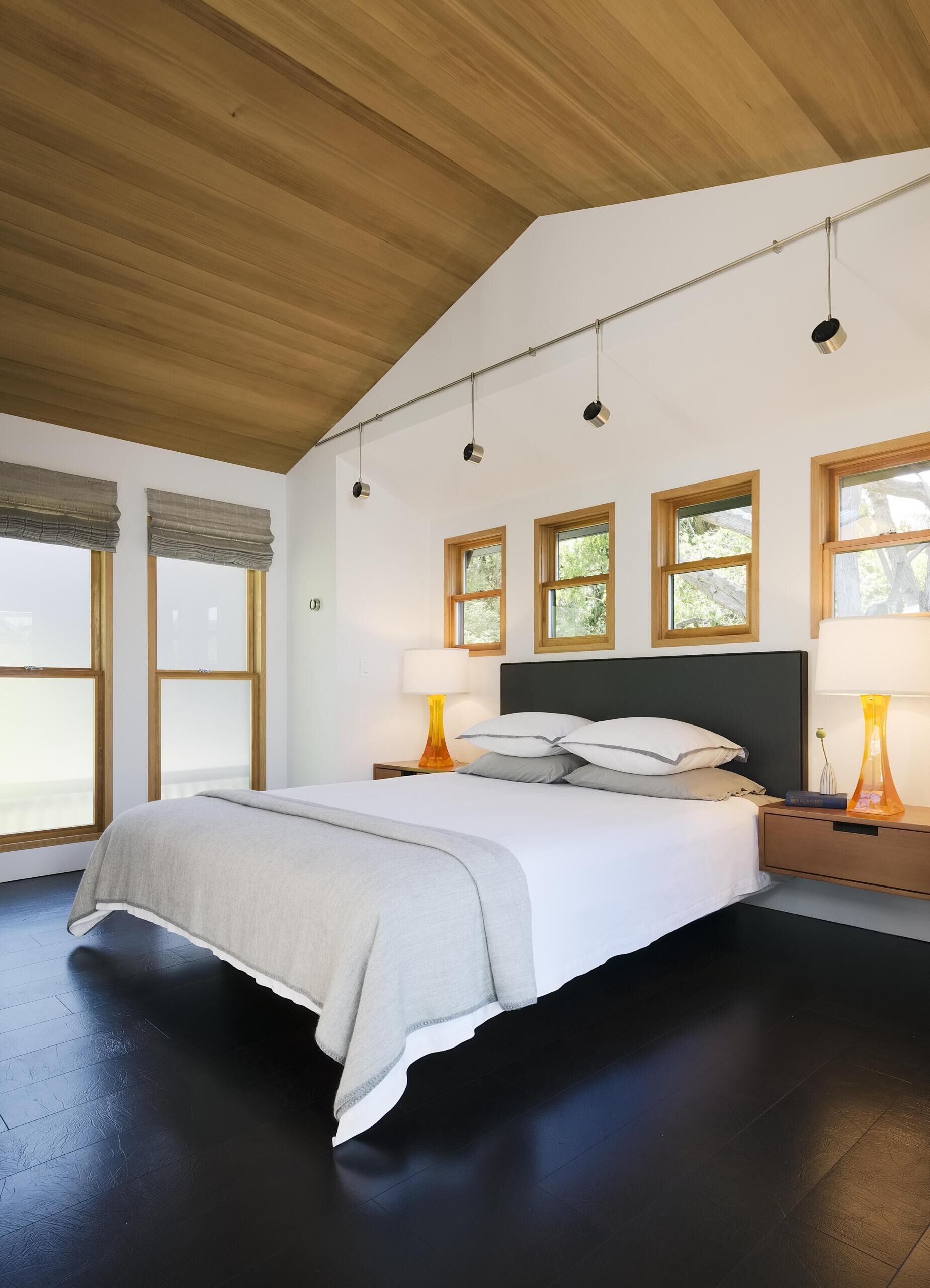
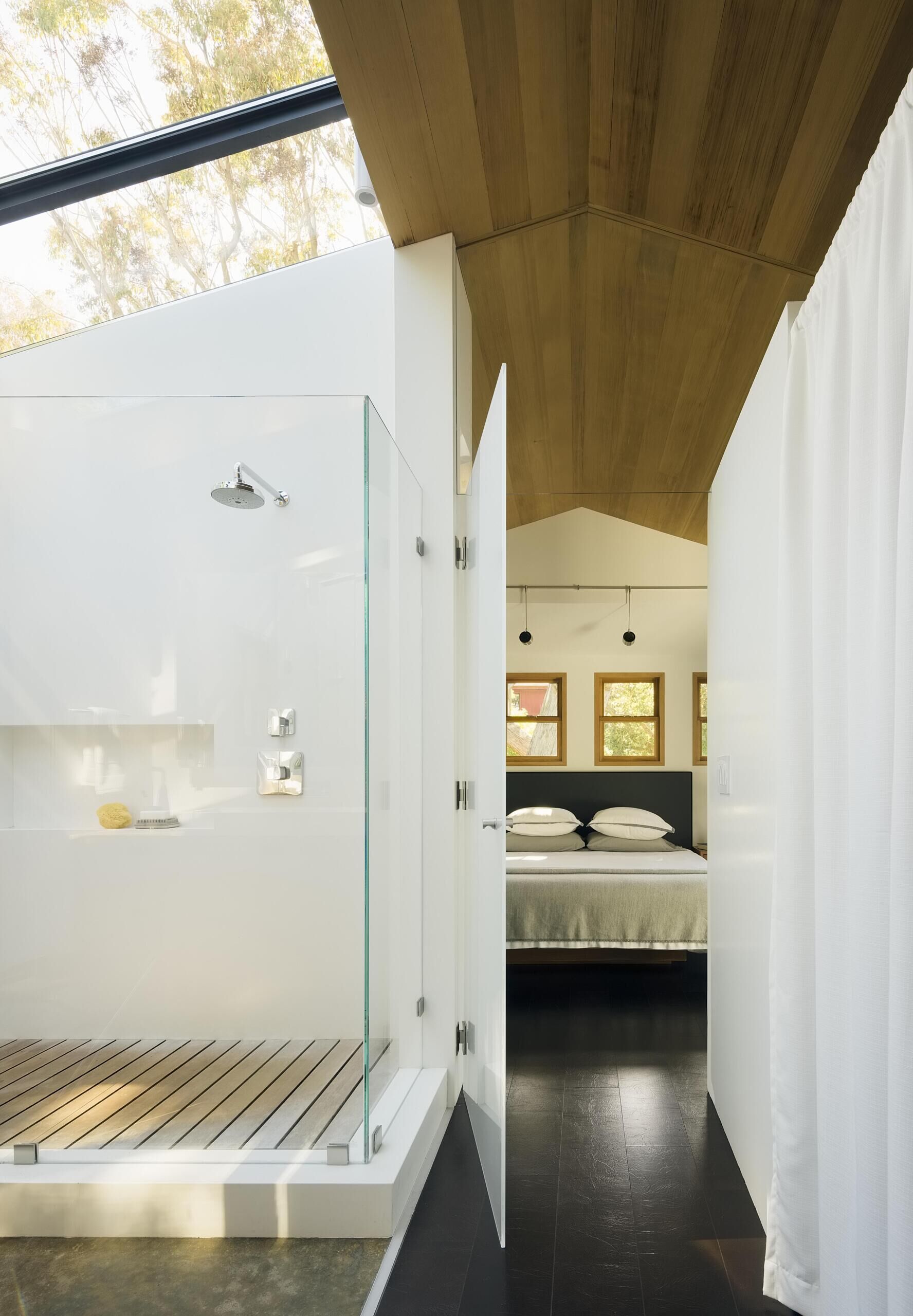
The main bedroom shifts into a more tactile palette. A clear Western red cedar ceiling brings warmth overhead, while the leather flooring adds a softer, unexpected finish underfoot.
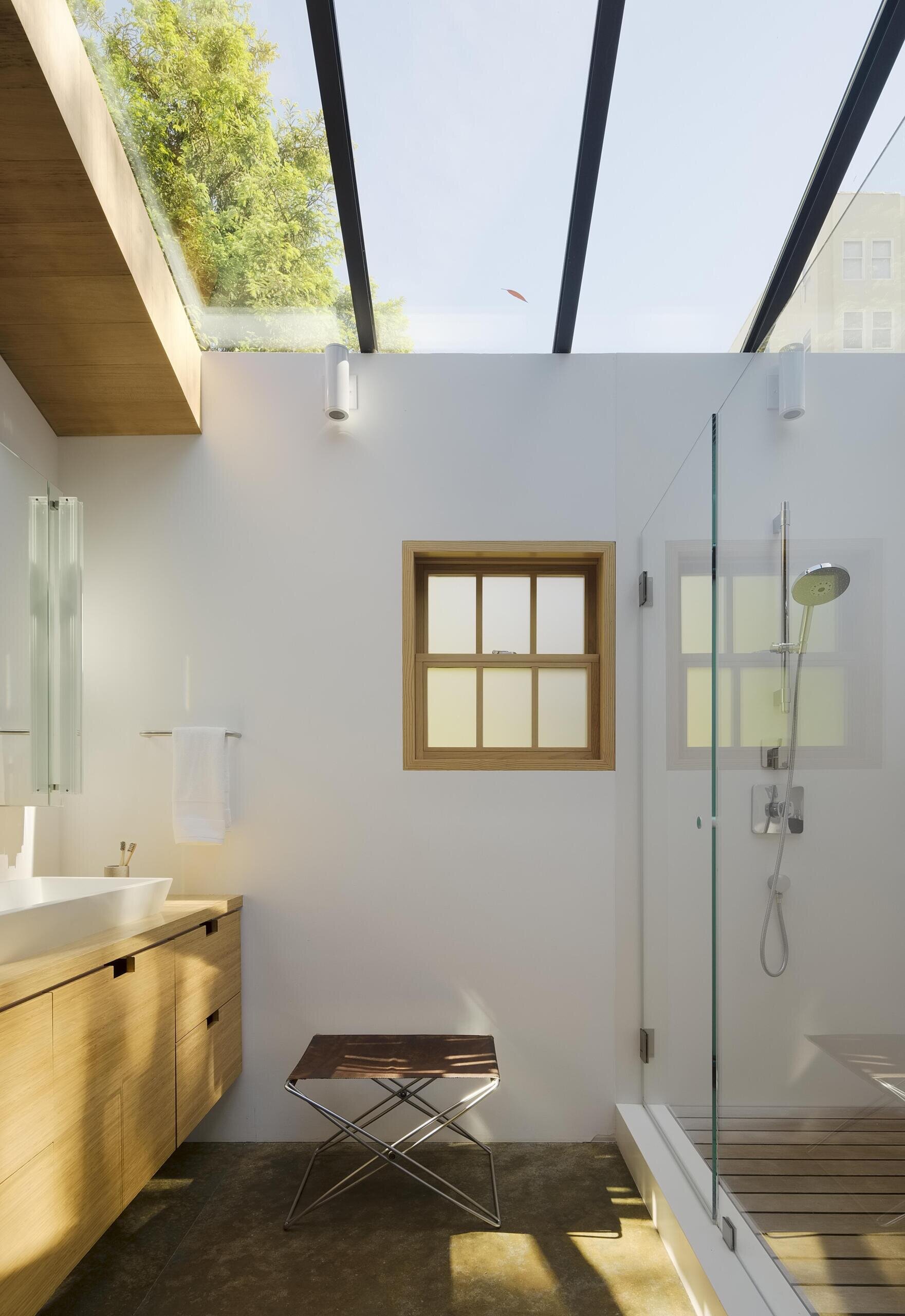
In the ensuite, Brazilian multi-colour slate introduces variation and texture, paired with clean-lined surfaces in honed Superwhite stone.
Architectural Drawings and Planning
Behind the finished spaces sits a detailed planning process shaped by landmark preservation requirements. Every intervention had to pass review, ensuring the historic structure remained intact.
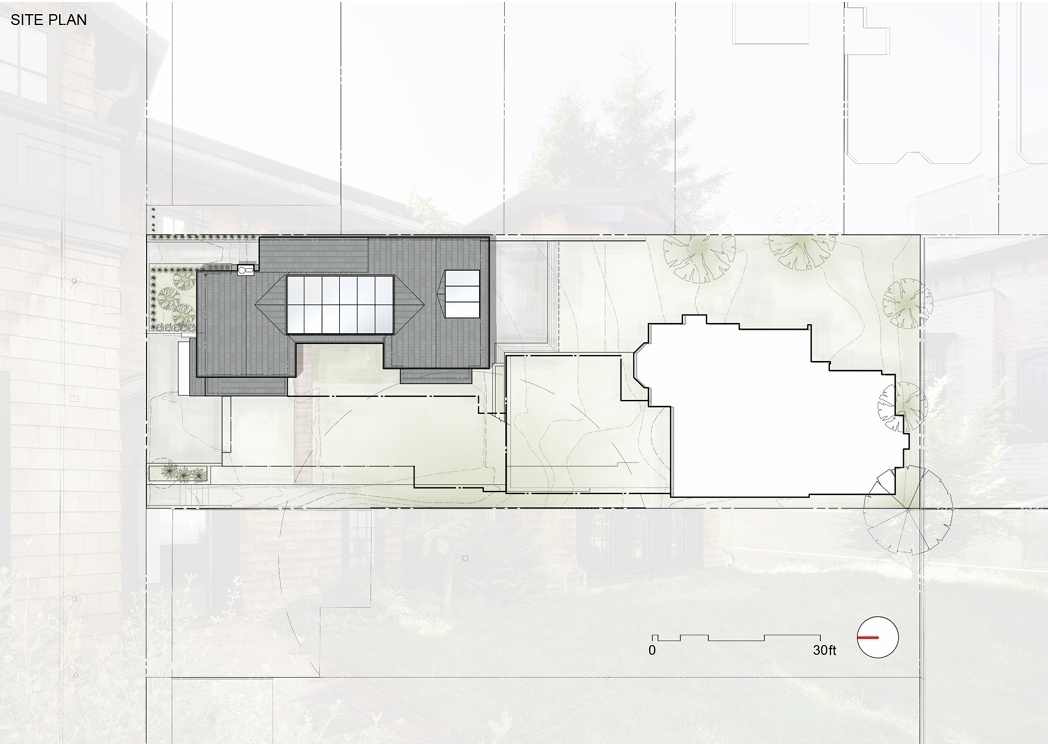
The transformation includes converting crawl space into usable area and adding square footage across both levels, all while reorganizing the interior to support a more open layout.
This Cow Hollow home shows how much can change without losing what made a building worth keeping in the first place. By opening up the center and refining each space through materials, Mark English Architects have created a home that feels aligned with today while still carrying its 1917 origins forward.