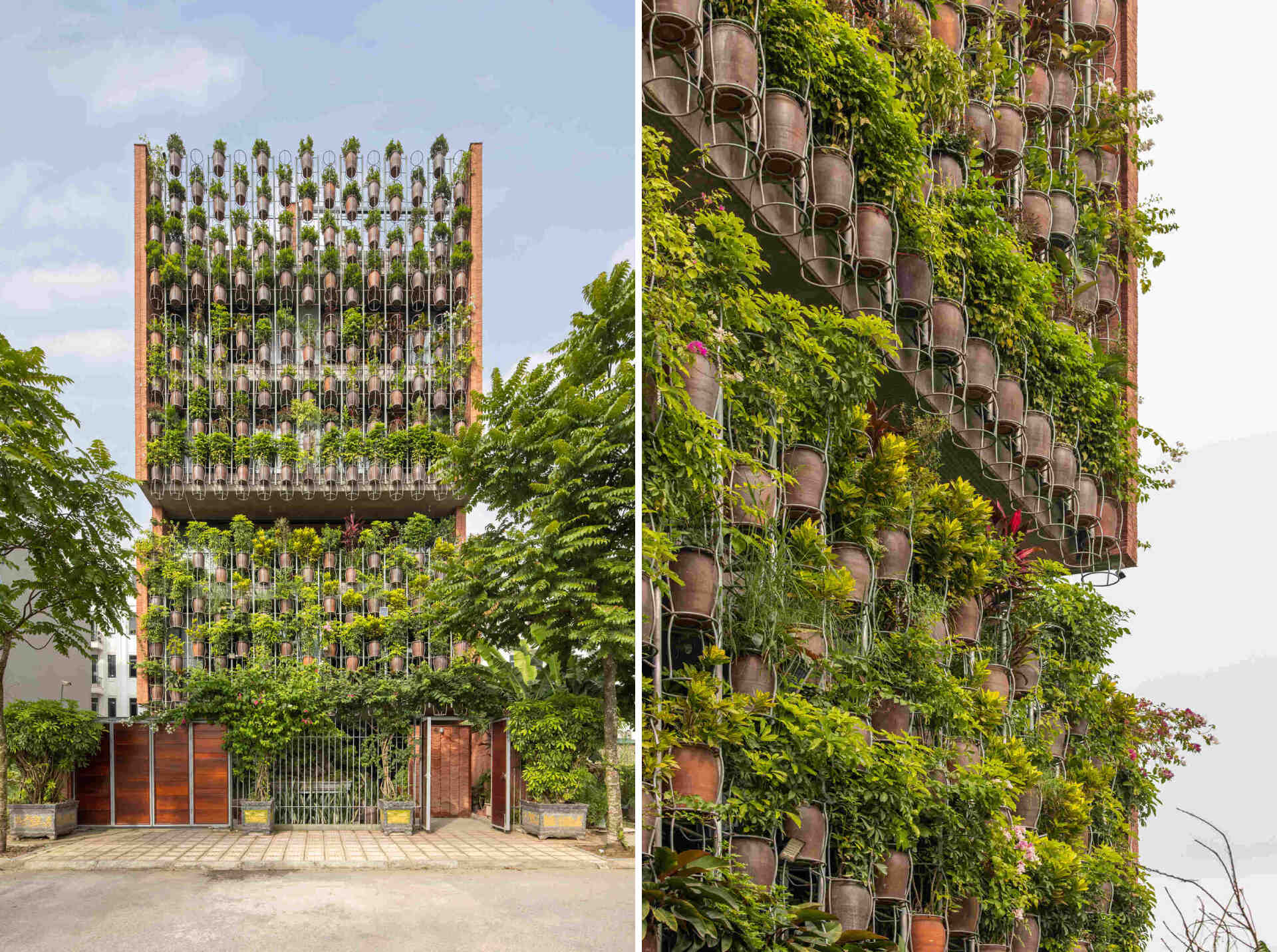
This Vietnam Home Turns Its Facade Into a Vertical Garden

A multi-level home in Thai Binh blends living space with urban farming through a striking planted facade and shared design approach.

In Thai Binh city, Vietnam, H&P Architects introduces ‘Flying Vegetation’, a house that blends living space with food-growing systems. Built using yin yang tiles, ceramic jars, steel, and concrete, the project responds to the rapid loss of agricultural land across Vietnam. It explores how housing can bring planting back into everyday urban life, turning a standard city plot into something far more layered and interactive.
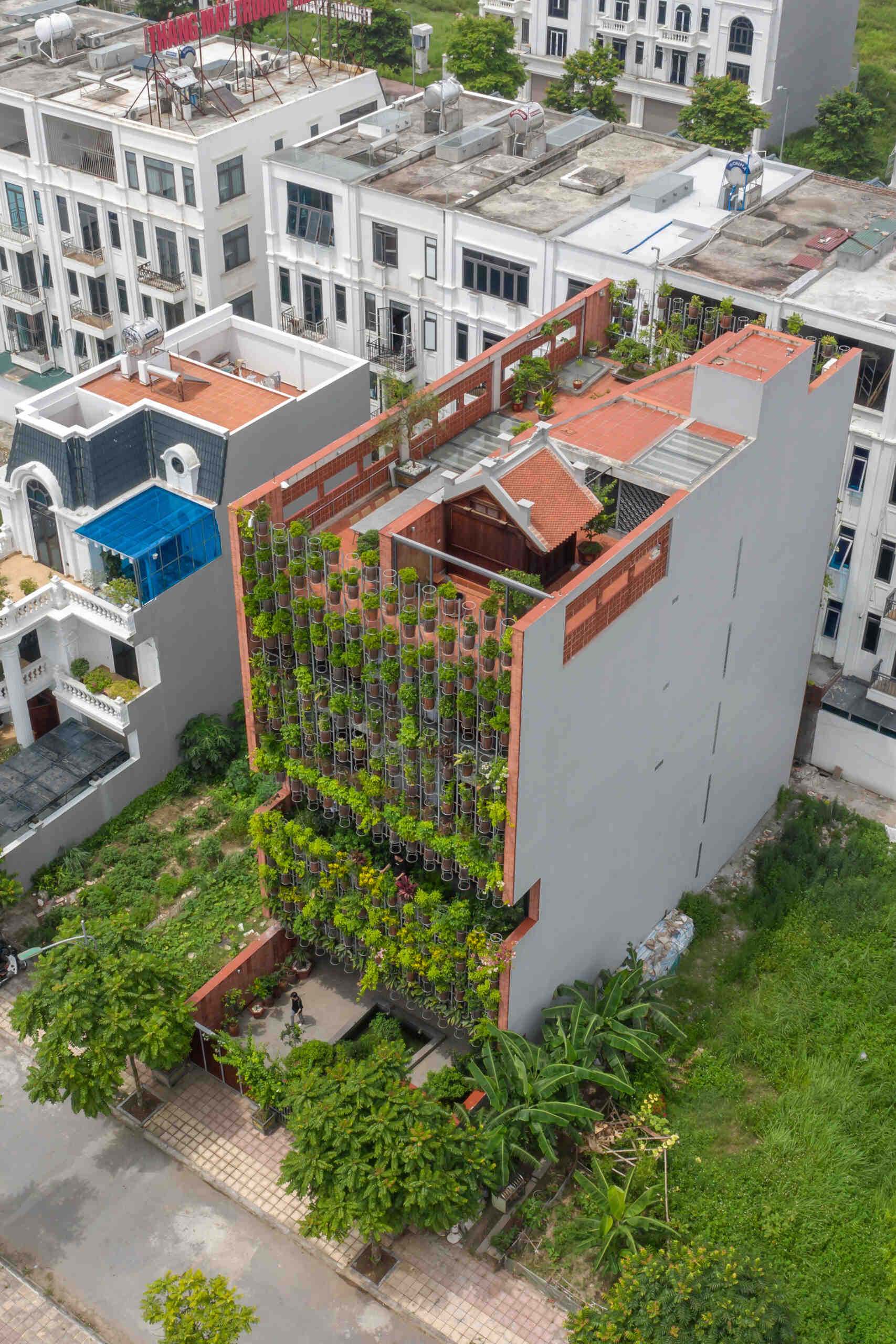
A multi-level home in Thai Binh blends living space with urban farming through a striking planted facade and shared design approach.

A House Shaped by Urban Change

Set within a new urban area, the house faces a shared neighborhood garden. This condition sparked the idea of creating a planted buffer across the front. Instead of closing itself off, the structure filters its surroundings through greenery, softening noise and dust while still allowing views outward. The result is a building that feels open yet protected, with a shifting edge that changes as plants grow.

The program is split across multiple levels. The first three floors serve as a home, while the upper levels are designed for rental use. A shared approach connects residents and tenants, with the third floor and rooftop acting as gathering spaces for everyone in the building.
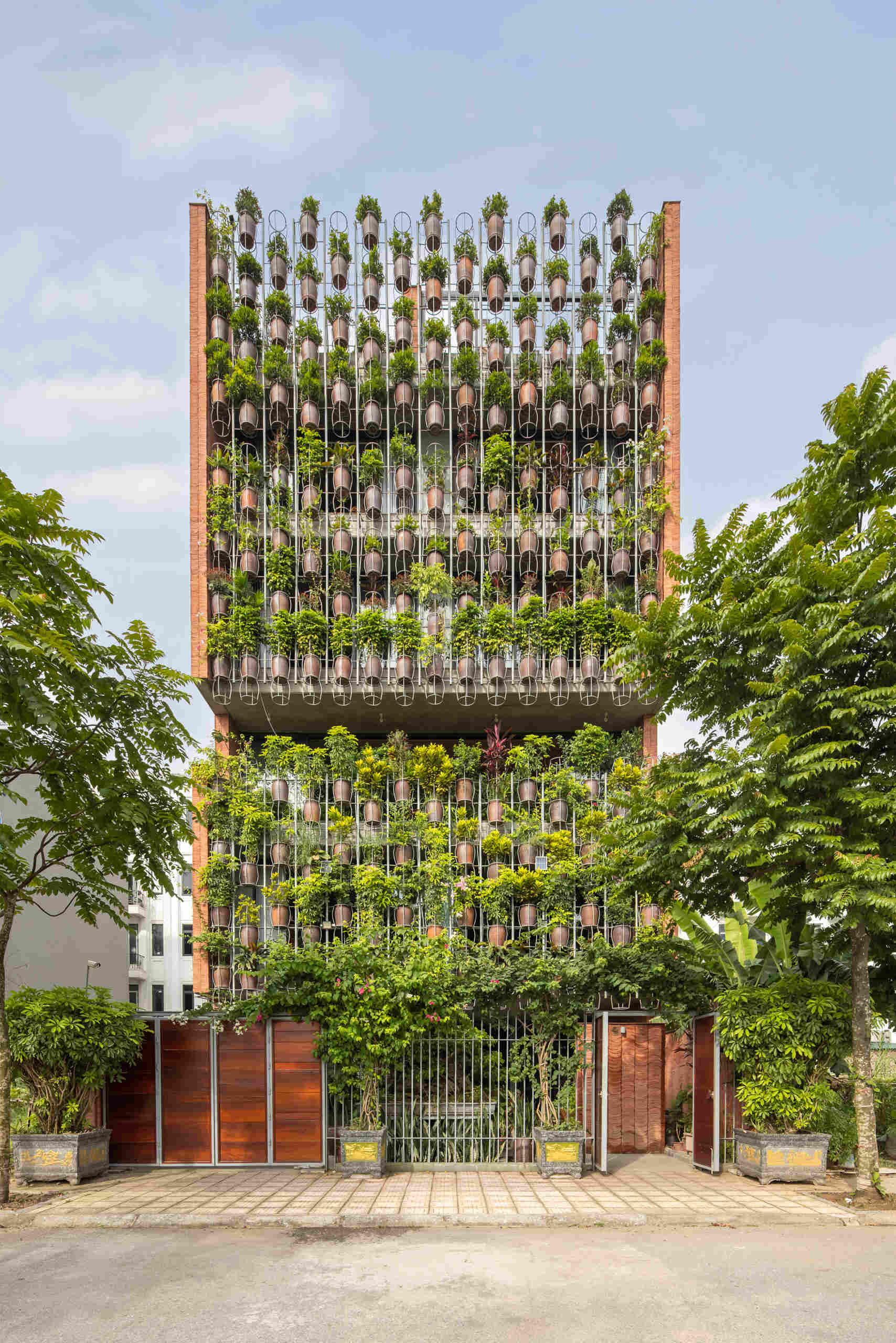
This Vietnamese house uses a layered layout and shared spaces to connect residents while responding to rapid urban change.

A Living Screen That Moves with Time

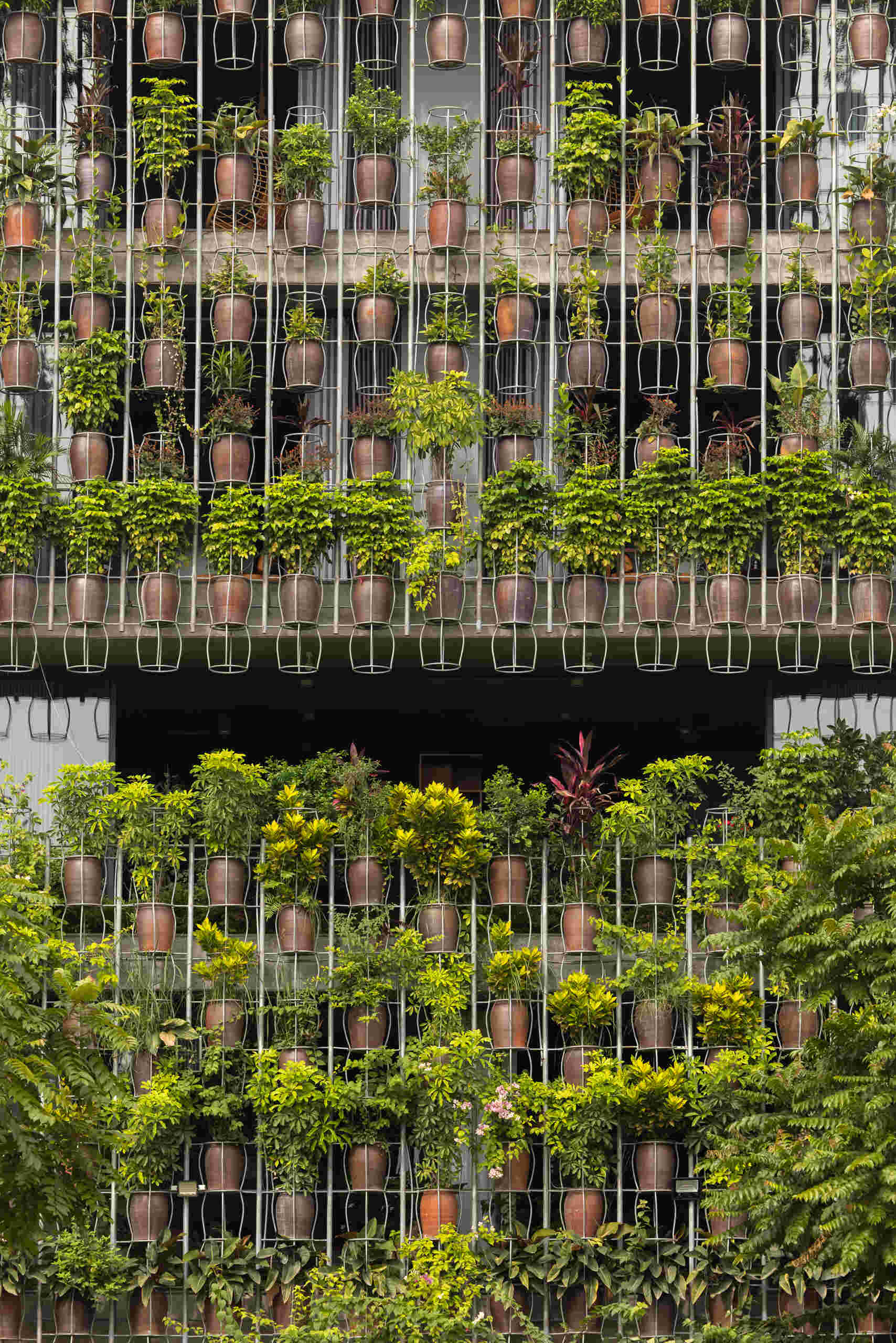
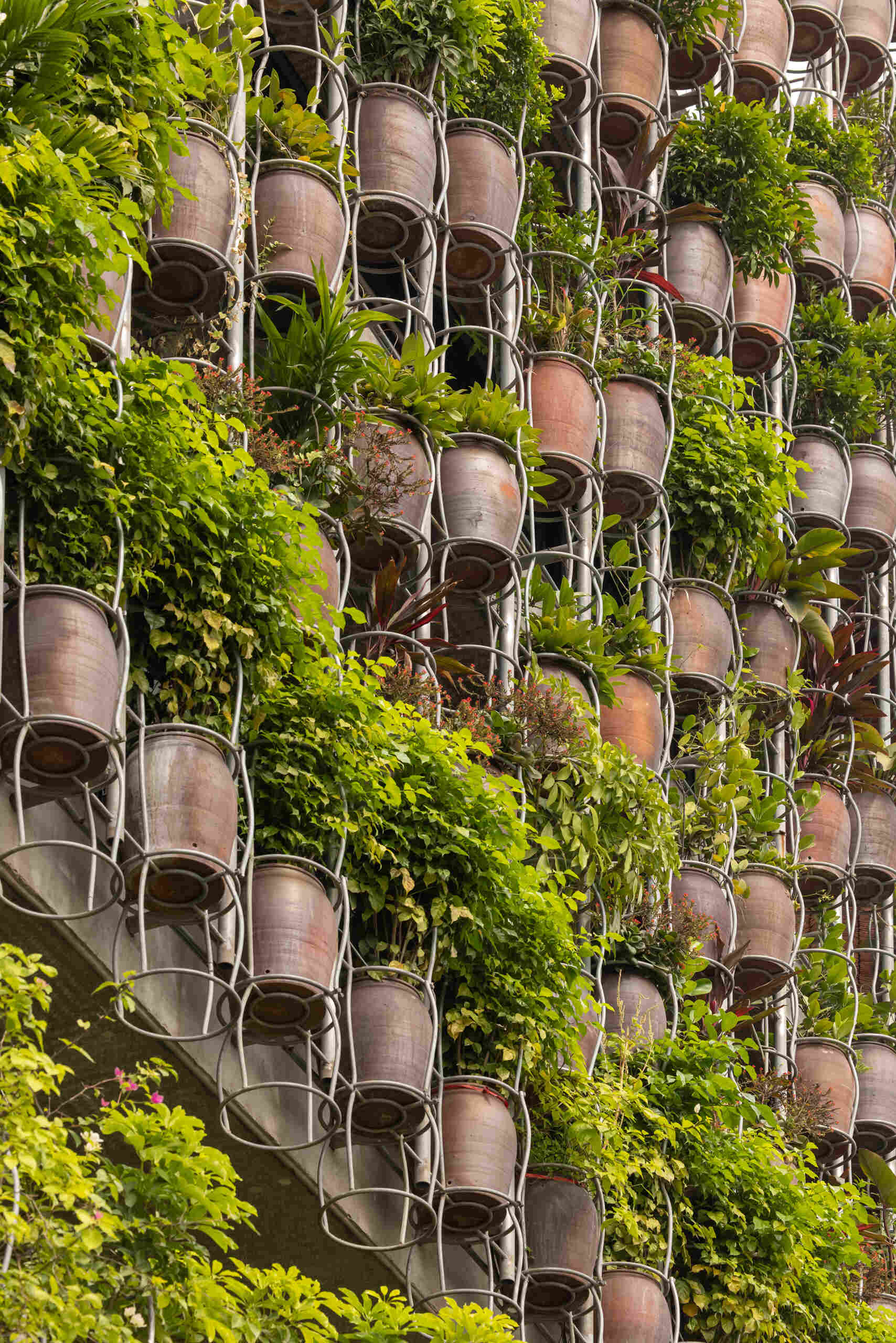
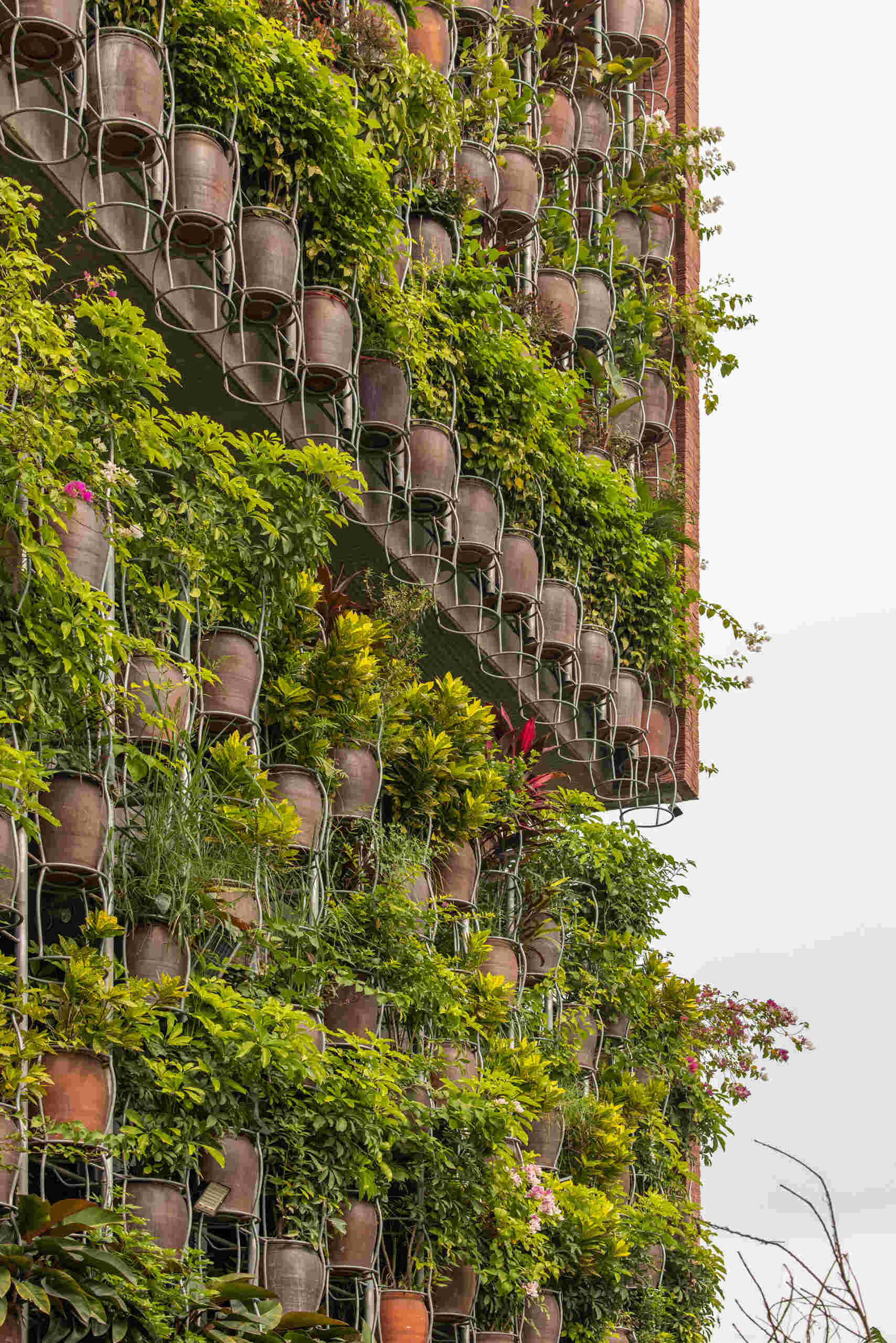
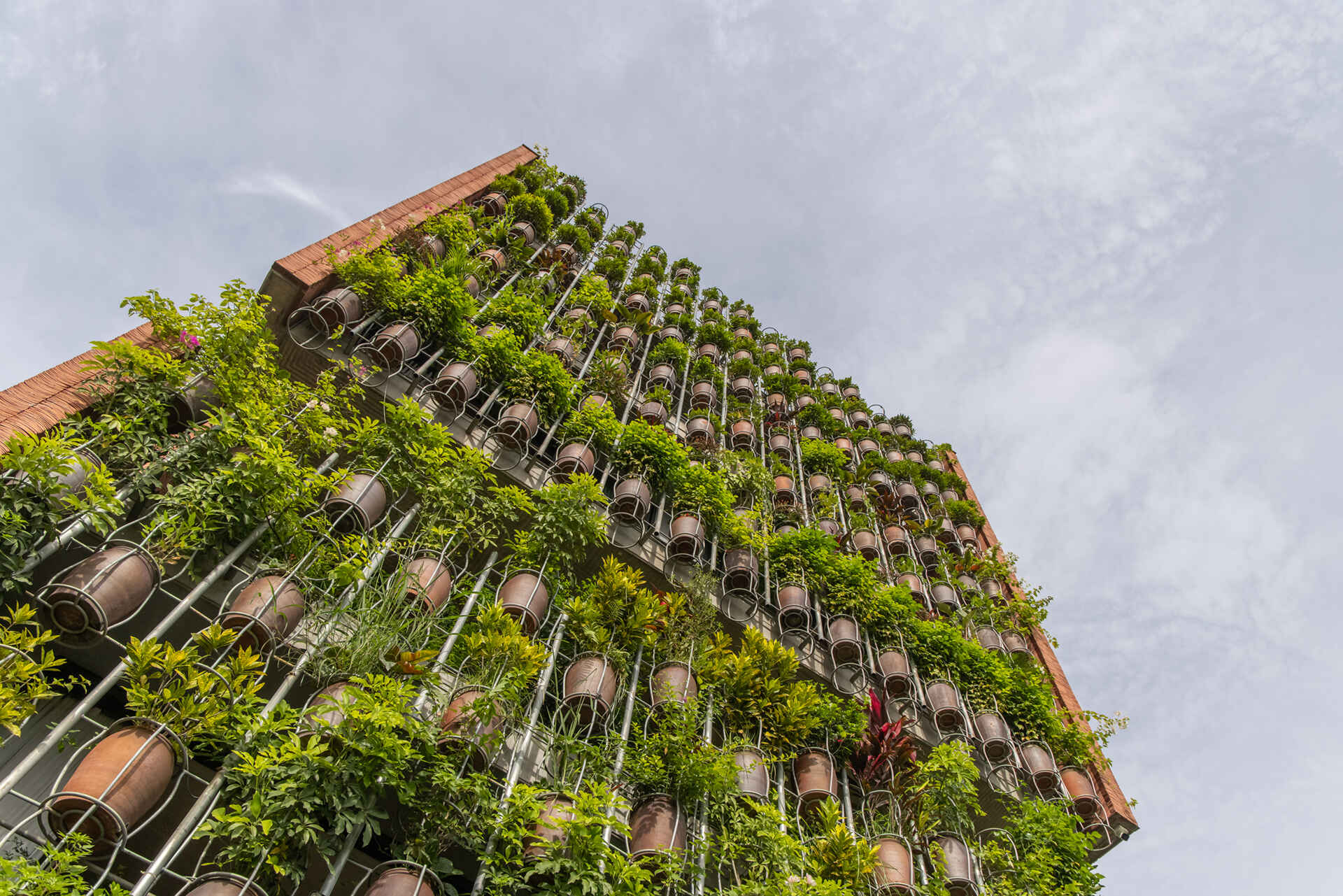
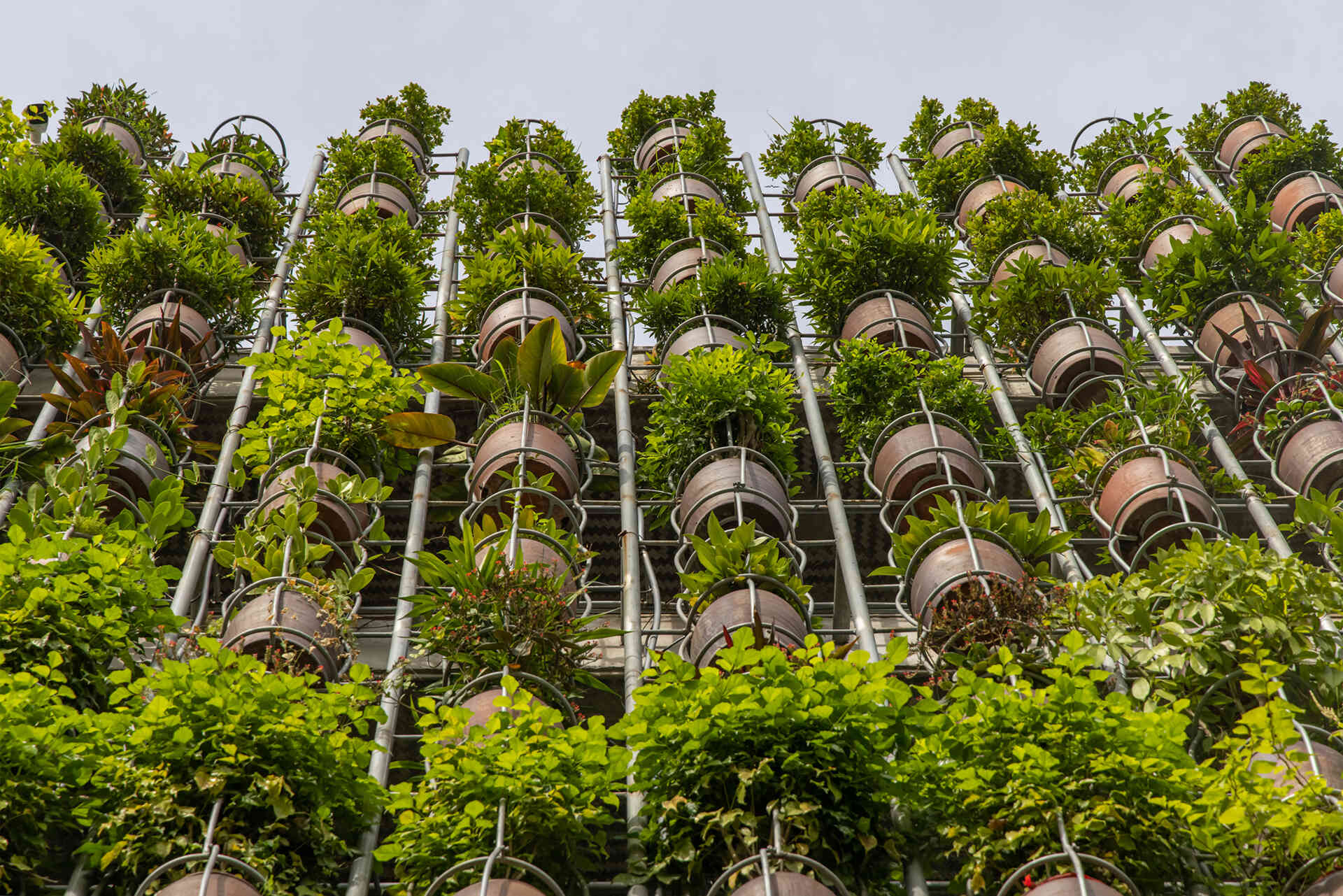
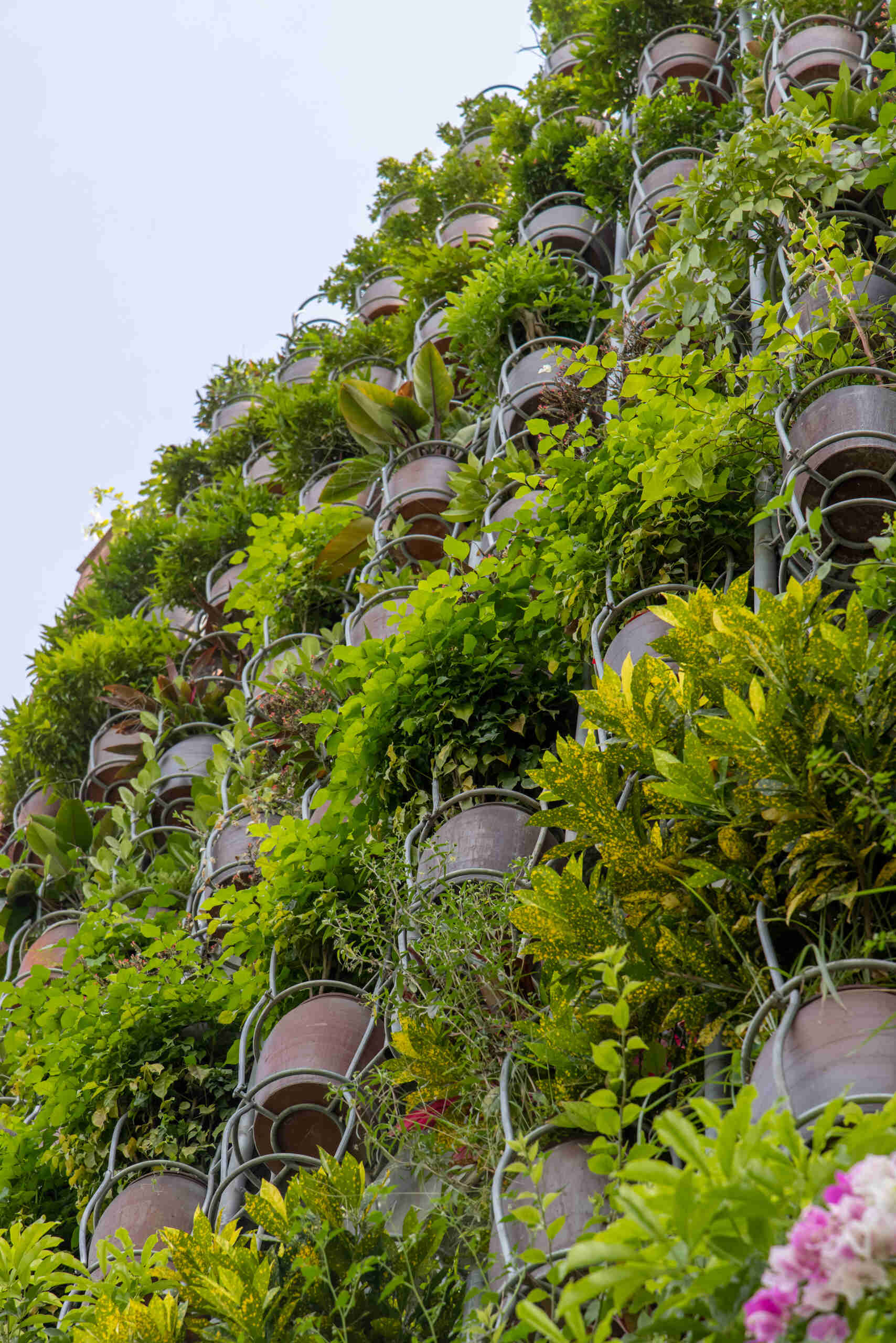
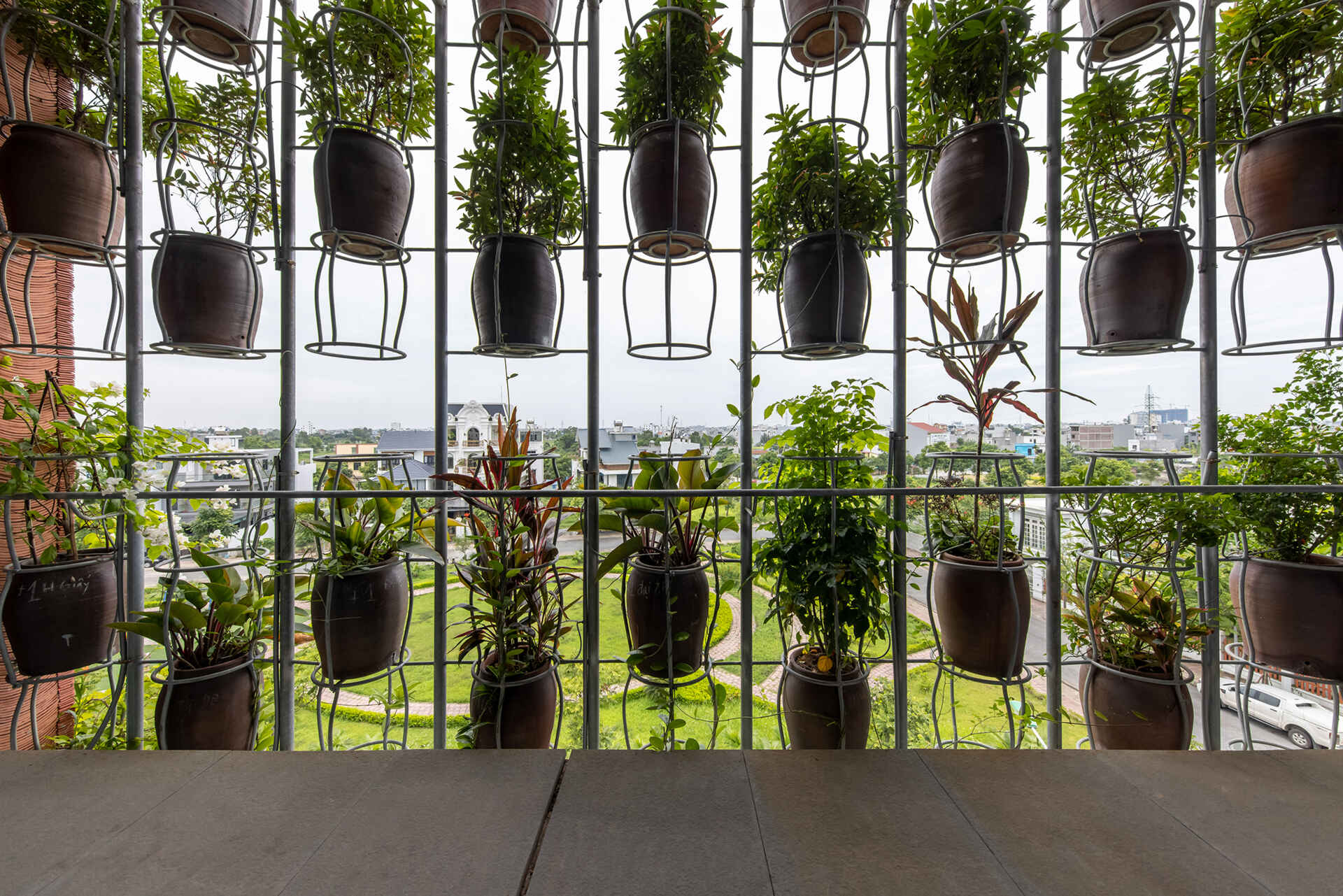
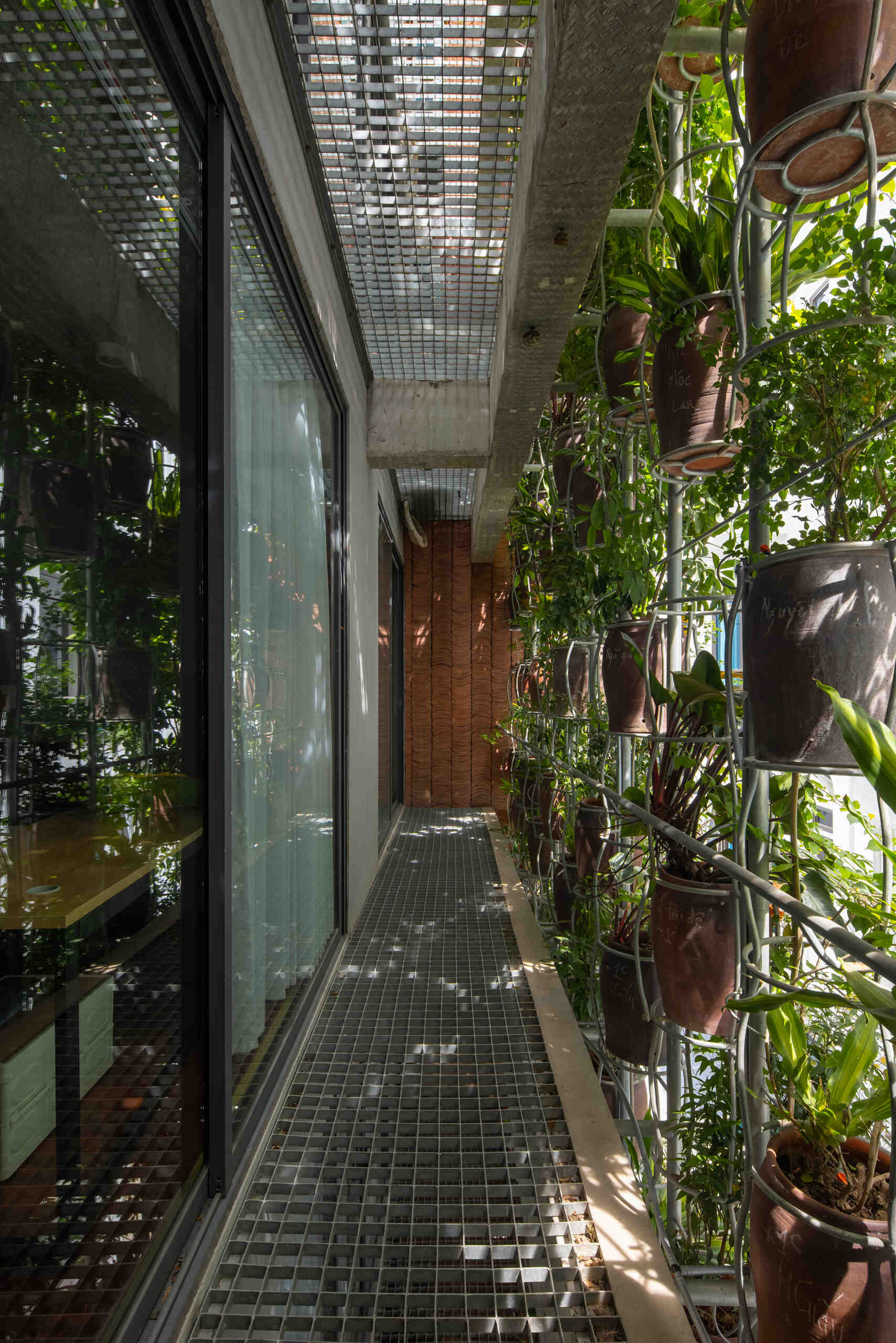
The most striking element is the facade system made from vertical frames holding rows of ceramic planting pots. These hang in long, repeating columns that appear suspended in midair.

The system is designed to be practical as well as expressive. Sections can be opened for maintenance, allowing plants to be replaced or repositioned. The pots are spaced to give each plant enough light and air, supporting healthy growth while maintaining the layered visual effect.
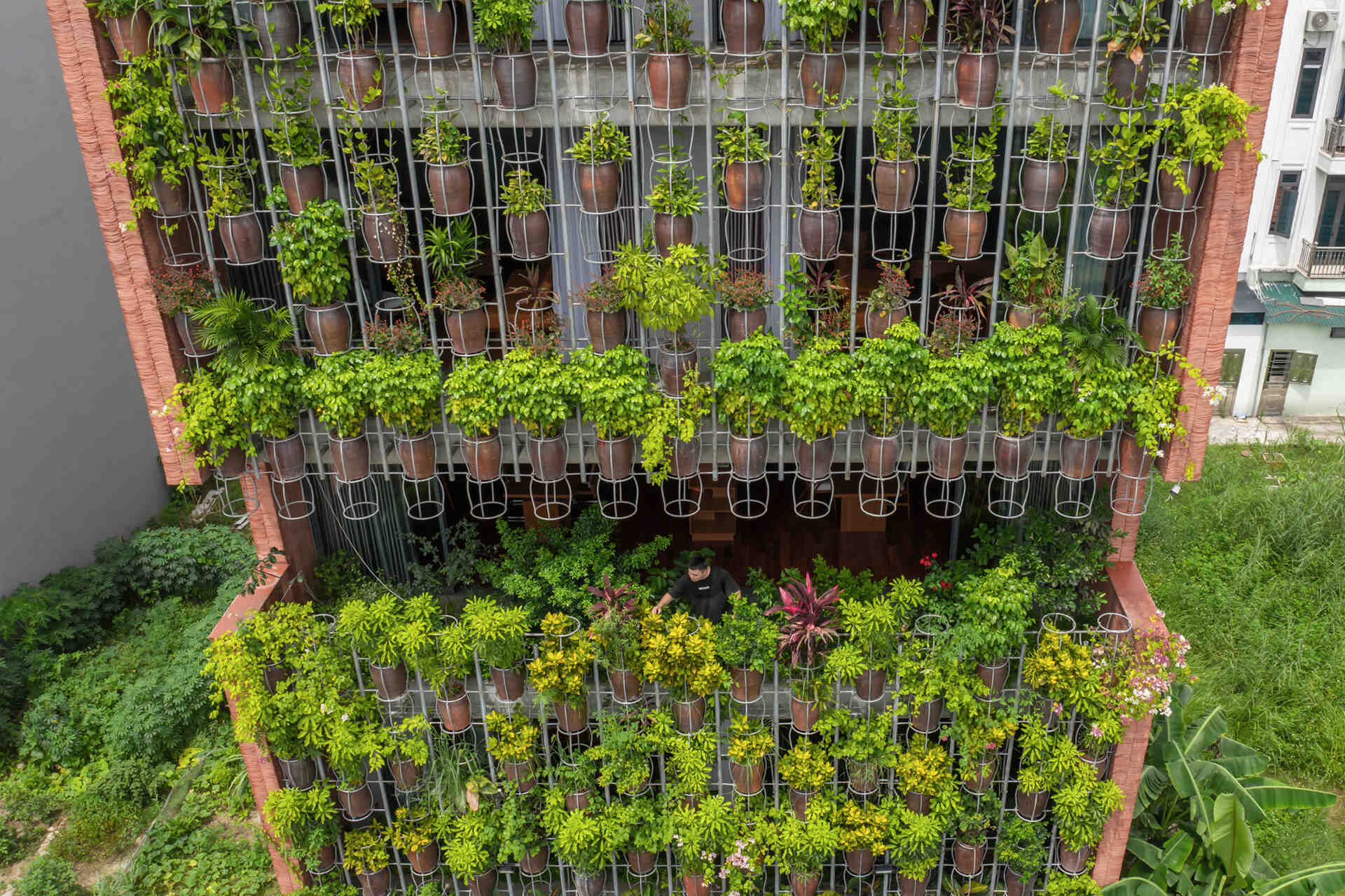
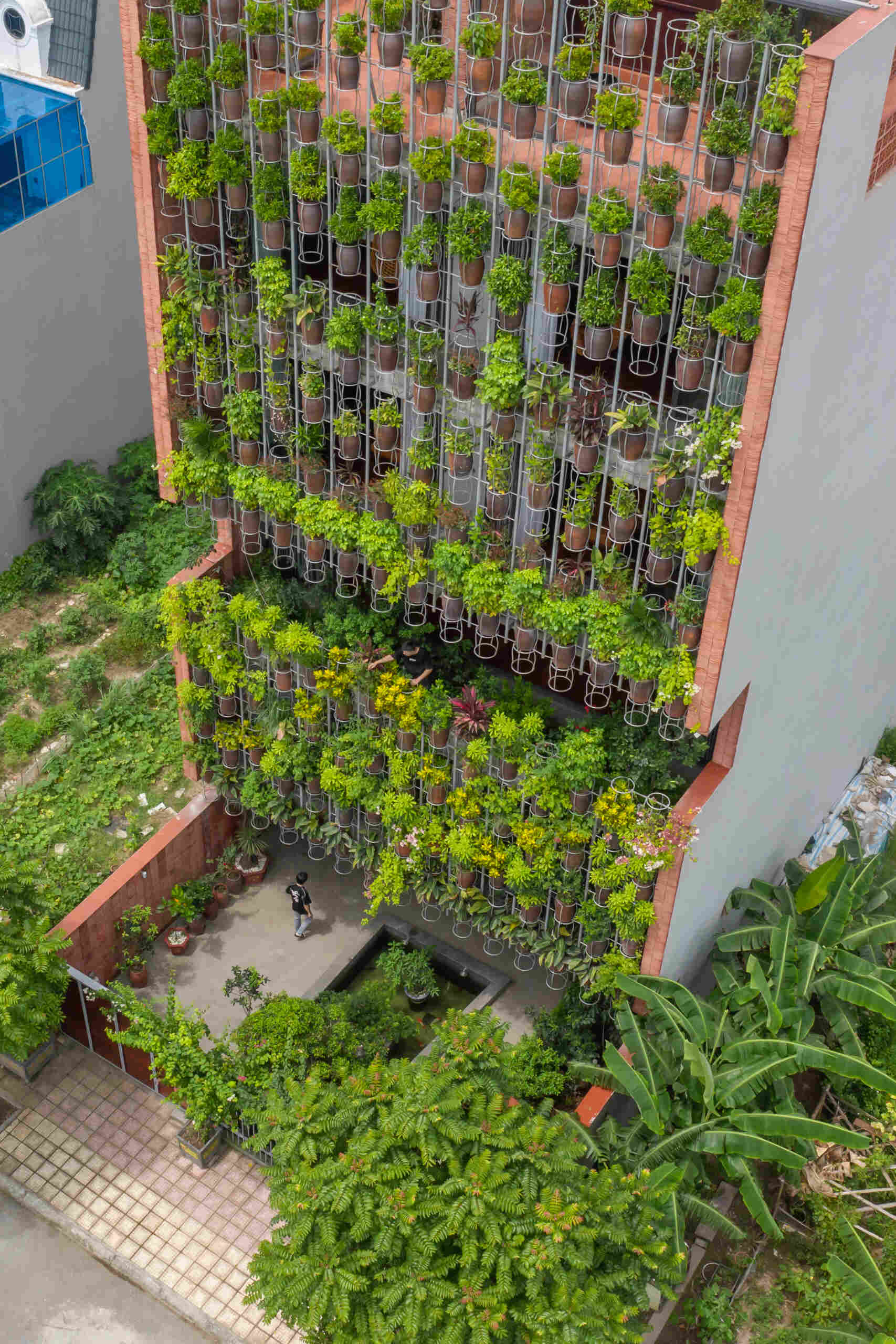
A facade made of hanging ceramic pots creates a vertical garden that filters light, air, and views.

A Cooling Break Within the Structure

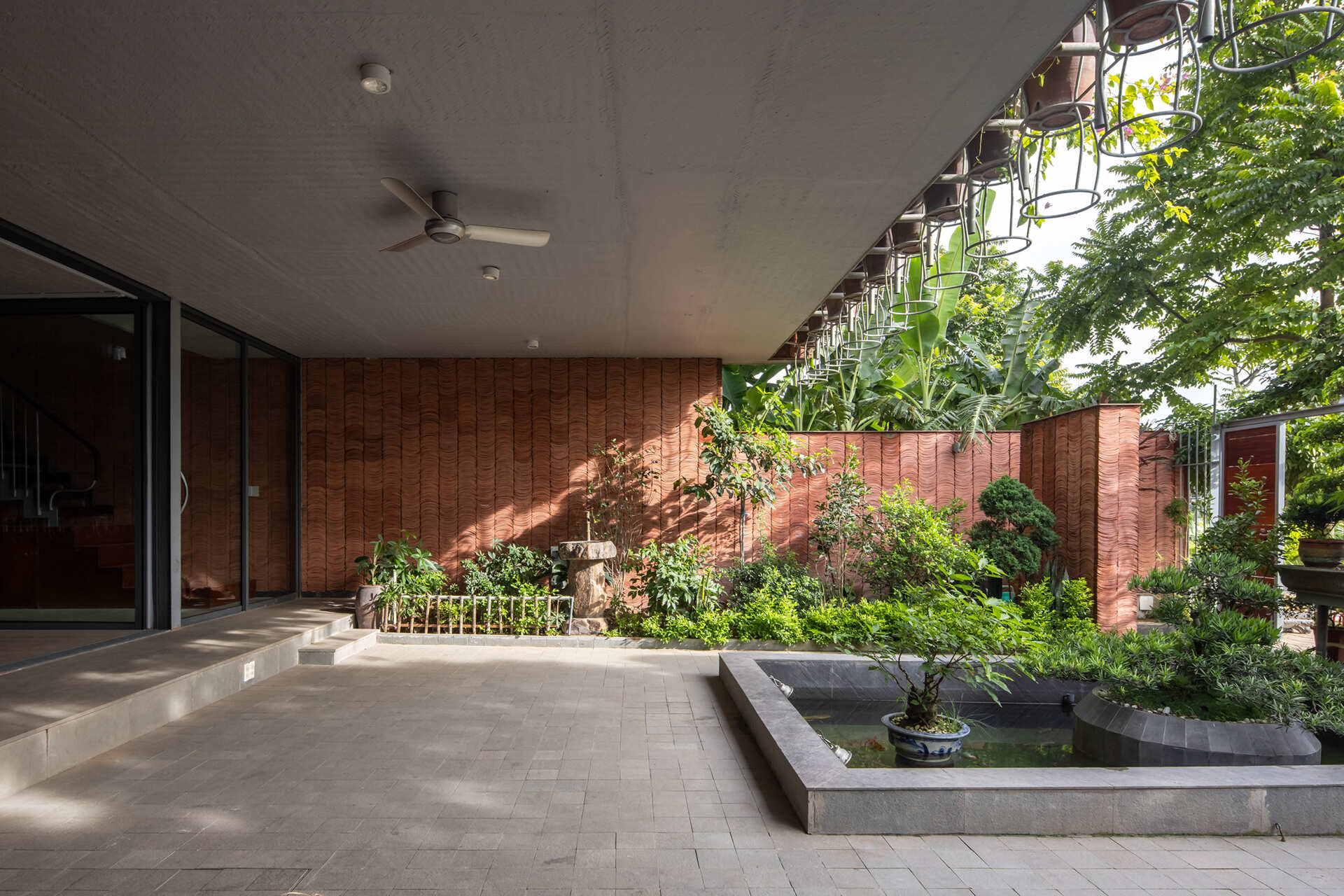
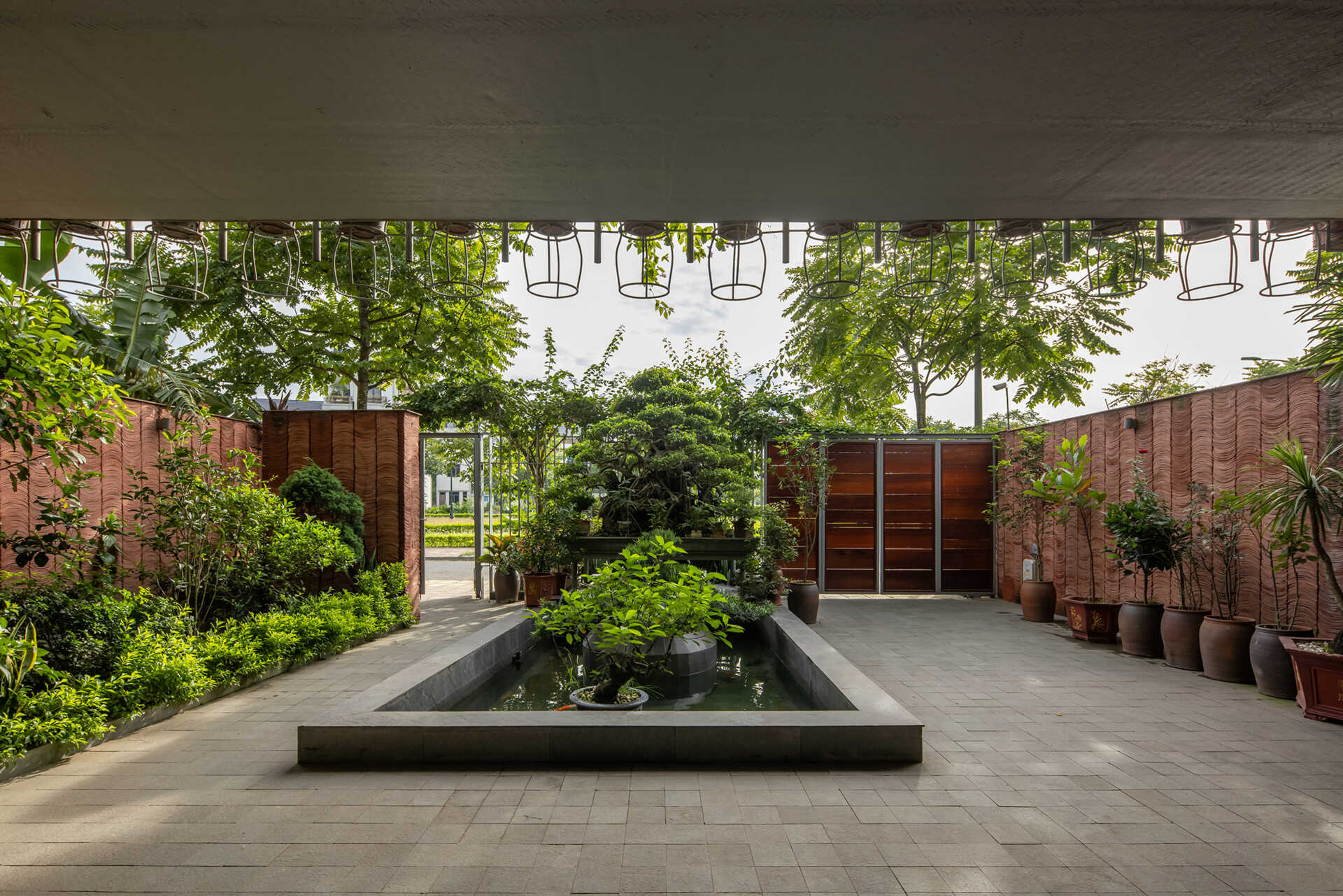
Inside, a courtyard introduces water into the layout. This space acts as a natural cooling point, helping regulate temperature while adding sound and movement. It also strengthens the connection between planting and architecture, reinforcing the idea that the house operates as a small ecosystem.
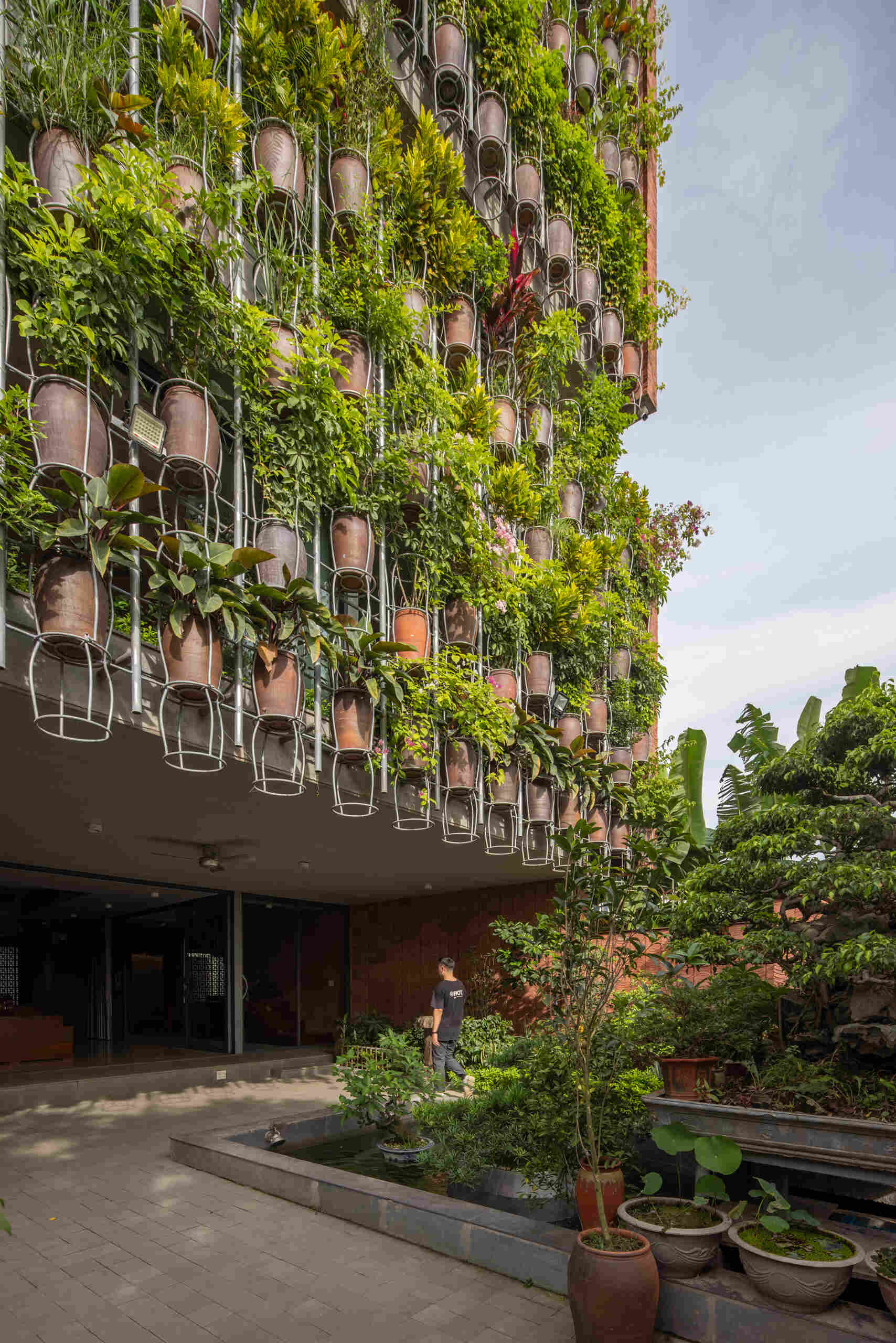
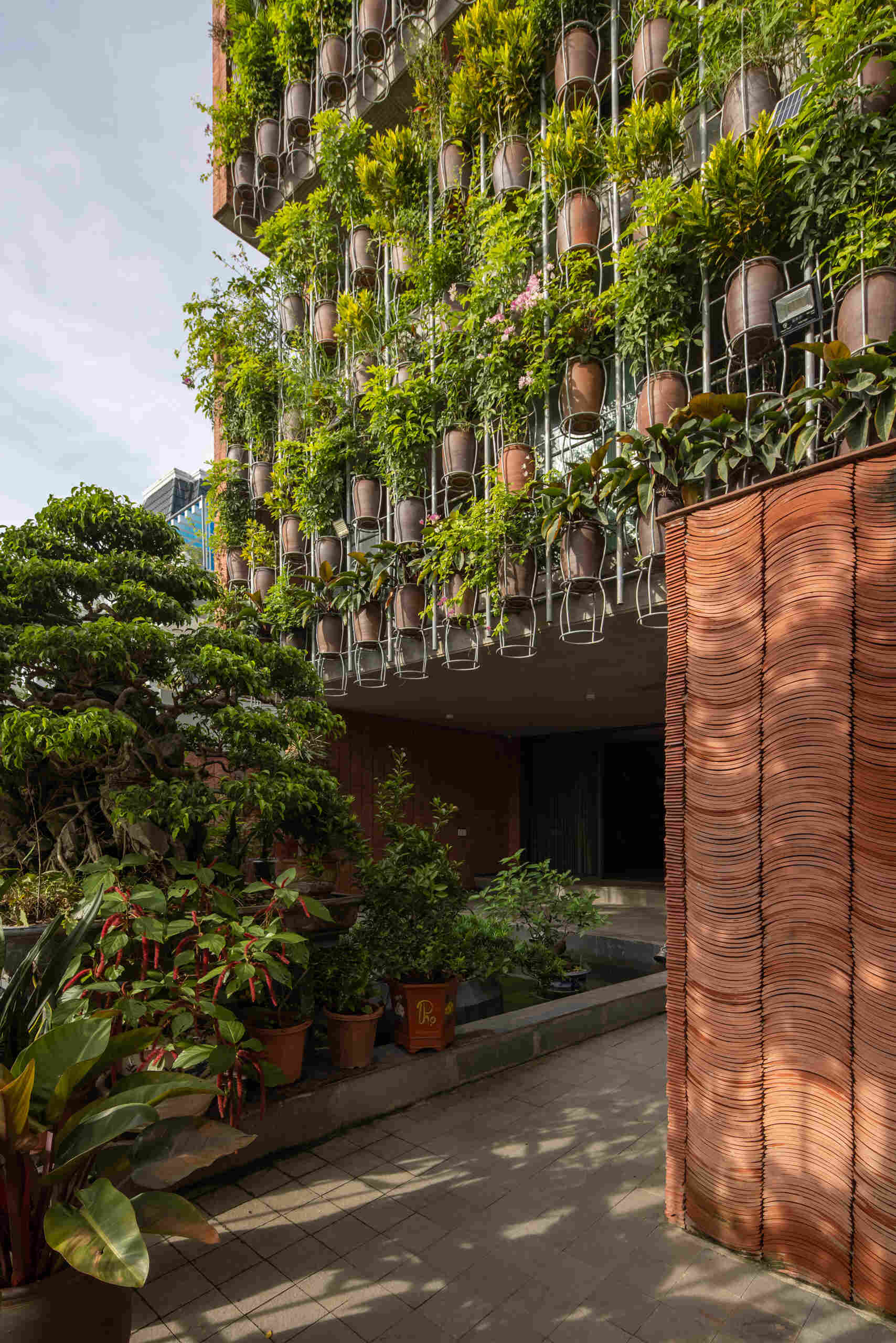
A central courtyard with water introduces cooling and movement into the home’s interior.

Looking Out Through Layers of Green

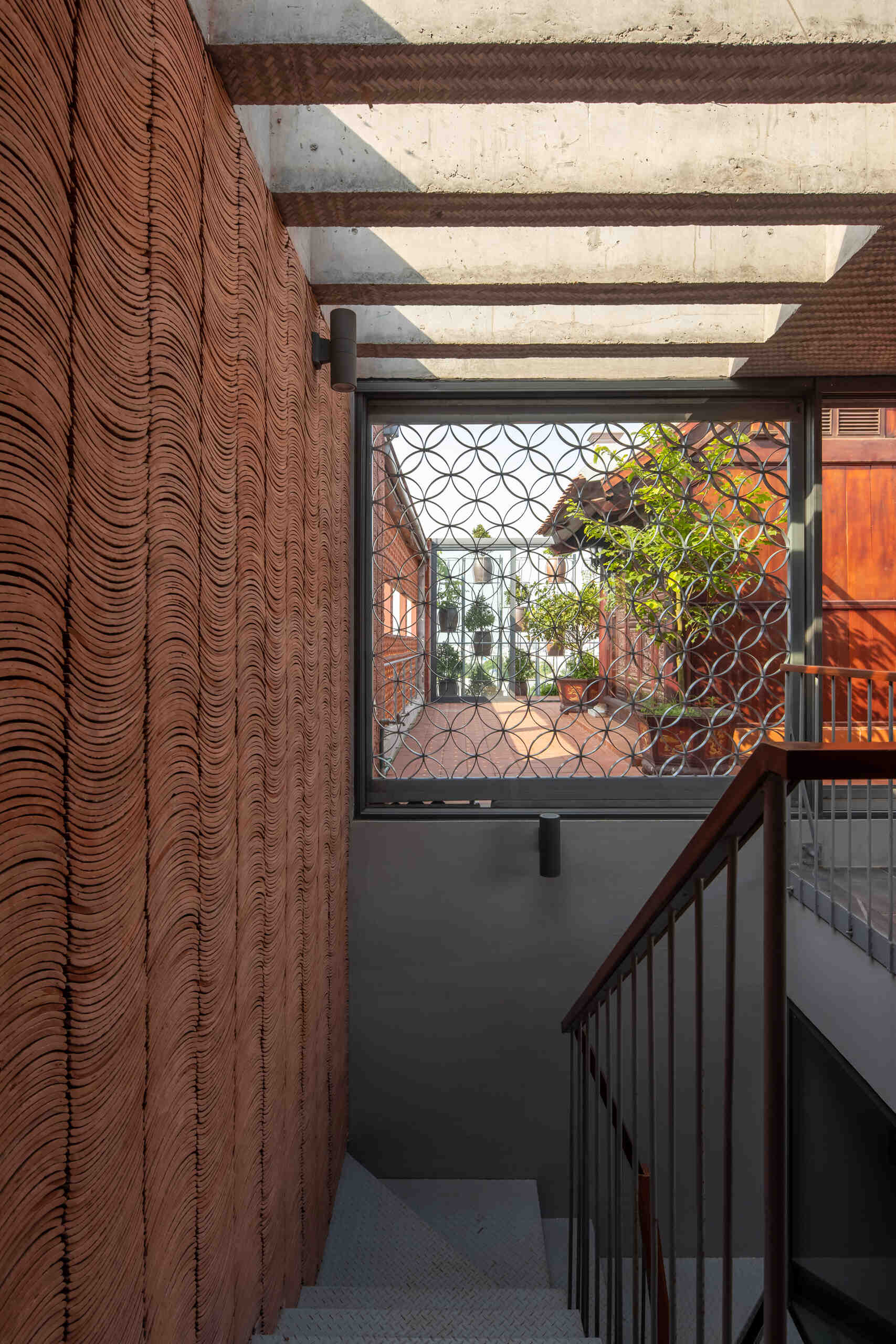
From within the house, the facade becomes a soft filter. Light passes through leaves and ceramic forms, creating shifting patterns throughout the day. The view outward is never static, shaped by growth, weather, and maintenance. This perspective makes the planted system feel less like an exterior feature and more like part of the interior experience.
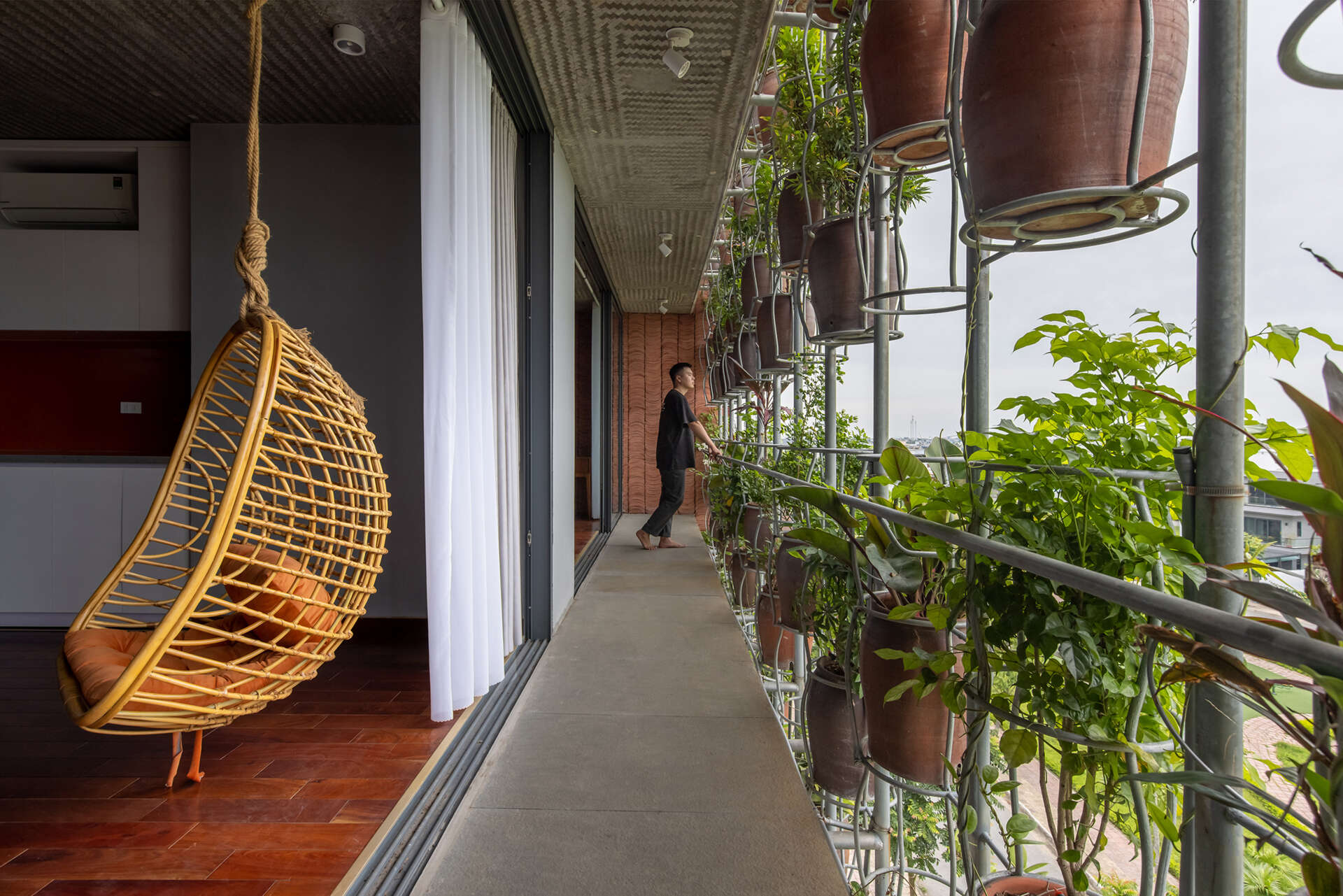
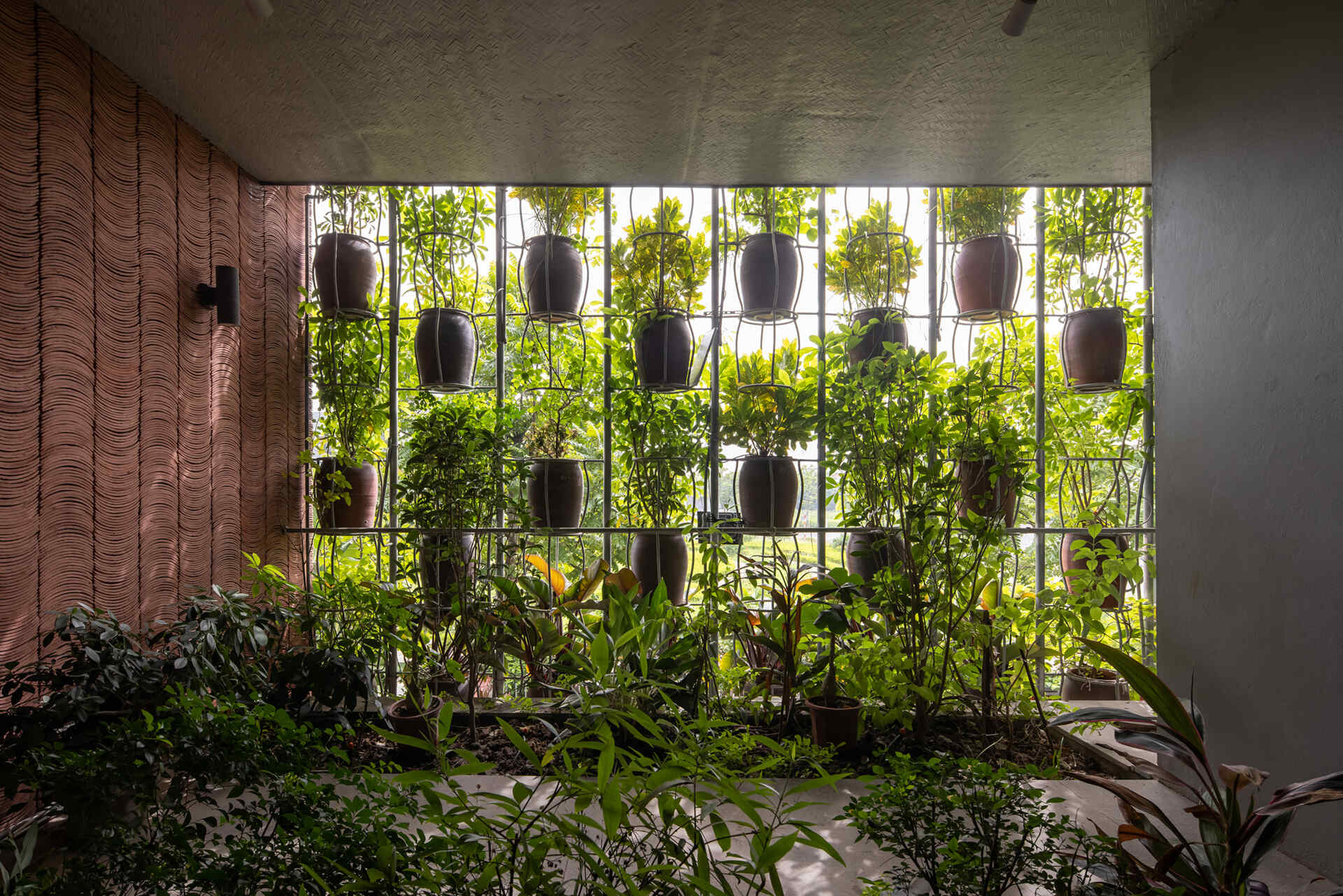
From inside, the planted facade transforms into a soft green filter that changes throughout the day.

Warm Materials Meet Raw Structure

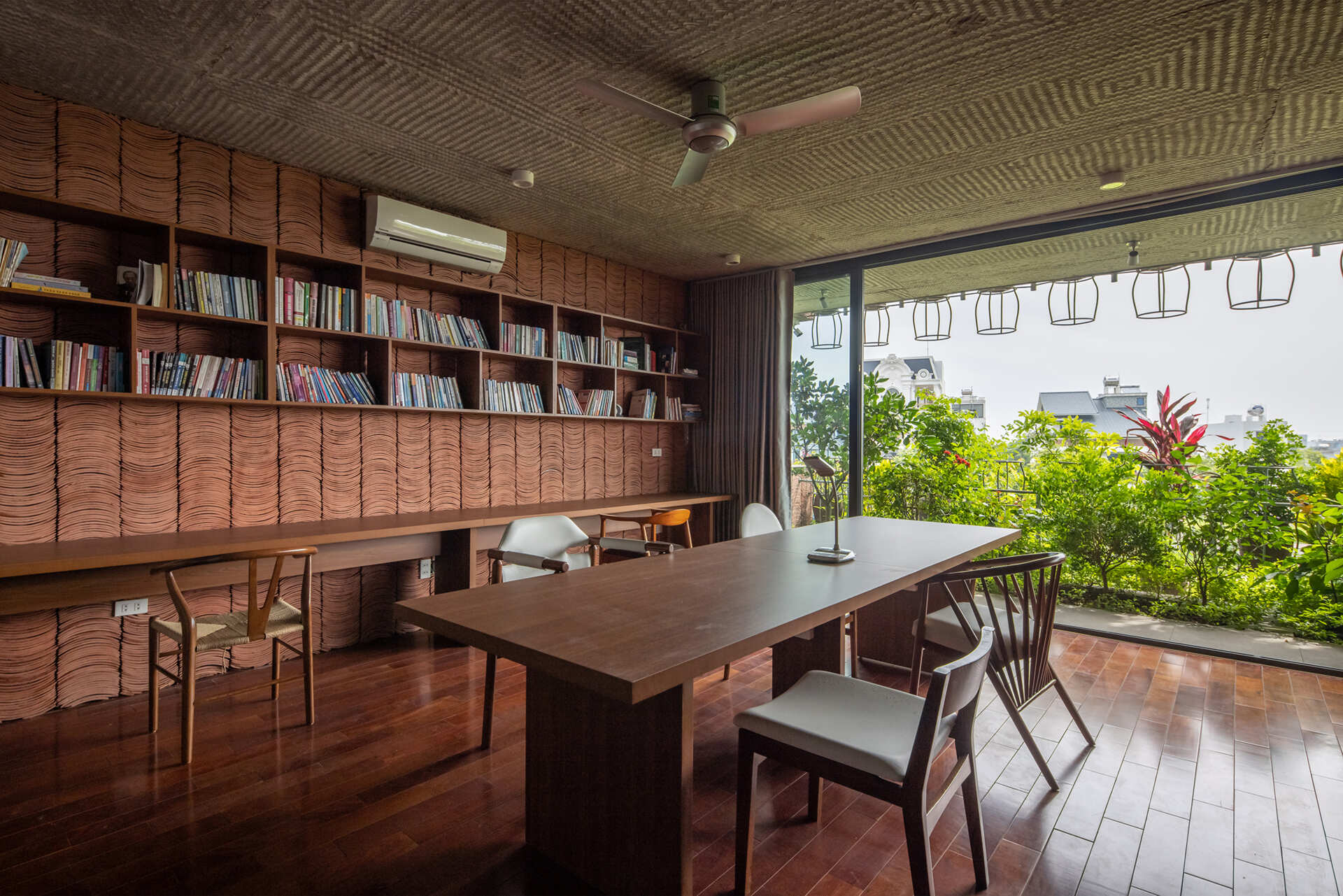
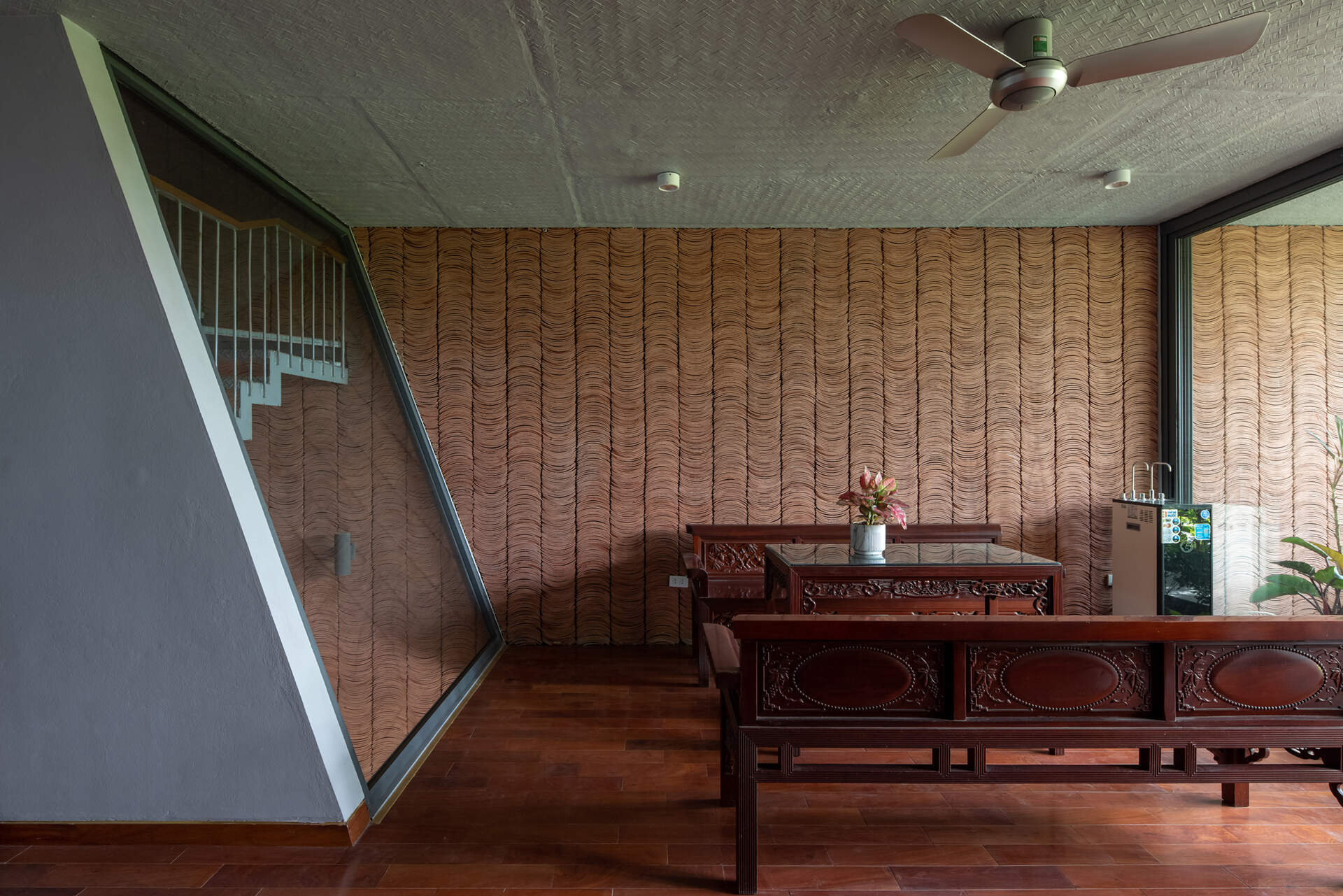
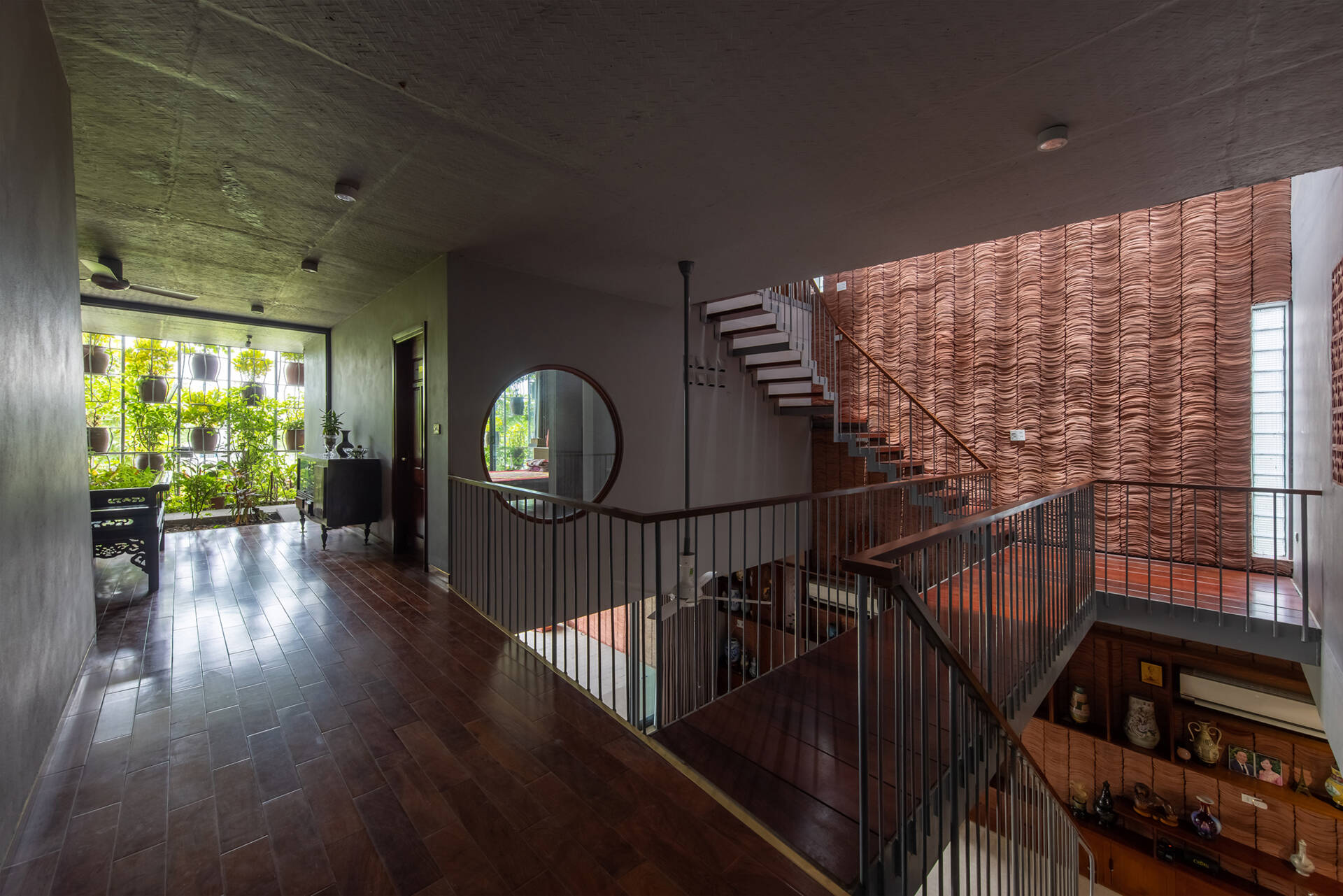
Inside, the palette is simple. Concrete surfaces are paired with wood furniture, creating a balance between raw and warm finishes. The minimalist furniture contrasts the more expressive elements of the house.

Spaces are left open and adaptable, allowing residents to move easily between living, planting, and shared activities.
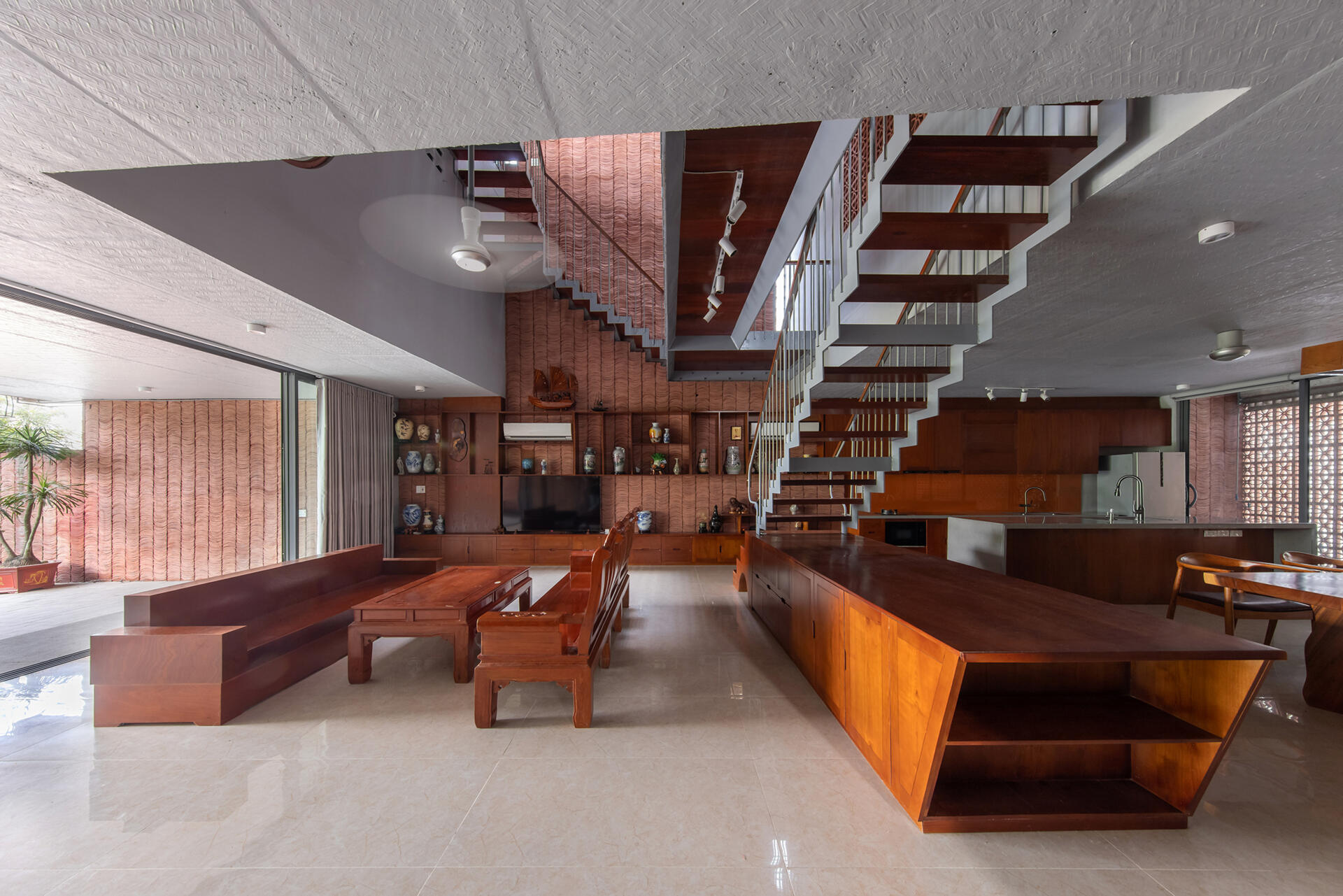
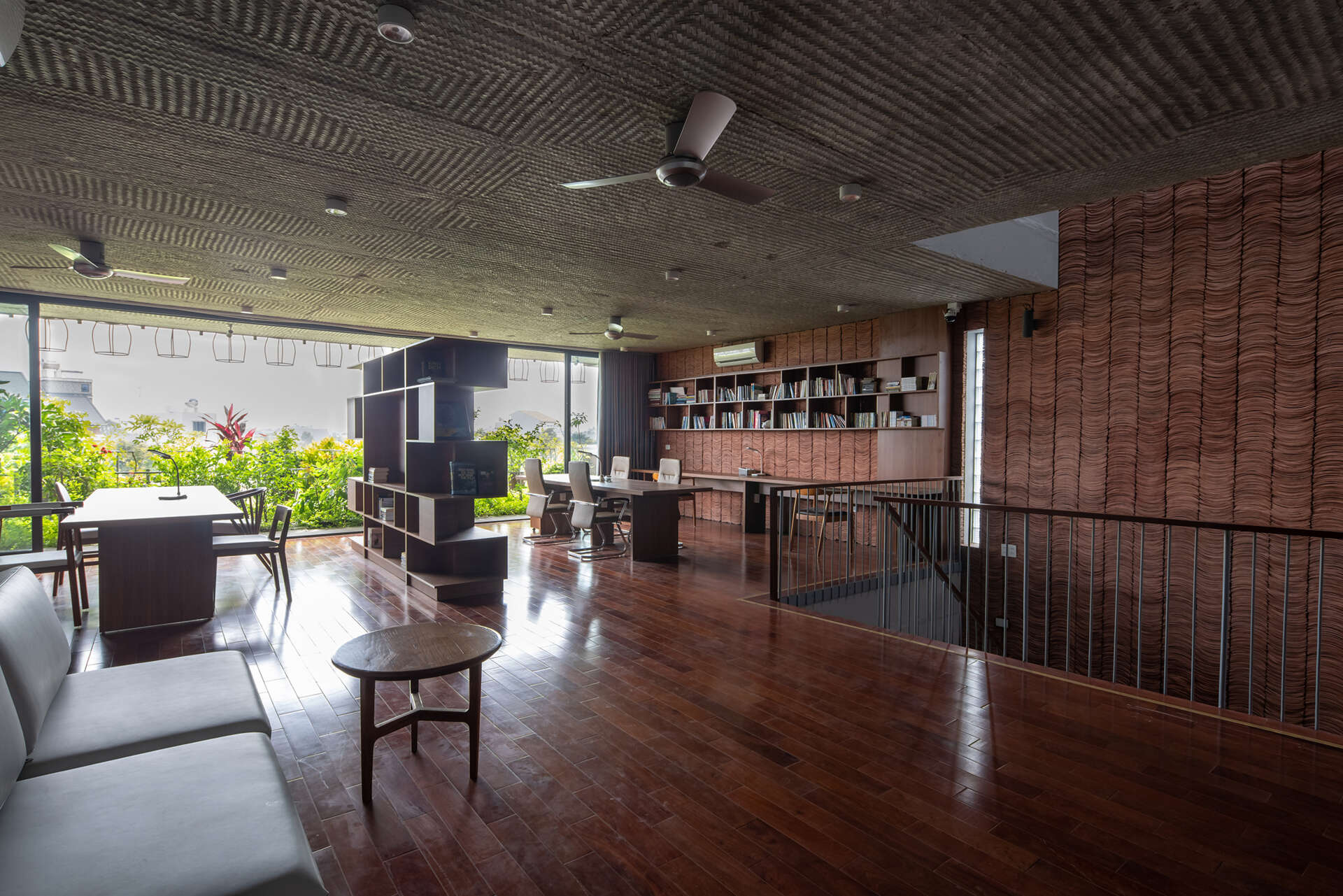
Concrete interiors are balanced with wood furniture, creating simple and adaptable living areas.

Traditional Materials in a New Role

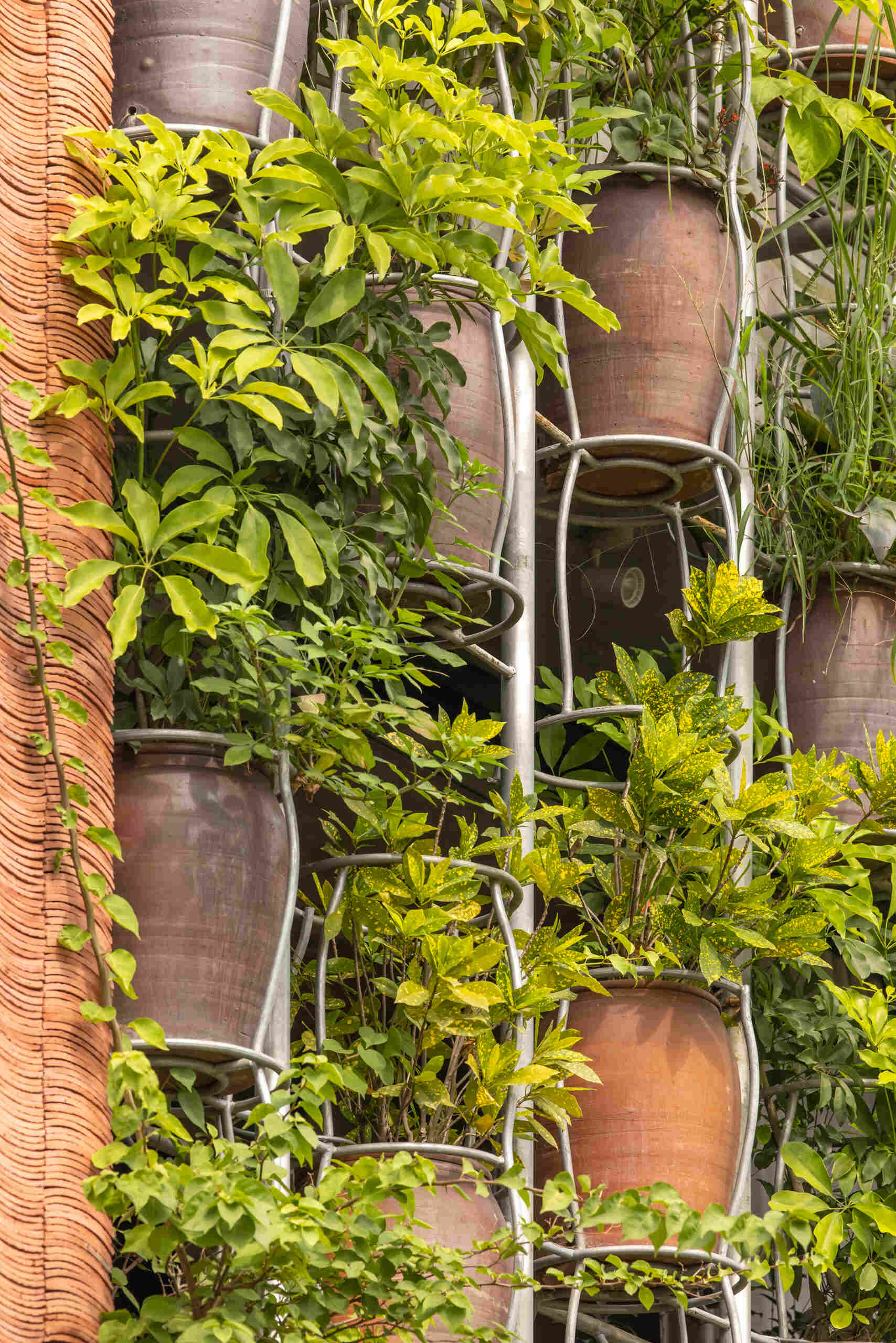
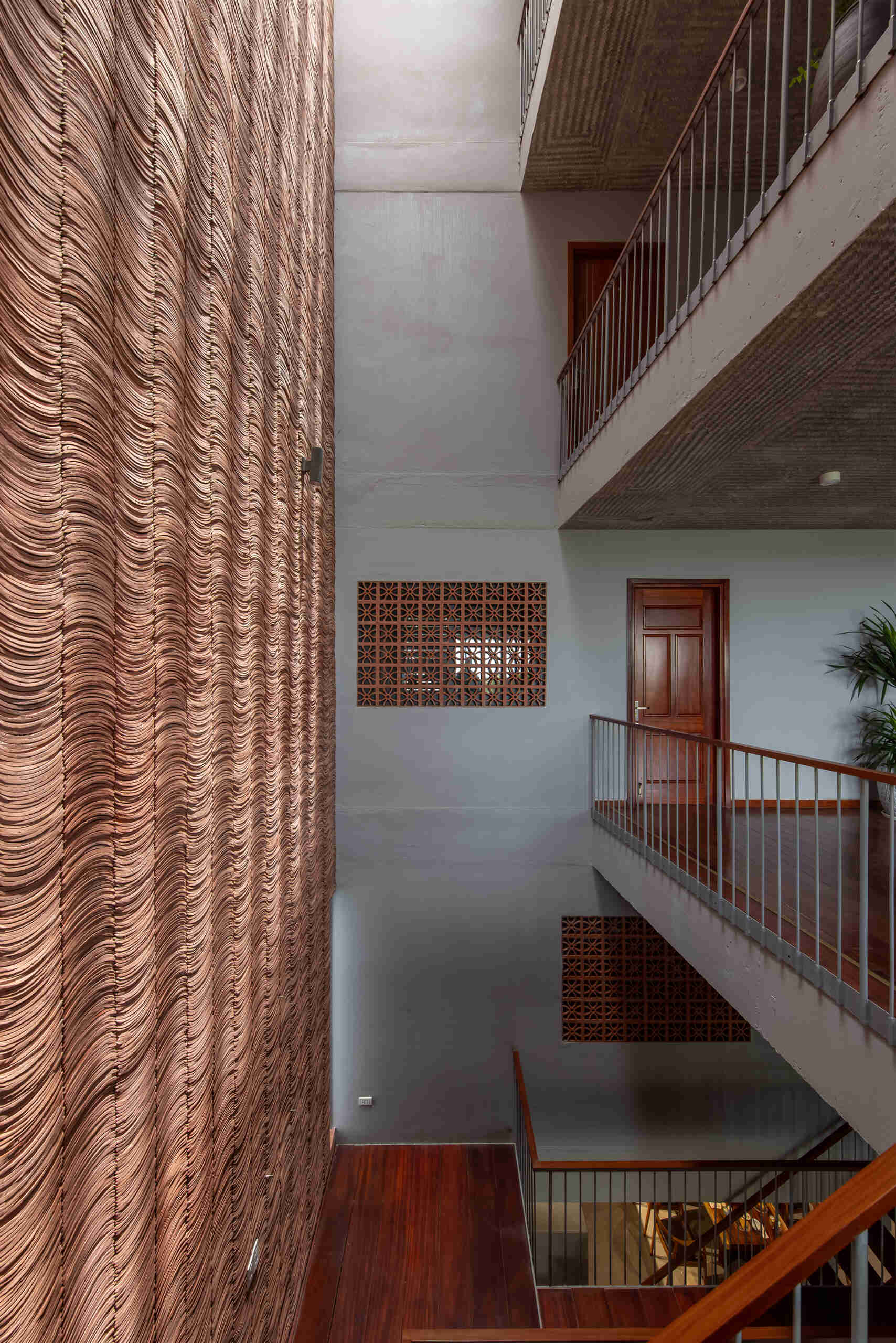
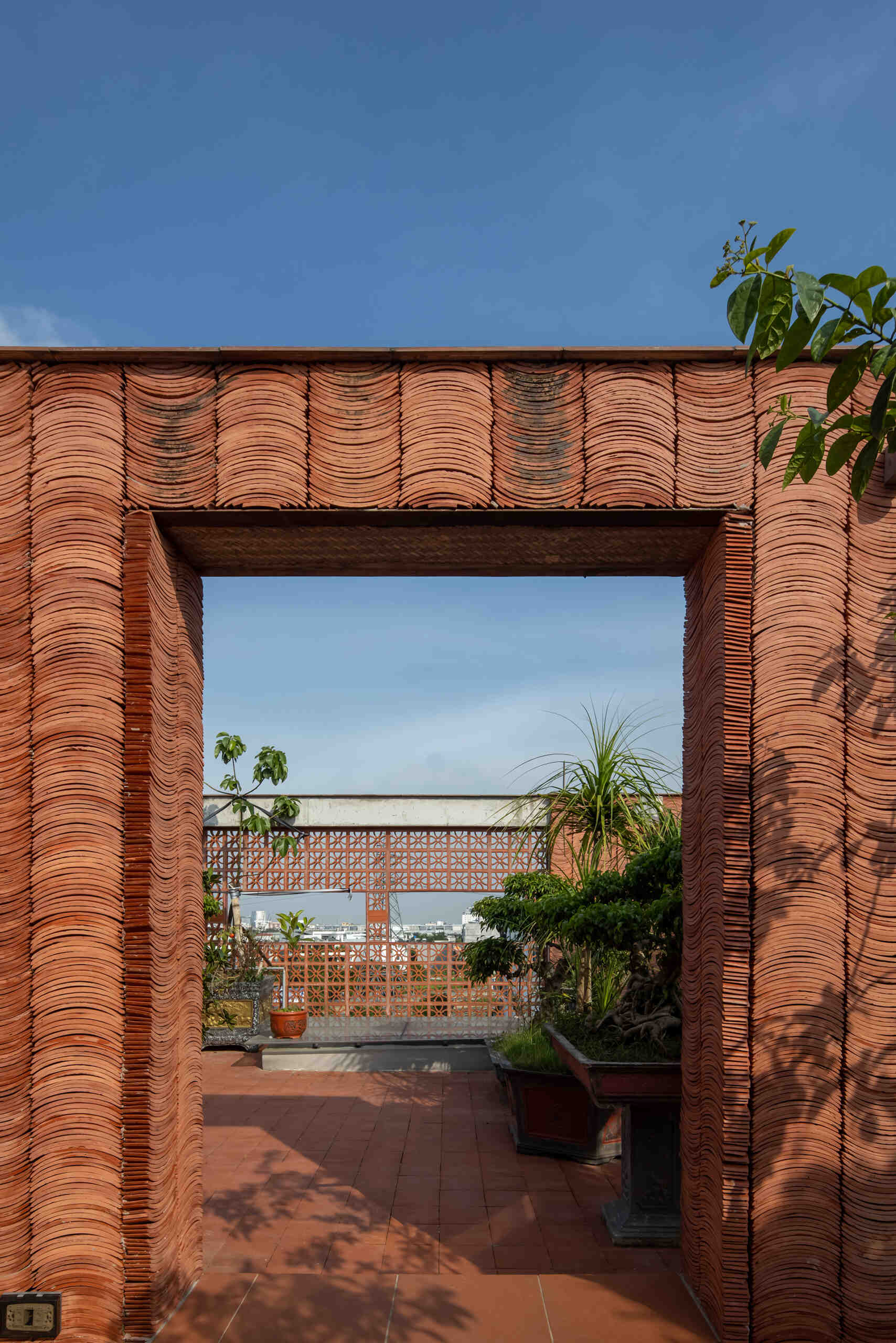
Yin yang tiles are used as a key material, linking the house to familiar construction techniques. Alongside ceramic jars, they highlight the importance of soil-based materials in both building and planting. These elements connect the project to broader cultural traditions while supporting its agricultural function.
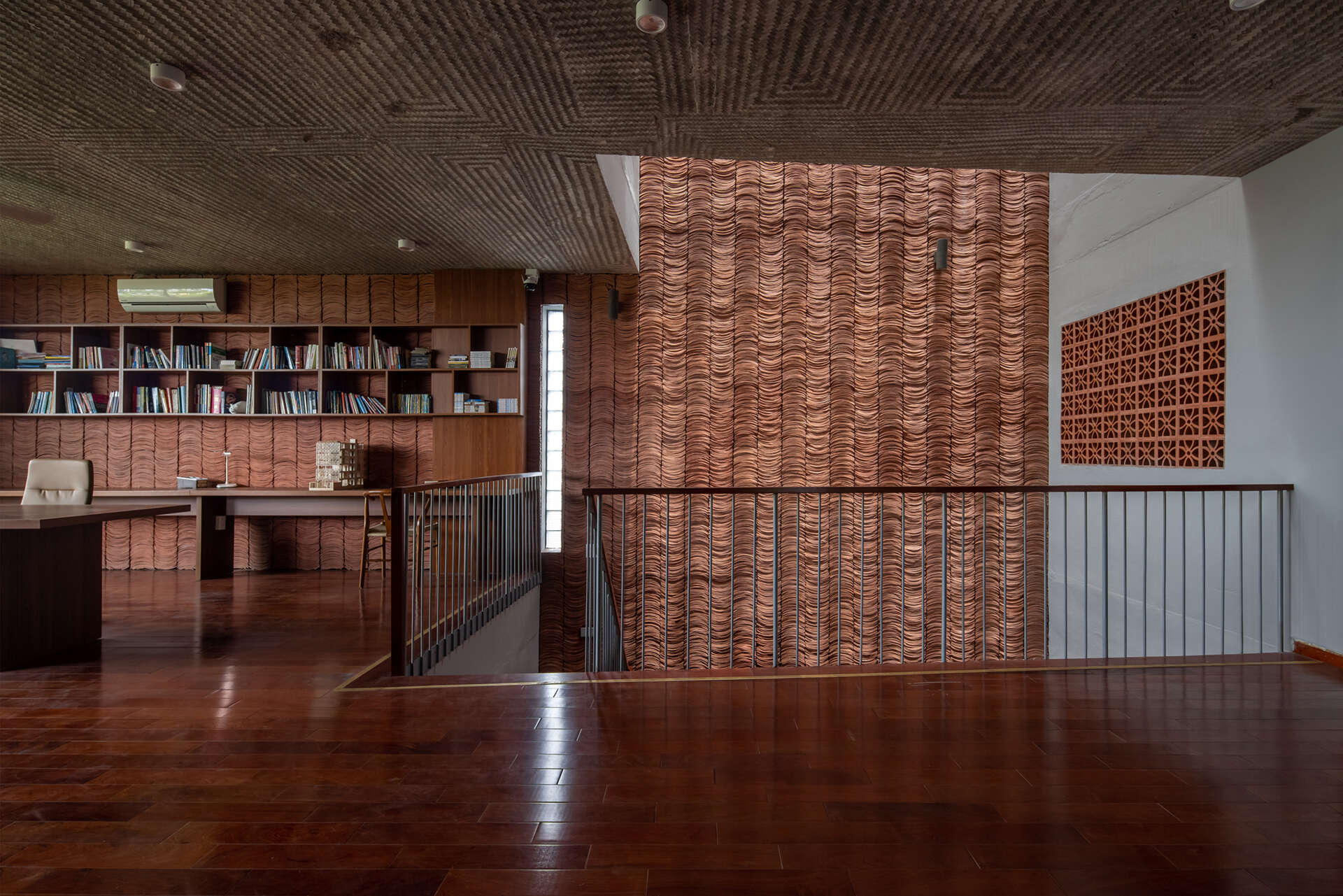
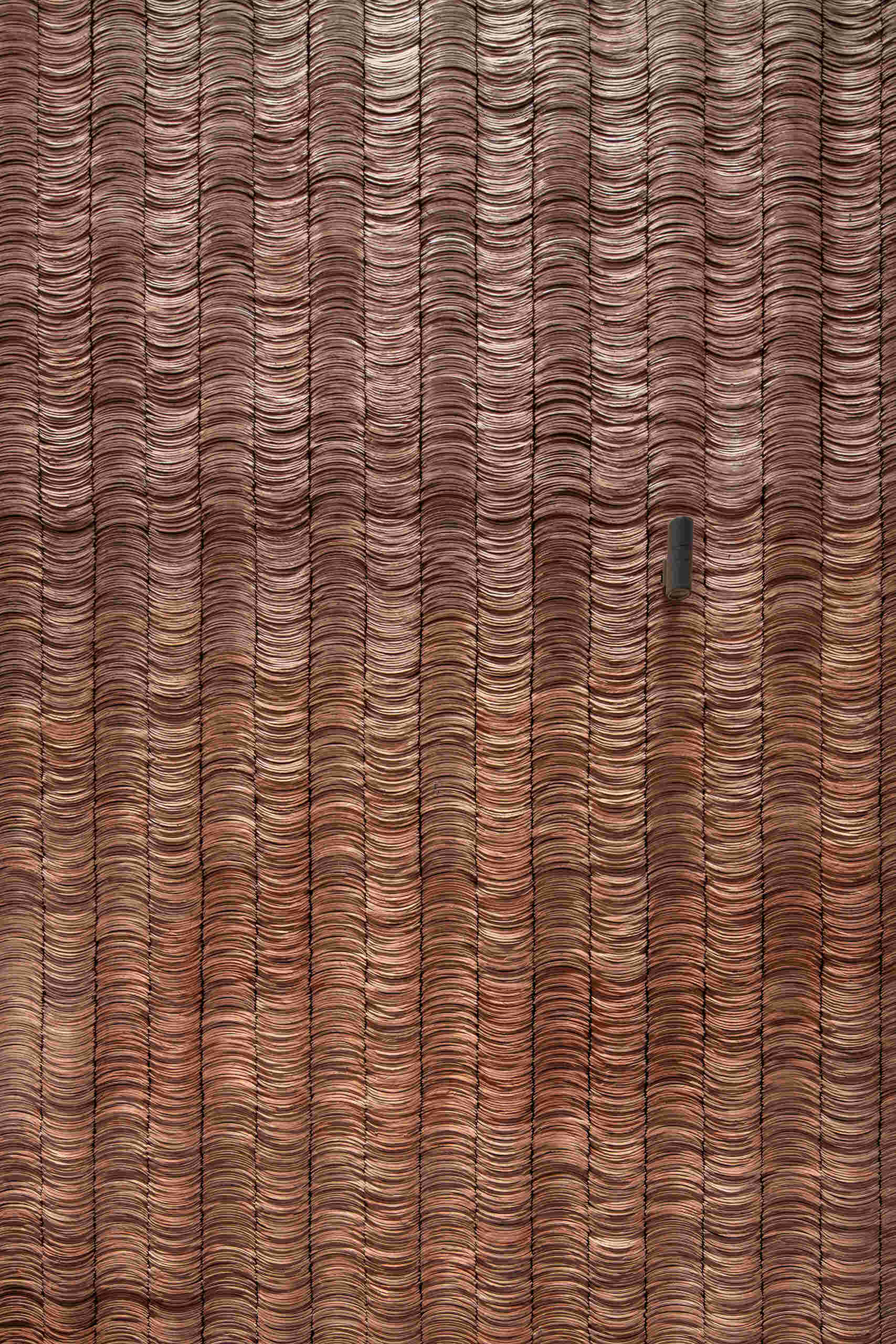
Traditional yin yang tiles and ceramic materials link the house to familiar building techniques.

Vertical Movement Through Light and Greenery

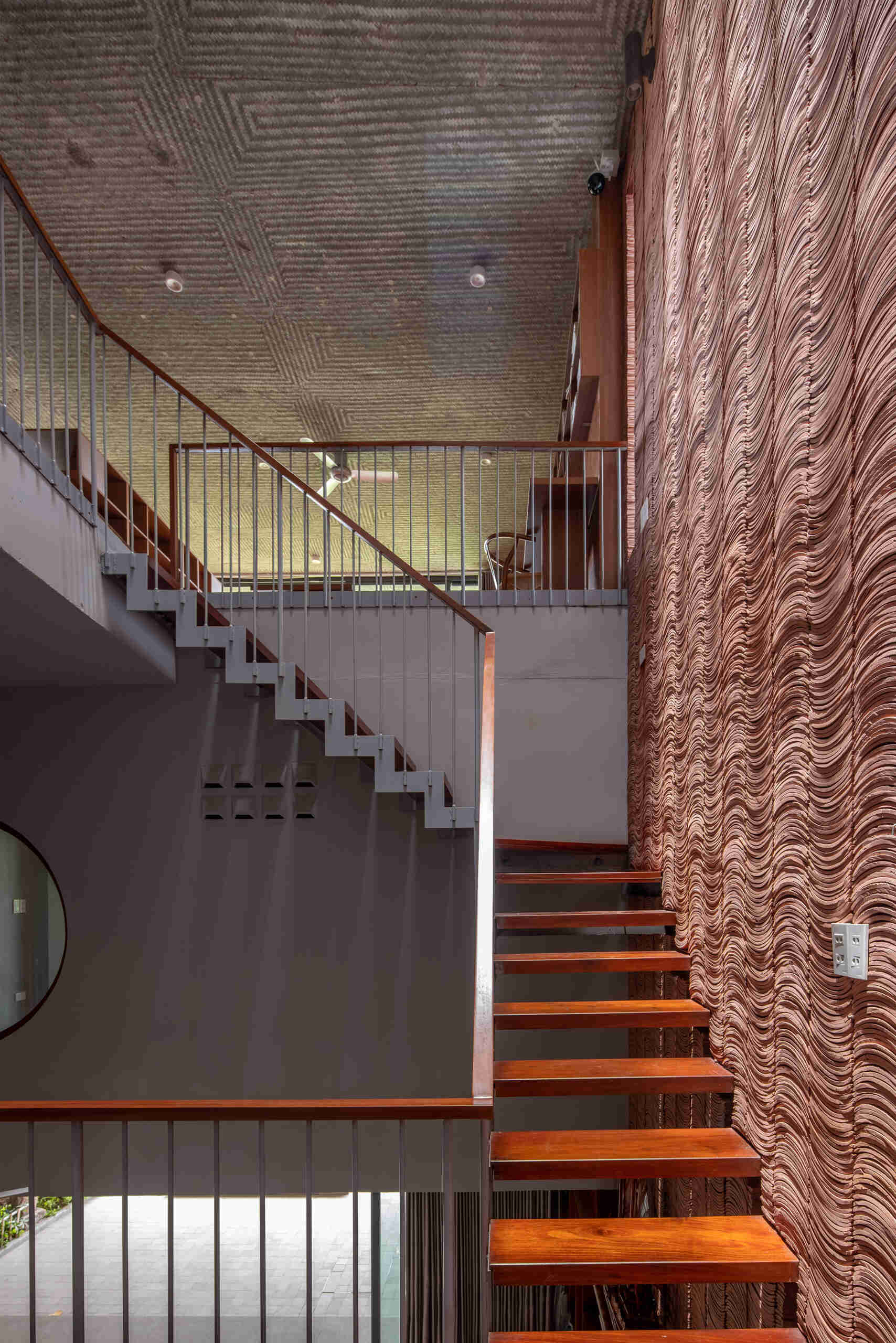
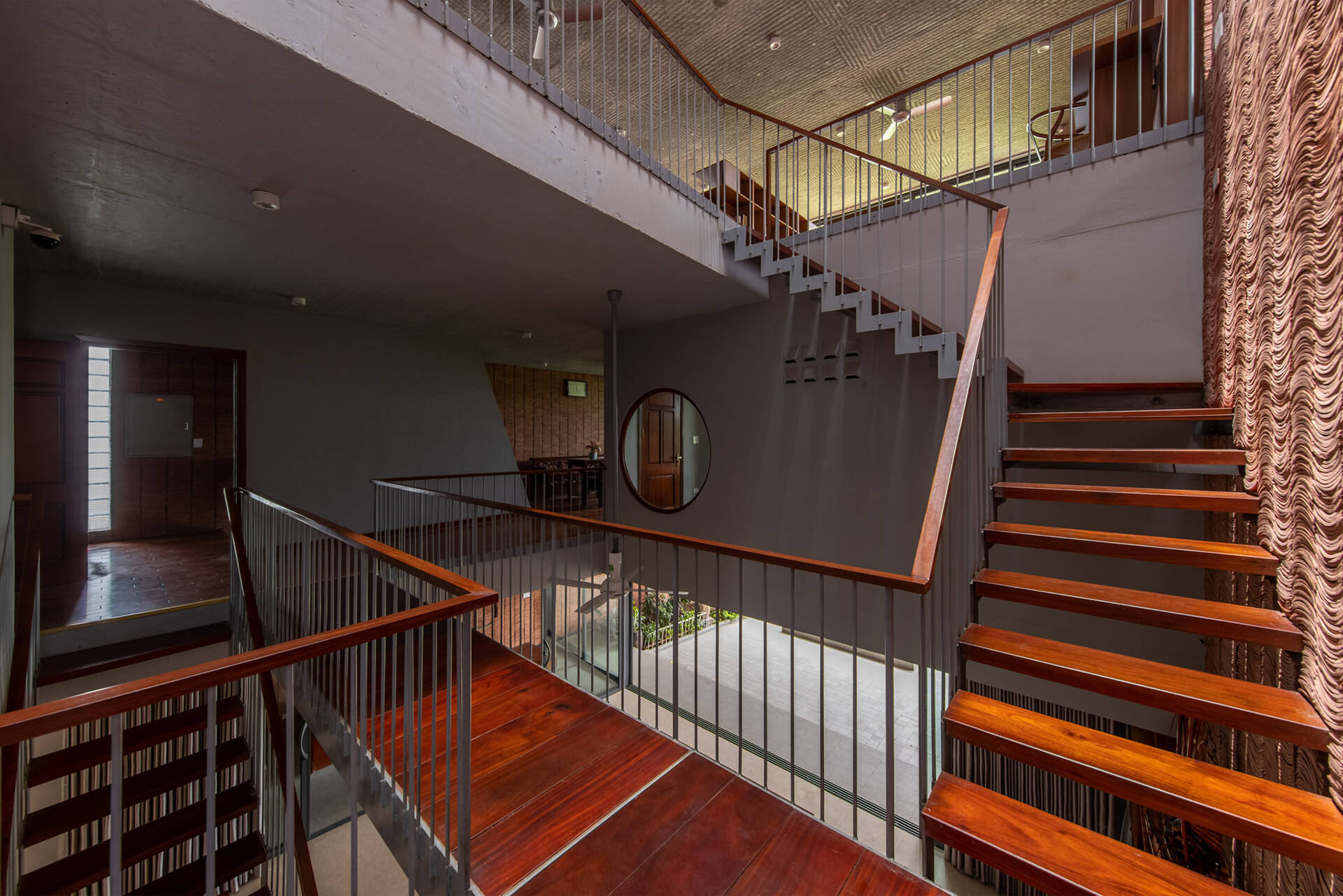
The staircase ties the levels together, offering changing views of the planted facade as you move upward. Light filters in from different angles, making each transition feel slightly different from the last.
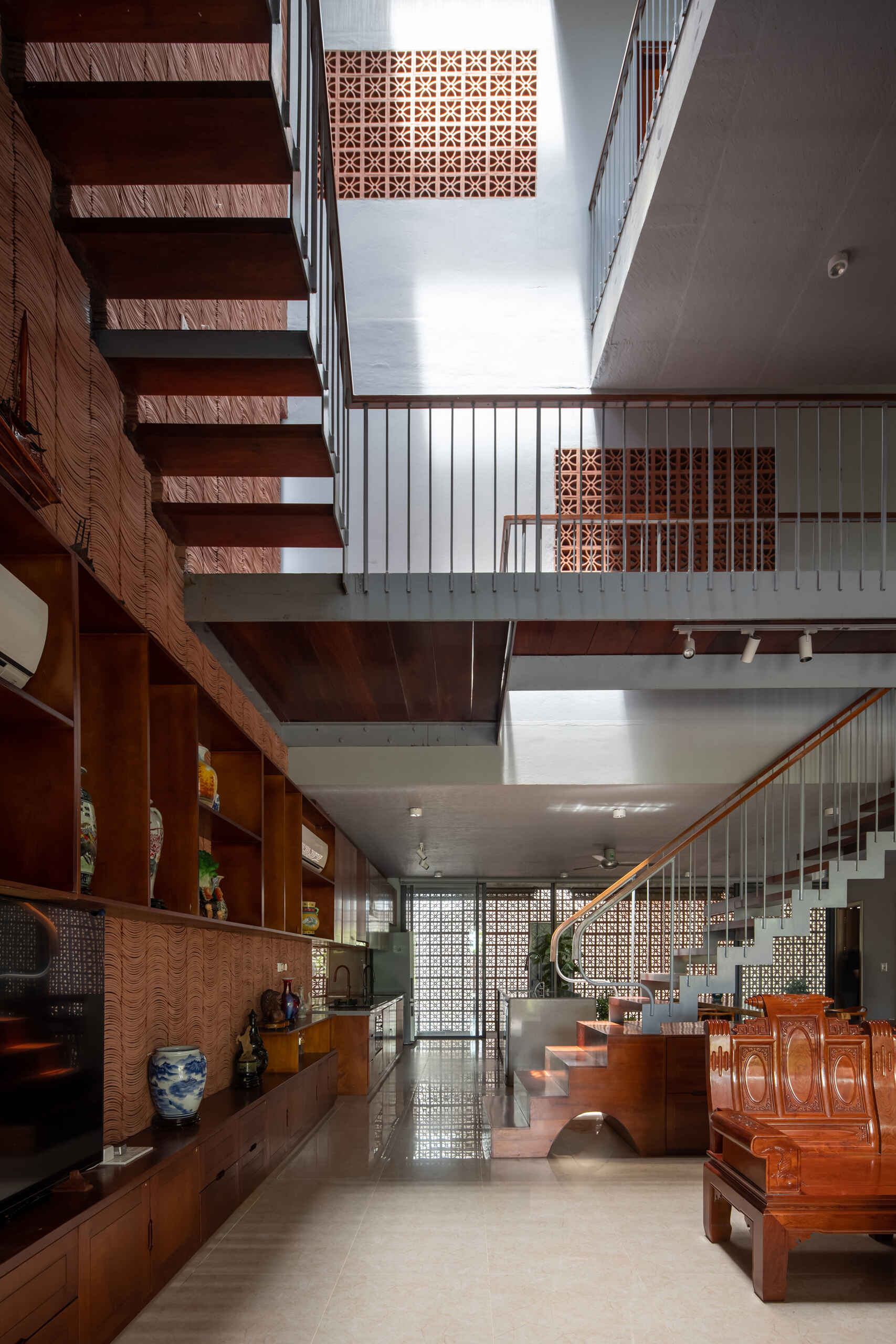
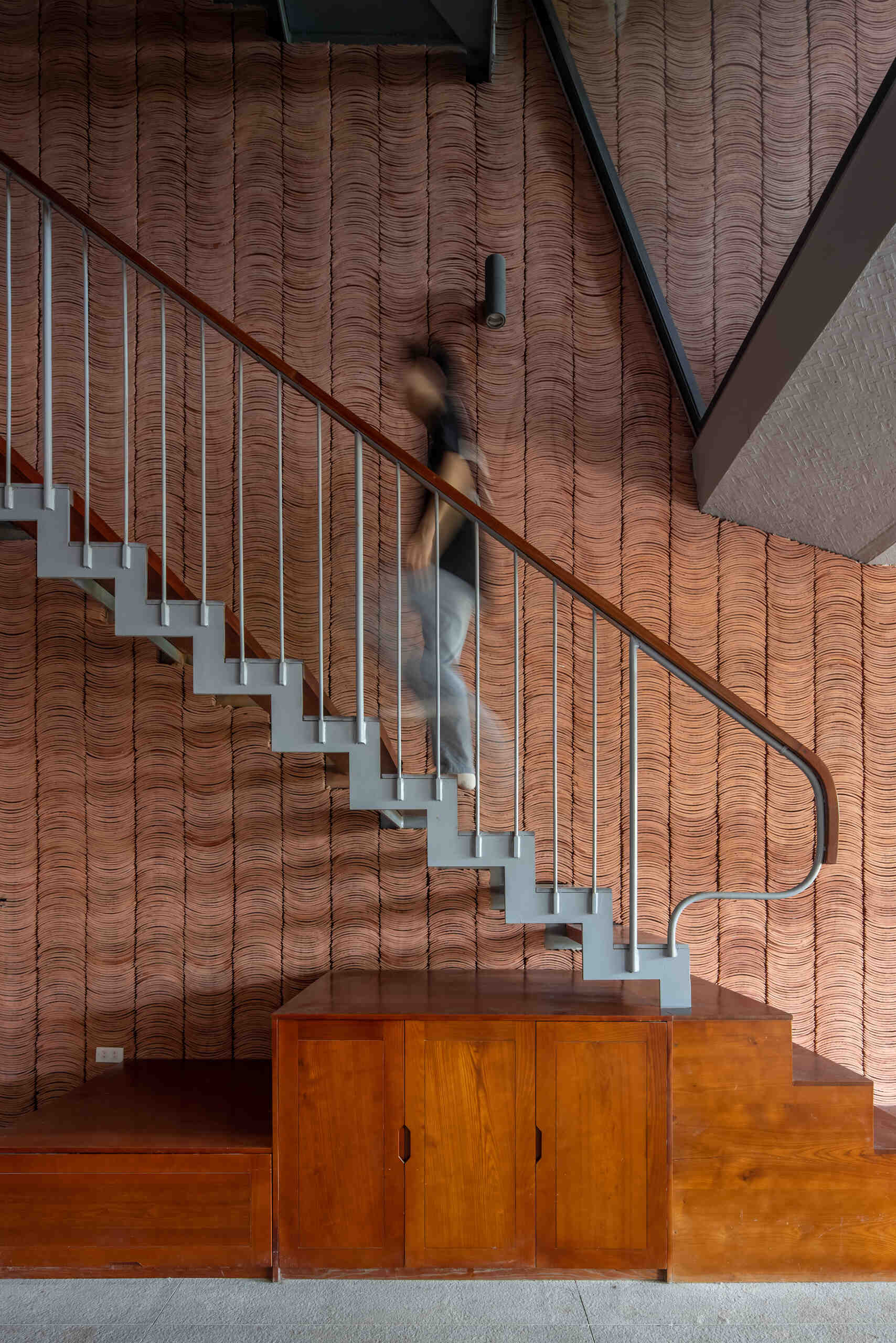
The staircase offers changing views of greenery and light as it connects each level.

Private Spaces Within a Shared Framework

Bedrooms are designed for simplicity and comfort, with direct access to bathrooms. Even in these more private areas, the presence of plants and filtered light remains visible, maintaining a consistent atmosphere throughout the house.
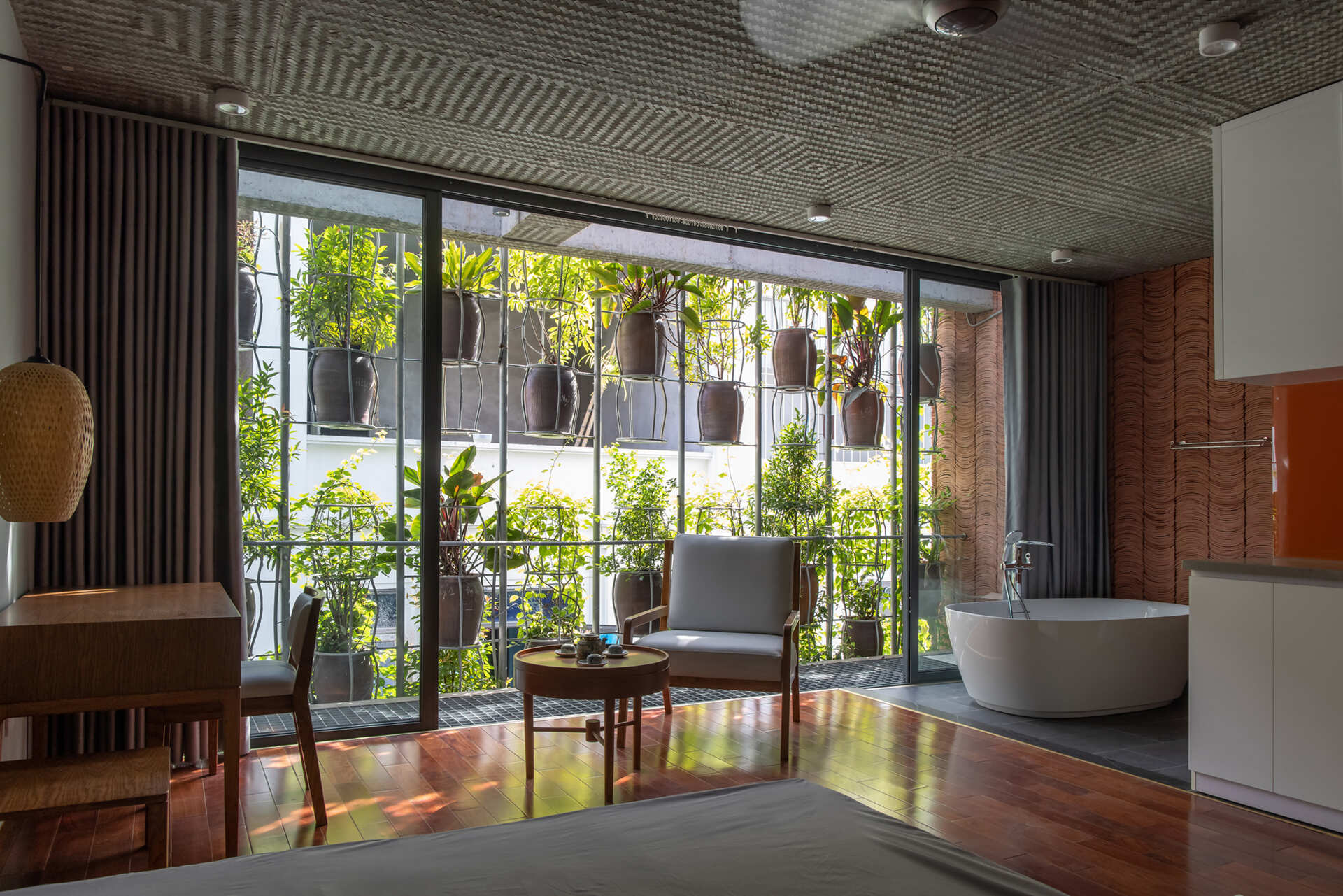
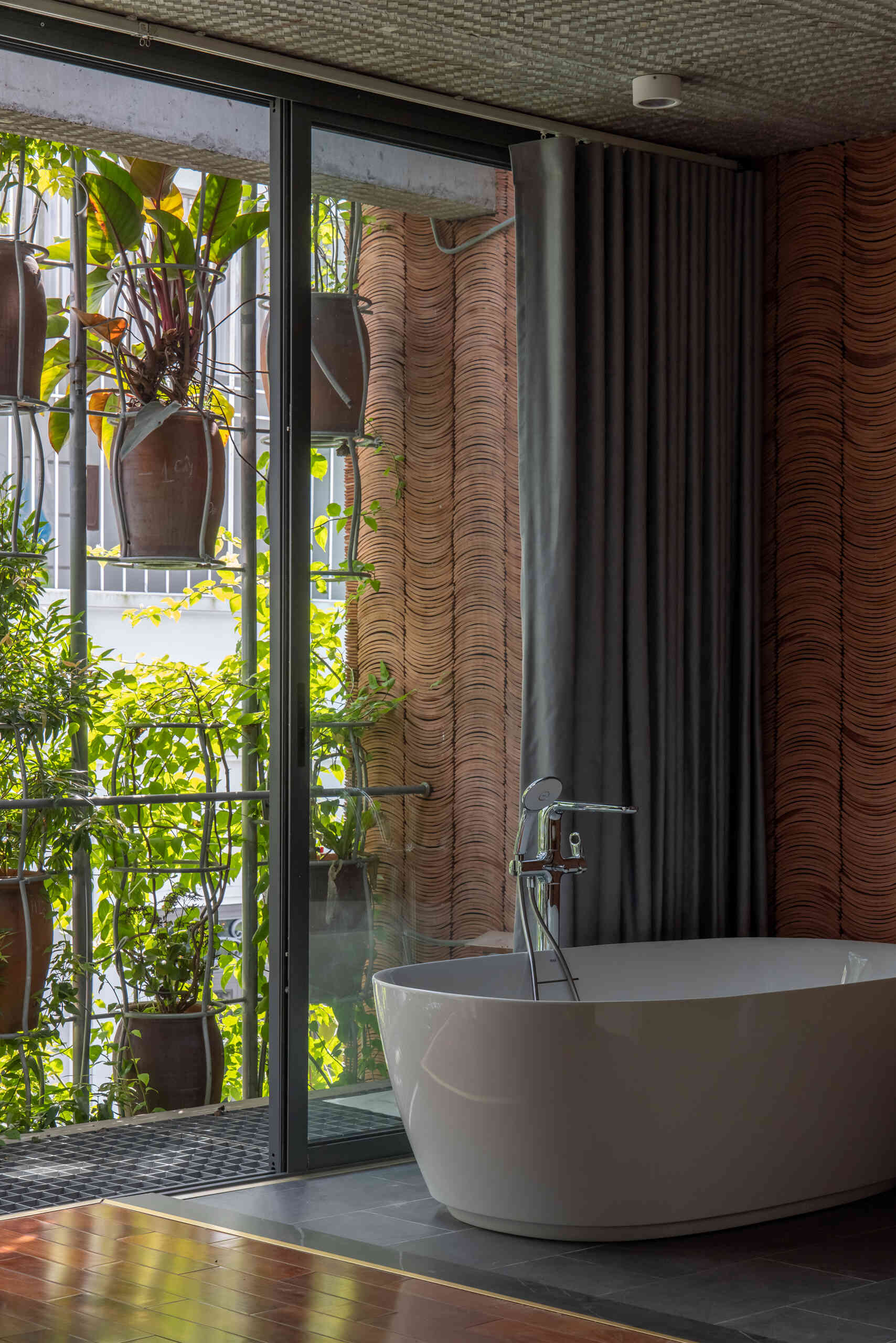
Private rooms maintain a simple material palette while staying visually connected to the planted exterior.

A Shared Space Above the City

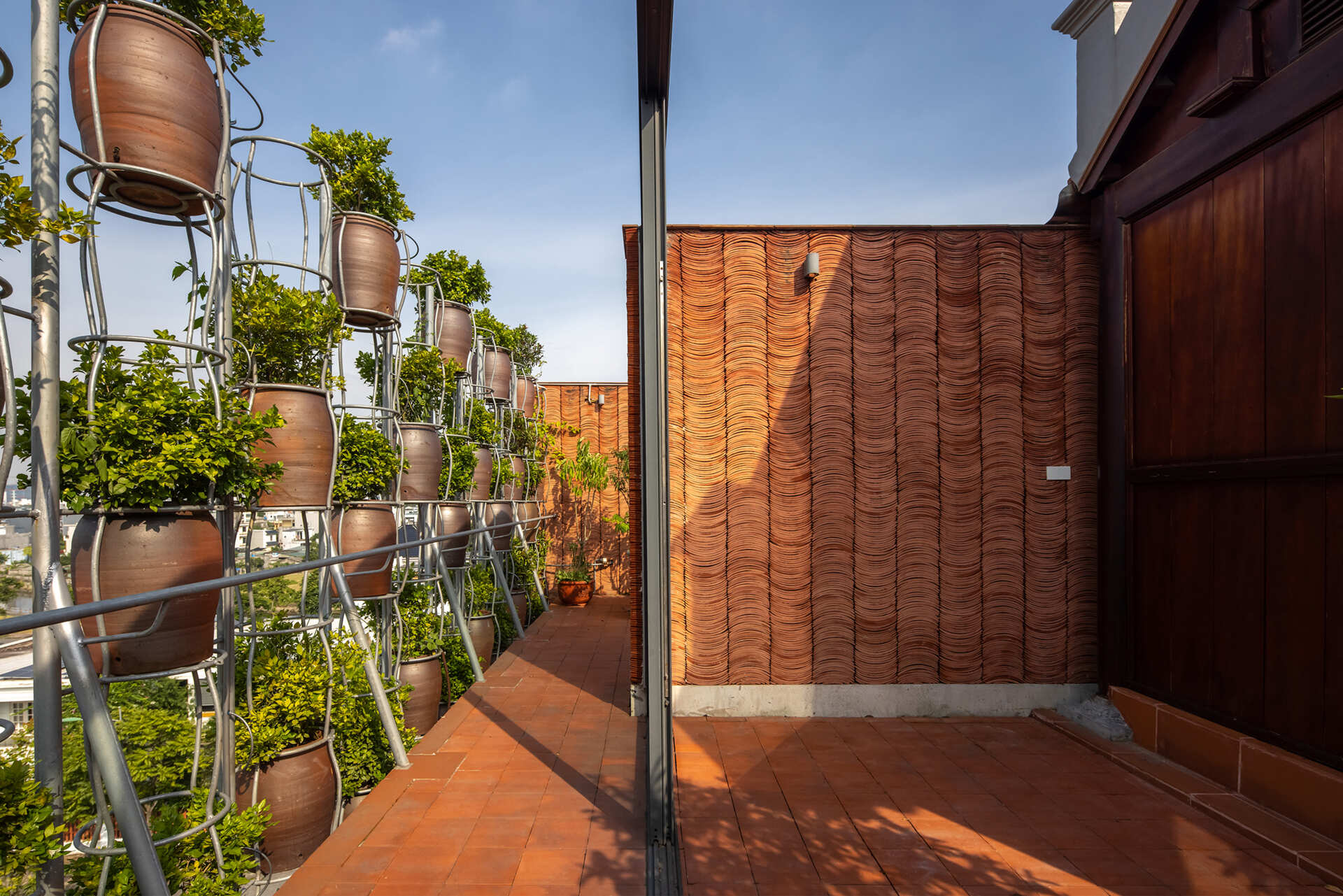
The rooftop extends the idea of shared living. It functions as a meeting area for both residents and tenants, supporting interaction and collective use. Positioned above the planted facade, it offers a different perspective on the house and its surroundings.
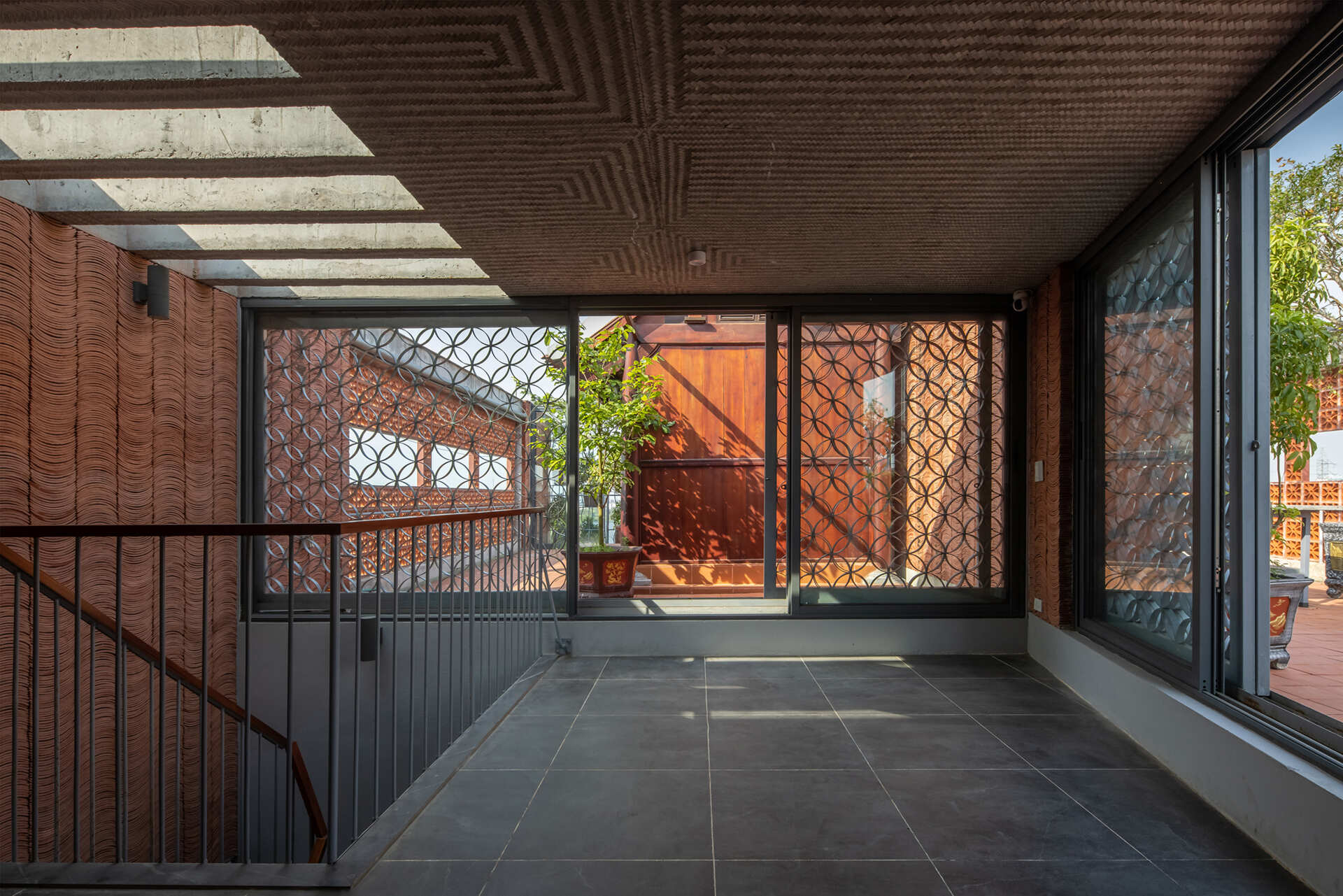
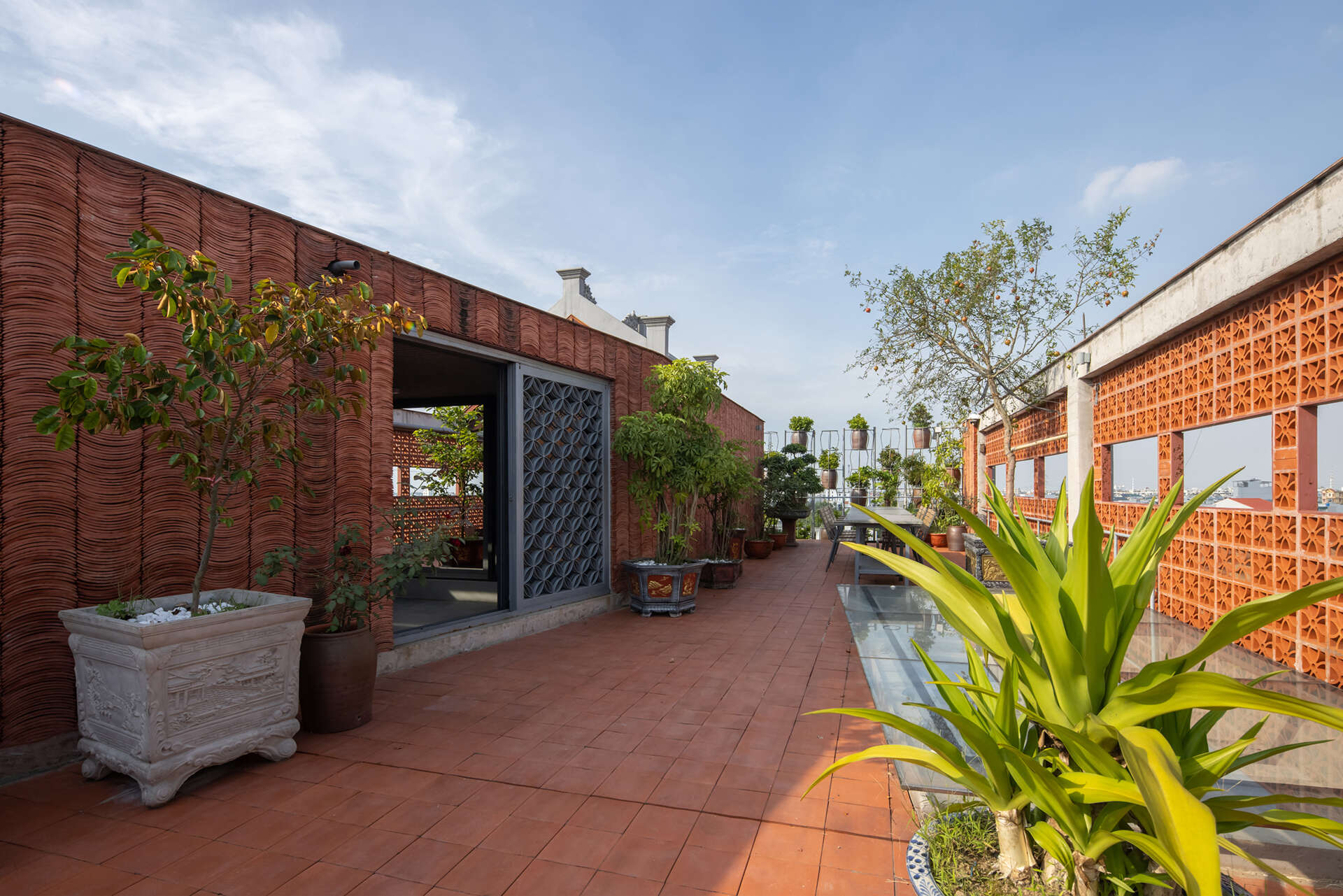
A shared rooftop space provides a place for gathering above the layered facade.

Understanding the System Behind the Design

The drawings reveal how the planting system, structure, and layout work together. They show the modular logic behind the facade and the way each level is organized to support both living and growing.
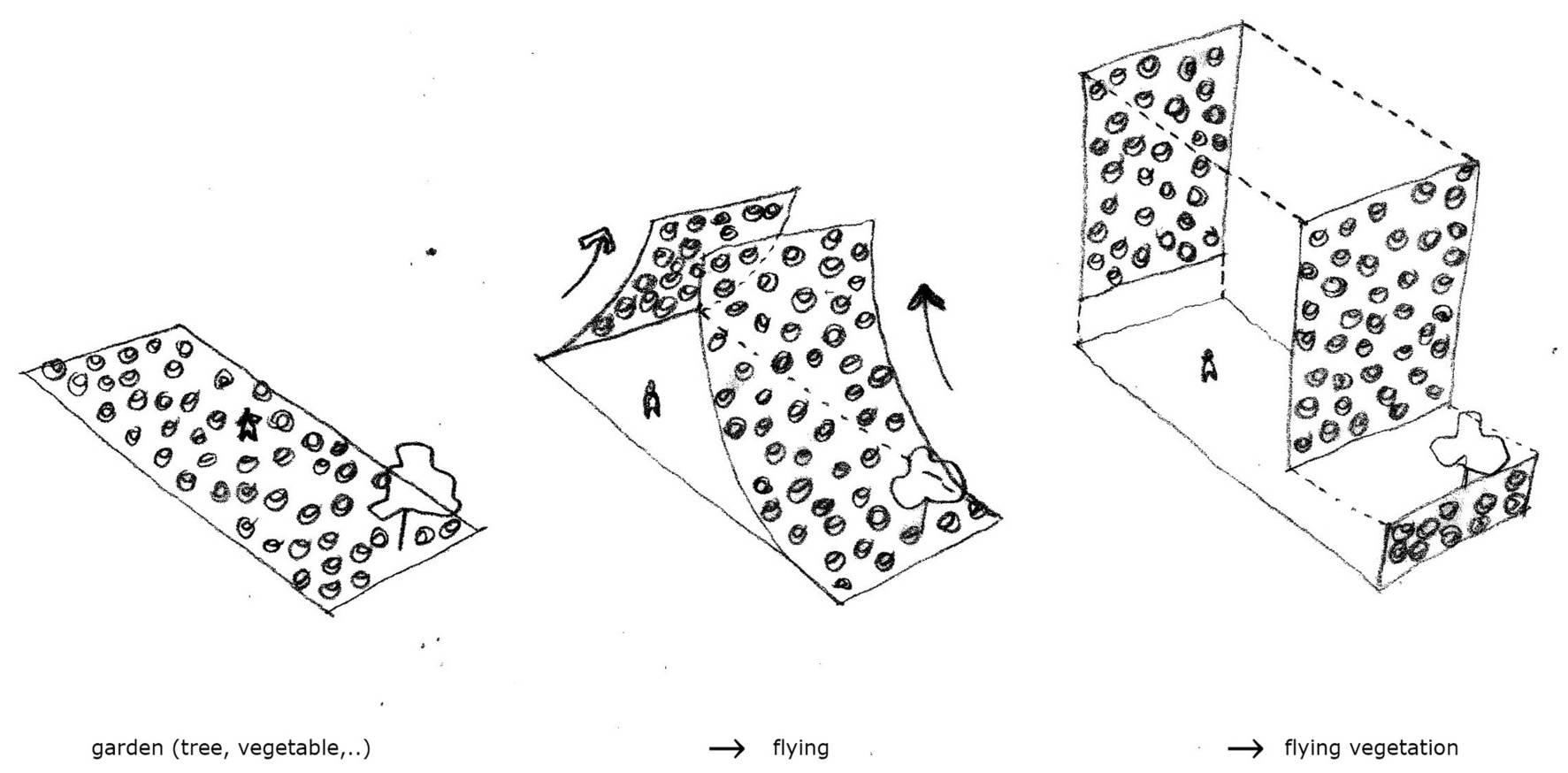
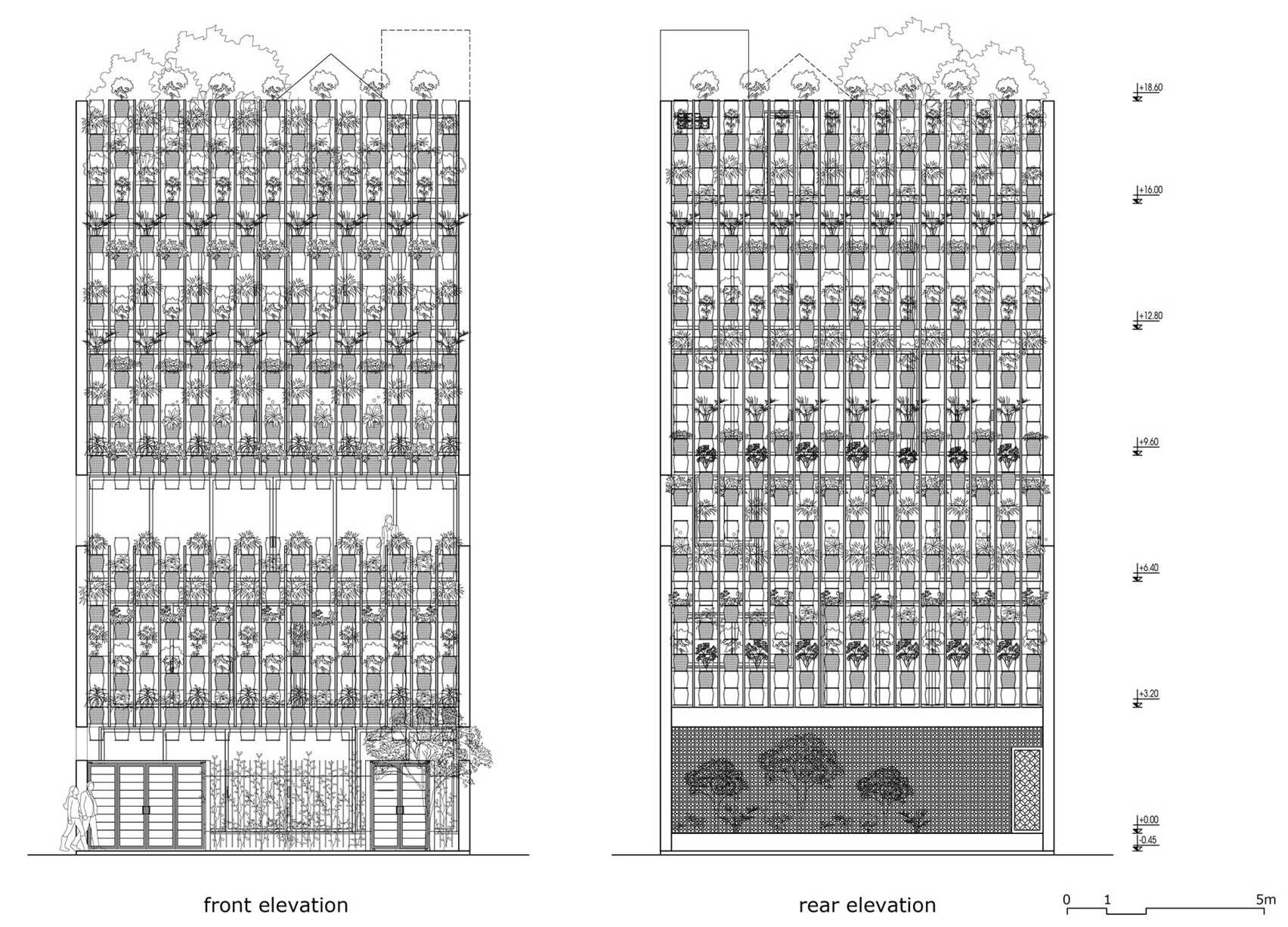
The drawings reveal how the planting system, structure, and layout work together. They show the modular logic behind the facade and the way each level is organized to support both living and growing.
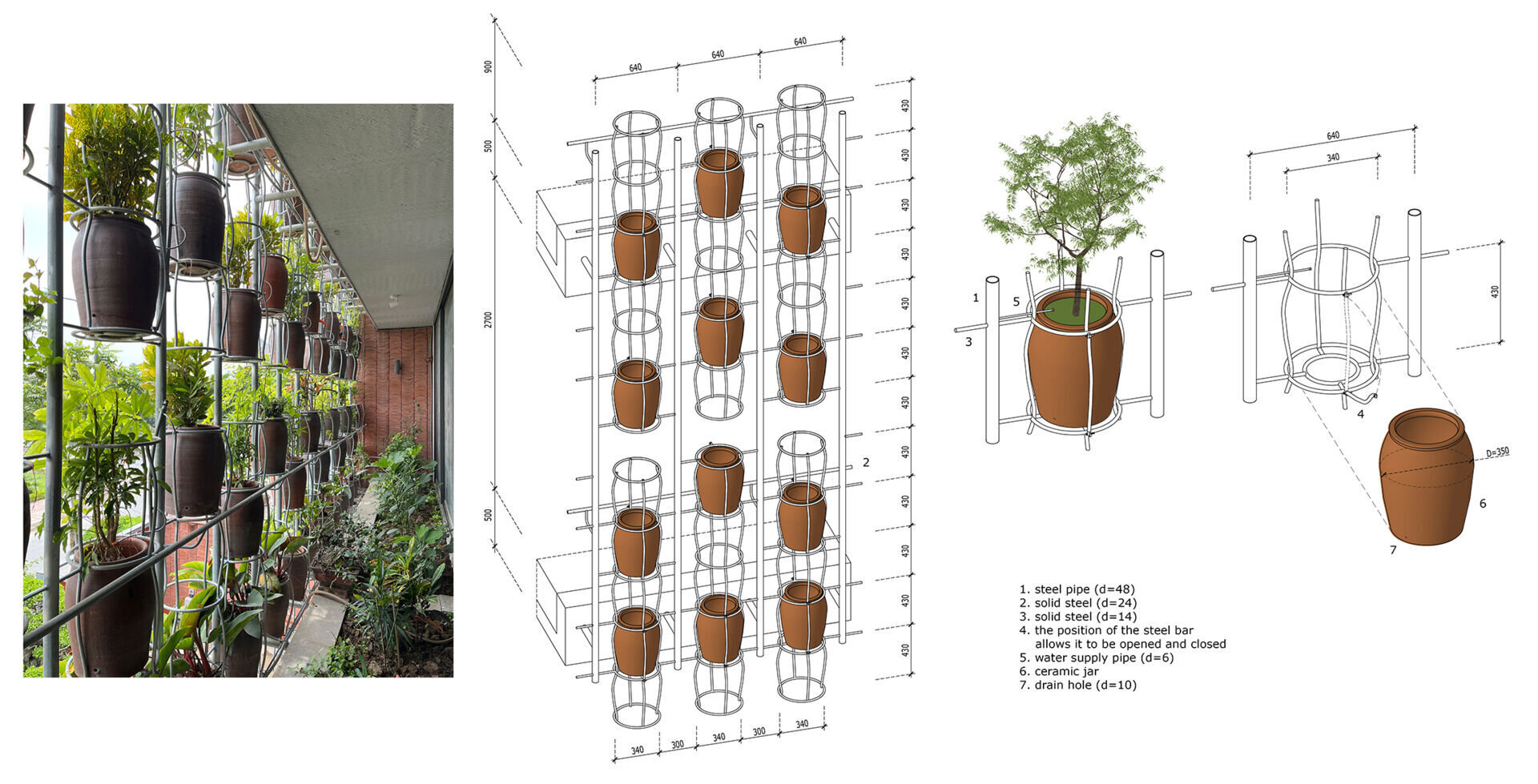
The drawings reveal how the planting system, structure, and layout work together. They show the modular logic behind the facade and the way each level is organized to support both living and growing.
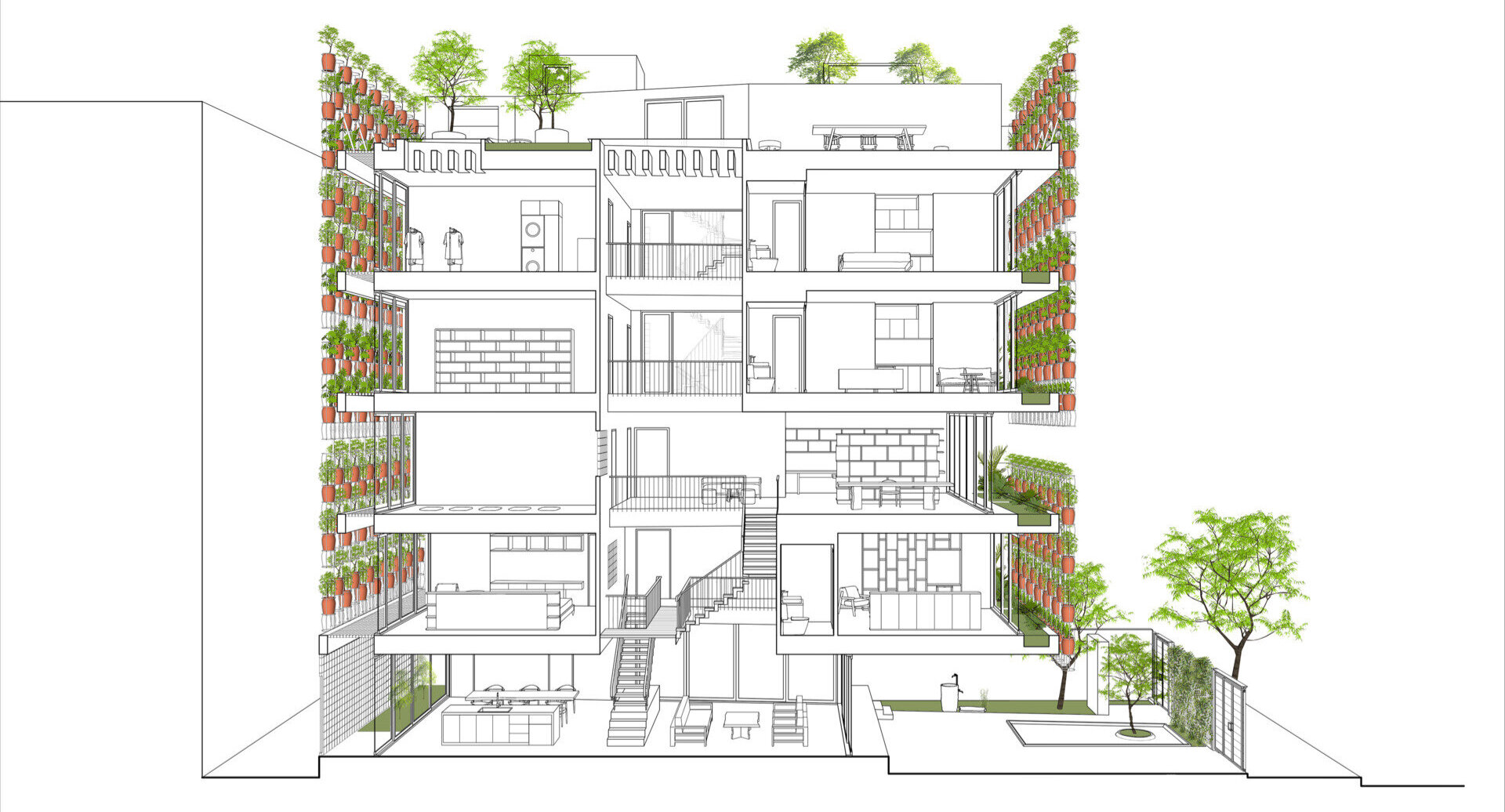
The drawings reveal how the planting system, structure, and layout work together. They show the modular logic behind the facade and the way each level is organized to support both living and growing.
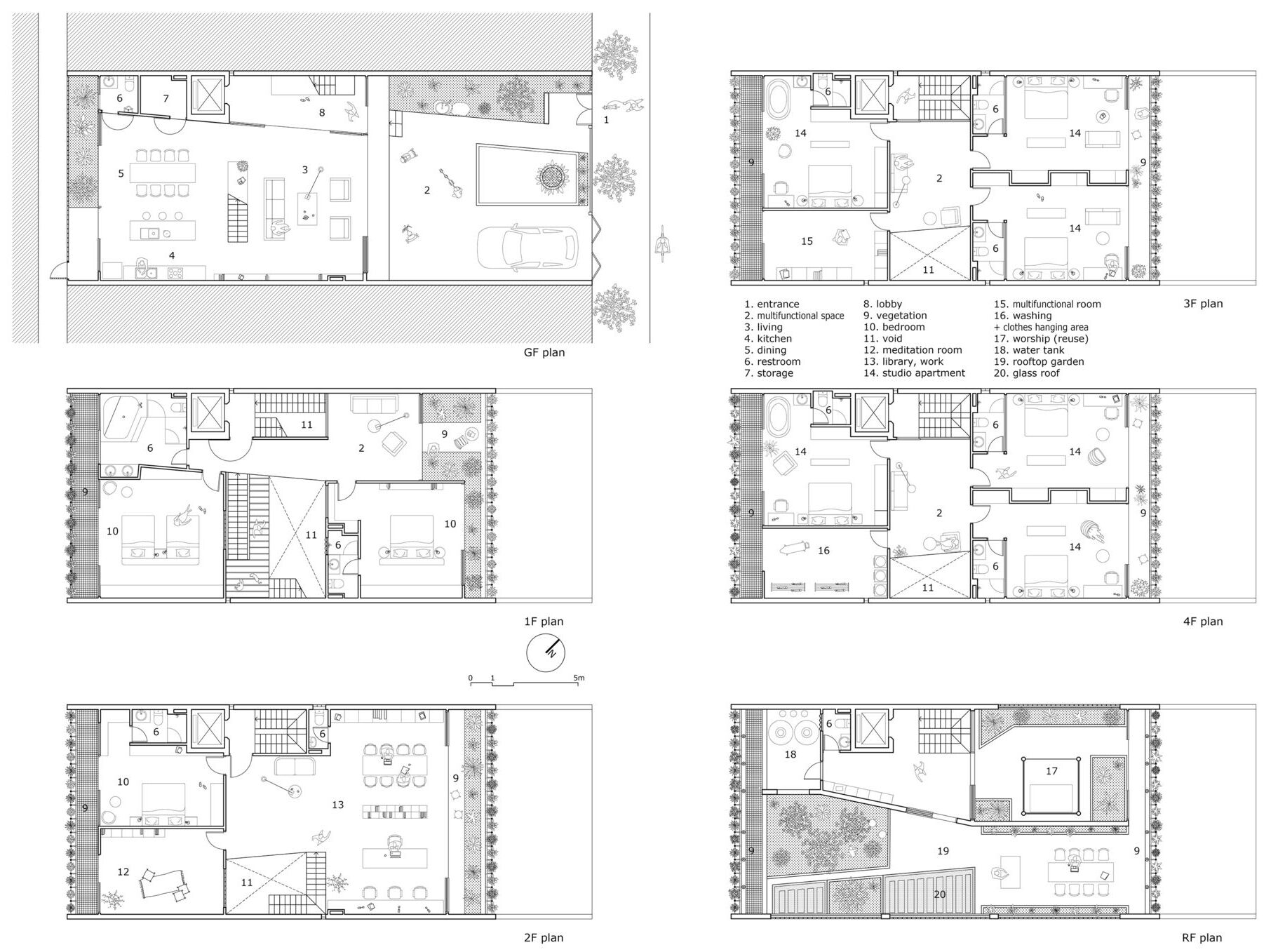
The drawings reveal how the planting system, structure, and layout work together. They show the modular logic behind the facade and the way each level is organized to support both living and growing.

The drawings reveal how the planting system, structure, and layout work together. They show the modular logic behind the facade and the way each level is organized to support both living and growing.

‘Flying Vegetation’ presents a model where housing and agriculture overlap in a direct and practical way. By integrating planting into the structure itself, the project offers an approach that could be repeated in other dense urban areas.


Photographer: Le Minh Hoang | Architects: H&P Architects | Designers: Doan Thanh Ha, Nguyen Hai Hue, Tran Van Duong, Luong Thi Ngoc Lan, Vu Minh Dien, Nguyen Van Thanh, Nguyen Van Thinh