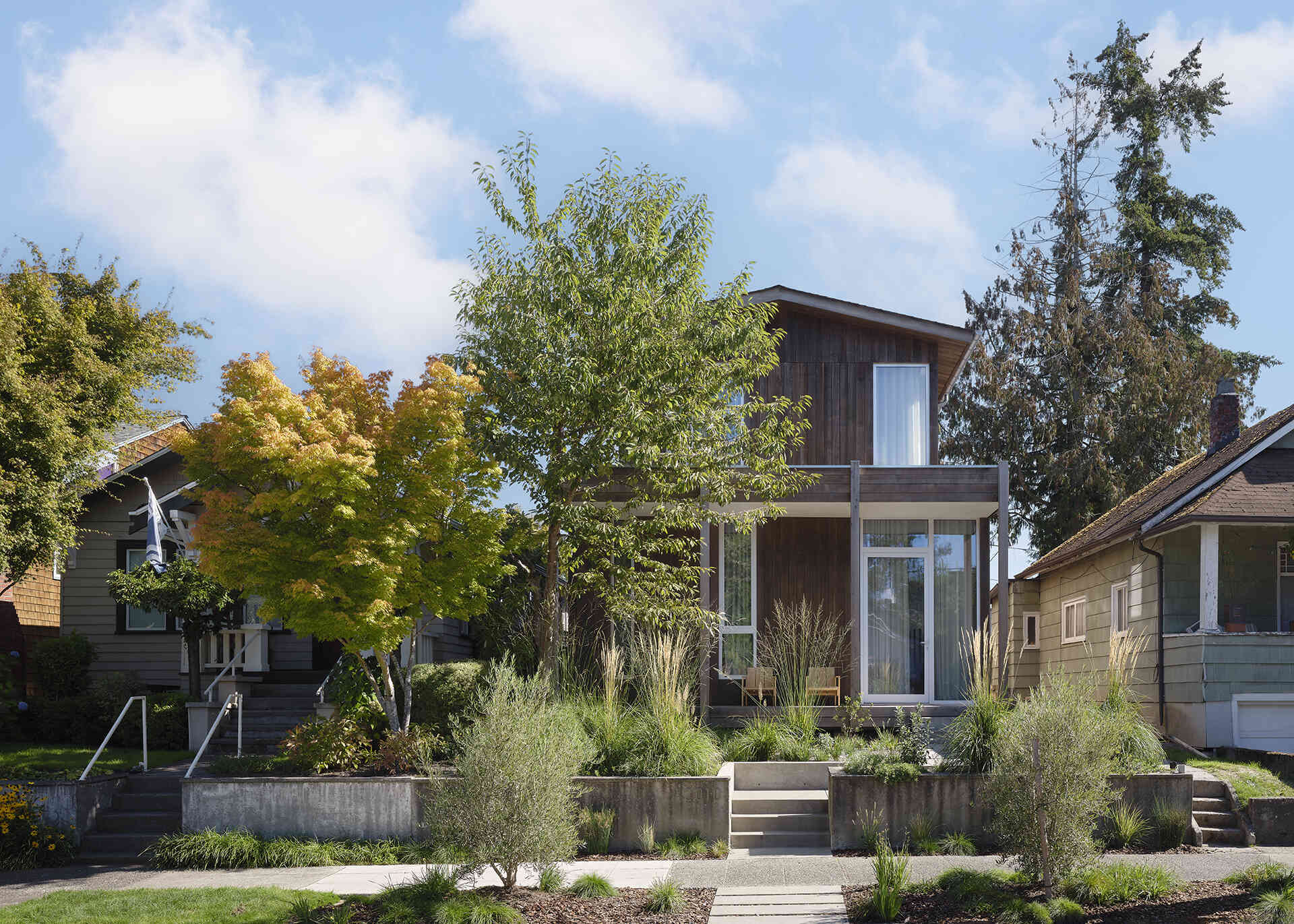
In Seattle, Washington, Drew Shawver Architecture + Design created the Madison Park Bungalow for a young couple seeking a bright and modern home that still felt connected to the character of the neighborhood they love. One is a product designer originally from Lebanon, while the other is a graphic designer from Bainbridge Island. Together, they envisioned a home that could support working from home, hosting visiting family, living with two dogs, and adapting to future needs.
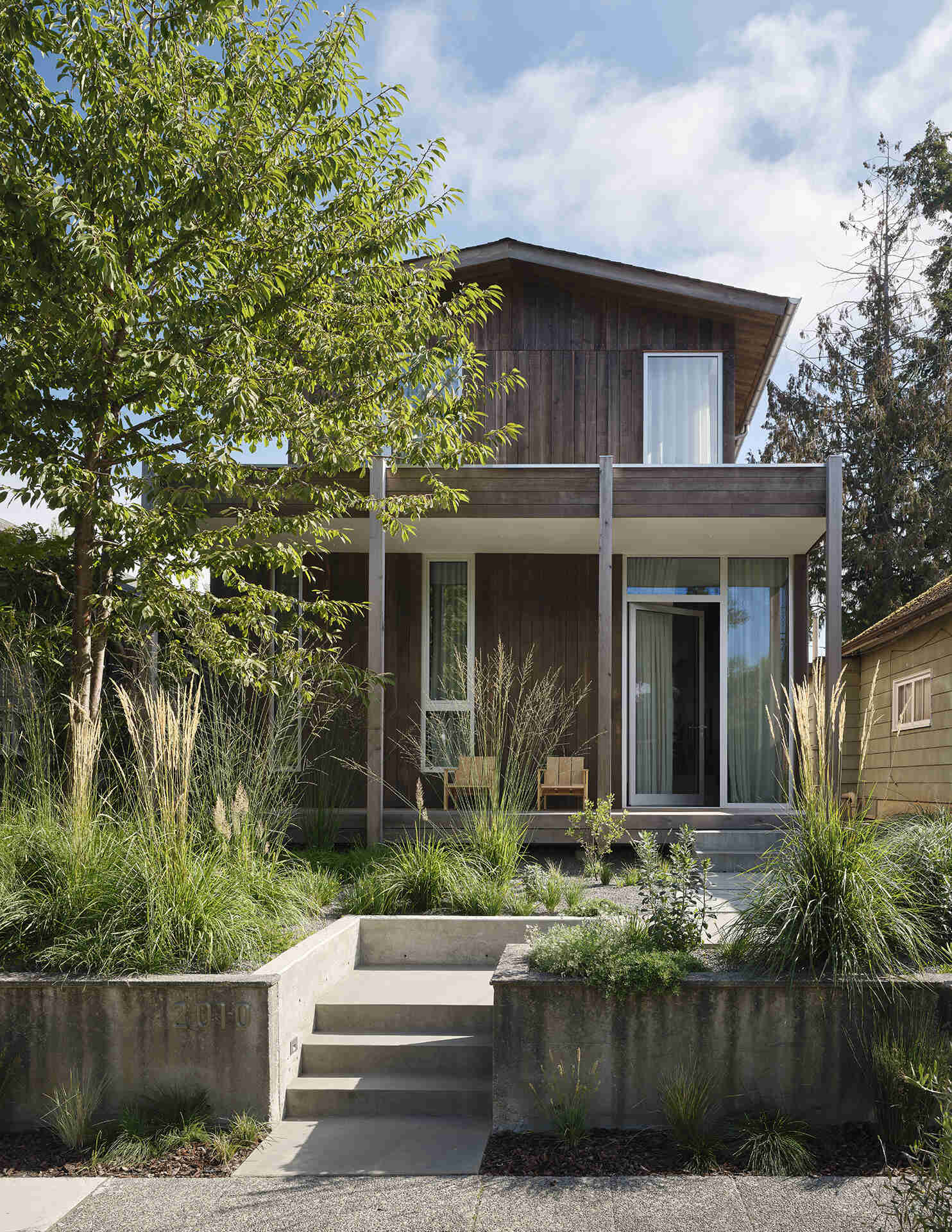
The 1,625-square-foot residence replaces an older home while maintaining a connection to its history through the reuse of the original foundation. This approach reduced construction costs and allowed the new home to occupy a footprint that would otherwise not have been possible under current zoning rules. Throughout the project, natural light, garden views, and multi-functional spaces guide the design, creating an inviting atmosphere from the moment you arrive.
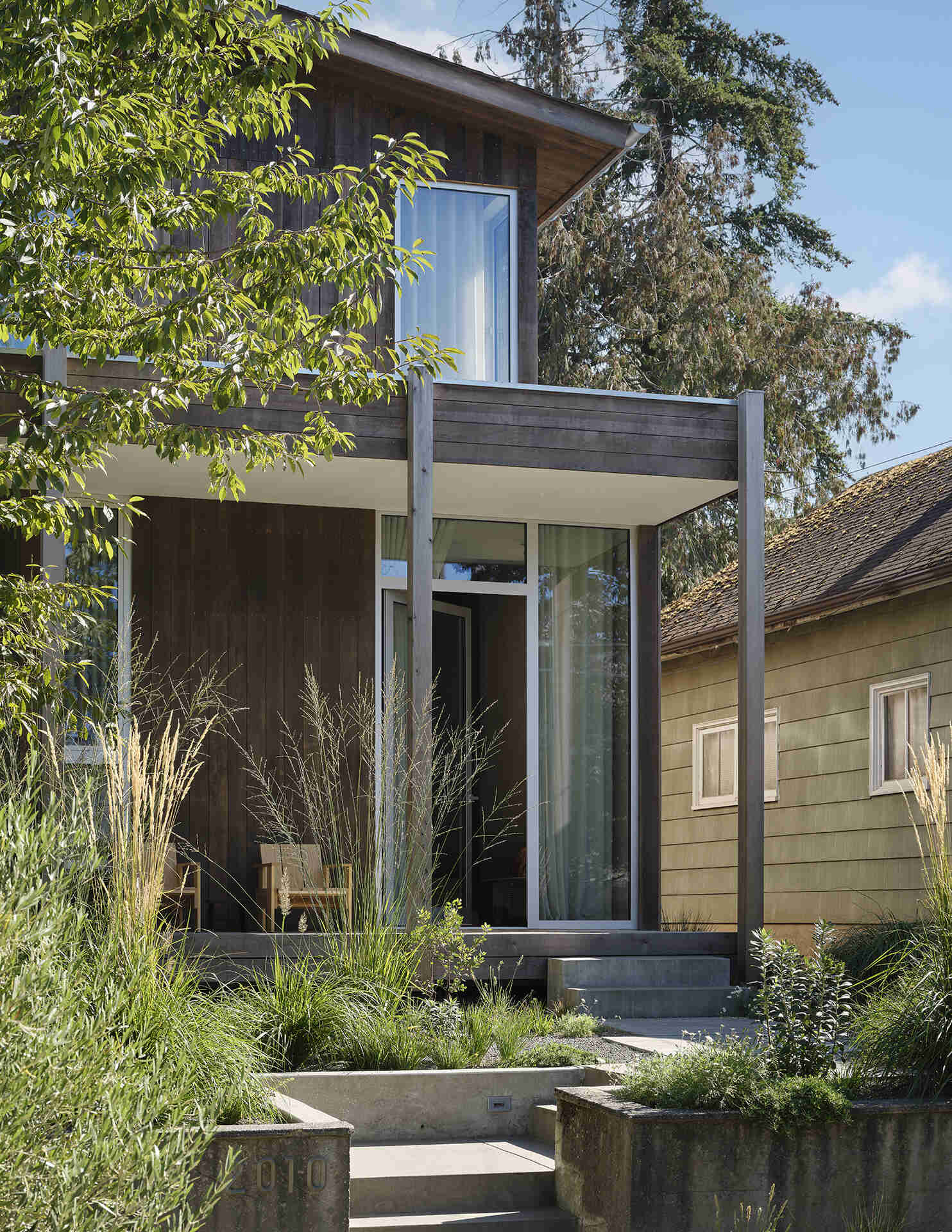
A Cedar-Clad Exterior Inspired by Pacific Northwest Traditions
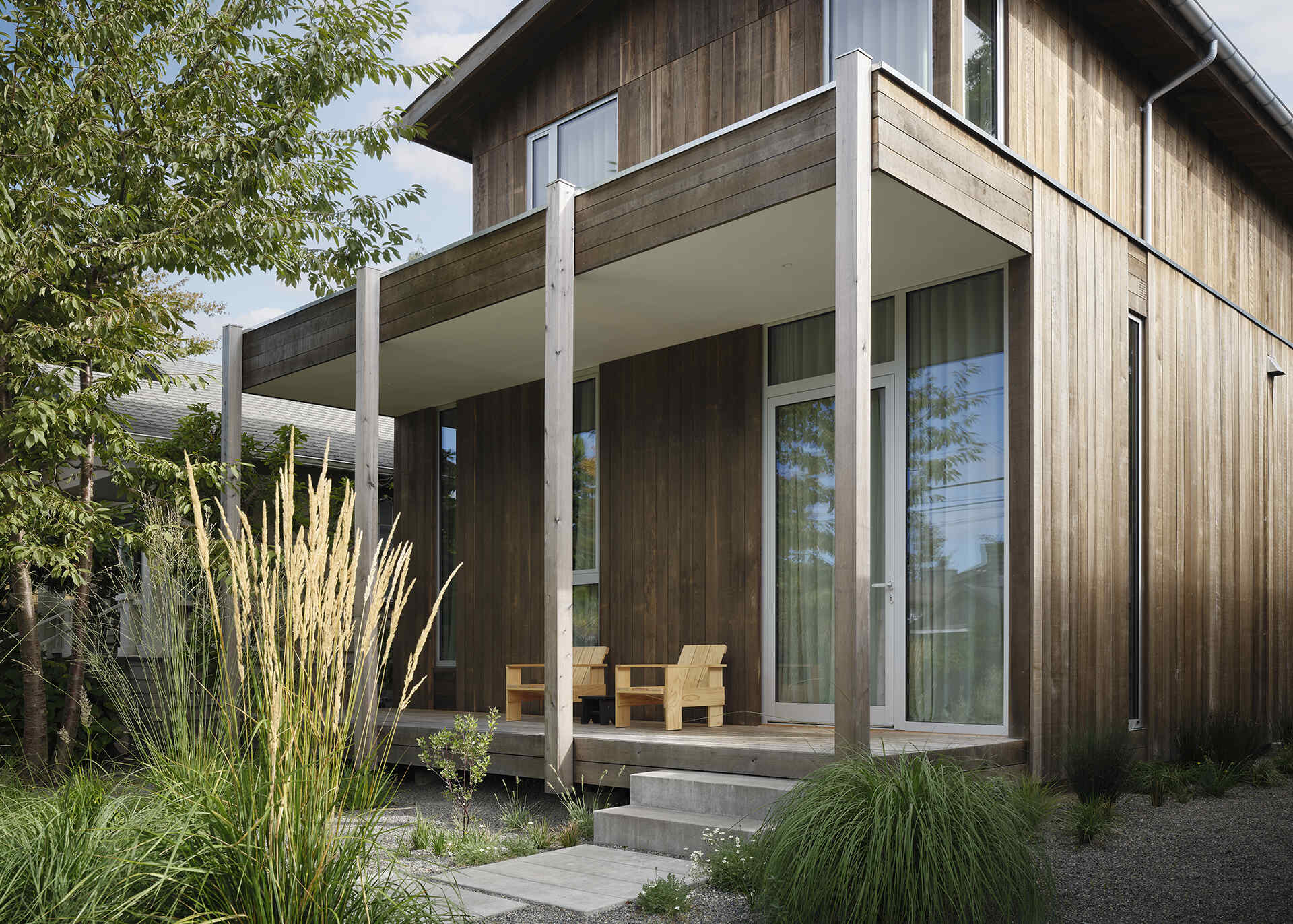
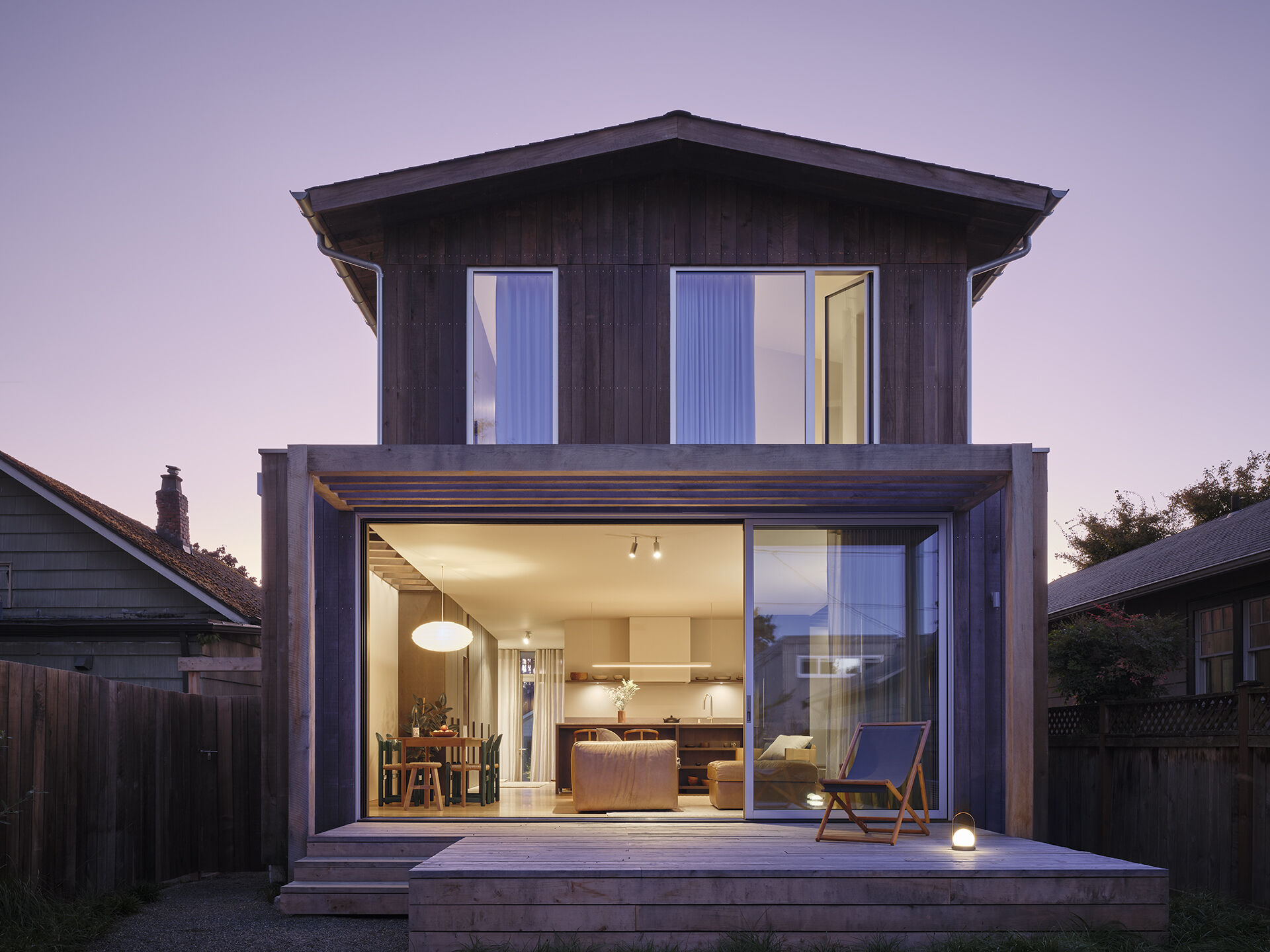
From the street, the home presents a simple gabled form that draws inspiration from the Pacific Northwest’s long tradition of timber construction. The exterior is clad in locally harvested Port Orford cedar siding, a material chosen for both its beauty and its ability to weather naturally over time.
A modern interpretation of the front porch maintains a familiar relationship between the house and the pedestrian-friendly street. Surrounding the home, native and low-maintenance plantings fill the landscape, creating gardens that soften the architecture and strengthen the connection between indoor and outdoor spaces.
A Welcoming Tiled Entryway With Built-In Seating
Stepping inside, visitors are greeted by a tiled entryway that immediately introduces the home’s practical approach to everyday living. The space includes a built-in bench, offering a convenient spot for removing shoes, setting down bags, or pausing before entering the main living areas.
Natural light filters into the entry, helping even this compact zone feel bright and open. It’s a simple feature, but one that reflects the home’s focus on functionality and comfort.
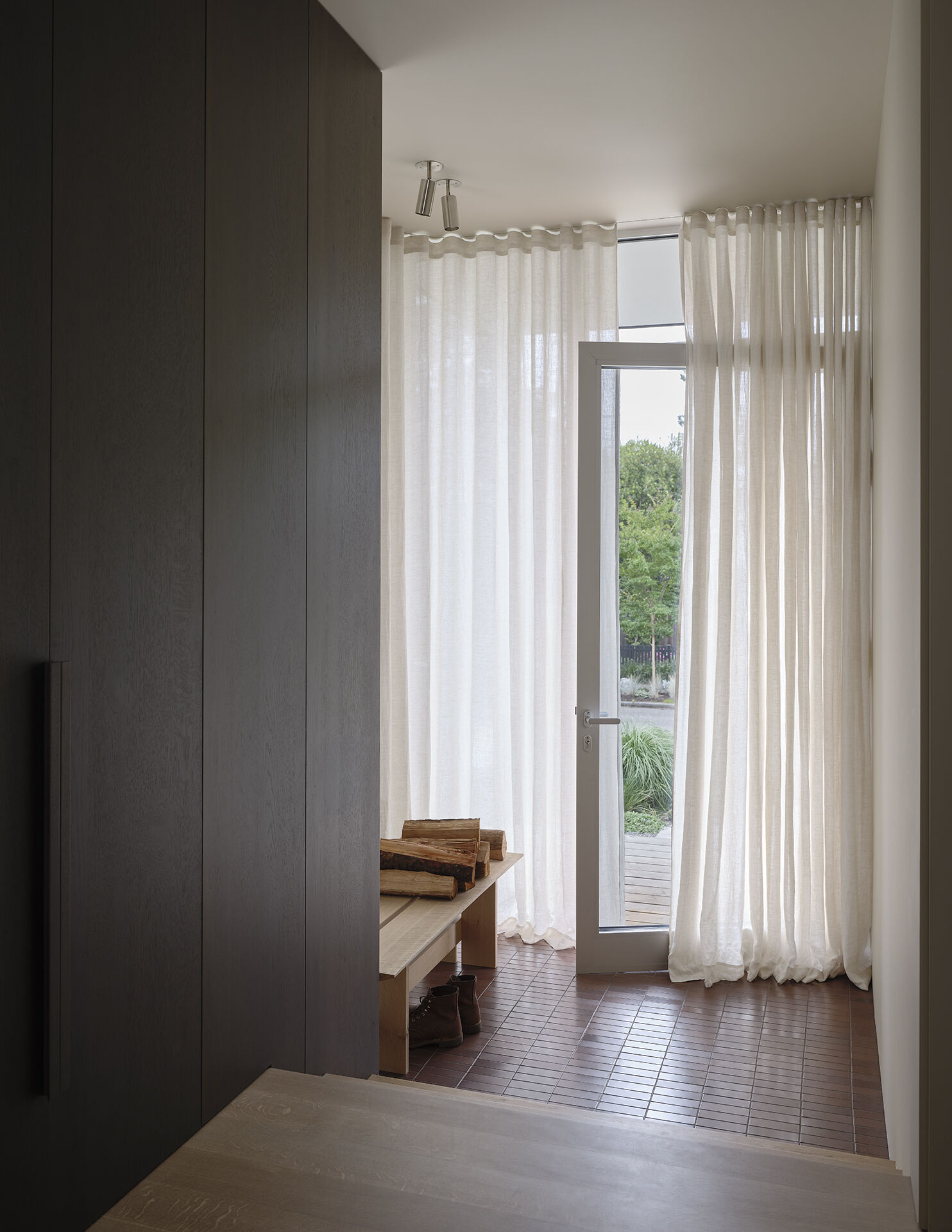
A Living Room Centered Around a Fireplace and Concrete Hearth
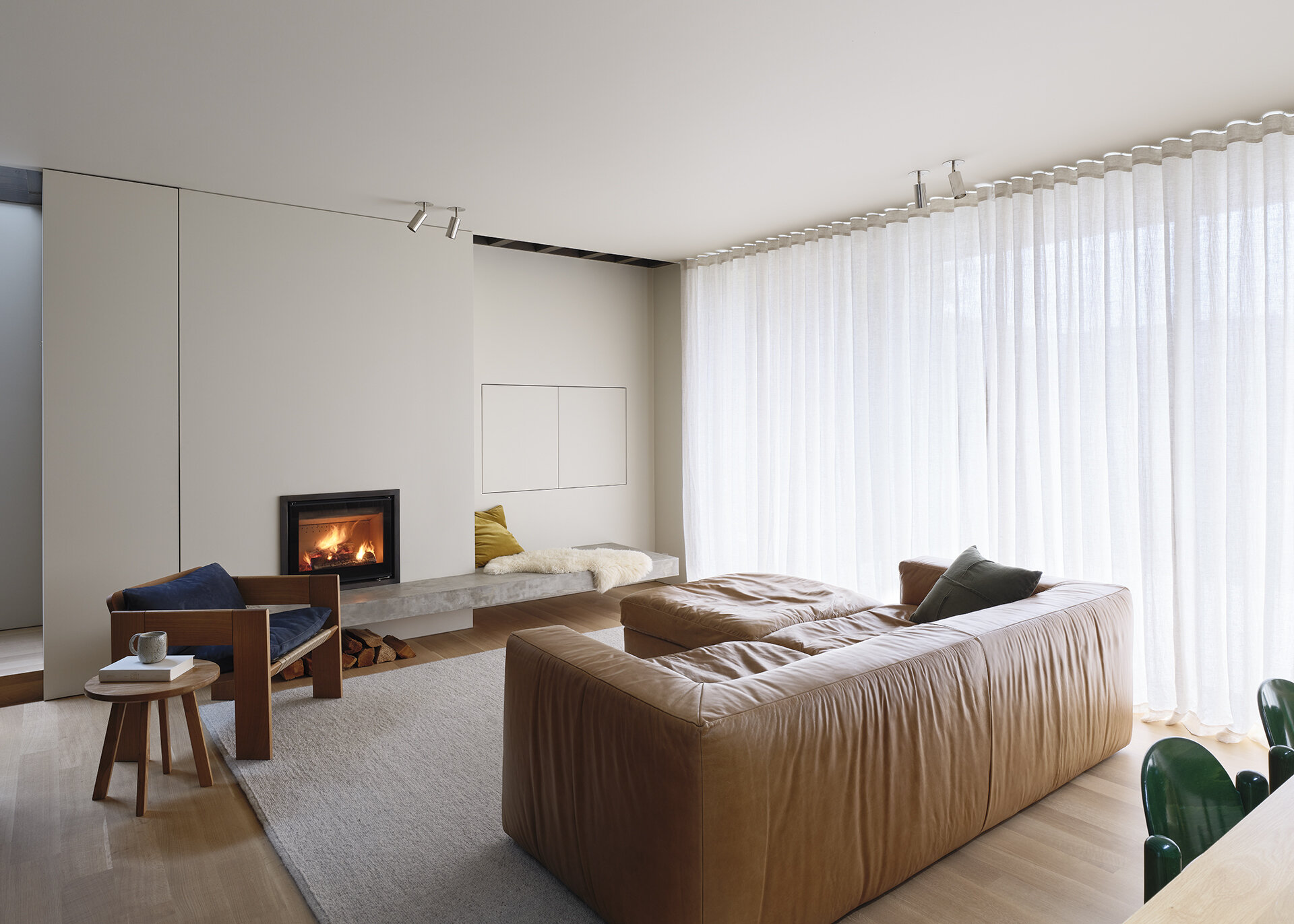
The living room is designed as a warm gathering space where family and friends can relax throughout the year. At its center is a fireplace anchored by a concrete hearth that extends beyond its traditional purpose.
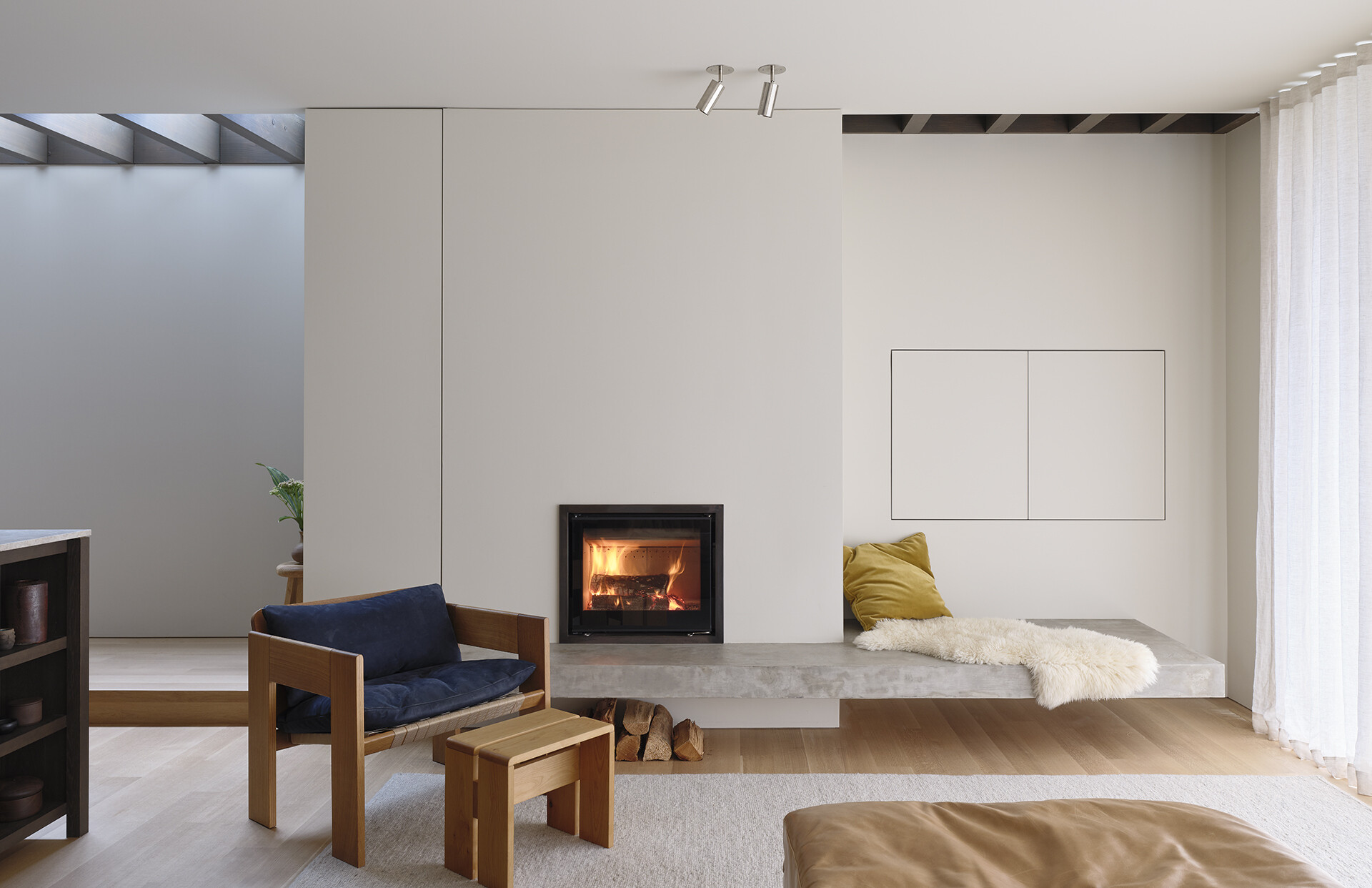
The generous floating hearth doubles as a built-in bench, creating additional seating without requiring extra furniture. Garden views and abundant daylight reinforce the sense of openness, while the restrained material palette keeps attention focused on the quality of light and craftsmanship.
Skylights Bring Daylight Into the Dining Area
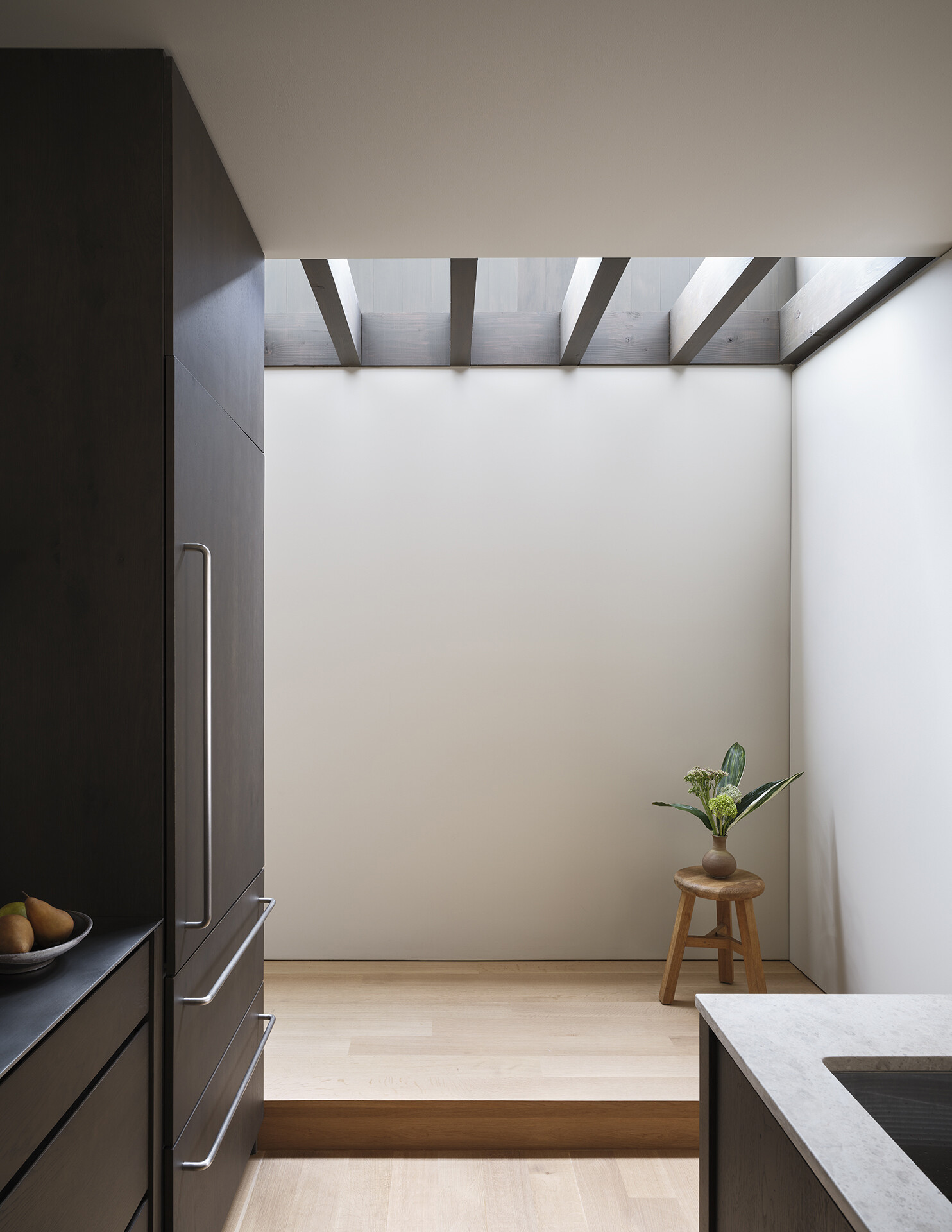
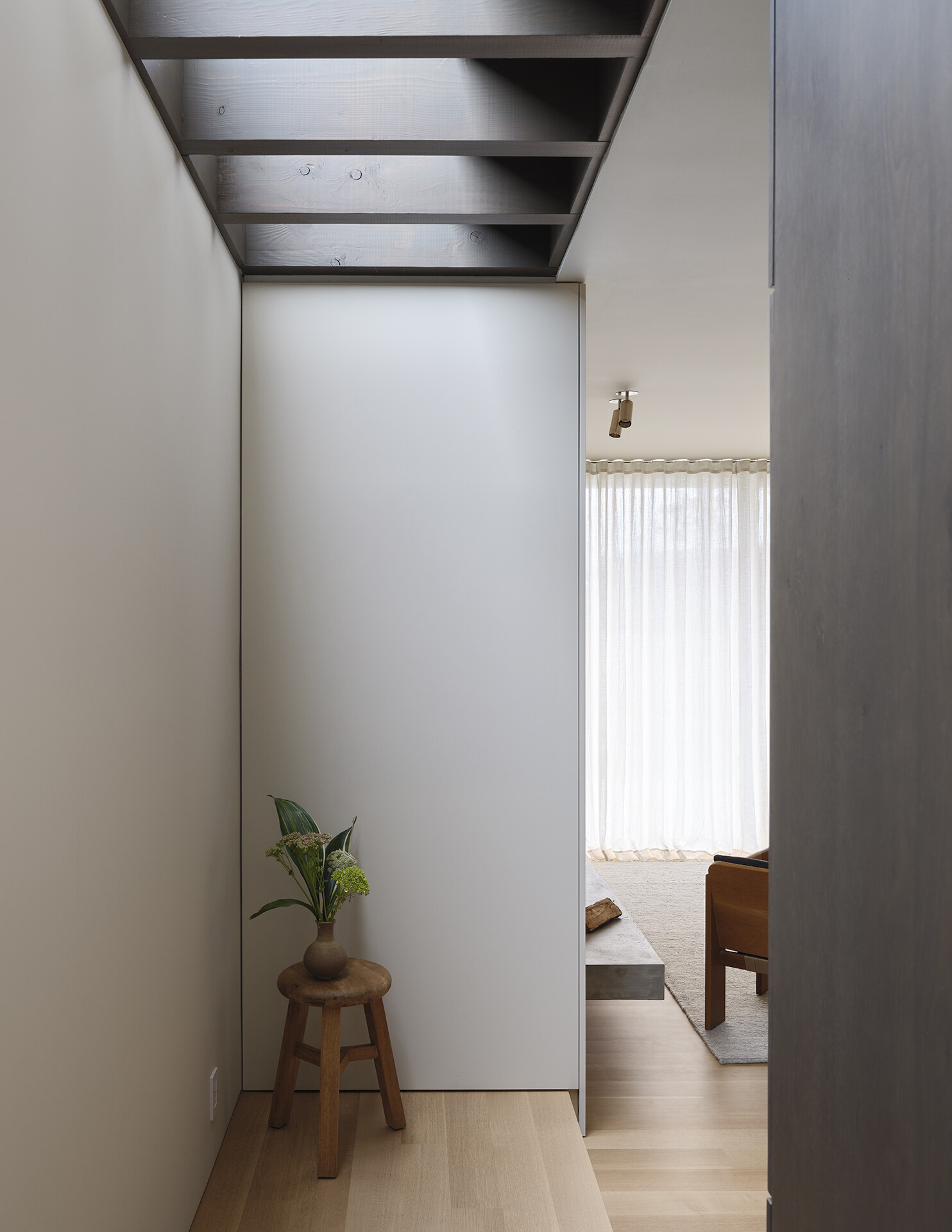
Moving into the dining space, overhead skylights play a leading role. Rather than relying solely on windows, the design uses narrow perimeter skylights to capture Seattle’s changing daylight conditions while maintaining privacy from neighboring homes.
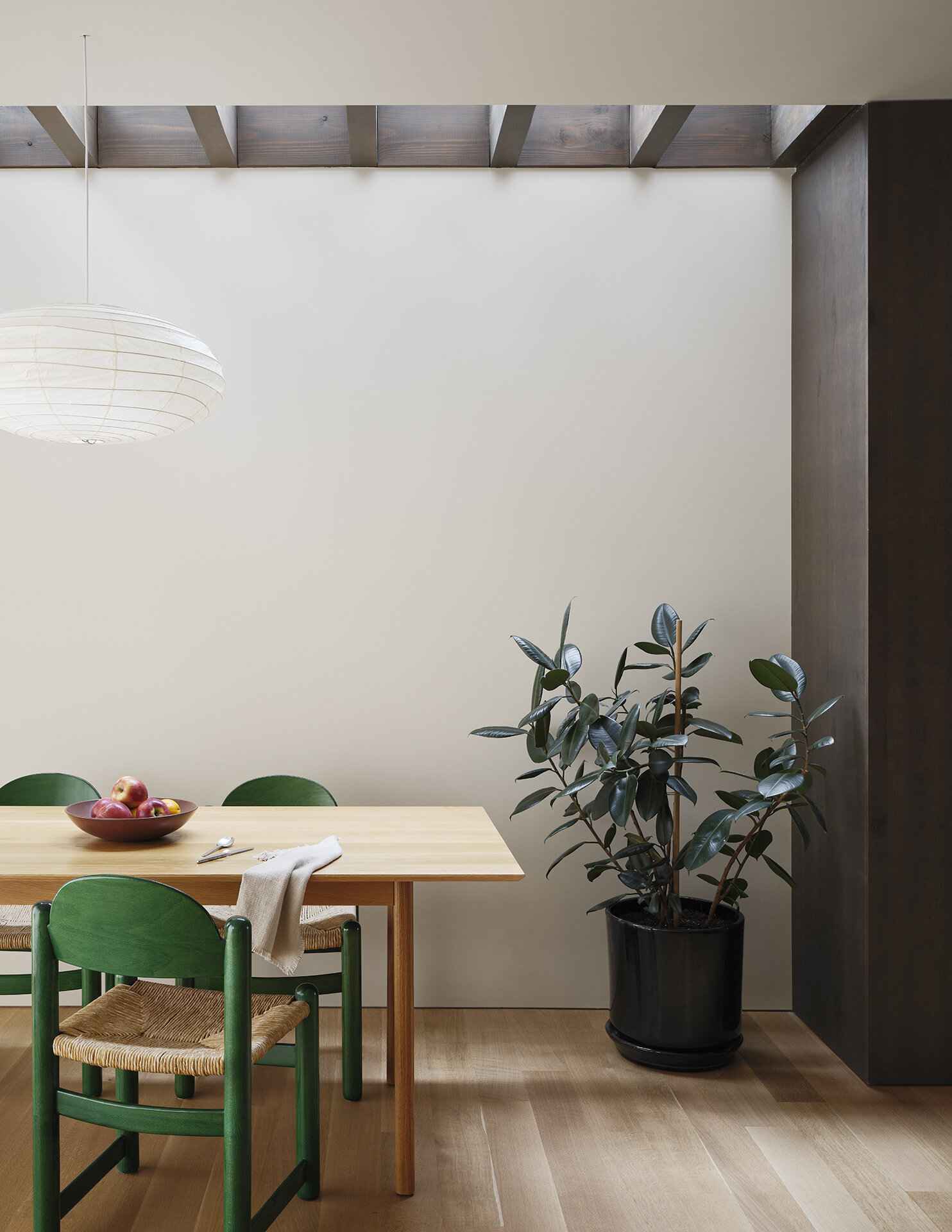
As sunlight shifts throughout the day, the dining area takes on different qualities of light, creating an atmosphere that changes with the weather and seasons. The space feels open and airy, serving as a natural extension of both the kitchen and living room.
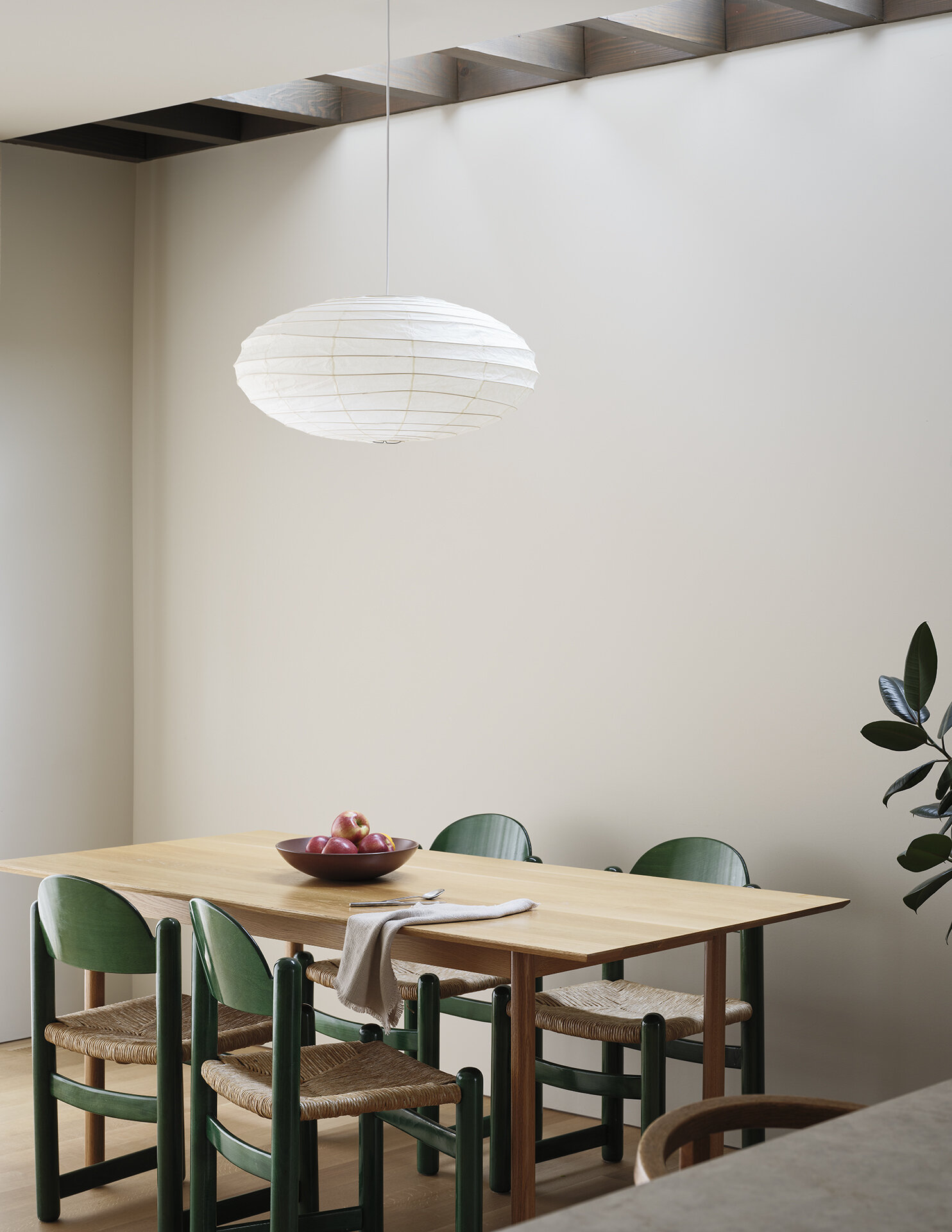
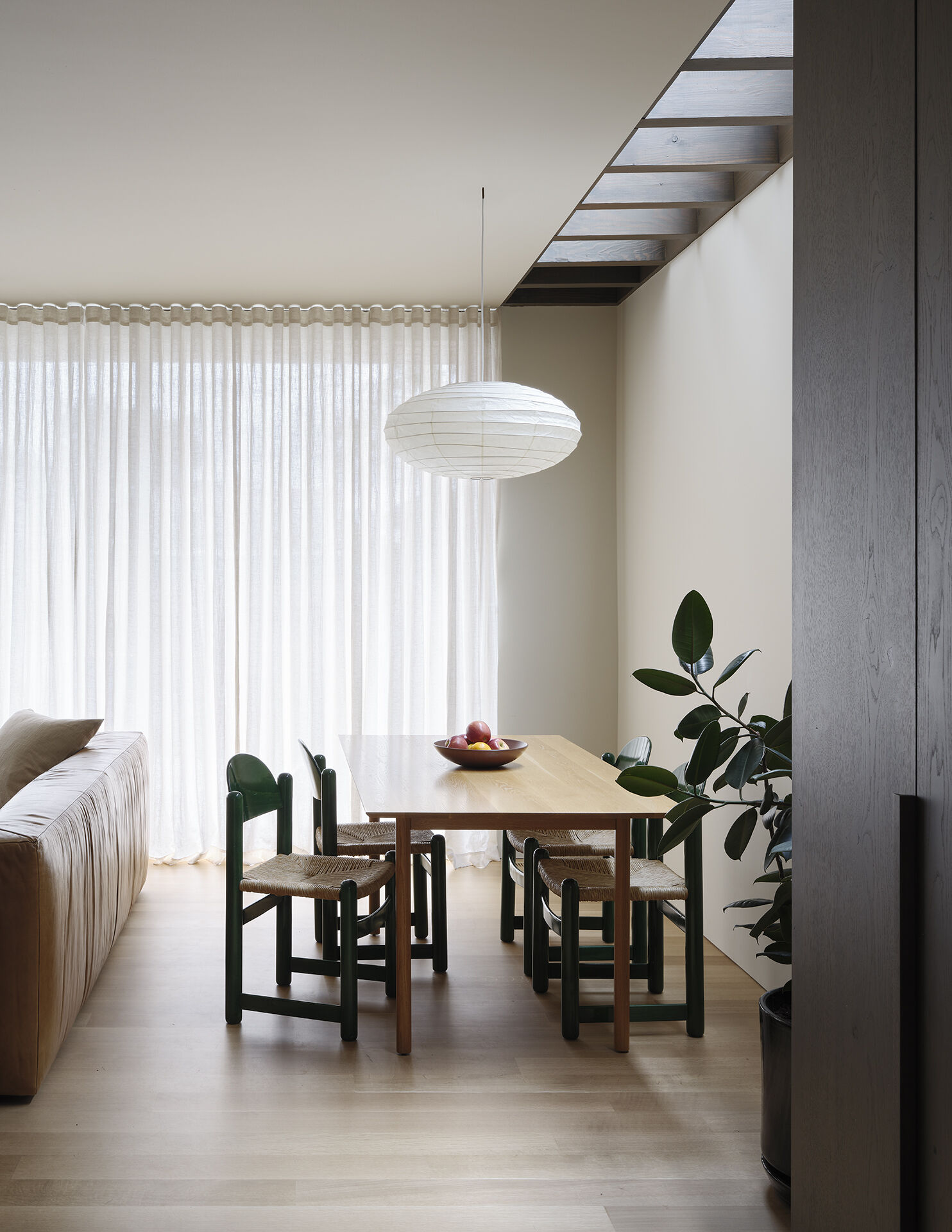
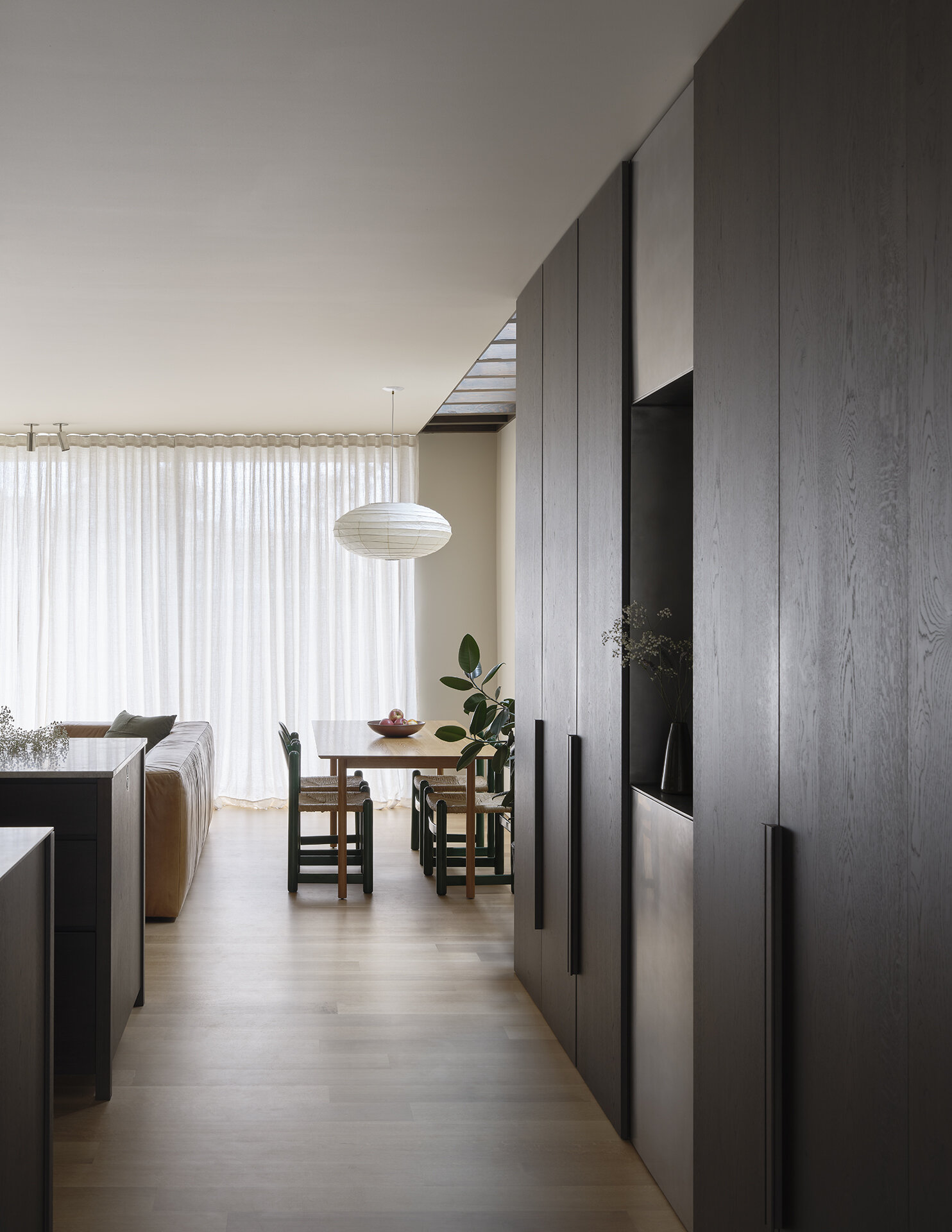
Dark Wood Cabinetry Defines the Kitchen
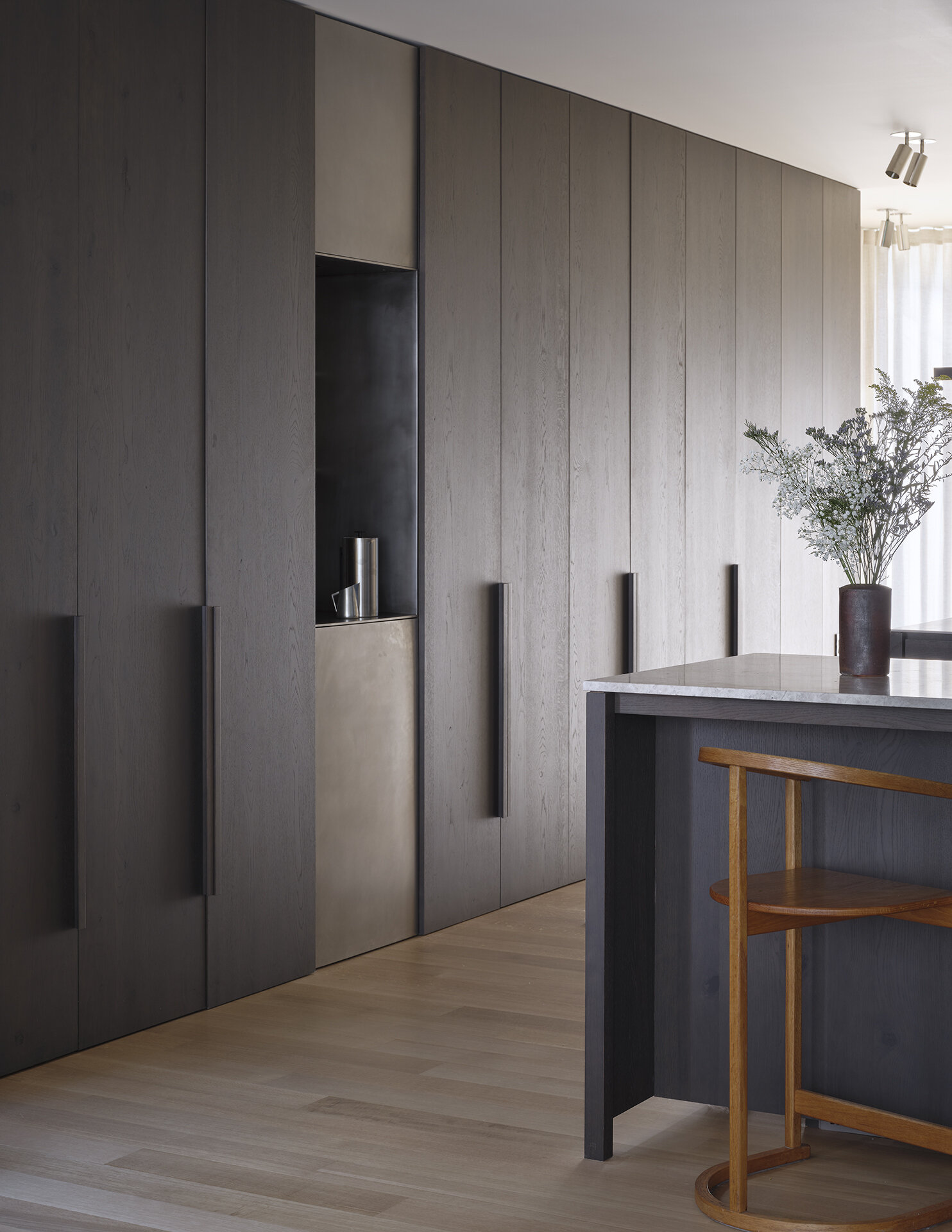
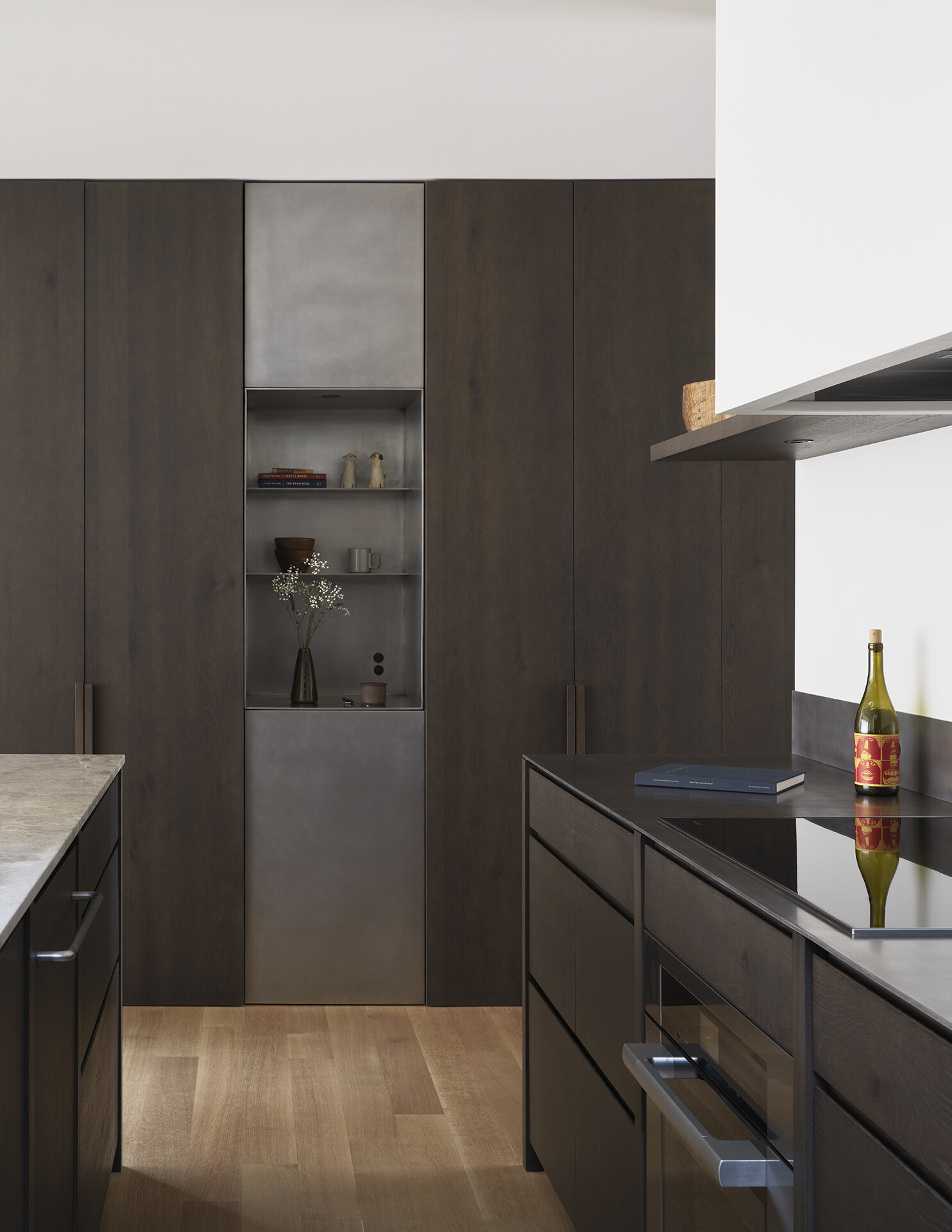
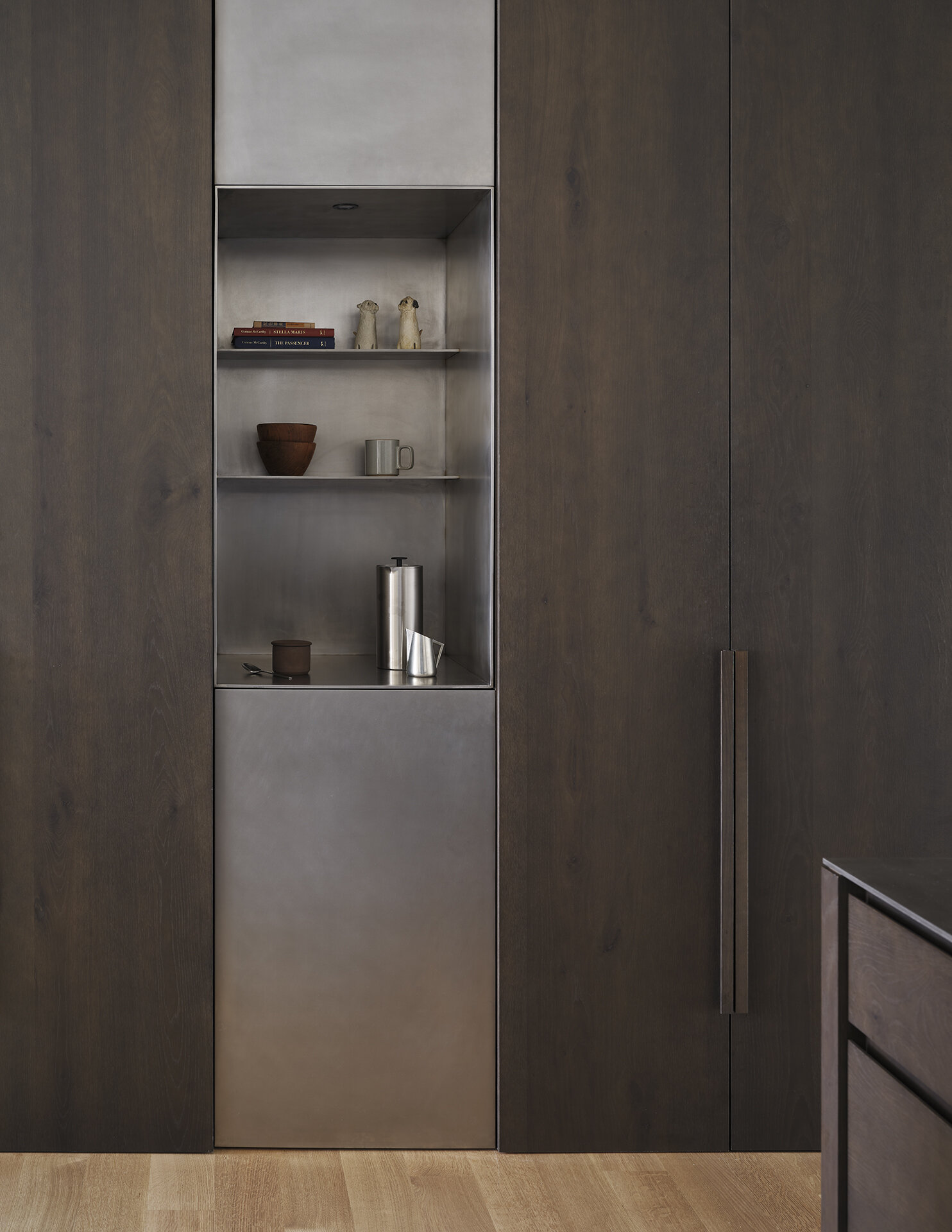
The kitchen introduces one of the home’s most striking material contrasts. Dark-stained wood cabinetry provides depth and warmth, standing out against light-colored countertops and bright walls.
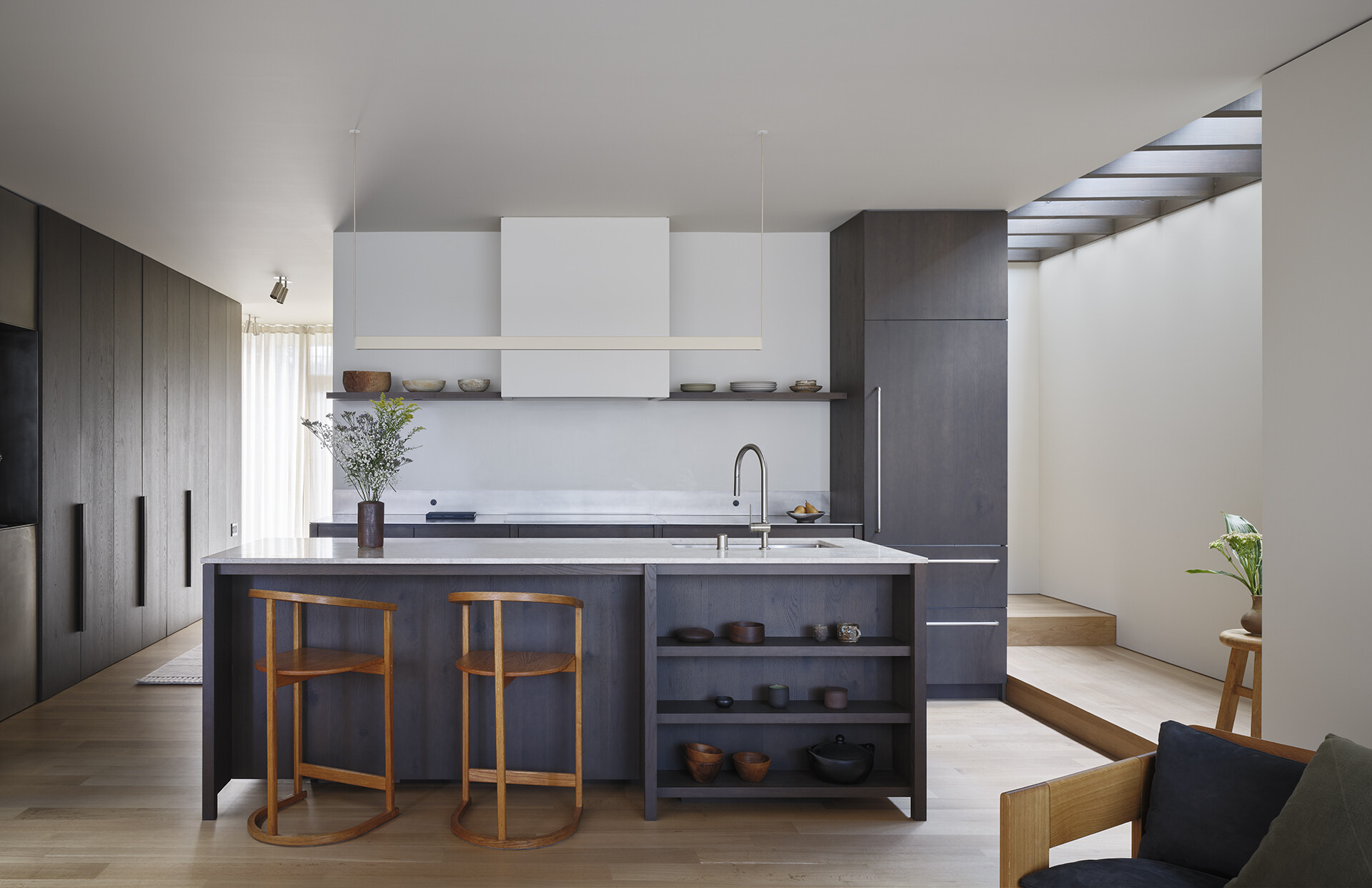
This contrast echoes the relationship between the cedar exterior and the home’s lighter interior surfaces. Storage is integrated efficiently, helping the compact footprint remain uncluttered while supporting the needs of a busy household.
A Deck Extends the Living Spaces Outdoors
Adjacent to both the living room and dining area, a deck creates an easy transition to the garden. Large openings strengthen the visual connection between indoors and outdoors, allowing the landscape to become part of the experience from inside the house.
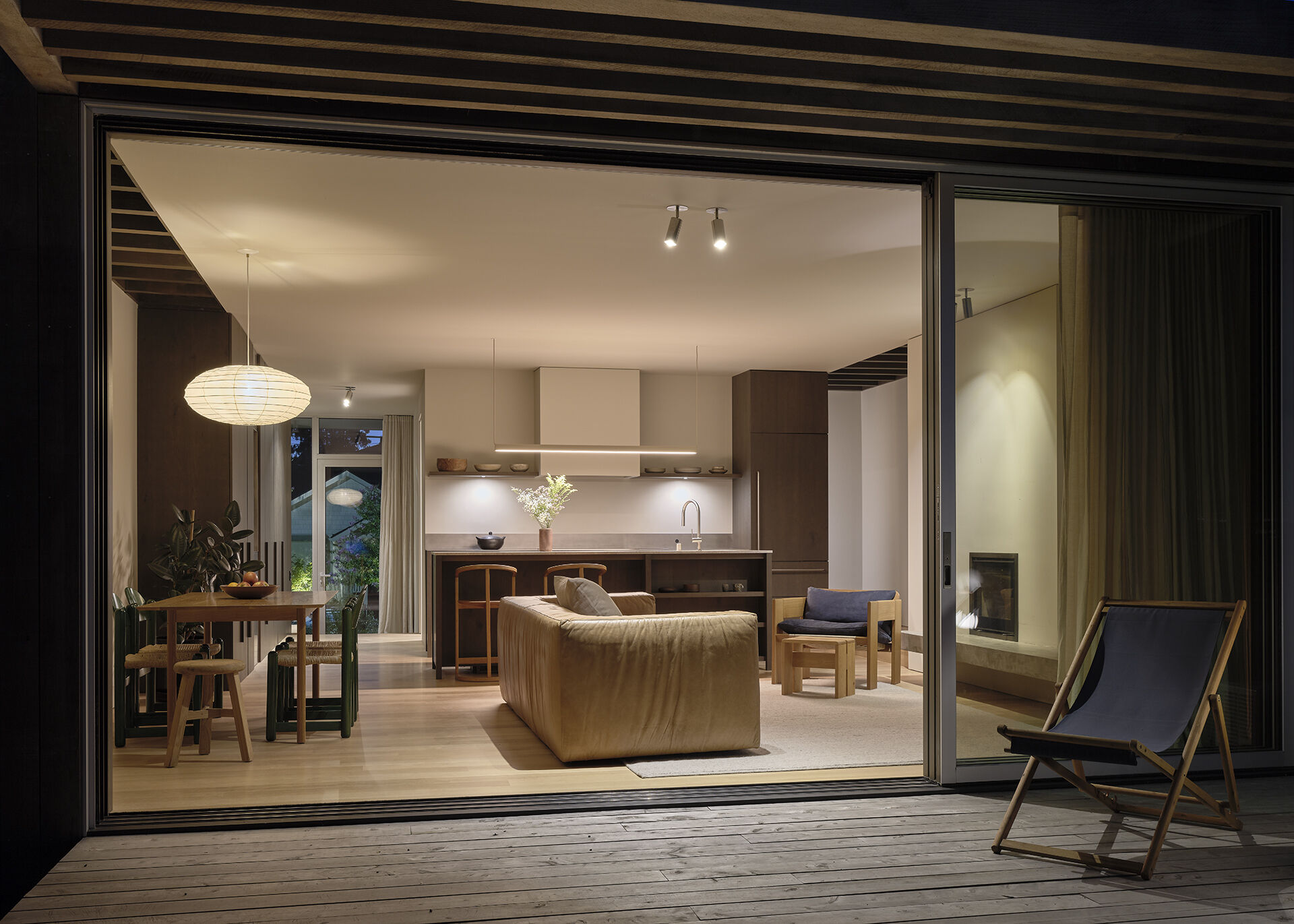
The deck expands the usable living space and provides a comfortable place for dining, entertaining, or enjoying Seattle’s milder days. Together with the surrounding gardens, it reinforces the project’s emphasis on natural light and outdoor connections.
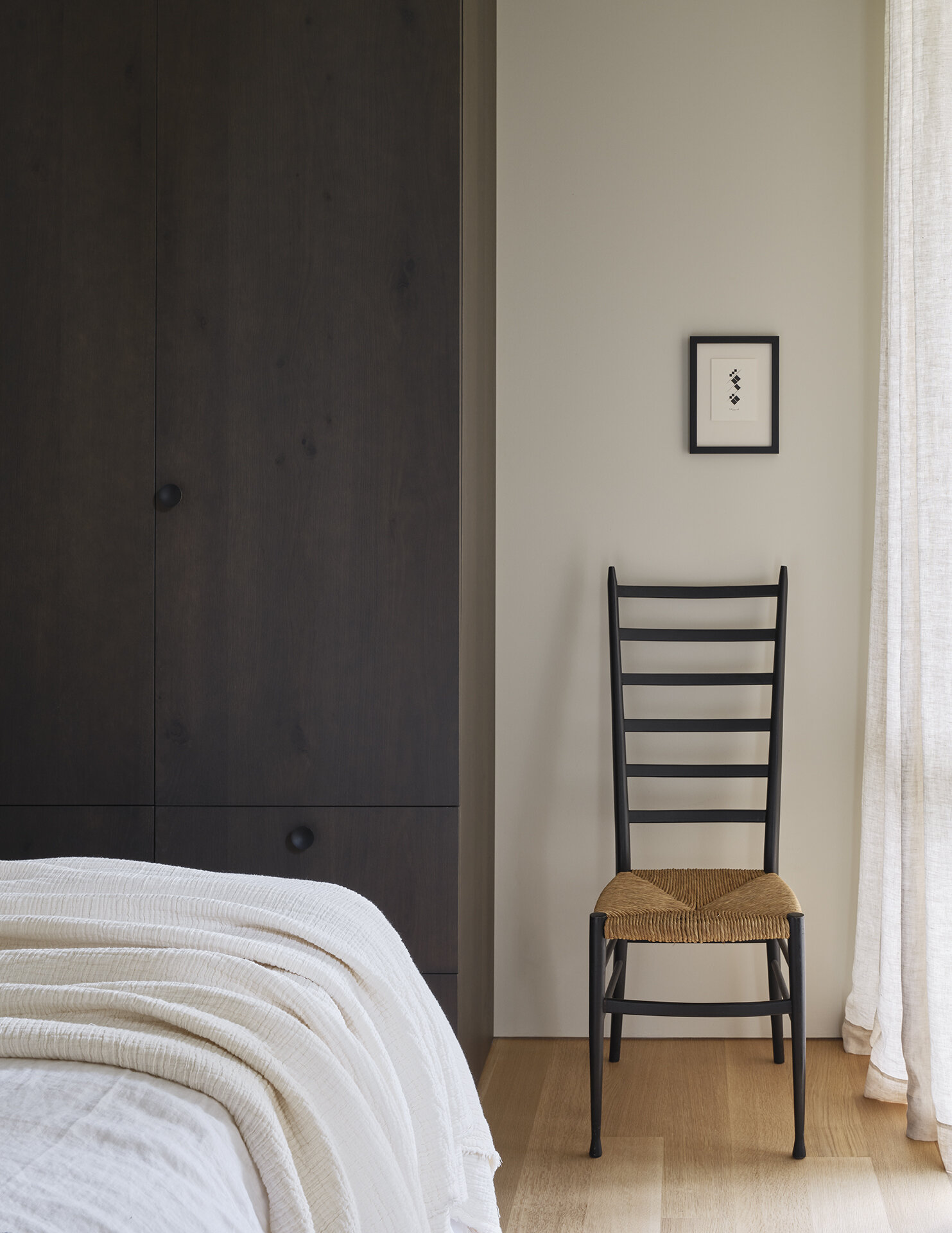
A Comfortable Main Floor Bedroom
The main floor bedroom offers flexibility for both current and future needs. Whether used by guests, family members visiting from abroad, or future occupants with changing requirements, the room contributes to the home’s adaptable layout. Large openings allow daylight to enter while maintaining a sense of privacy.
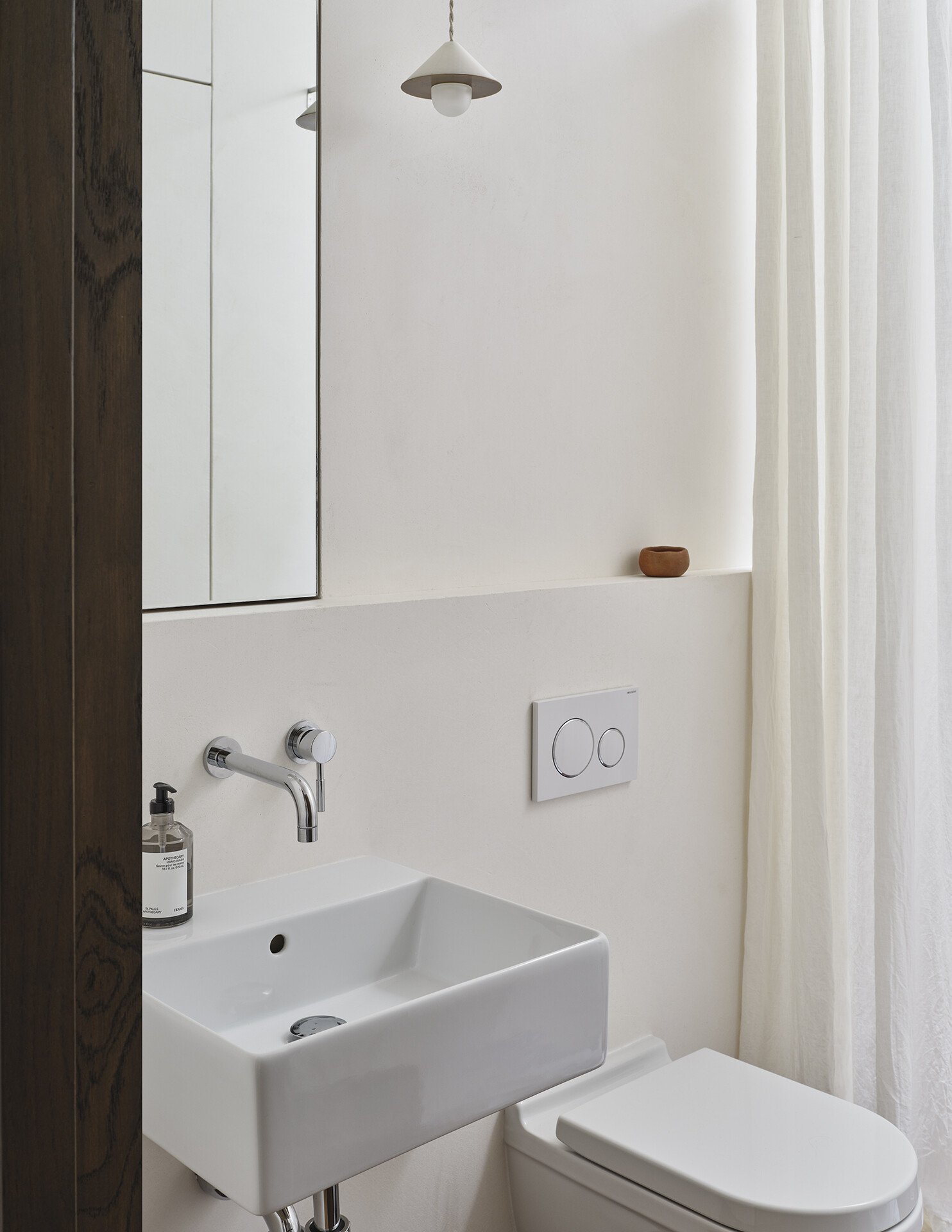
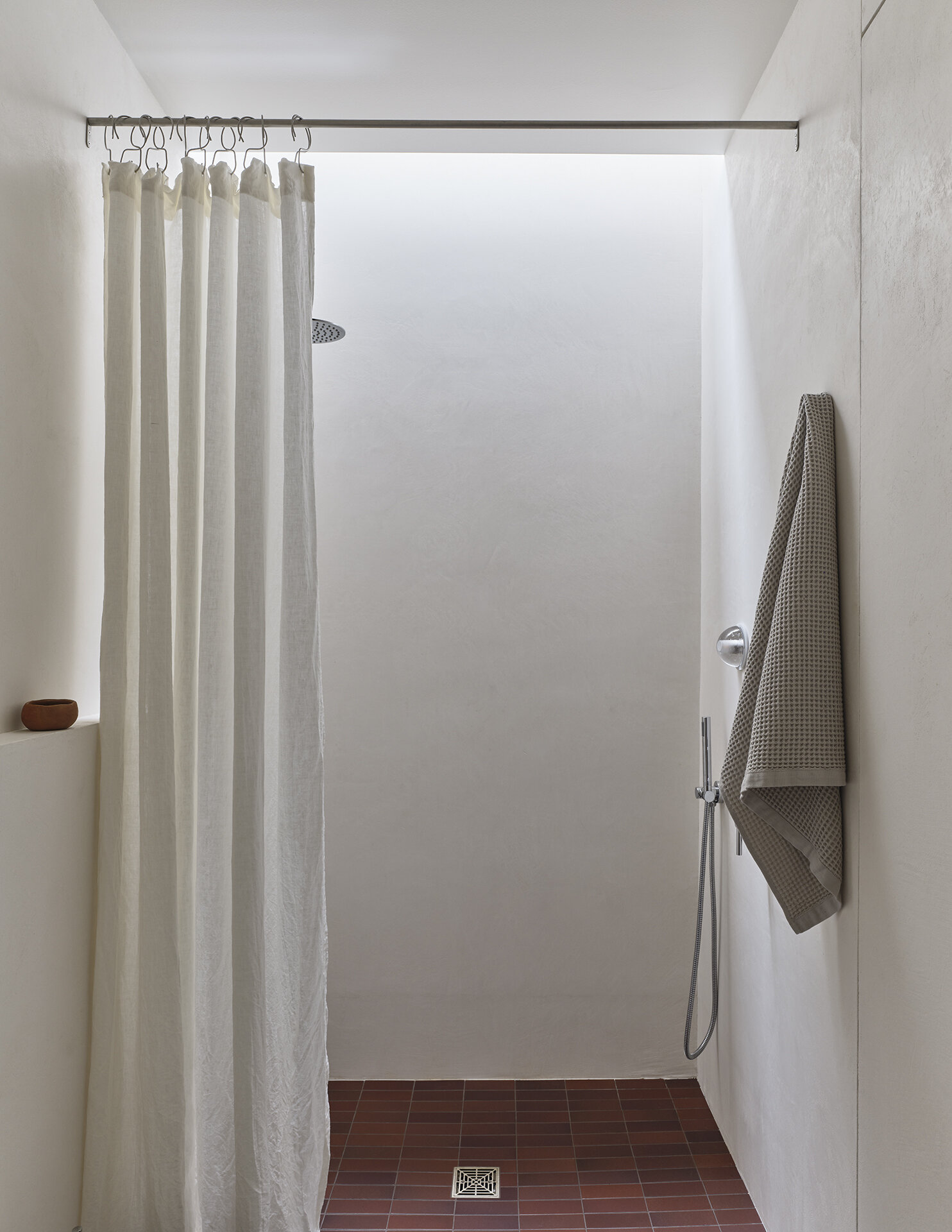
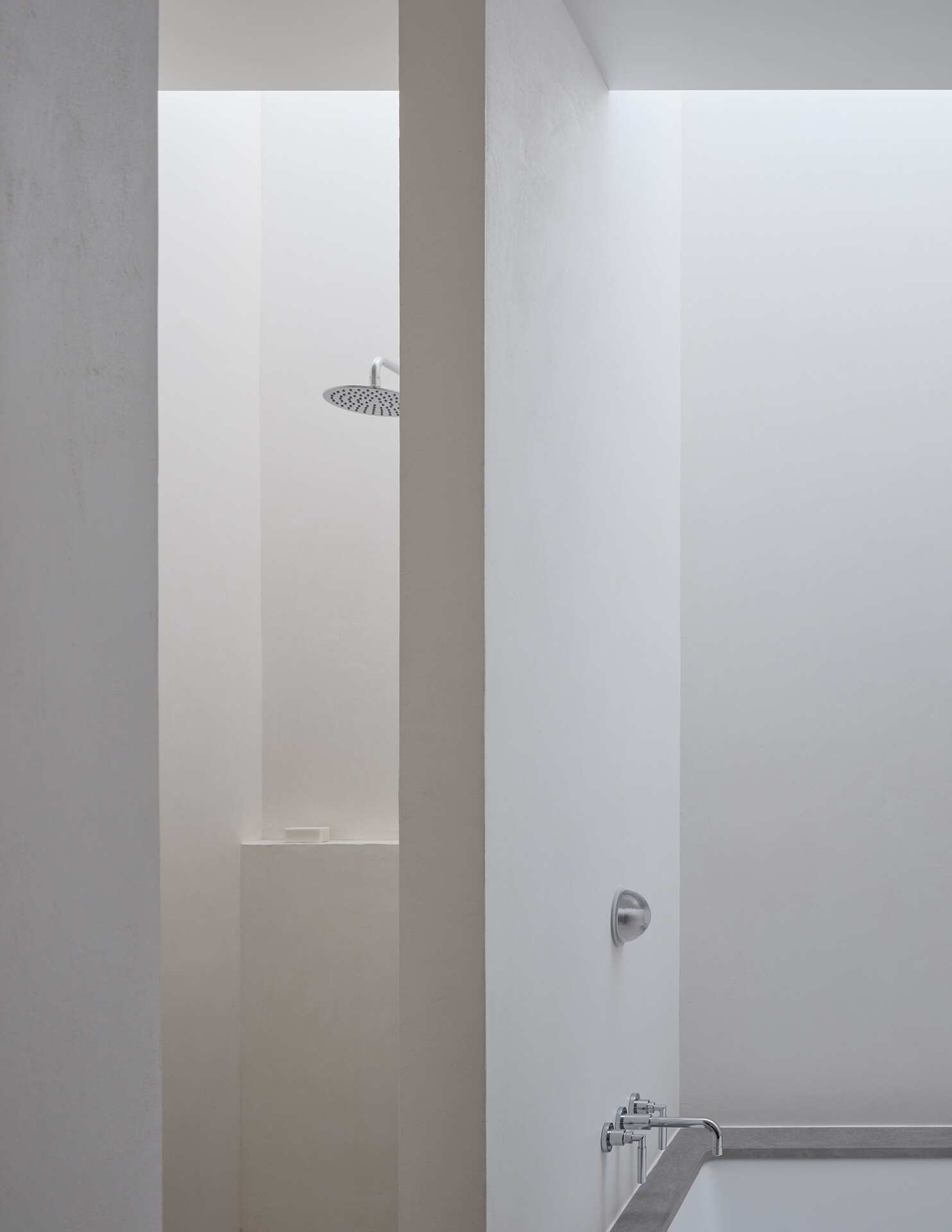
A Skylit Shower Adds Light to the Main Bathroom
The nearby bathroom continues the home’s emphasis on daylight. A skylight positioned above the shower introduces natural illumination from above, making the room feel brighter and more spacious.
By bringing light into a typically enclosed area, the design improves both functionality and atmosphere while reducing reliance on artificial lighting during the day.
Stairs Designed With a Practical Landing Bench
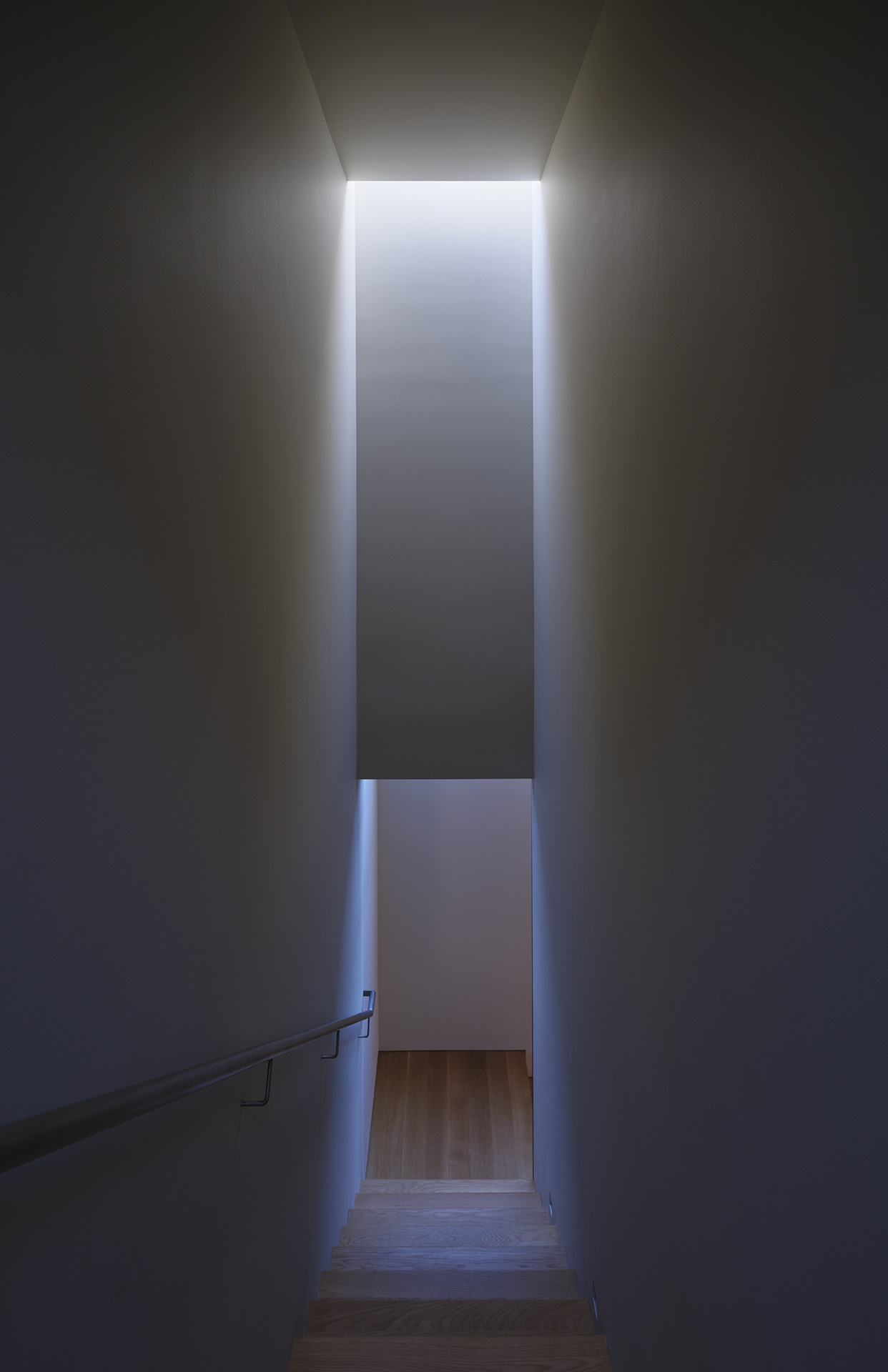
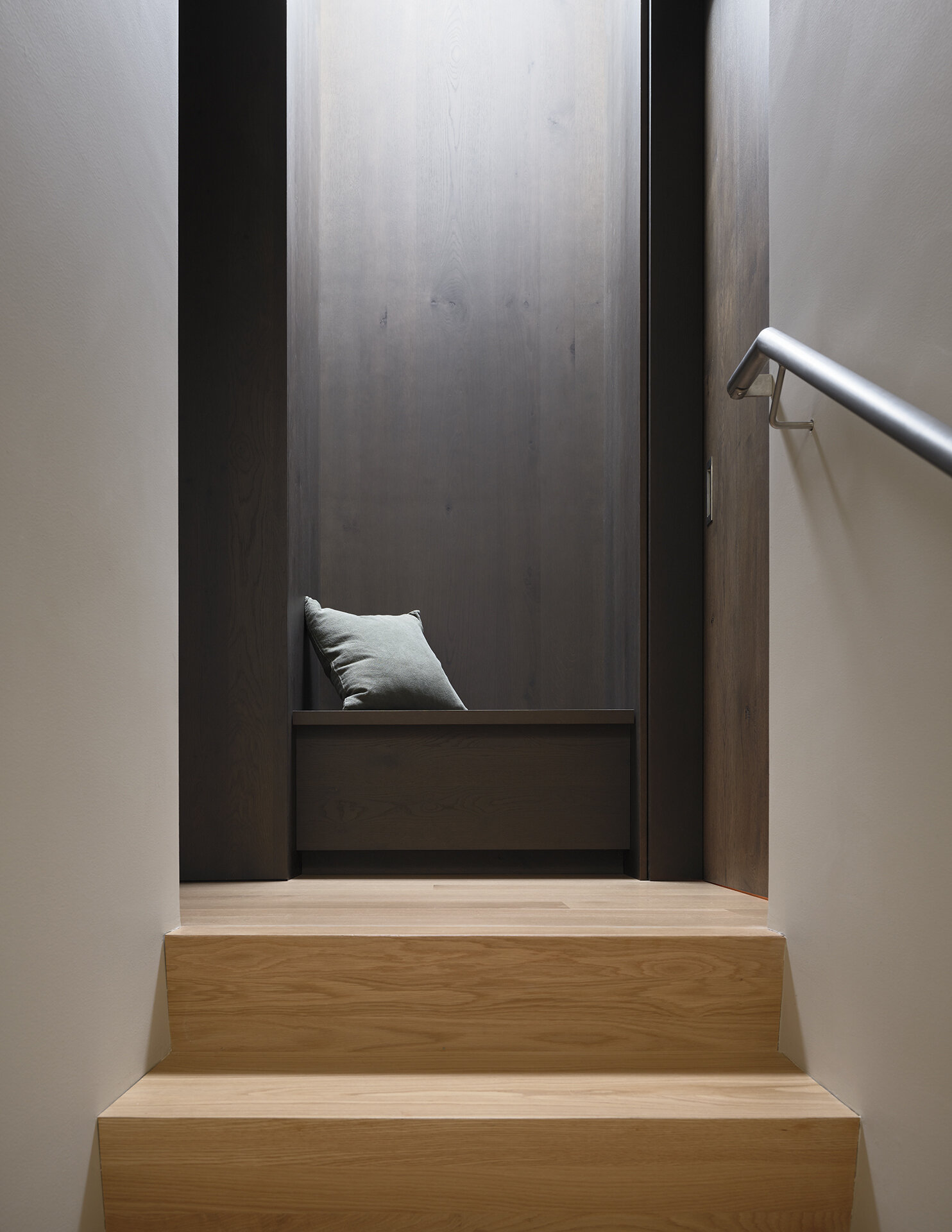
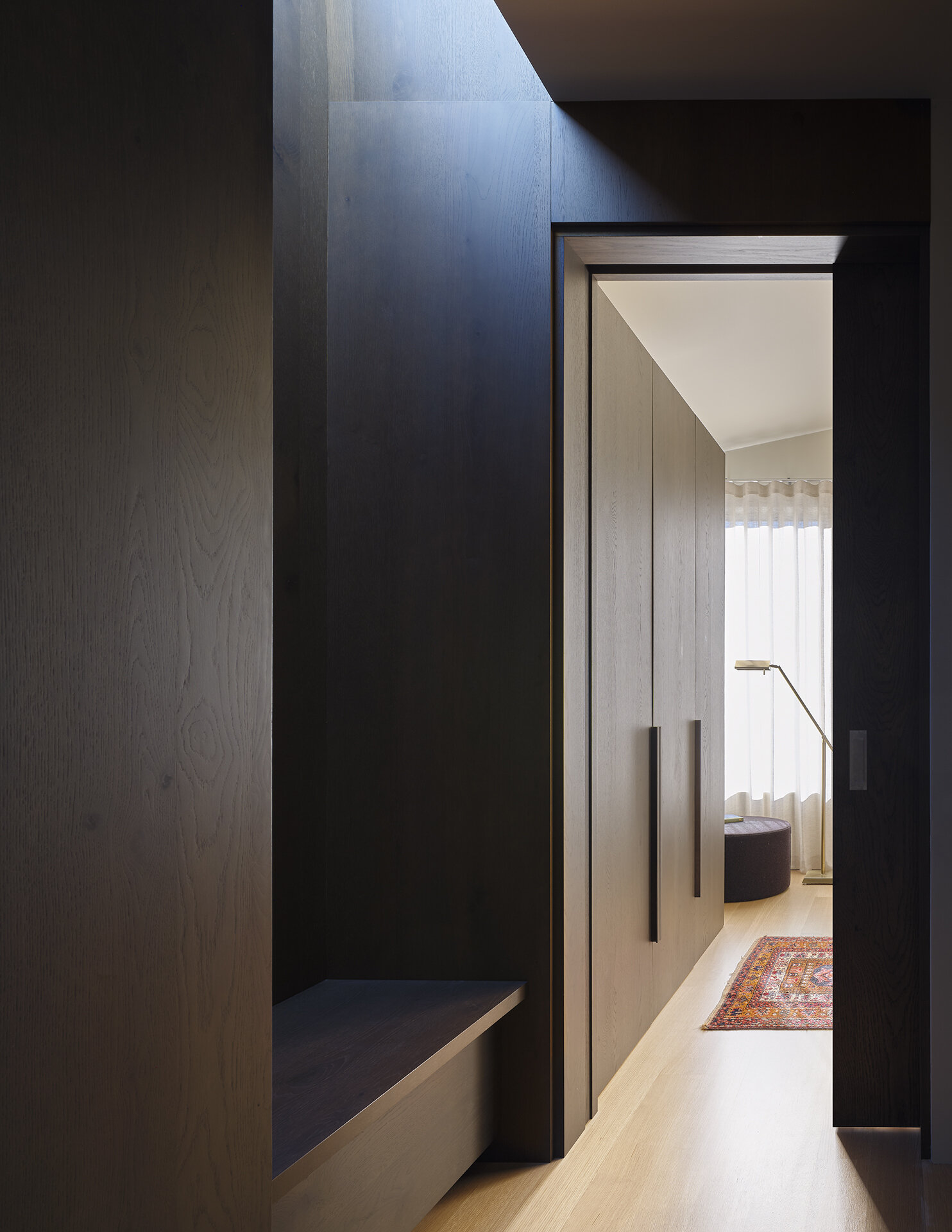
Ascending to the second floor, the staircase which is located by the end of the kitchen, leads to a landing that includes another built-in bench. This feature creates a useful pause point while adding functionality without increasing the home’s footprint.
Built-in elements like this appear throughout the project, helping maximize space and supporting the owners’ desire for compact yet efficient living.
An Upstairs Bedroom Transformed Into a Home Office
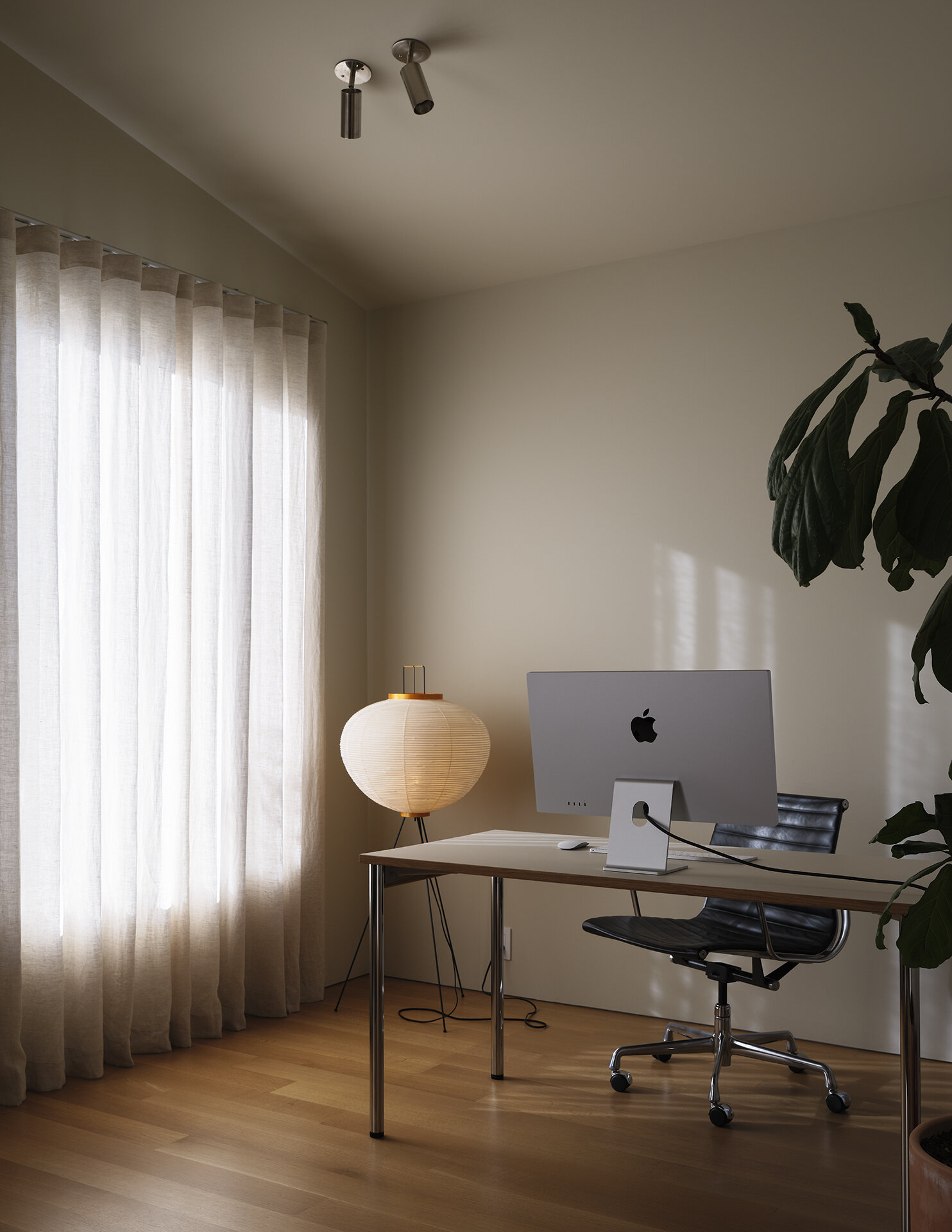
One of the upstairs bedrooms currently serves as a home office, reflecting the owners’ work-from-home lifestyle. The room provides a dedicated place for focused work while remaining flexible enough to evolve as household needs change.
A Second Upstairs Bedroom Offers Additional Flexibility
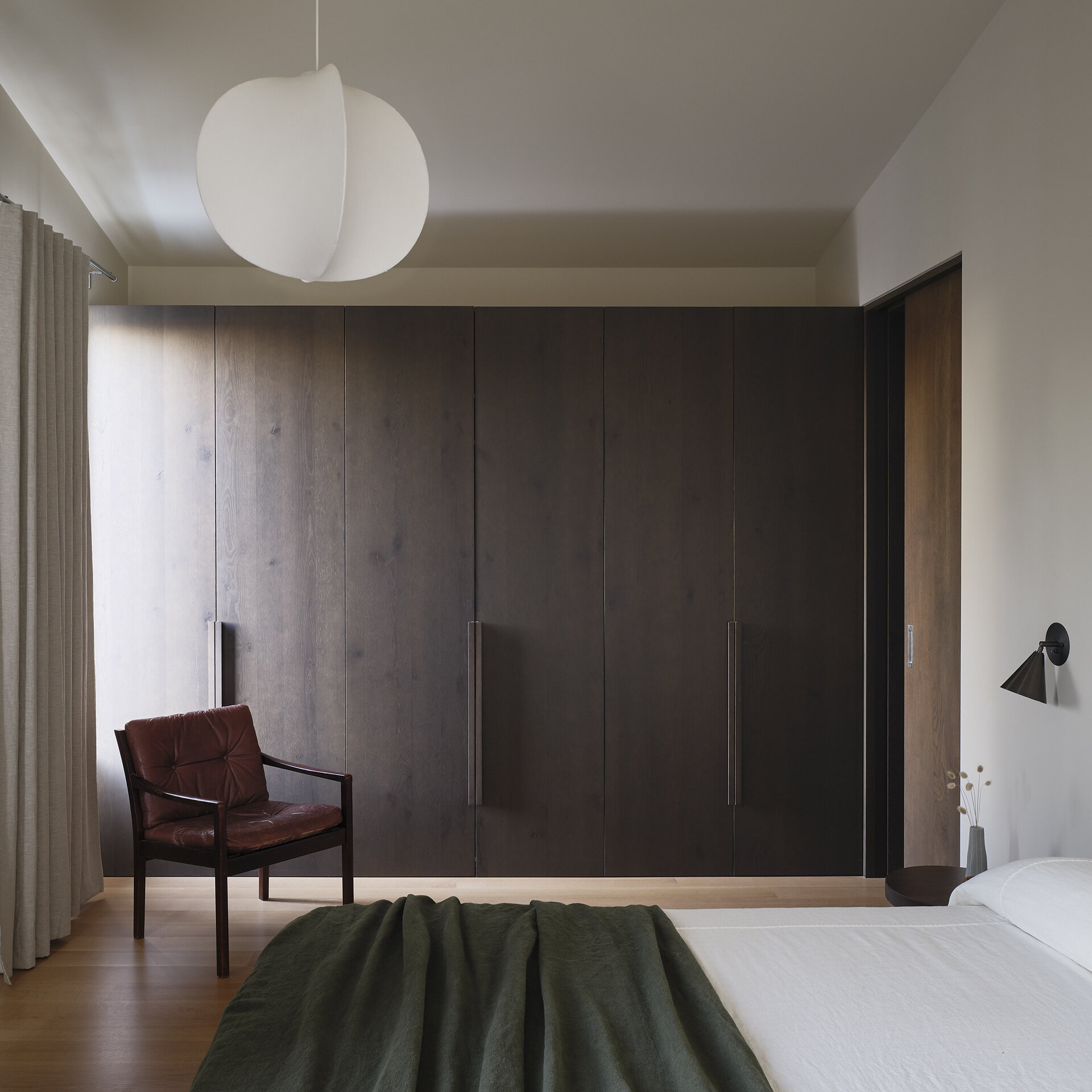
The second upstairs bedroom includes simple finishes, generous daylight, and plenty of storage, allowing the space to feel larger than its footprint suggests.
A Bathroom Featuring a Built-In Bathtub and Walk-In Shower
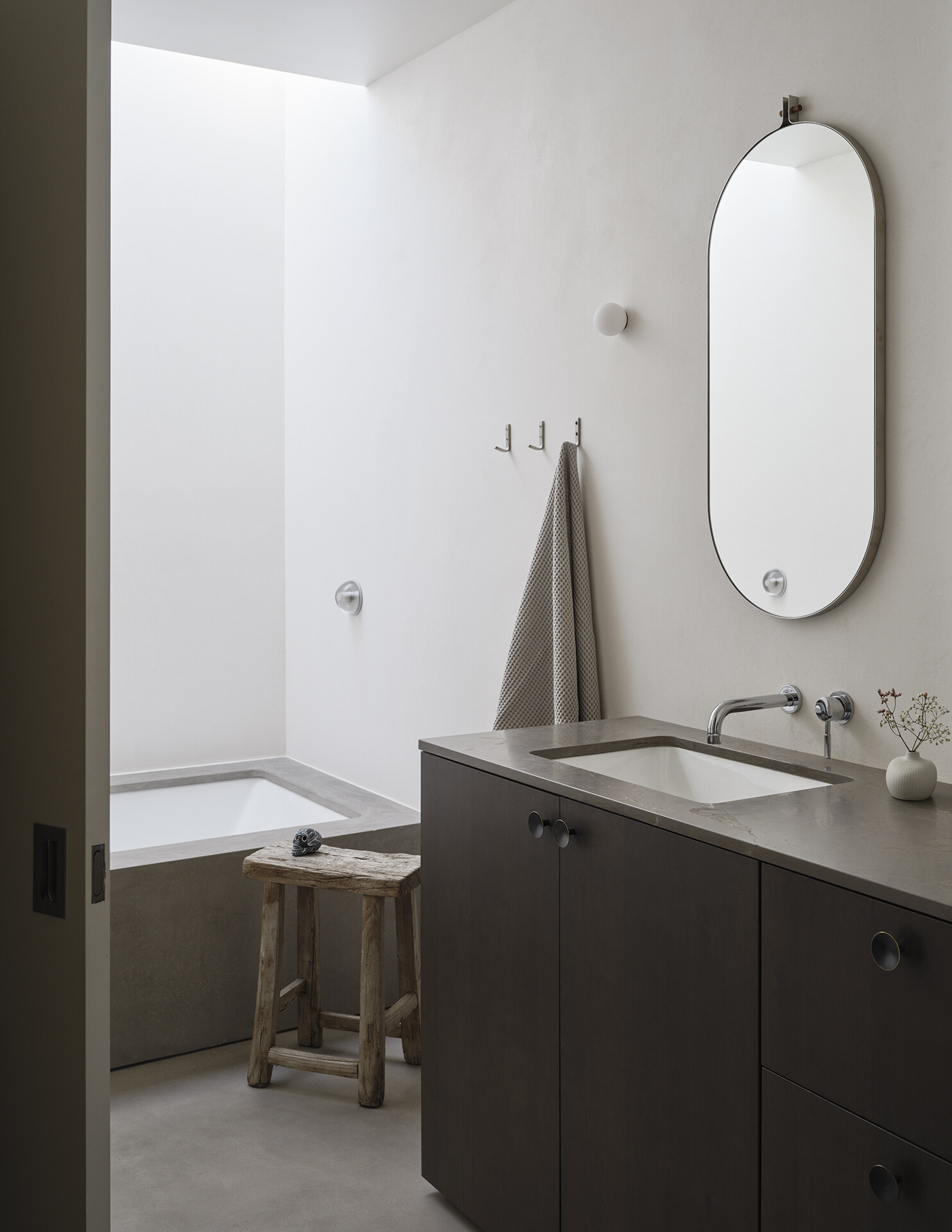
The upstairs bathroom combines comfort and practicality through a layout that includes both a built-in bathtub and a walk-in shower. The clean lines, bright surfaces, and natural light contribute to the overall sense of openness found throughout the house.
Understanding the Design Through Architectural Drawings
The architectural drawings, including floor plans and the site plan, reveal how efficiently the home’s compact footprint has been organized. They show the relationship between interior spaces, outdoor areas, and the surrounding neighborhood context.
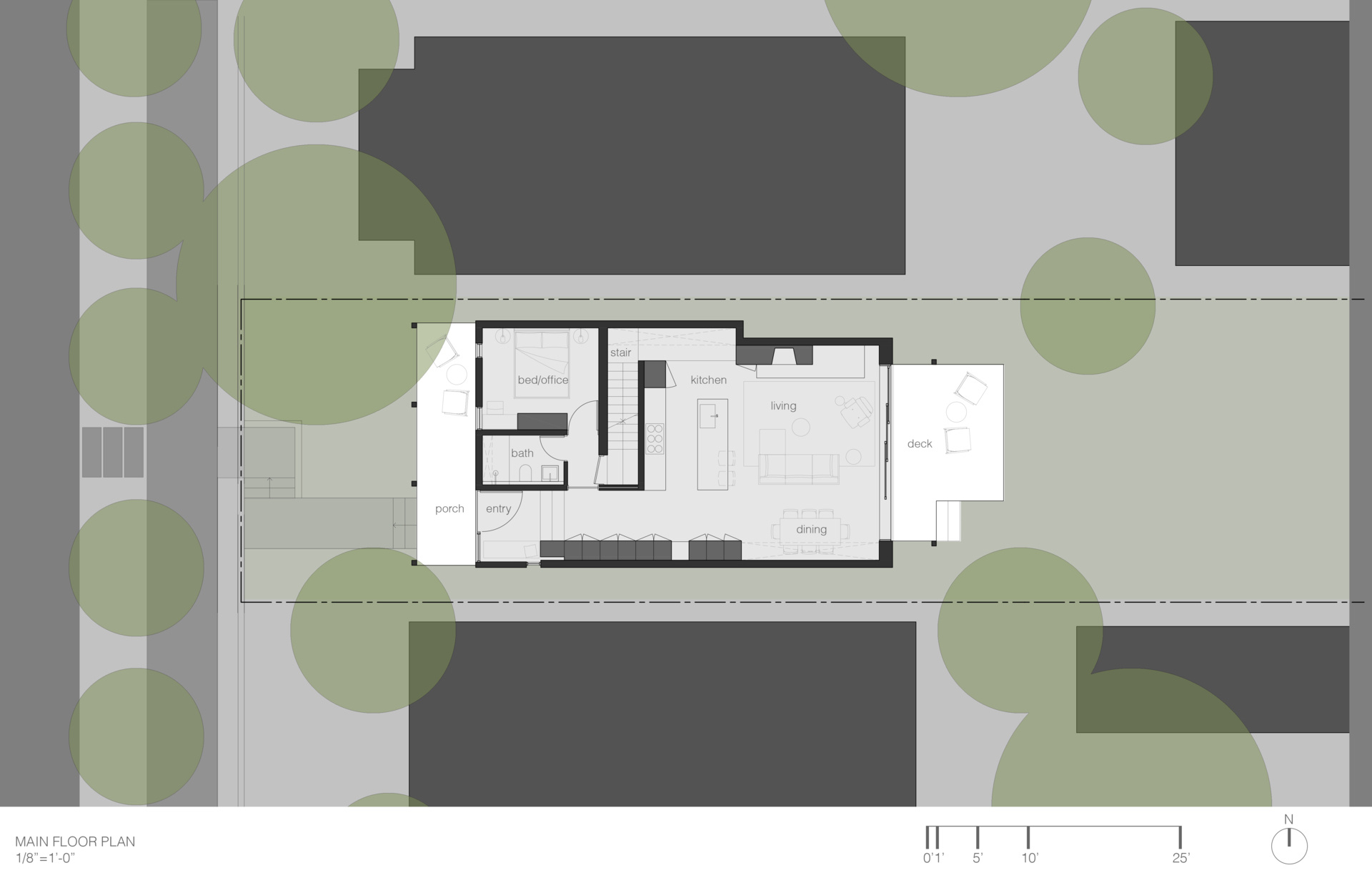
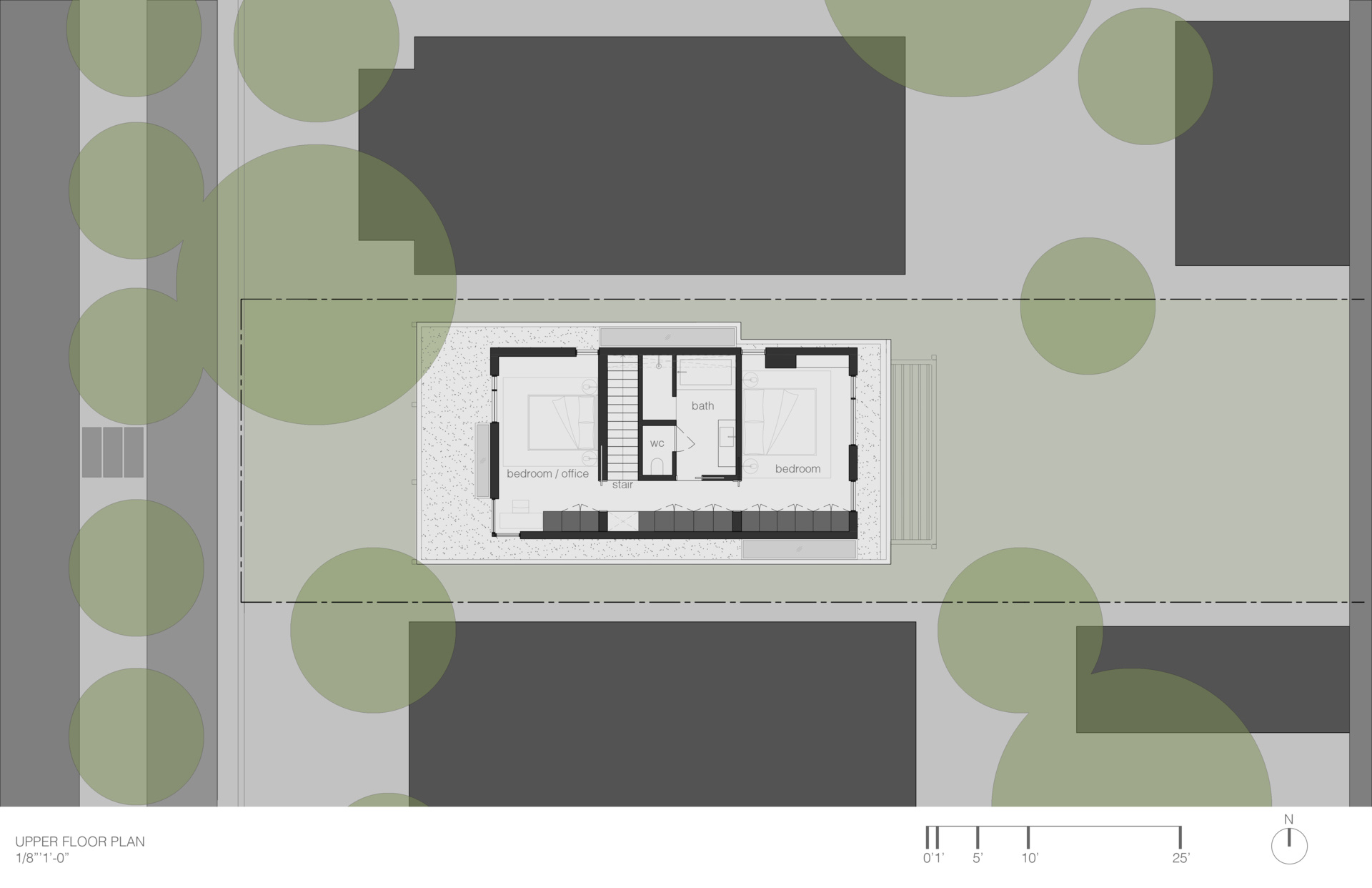
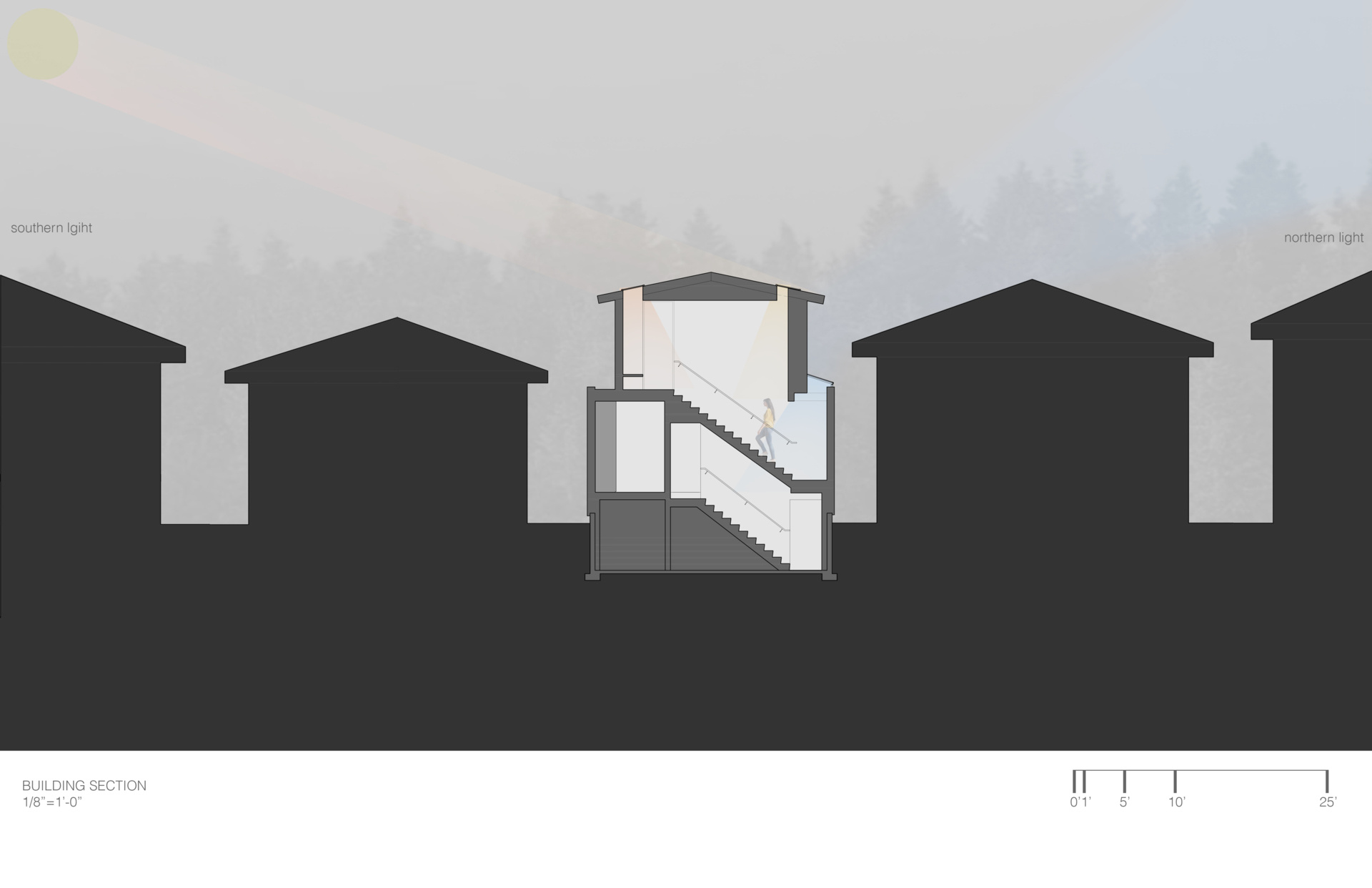
Designed by Drew Shawver Architecture + Design, the project blends Pacific Northwest building traditions with modern functionality, creating a home that feels welcoming, efficient, and filled with light.