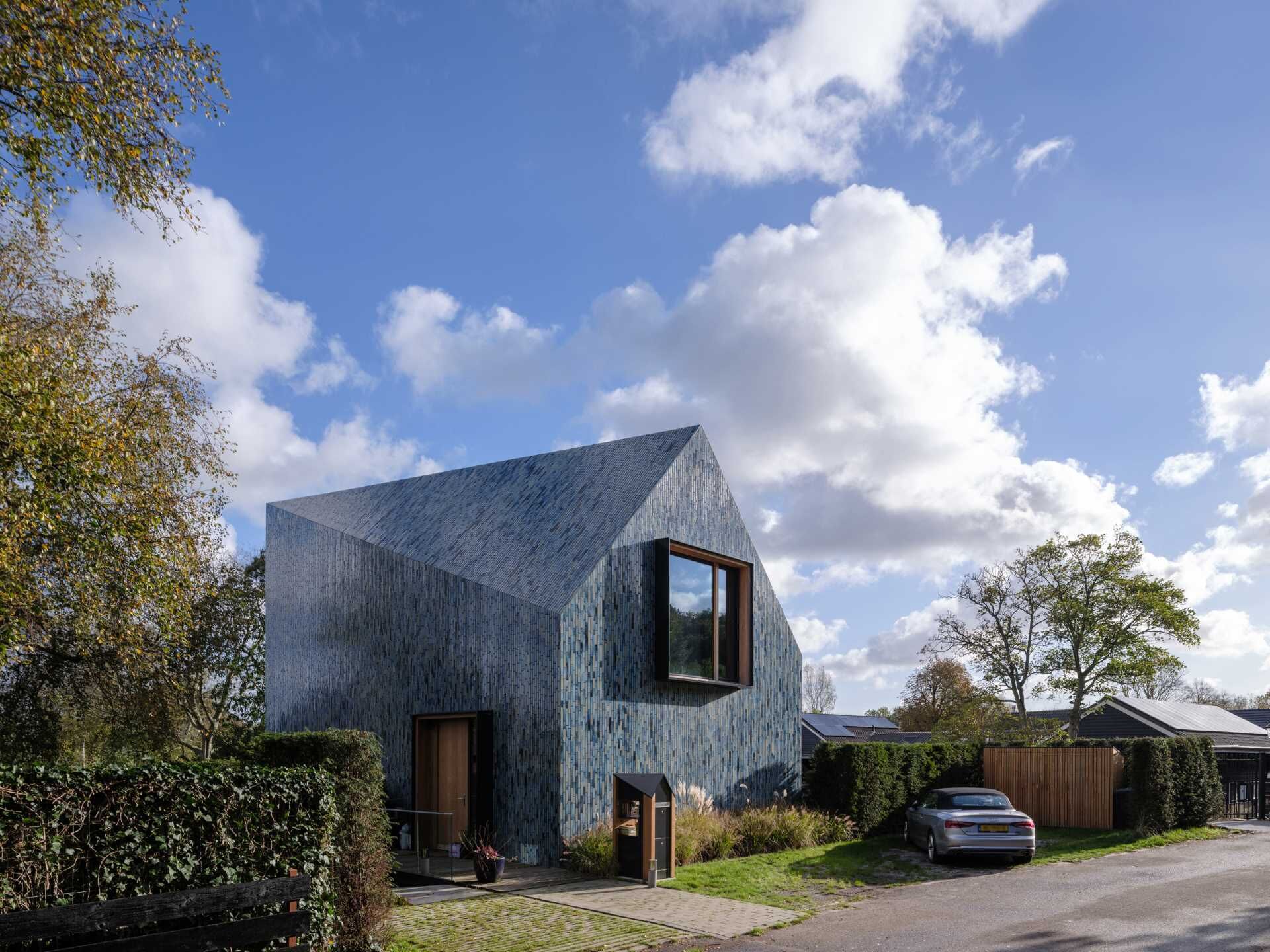
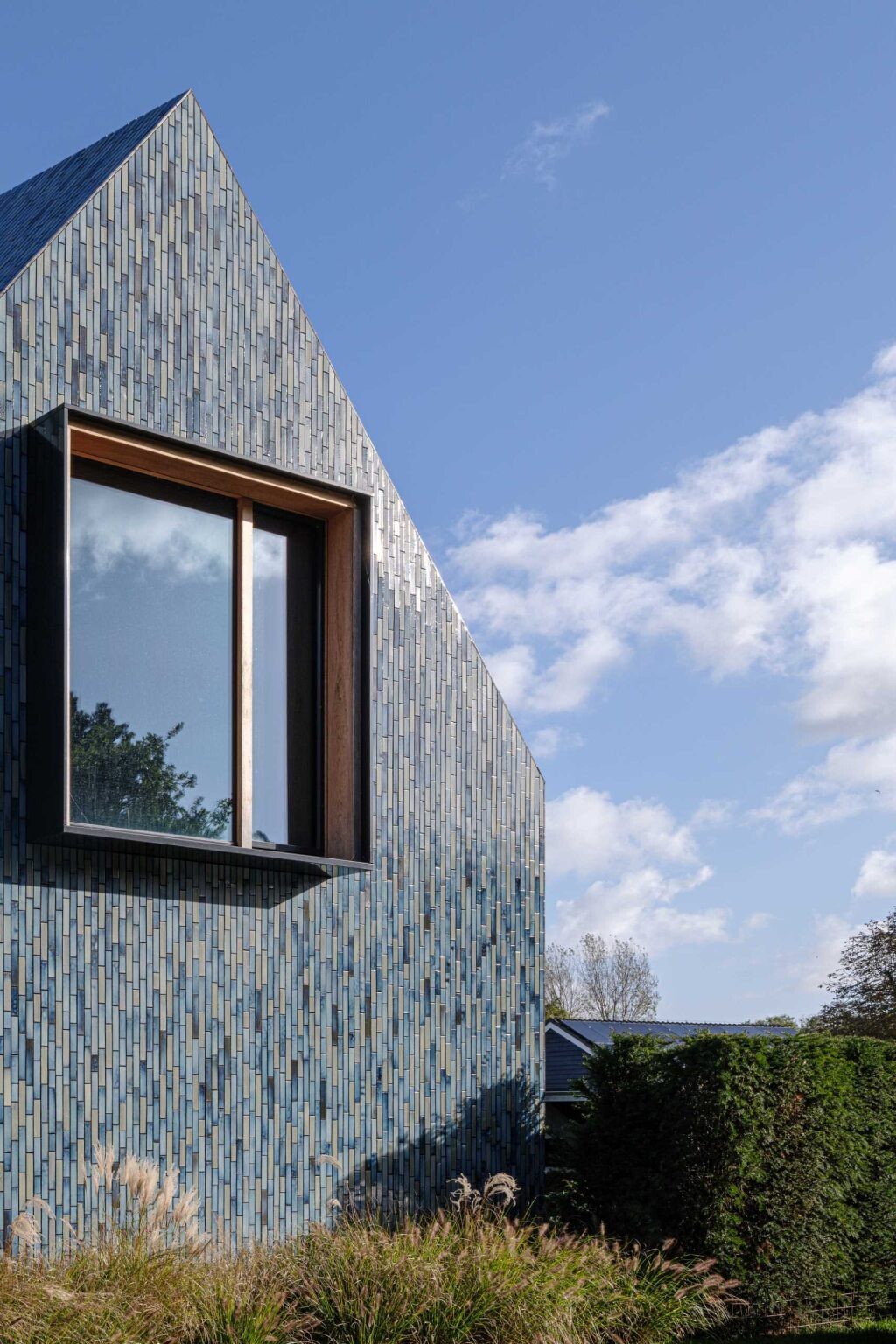
In the village of Schoorl in the Netherlands, architecture firm Mecanoo created a home that immediately catches your attention. Known as Villa BW, the house stands out for its striking blue ceramic exterior and an unusual roof that appears to twist as it moves across the building.
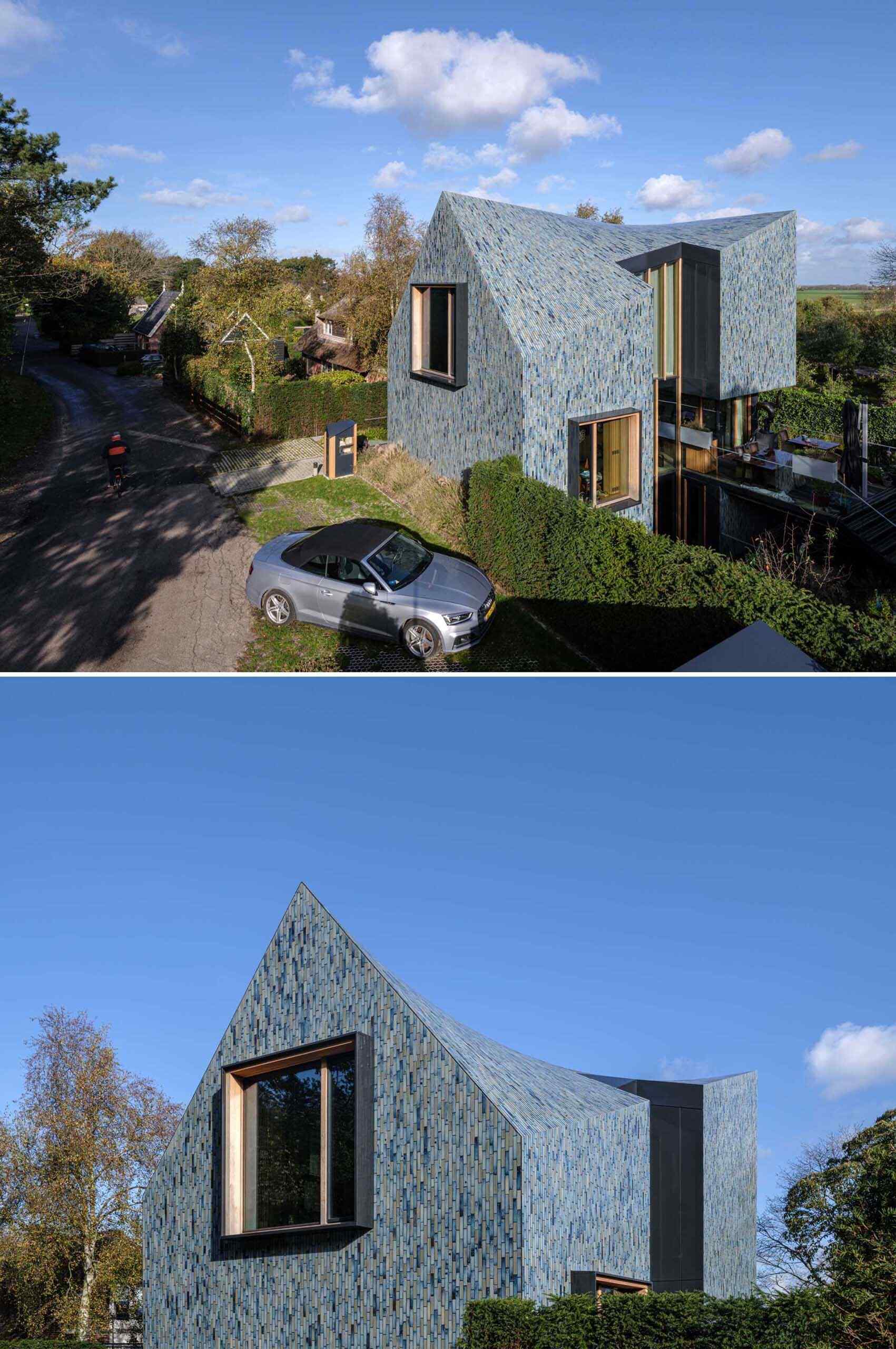
A Twisting Roof That Changes From One Side to the Other
The shape of its double-curved roof is created by two overlapping forms that respond differently depending on which side of the home you are viewing.
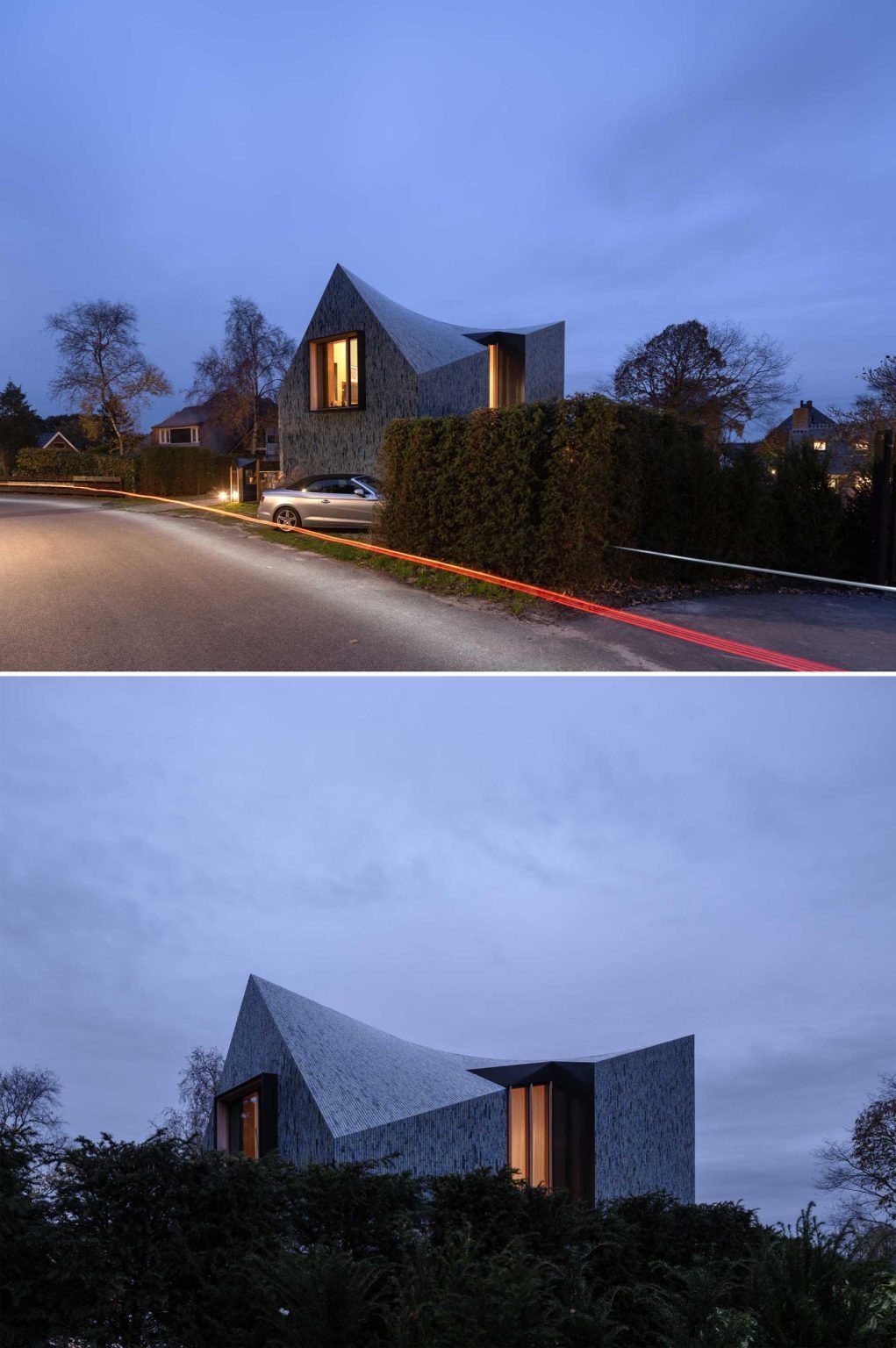
Facing the dunes, the roof takes on a traditional gable form that reflects the character of nearby homes along Oorsprongweg. On the opposite side, the roofline becomes horizontal as it looks toward the polder landscape. This gradual change gives the building its twisting appearance, creating a form that feels dynamic without losing its sense of balance.
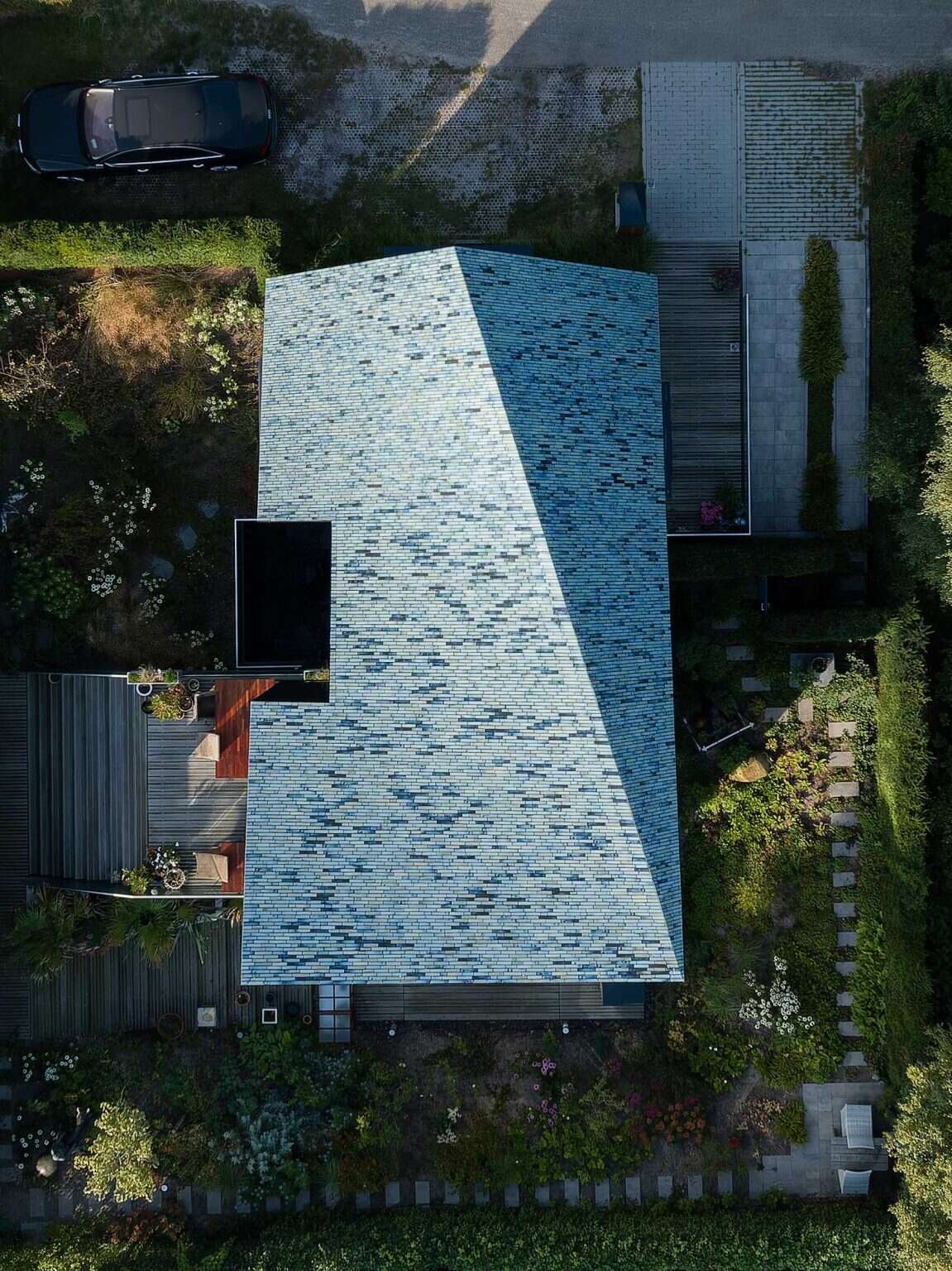
Thousands of Ceramic Tiles Wrap the Entire Home
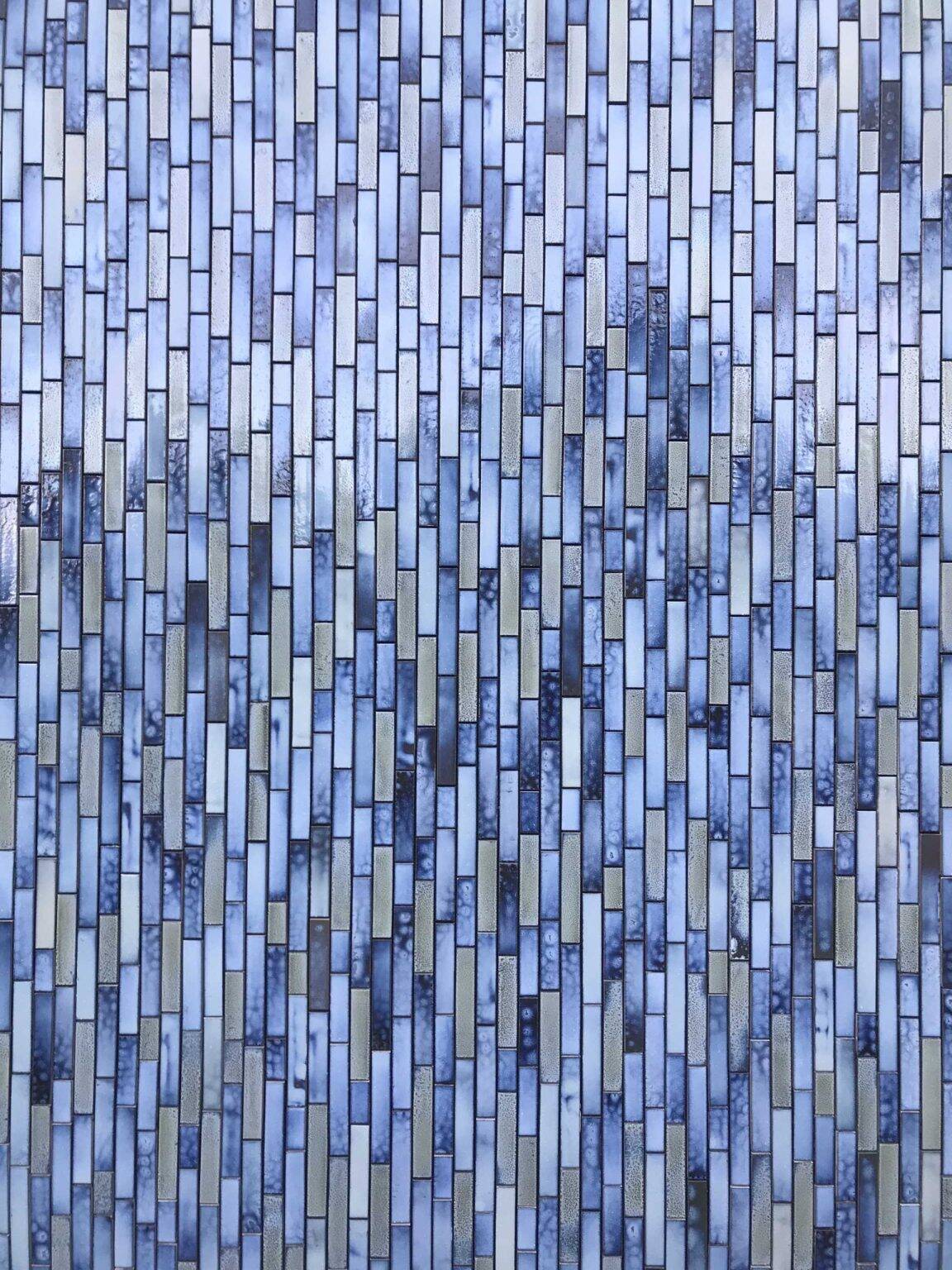
The exterior is covered entirely with custom multi-colored glazed ceramic tiles that extend uninterrupted across both the walls and roof. Using one material throughout gives the villa a strong, unified appearance while allowing the architecture itself to become the focus.
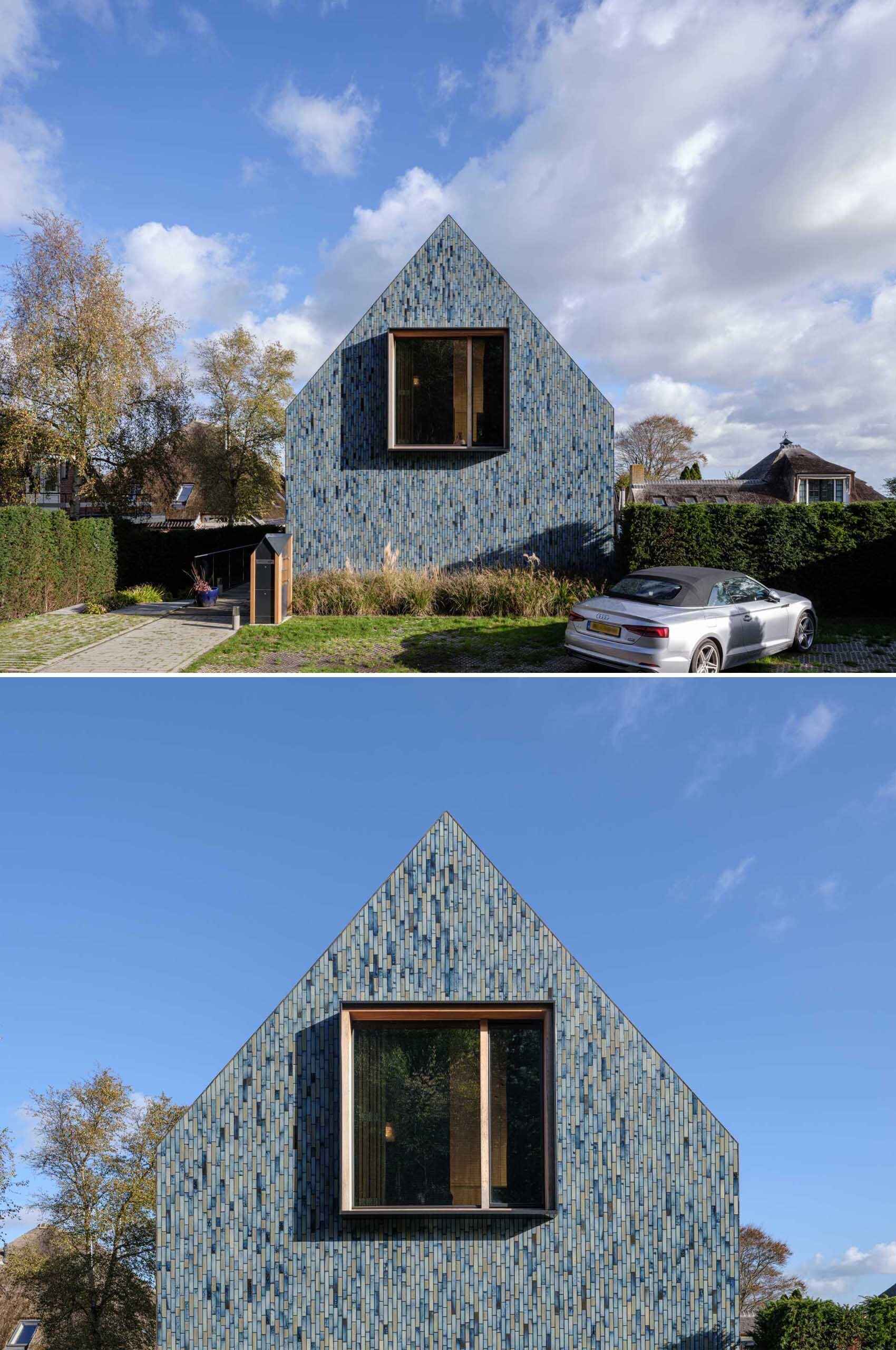
The colors of the tiles are inspired by the landscape surrounding the house. Their blend represents the transition from dunes to polders, while also reflecting the changing layers of soil, moving from lighter tones to darker ones. Instead of introducing sharp contrasts, the color palette creates a gradual shift across the building’s surface.
Five Shades Create an Exterior That Never Looks the Same
According to the architects, the ceramic cladding uses five shades of grey, green, and blue that mirror the colors found in the landscape throughout the seasons.
The glossy glaze gives each tile an iridescent, pearlescent finish that responds to changing daylight. As sunlight moves across the facade, reflections and subtle color shifts continually alter the building’s appearance. The effect means the villa rarely looks exactly the same twice, with the roof and walls taking on different qualities throughout the day.
Bright Interiors Organized Around Light-Filled Voids
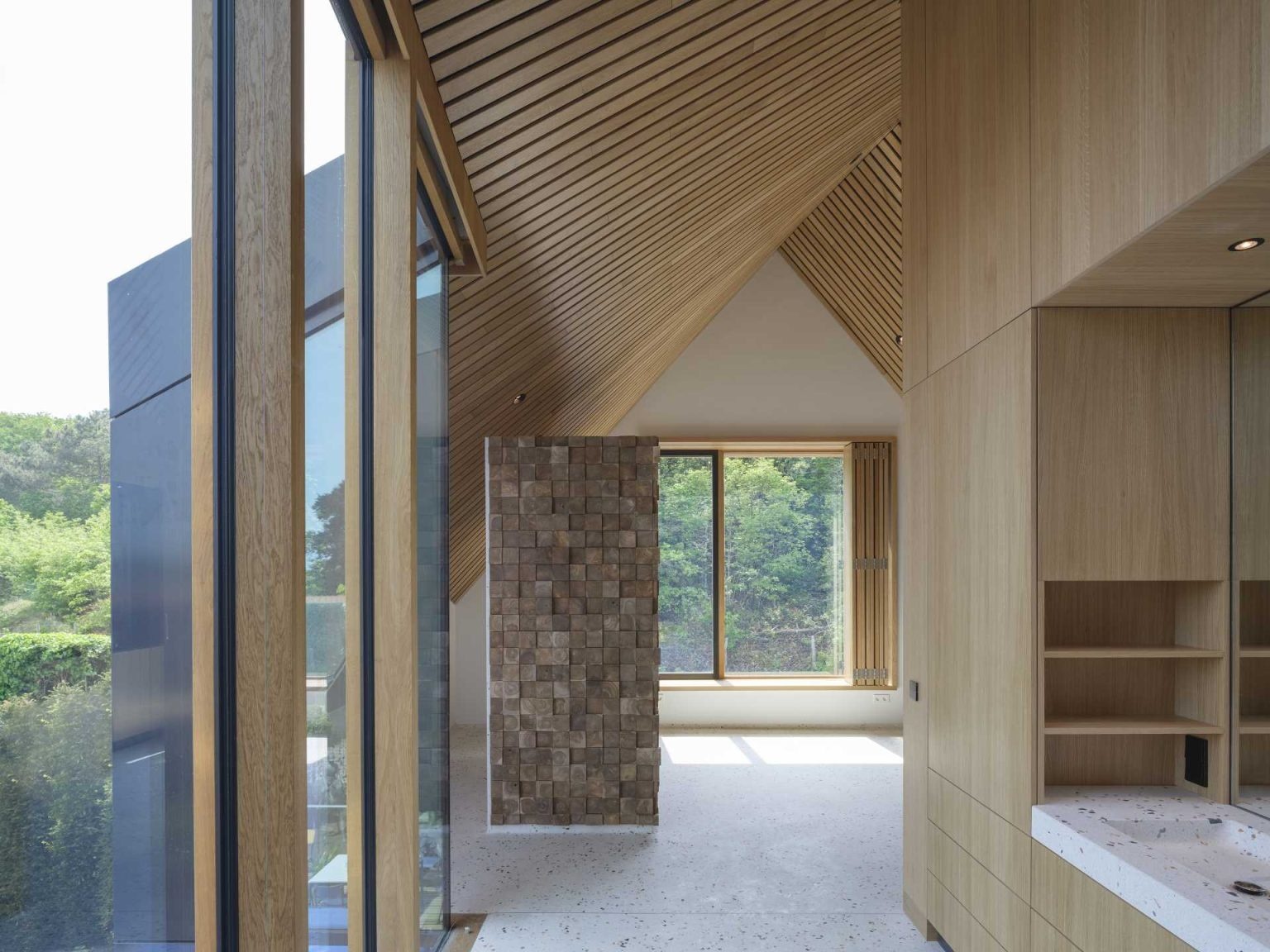
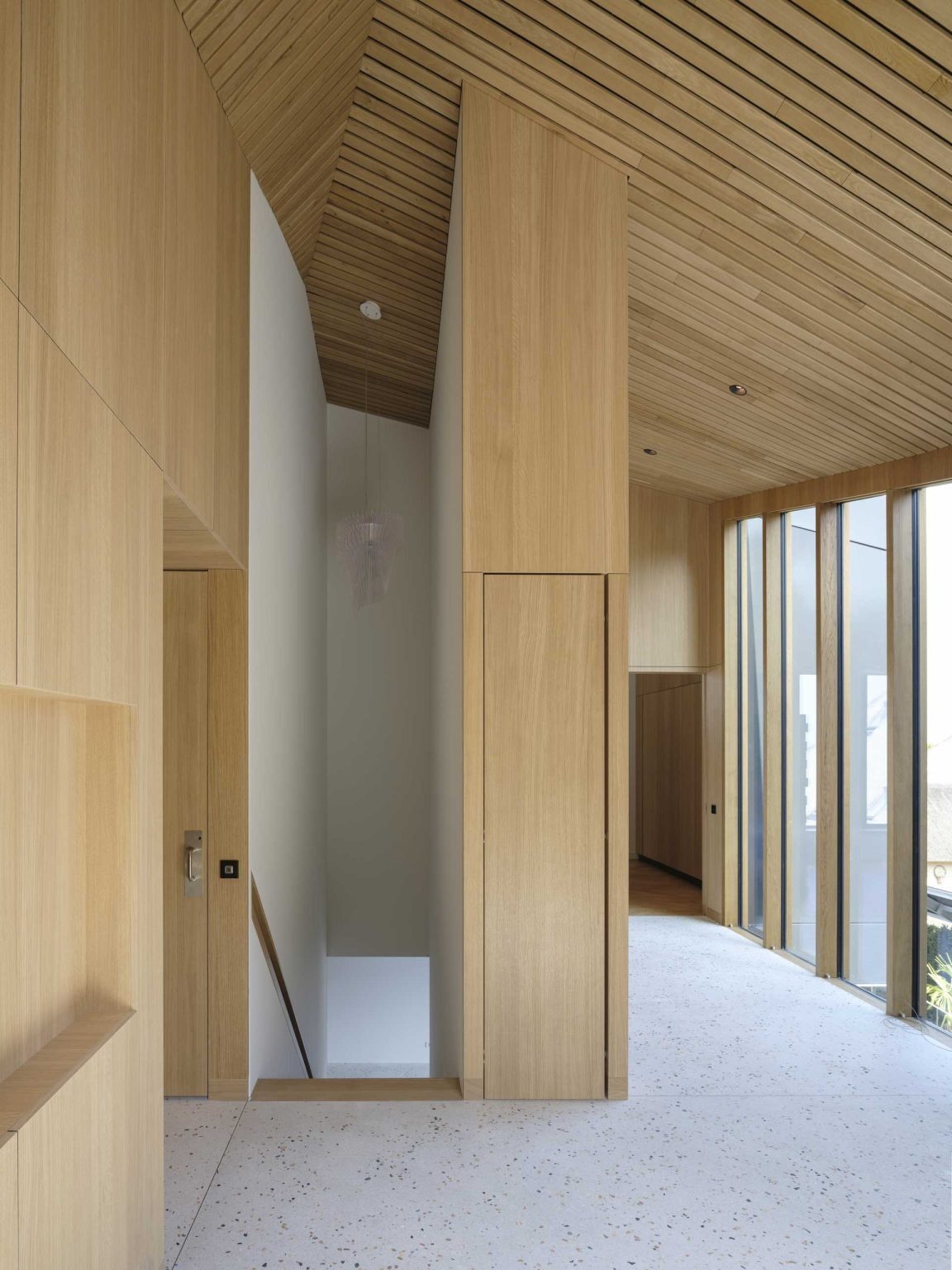
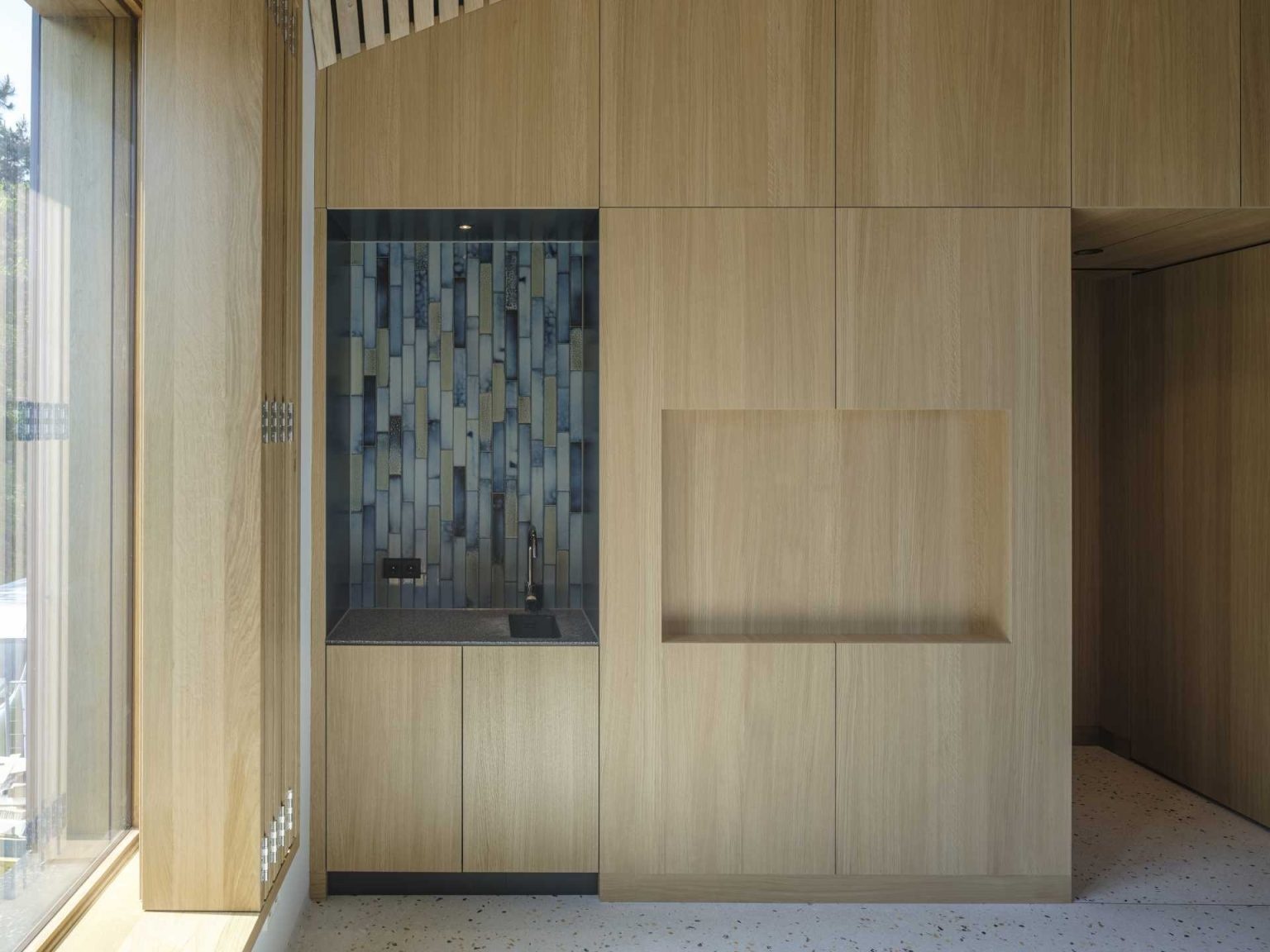
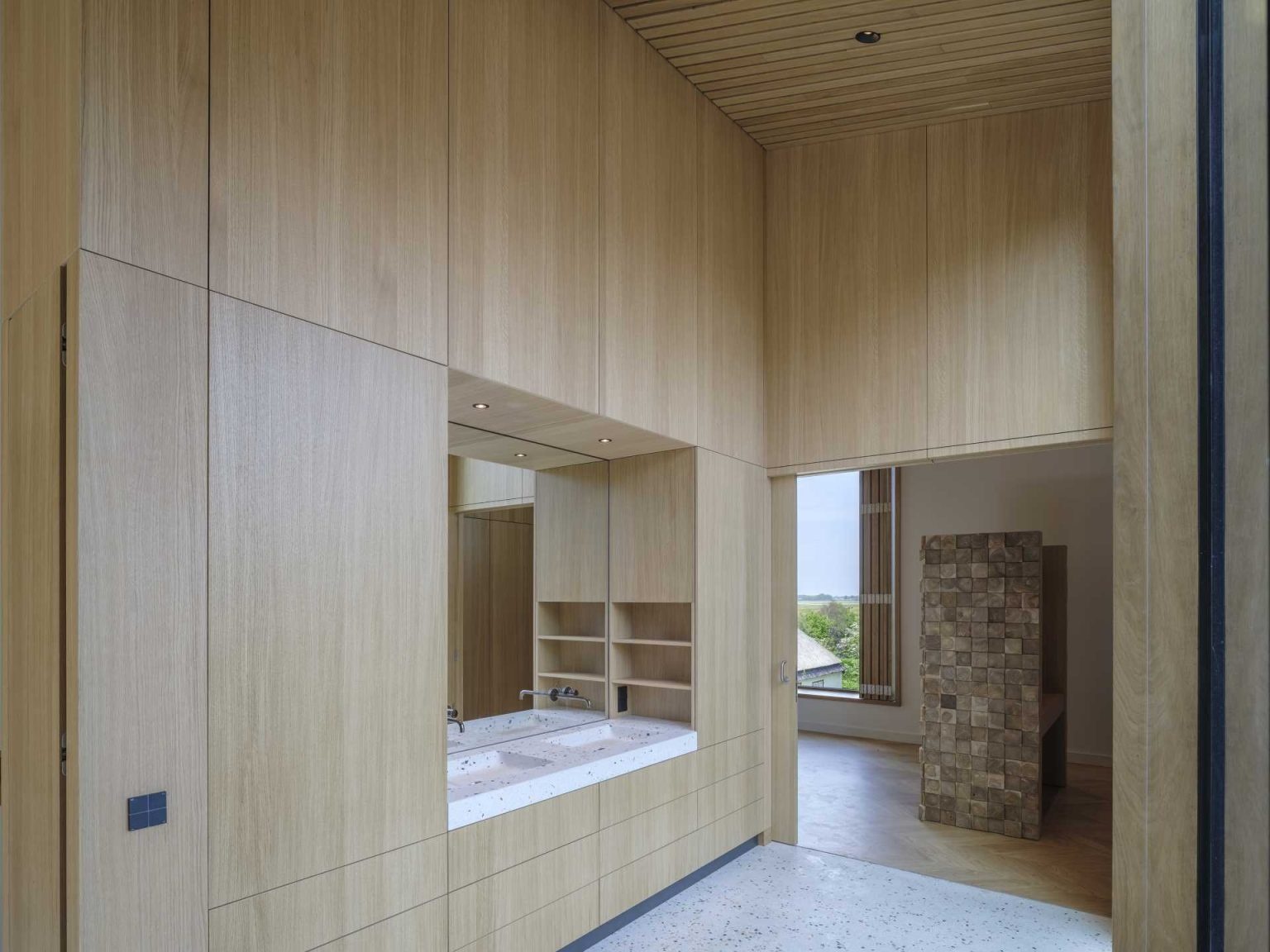
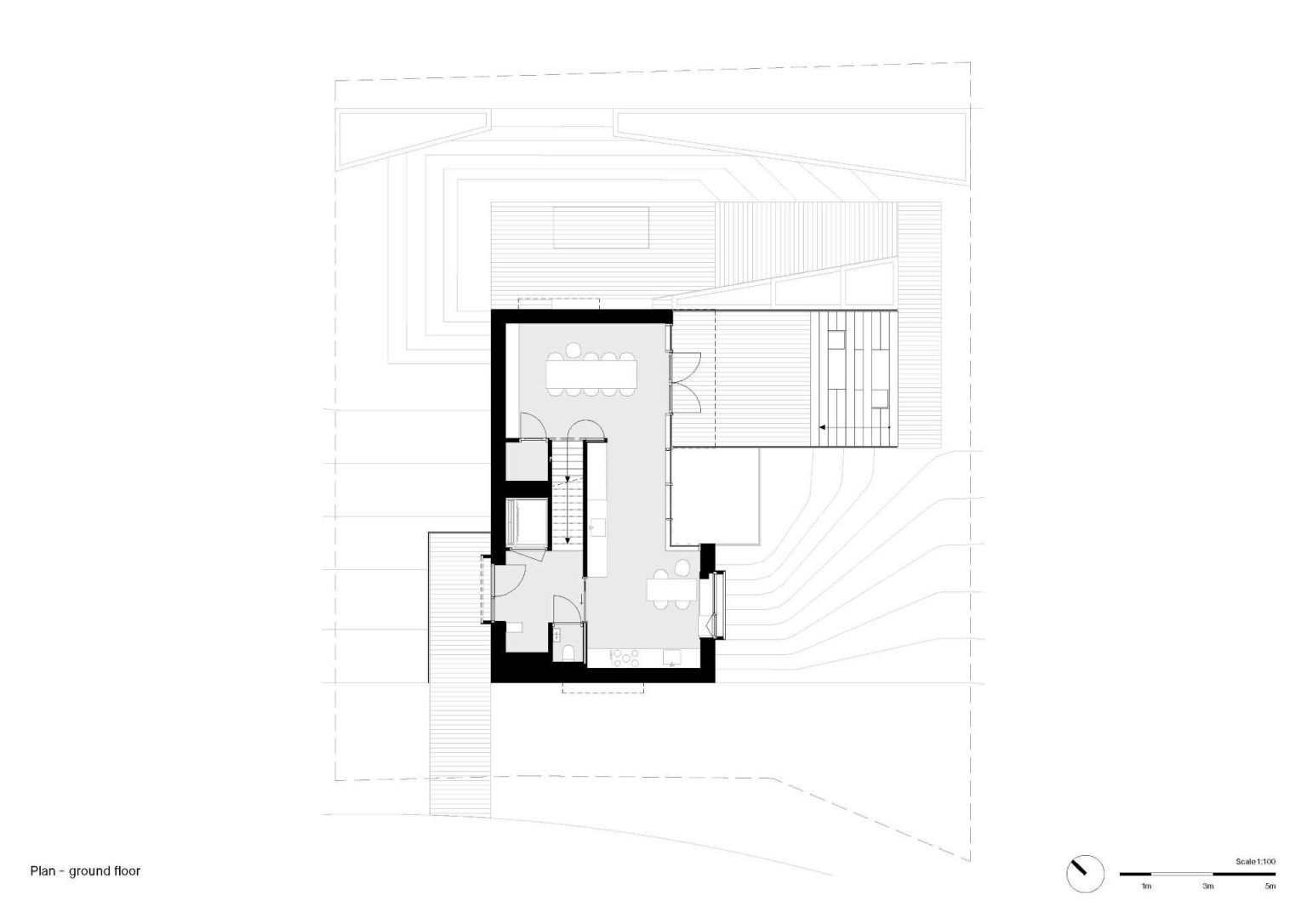
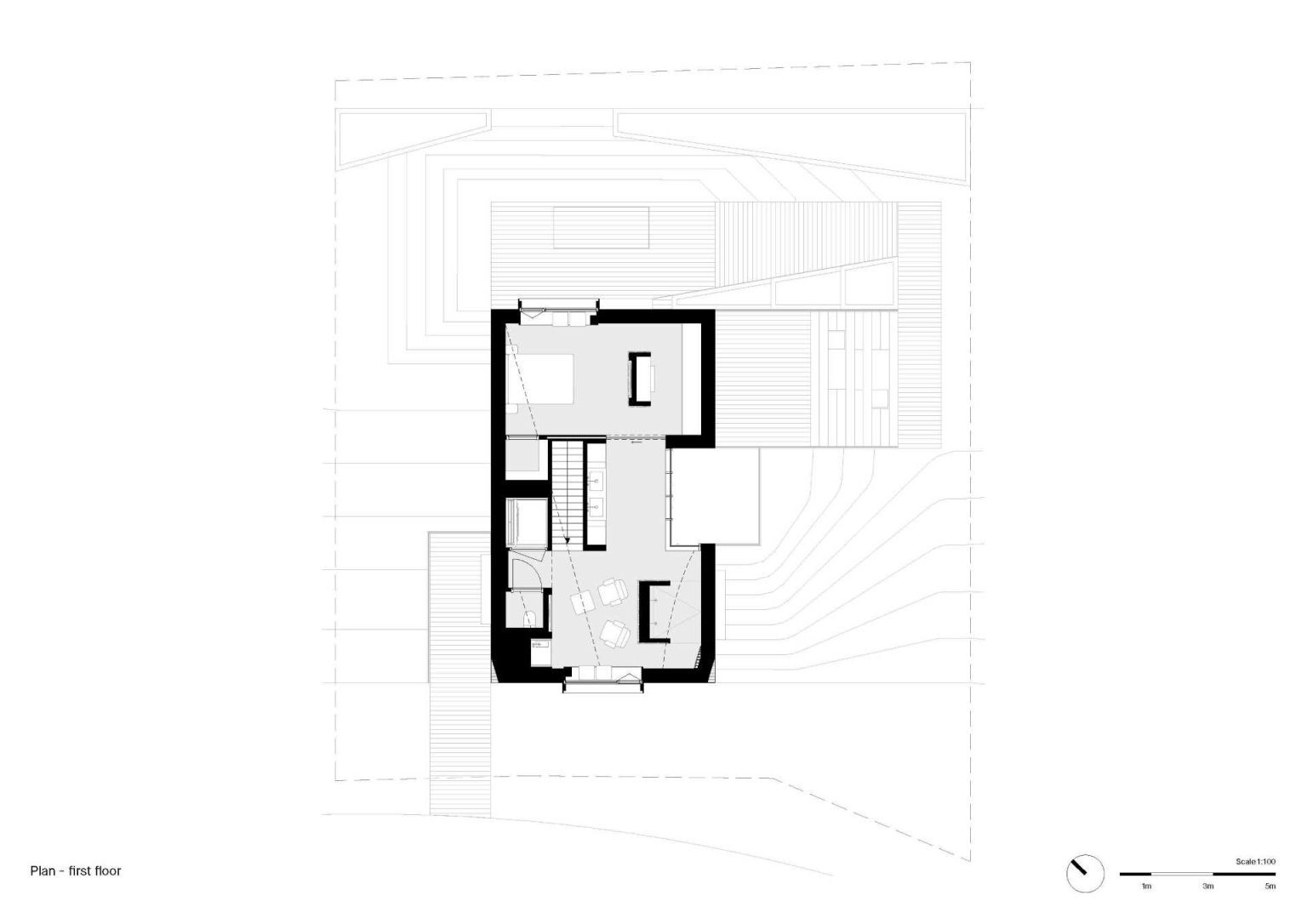
Inside, the home’s layout is arranged around two curtain wall-enclosed voids and a wood-clad enclosed element that houses supporting functions. This organization helps separate practical spaces while allowing the main living areas to remain open and filled with natural light.
The curtain walls draw daylight down through the house, reaching even the lower basement level. Large areas of glazing also frame views of the surrounding countryside, while wooden window surrounds add warmth against the clean interior finishes.
A Different Character as Evening Arrives
As daylight fades, the ceramic tiles begin reflecting the remaining light in new ways, giving the exterior another layer of visual interest. The glossy glaze catches changing colors in the sky, making the facade appear different at dusk than it does during the middle of the day.
A Closer Look at the Design
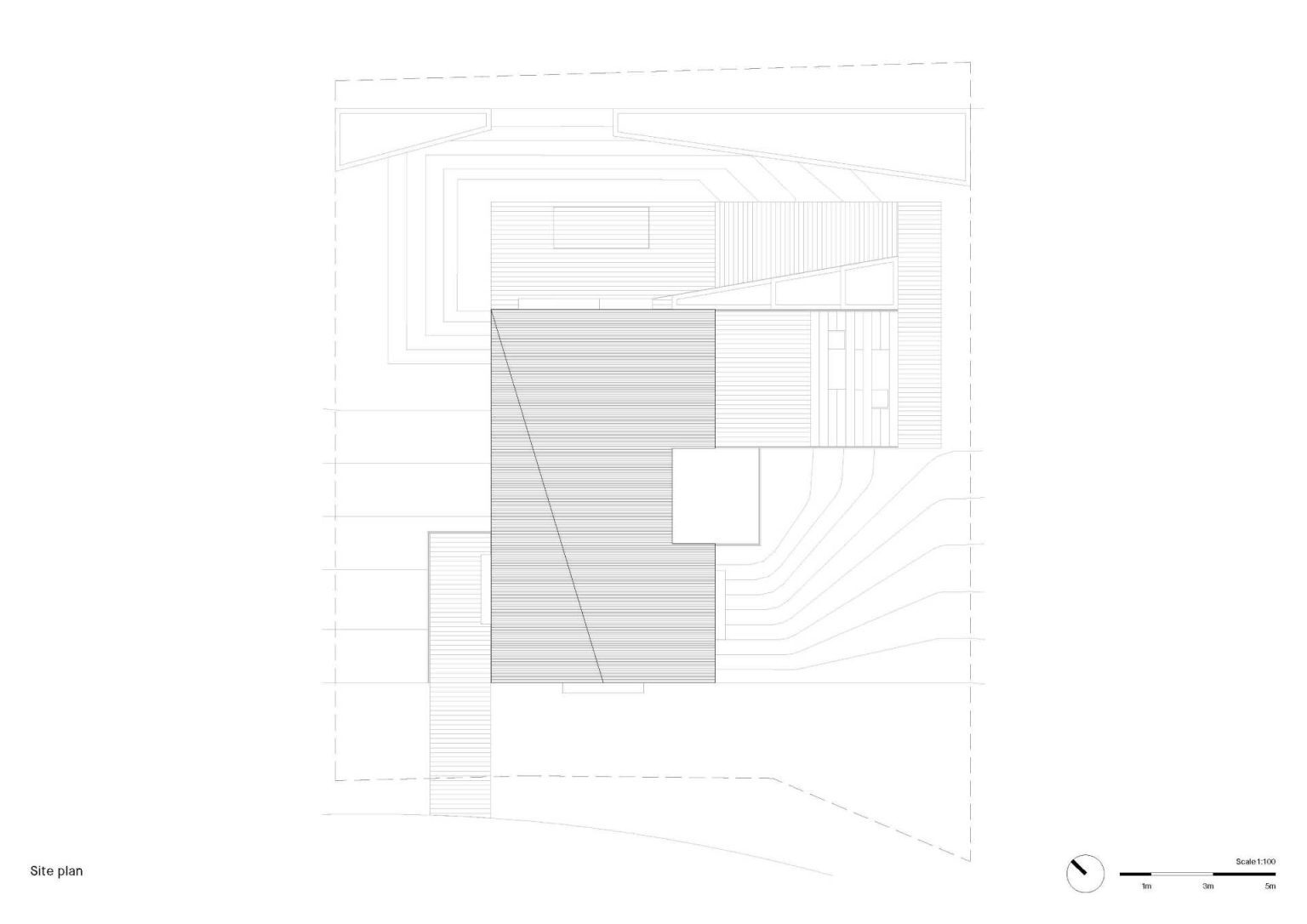
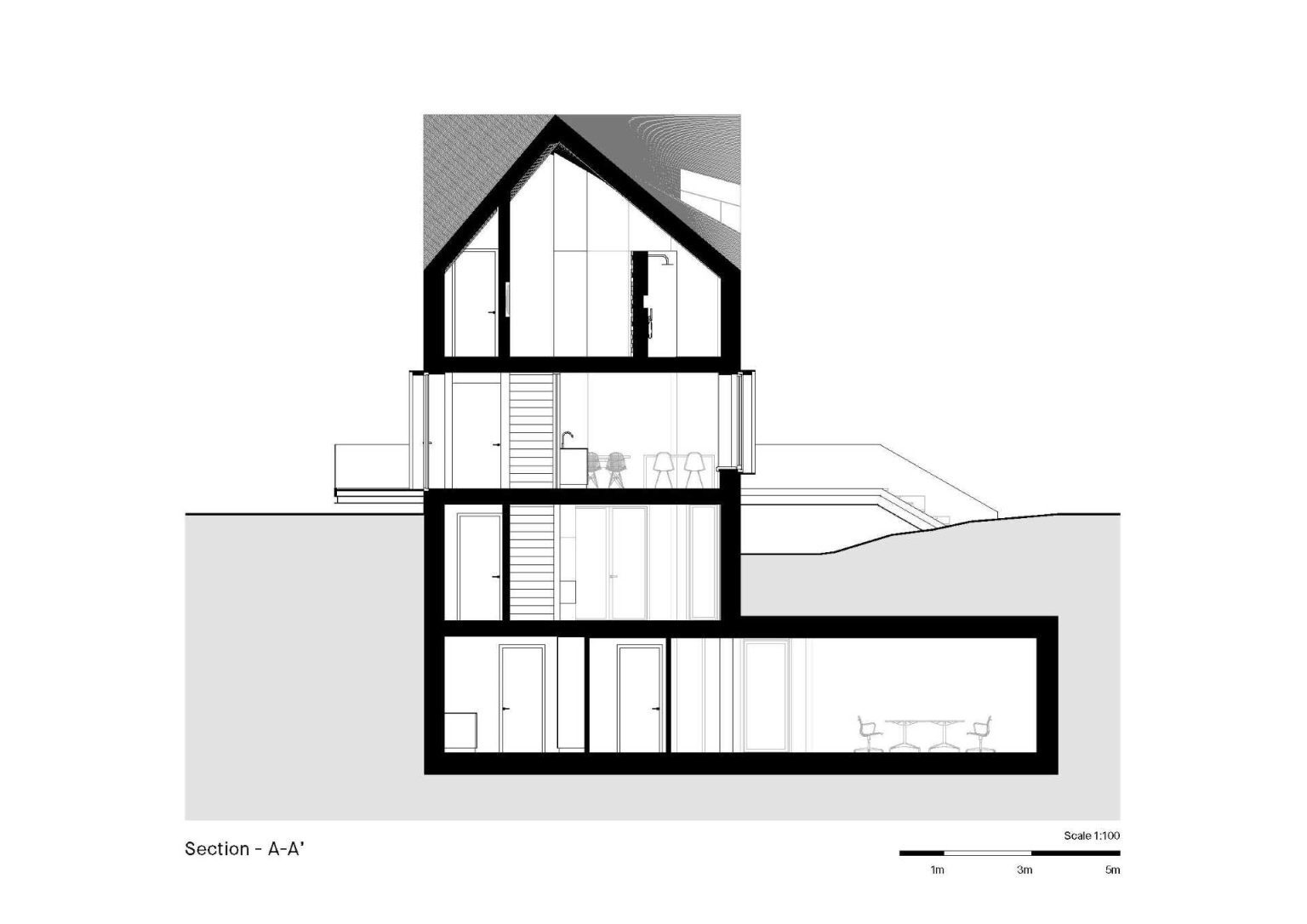
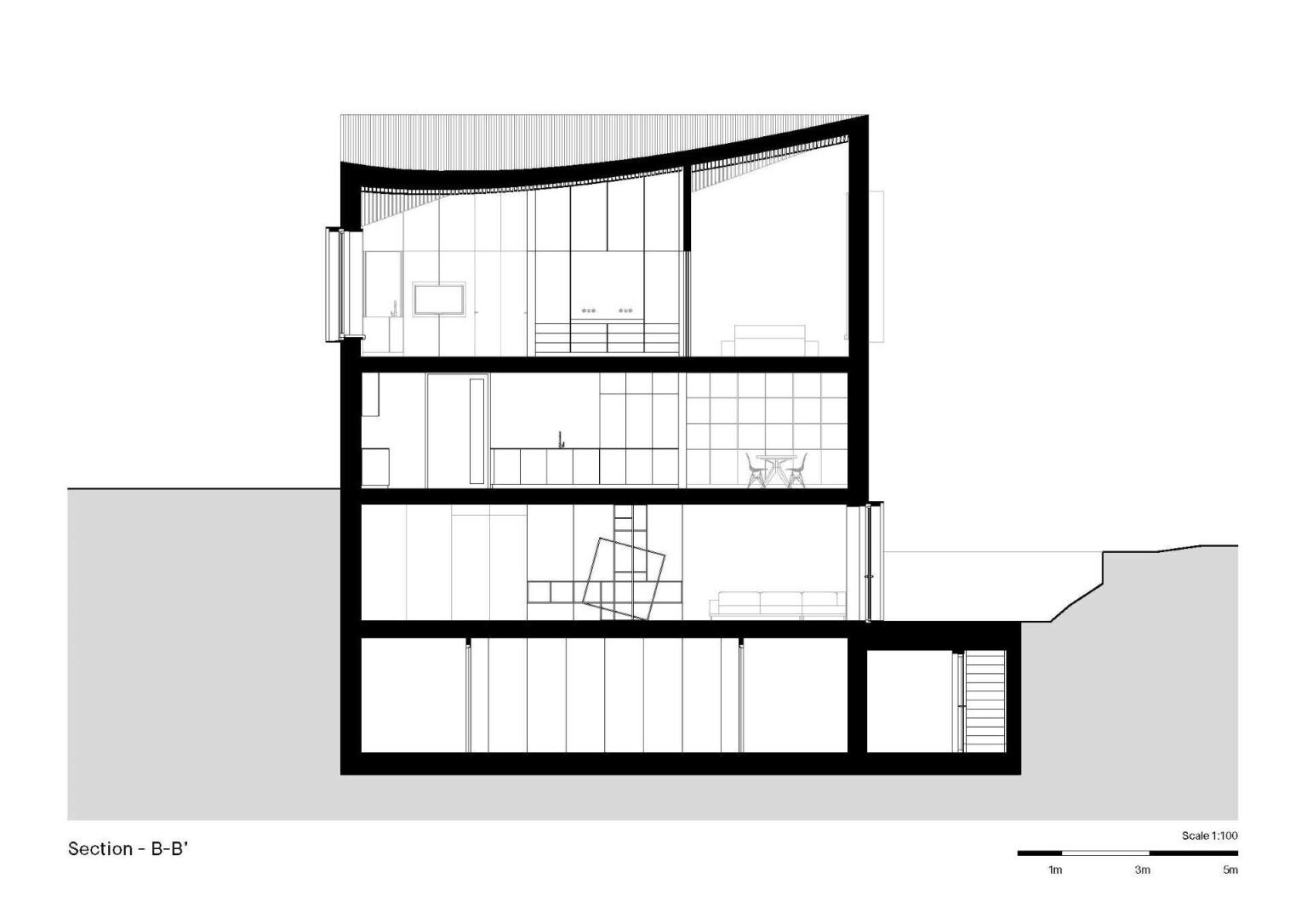
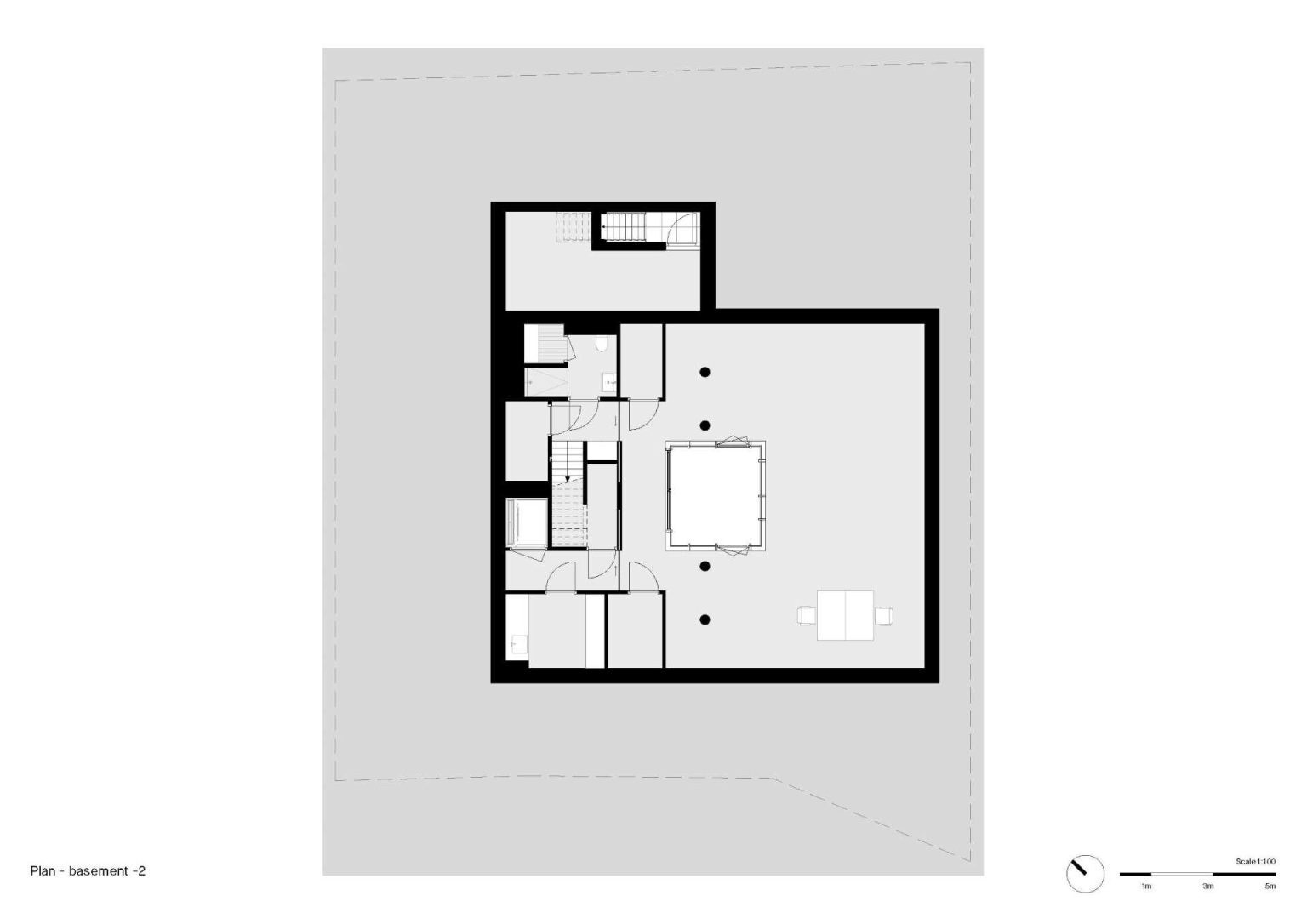
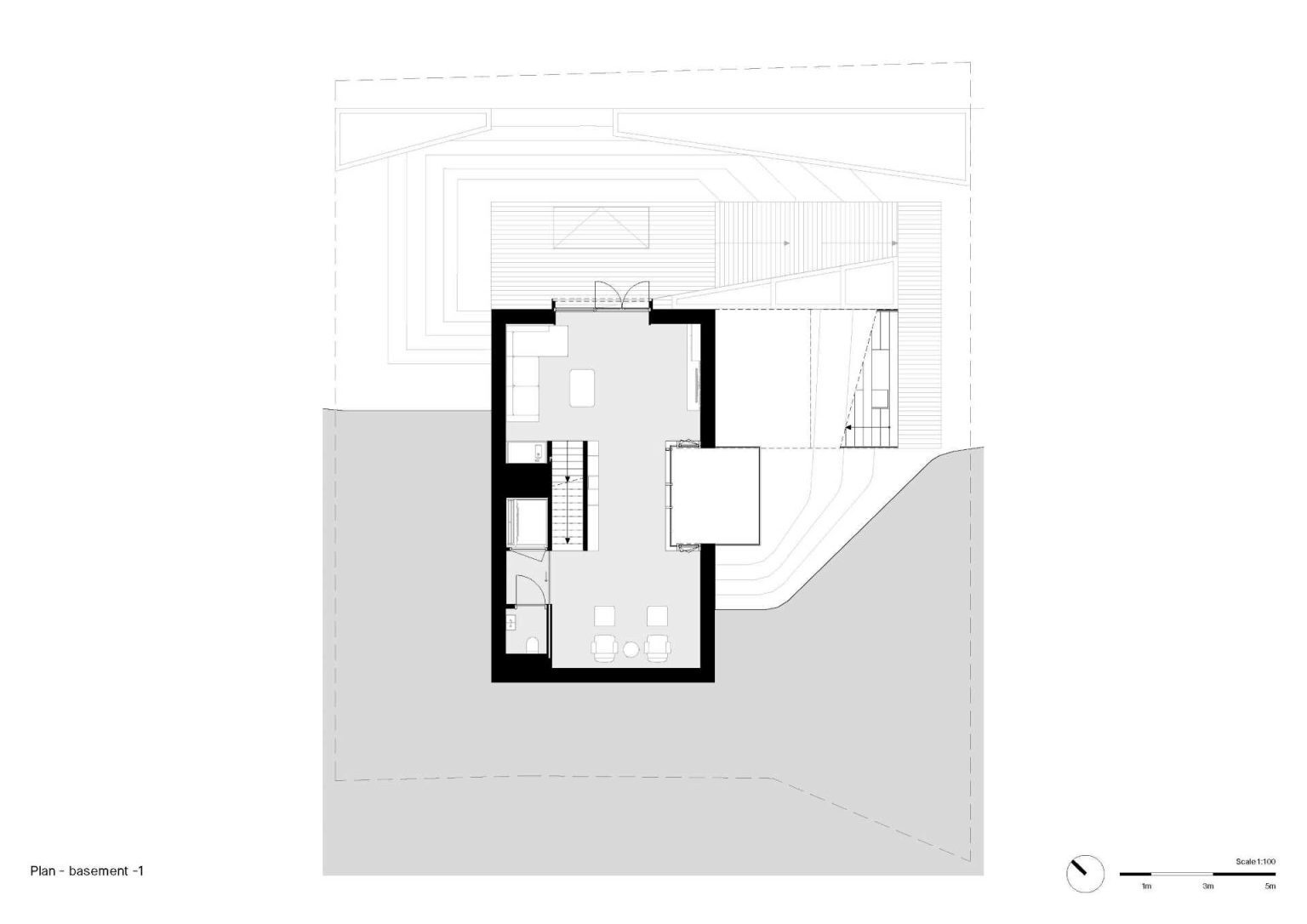
The architectural drawings reveal how the twisting roof is formed from two overlapping roof geometries and how the home is arranged across multiple levels. They also illustrate the relationship between the enclosed wood-clad element, the curtain wall-enclosed voids, and the surrounding landscape, offering a clearer understanding of how the design comes together beyond its distinctive exterior.
Villa BW shows how one material can completely define a home’s identity. By wrapping the entire building in custom glazed ceramic tiles and pairing them with a roof that changes shape from one side to the other, Mecanoo has created a house that feels different from every angle.