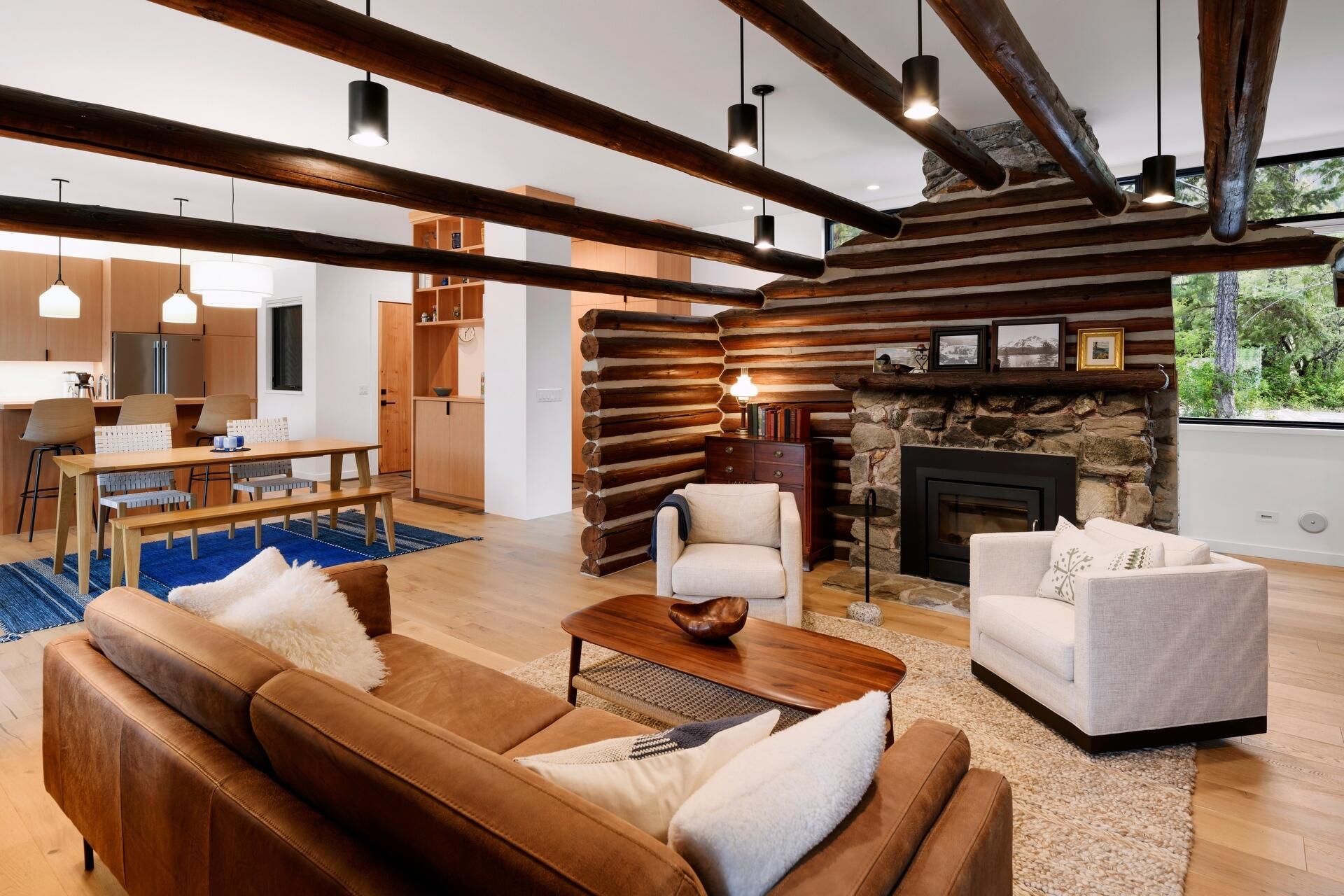
On the northern shore of Lake Wenatchee, a weathered log cabin from 1915 has been given a second life without being moved, altered, or hidden away. The solution was radical and simple at once. Keep the cabin exactly where it stands and make it the heart of a new home.
Designed by Todd Smith of Syndicate Smith, the project turns preservation into the organizing idea. What emerged is a modern lake house built around history.
The Original 1915 Cabin
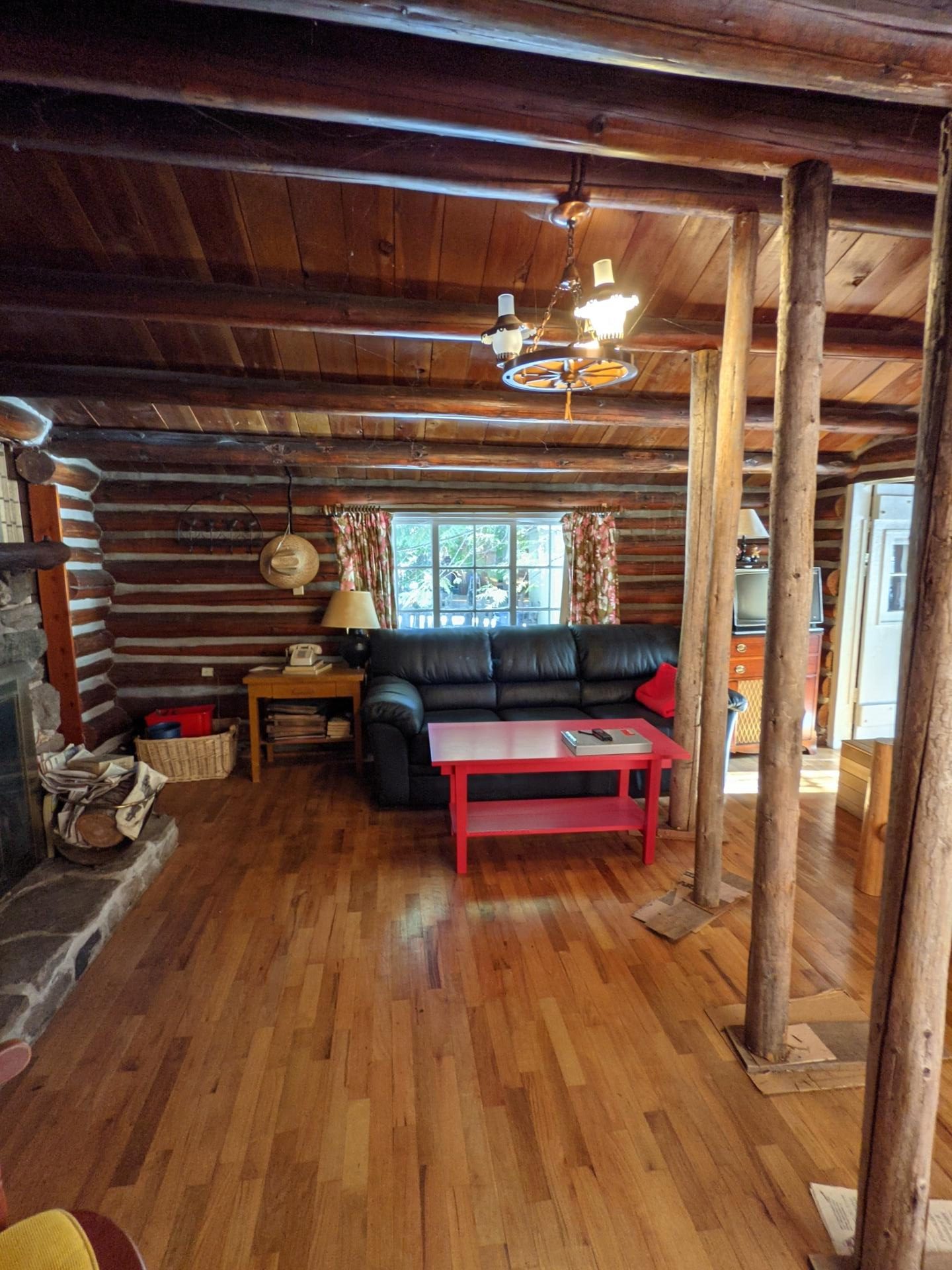
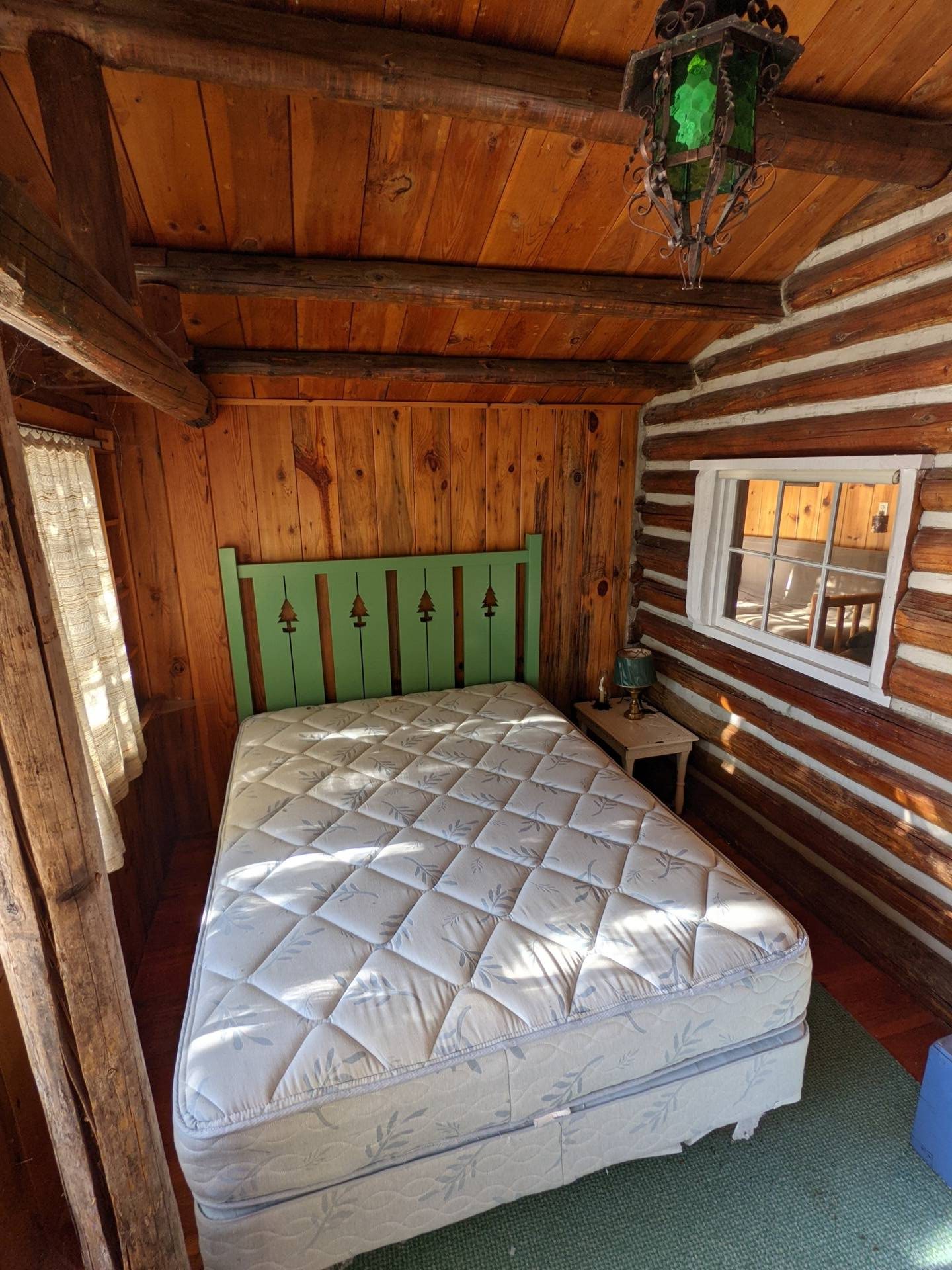
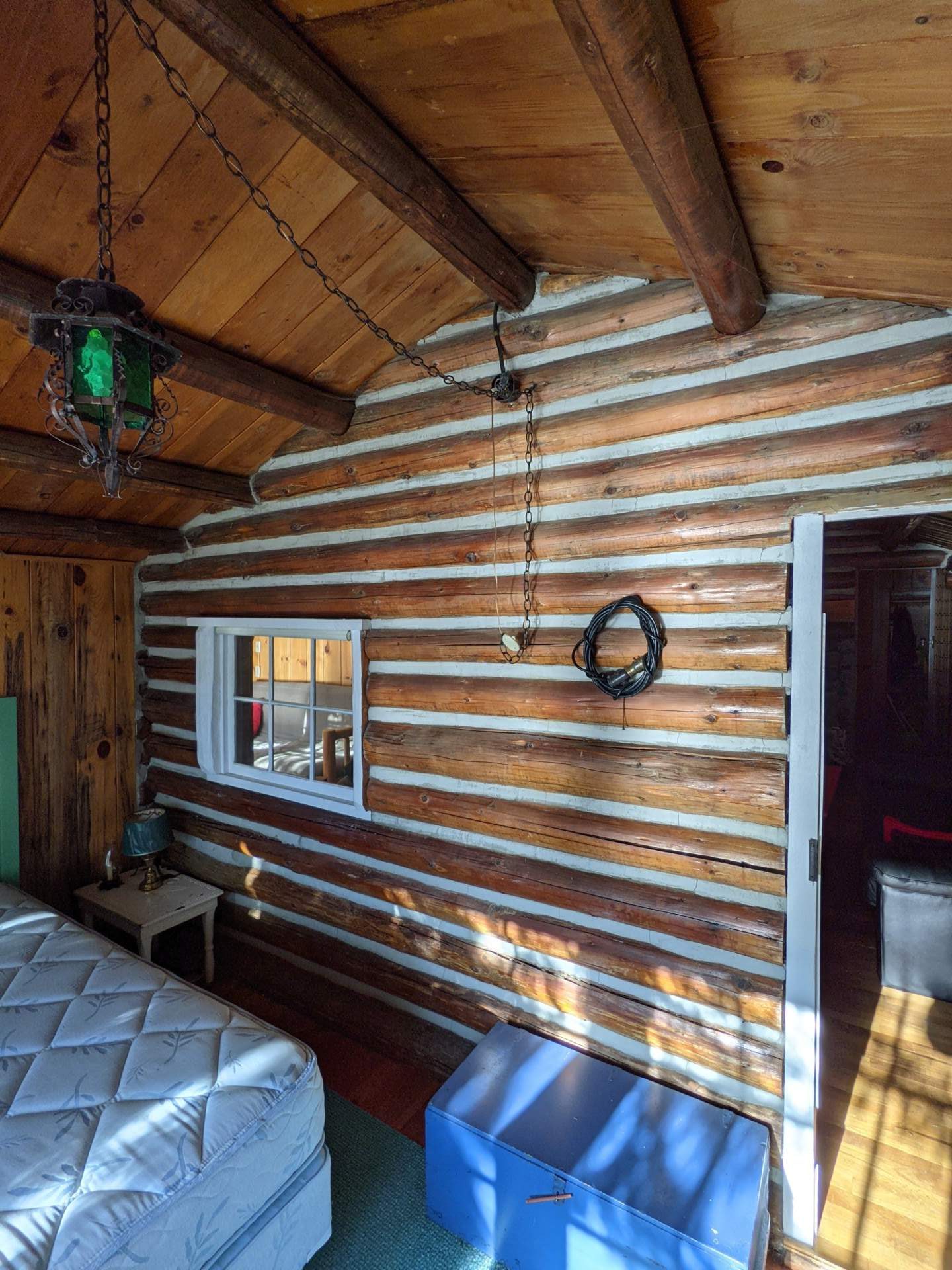
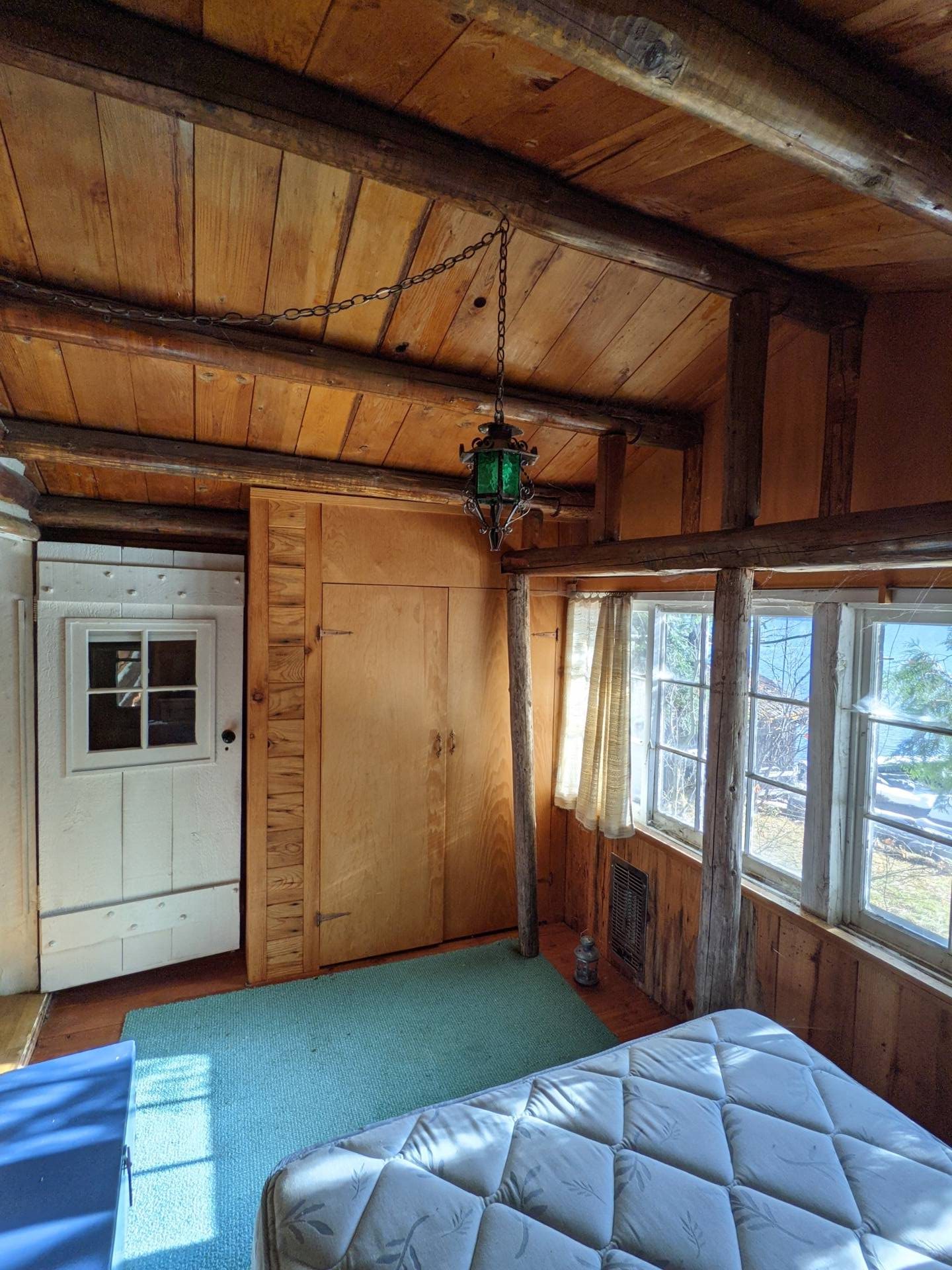
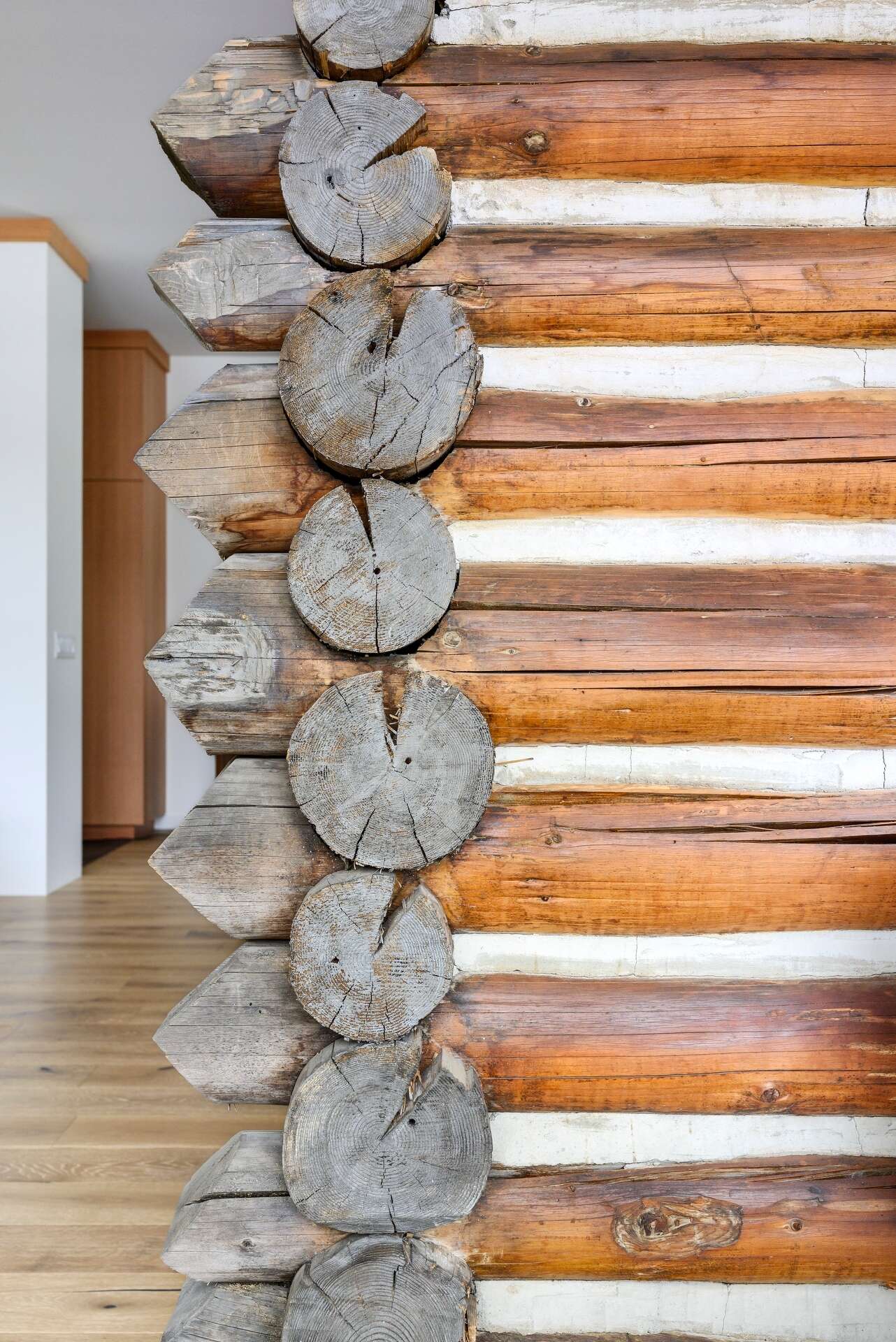
When Smith first walked the wooded site, the original cabin was barely visible beneath a series of poorly planned additions. Despite its condition, its presence was undeniable. Hand-hewn logs, a stone chimney, and nearly a century of use gave the structure a gravity that could not be replaced. Rather than erase it, the design decision became clear early. Preserve the cabin and let it lead.
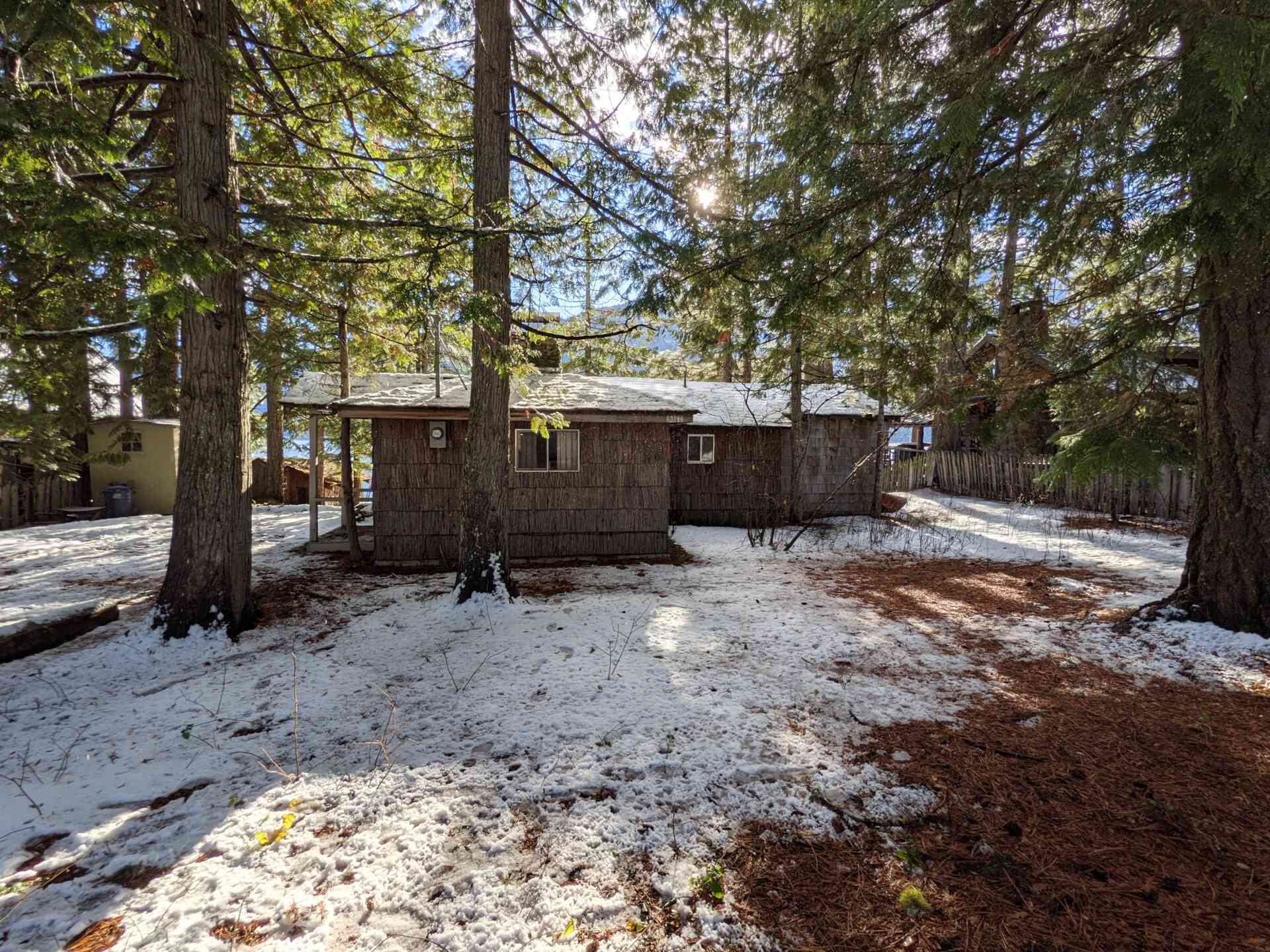
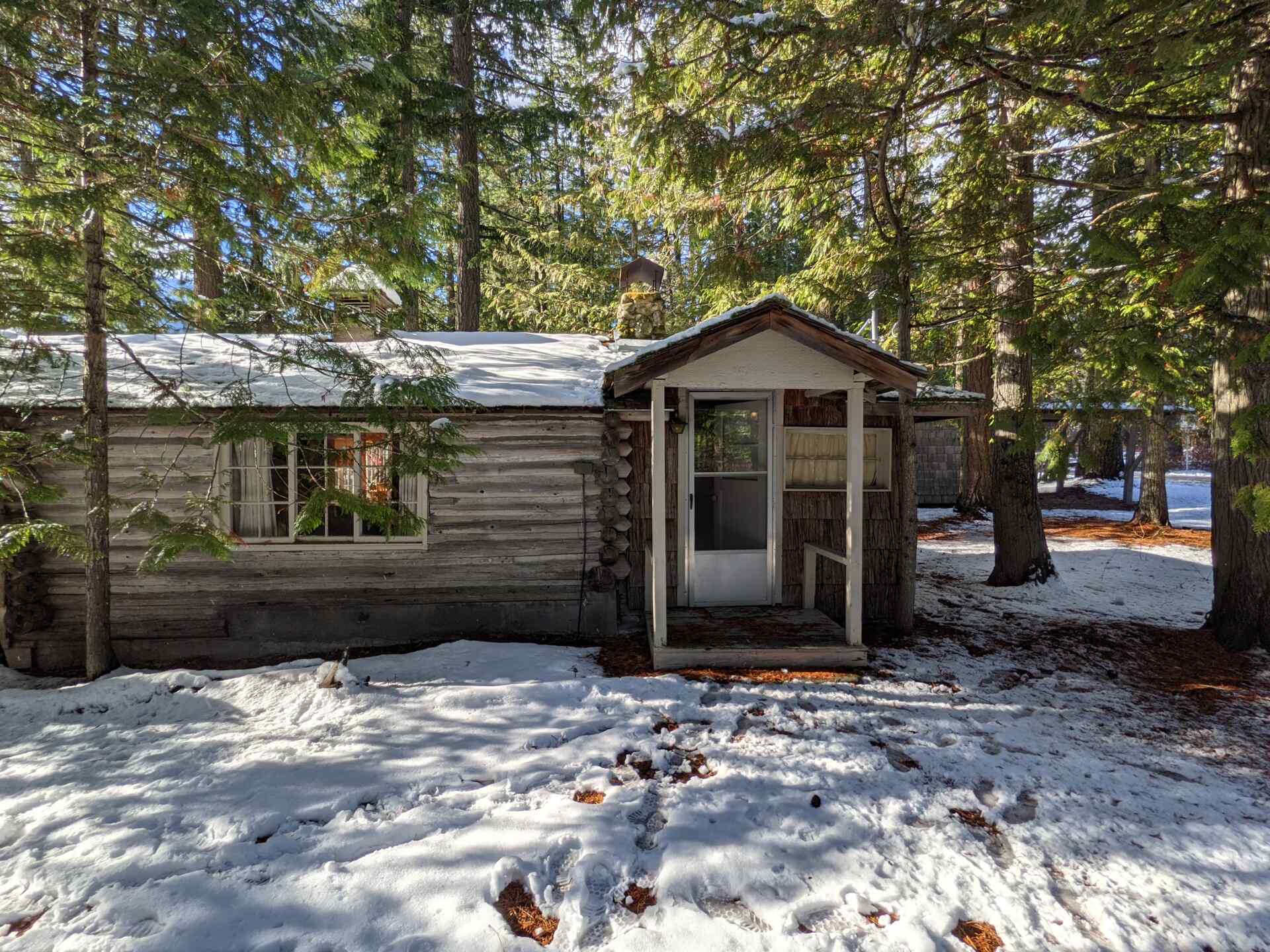
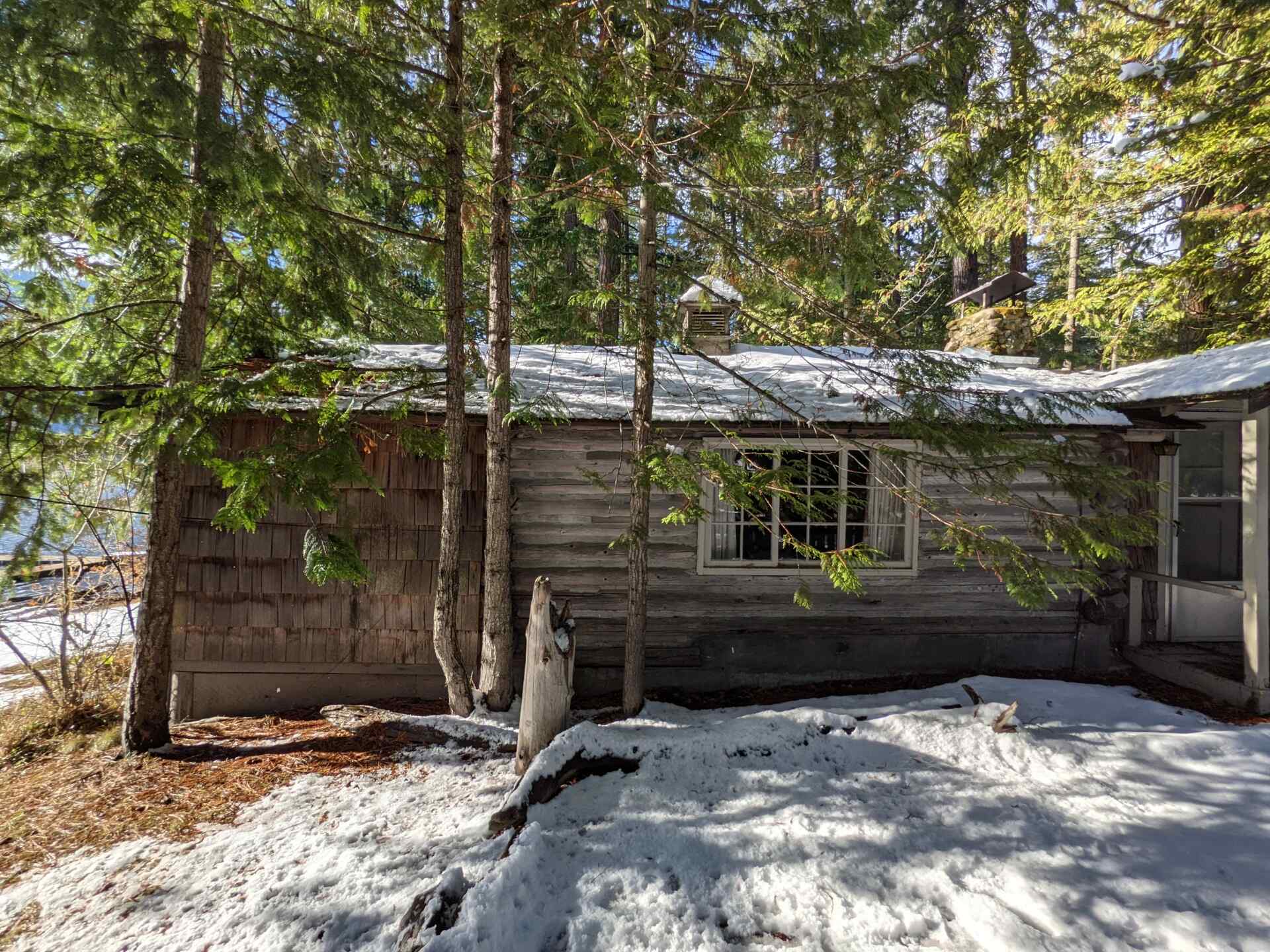
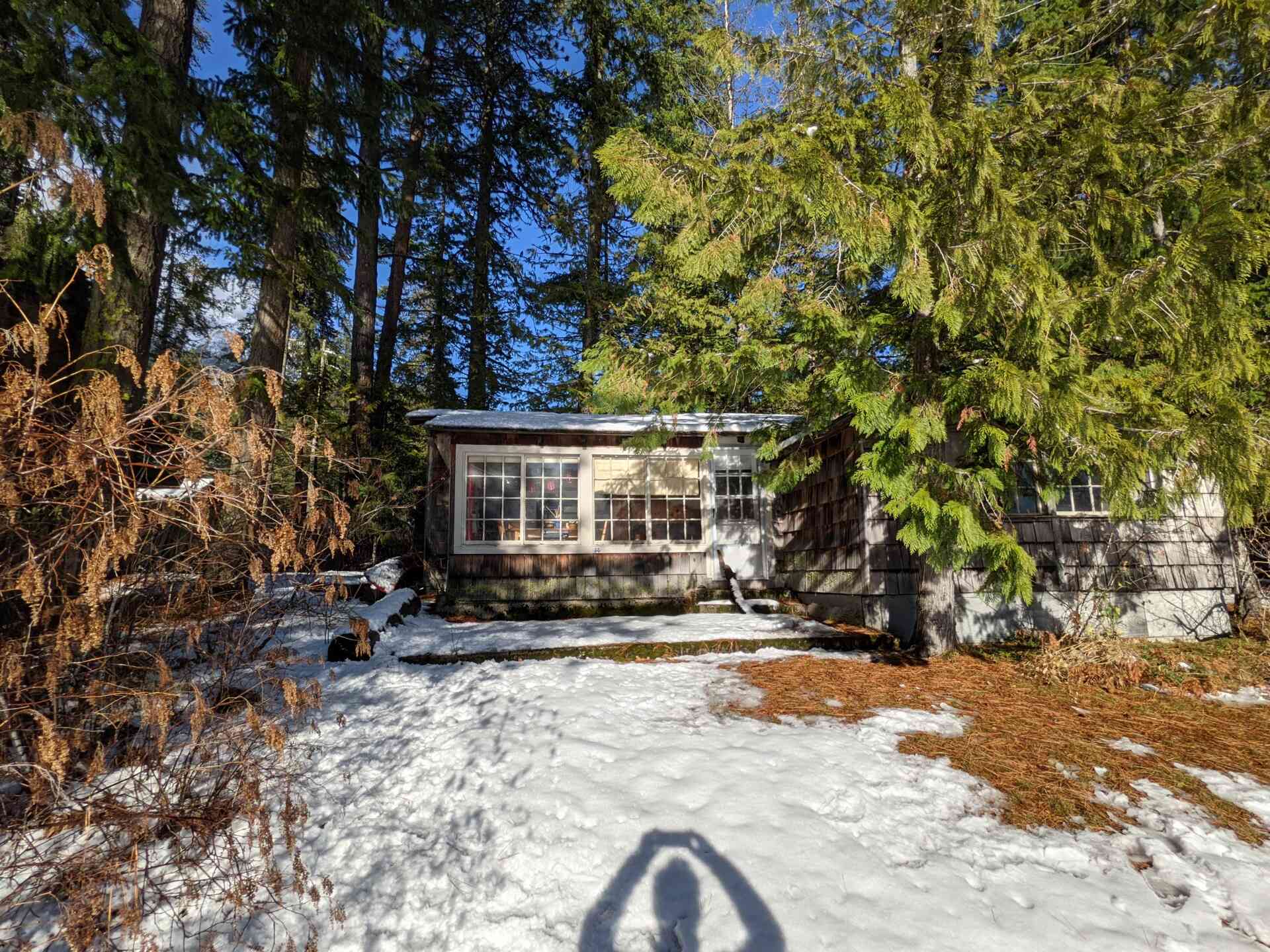
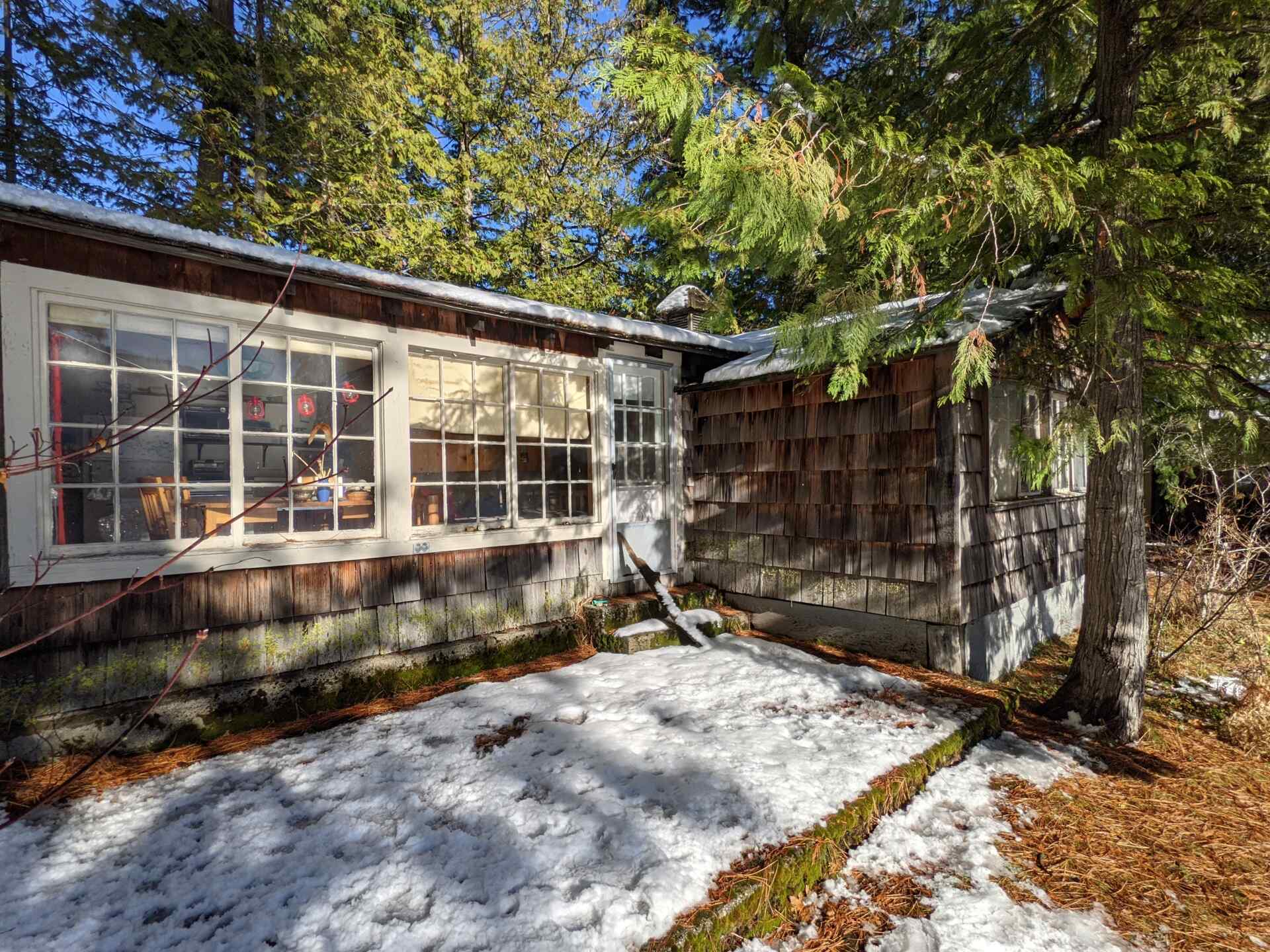
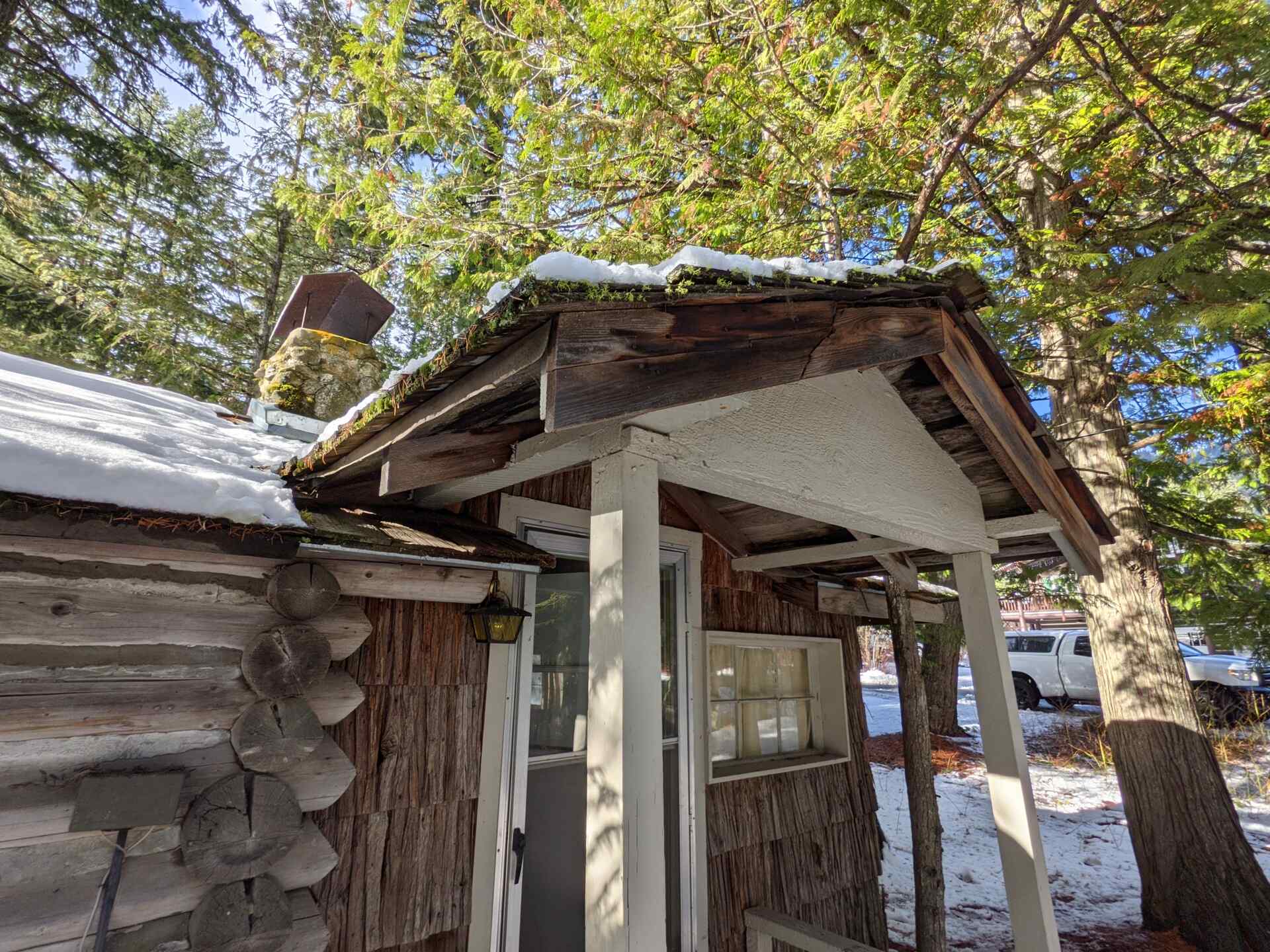
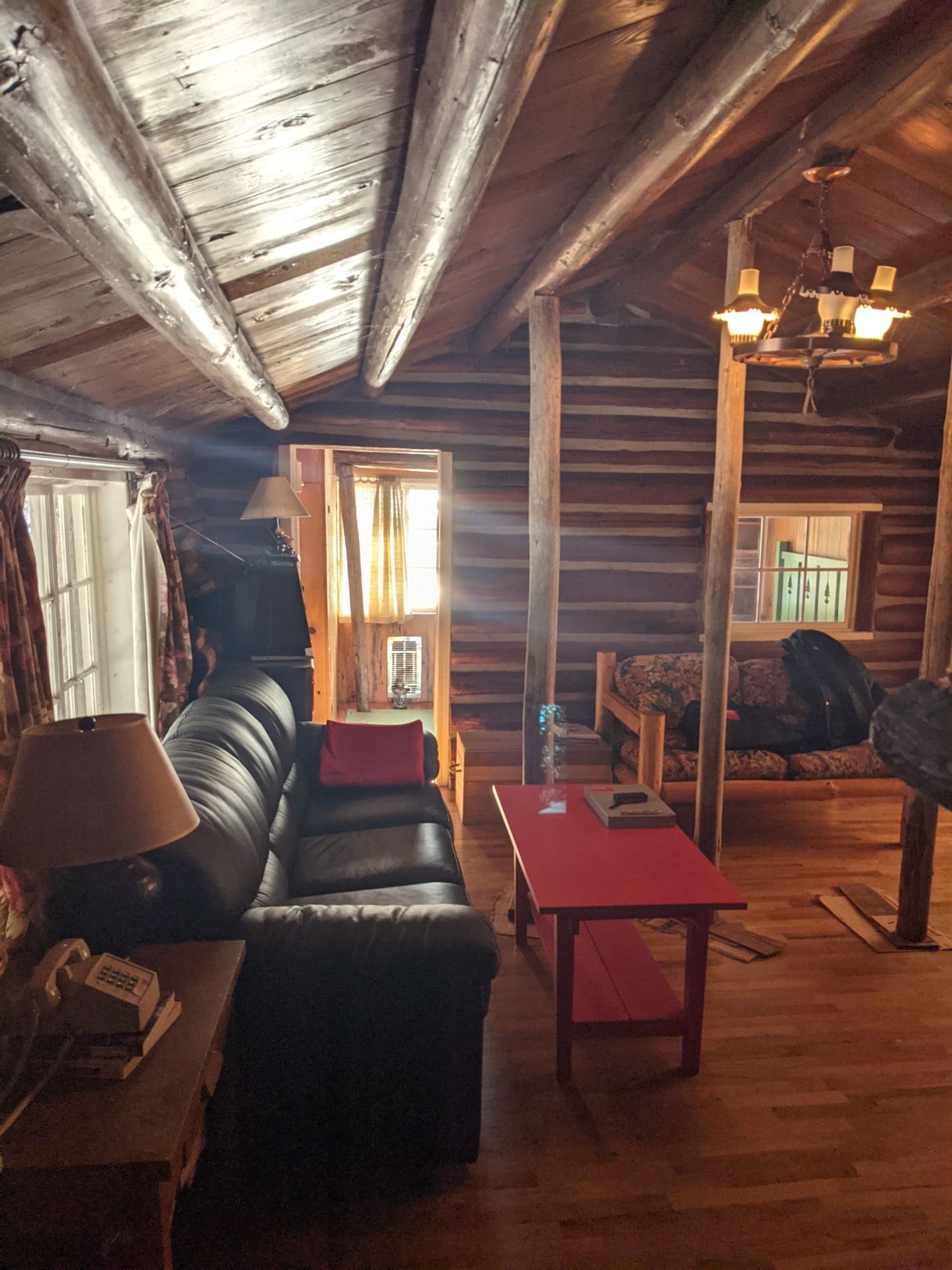
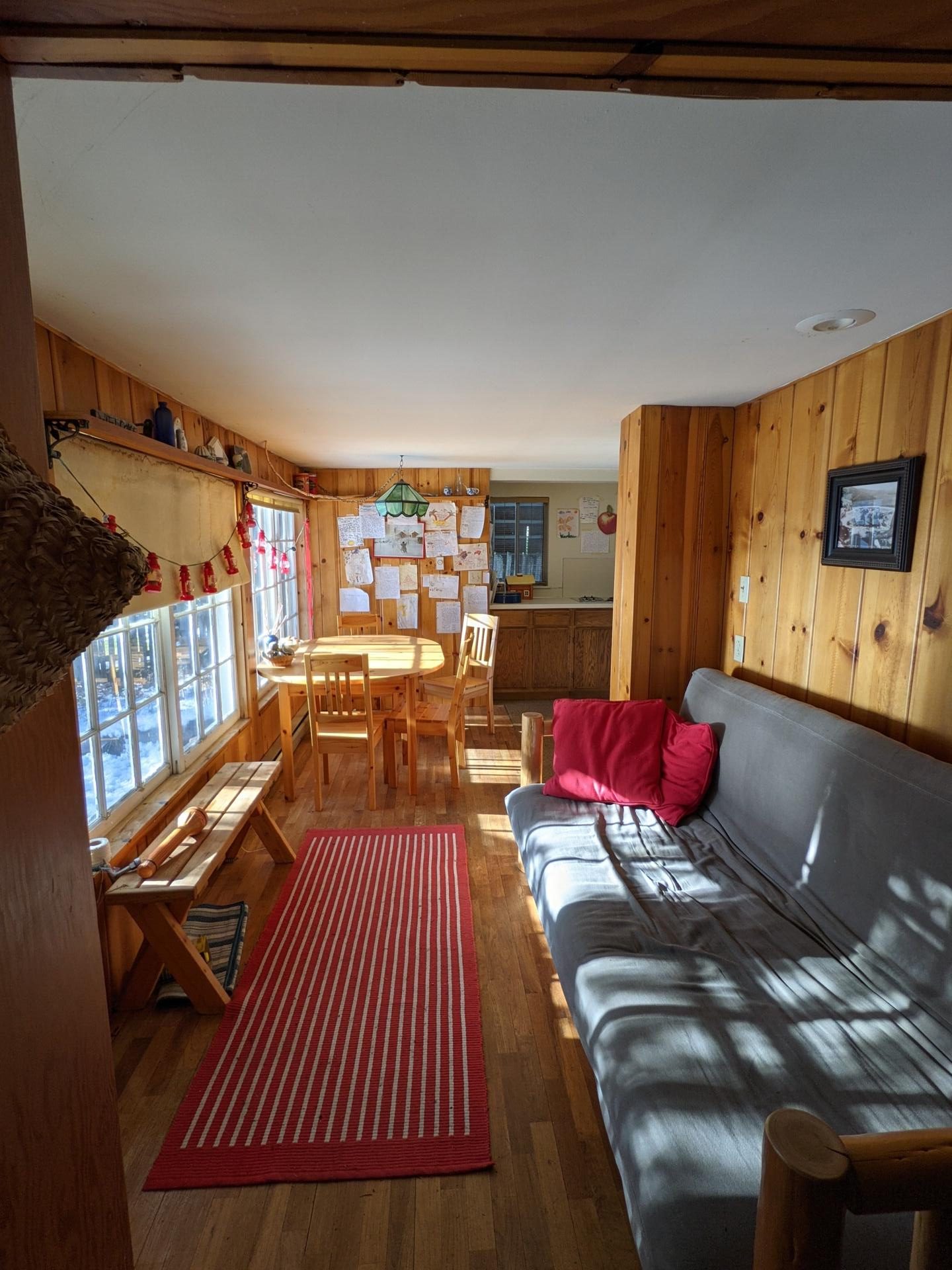
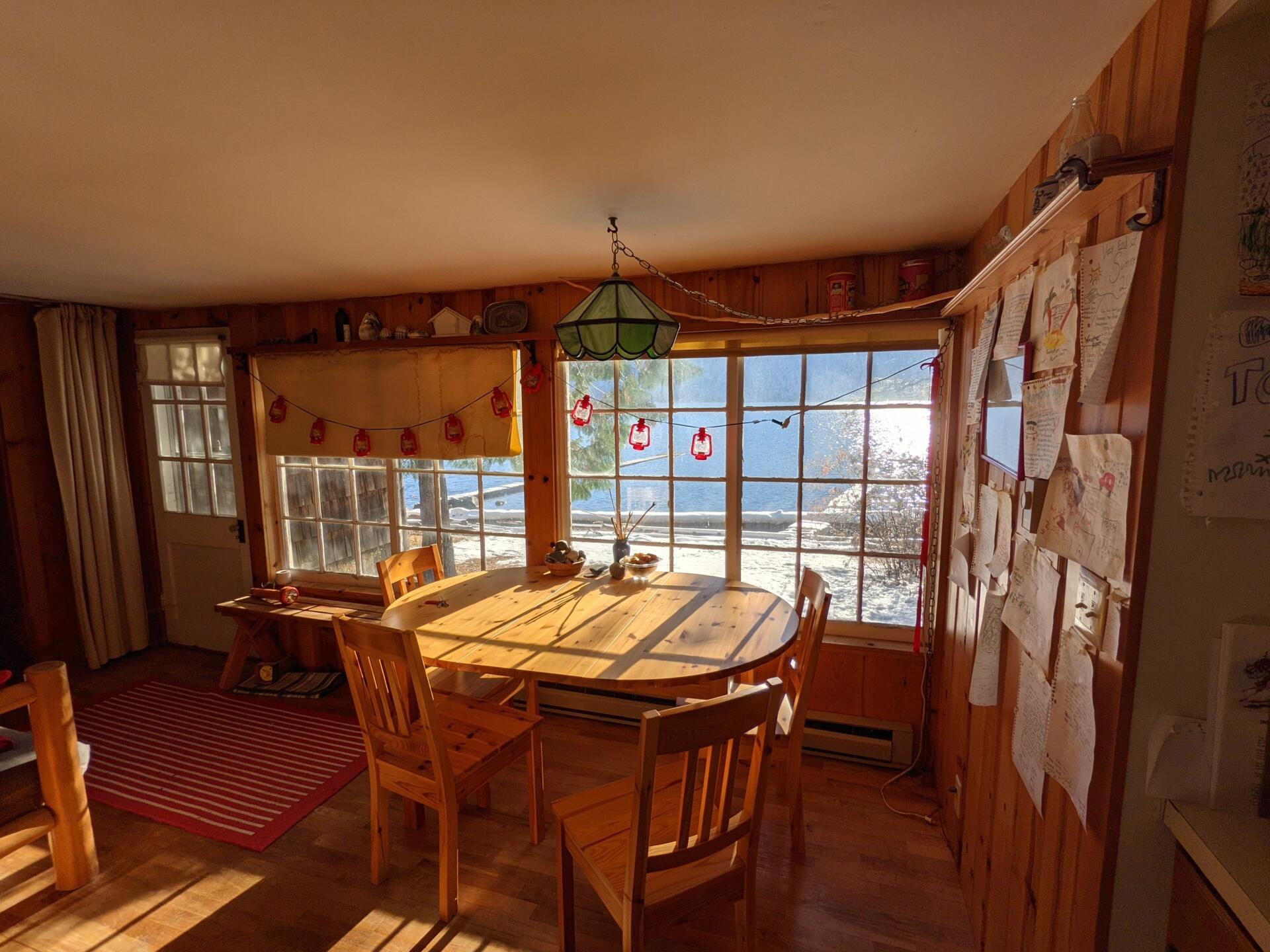
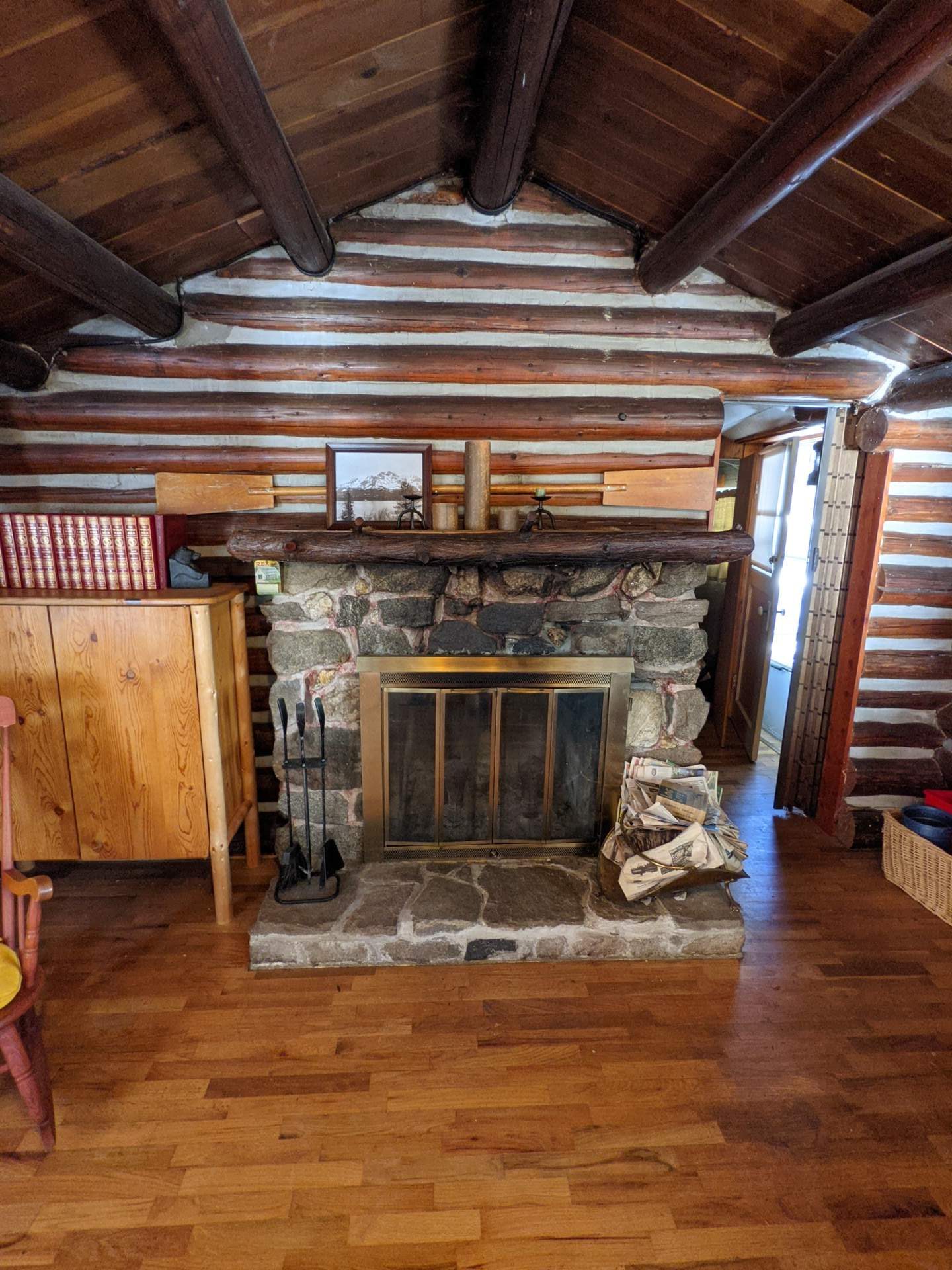
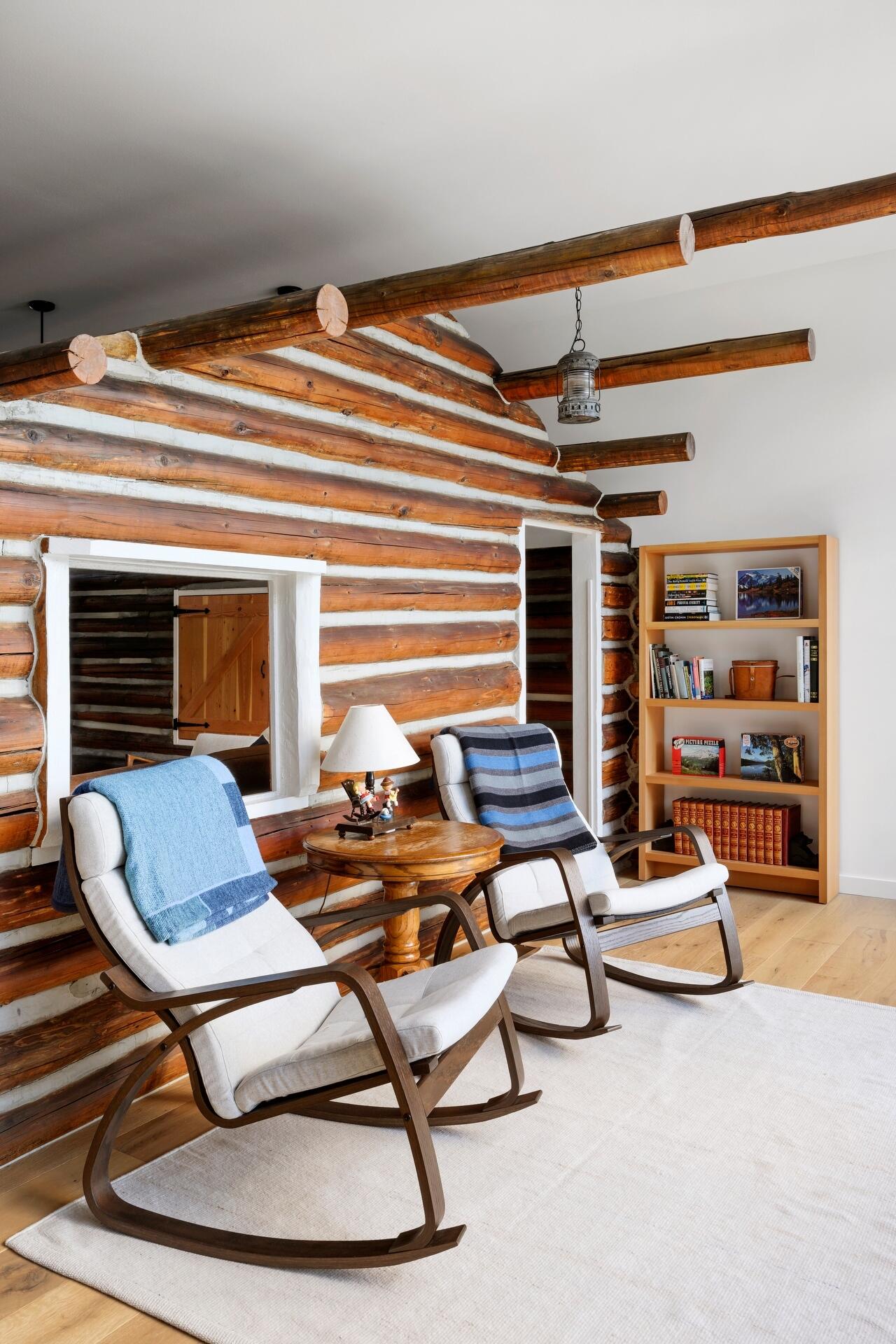
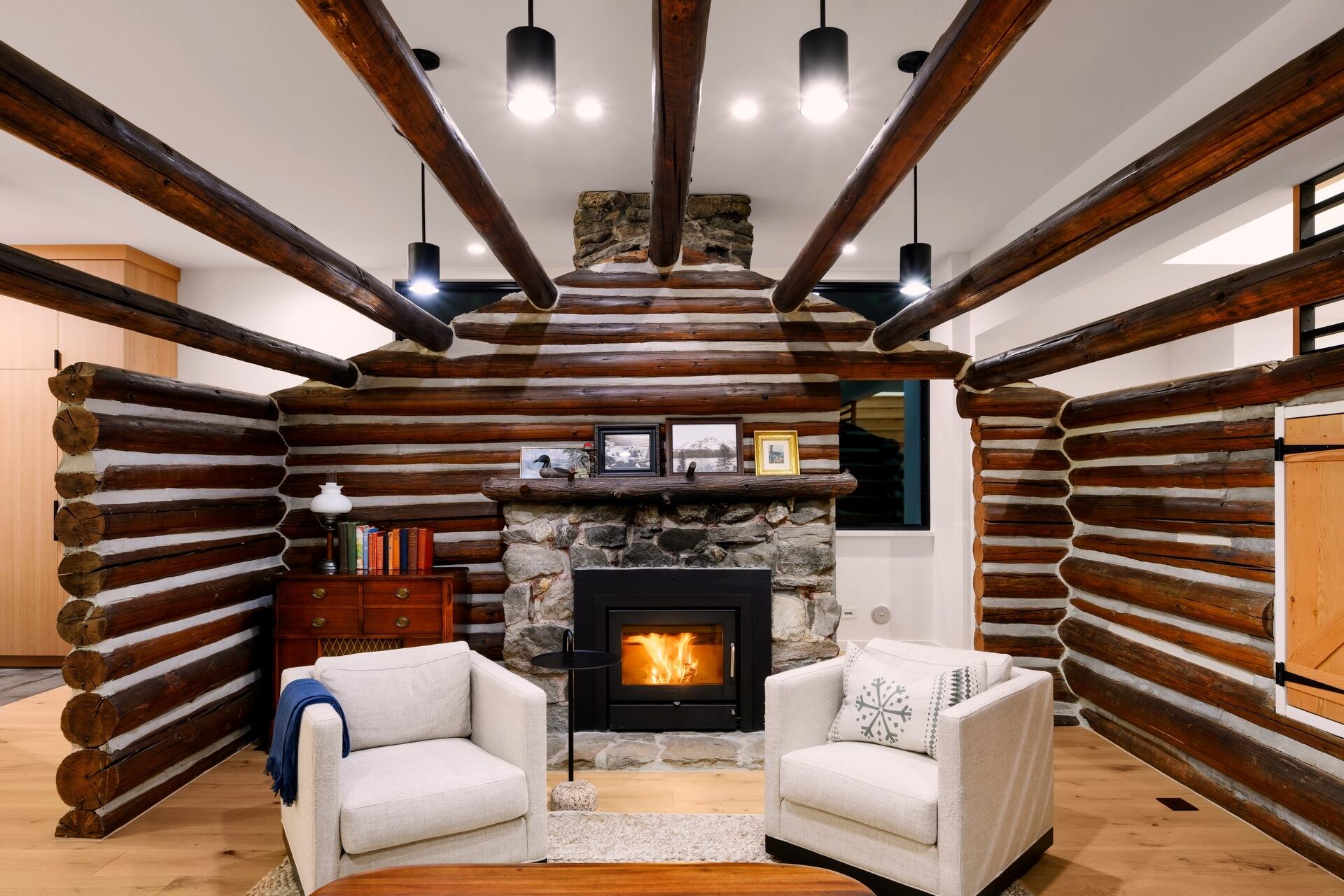
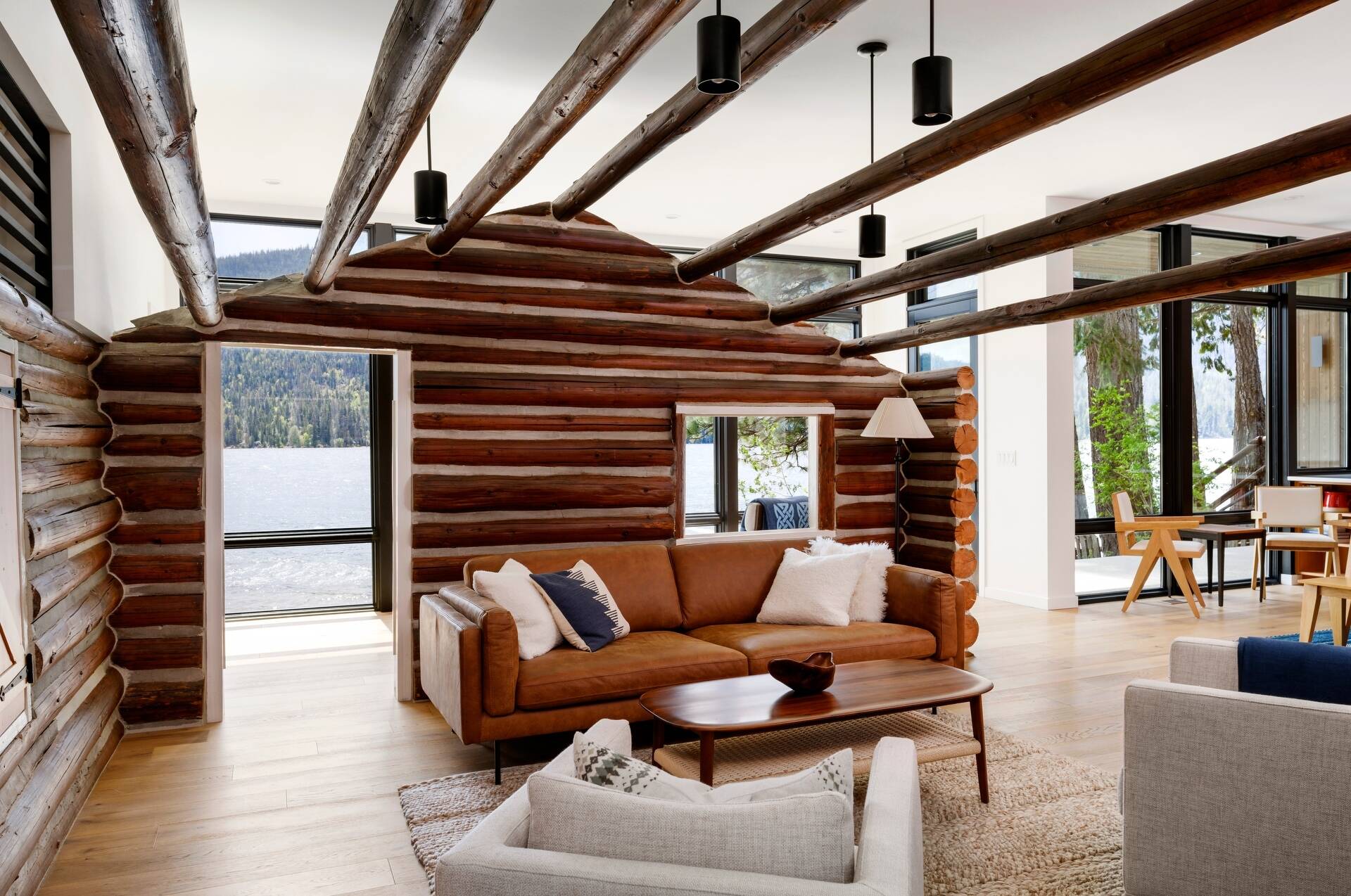
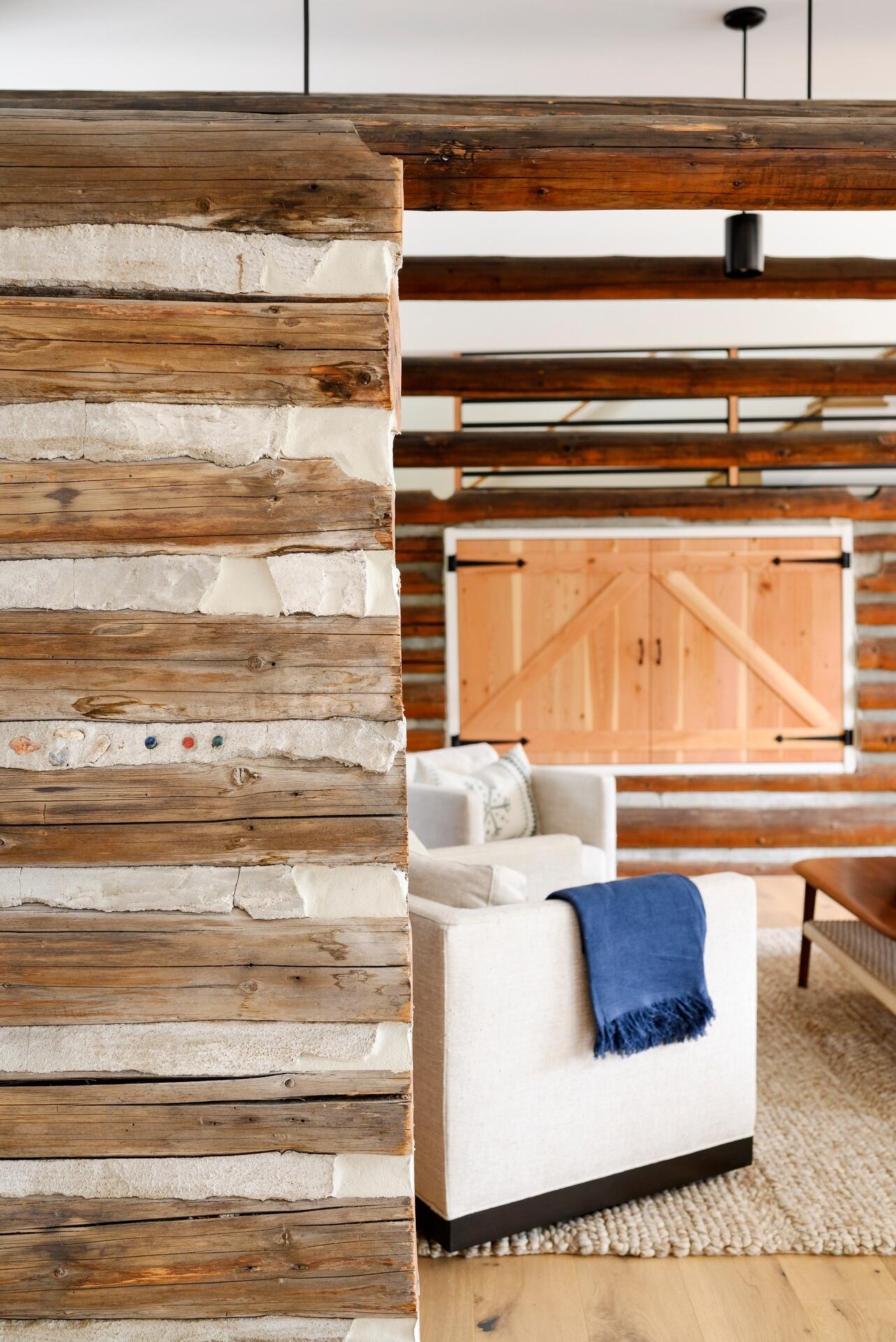
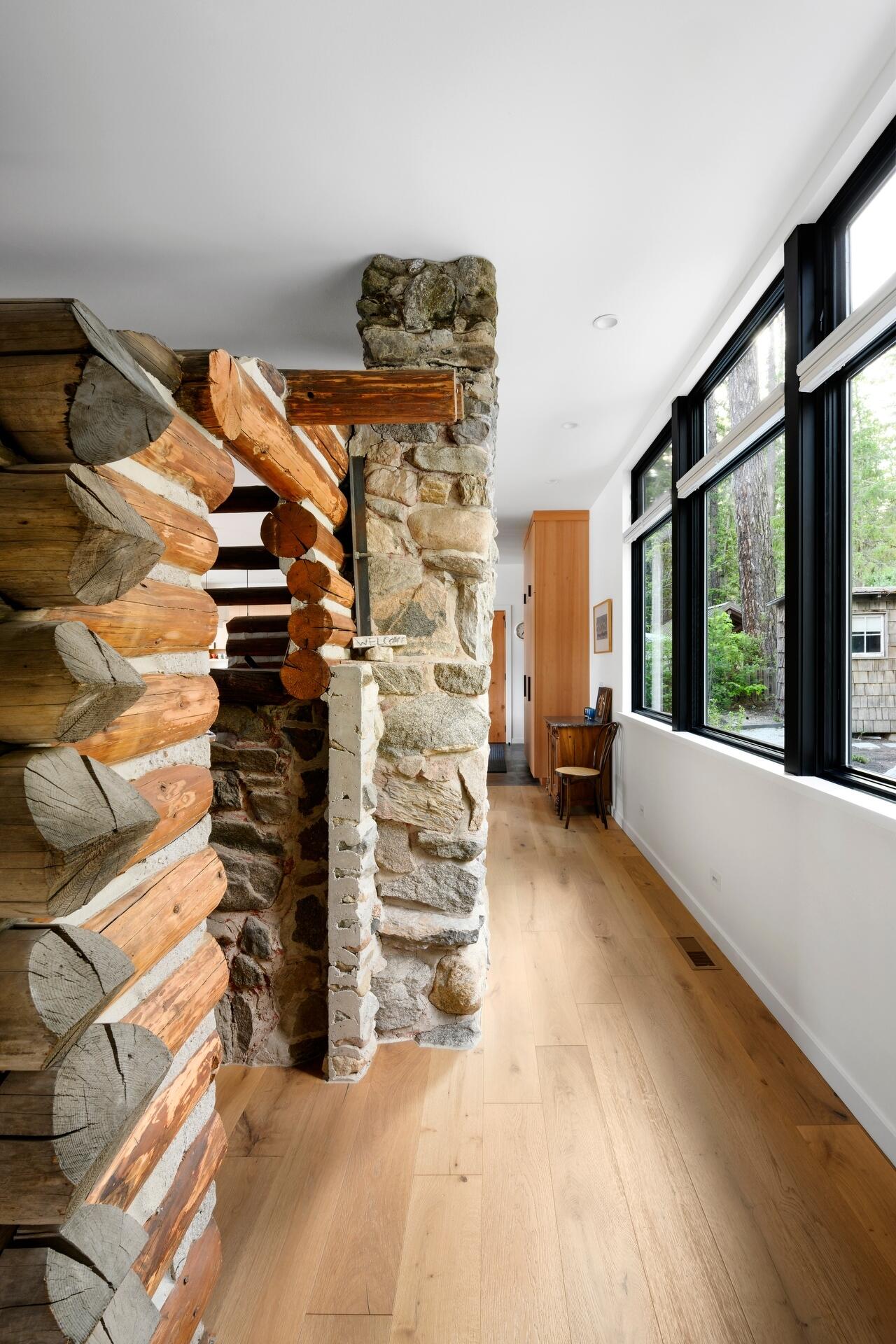
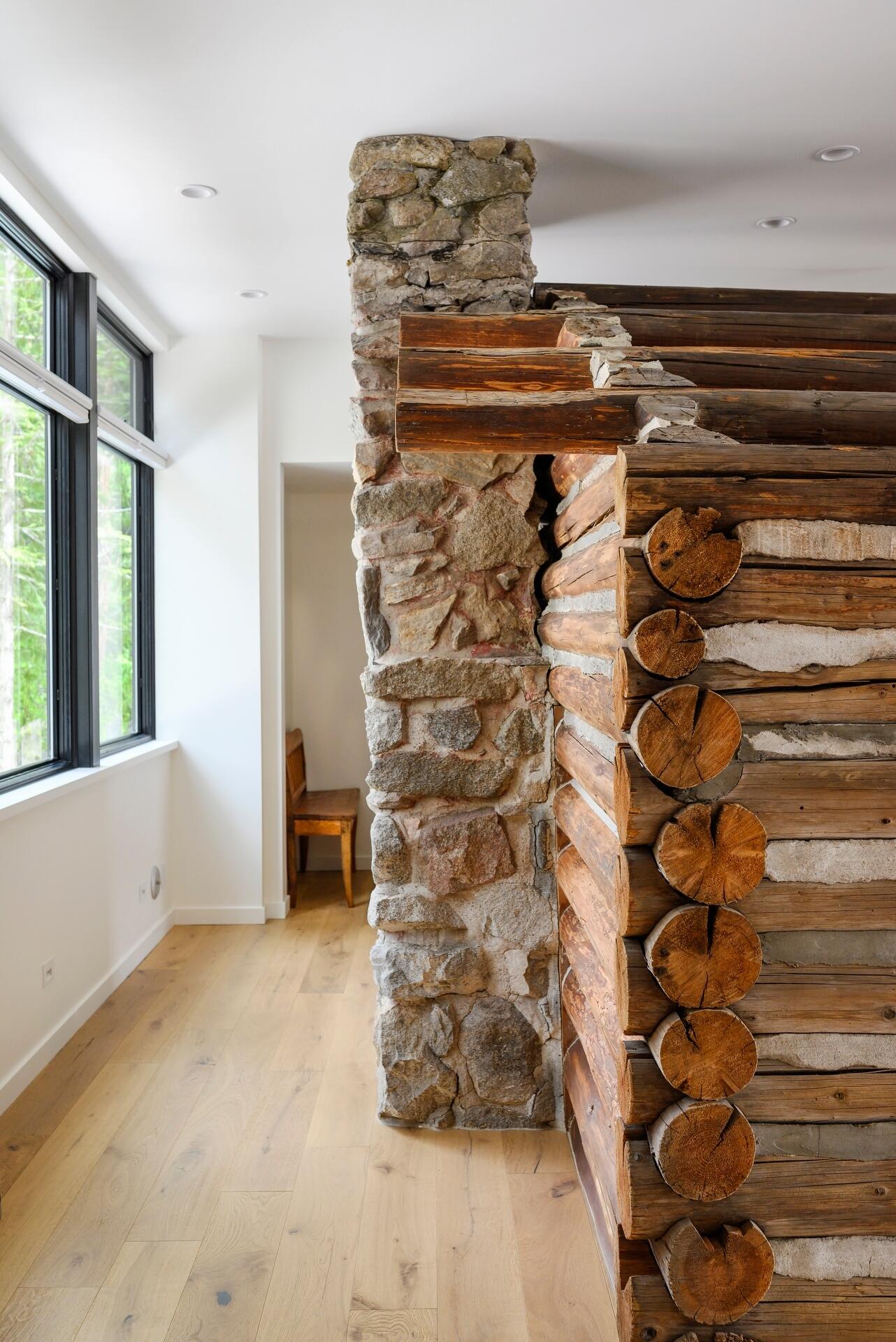
Inside the original cabin, the space reads as a record of time rather than a restored replica. At the center, a storybook stone chimney anchors the space, its mortar holding handwritten messages and small mementos left behind over decades, turning the walls into a quiet archive.
Uncovering the Cabin
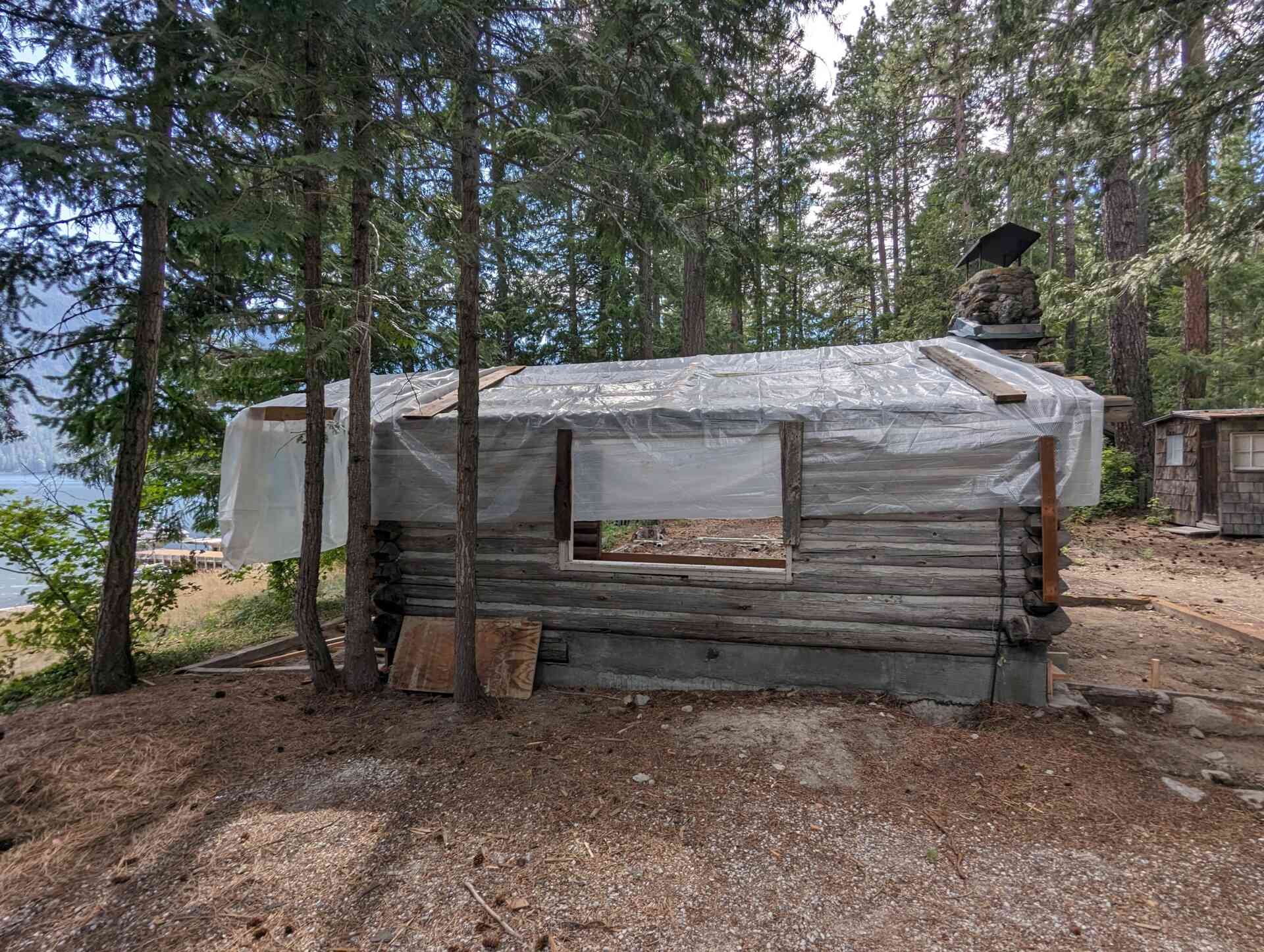
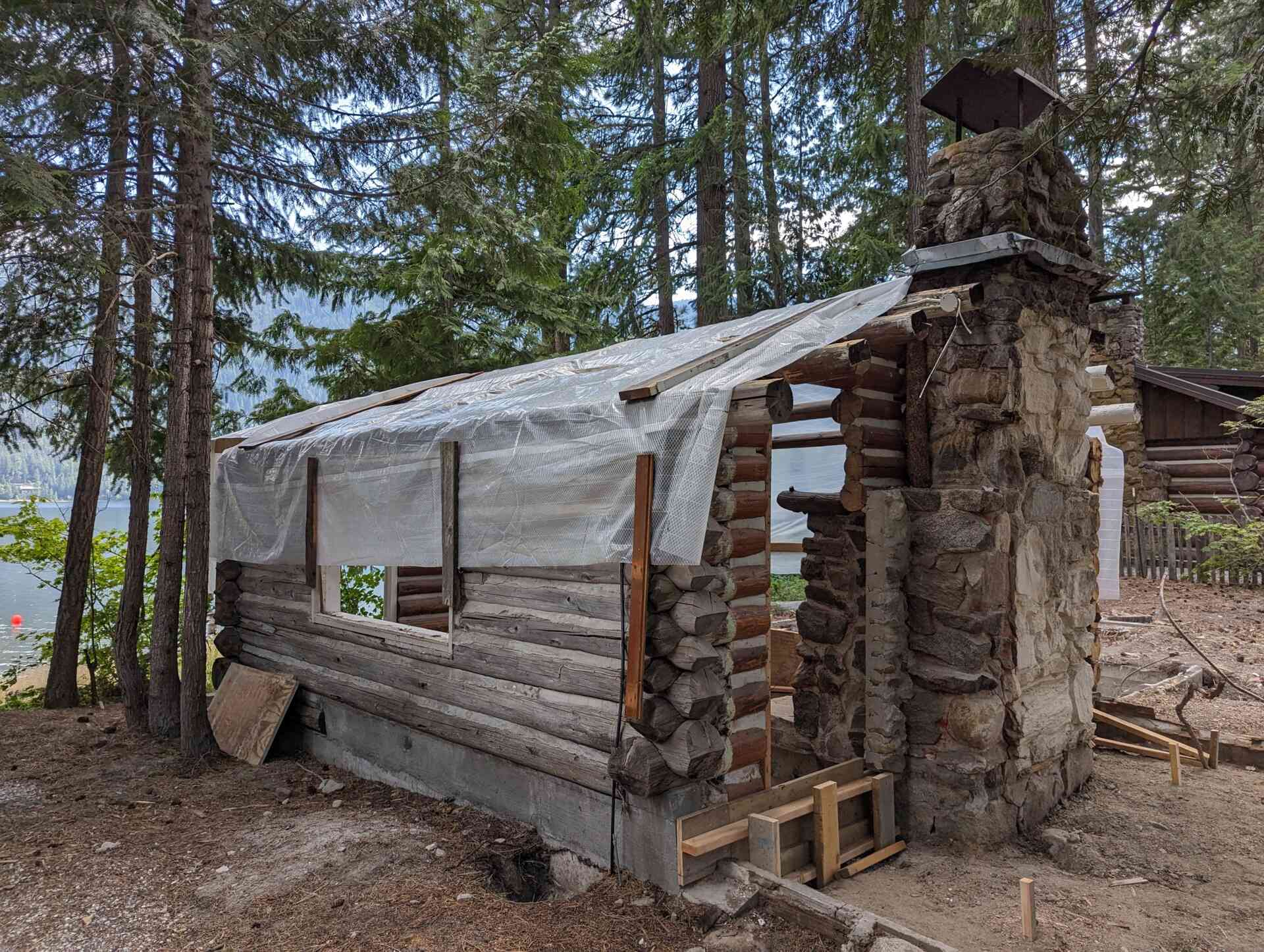
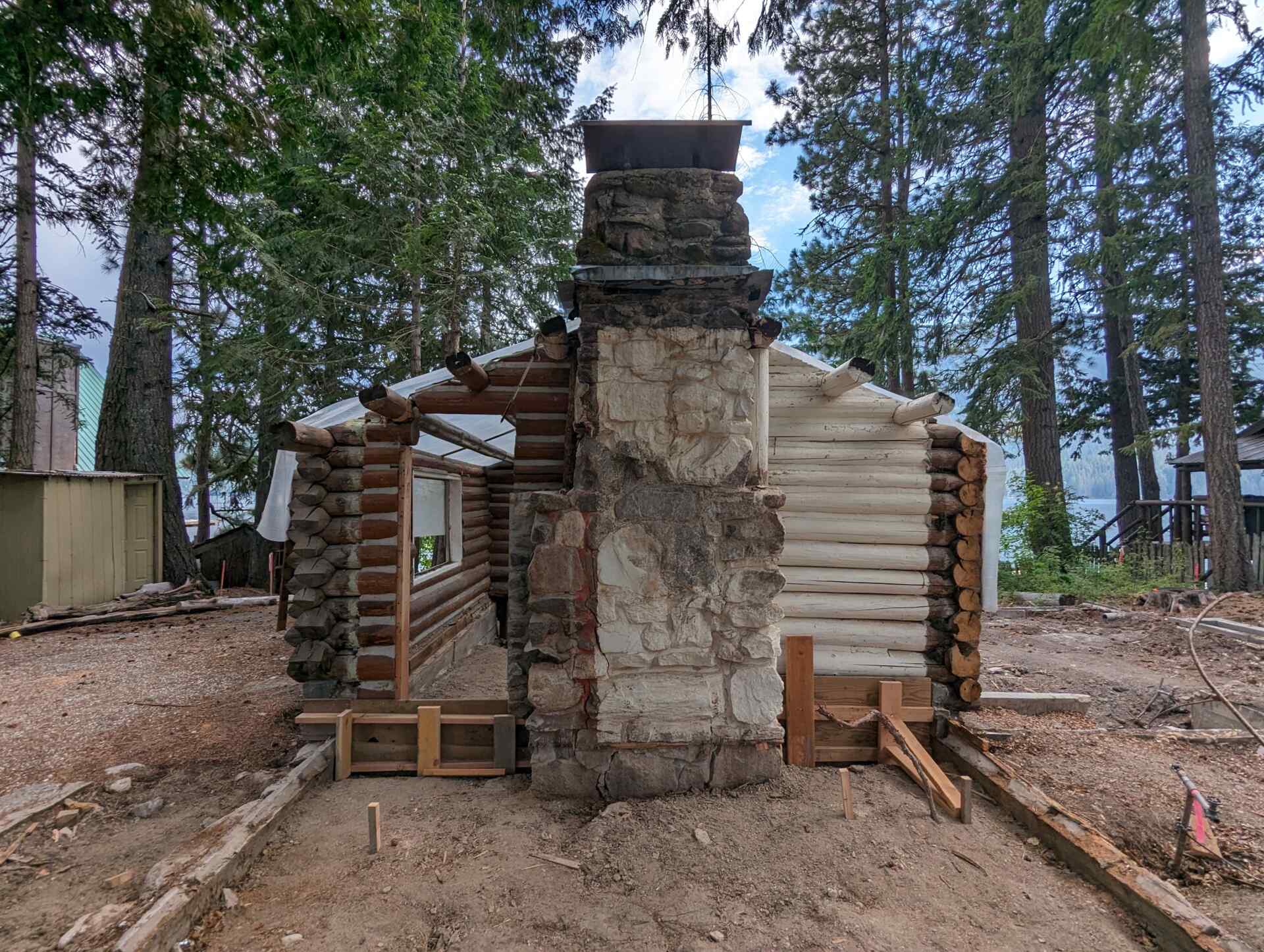
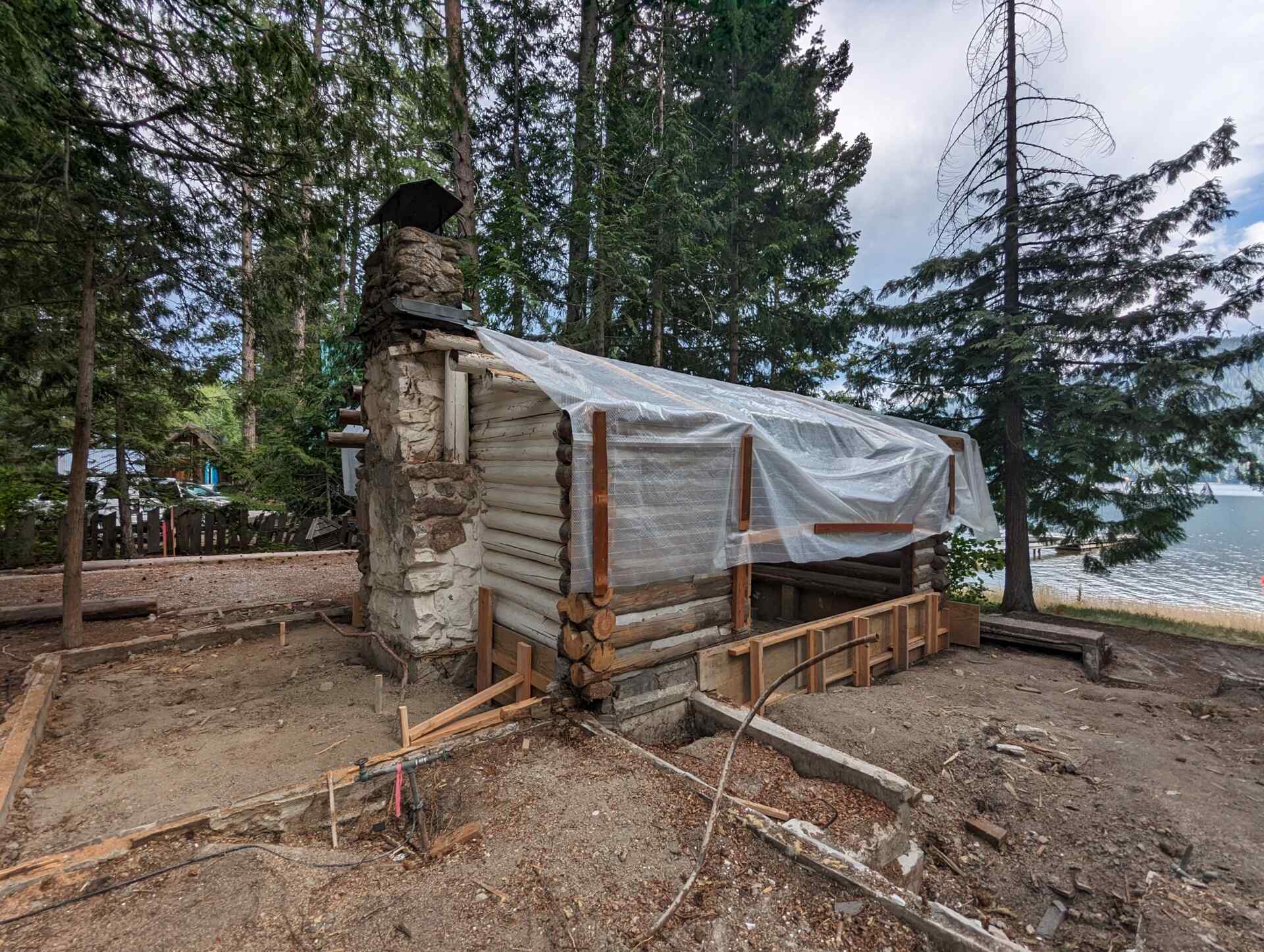
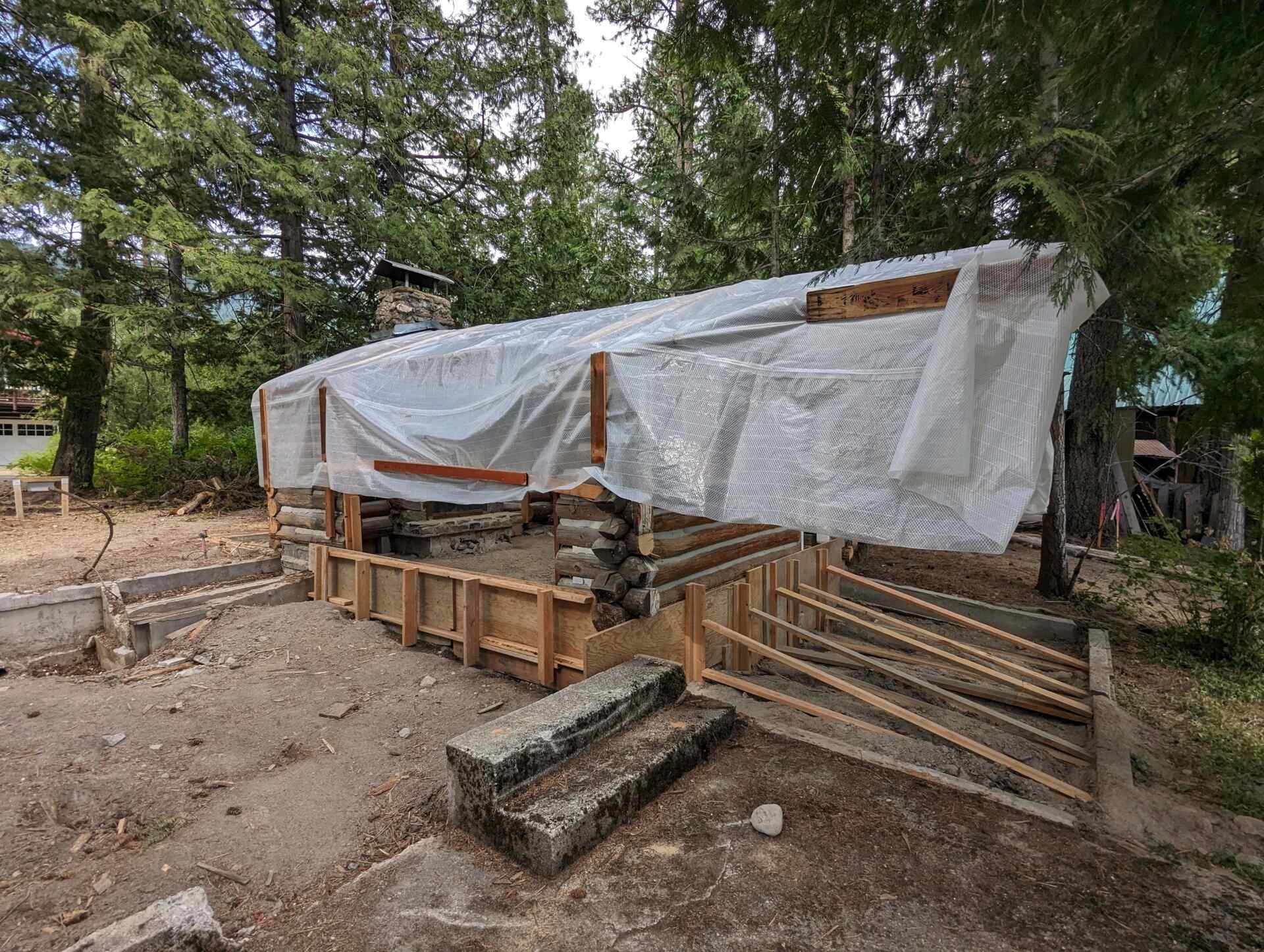
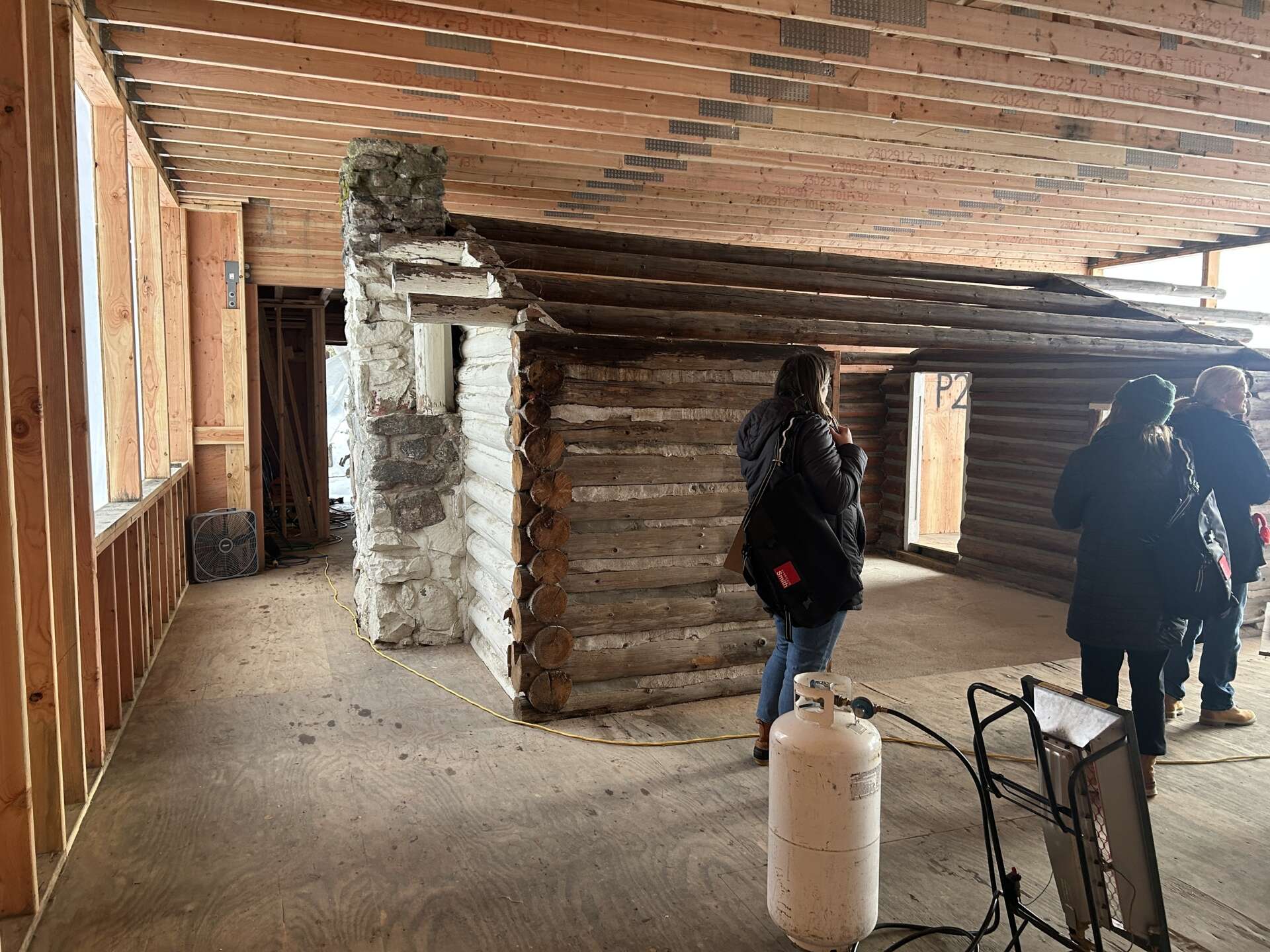
Construction began by removing the later additions to reveal the one-room structure in its original form. Syndicate Smith worked with Timberwood Construction to protect the cabin throughout the build, allowing it to remain in place as the new house took shape around it.
Building Around History
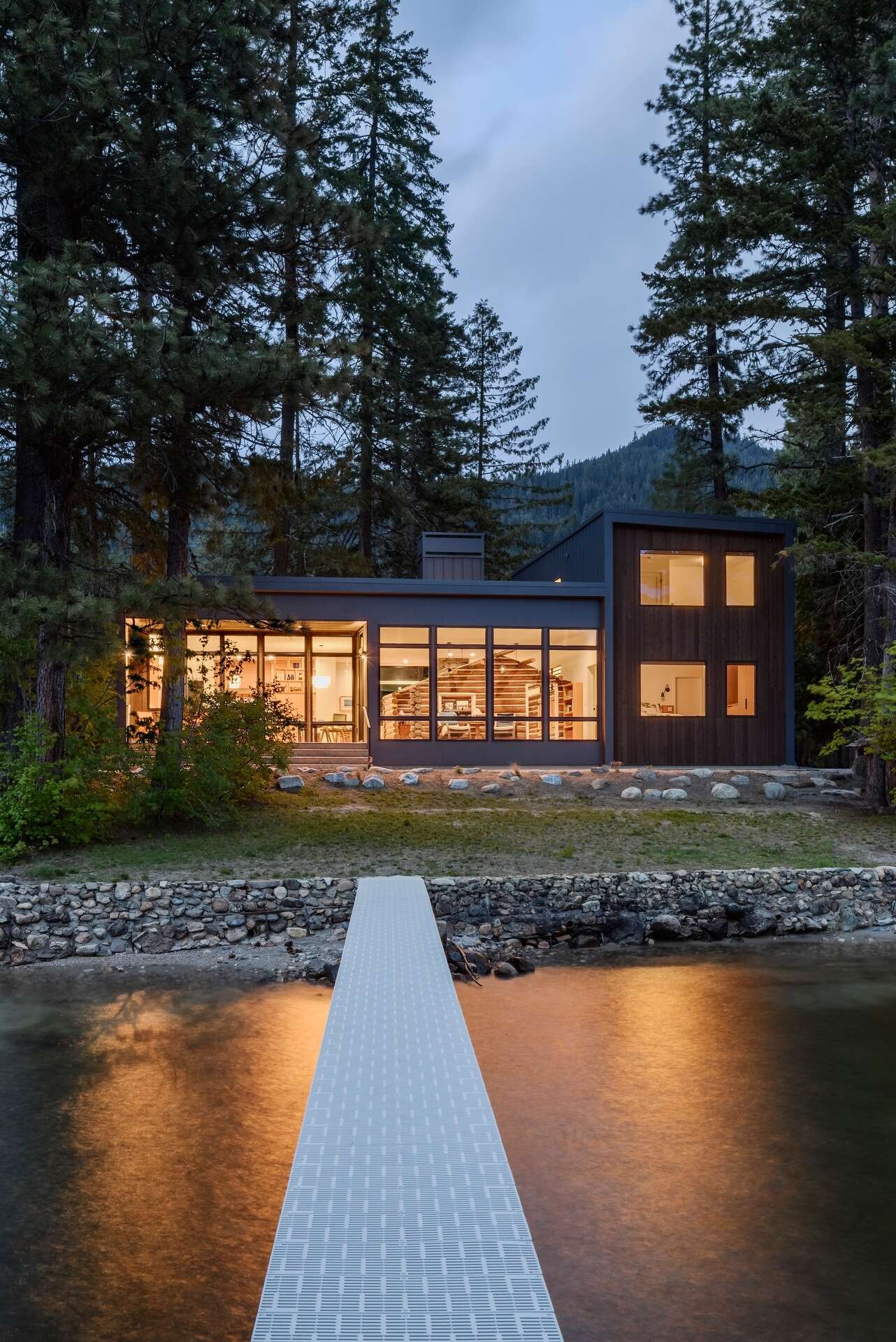
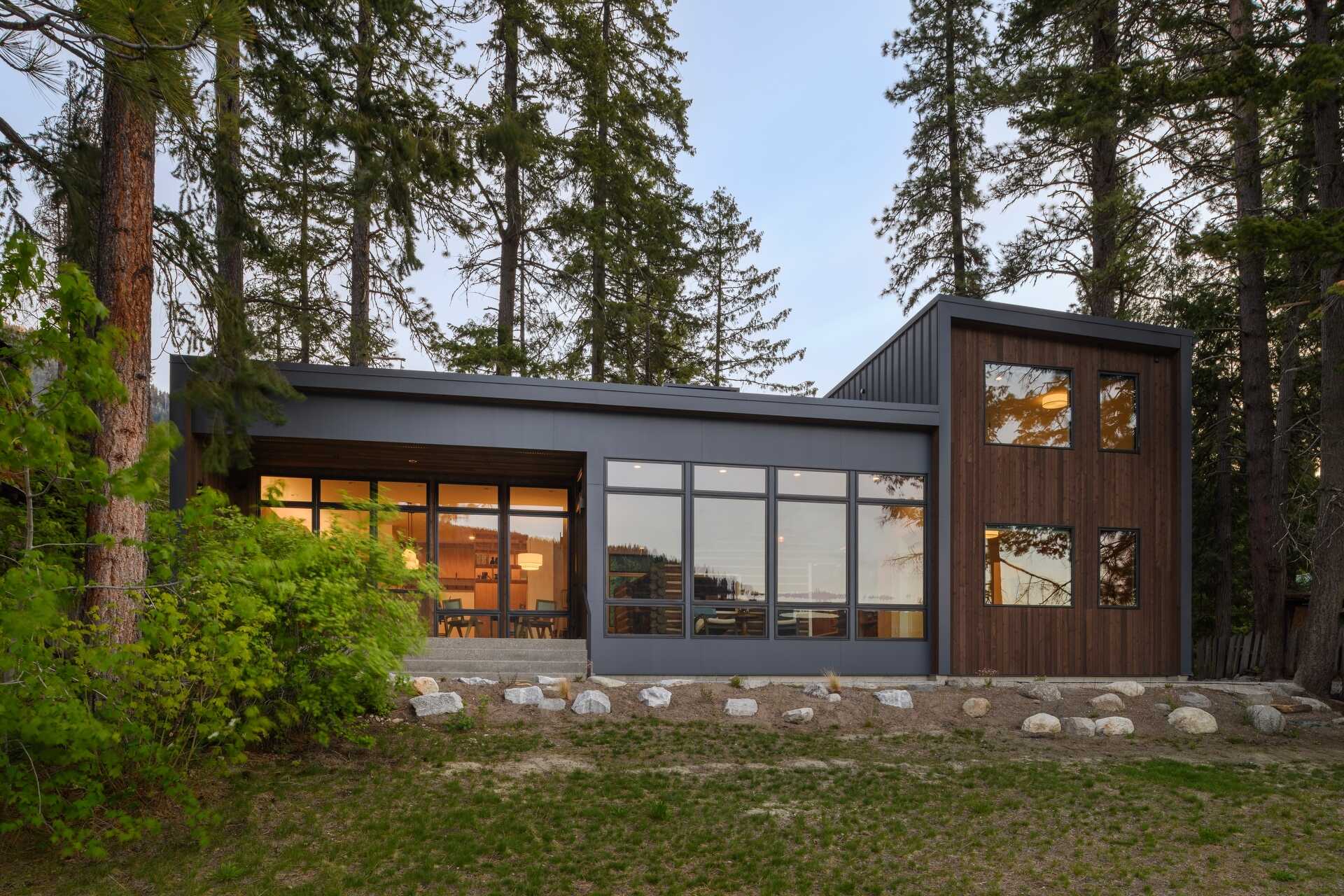
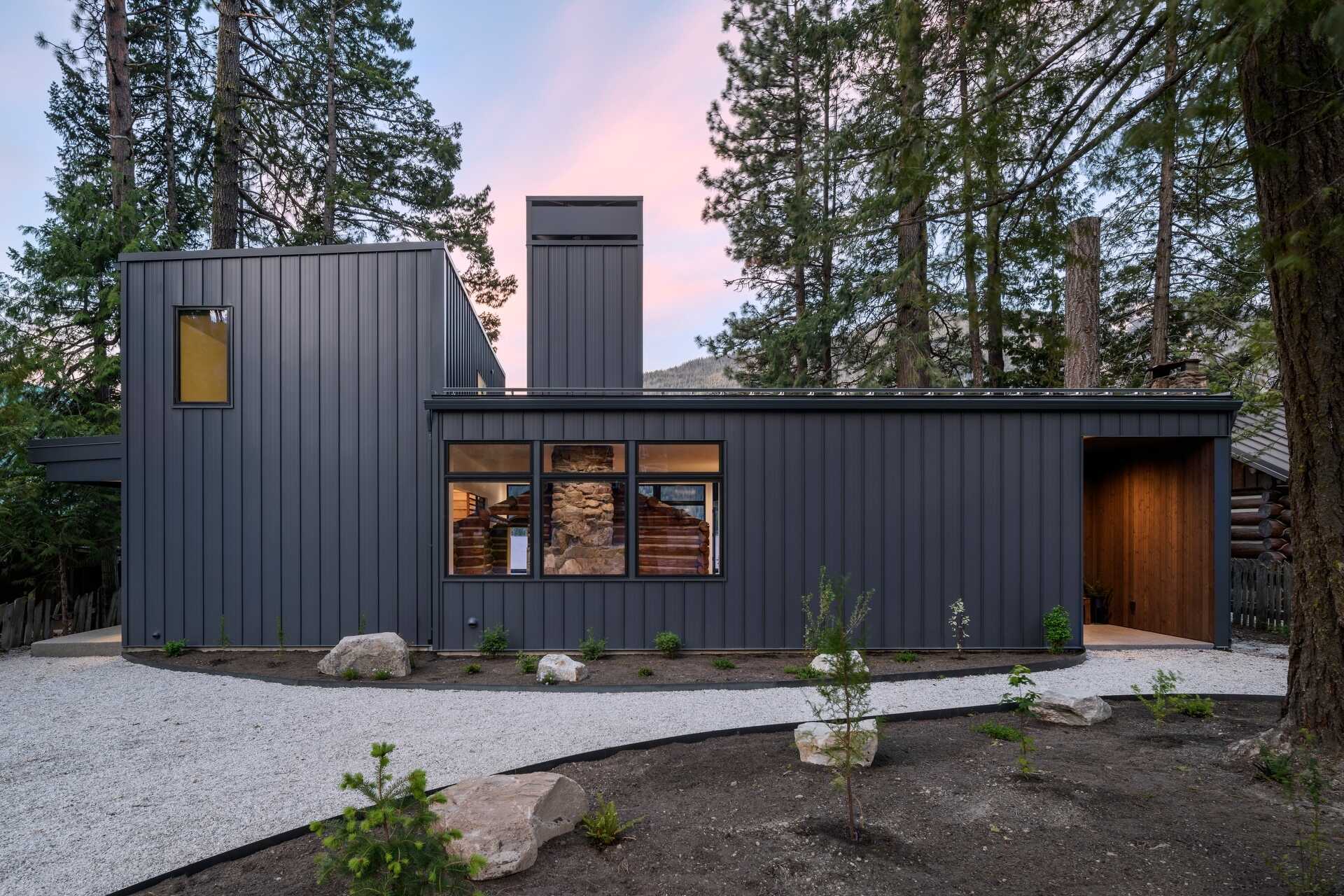
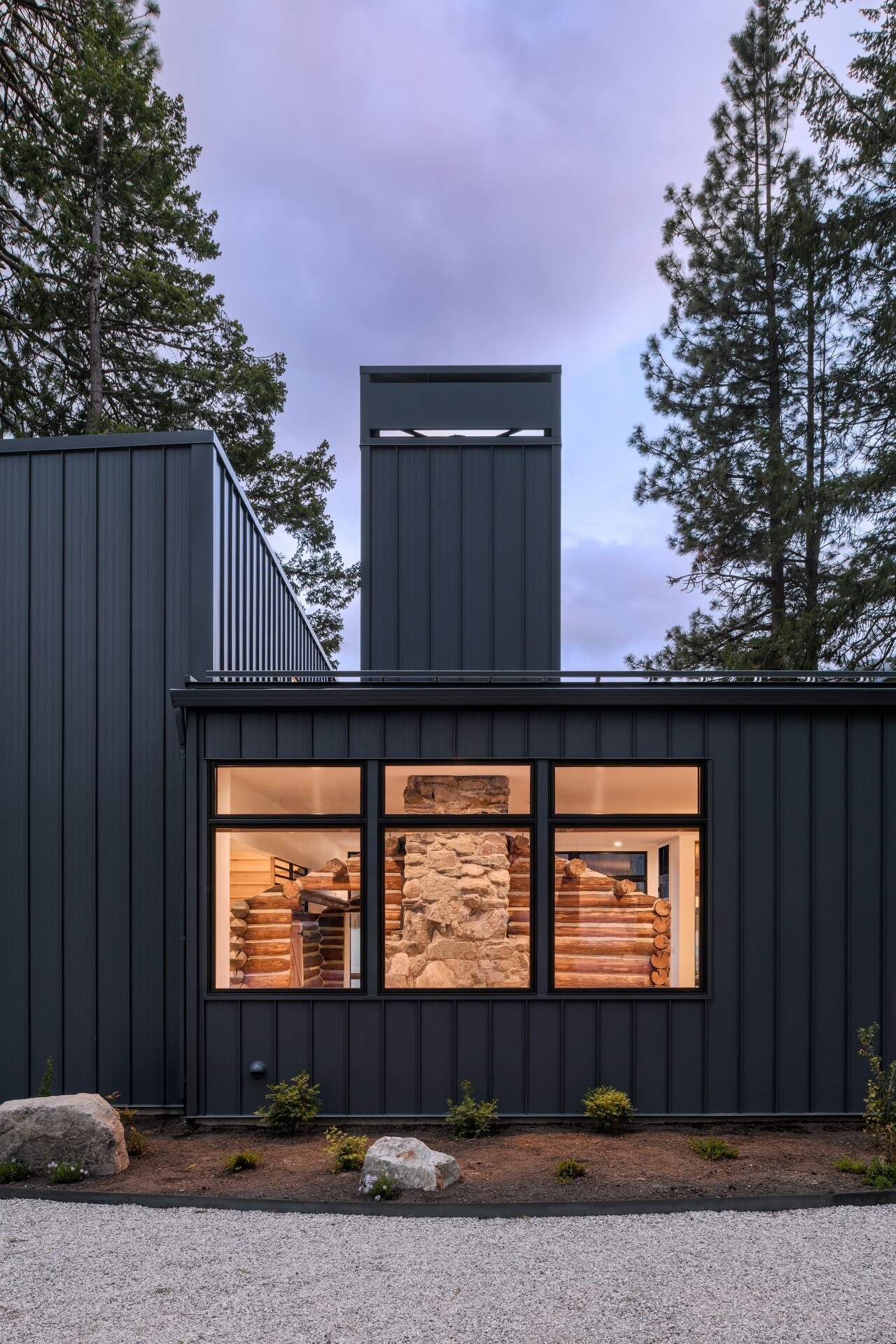
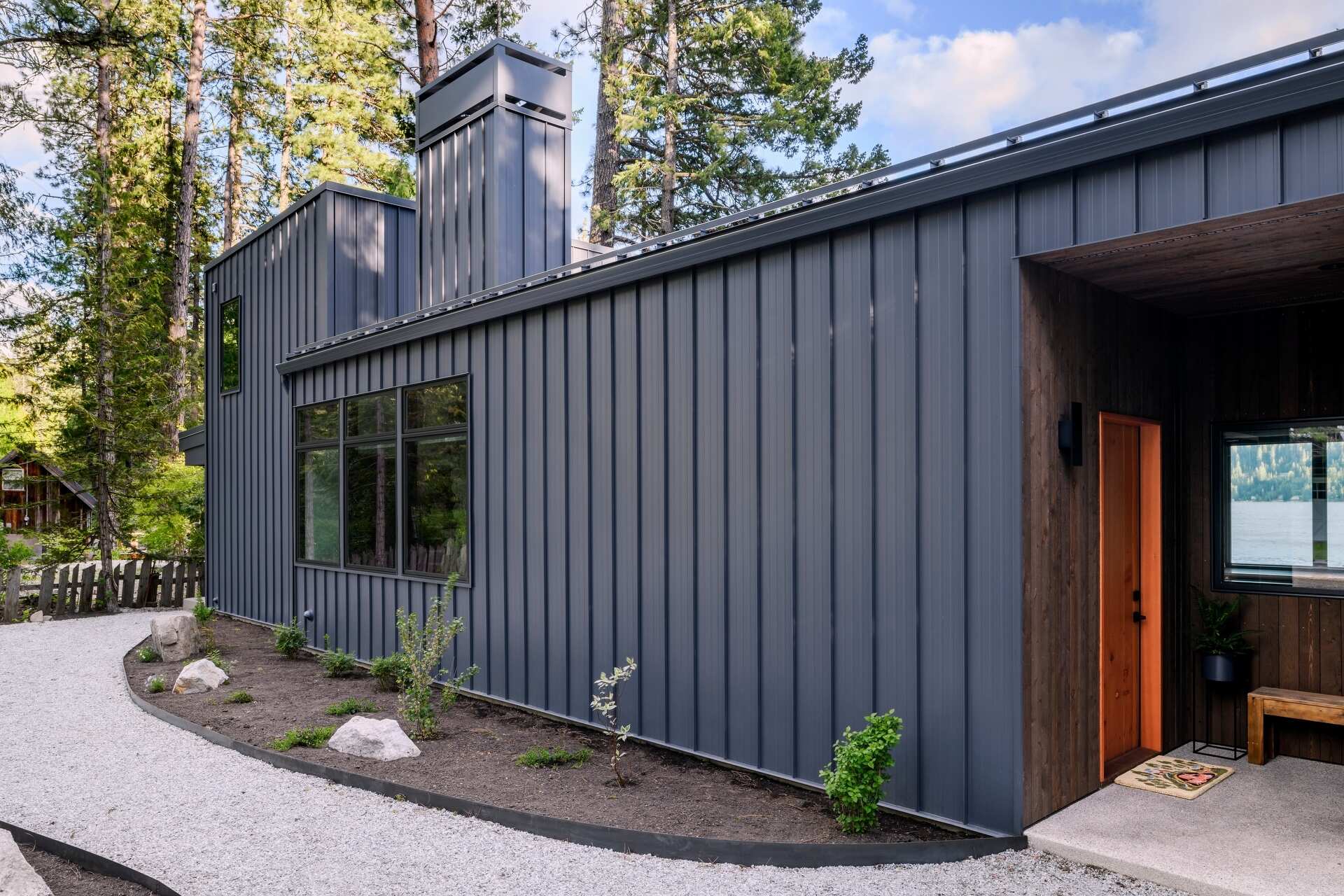
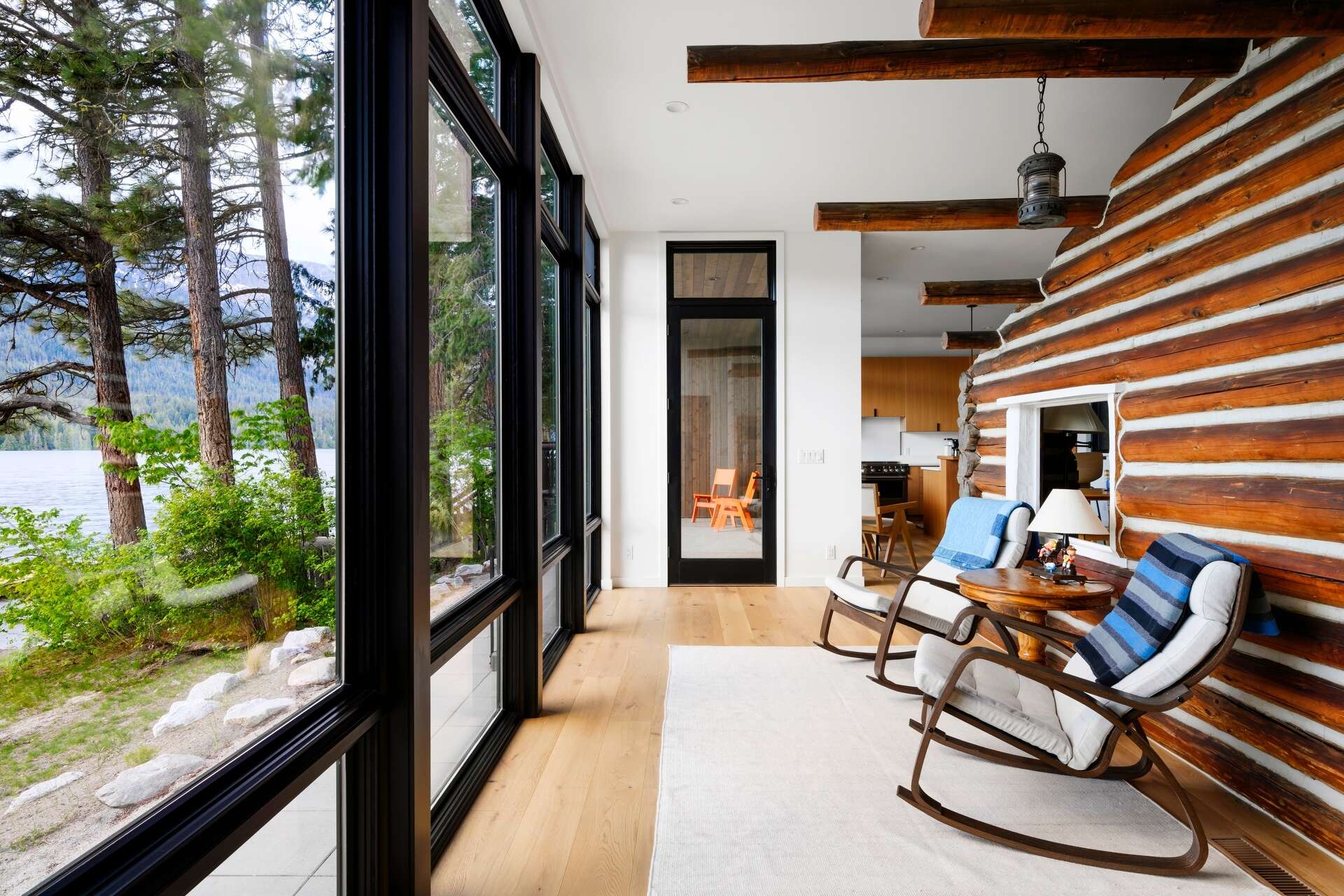
The lot made the concept possible. One side allowed new living spaces to open toward the lake, while the other accommodated three bedrooms. The exterior uses site-sensitive detailing in response to its proximity to Wenatchee National Forest and local fire conditions. Material choices remain restrained, allowing the old logs to stand apart from the clean, contemporary shell surrounding them.
A Front Door That Opens to the Past
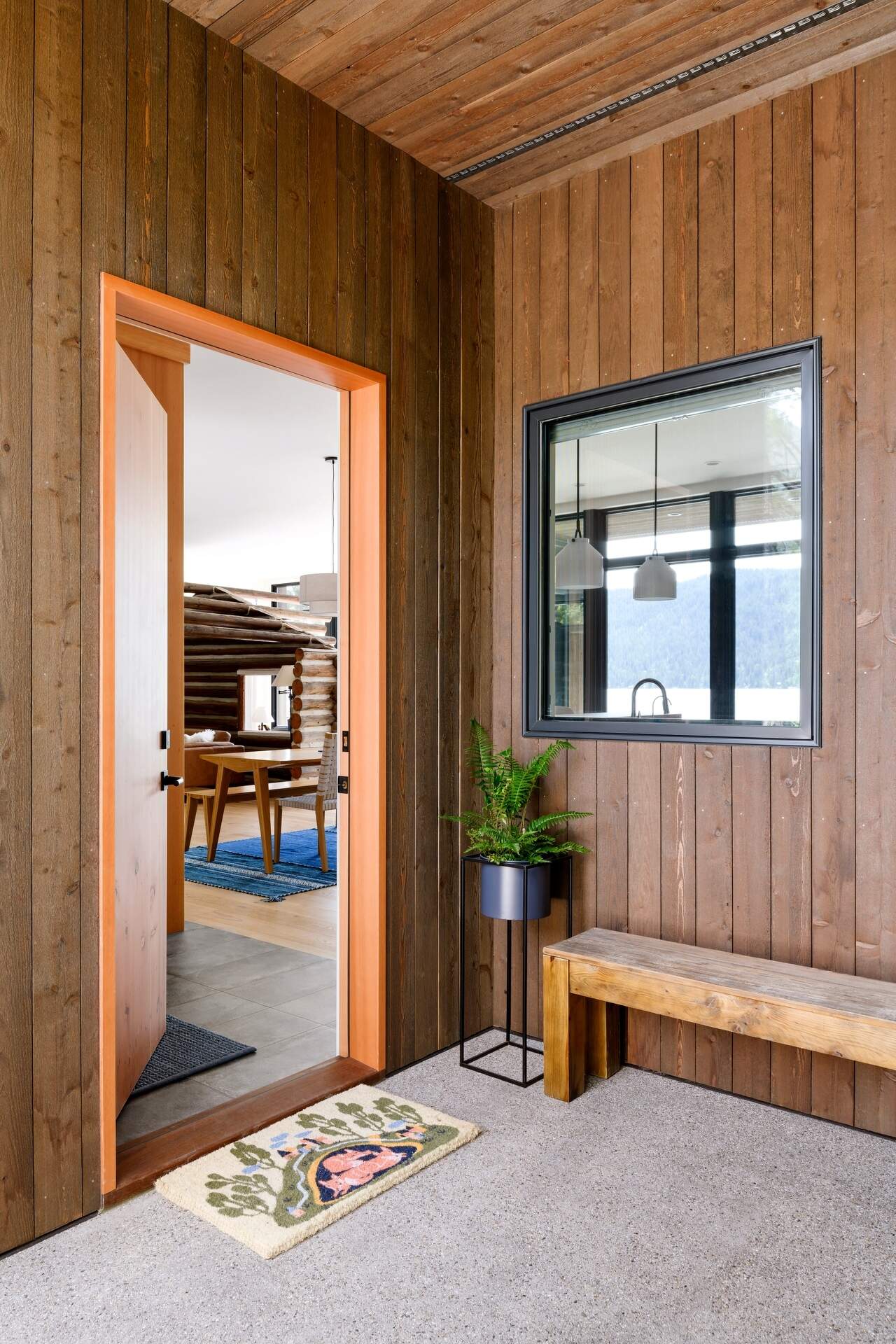
As visitors approach the home, the cabin appears behind glass, framed like an artifact on display. Circulation paths move around its perimeter, quietly guiding movement between public and private areas. The entry sets the tone immediately. This house does not hide its past. It puts it front and center.
The Cabin as Living Room
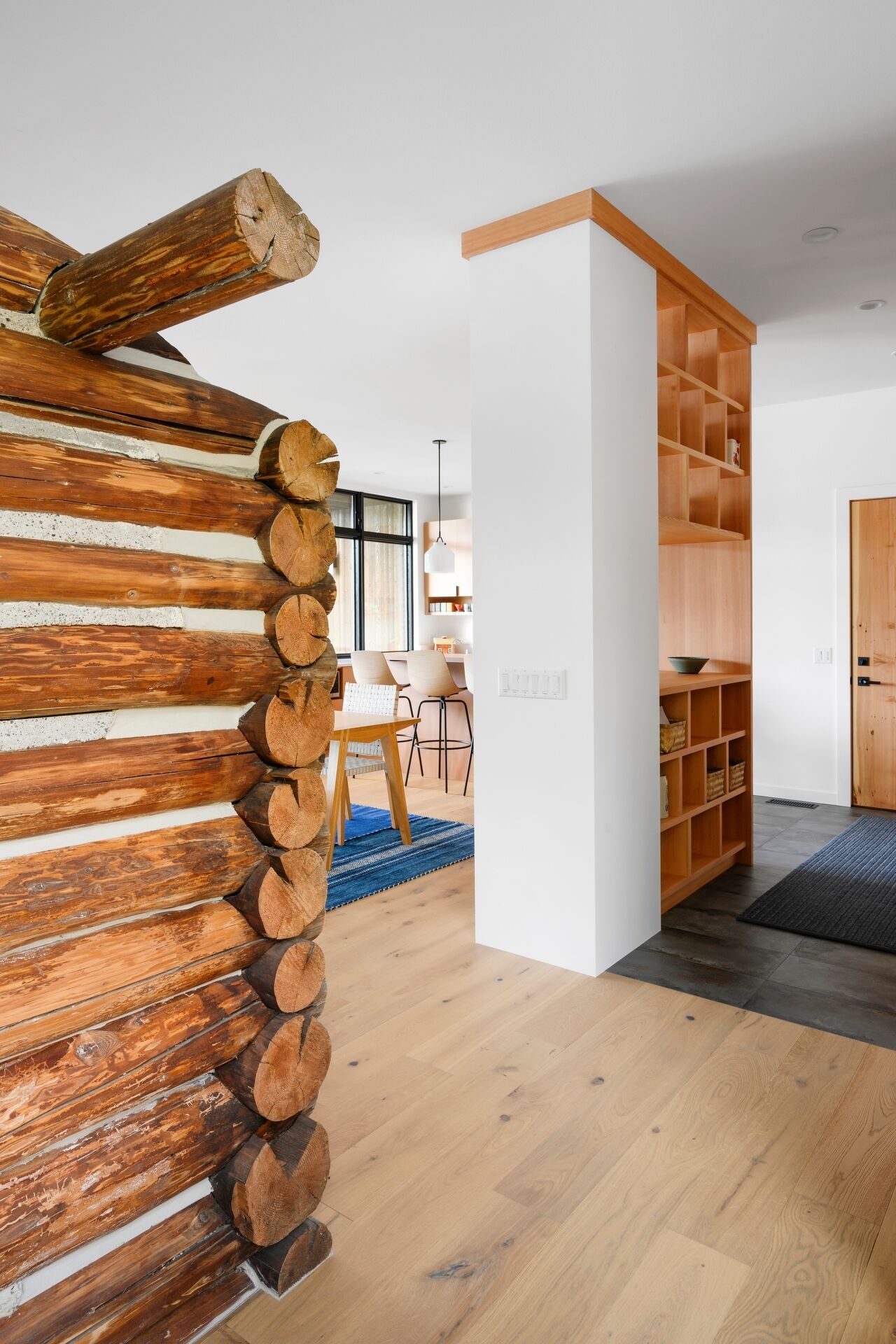
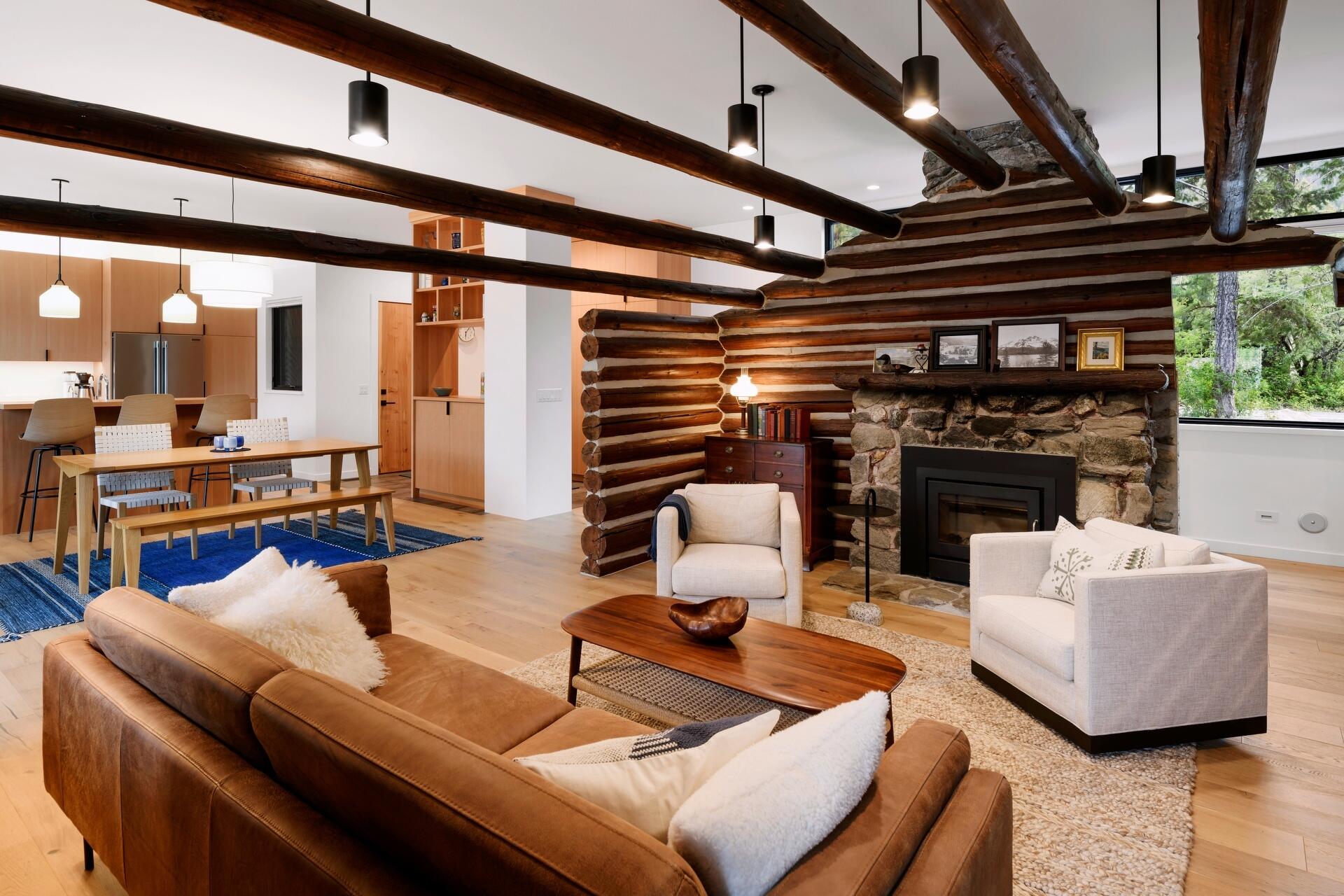
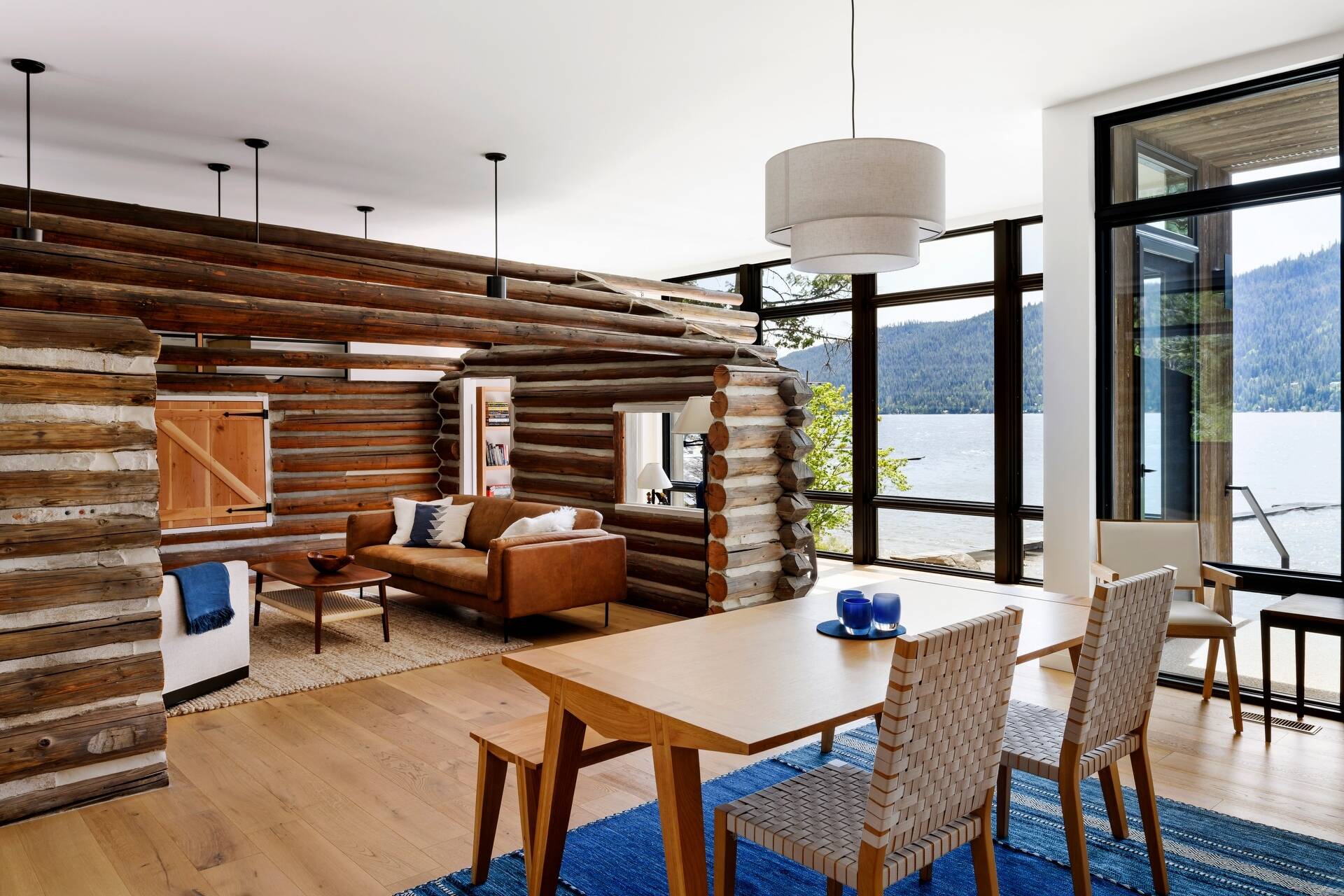
The original cabin now functions as the living room, restored to its historic character and left largely untouched. A small number of roof logs were removed to allow pendant lights to float above the space. Those same logs were reused elsewhere, reinforcing the idea that nothing from the cabin was discarded without purpose.
Modern Spaces Surround the Cabin
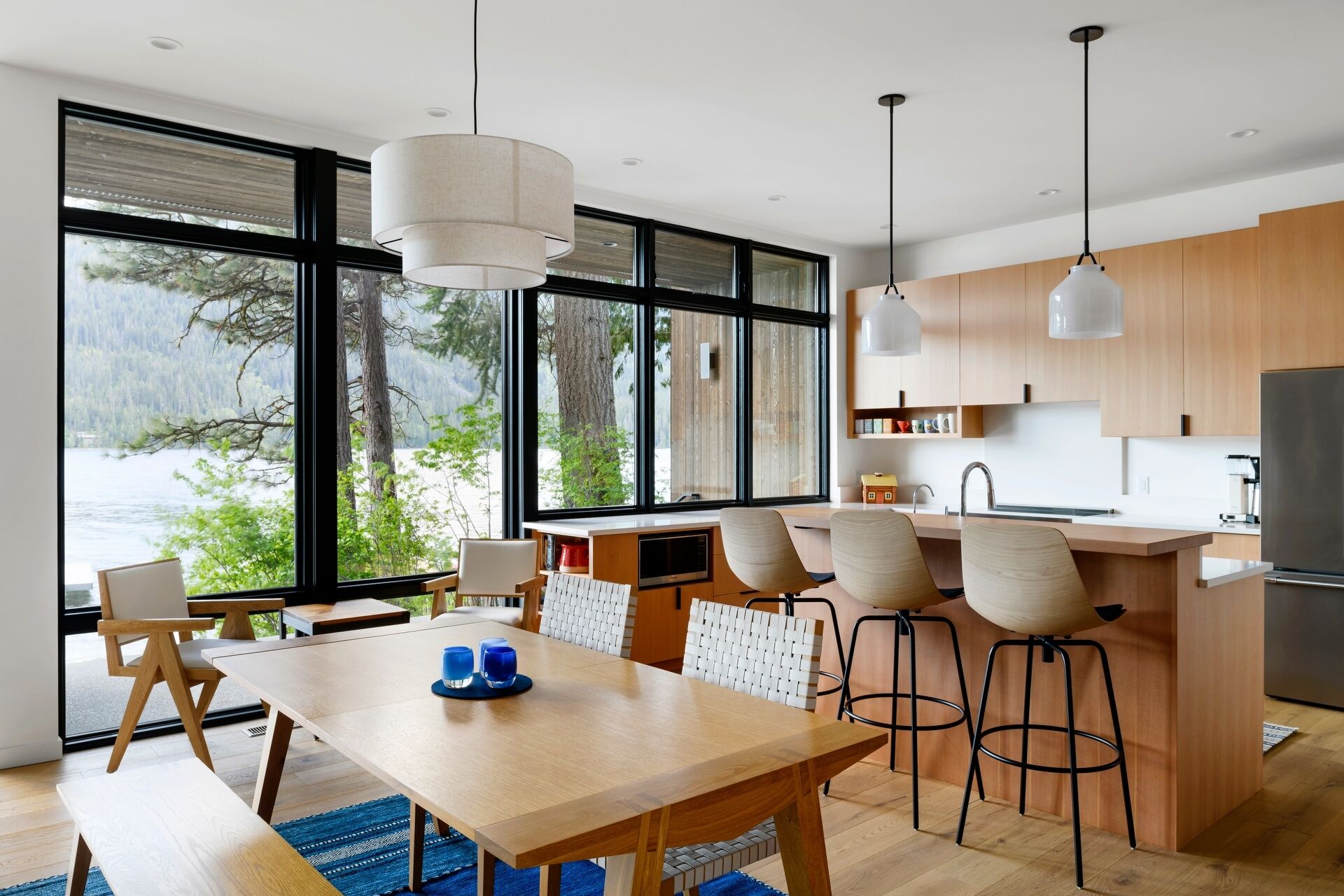
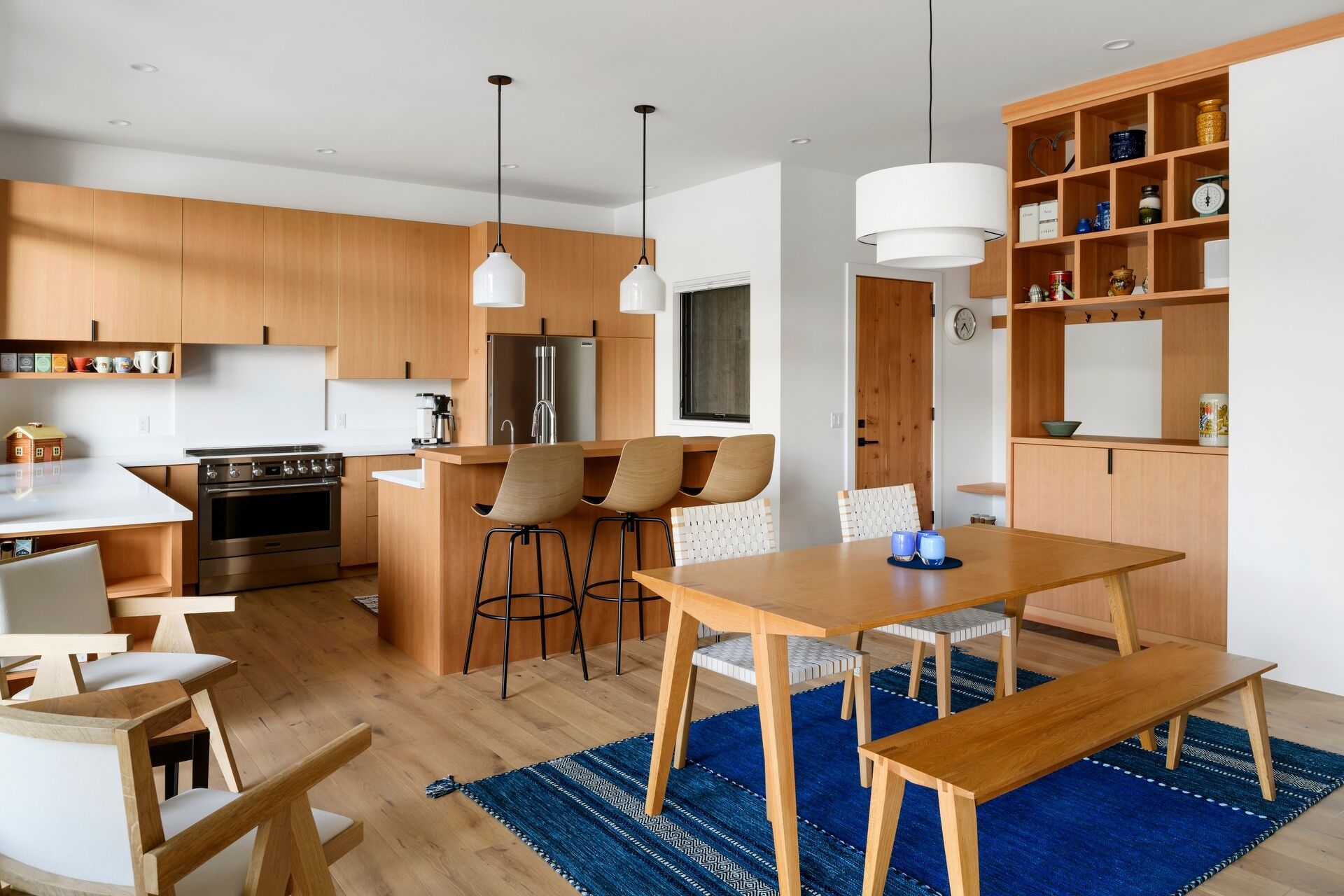
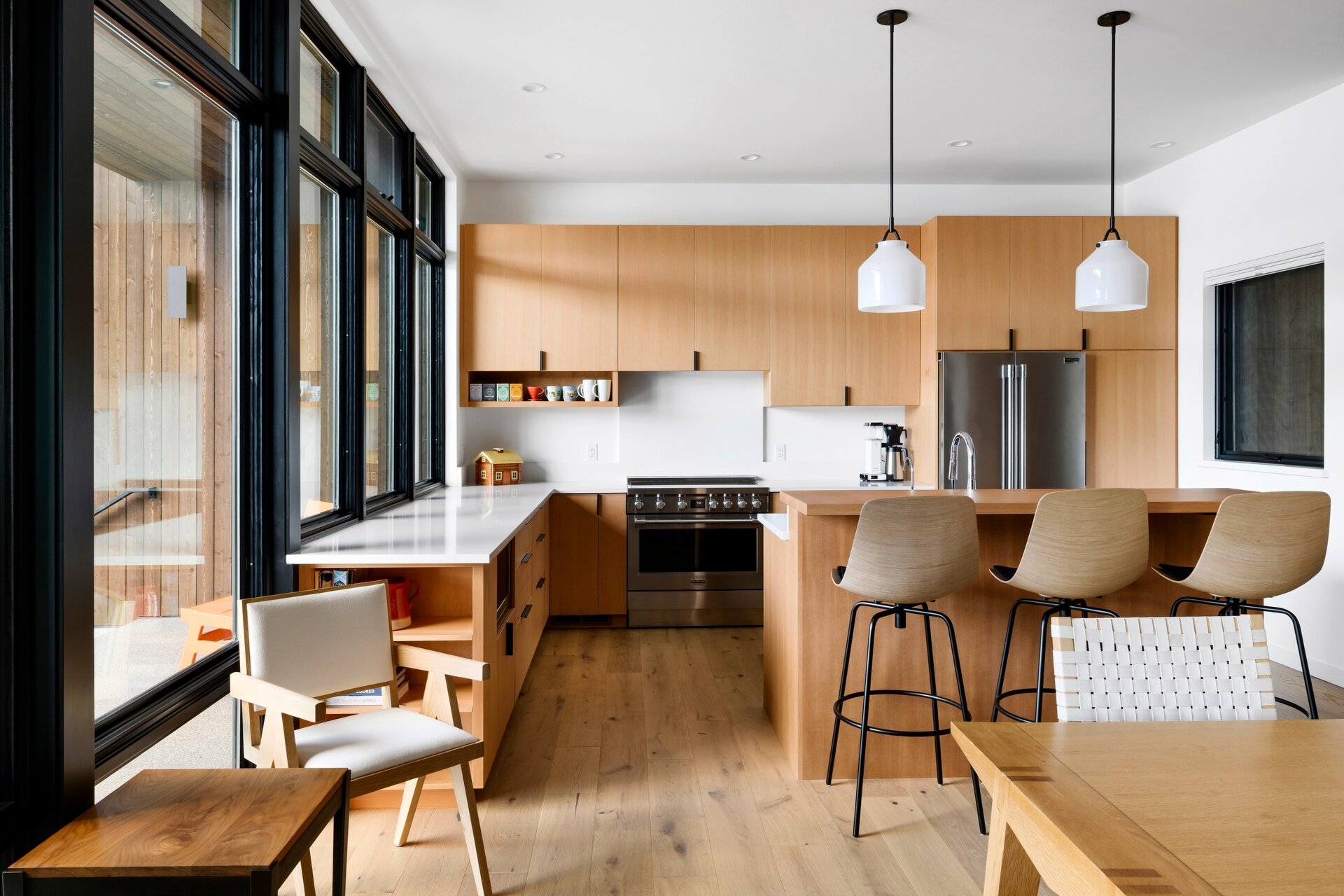
The surrounding spaces contrast the rugged texture of the cabin with a calm, pared-back interior. Natural materials and a neutral palette reflect the homeowners’ Scandinavian minimalist sensibility. Functionality and storage take priority, shaped by a lifestyle tied closely to the lake and forest.
Private Spaces
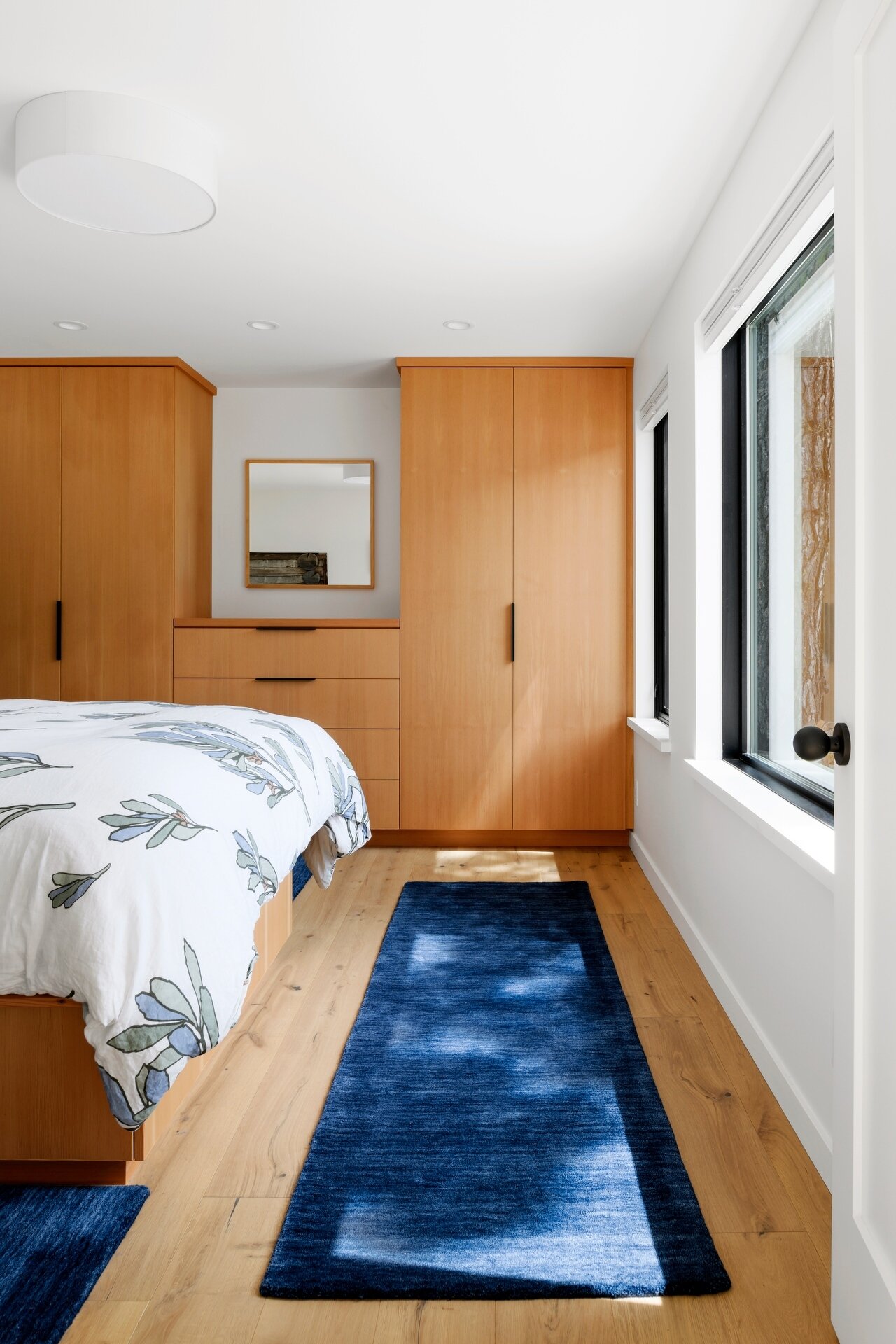
Private rooms sit beyond the shared spaces, positioned to maintain a clear separation from the cabin core.
Rather than treating the old structure as an obstacle, the project treats it as a guide. The cabin is not frozen in time, nor overwritten by new construction. Instead, it stands as a living exhibit, proving that preservation and contemporary design can exist in the same space, without compromise.