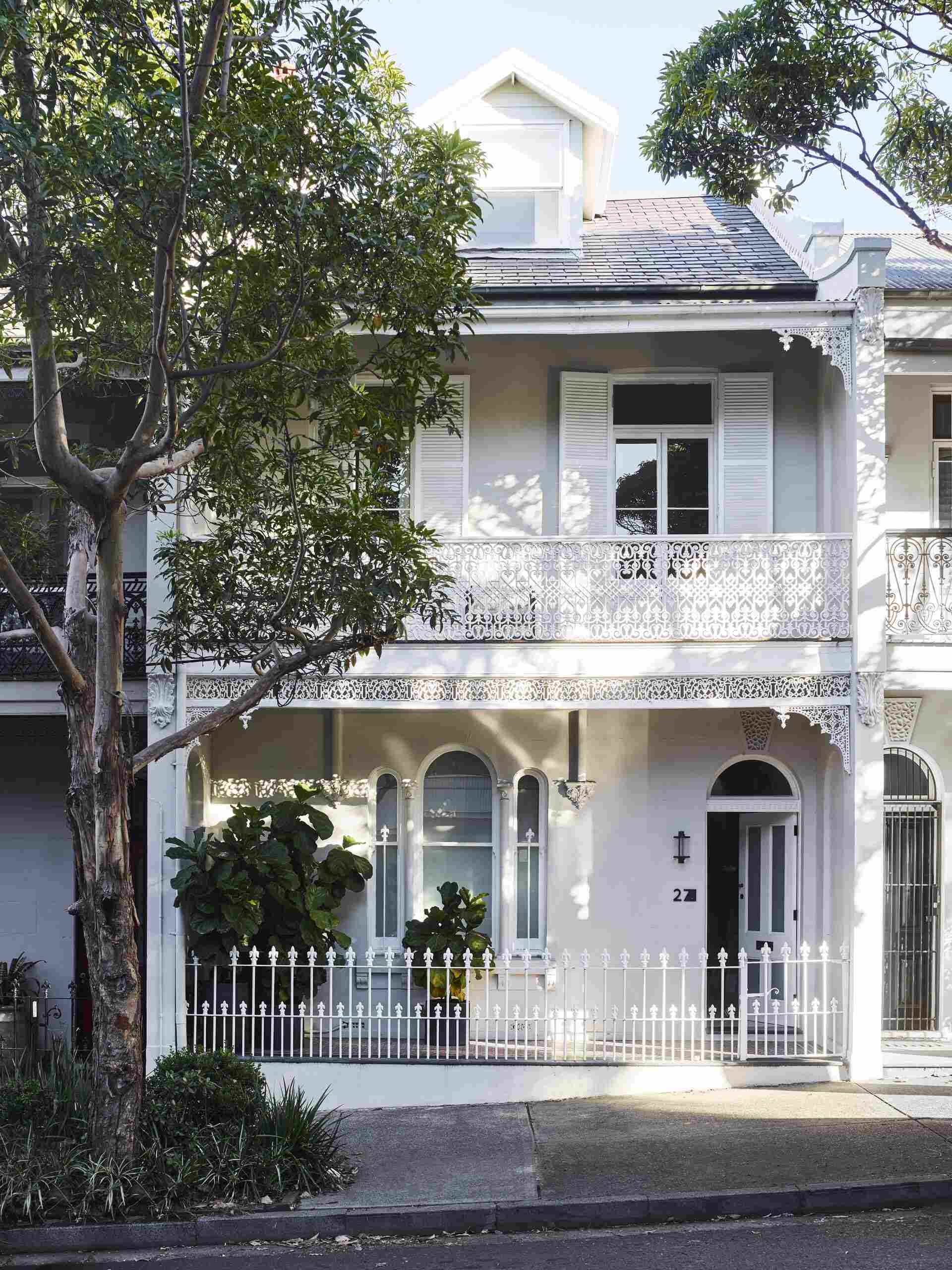
Smart Design Studio completed the transformation of a traditional Victorian house in Sydney, Australia, alongside a new extension at the rear. Rather than stripping the house back, the architects took a refined approach, keeping the most beautiful elements intact while updating the home to suit contemporary life. The design focused on increasing light, improving spatial flow, and creating a stronger relationship between inside and out, all while respecting the form of the original terrace.
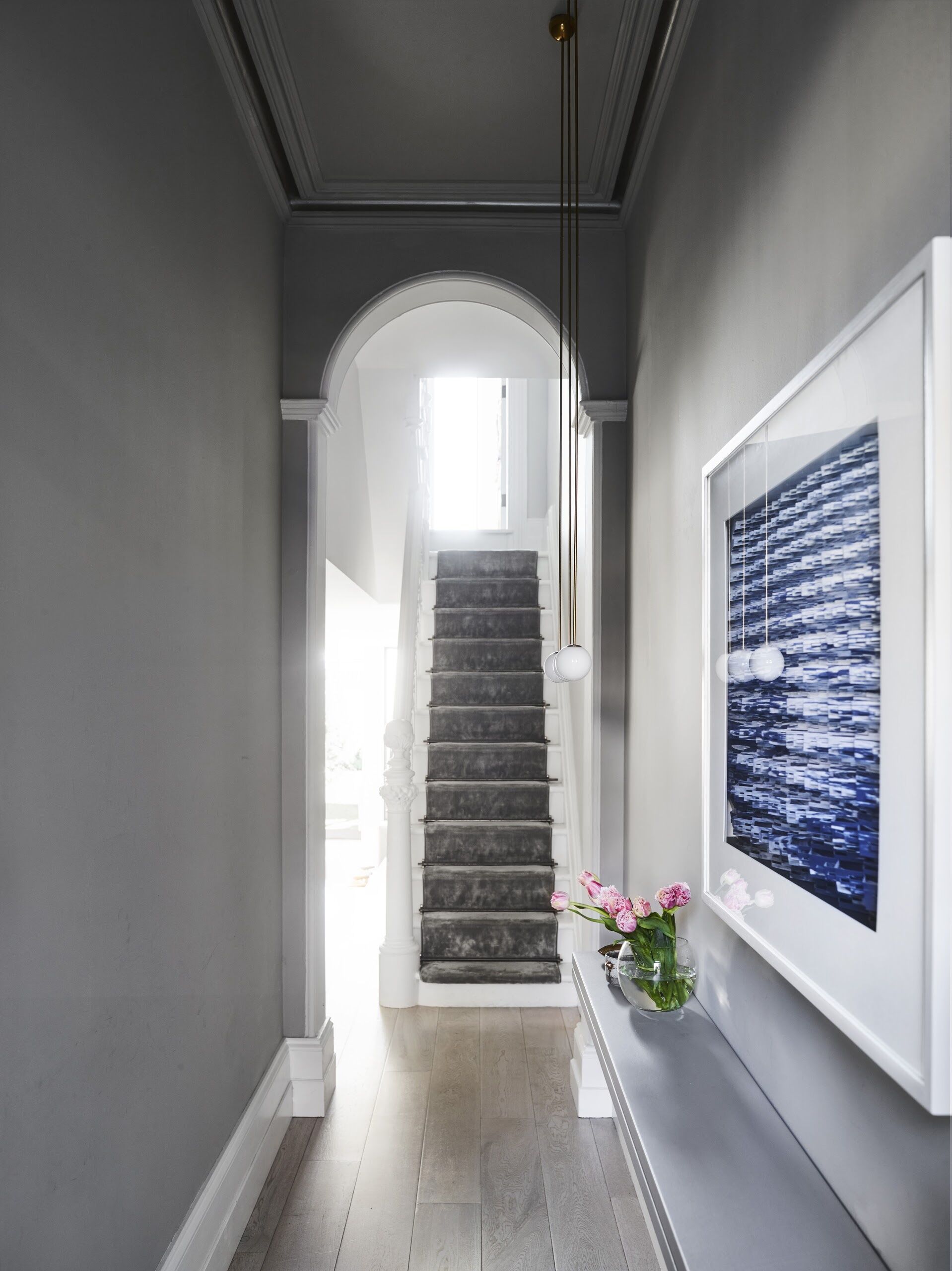
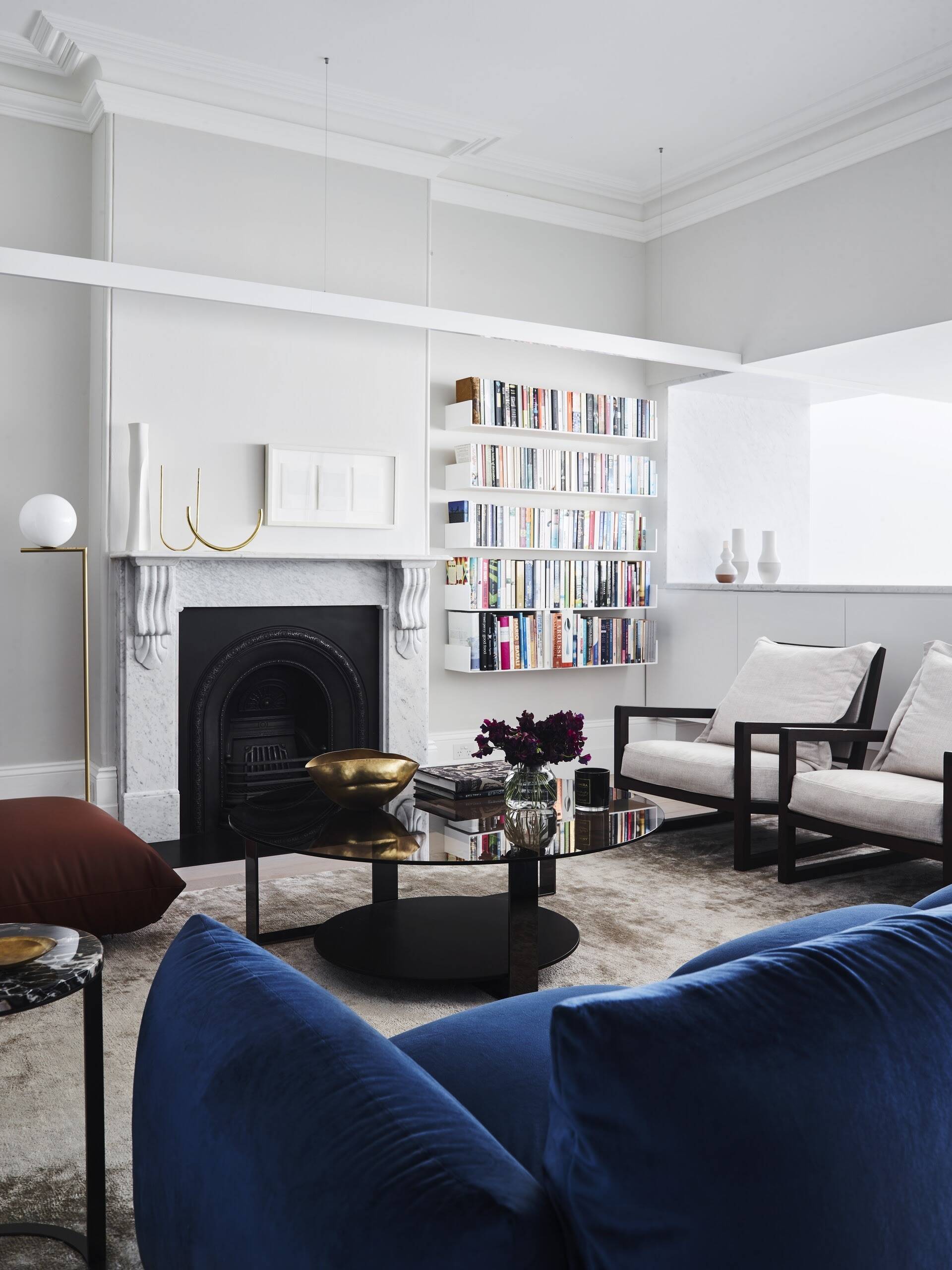
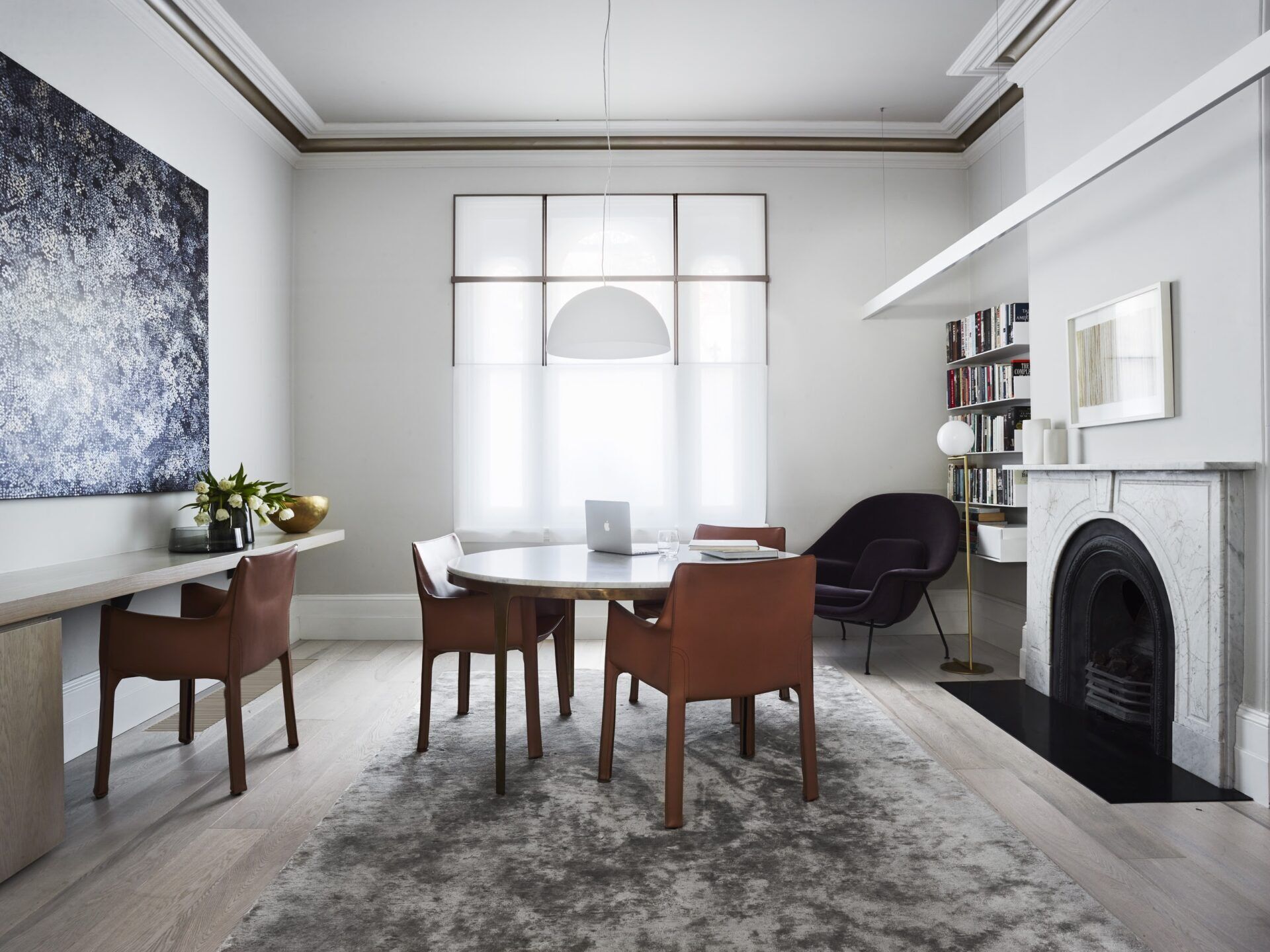
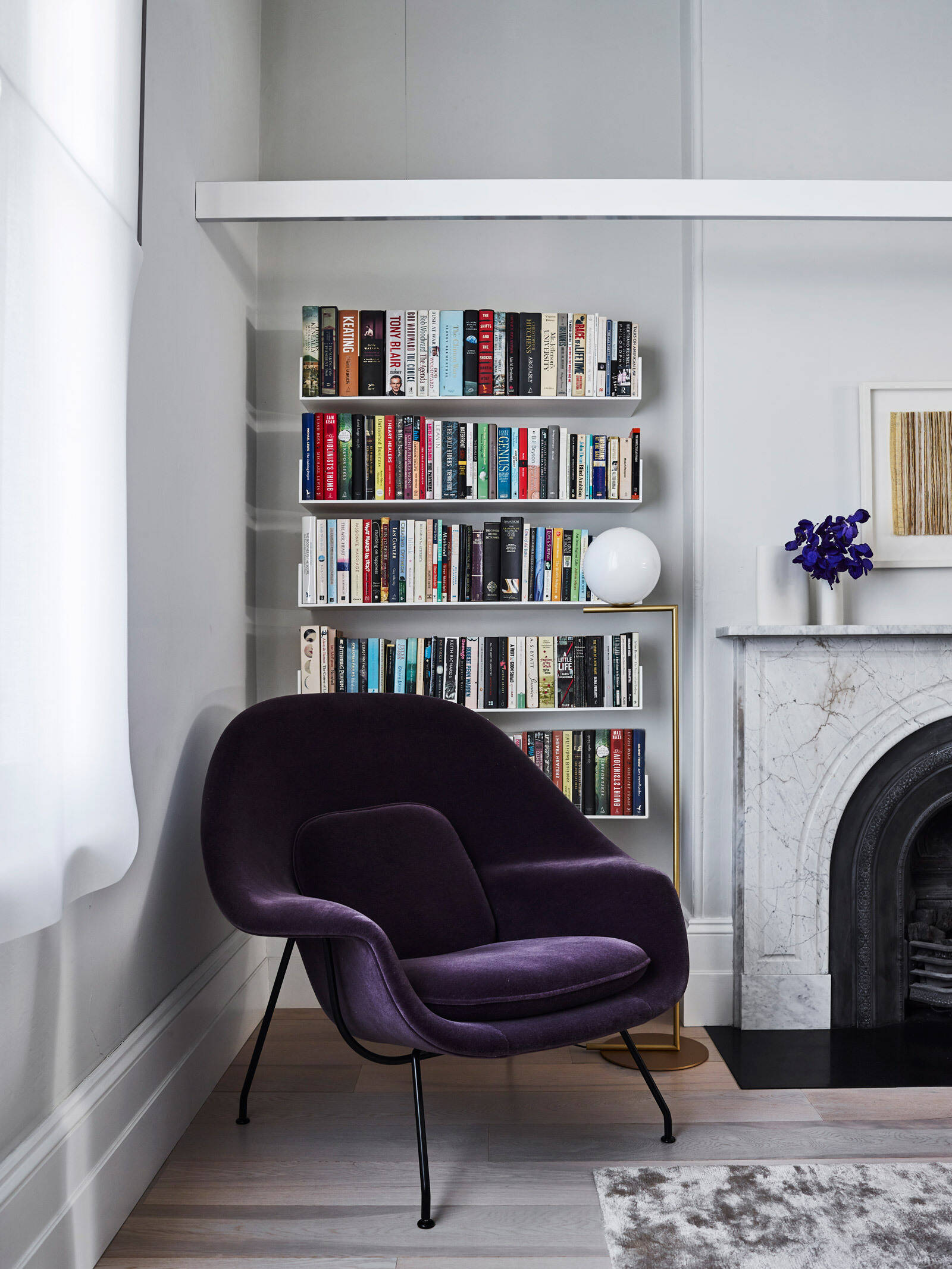
Stepping inside, the home opens with a formal living room that still carries its original character. The fireplace remains a focal point, anchoring the space and hinting at the home’s history. Contemporary shelving has been introduced alongside these details, creating a quiet contrast that feels intentional rather than forced. This room acts as a gentle introduction, where old and new sit comfortably side by side.
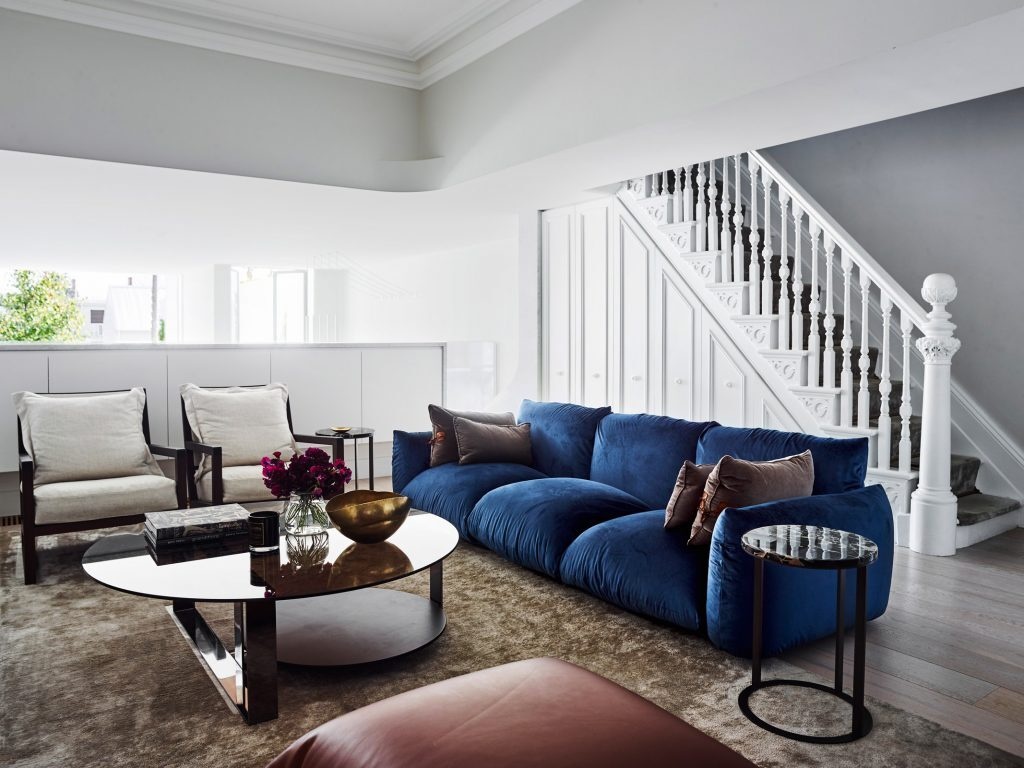
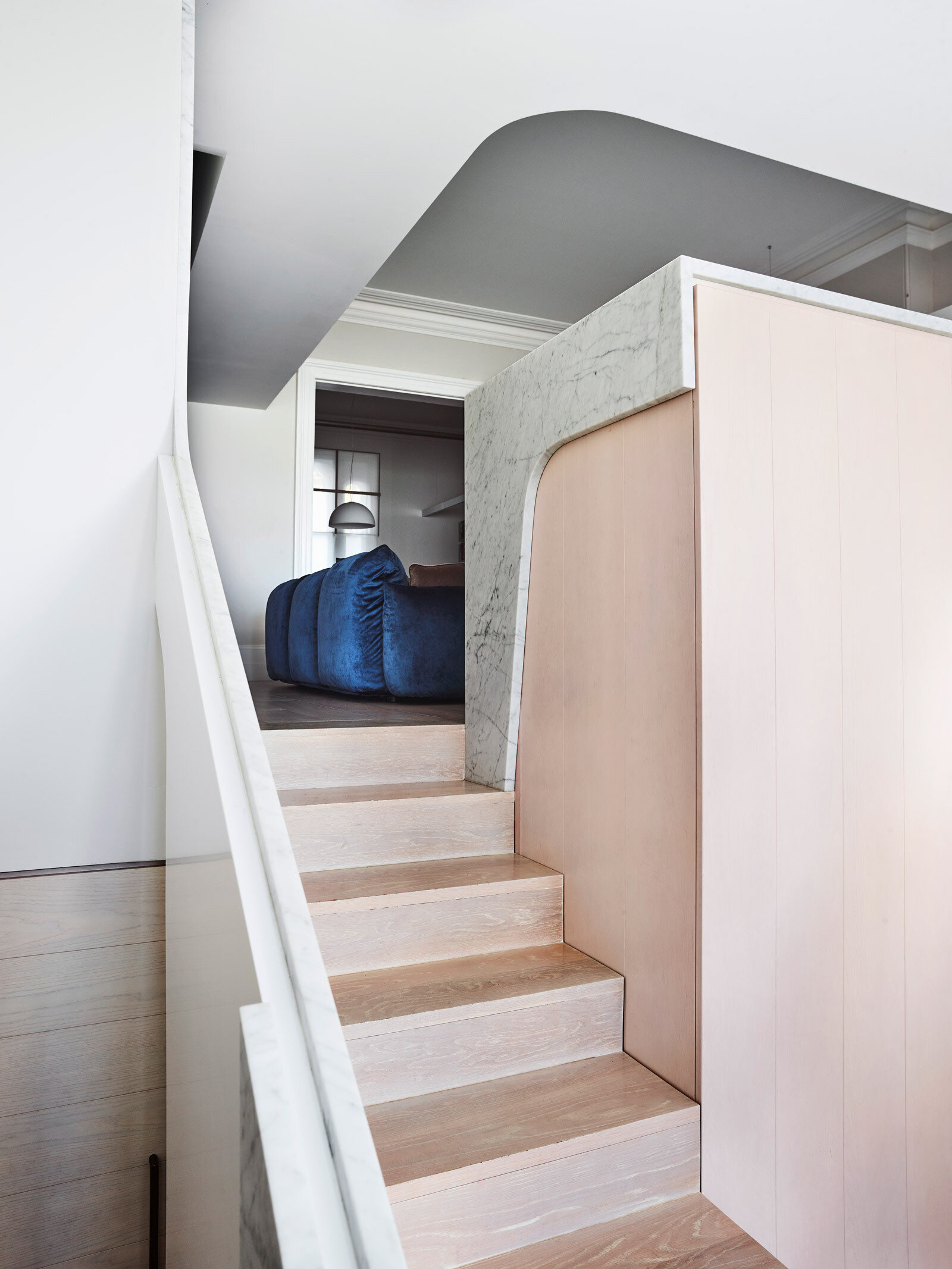
From the formal living room, wood steps lead down into the new extension. This change in level marks a transition. The ceilings rise, the light increases, and the home begins to feel more open and expansive. Borrowed space and increased ceiling heights work together to soften the move from the original structure into the contemporary addition.
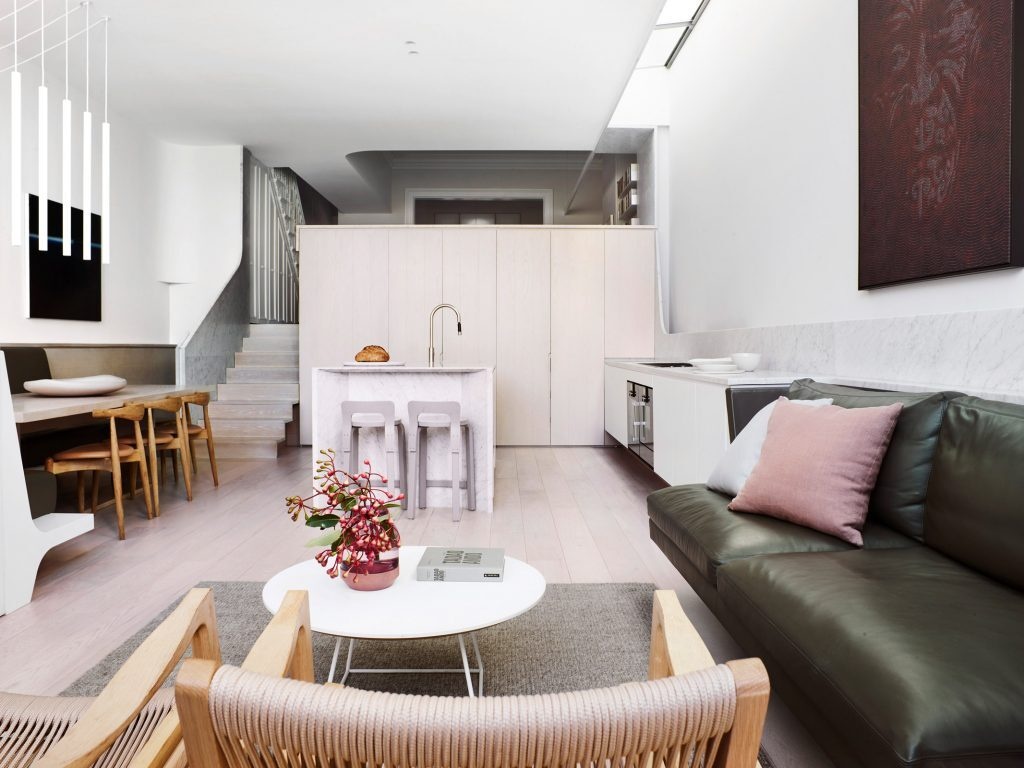
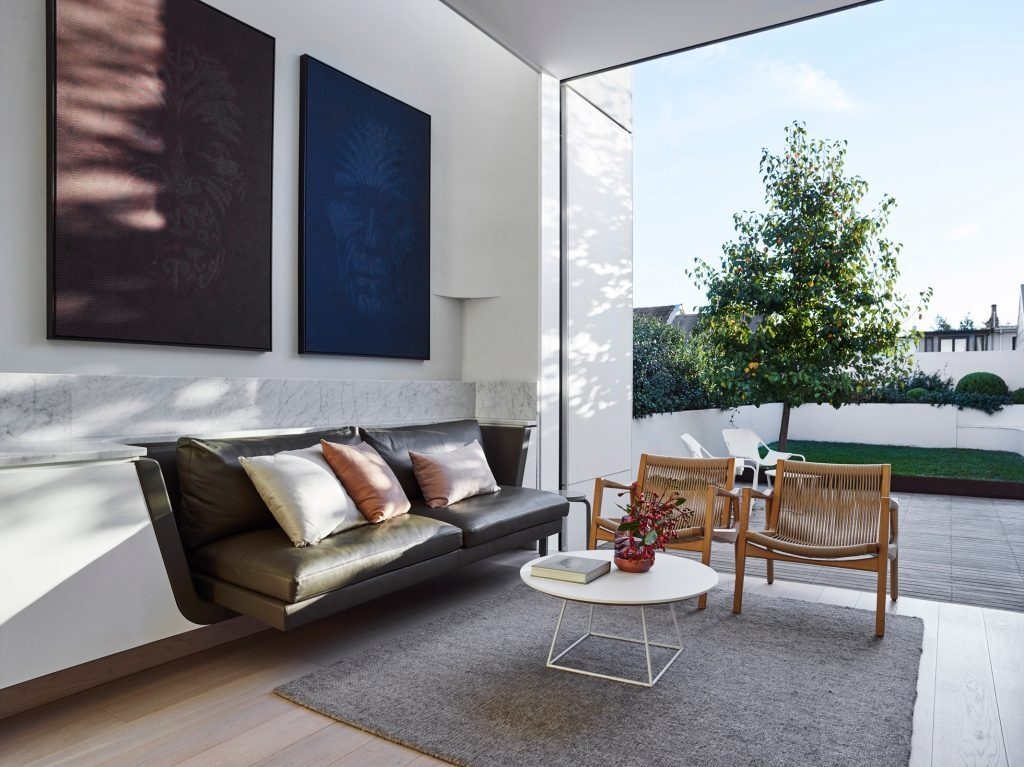
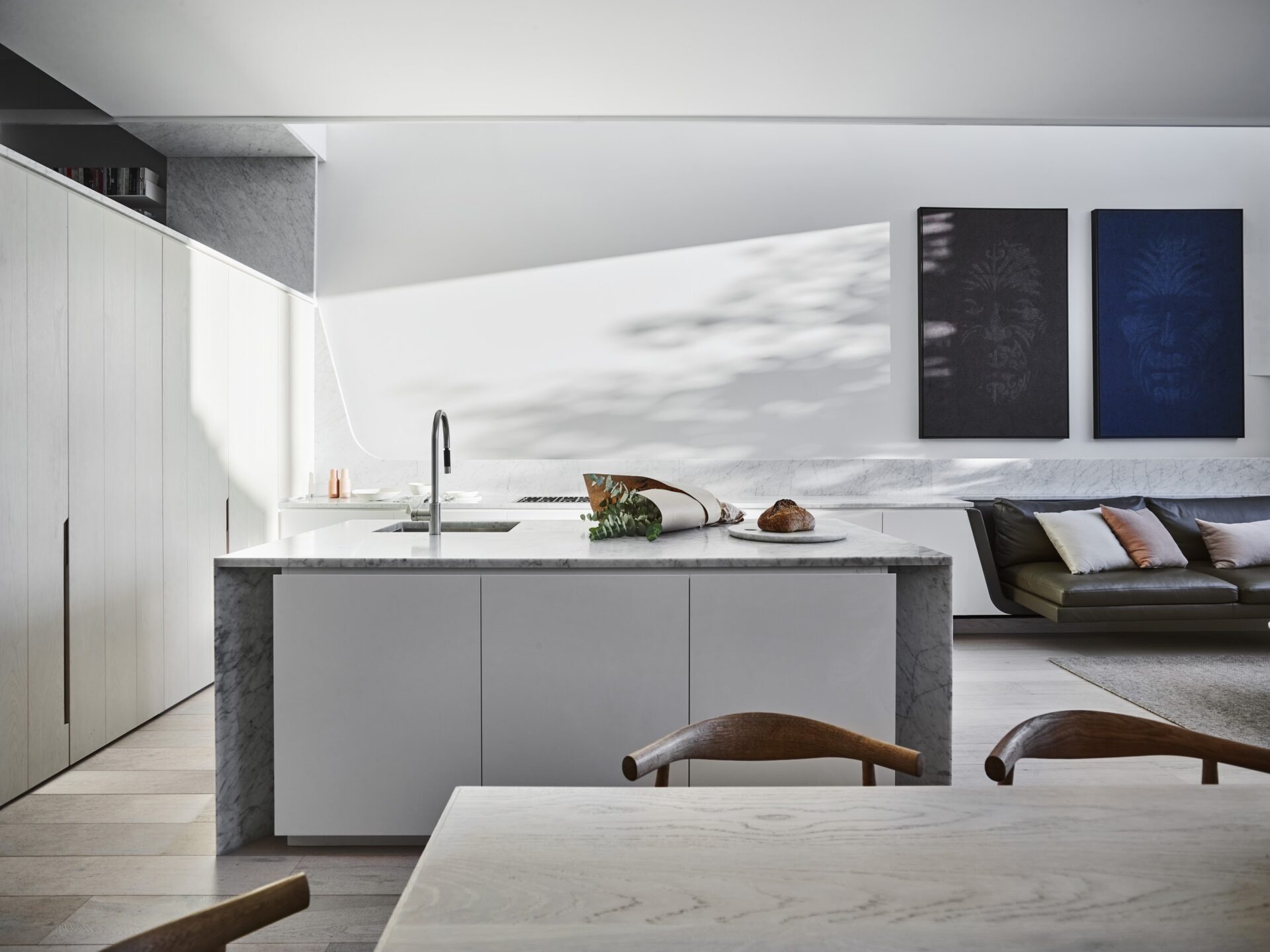
The extension unfolds as a single open floor plan, bringing together a casual living room, kitchen, and dining area. Generous volumes and a clear layout make the space feel relaxed and practical, designed for everyday use rather than formality. A built-in couch grounds the living area, reinforcing the sense that this is a space meant to be lived in, not just admired.
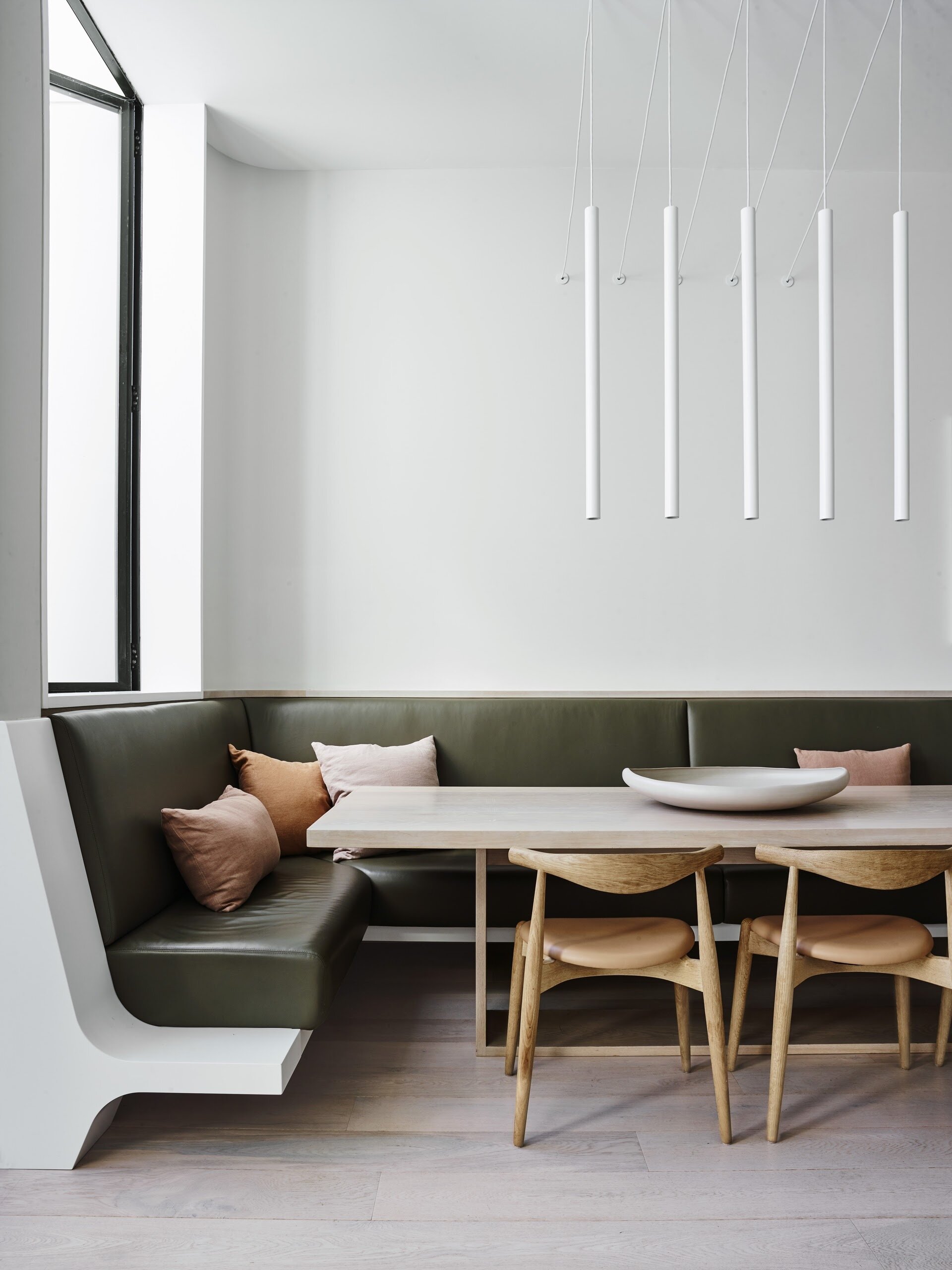
Opposite the living room sits the dining area, defined by a built-in banquette that wraps neatly around the corner. This fixed seating creates intimacy within the larger open space and encourages the room to be used flexibly. It is a small gesture that adds both comfort and architectural clarity, reinforcing the idea of spaces being shaped by use rather than walls.
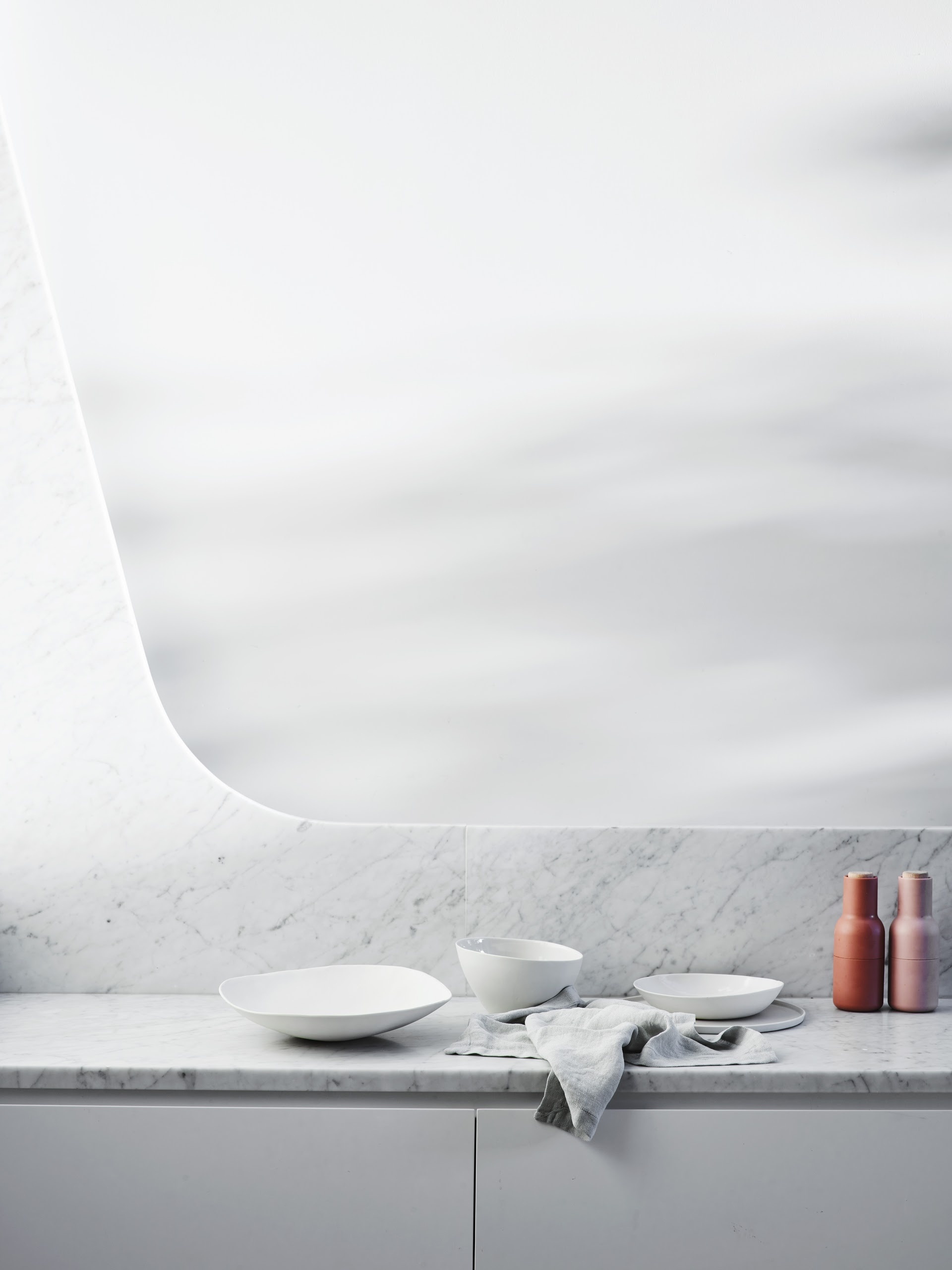
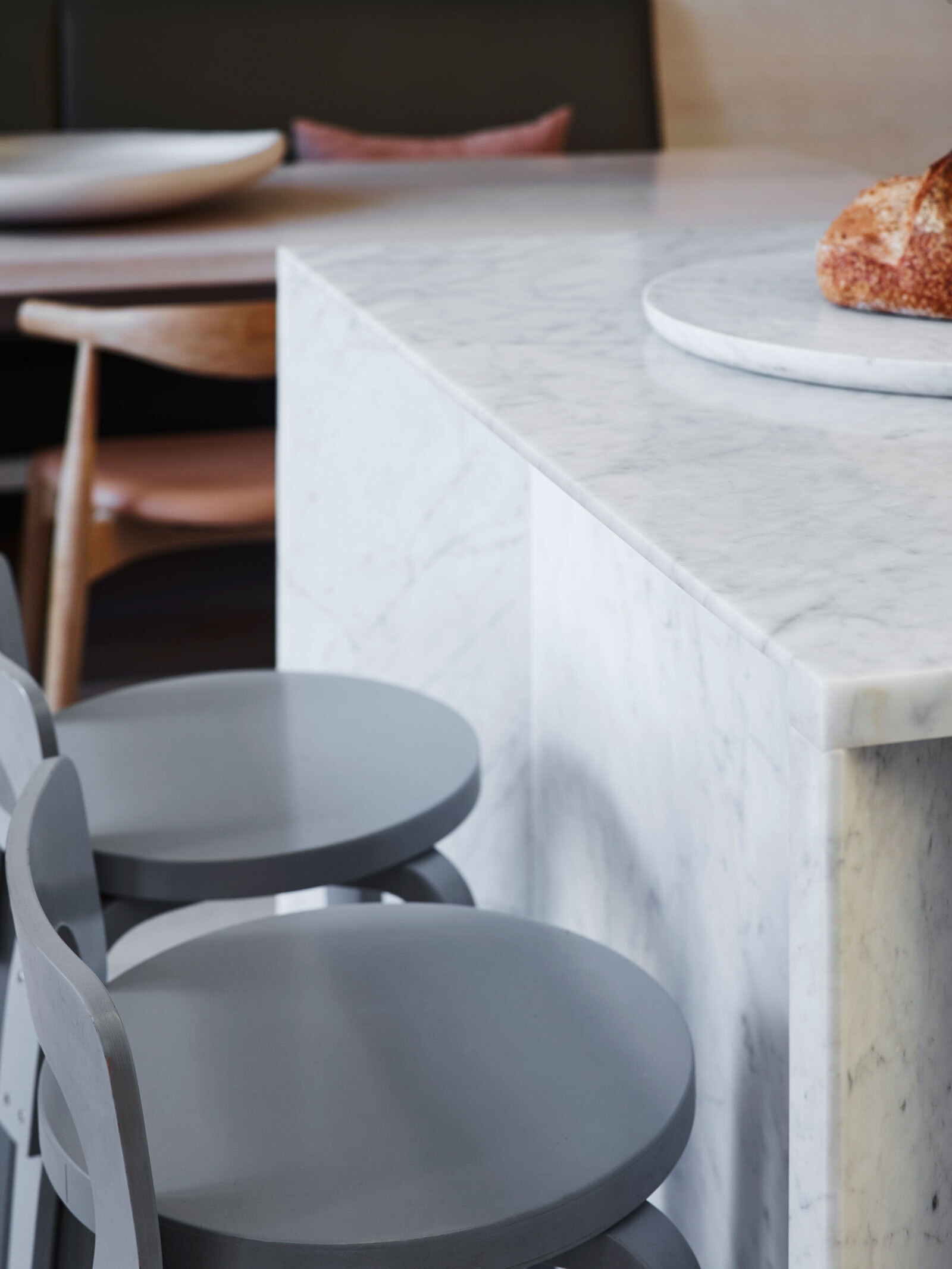
In the kitchen, a full wall of cabinetry provides ample storage without overwhelming the space. The island extends the available bench space, supporting both cooking and casual interaction. Overhead, a linear skylight runs the length of the kitchen, dining, and living area, washing the space in soft, indirect light and enhancing the calm atmosphere throughout.
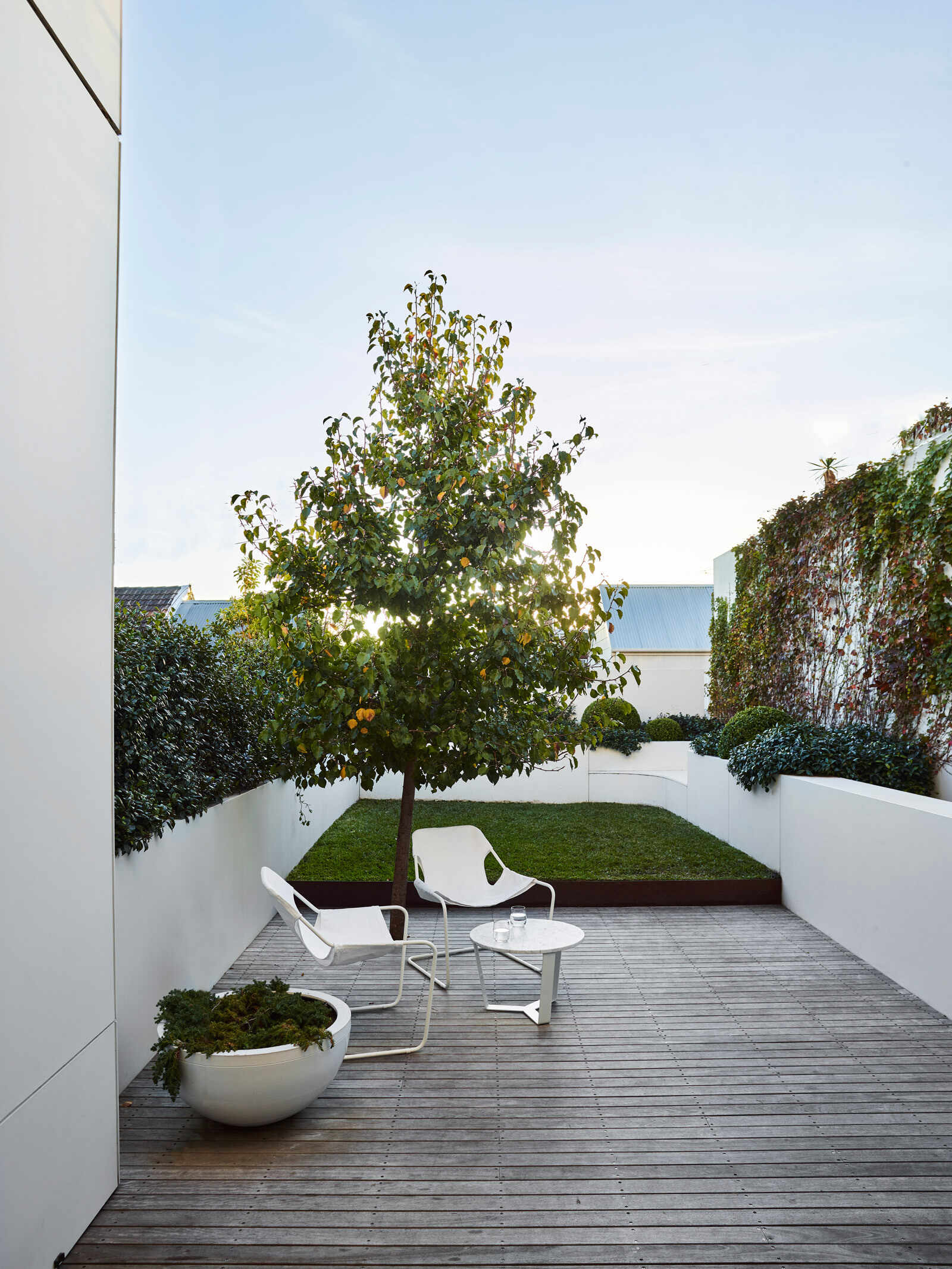
One of the most transformative elements of the extension is the set of bi-fold pocket doors. When opened, they disappear into the facade, allowing the living space to flow directly onto the terrace and grassed area beyond. The internal floor level aligns flush with the garden, removing any visual or physical barrier between inside and out.
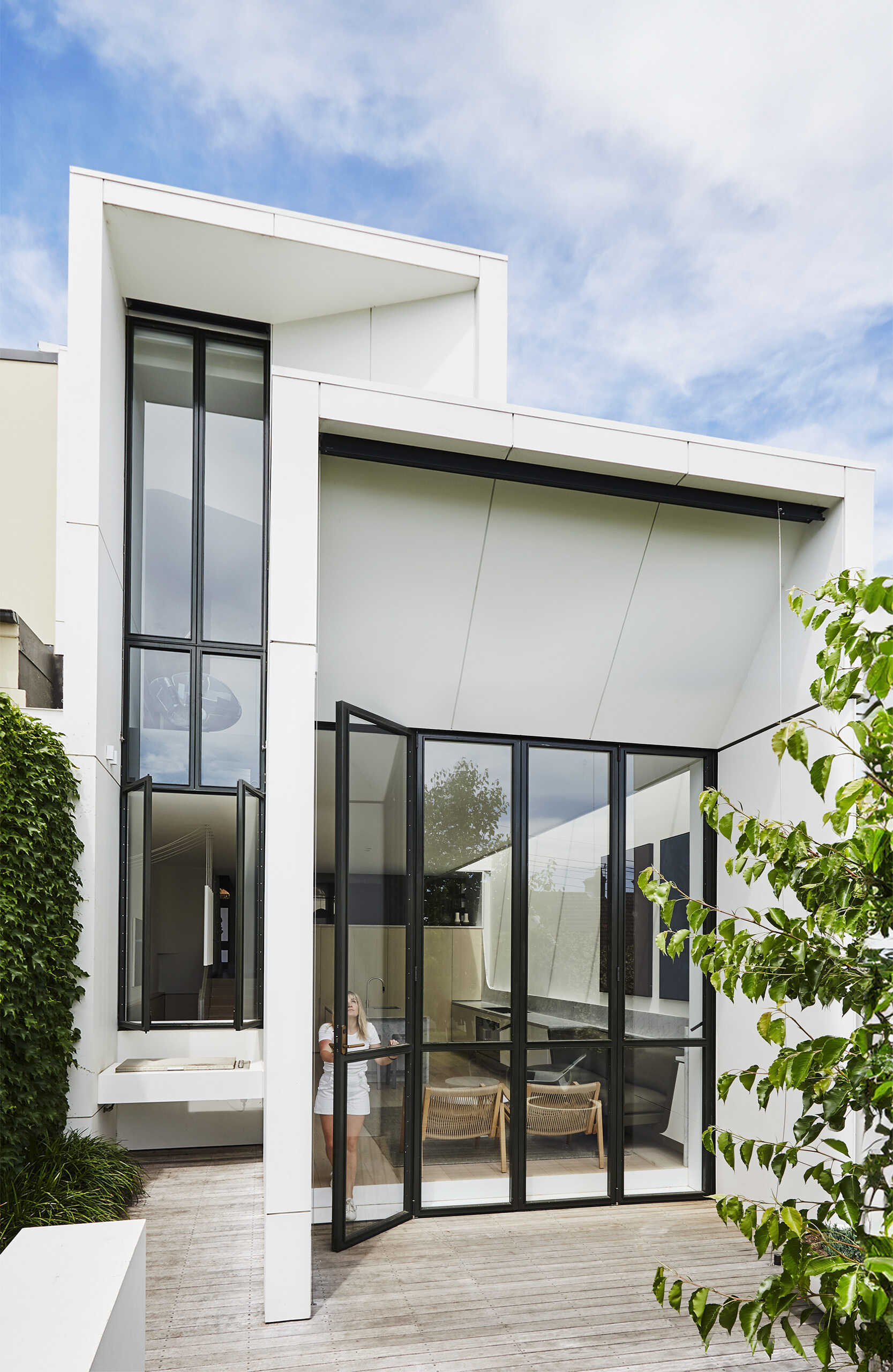
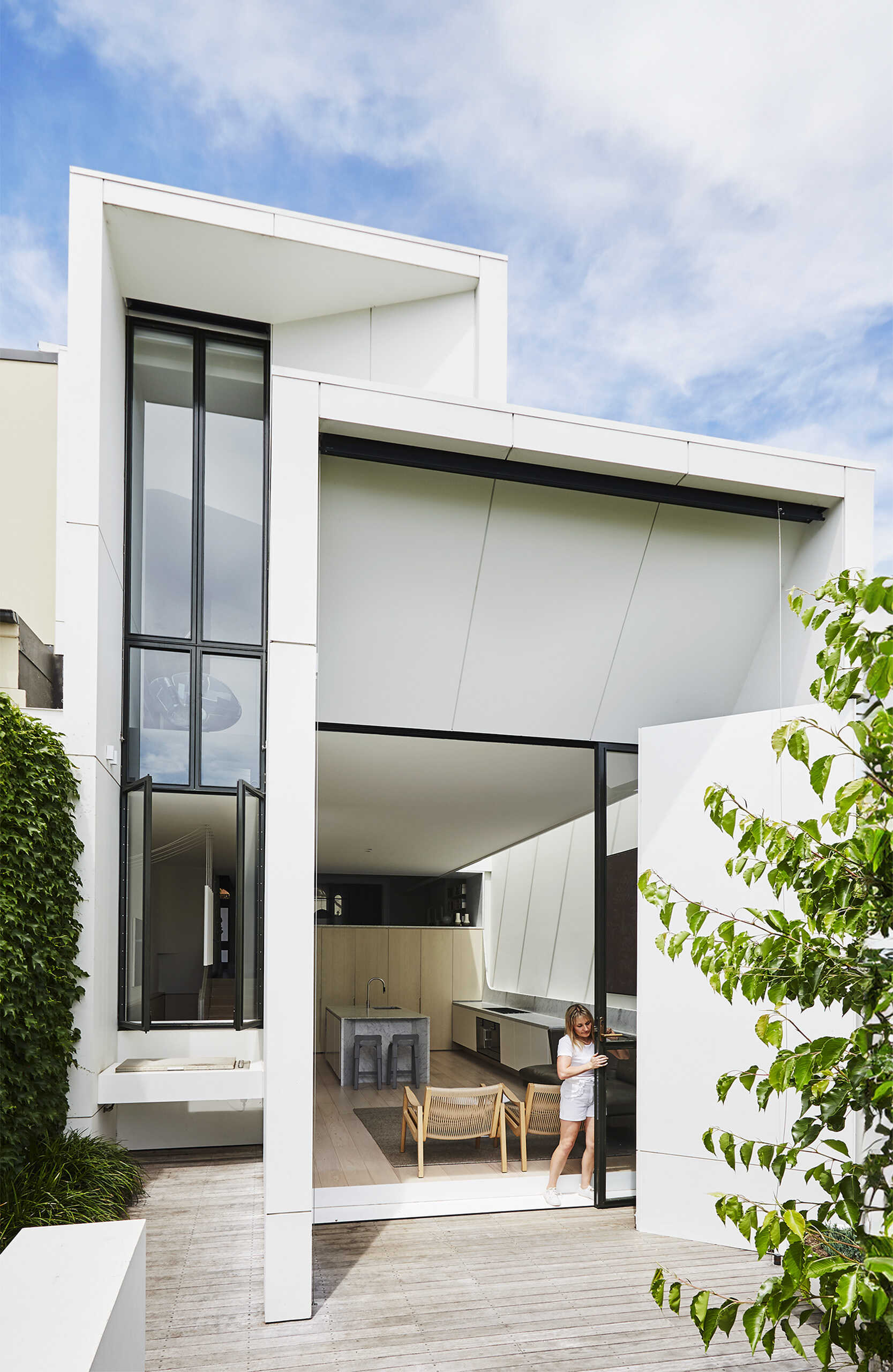
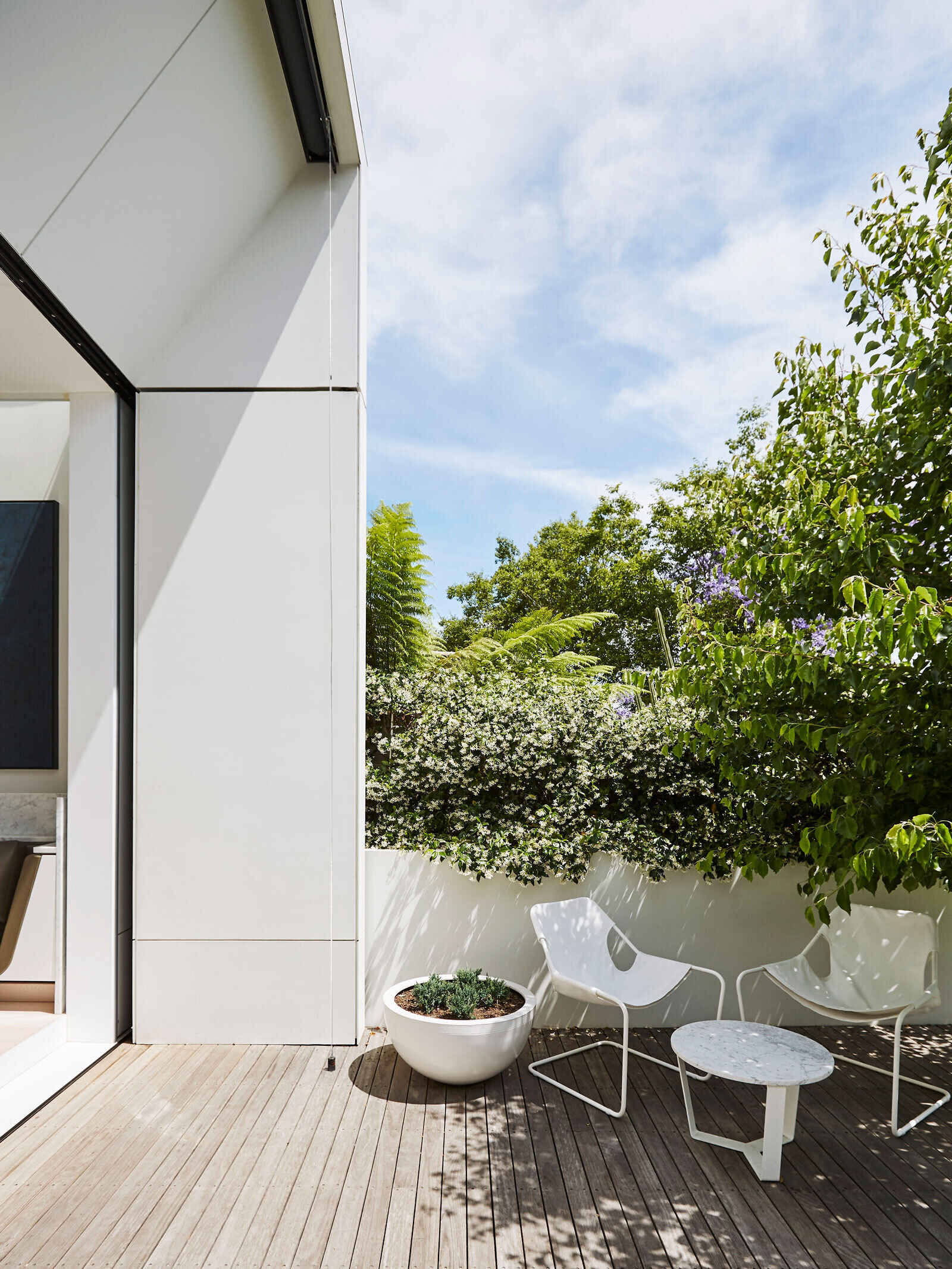
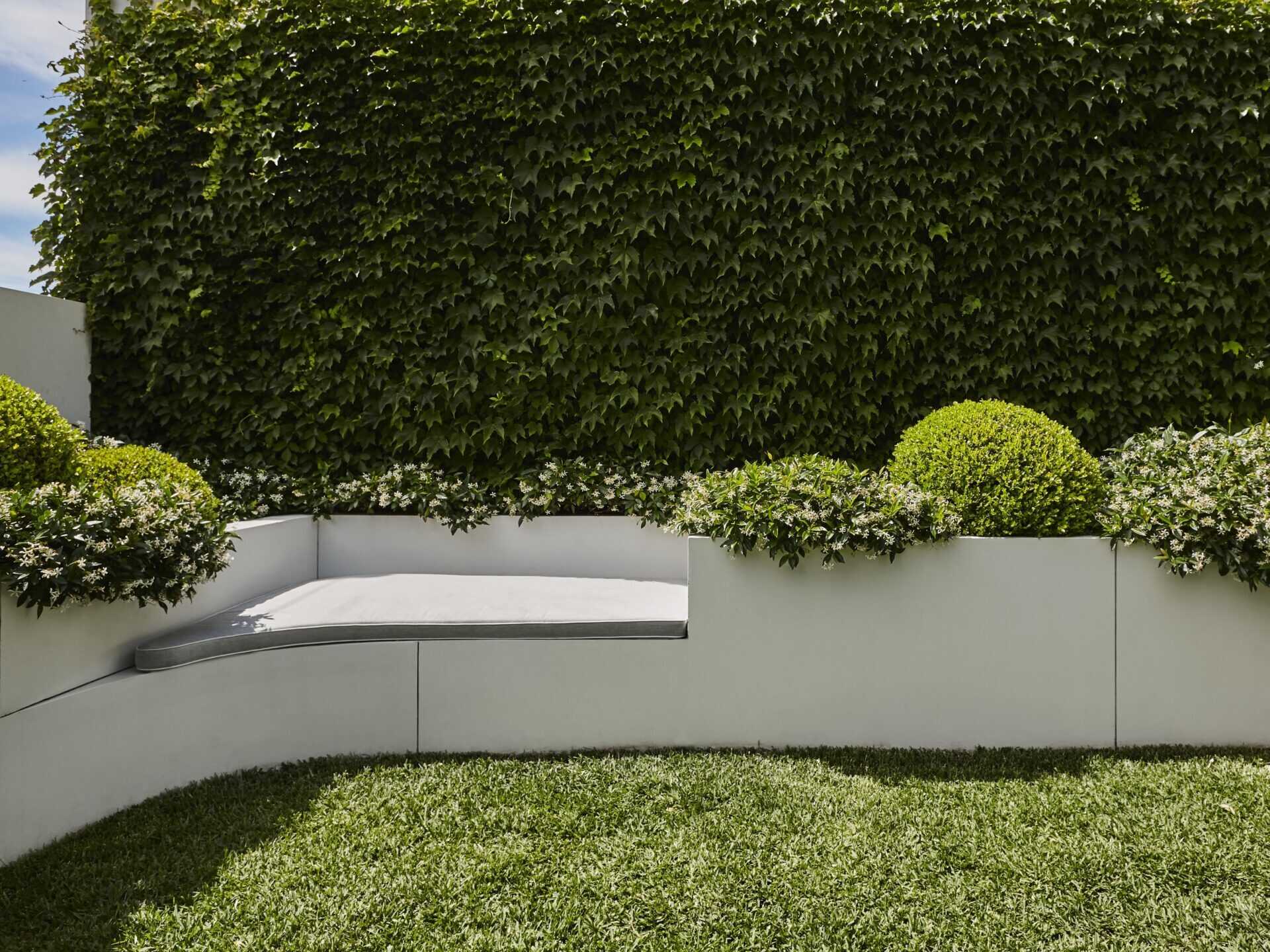
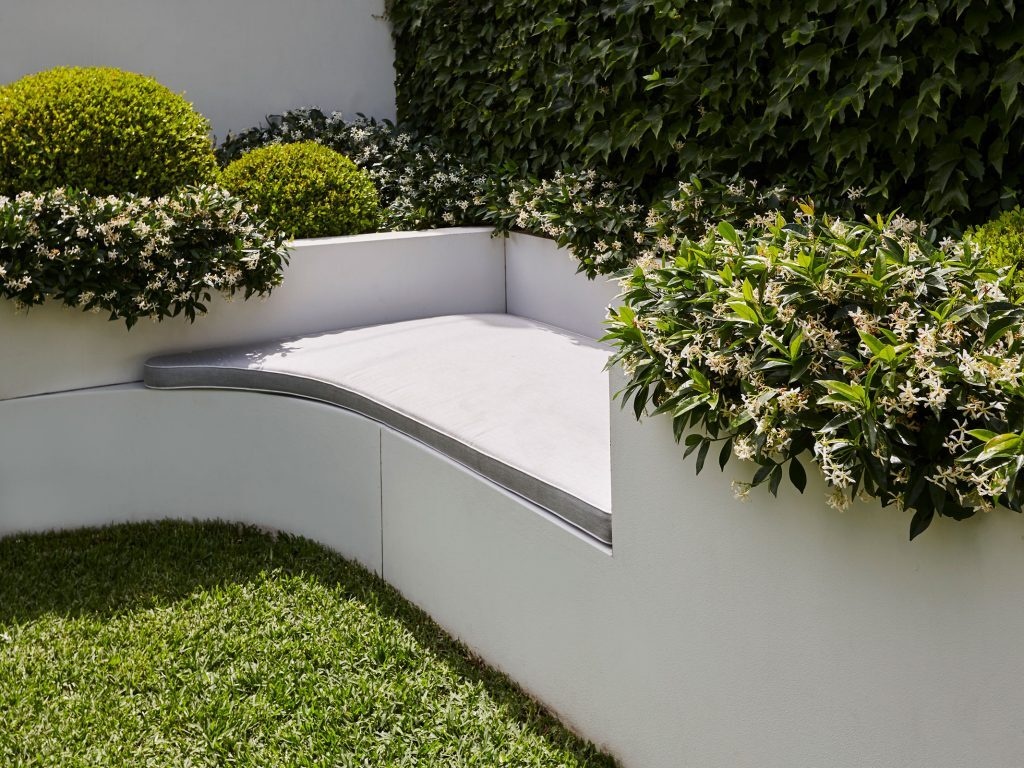
In the yard, a built-in seat sits beside the planters, offering a quiet place to pause. Following the form of the surrounding terraces, the rear elevation is made up of interlocking volumes that step down gently. These elements are not decorative but functional, designed to maximise usability while maintaining a respectful relationship with neighbouring homes.
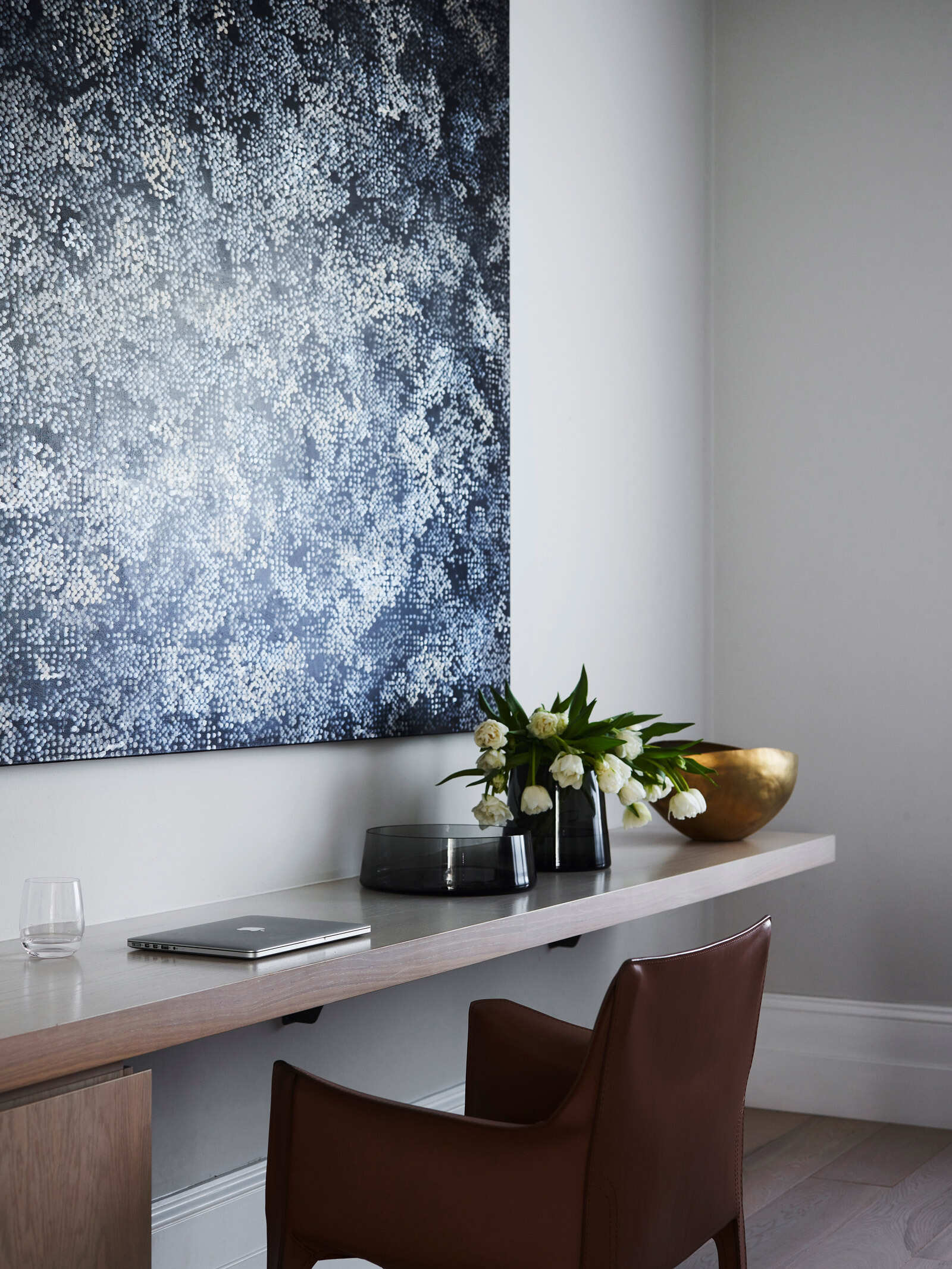
Back inside, a separate room functions as a home office. Throughout the house, finishes are kept light and neutral, allowing the owner’s art collection to take centre stage. This restrained palette helps maintain continuity between the old and new parts of the house, while ensuring each room feels calm and uncluttered.
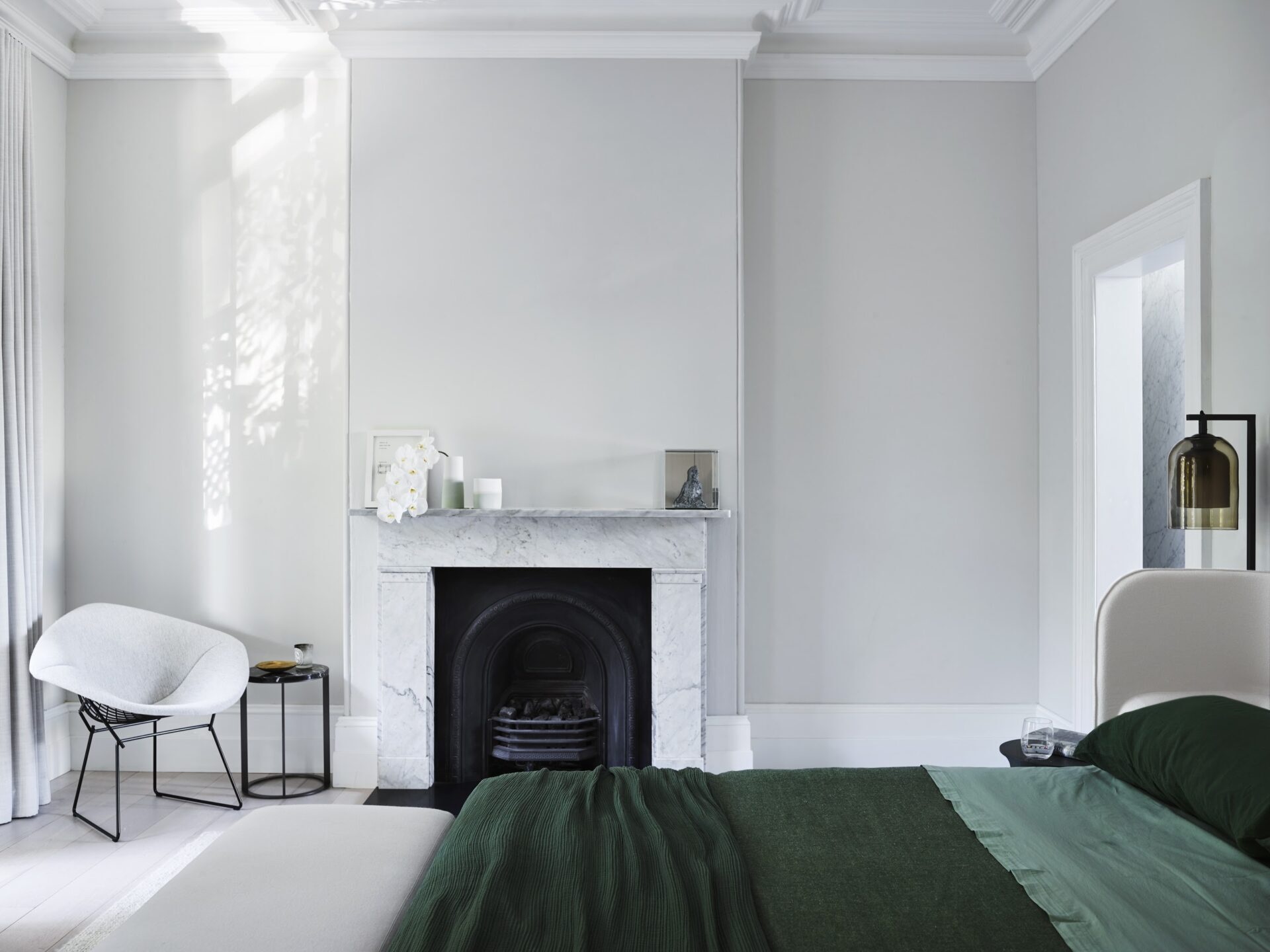
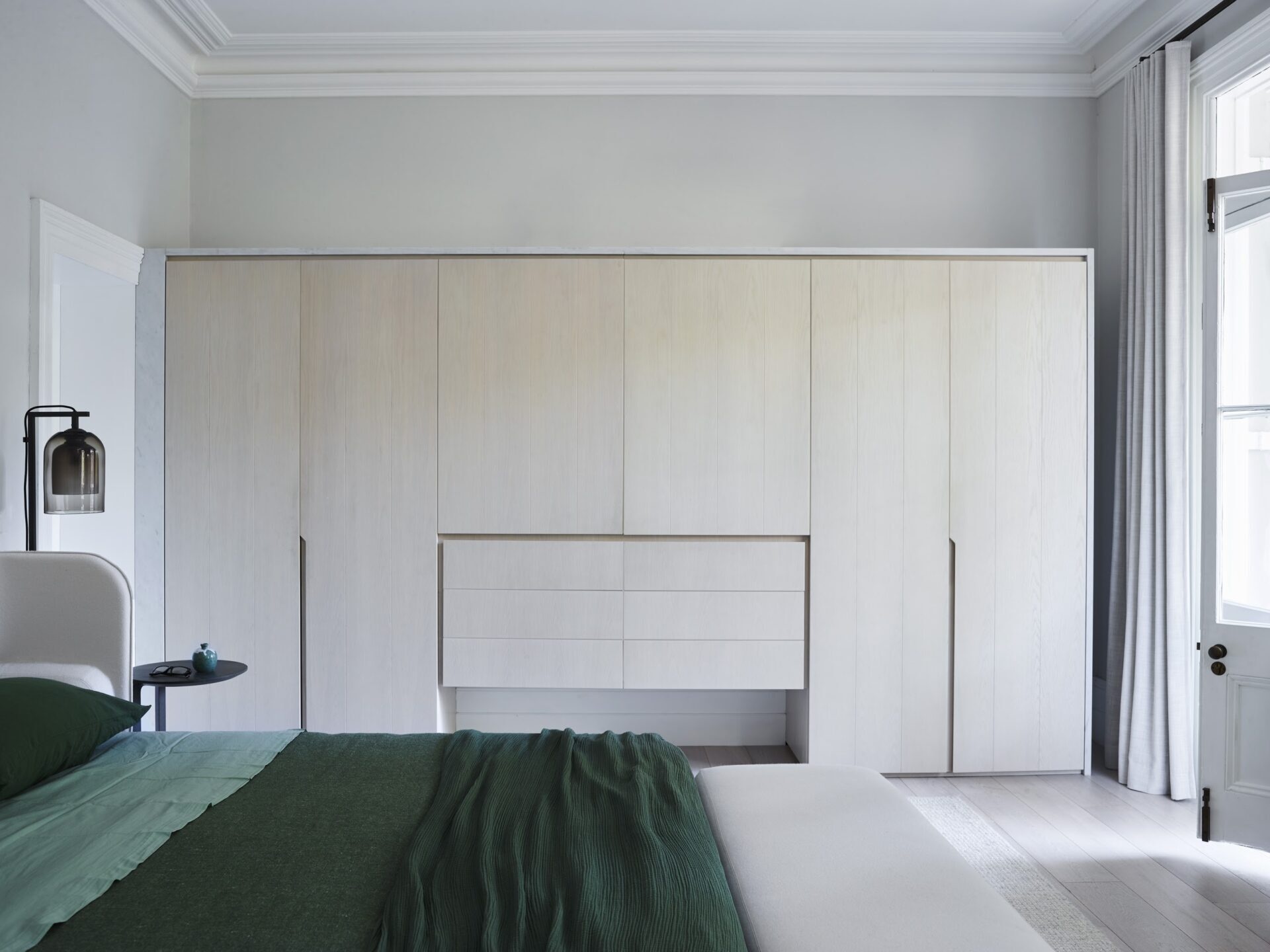
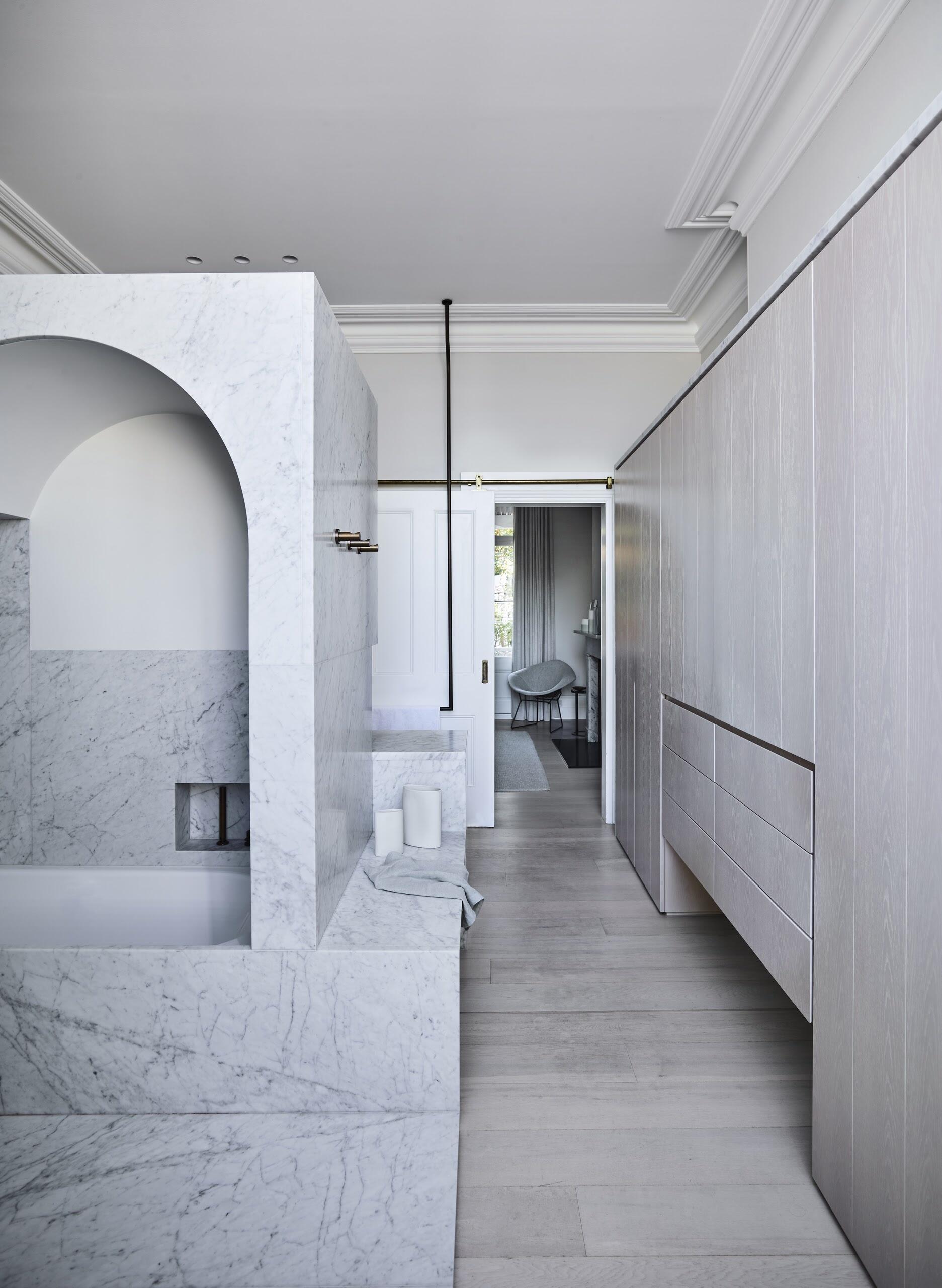
In the primary bedroom, a full wall of light timber cabinetry provides essential storage without dominating the room. The joinery blends into the architecture, reinforcing the sense of order and simplicity that runs throughout the home.
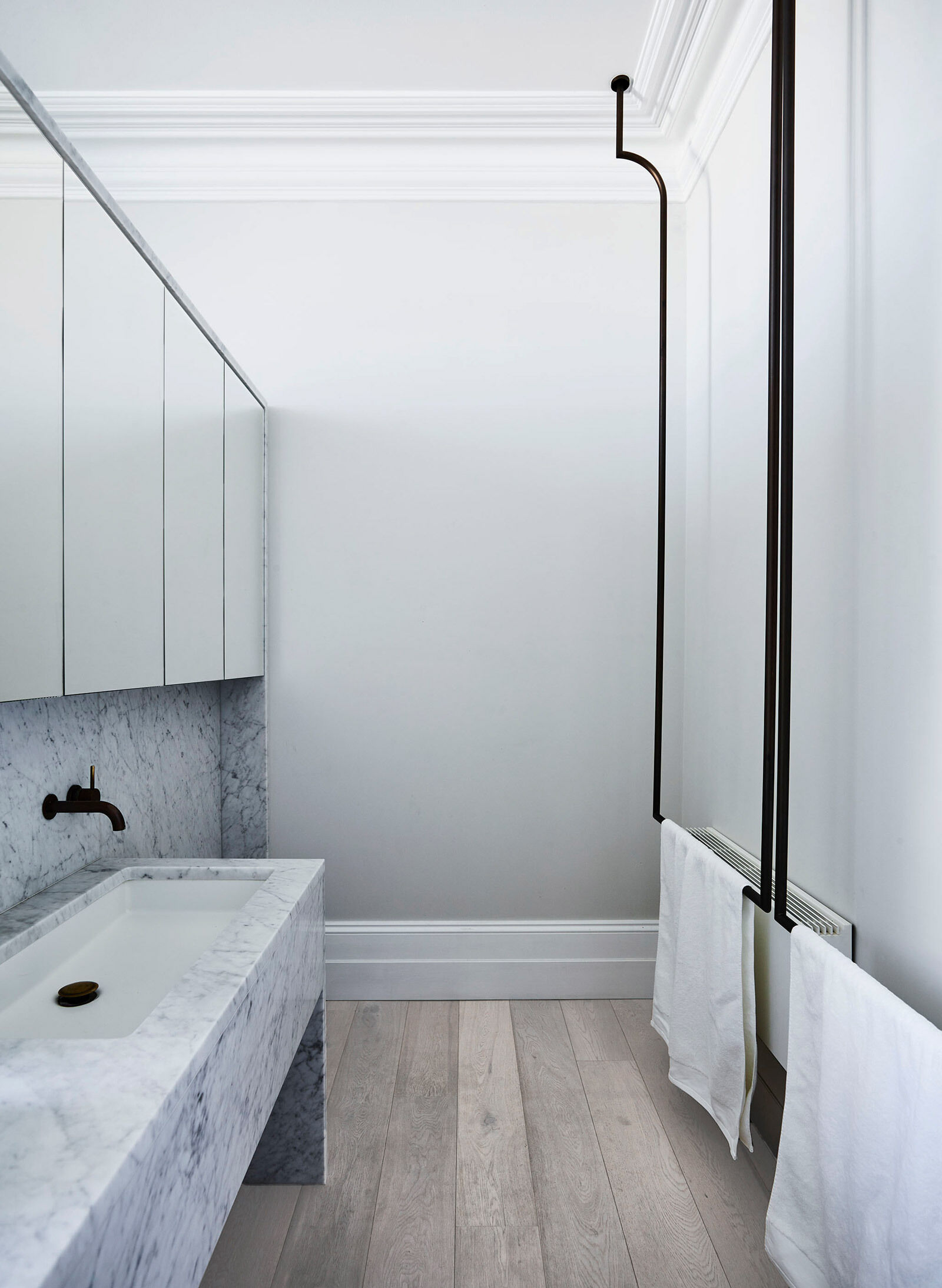
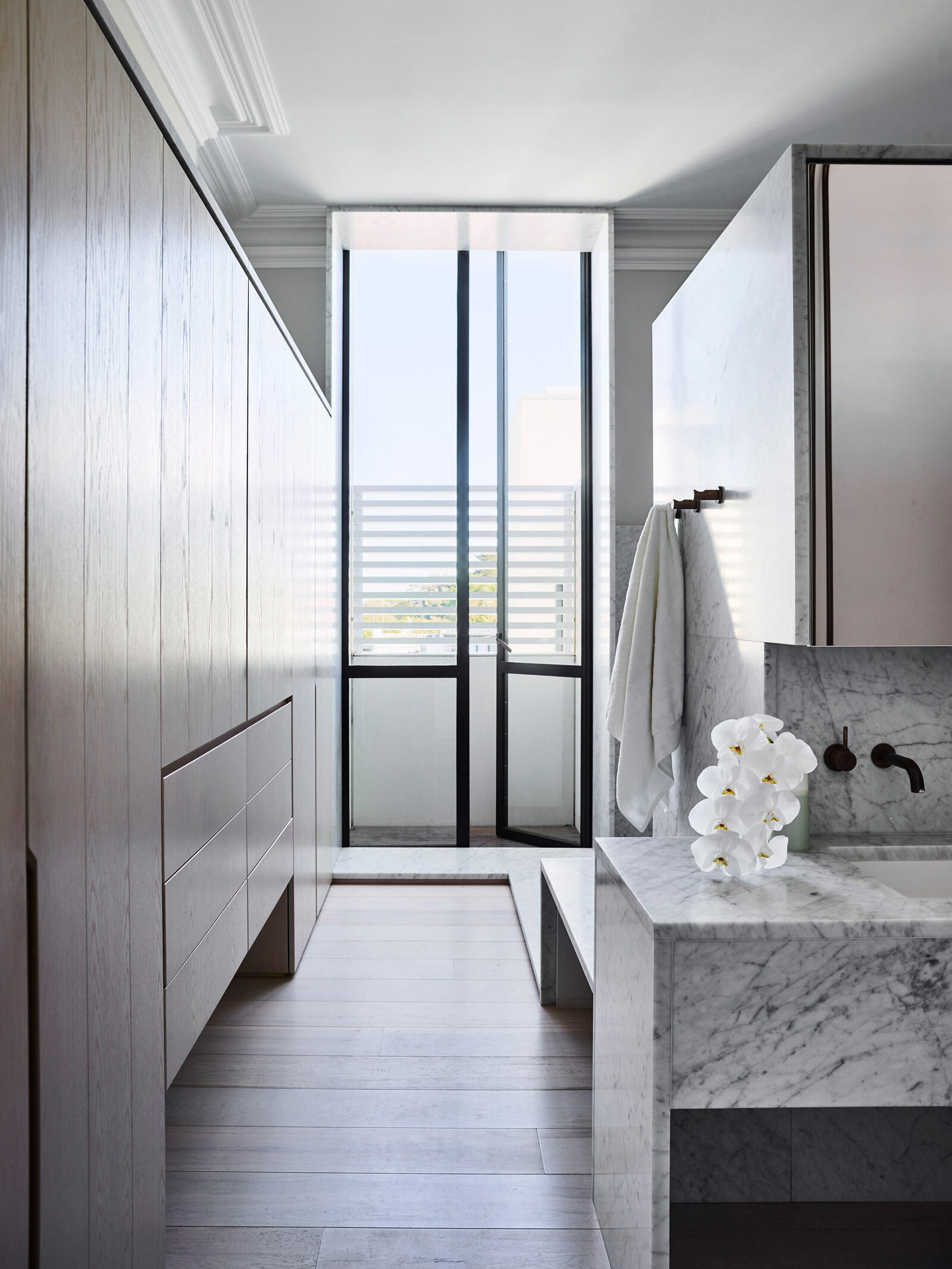
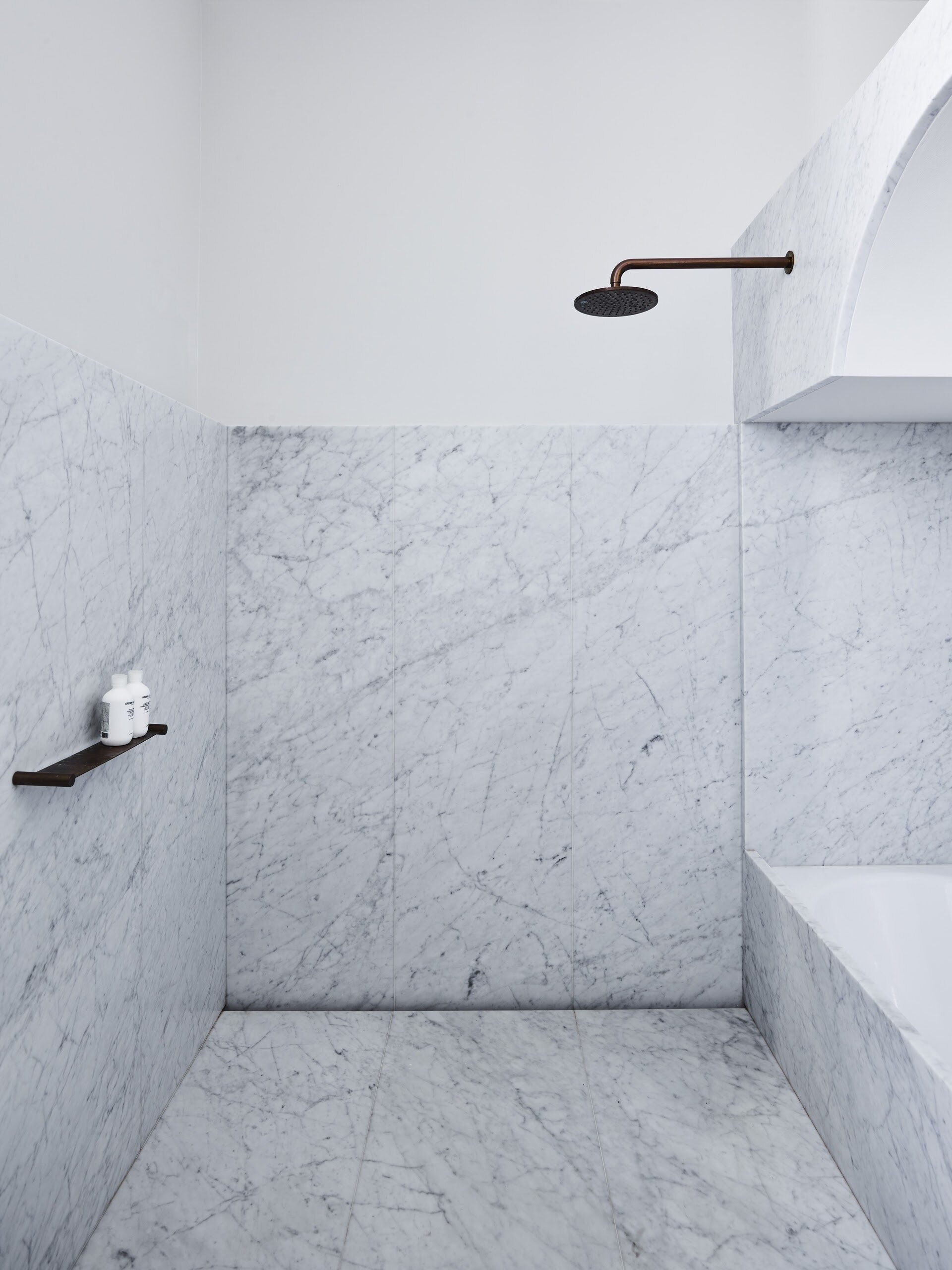
The ensuite bathroom continues the theme of thoughtful planning. The shower is concealed behind a wall that also houses the vanity on the opposite side. Curves reappear here, echoing the rounded forms used elsewhere in the home and subtly linking the contemporary spaces back to the traditional architecture.
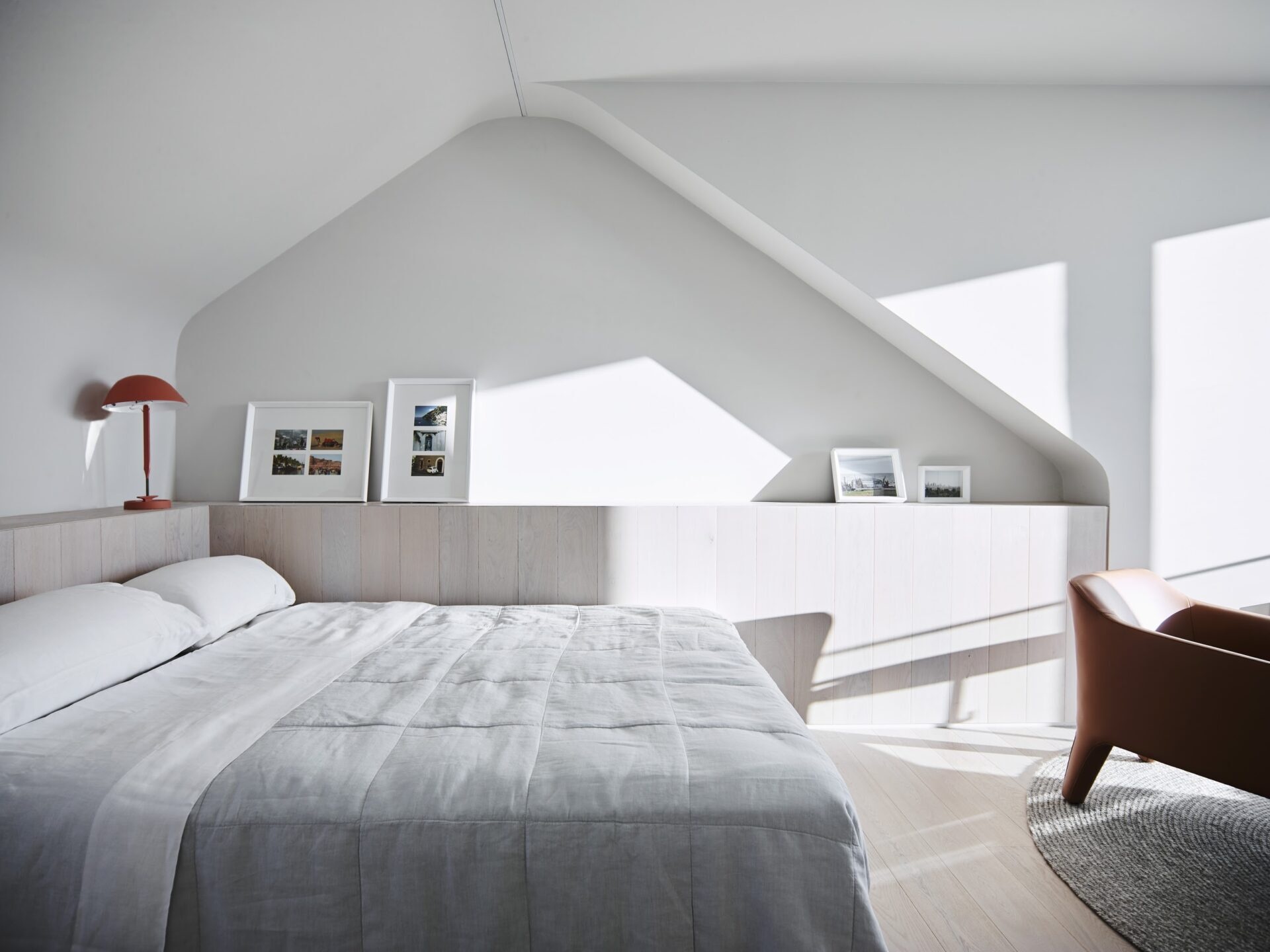
In another bedroom, large windows draw in natural light, brightening the space throughout the day. A cabinet runs beneath a curved alcove, adding both storage and a gentle architectural feature. These curves act as a recurring motif, connecting spaces across different levels of the home.
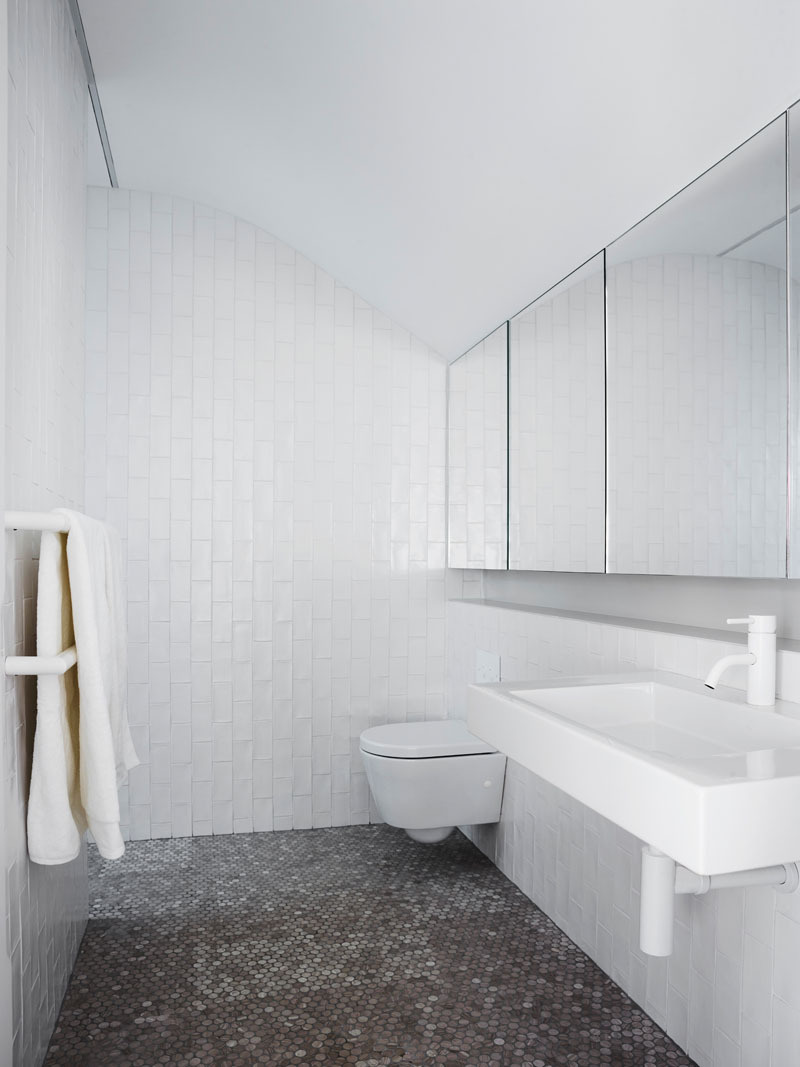
The final bathroom combines texture and brightness. Penny tiles cover the floor, while white subway tiles are laid vertically along the walls. Mirrors reflect both light and the curved ceiling above, amplifying the sense of space and tying the room back to the broader design language of the house.
This transformation shows how a Victorian home can evolve without losing its identity. Smart Design Studio has created a house that feels generous, modern, and deeply respectful of its origins.