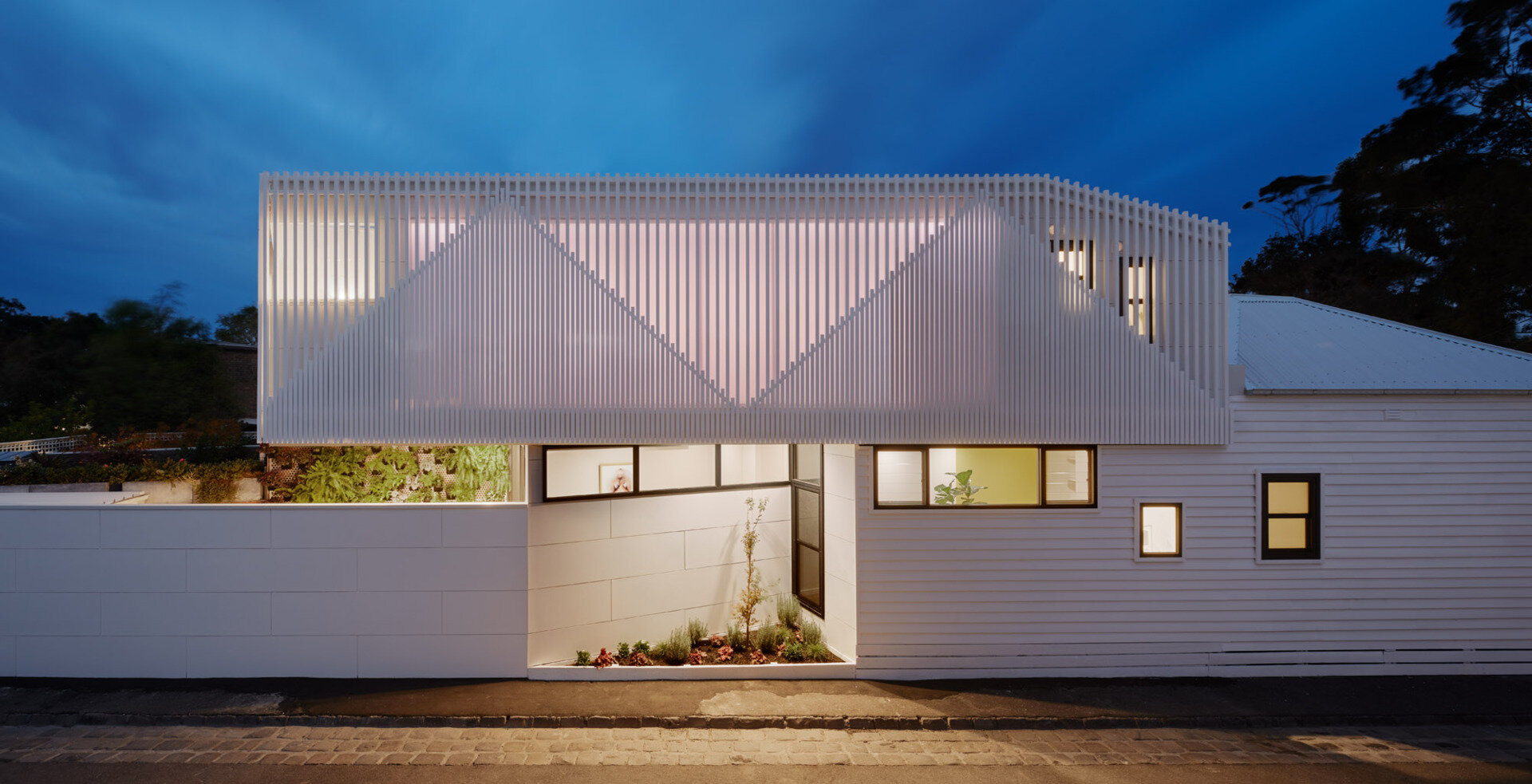
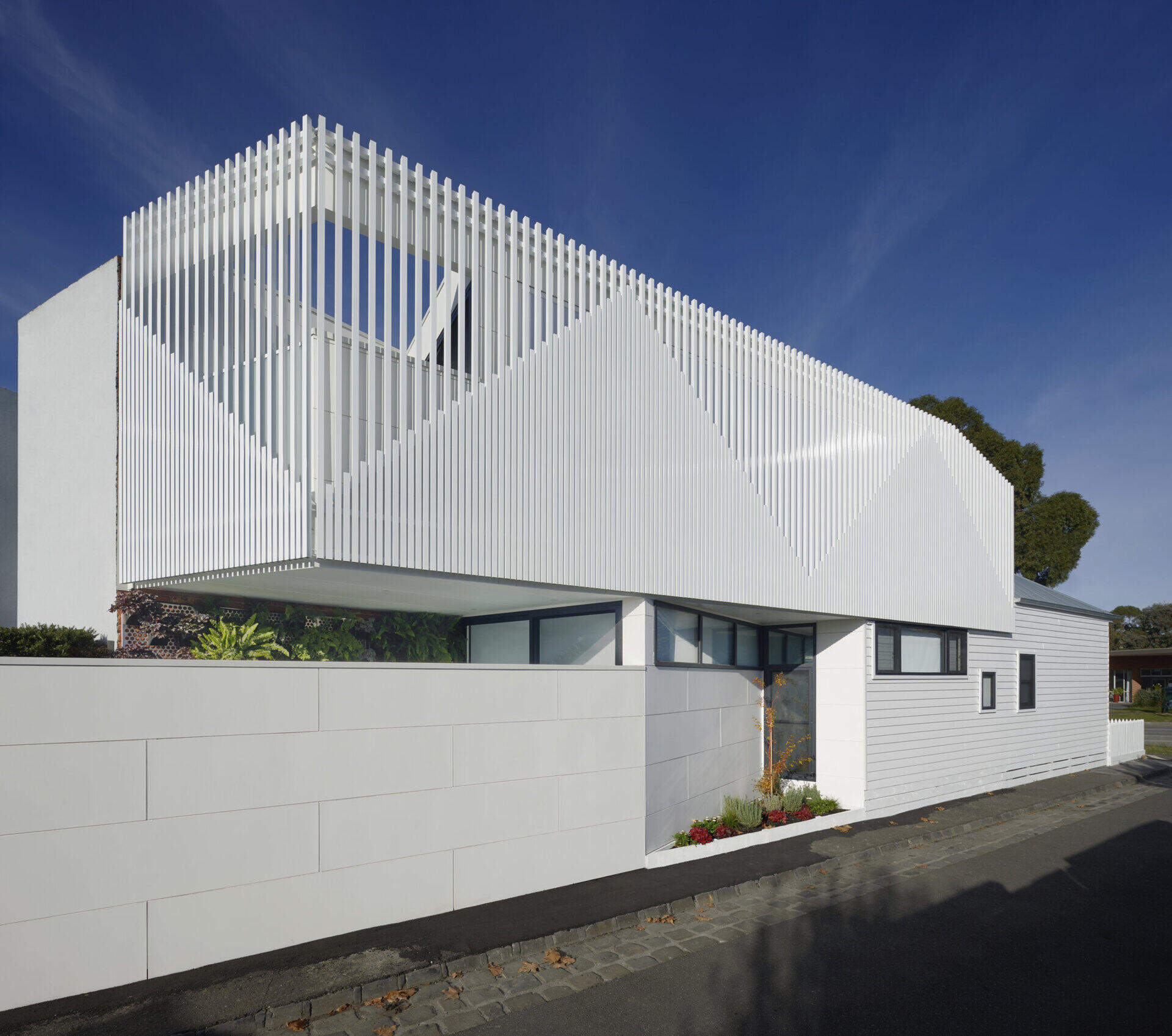
This double-fronted Victorian home in Melbourne, Australia, now feels completely transformed. The heritage facade remains, but a clever renovation by WALA (Weian Lim Architects) has turned the house upside down, creating light-filled, modern living spaces and a surprising layout that makes the most of the compact site.

WALA reconfigured the interior and added a second storey, preserving the street-facing facade while giving the home more space and flexibility.
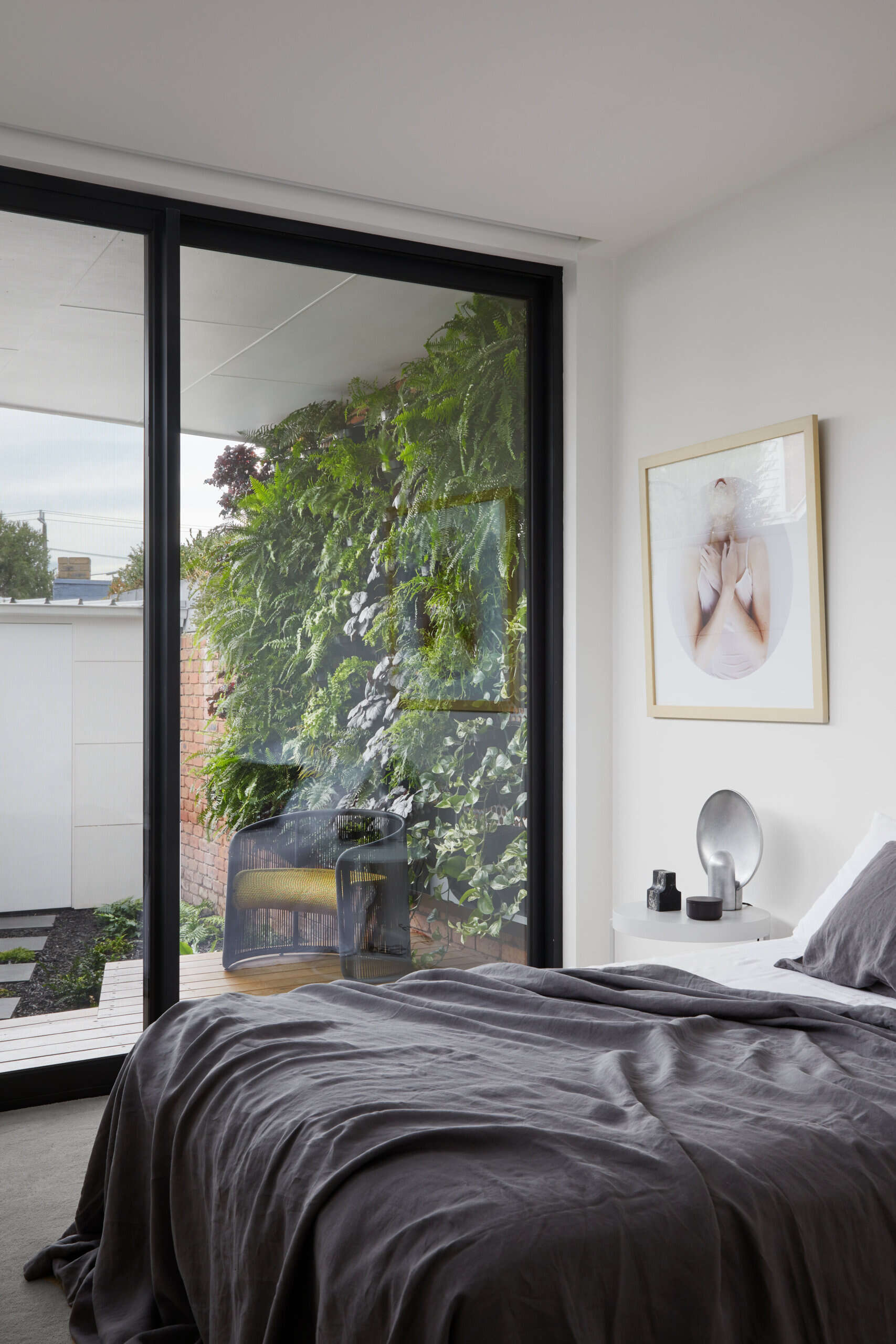
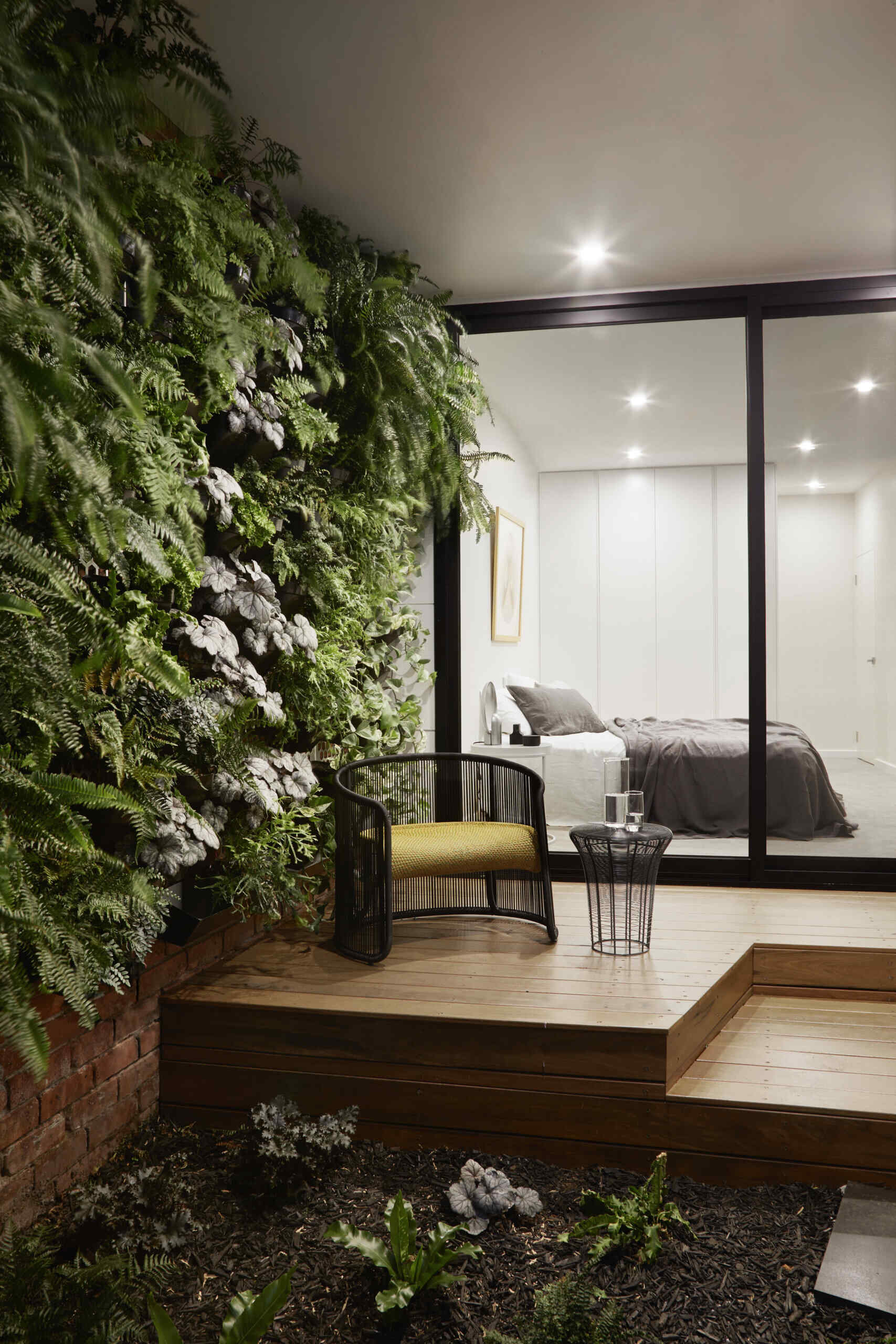
The ground floor now contains bedrooms, bathrooms, and a study, prioritizing privacy and security. One of the bedrooms opens onto a small covered timber deck with a green wall, offering a quiet, secluded connection to the garden.
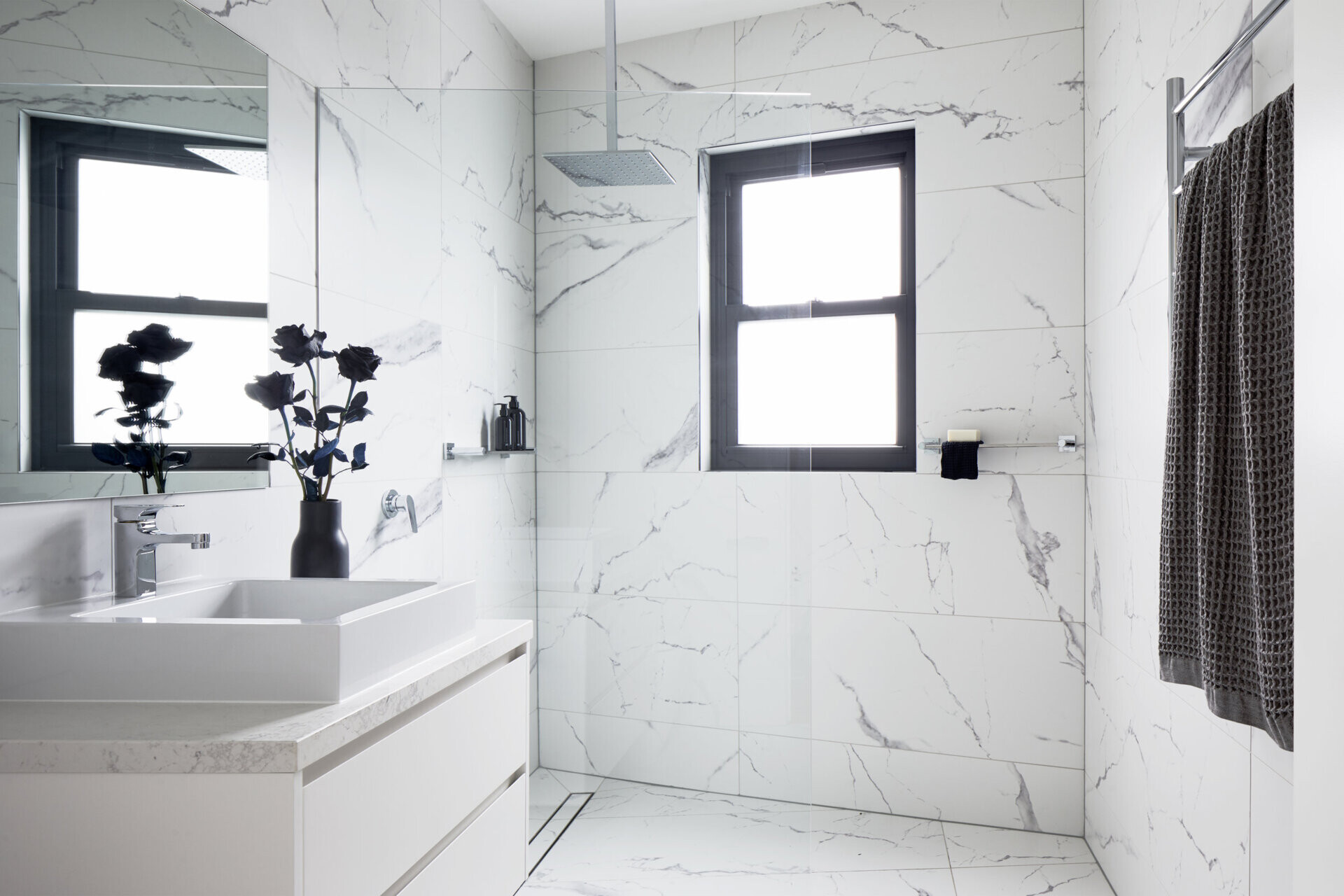
Natural light is a key feature throughout the home. New windows were carefully positioned to brighten the interior, and in one bathroom, a frameless glass shower screen allows daylight to flow freely across the space, making the room feel larger and more open.
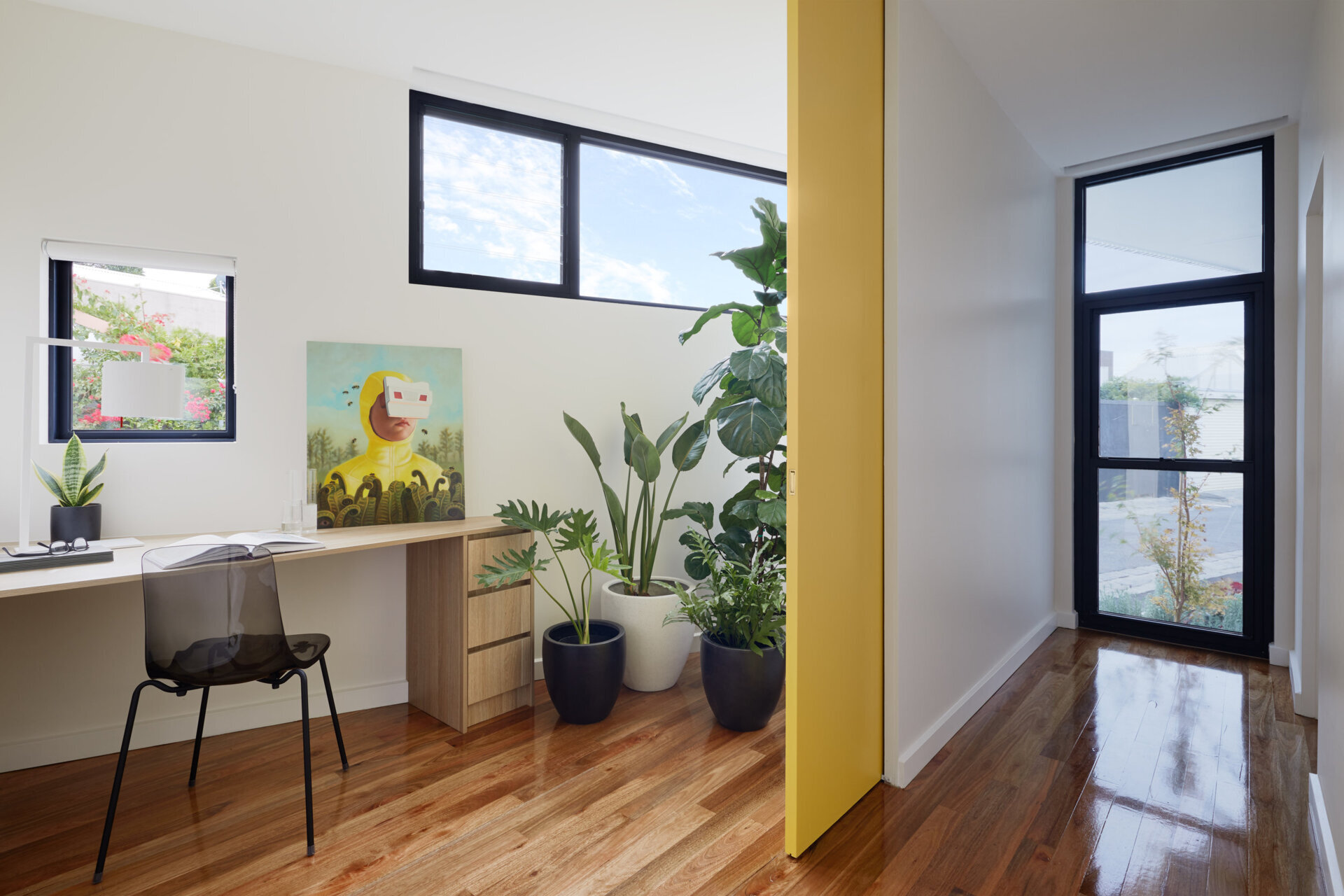
The home office is tucked neatly into a small angled corner, making smart use of the irregular geometry of the site. Even transitional areas like the hallway have been considered, with views of the garden ensuring the house feels connected to the outdoors at every turn.
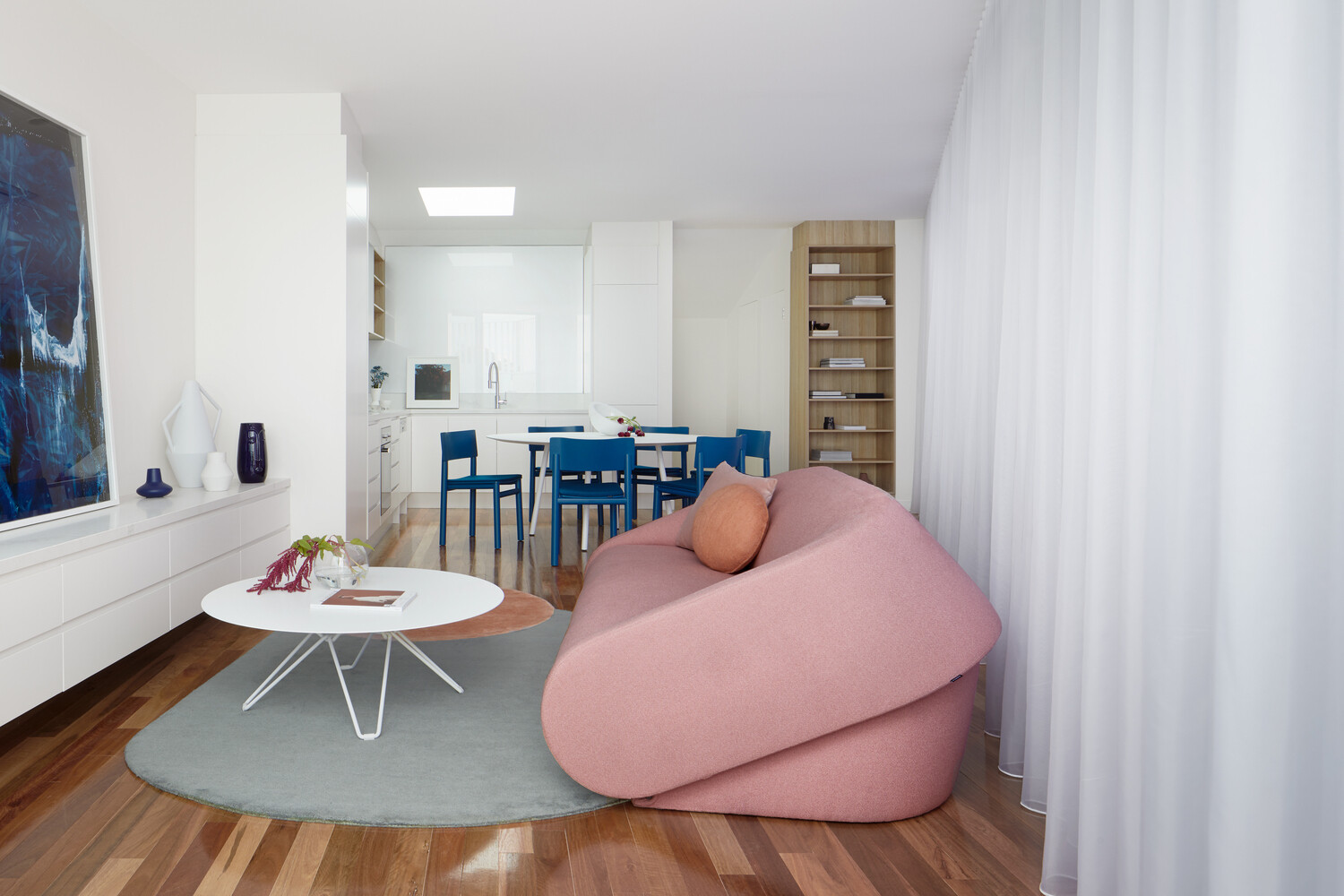
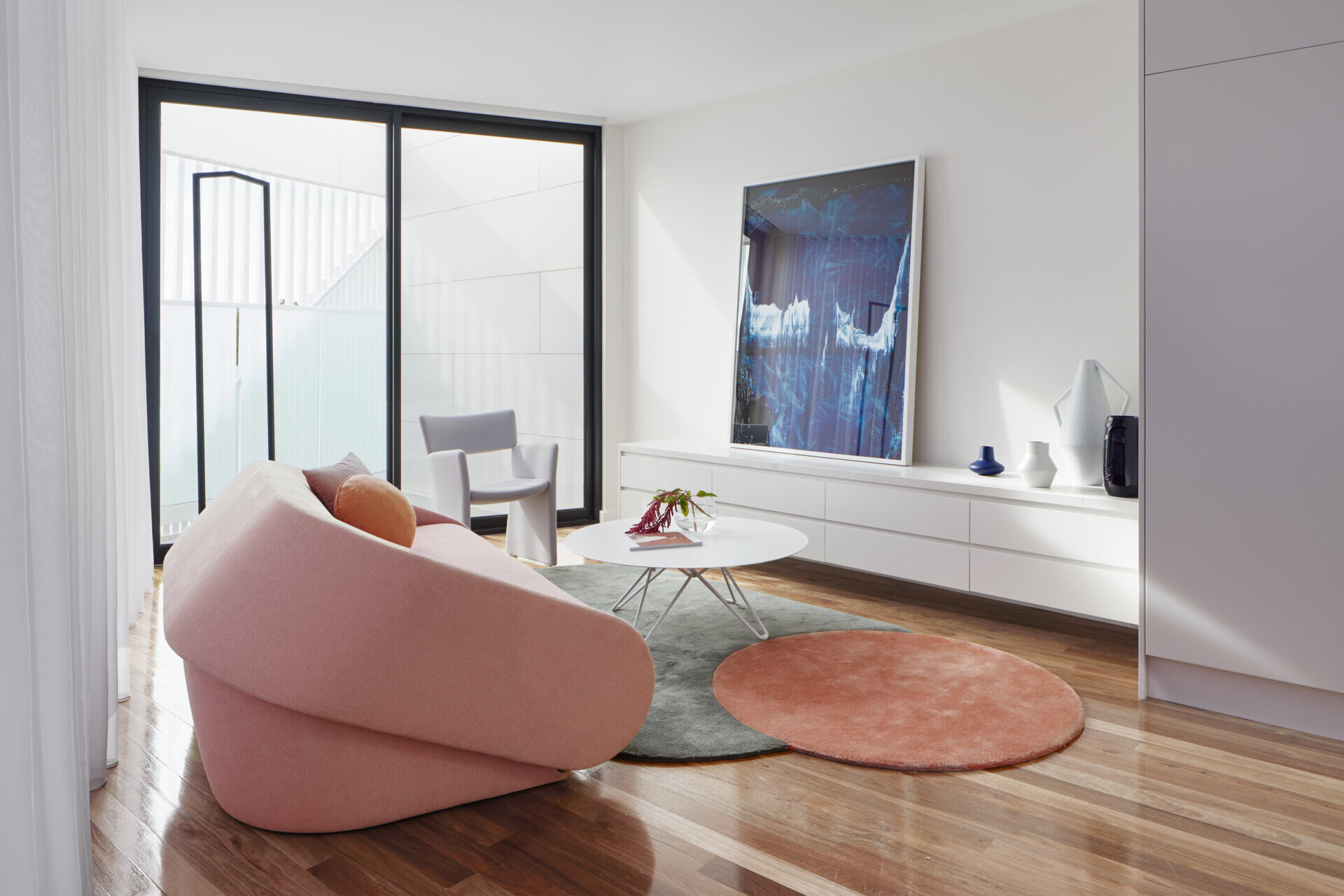
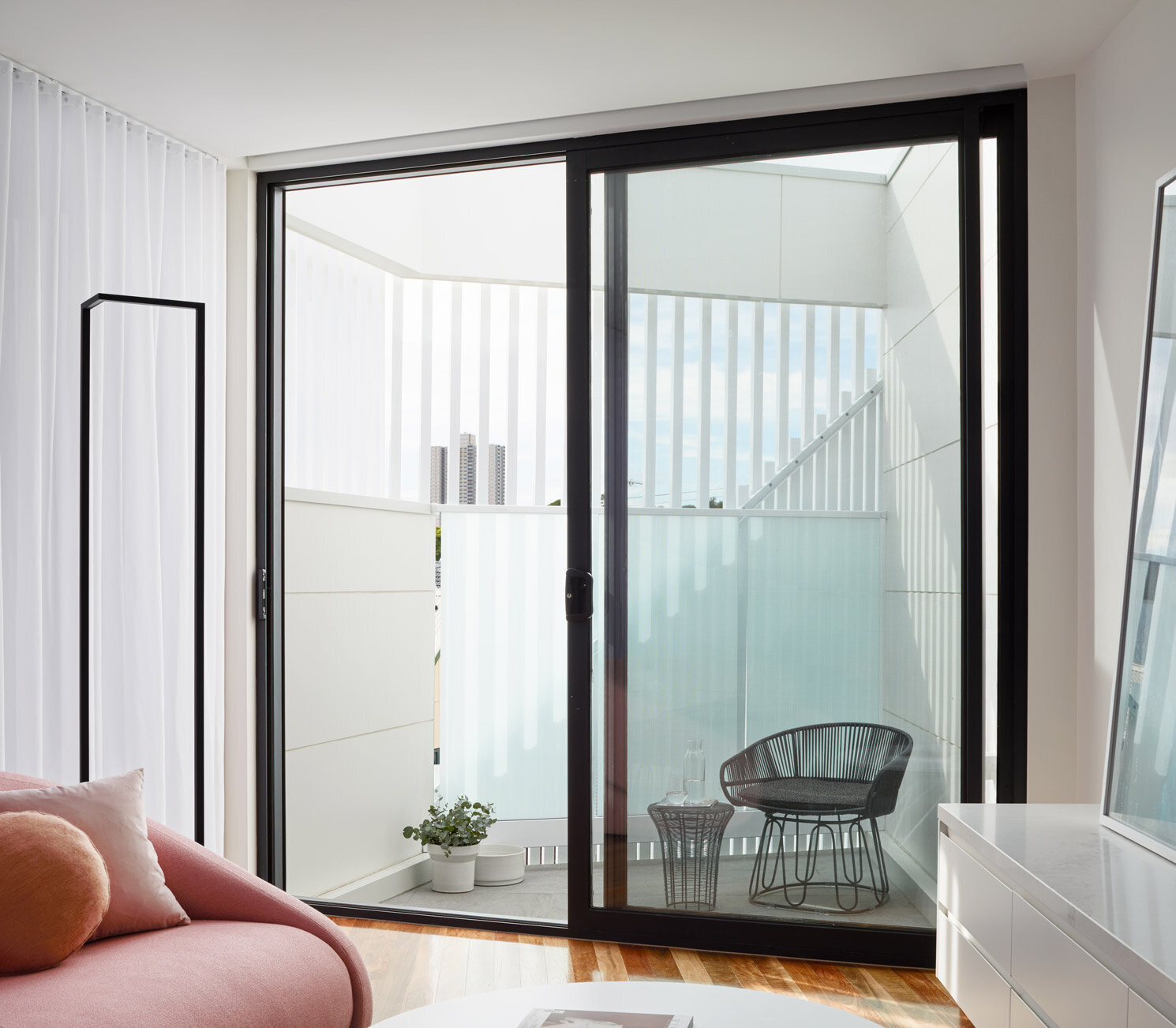
Upstairs, the new living area is open plan, airy, and full of light. A floor-to-ceiling curtain along the street-facing edge provides privacy without compromising openness.
The living room opens onto a small balcony with views toward the city, giving the upper floor a sense of escape and openness that complements the compact footprint.
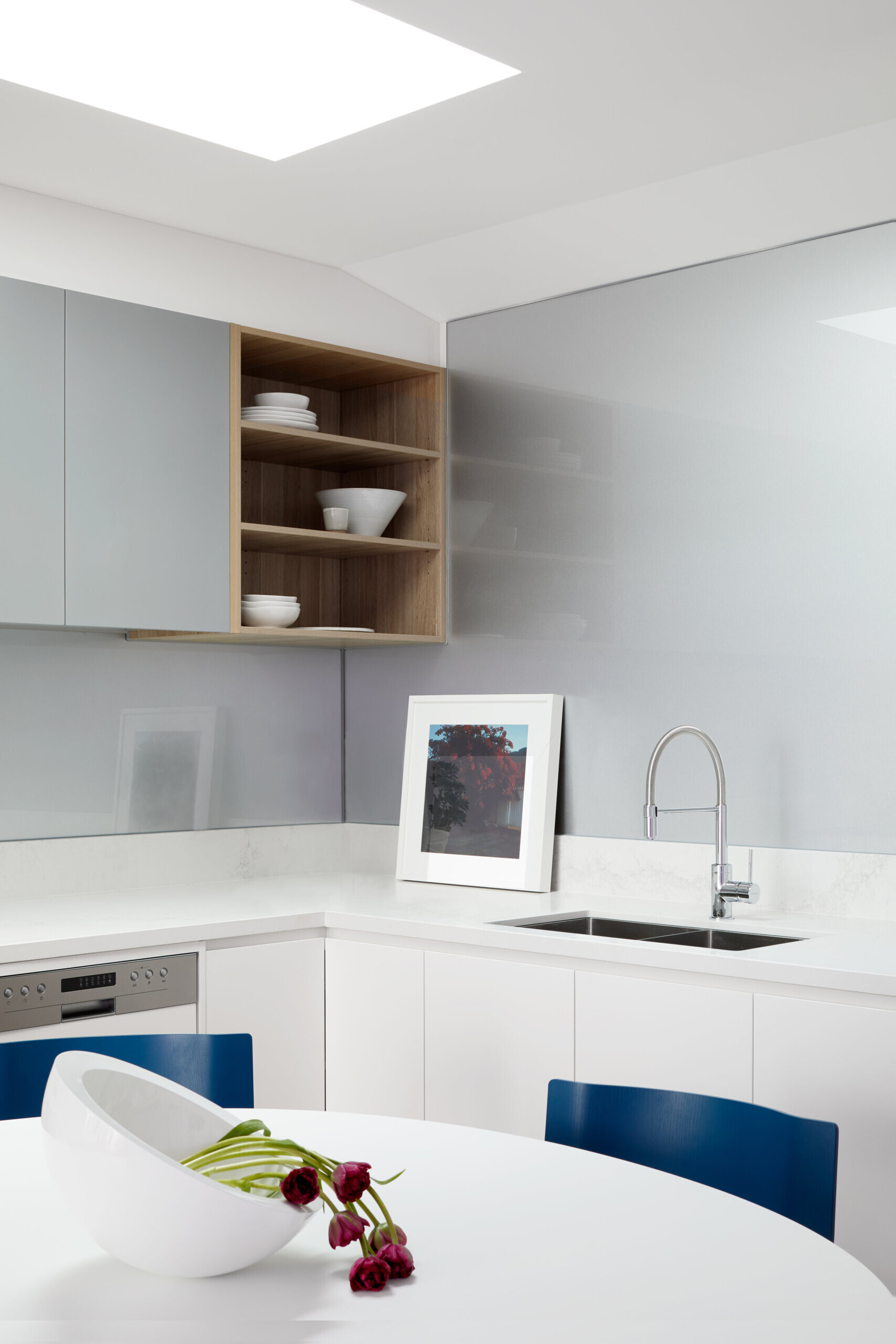
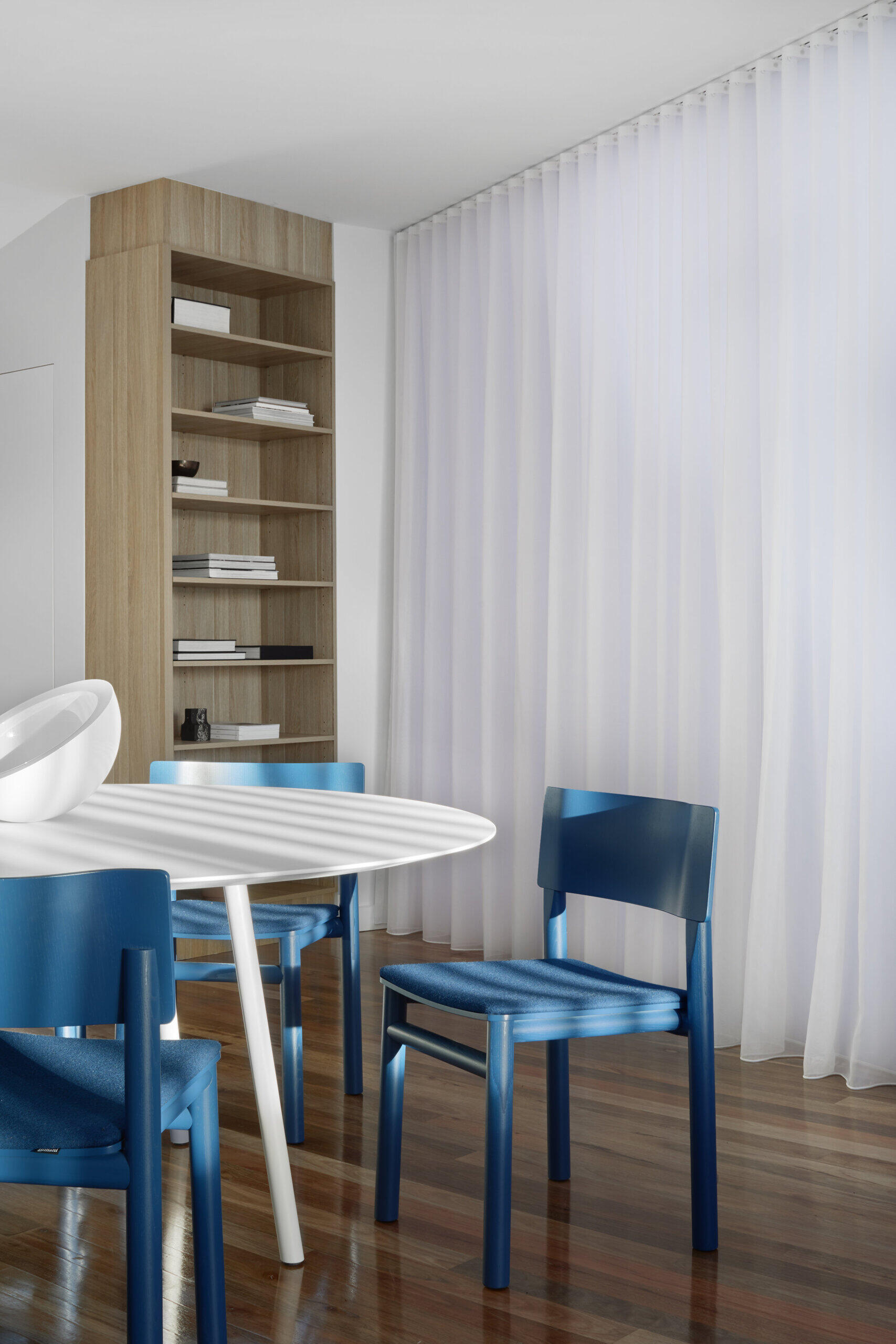
A skylight above the dining area and kitchen brings additional natural light into the heart of the home. Subtle pops of color, like blue chairs, add interest to the otherwise neutral palette, keeping the interior fresh and contemporary.
By rethinking the layout and building up rather than expanding outward, WALA have created a home that feels spacious and modern, all while respecting the heritage character of the original facade.