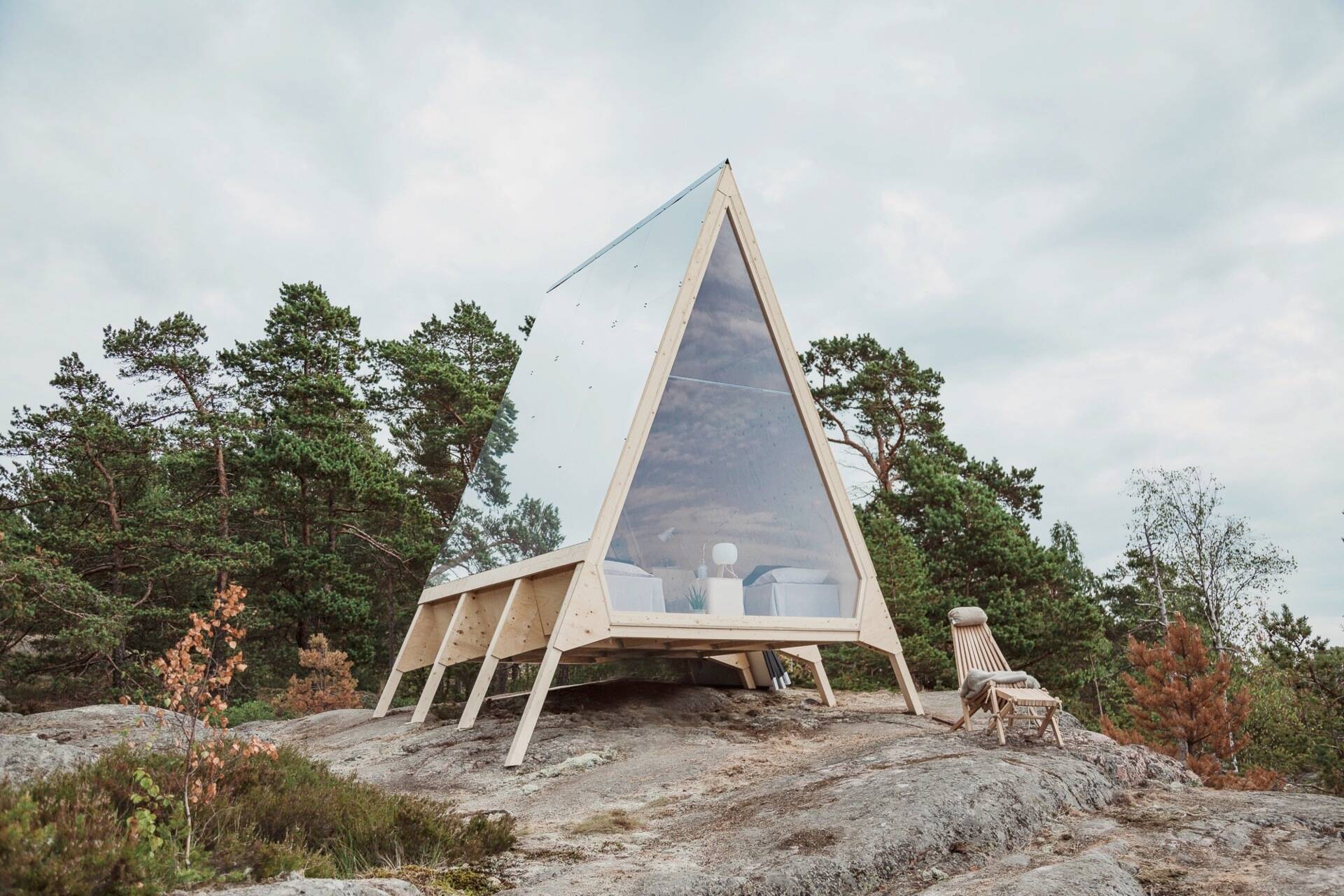
On a quiet island just outside Helsinki, a small wooden cabin is quietly questioning how much space, energy, and impact we really need. Created as part of Finnish renewable energy company Neste’s Journey to Zero campaign, the Nolla cabin explores how low emission living can exist without complex systems or permanent changes to the land.
Neste developed the Nolla cabin as a prototype for zero emission housing that can be erected almost anywhere and removed without leaving traces behind. Designed by Finnish designer Robin Falck and located on Vallisaari island near Helsinki city centre, the cabin sits between urban life and nature, showing how a dwelling can exist lightly within its surroundings rather than dominate them.
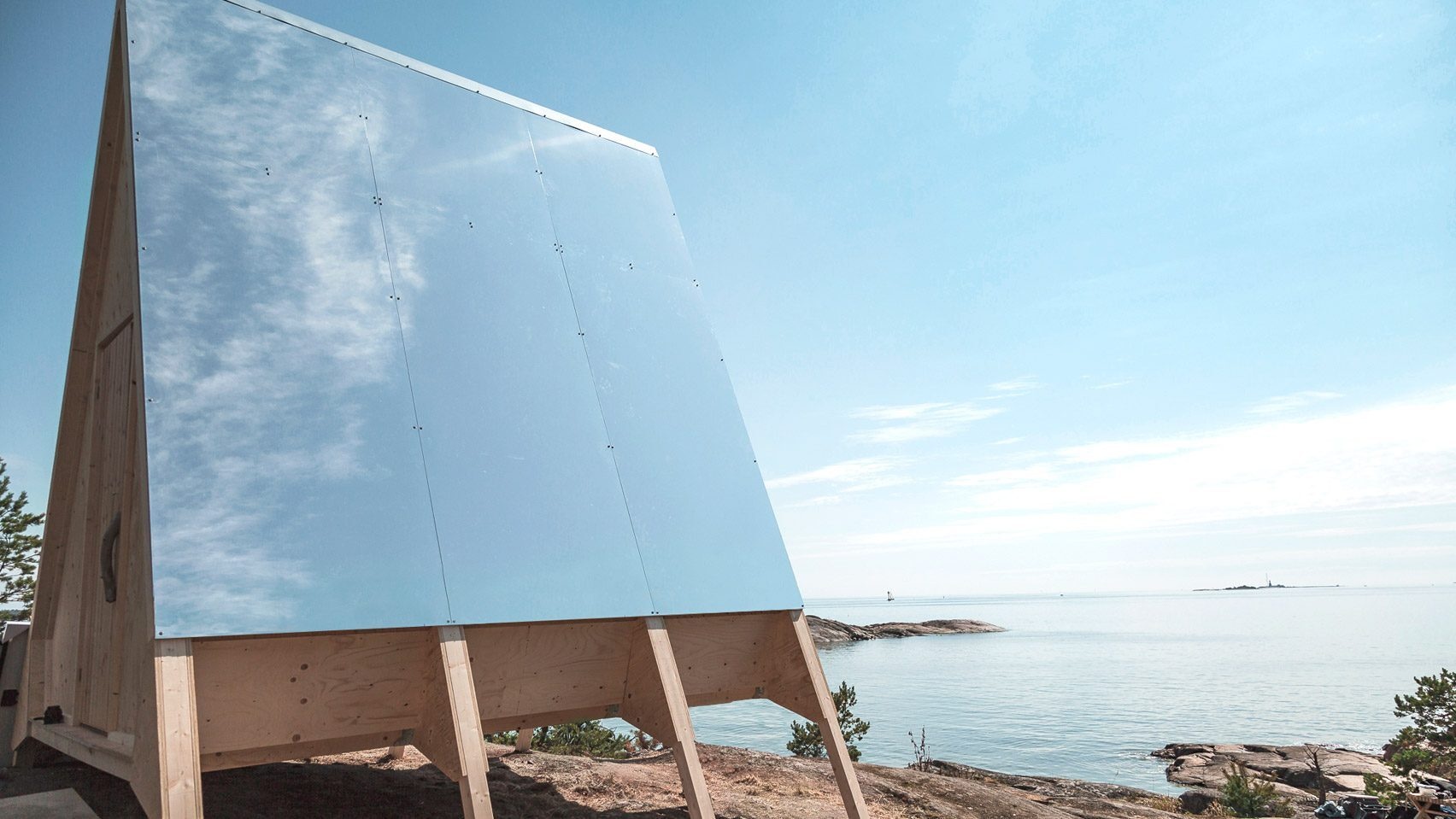
The cabin has been constructed from sustainable materials and designed for a simple lifestyle with minimal to no emissions. Every decision takes the surrounding environment into account, from how the structure meets the ground to how it can adapt to uneven terrain. Adjustable pedestals allow the cabin to sit gently on different landscapes, avoiding excavation or permanent foundations.
Movability plays a central role in the design. The structure is fastened together with screws so it can be taken apart and reassembled like a puzzle. No special components are required, and any part can be recreated using timber alone. This approach makes the cabin easy to repair and capable of endless life cycles, pushing back against a culture that favours replacement over fixing.
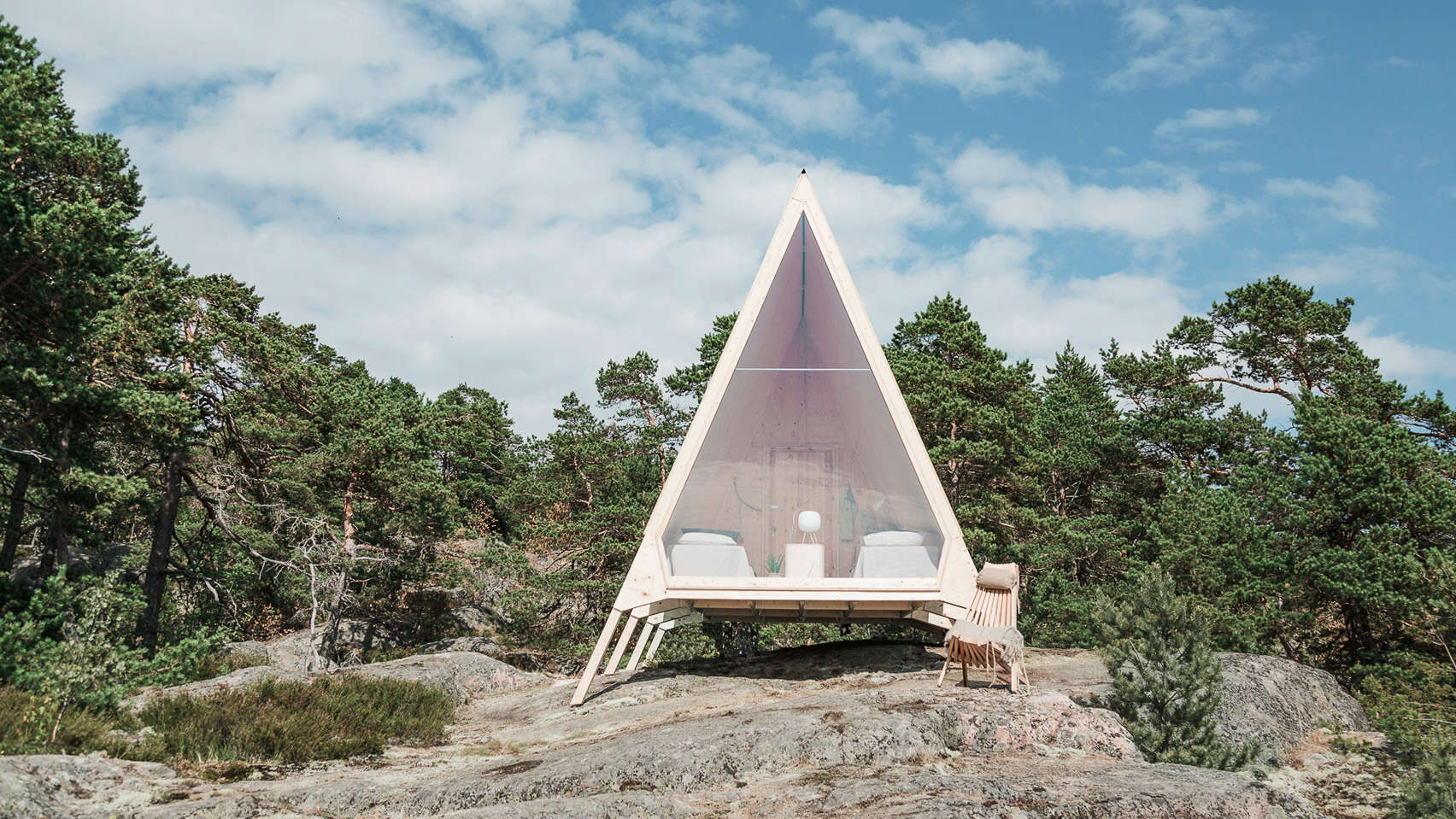
Inside, the furnishings are deliberately minimal, reinforcing a way of living that focuses on essentials rather than excess. The cabin functions entirely on renewable energy. Electricity is generated through solar panels, while cooking and heating are handled by a Wallas stove running on Neste MY Renewable Diesel, produced entirely from waste and residue.
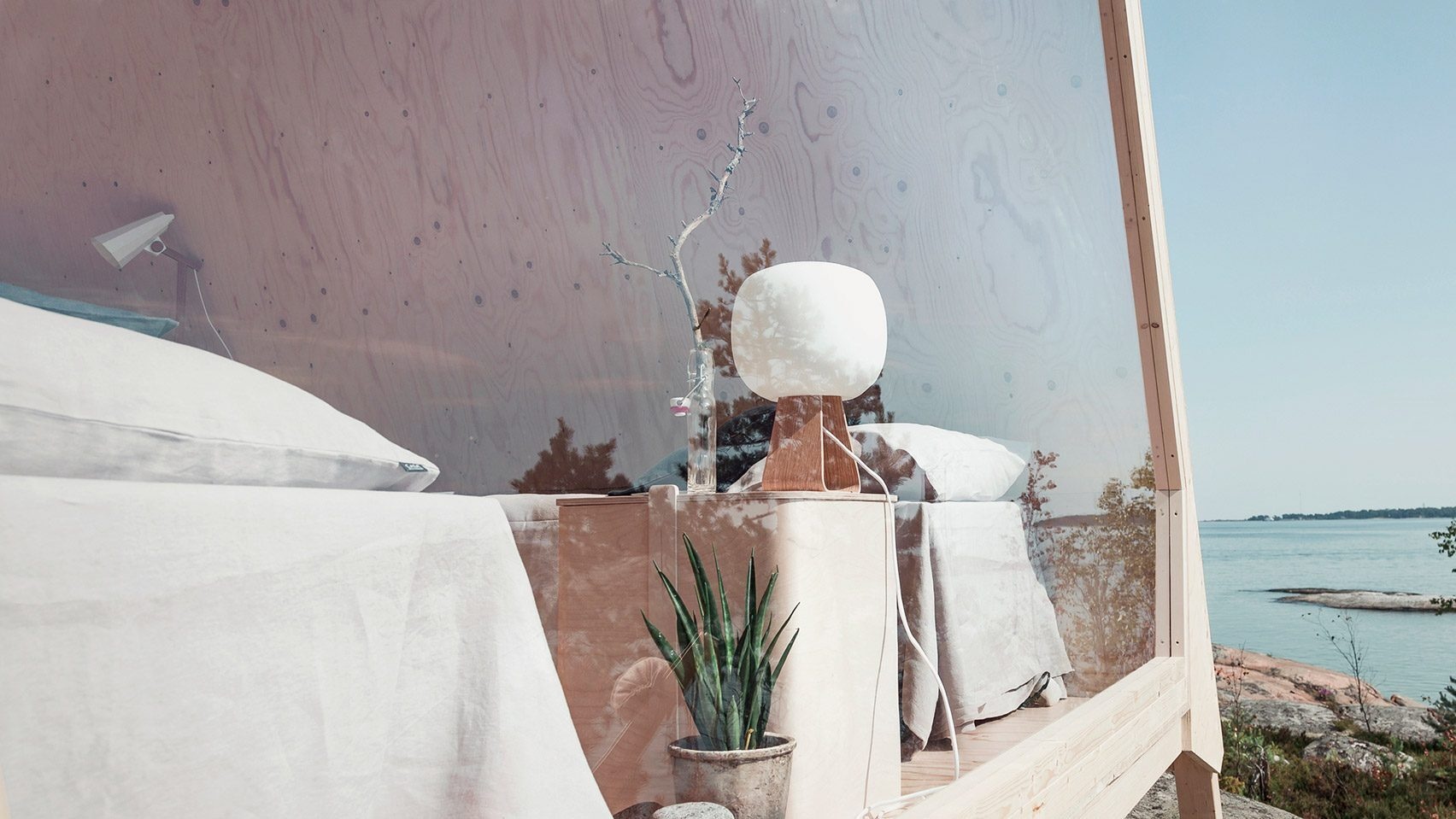
By excluding most modern commodities, the cabin encourages self sufficiency and a slower daily rhythm. It becomes a space where visitors can step away from routines, wind down, and reconnect with their surroundings, all while maintaining a near zero emissions footprint.
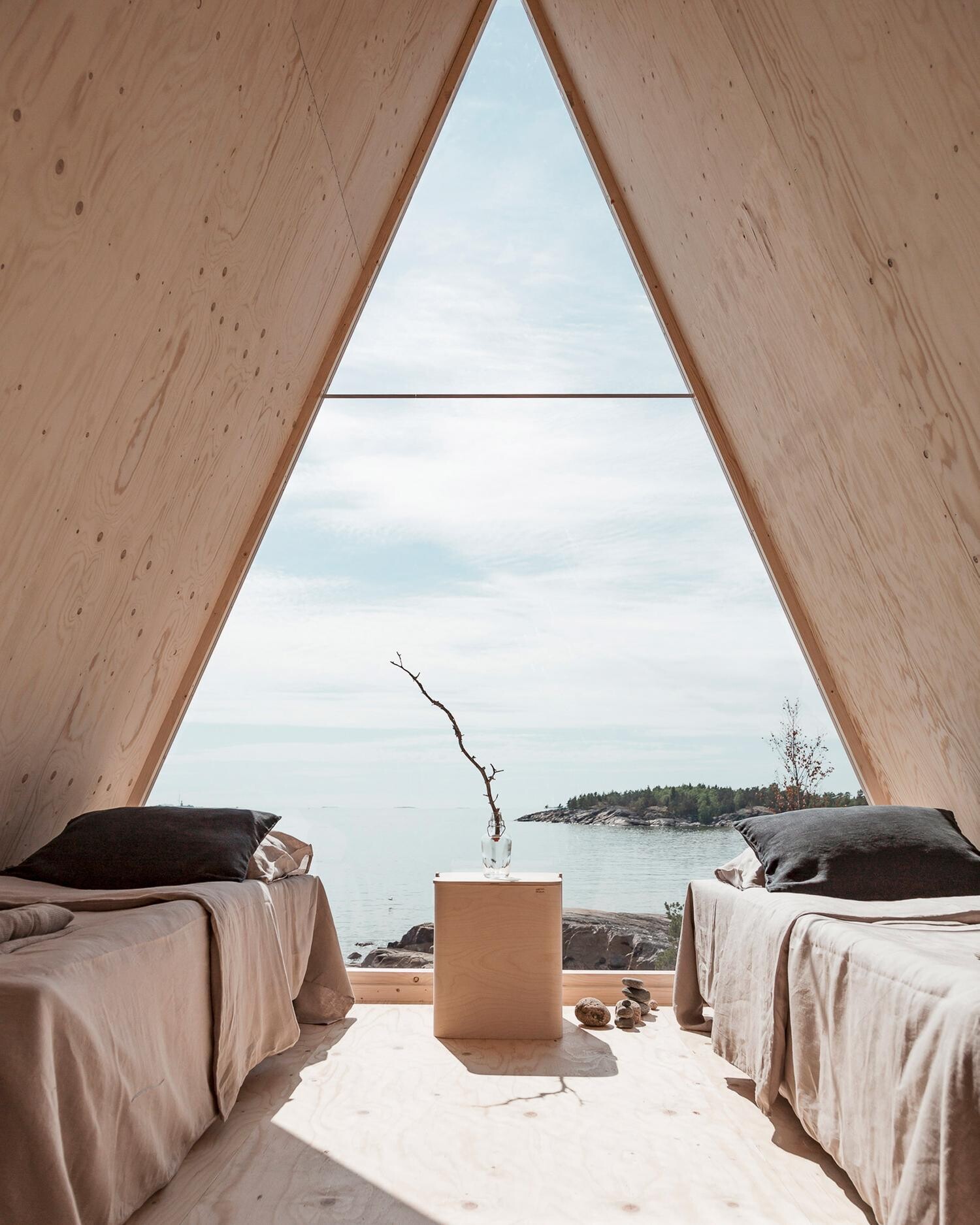
The Nolla cabin shows that sustainable living does not have to be complicated or permanent. By focusing on mobility, repairability, and renewable energy, it offers a practical example of how a small cabin can exist in nature without altering it.