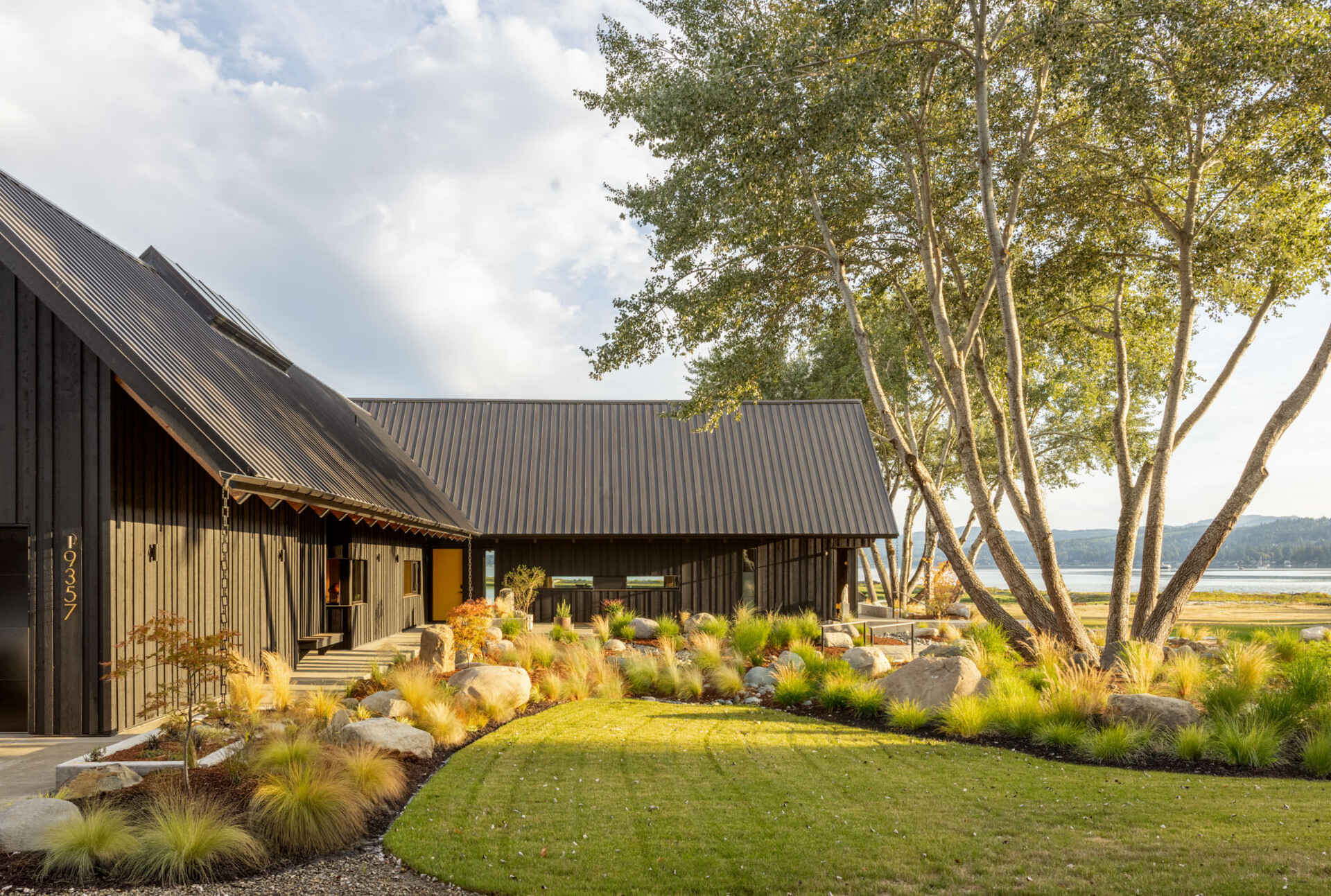
Perched above the waters of Dyes Inlet in Silverdale, Washington, Dyes Inlet House by SHED Architecture & Design brings together Scandinavian influences, Pacific Northwest materials, and high-performance building strategies. Designed as a primary residence within a larger family property, the home offers a welcoming place for multiple generations to gather while providing the comfort and accessibility needed for long-term living.
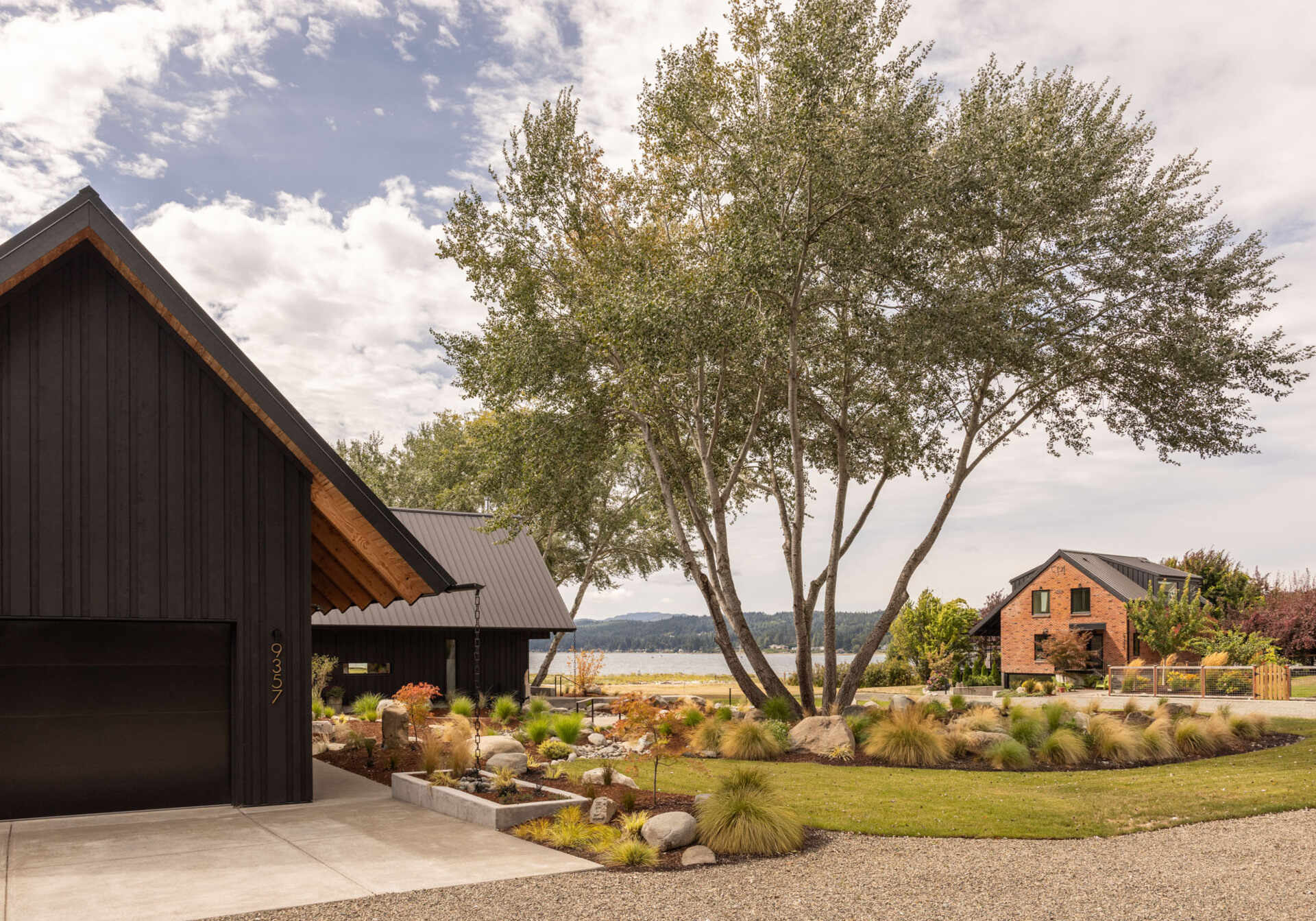
Set on Washington’s Kitsap Peninsula, the project draws inspiration from traditional Swedish farm complexes. Alongside a renovated guest house nearby, the new residence forms part of a family compound that balances privacy, functionality, and a strong connection to the surrounding landscape. From its waterfront outlook to its energy-efficient construction, every aspect of the design supports a home built to serve both present and future generations.
Architecture Inspired by Swedish Farmhouses
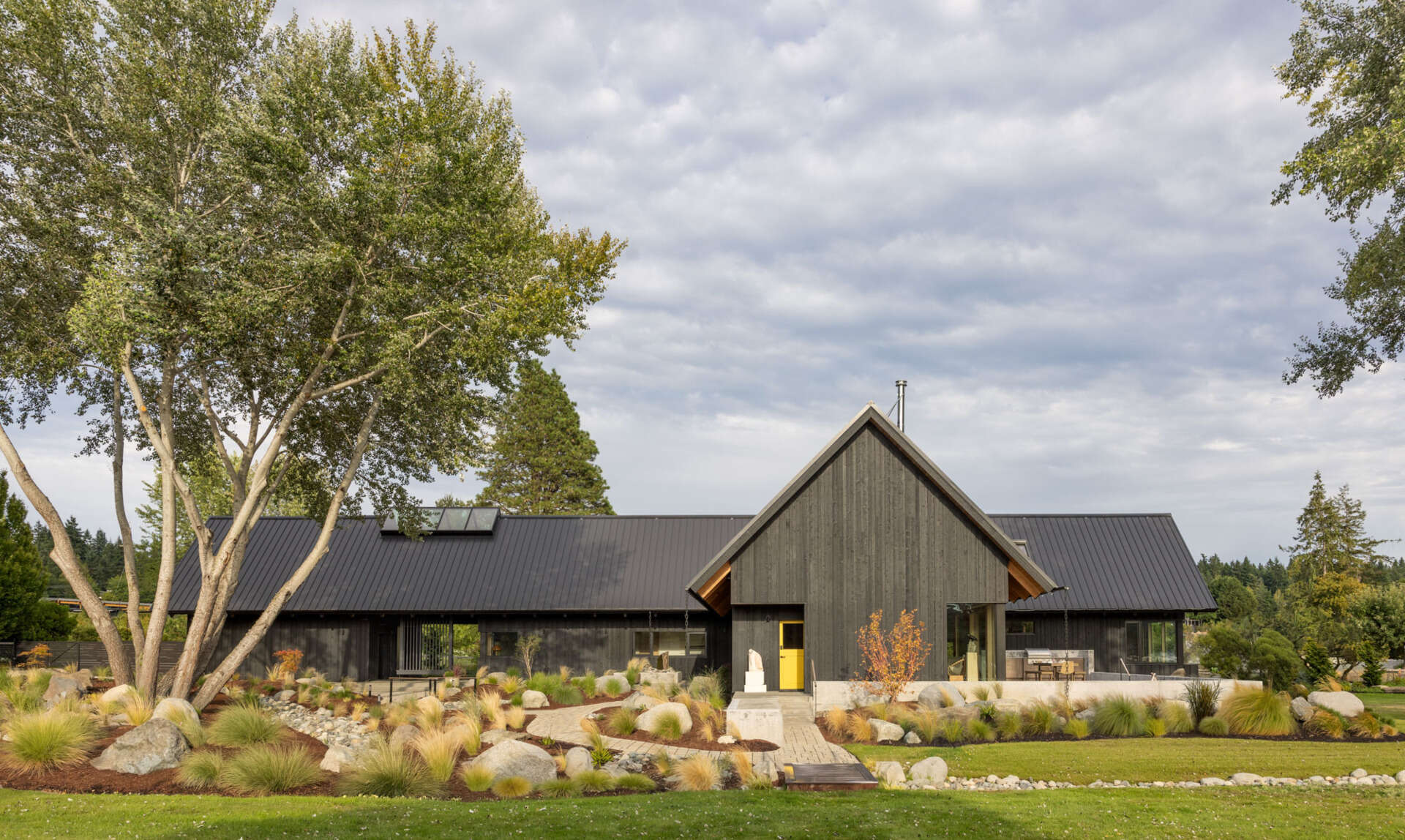
The architecture takes its cues from the simple forms of traditional Swedish farmhouses. Two intersecting gabled volumes create a distinctive T-shaped layout that organizes the property and shapes the experience of moving through the home.
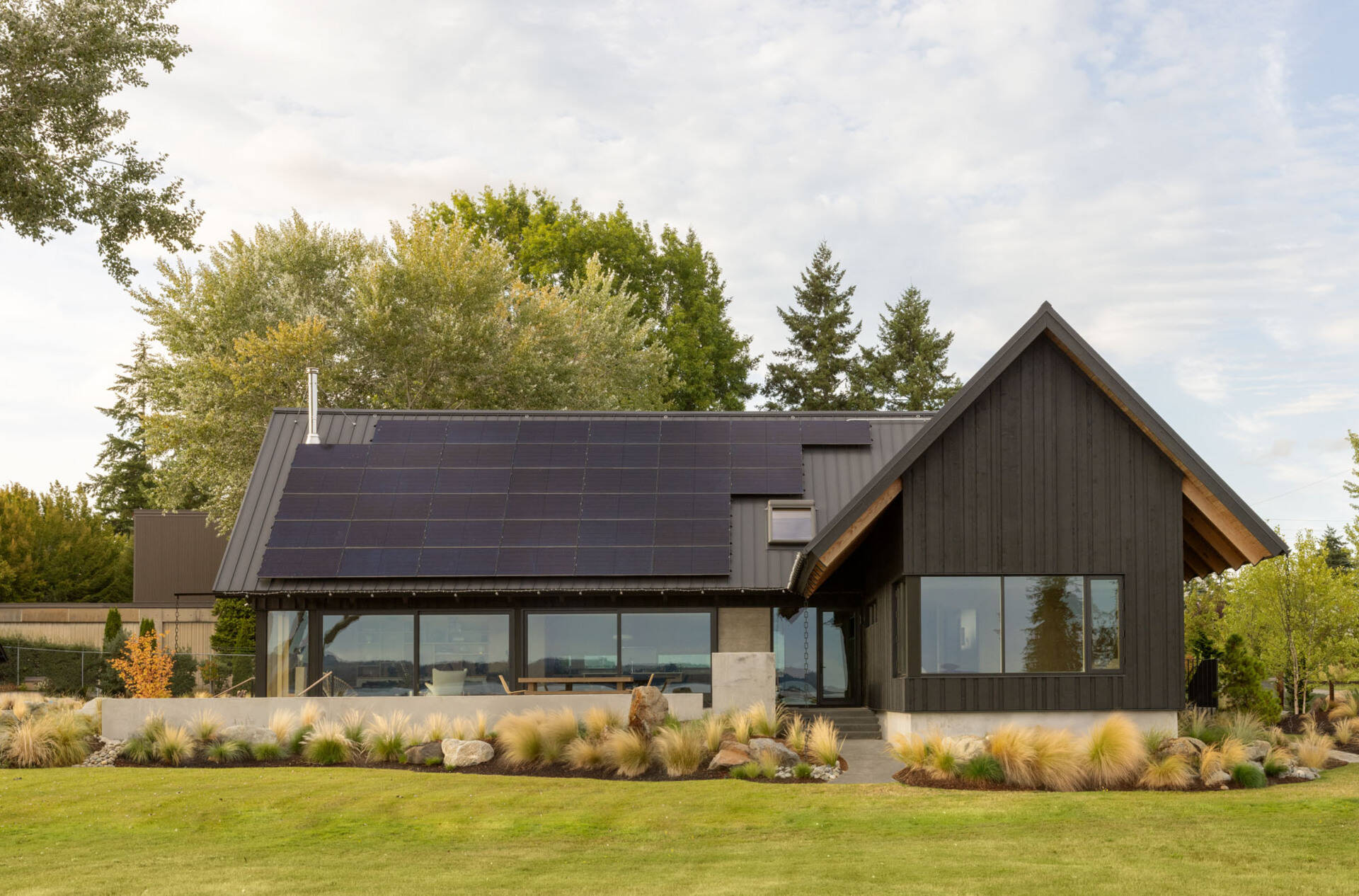
The arrangement serves multiple purposes. It creates a sheltered courtyard on the north side while opening the southern edge toward expansive views across Dyes Inlet. The form also separates public and private functions, allowing shared living spaces and bedrooms to occupy their own wings while remaining visually linked.
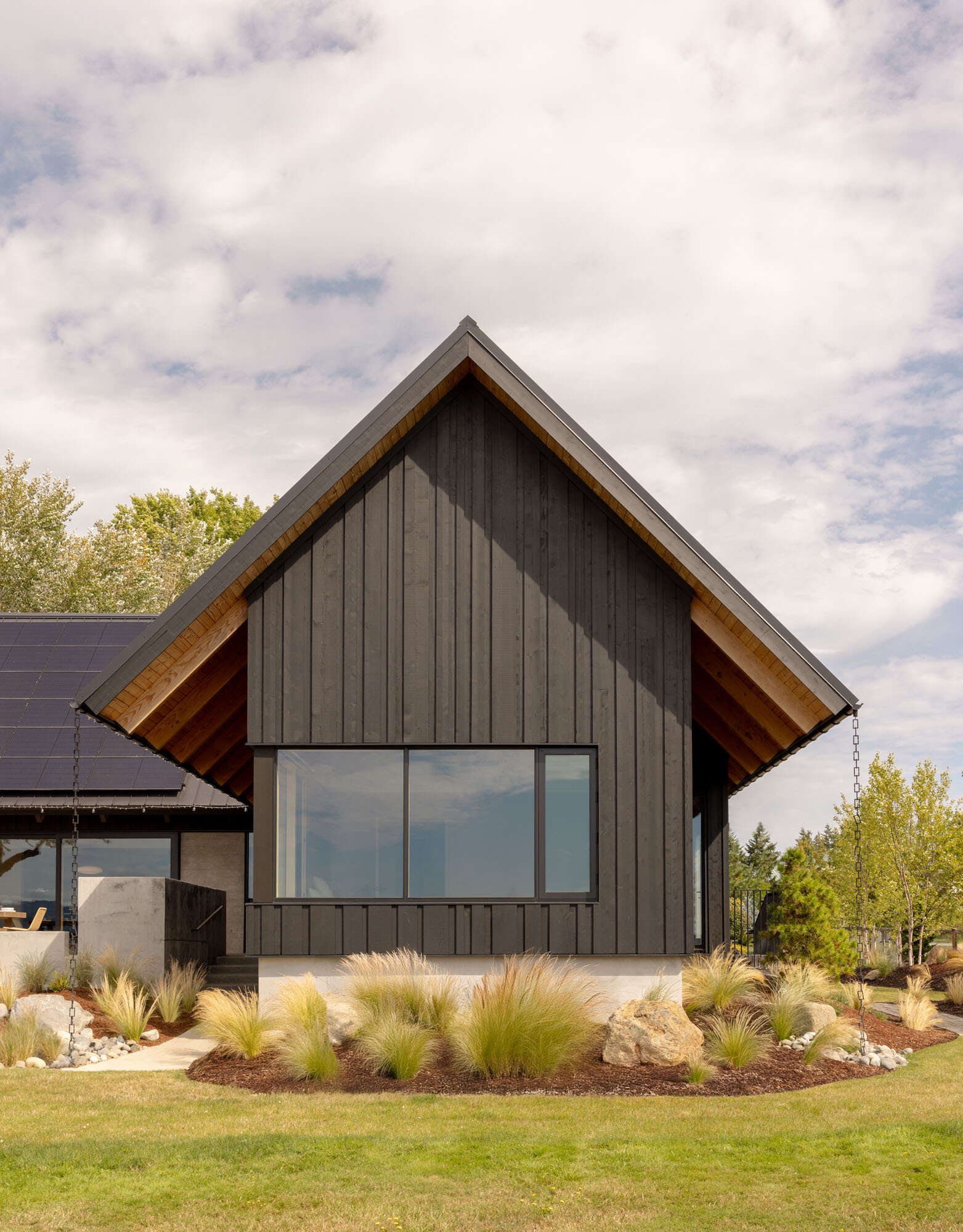
Landscaping Creates Privacy and Frames the View
The landscape design plays an important role in shaping how the property feels. Along the northern edge, plantings help screen the home from nearby development, creating a greater sense of privacy.
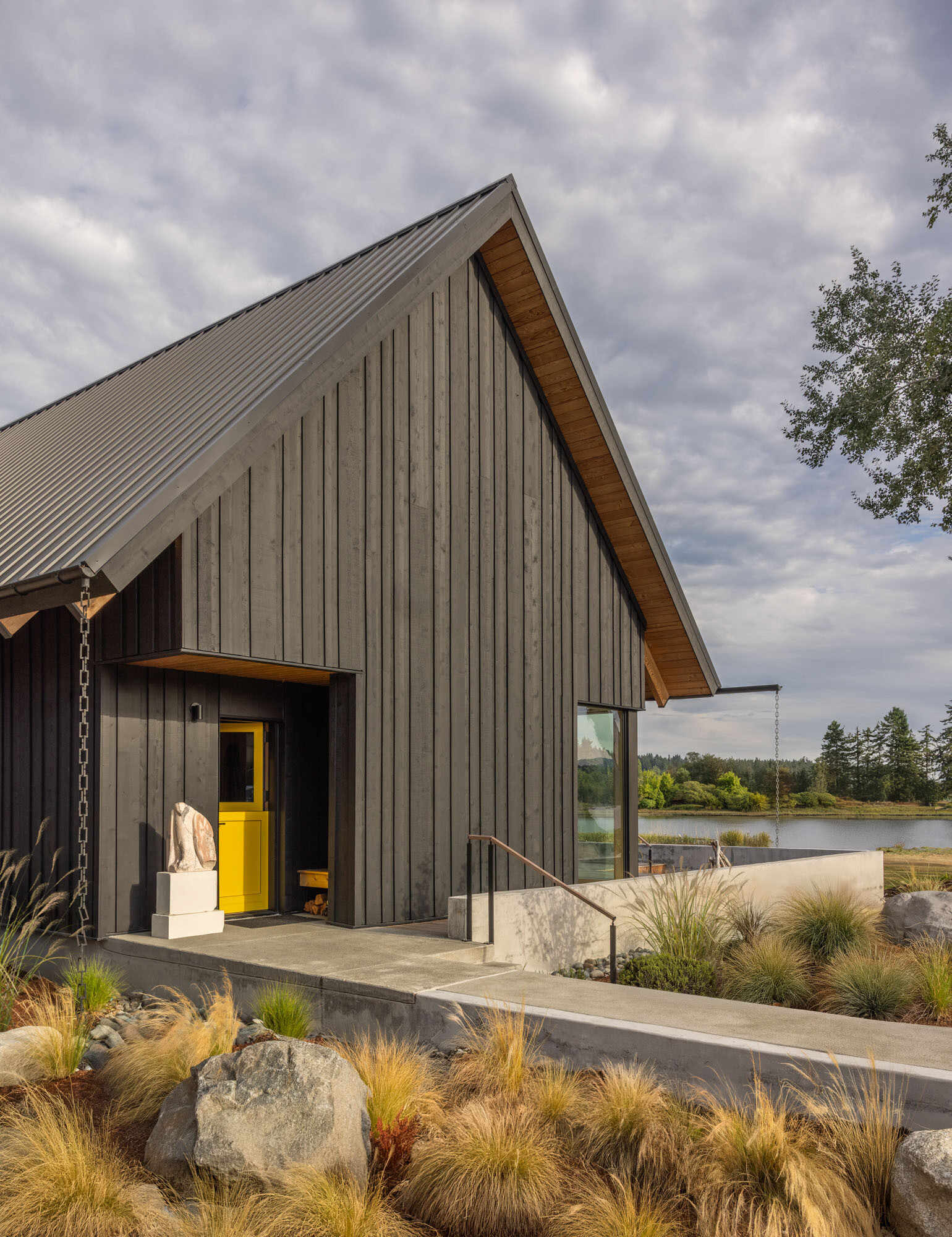
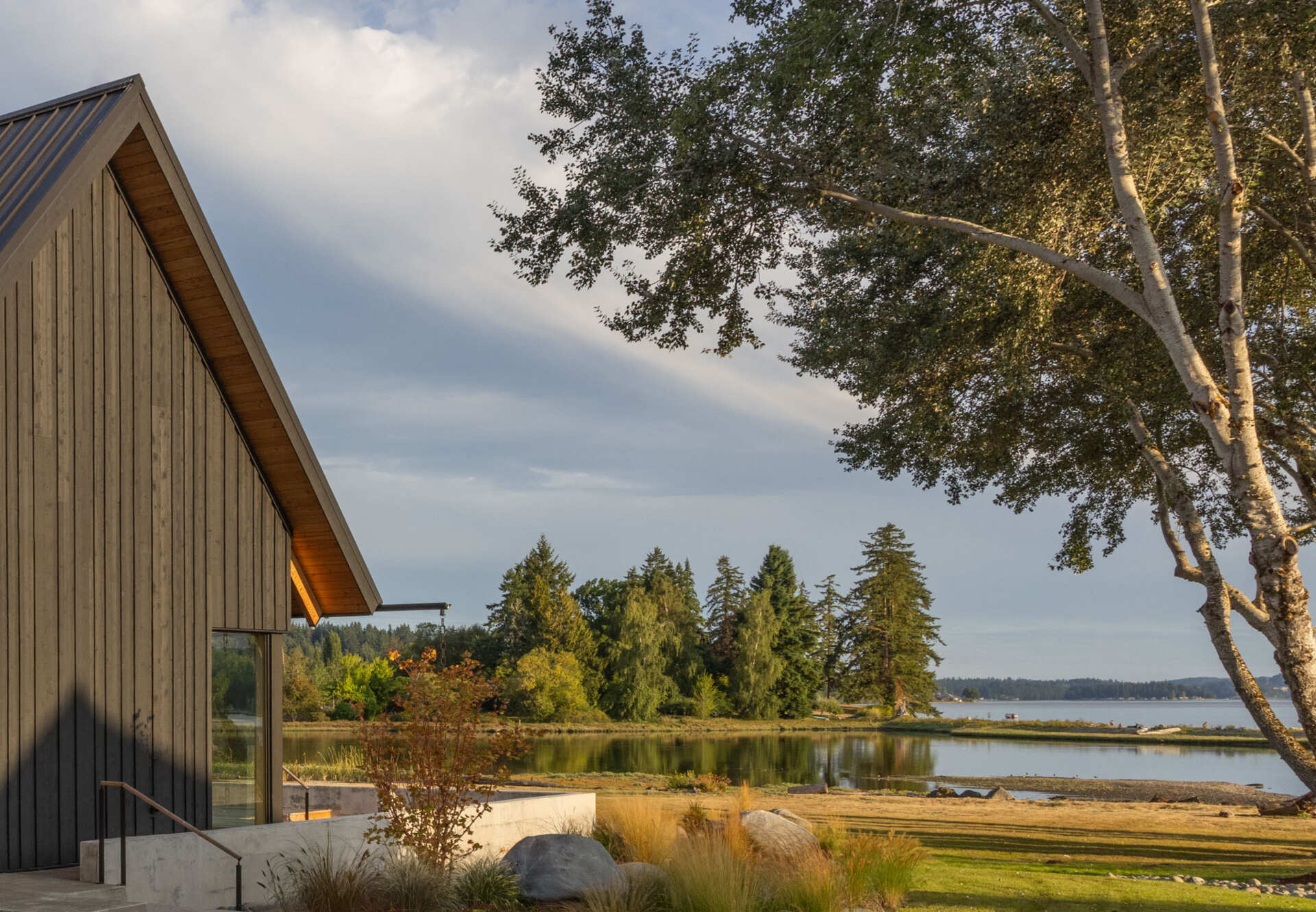
To the south, the site opens dramatically toward the water. The positioning of the house allows nearly every major shared space to take advantage of the inlet views, while outdoor areas extend the living experience beyond the walls of the home.
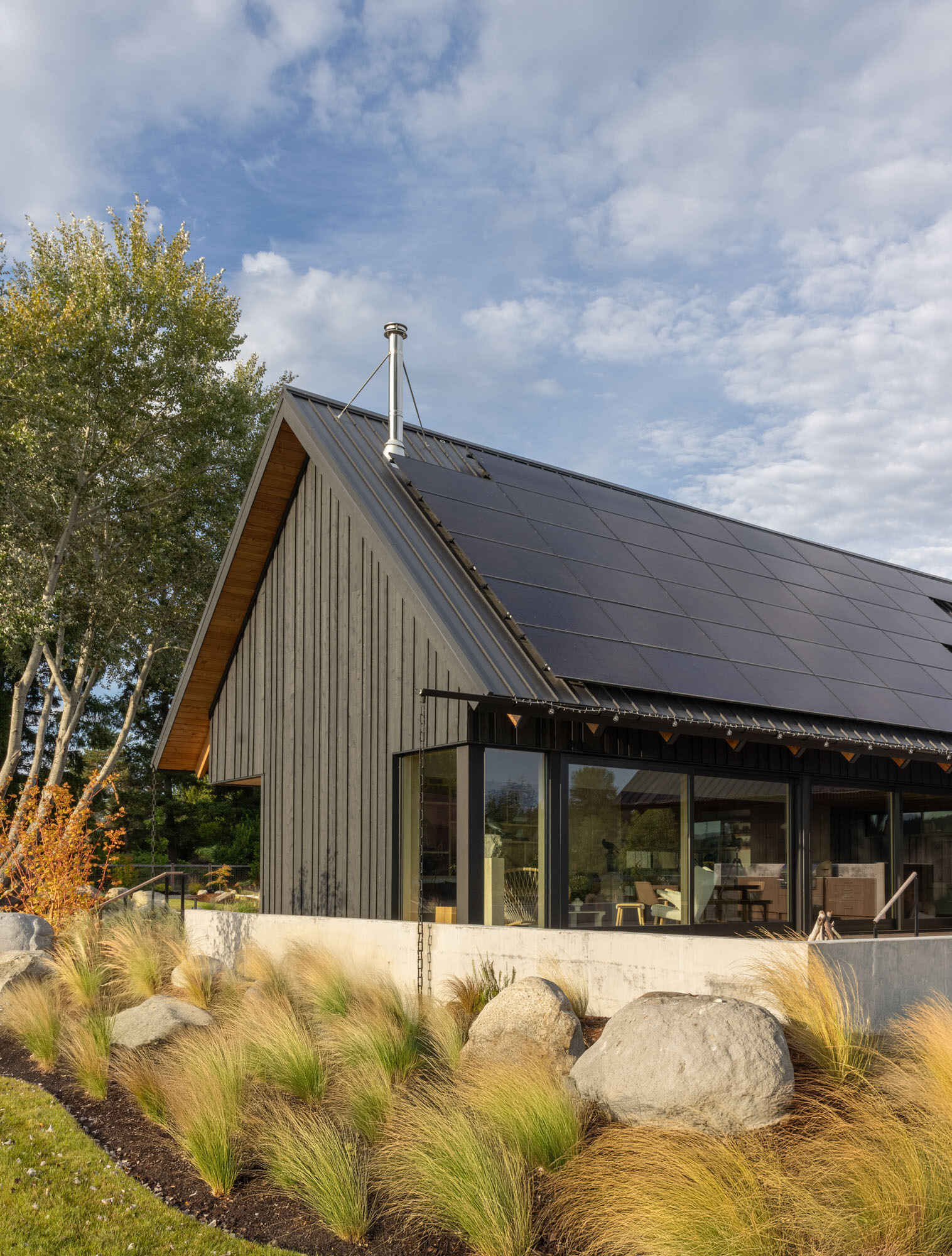
The landscaping also helps establish a relationship between the new residence and the renovated guest house, creating a cohesive family property inspired by traditional Scandinavian farm compounds.
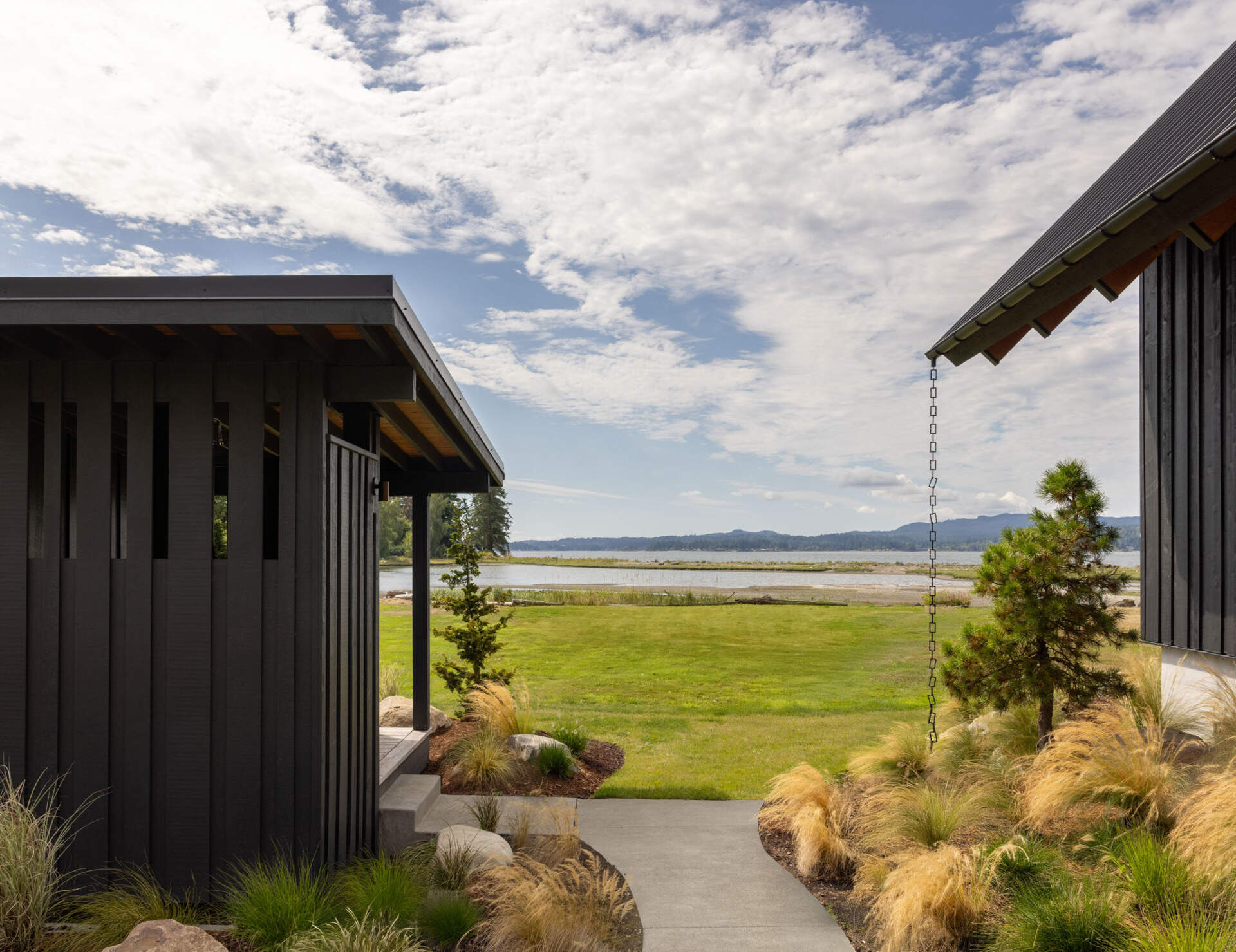
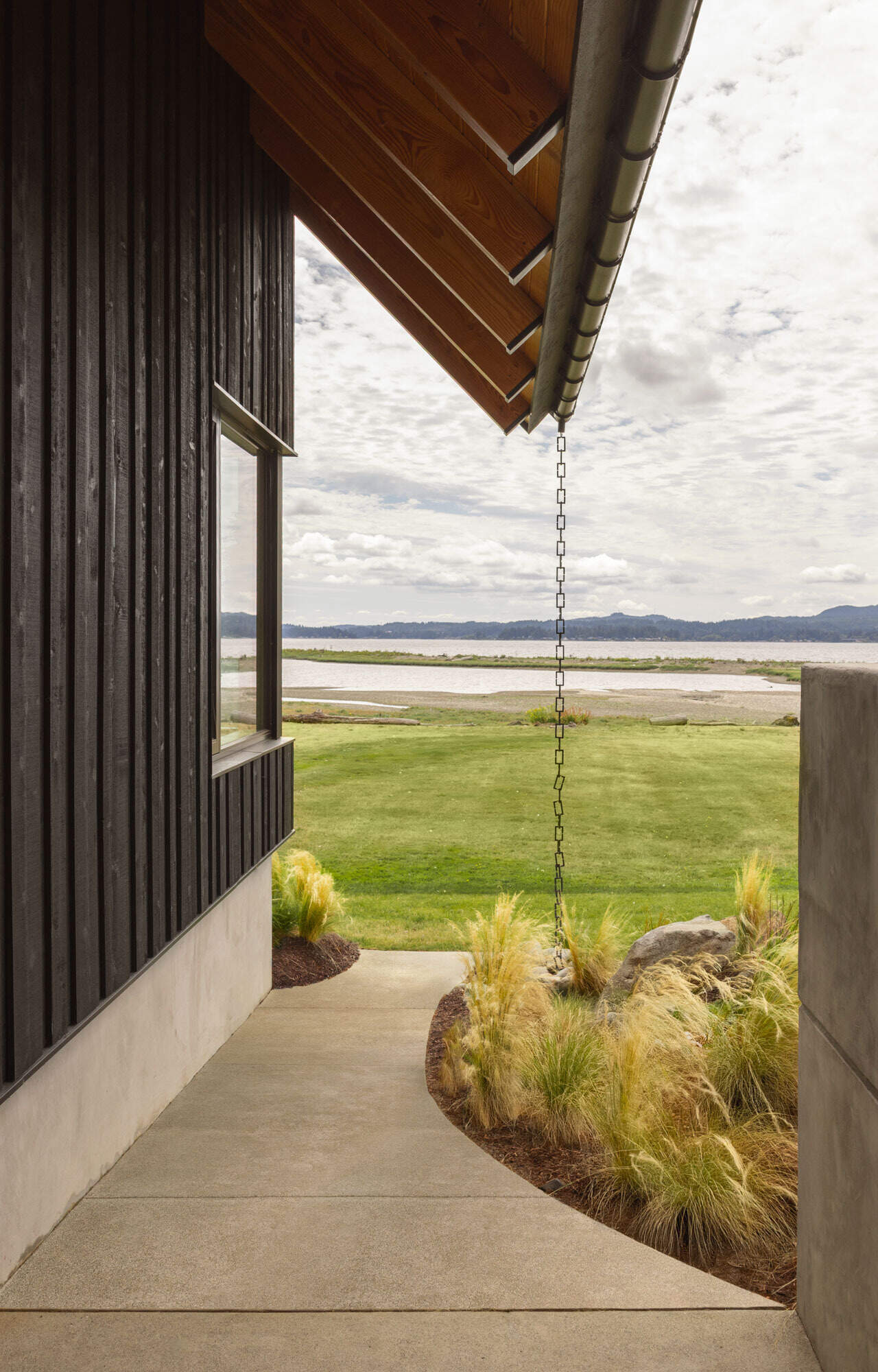
A Covered Walkway Leads to the Front Door
Approaching the house, visitors arrive through the sheltered courtyard formed by the intersecting building volumes. This outdoor space acts as a welcoming arrival point and provides a transition between the broader property and the interior.
The front door sits within this protected zone, emphasizing the contrast between the enclosed northern approach and the expansive waterfront views waiting beyond.
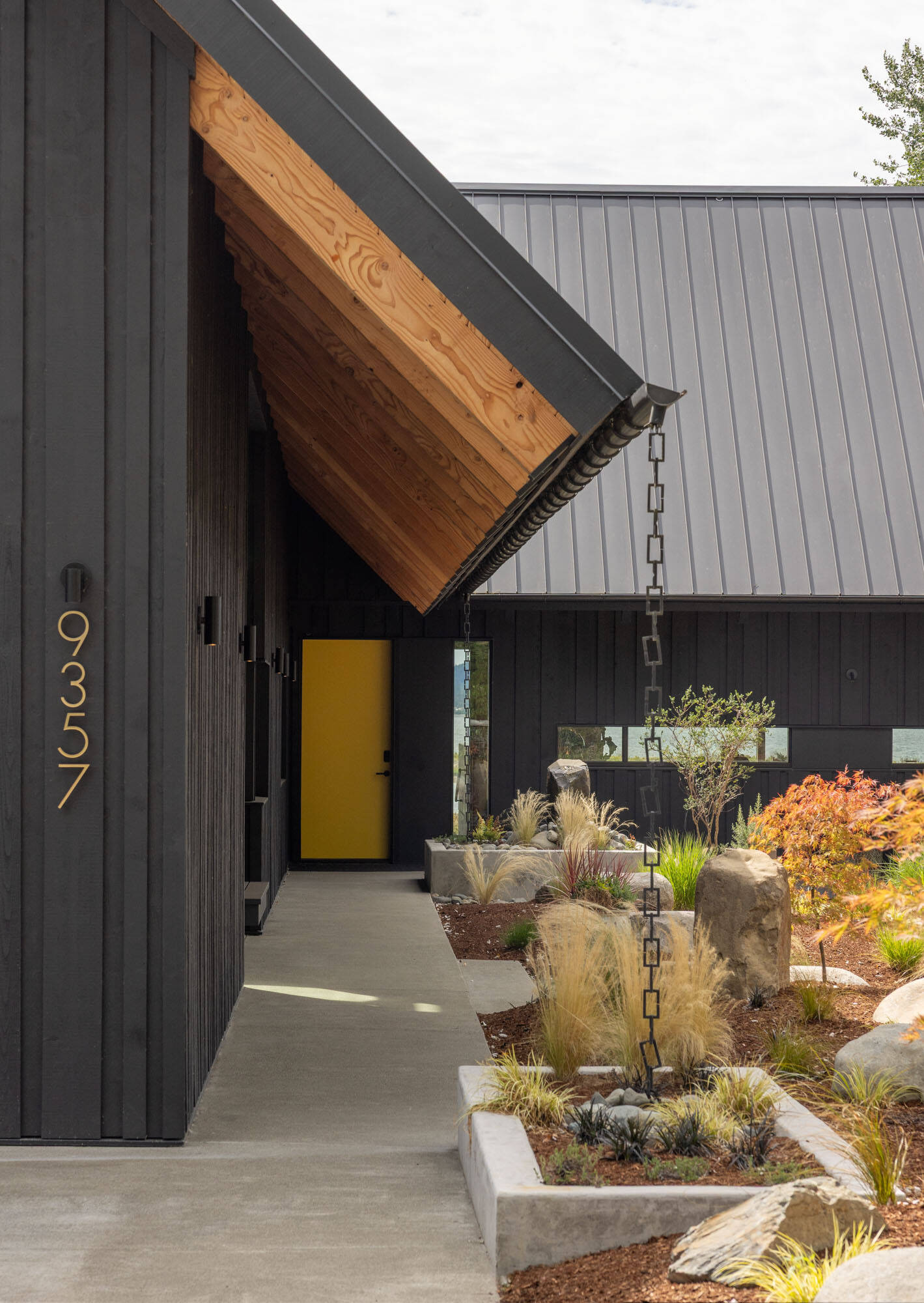
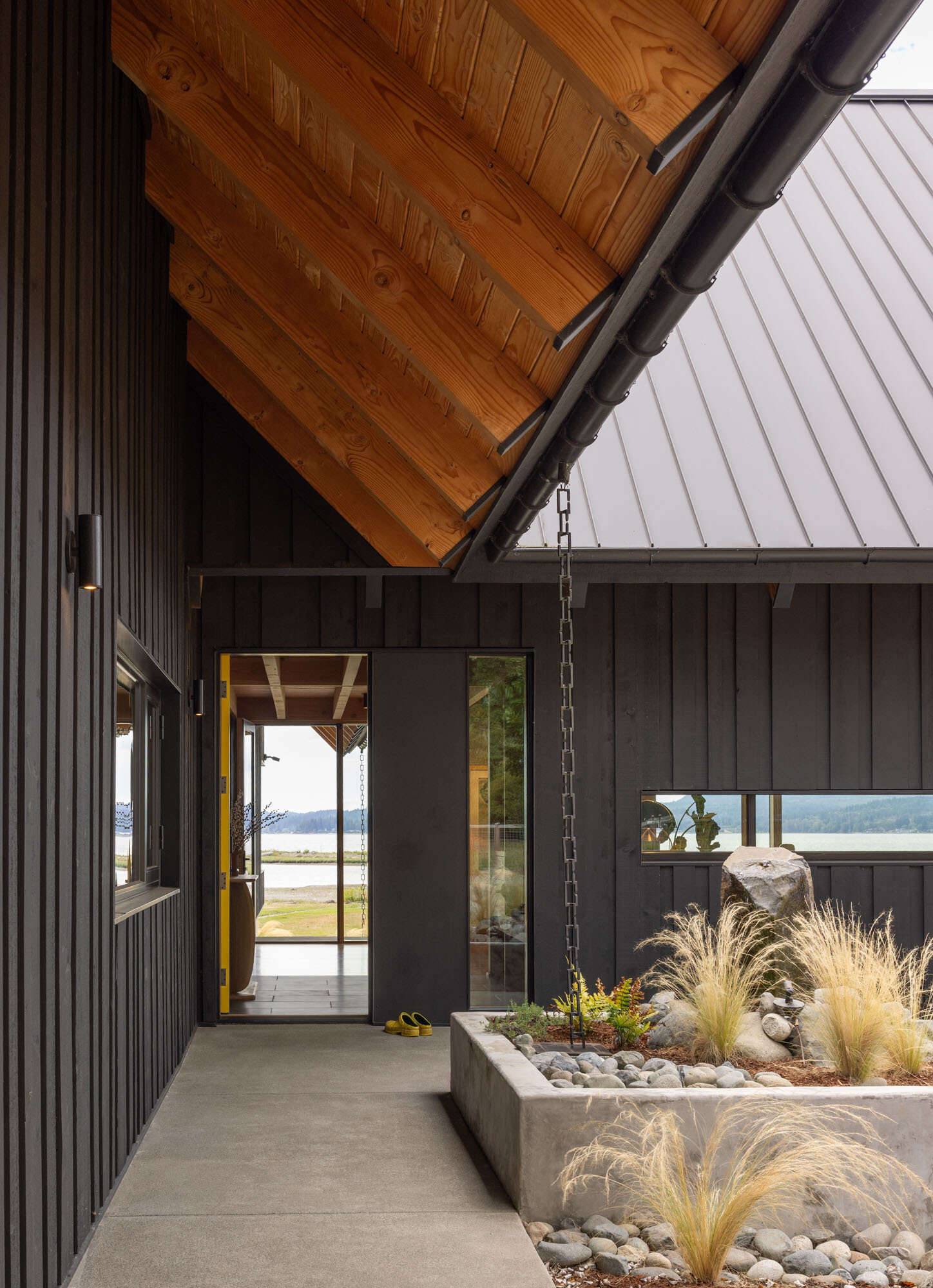
An Entryway Designed Around the First View
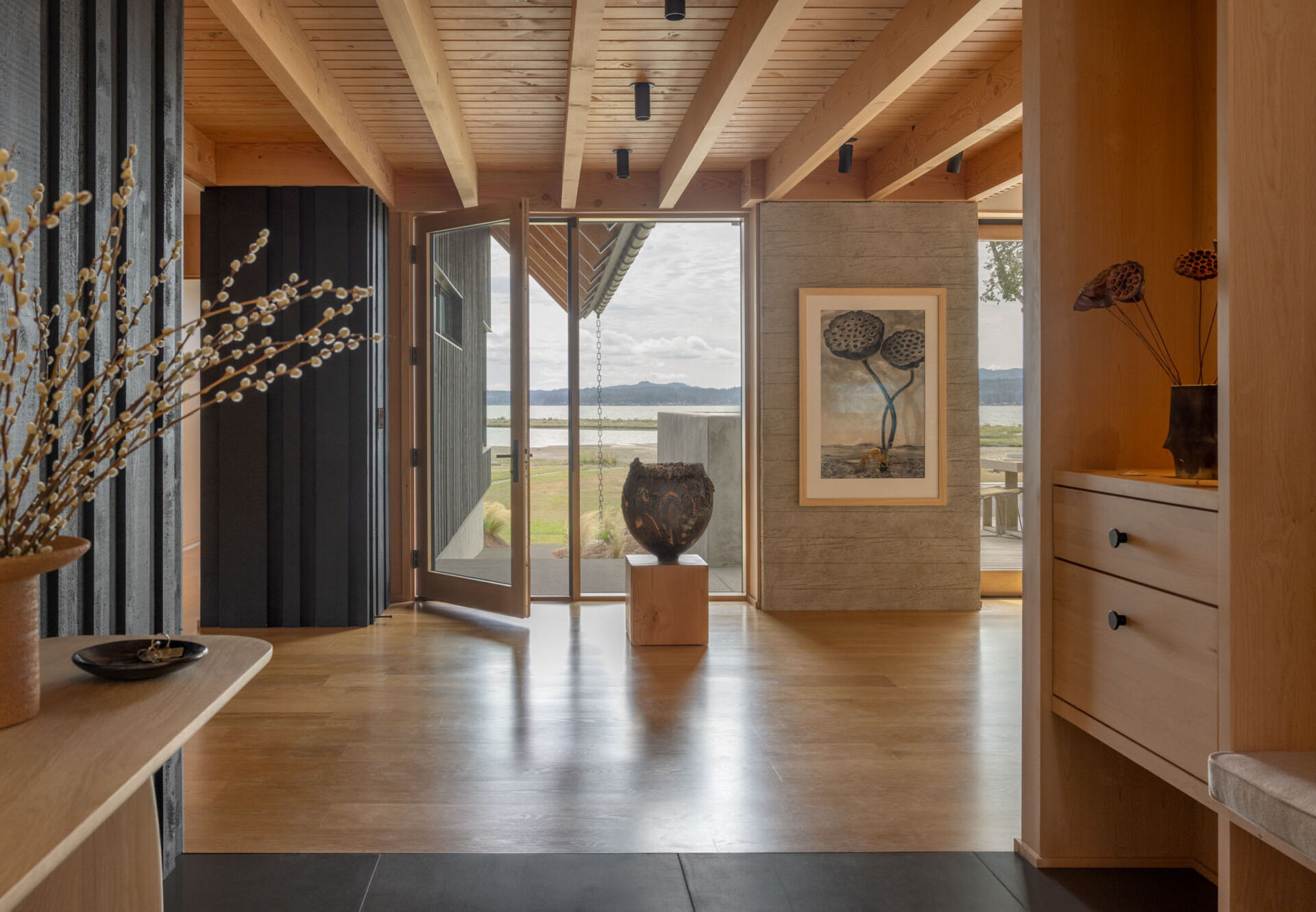
One of the most memorable moments occurs immediately upon entering the house. Positioned at the intersection of the two wings, the foyer offers a carefully framed glimpse of the shoreline beyond.
A loft overhead lowers the scale of the entry experience before the home opens into taller spaces ahead. This creates a dramatic transition that highlights the water view and introduces the home’s sequence of changing volumes.
A Living Room Open to Water and Sky
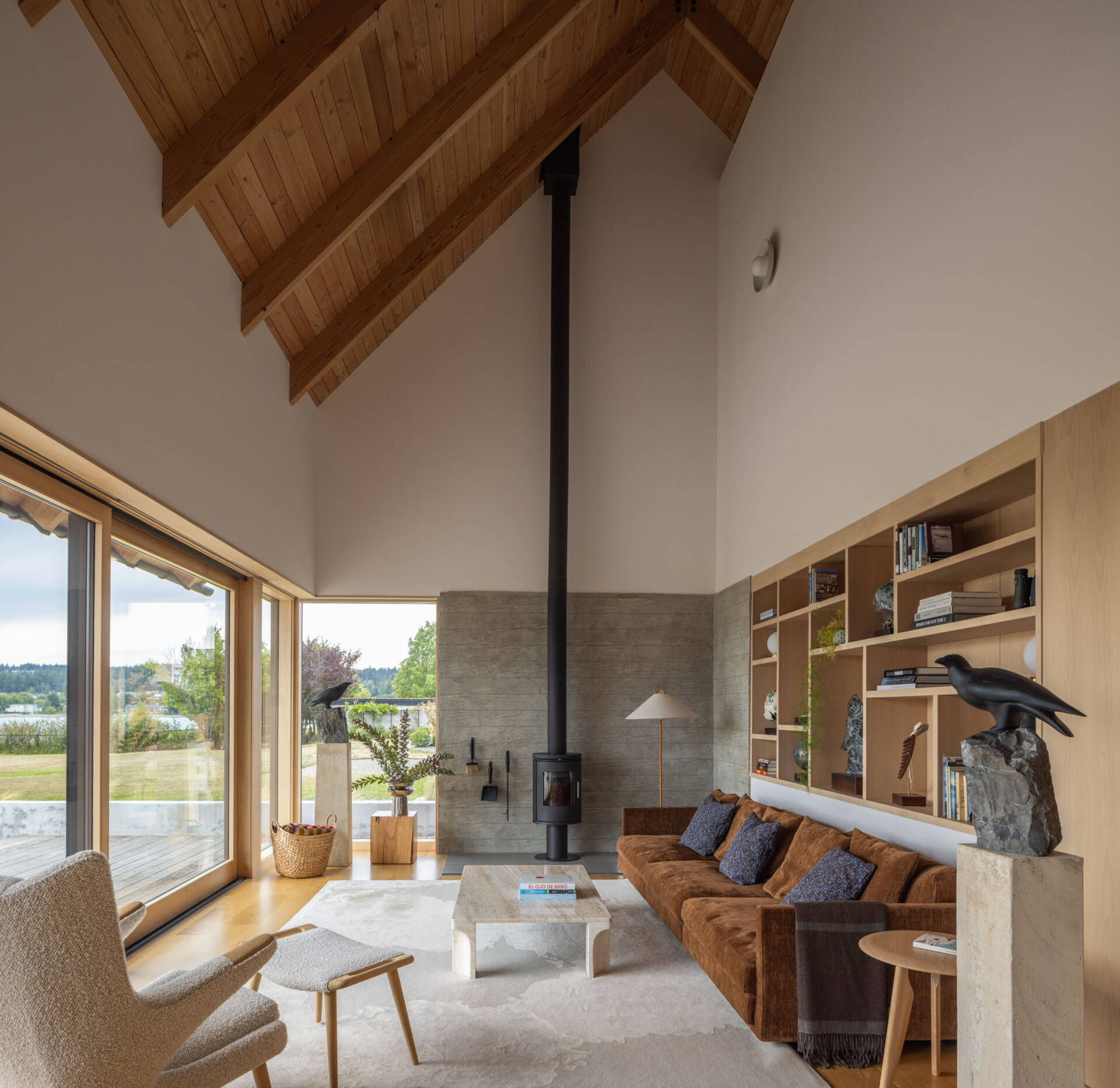
The living room occupies one of the vaulted spaces that anchor the home. Positioned along the east-west wing, it opens toward the southern patio and the inlet beyond.
Large expanses of glass bring natural light deep into the interior while emphasizing the changing colors of the water and sky throughout the day. The combination of wood, glass, and natural finishes gives the space warmth without distracting from the scenery outside.
The double-height volume enhances the sense of openness, making the room feel both expansive and inviting.
A Dining Area Framed by the Landscape
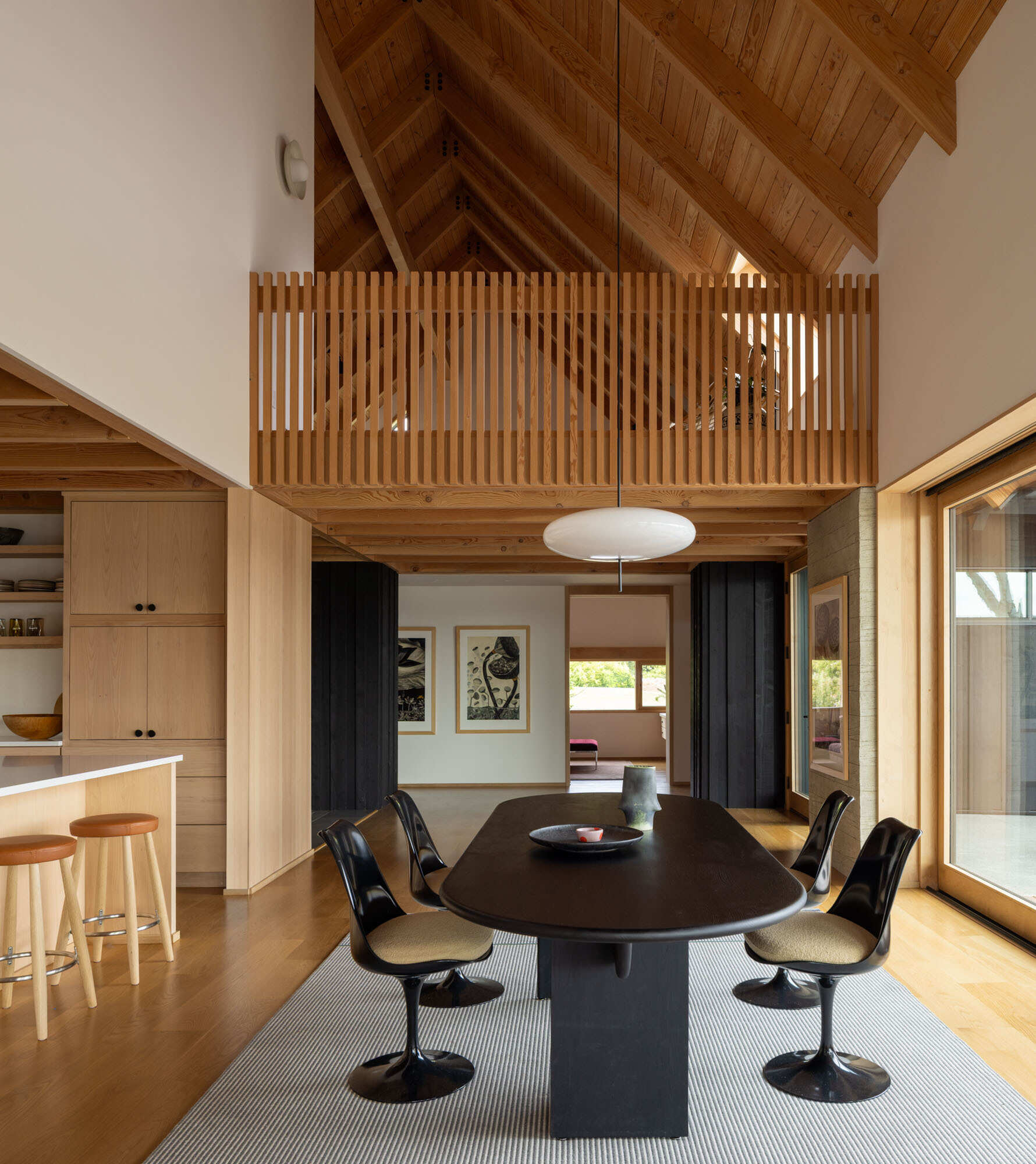
Adjacent to the living room, the dining area benefits from the same connection to the outdoors. Positioned along the home’s shared living wing, it enjoys views across the patio and toward the water.
Natural materials continue throughout the space, creating visual continuity between the dining area and neighboring rooms. The open layout allows conversations and gatherings to flow easily between dining and living spaces, making it ideal for hosting visiting family members.
A Kitchen at the Center of Family Gatherings
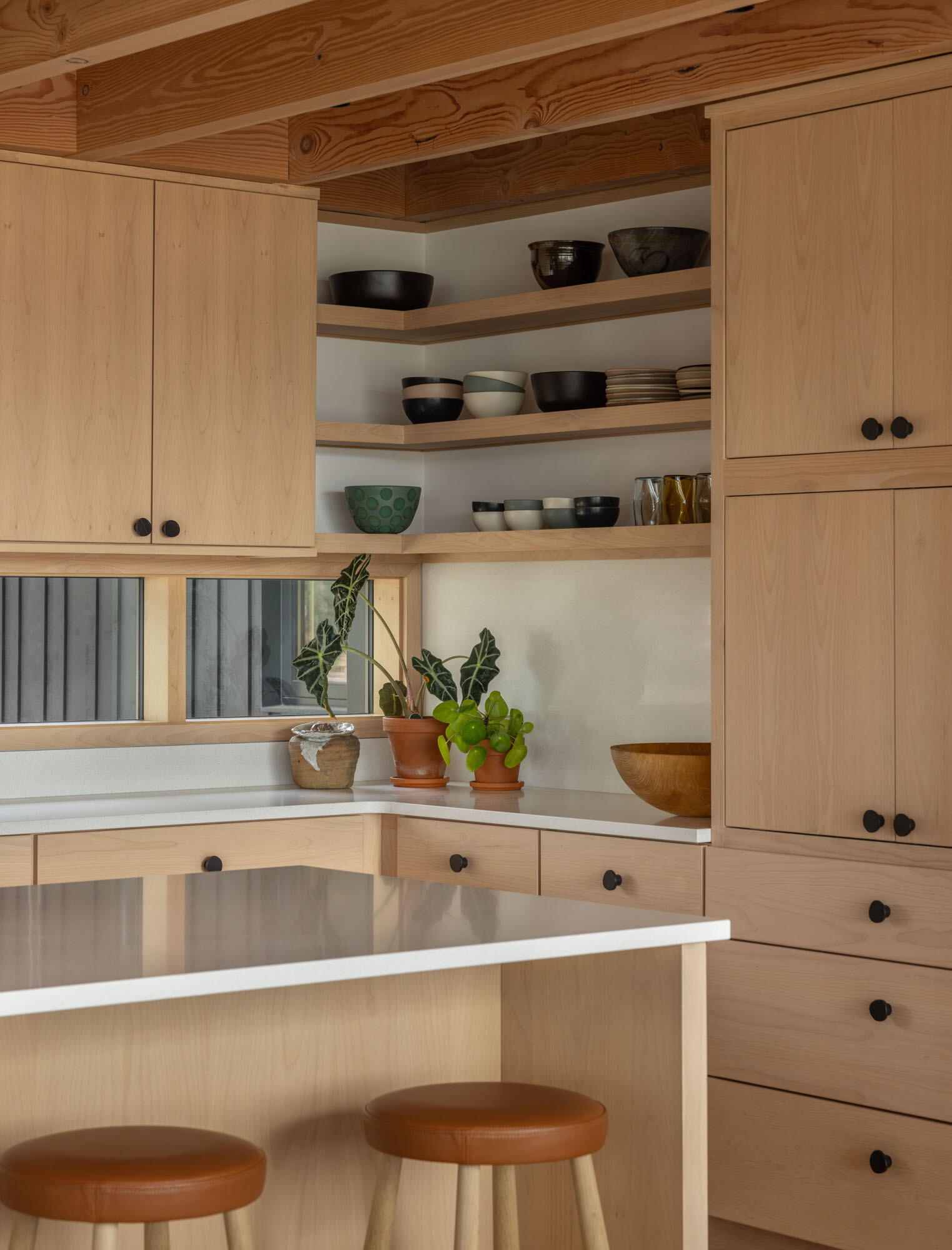
The kitchen forms a key gathering point within the home’s shared living spaces. Located alongside the dining area and living room, it remains closely connected to both everyday activities and larger family visits.
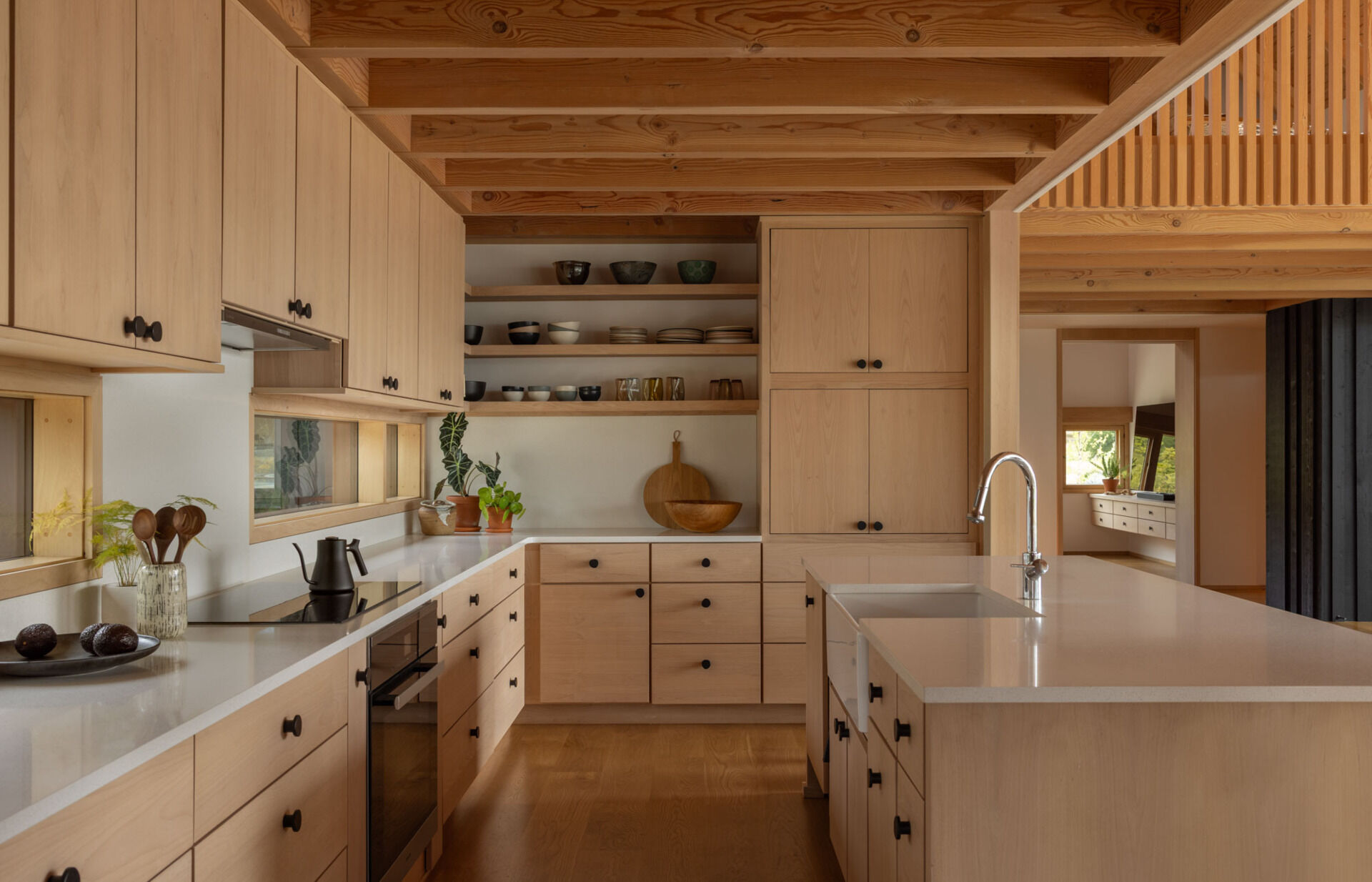
Natural materials such as wood and durable surfaces reflect the home’s Pacific Northwest influences, while the open arrangement ensures the kitchen remains visually linked to the water views that define the property.
A Quiet Main Bedroom Facing the Water
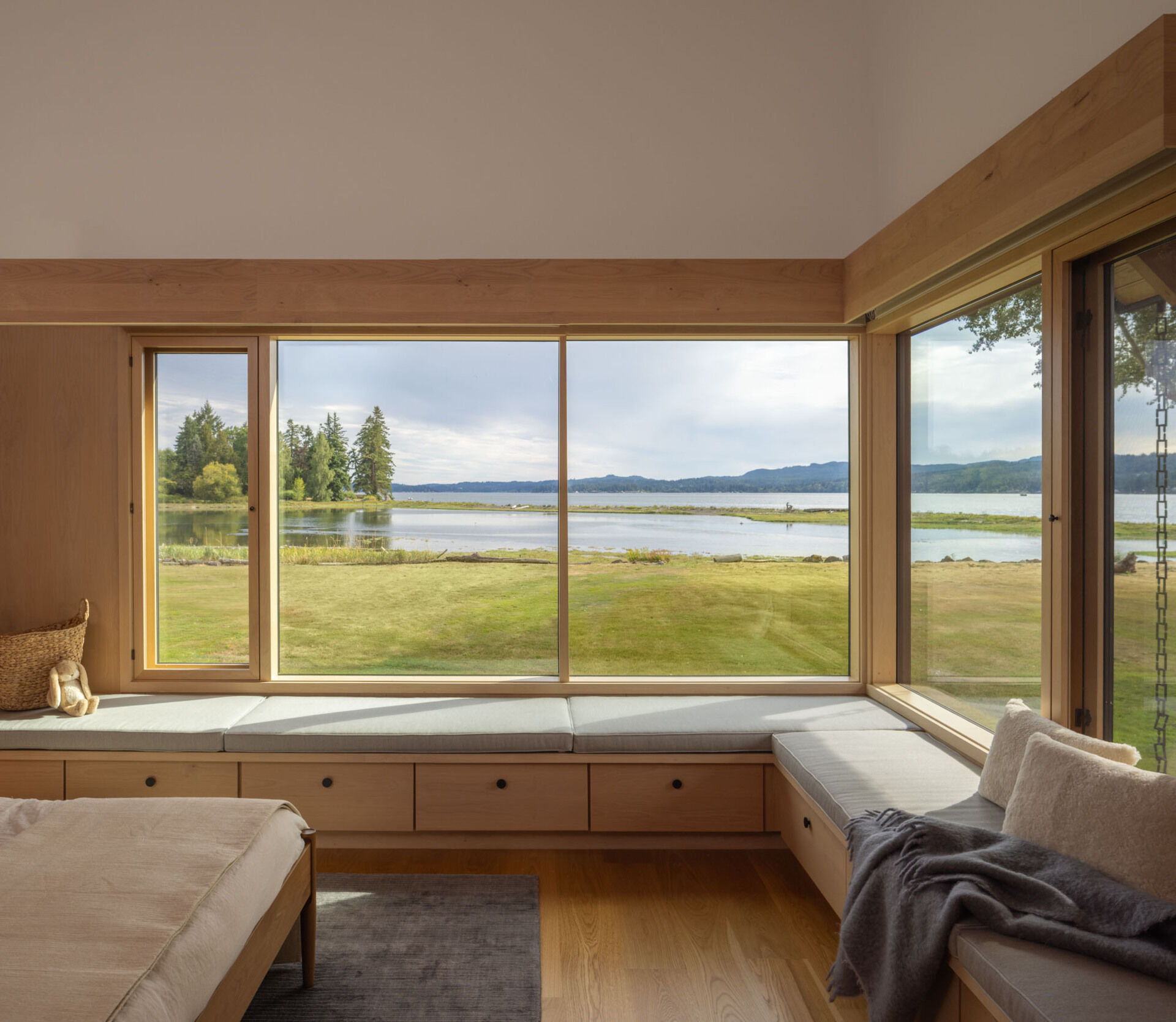
The primary suite occupies the southern end of the private wing, where it enjoys one of the most peaceful positions within the house. Separated from the more active gathering areas, the room benefits from direct connections to the landscape and water views beyond.
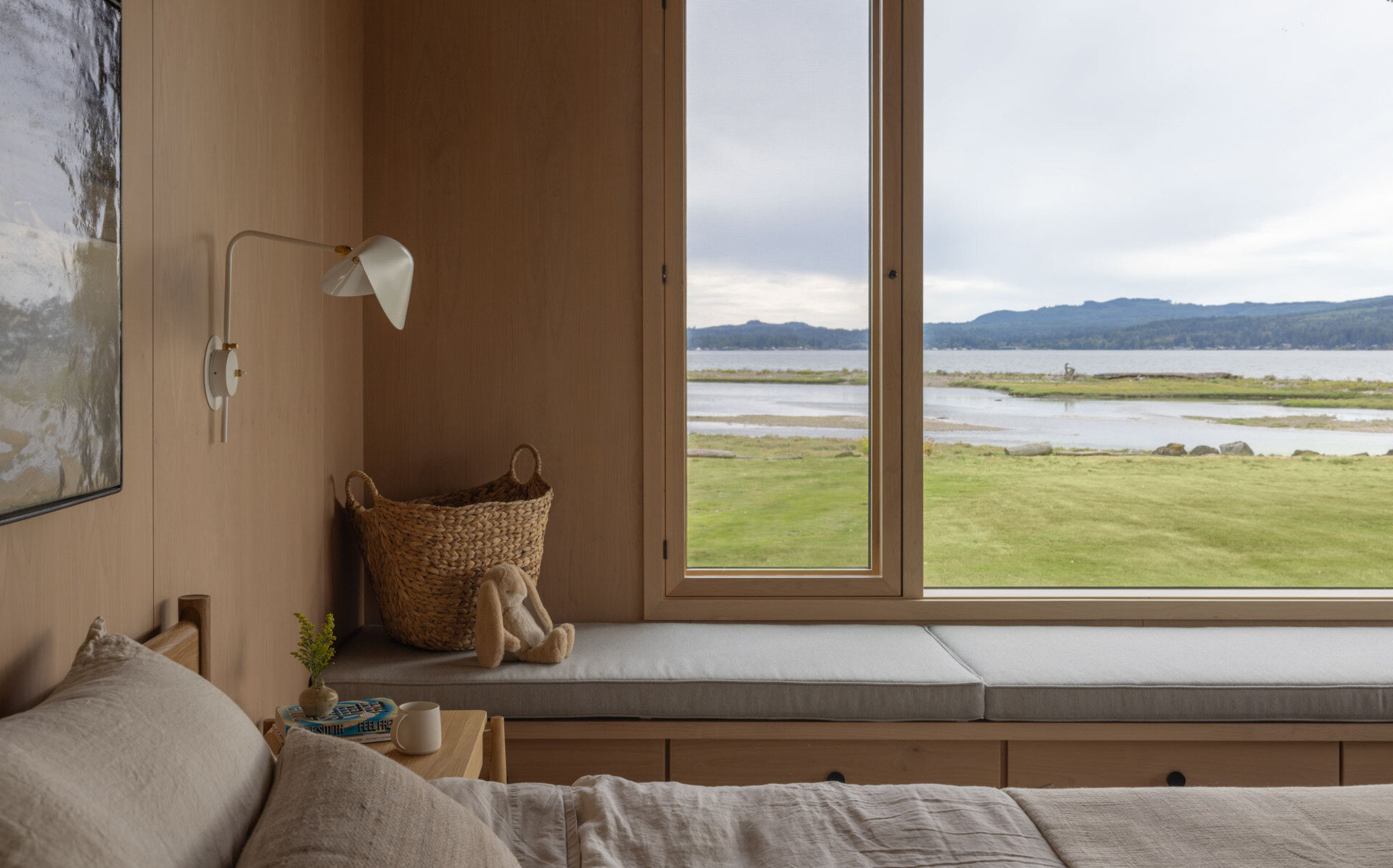
Large windows bring daylight into the space while maintaining a strong visual relationship with the inlet, and a wraparound bench with storage underneath makes the most of the views.
A Guest Bedroom That Doubles as a Workspace
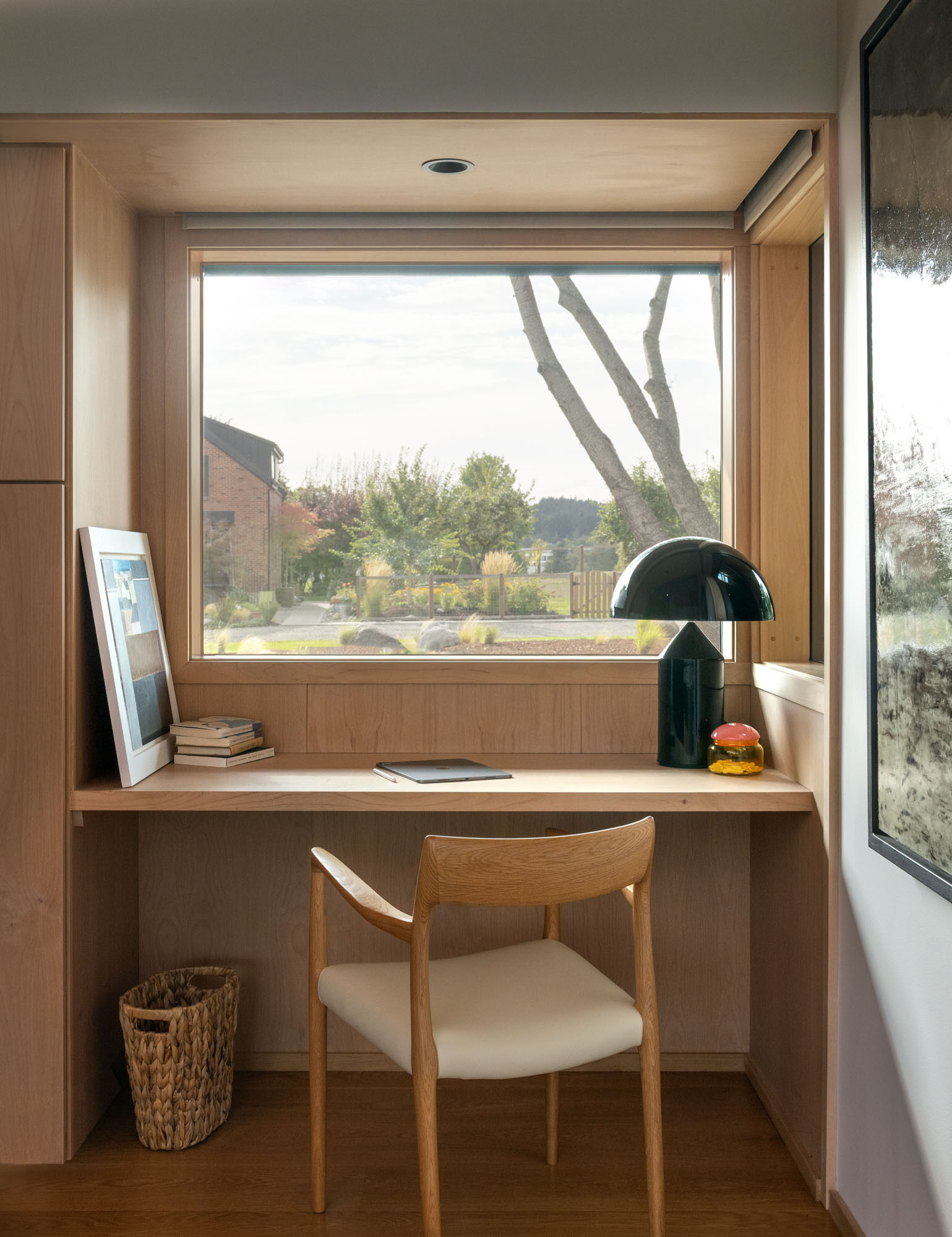
One of the guest bedrooms offers flexibility for visiting family members while also functioning as a practical workspace when needed. This adaptable approach reflects the home’s emphasis on long-term usability. Whether accommodating overnight guests or supporting remote work, the room contributes to the home’s ability to serve changing needs over time.
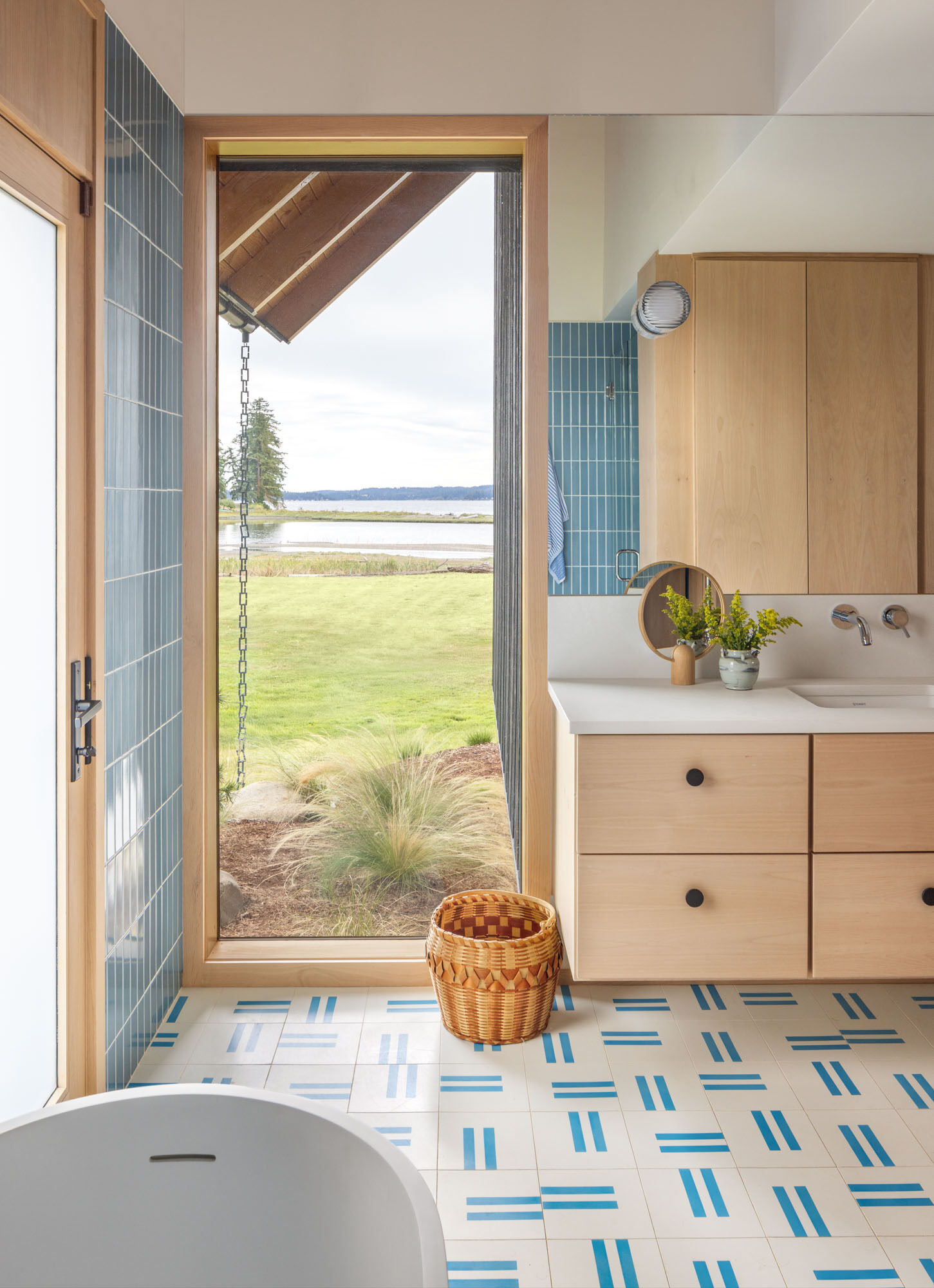
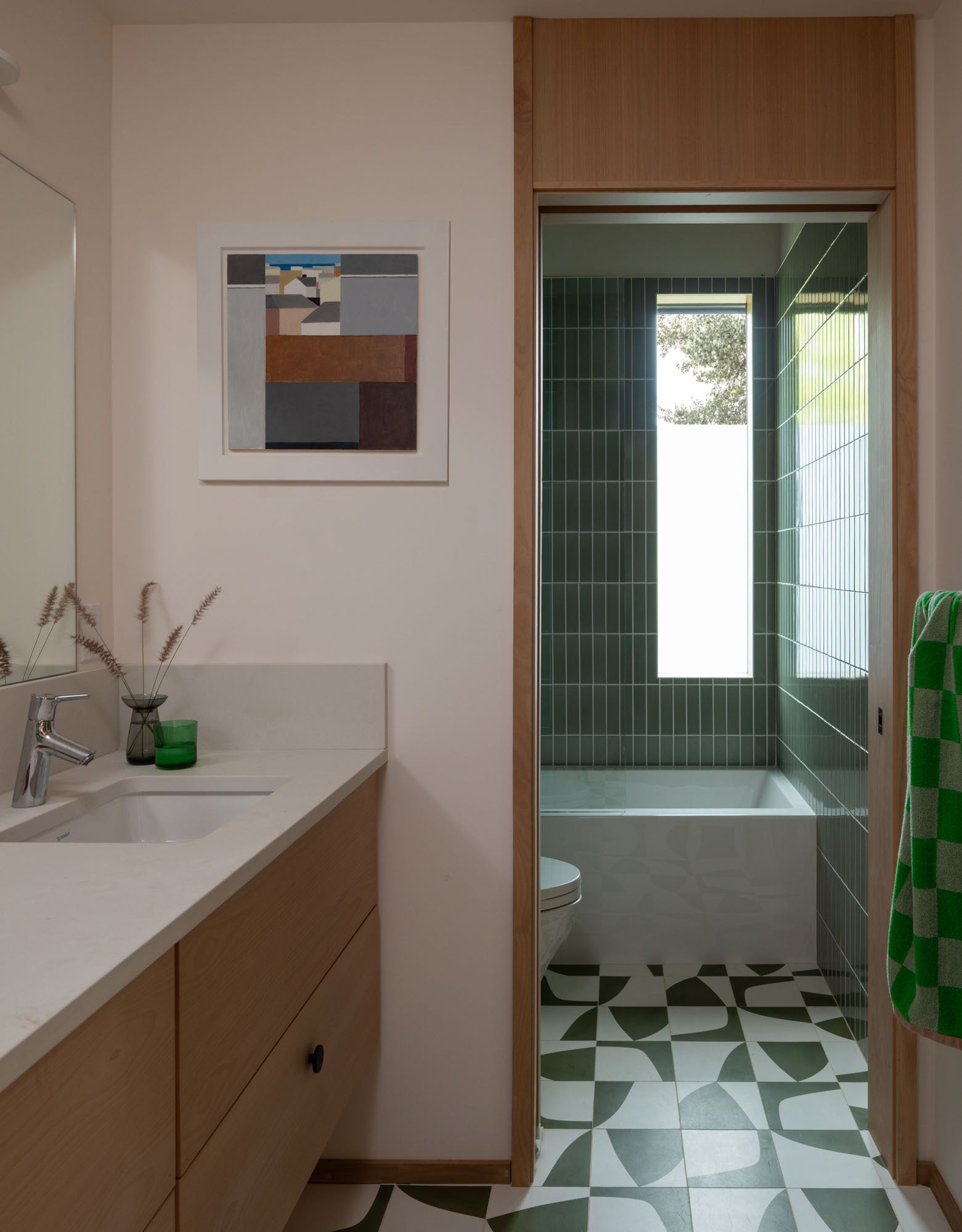
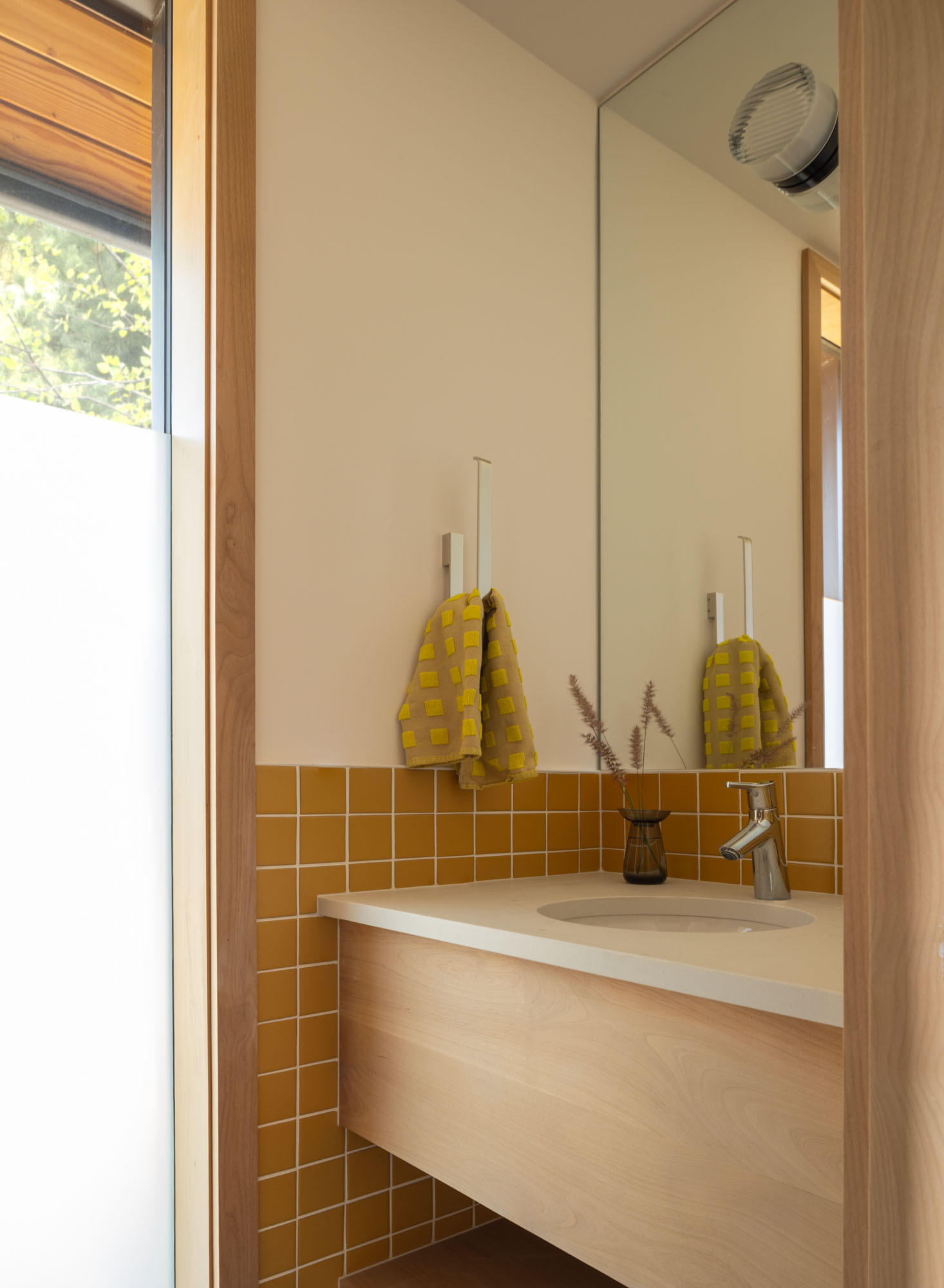
Bathrooms With Distinct Color Personalities
The home’s bathrooms introduce individual character through their own color palettes and finishes. While the overall material selection throughout the residence remains rooted in natural textures, each bathroom offers a unique visual identity through the use of colorful tiles.
These variations add moments of personality within the home while maintaining consistency with the broader architectural language established throughout the project.
A Media Room for Relaxation and Entertainment
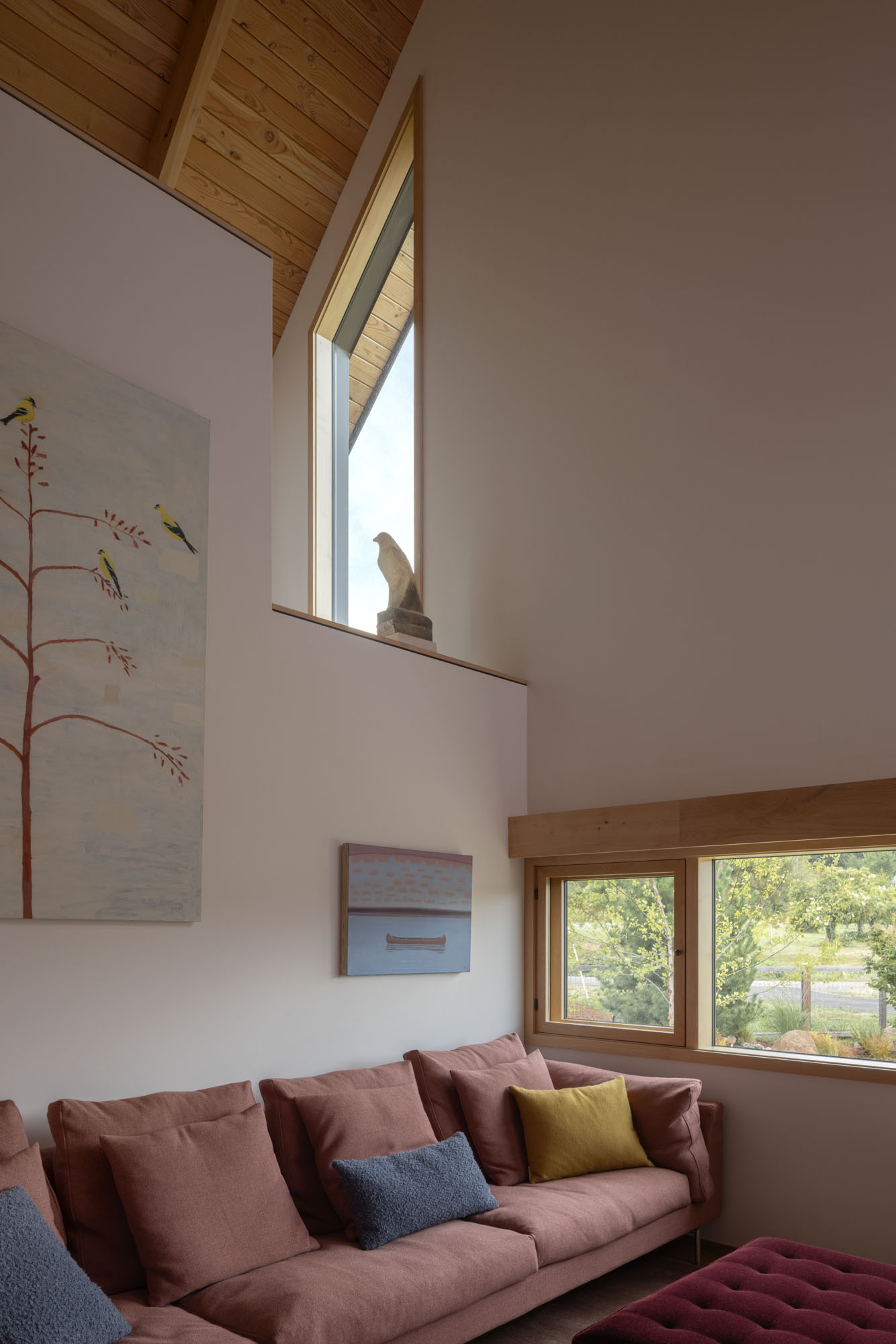
The media room adds another layer of functionality to the home, providing a comfortable space for entertainment, movies, and family gatherings.
Positioned within the broader layout of the residence, it offers a more enclosed atmosphere than the larger living areas, creating a cozy destination for quieter activities.
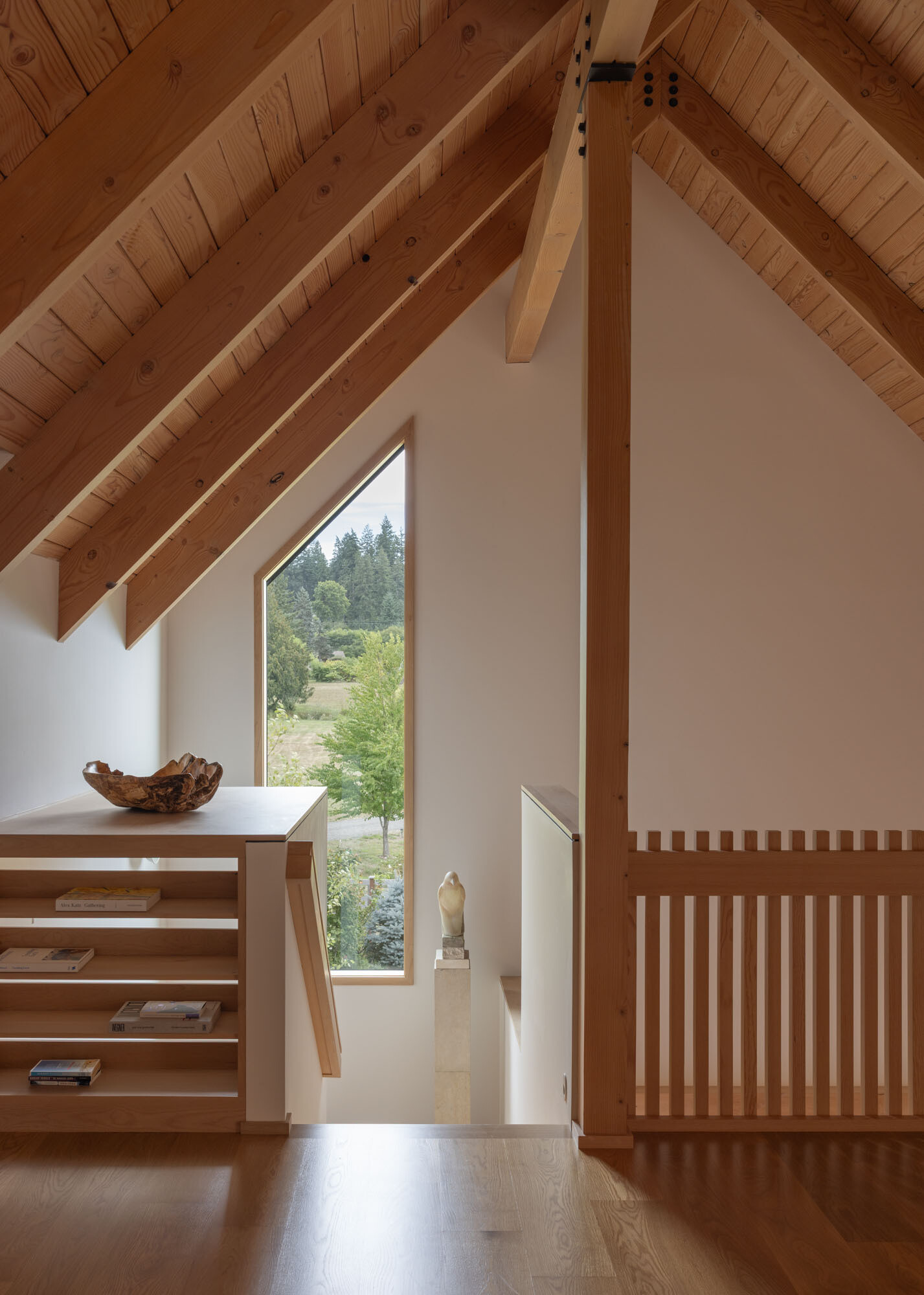
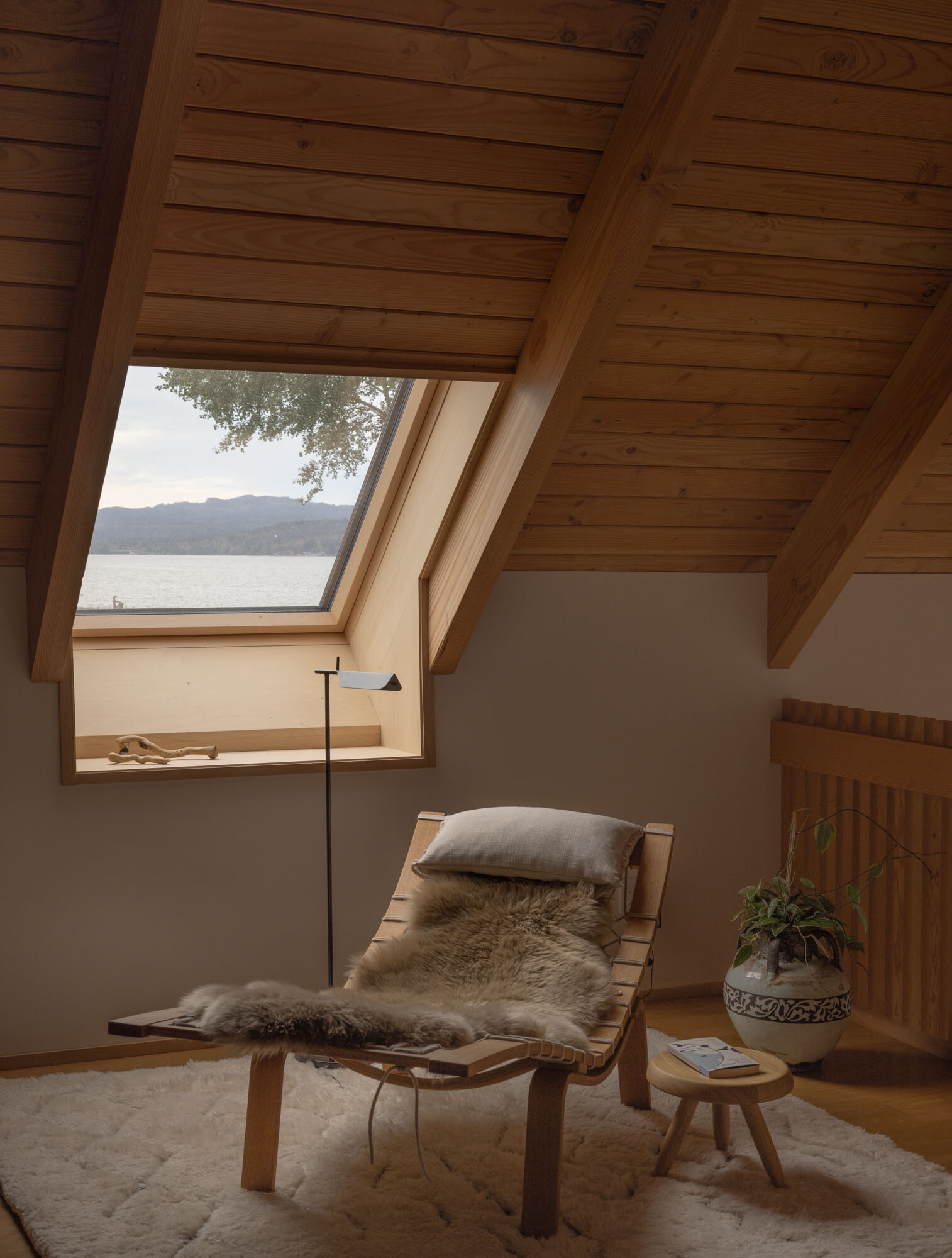
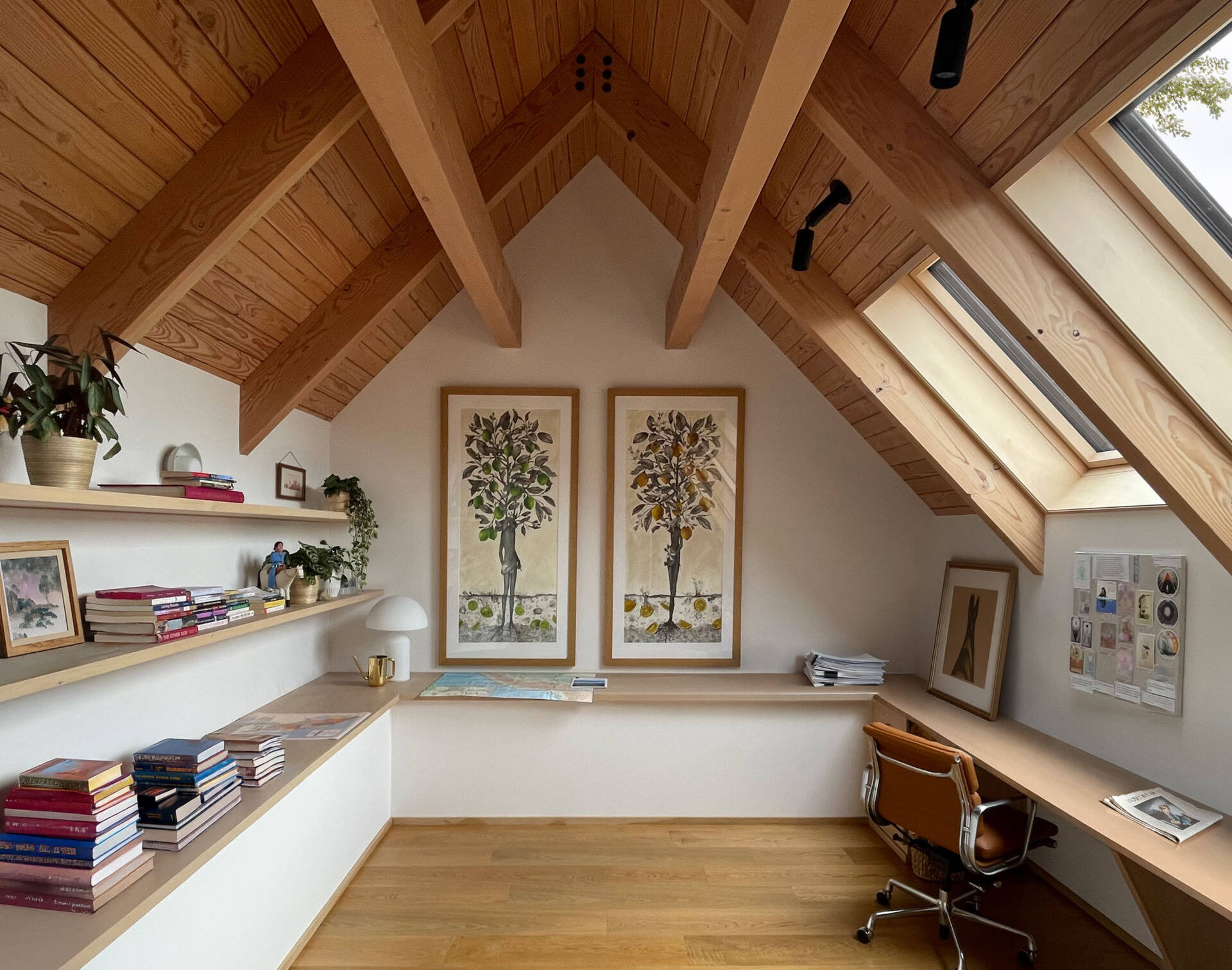
A Loft Above the Foyer
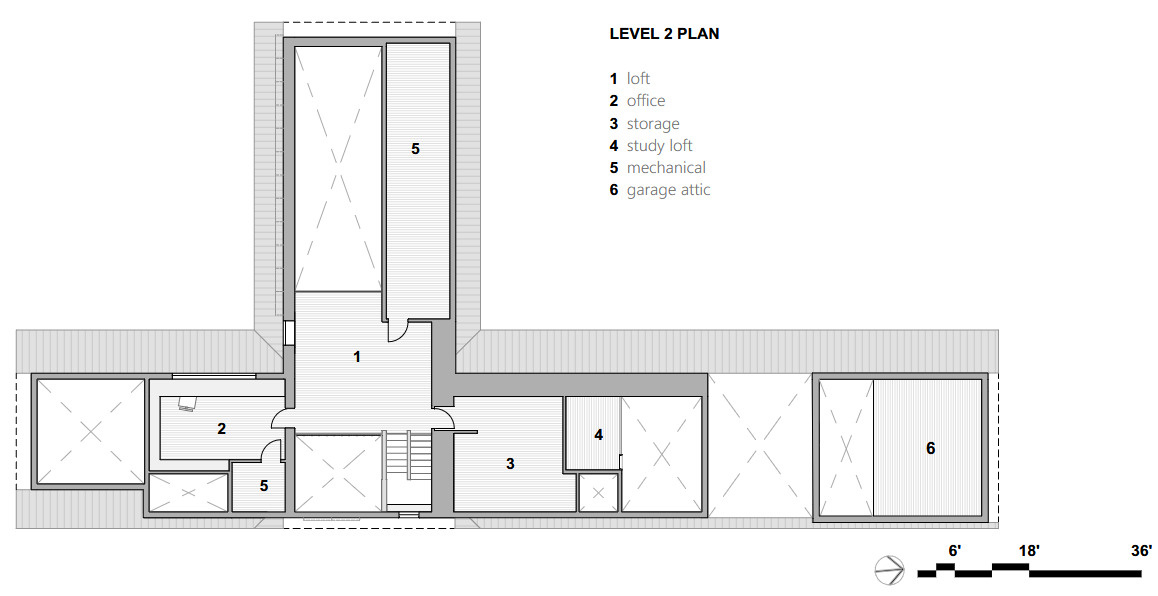
Above the entry sits a loft area that serves as flexible space for office use and storage. Its elevated position provides a different perspective on the home’s interior volumes while supporting changing household needs.
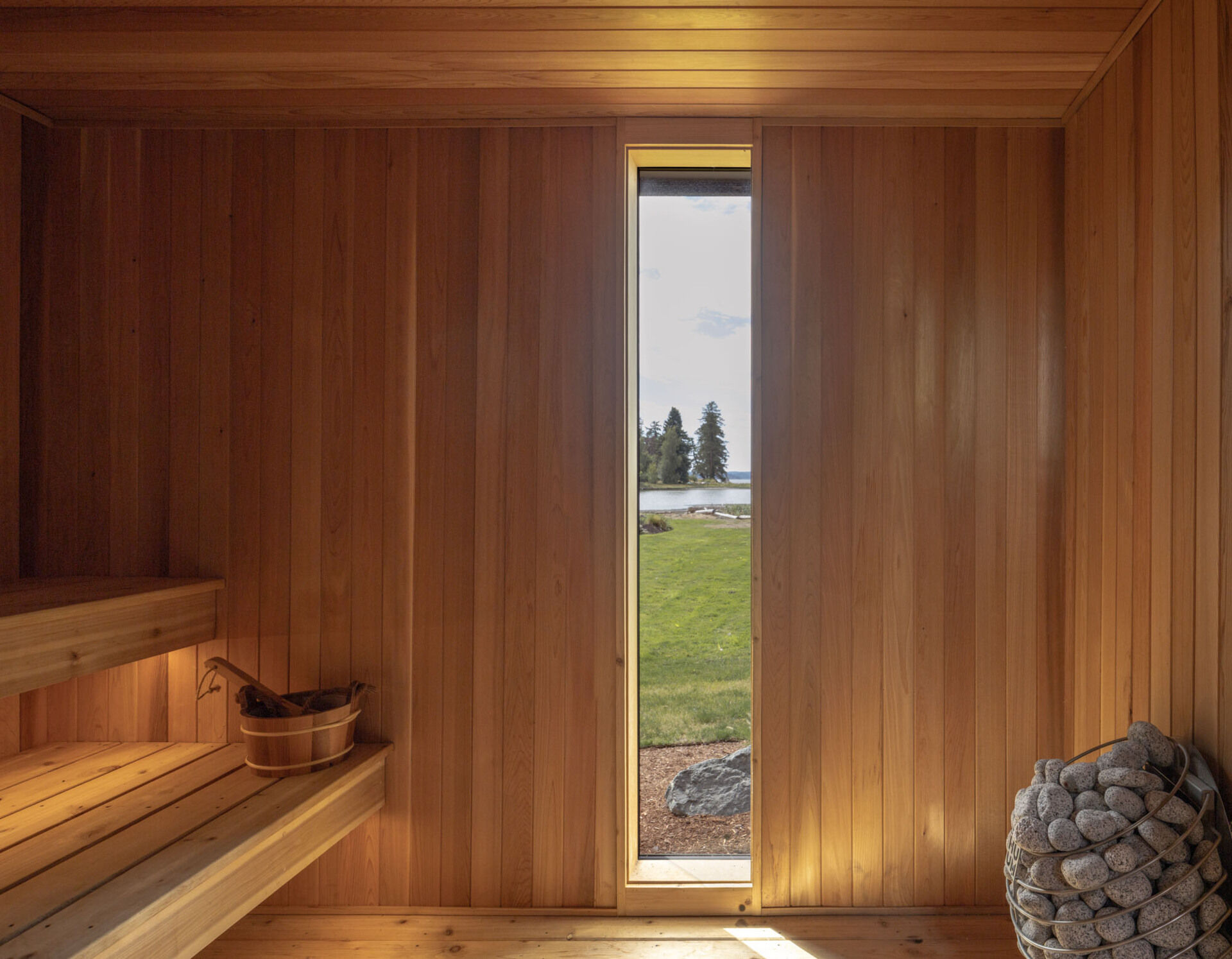
A Sauna Completes the Wellness-Focused Design
Adding to the home’s focus on comfort and longevity, the sauna provides a dedicated place to unwind and recharge.
Its inclusion reflects the Scandinavian influences found throughout the project while complementing the home’s emphasis on long-term living and wellbeing.
Drawings That Reveal a Smart Layout
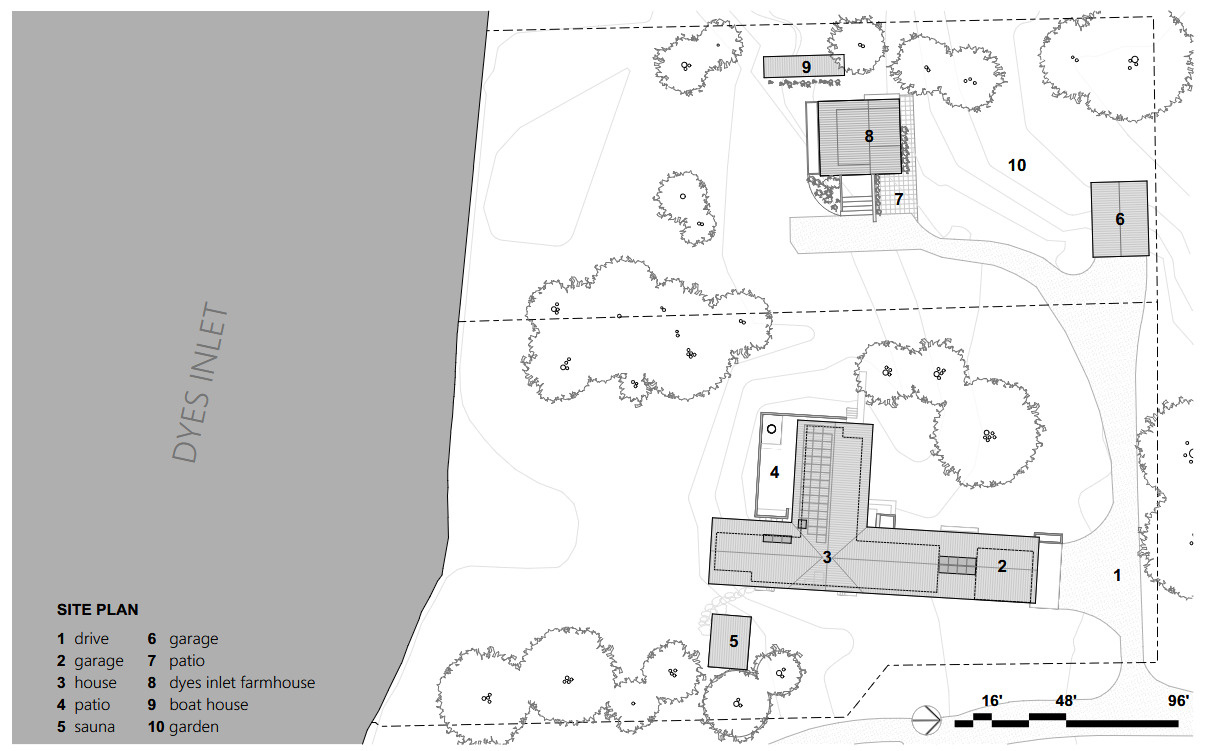
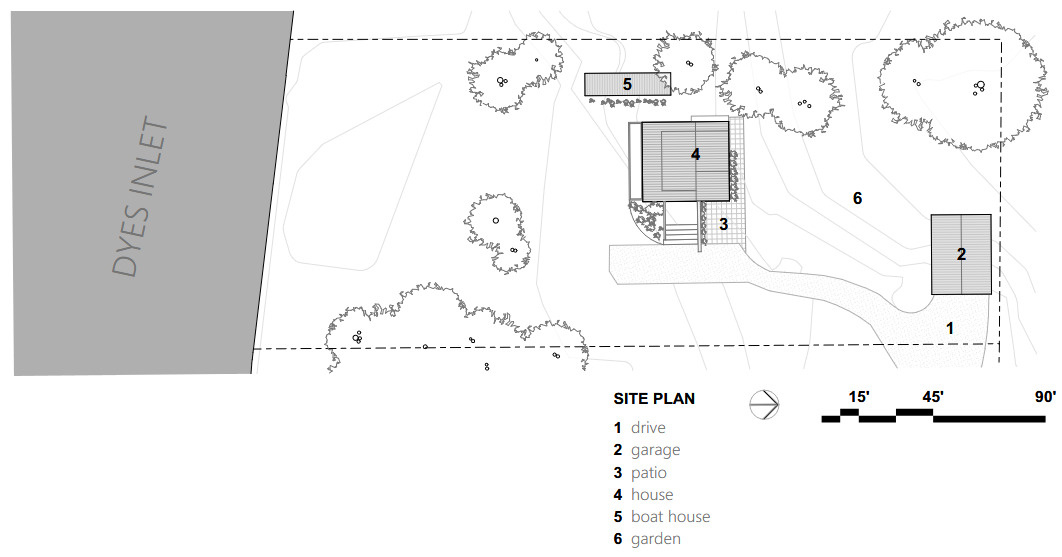
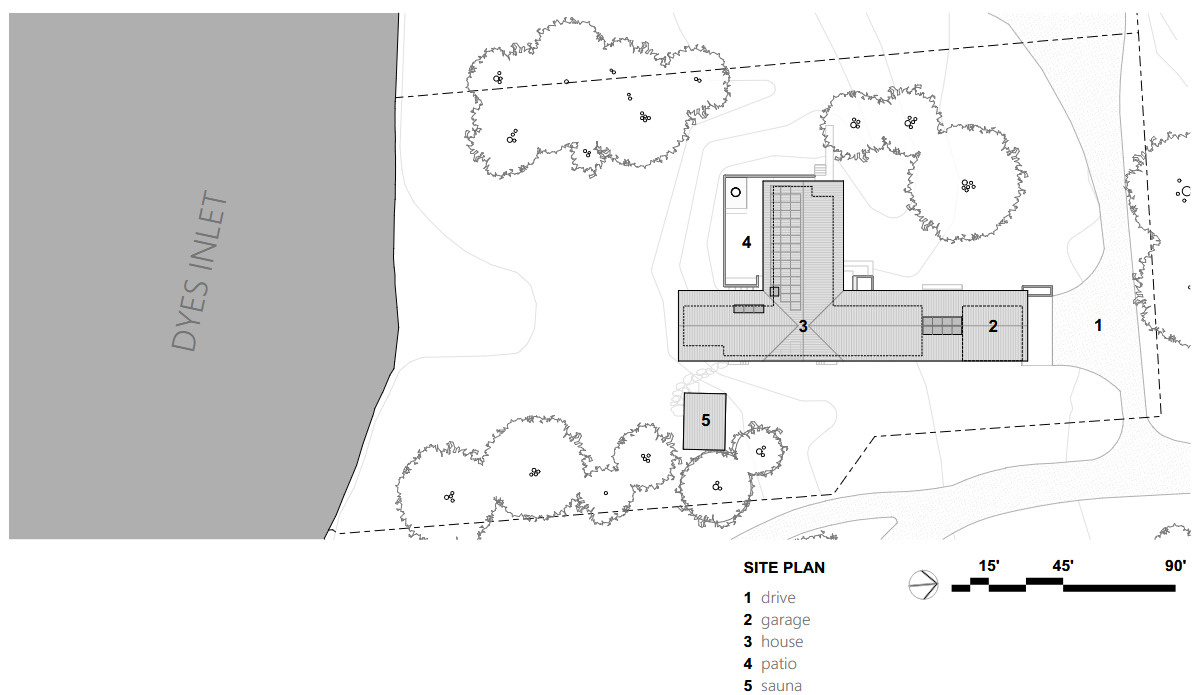
The site plan illustrates how the home and renovated guest house work together as a cohesive family compound. Building placement helps organize the property into distinct zones while maximizing views toward Dyes Inlet.
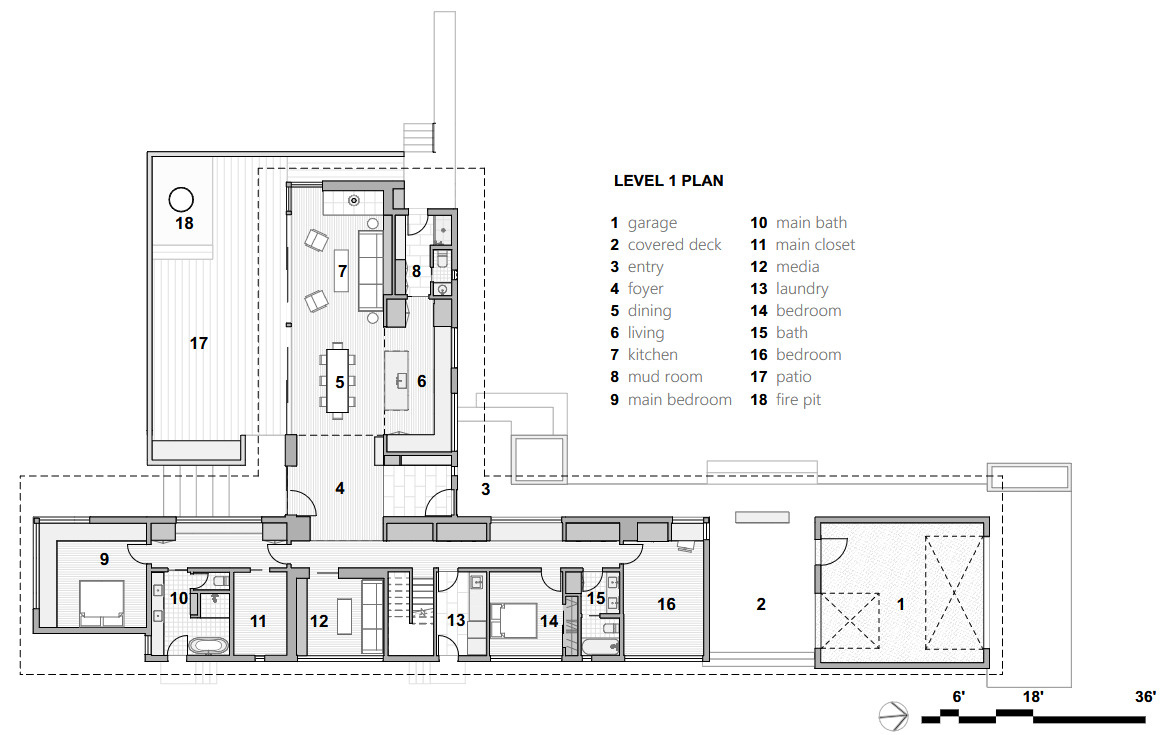
The floor plan clearly separates public and private functions. Shared living areas occupy the east-west wing, while bedrooms line the north-south wing. This arrangement creates privacy without sacrificing connection, ensuring that every part of the home feels linked to the landscape and water beyond.
Dyes Inlet House combines timeless Scandinavian influences with modern performance standards and Pacific Northwest character. Its intersecting gabled forms, vaulted interiors, and natural materials create a home that feels welcoming and enduring, while its energy-efficient systems support comfortable living for years to come.