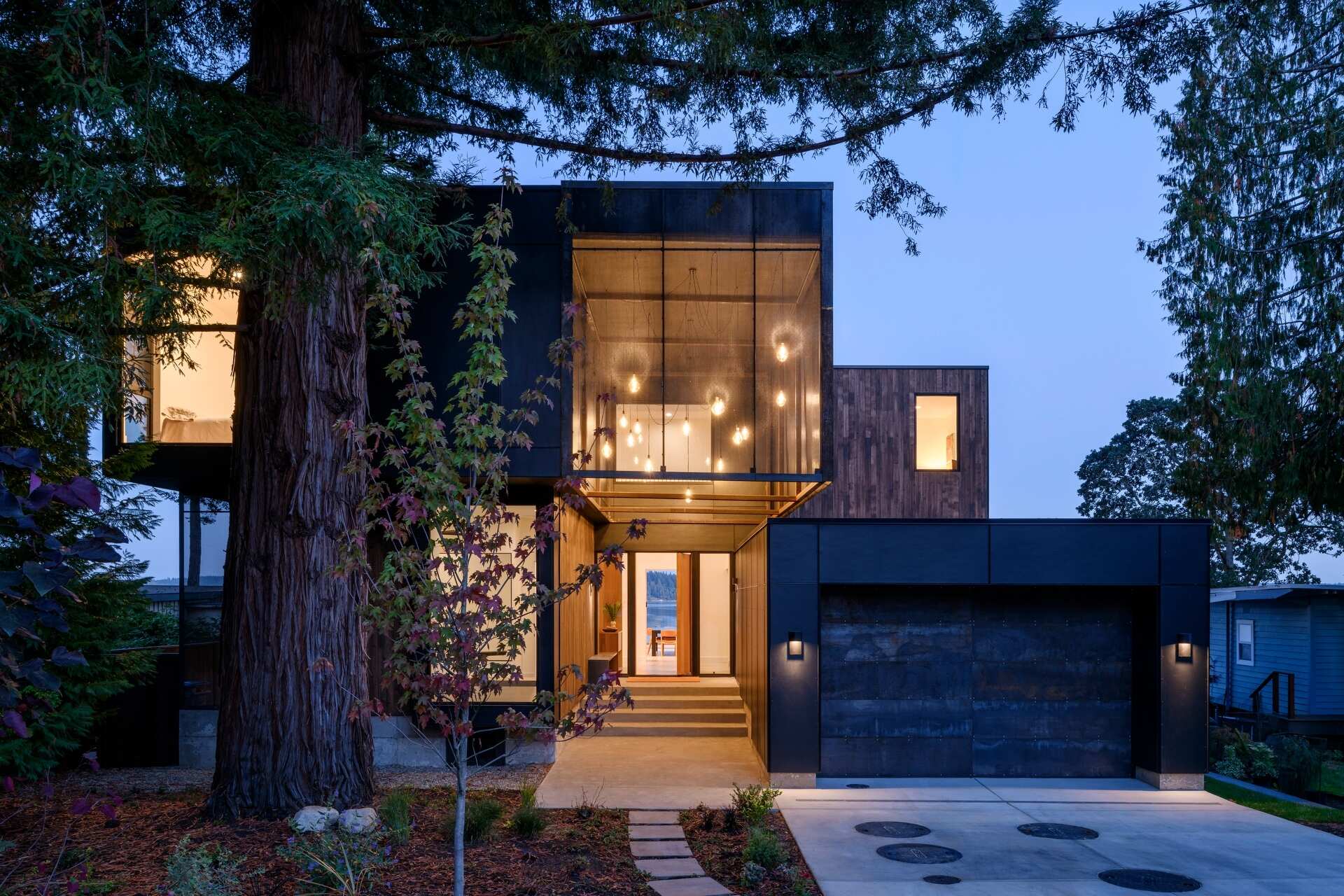
Set in Case Inlet, Washington, Lantern House by Syndicate Smith replaces a beloved 1950s Pan-Abode cabin with a modern waterfront home that celebrates the family’s long connection to the island. Designed by the Leavenworth-based firm, the house blends Pacific Northwest modernism with wabi-sabi influences, creating bright, welcoming spaces filled with natural materials and views across Puget Sound.
A Family History Worth Preserving
Kristie first discovered the island as a teenager while visiting a friend’s family cabin. Years later, she and her husband Joe had the rare opportunity to purchase the neighboring 600-square-foot Pan-Abode cabin, where they spent thirteen years making memories with their two daughters.
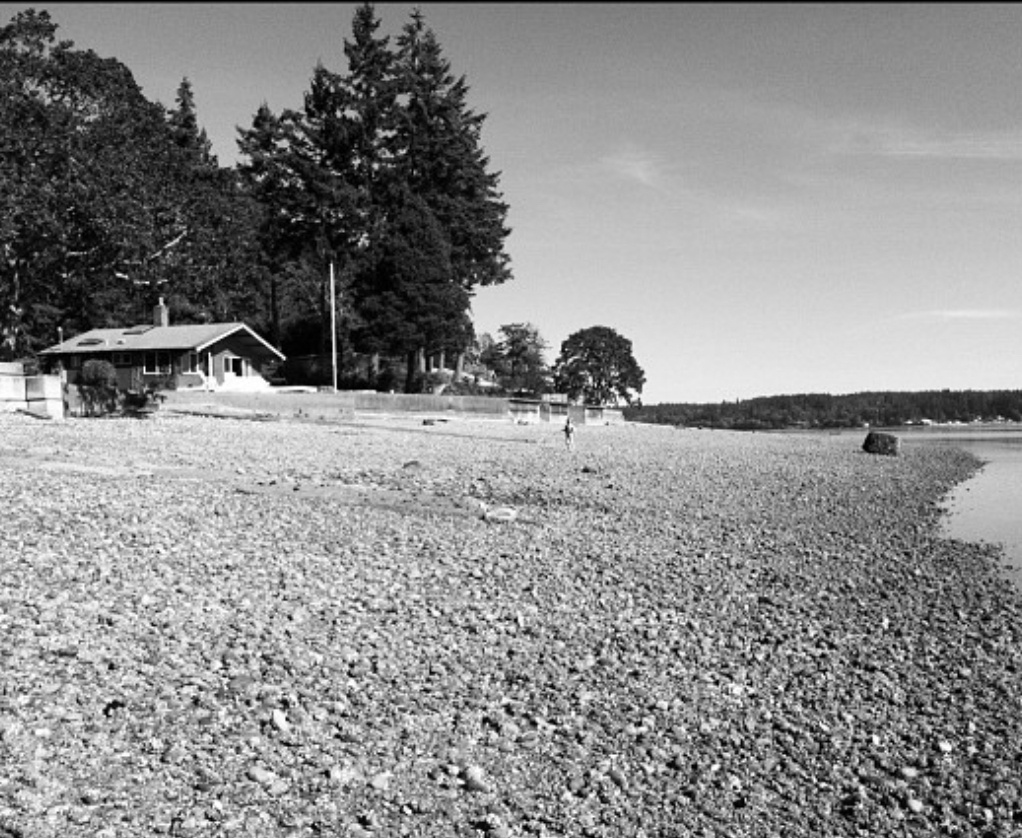
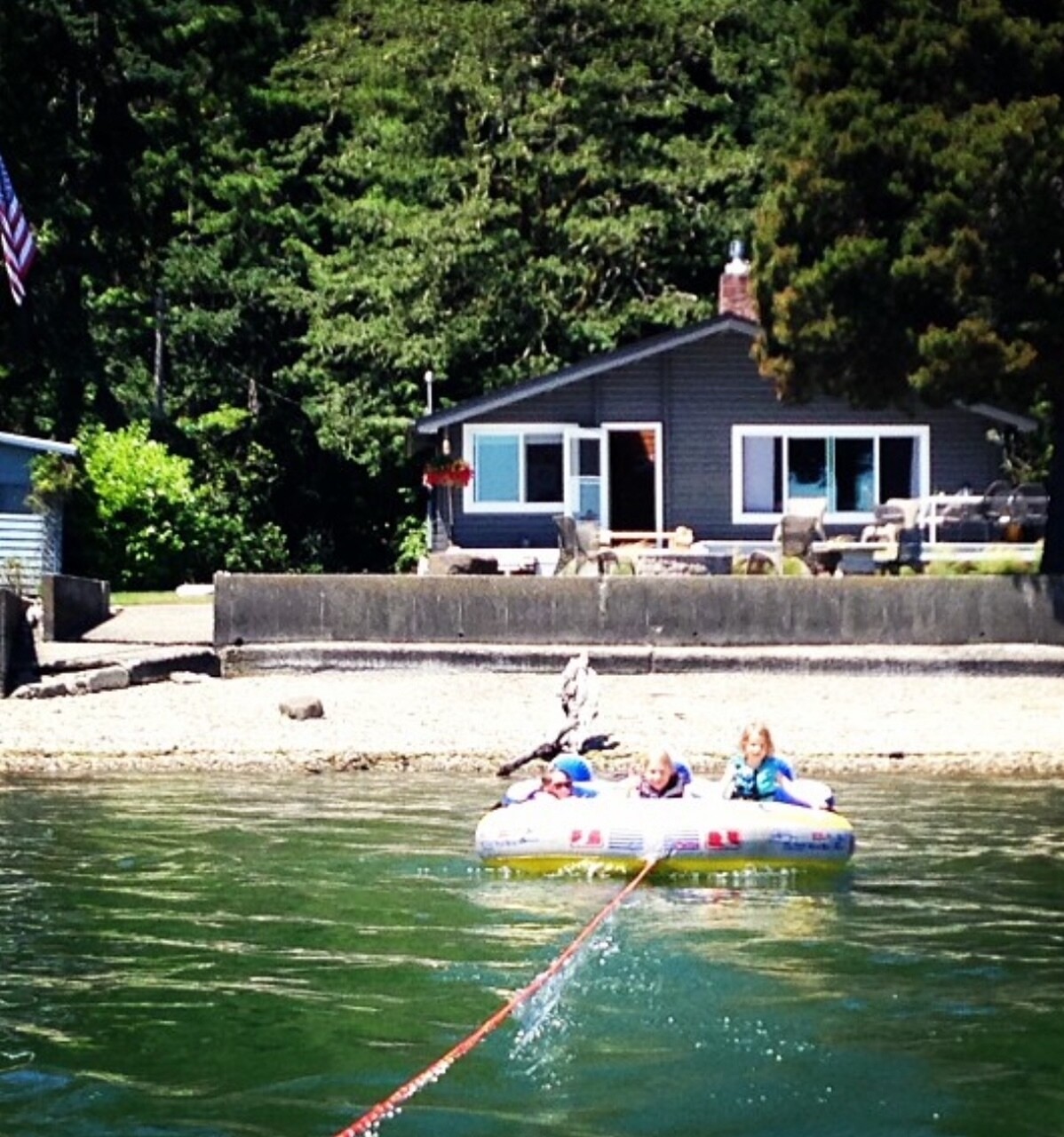
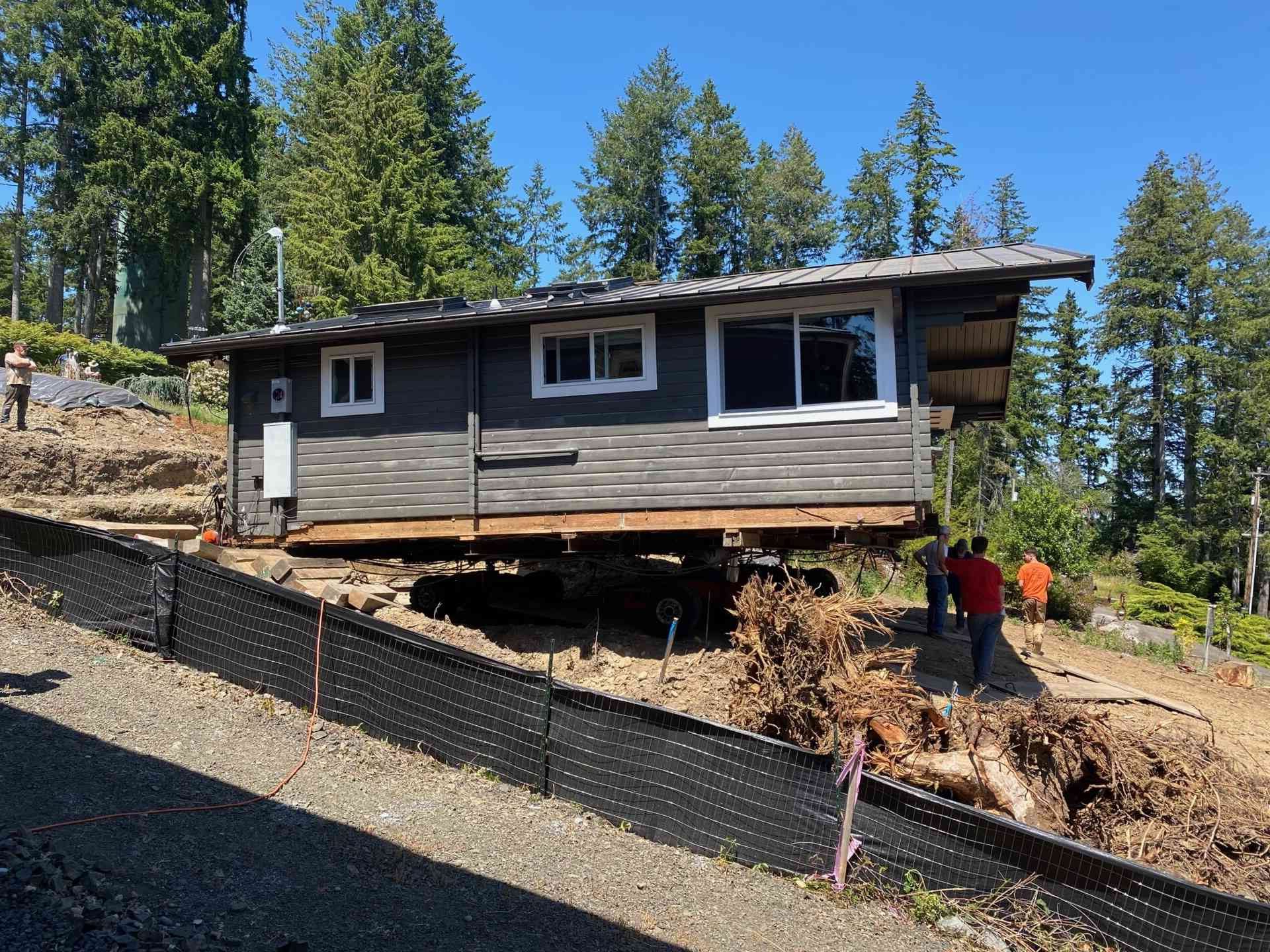
When they decided they needed more space, they chose not to remodel the original cabin. Instead, it was relocated across the street to become a guest house, preserving its history while making room for a new home on the waterfront.
Modern Design Built for the Waterfront
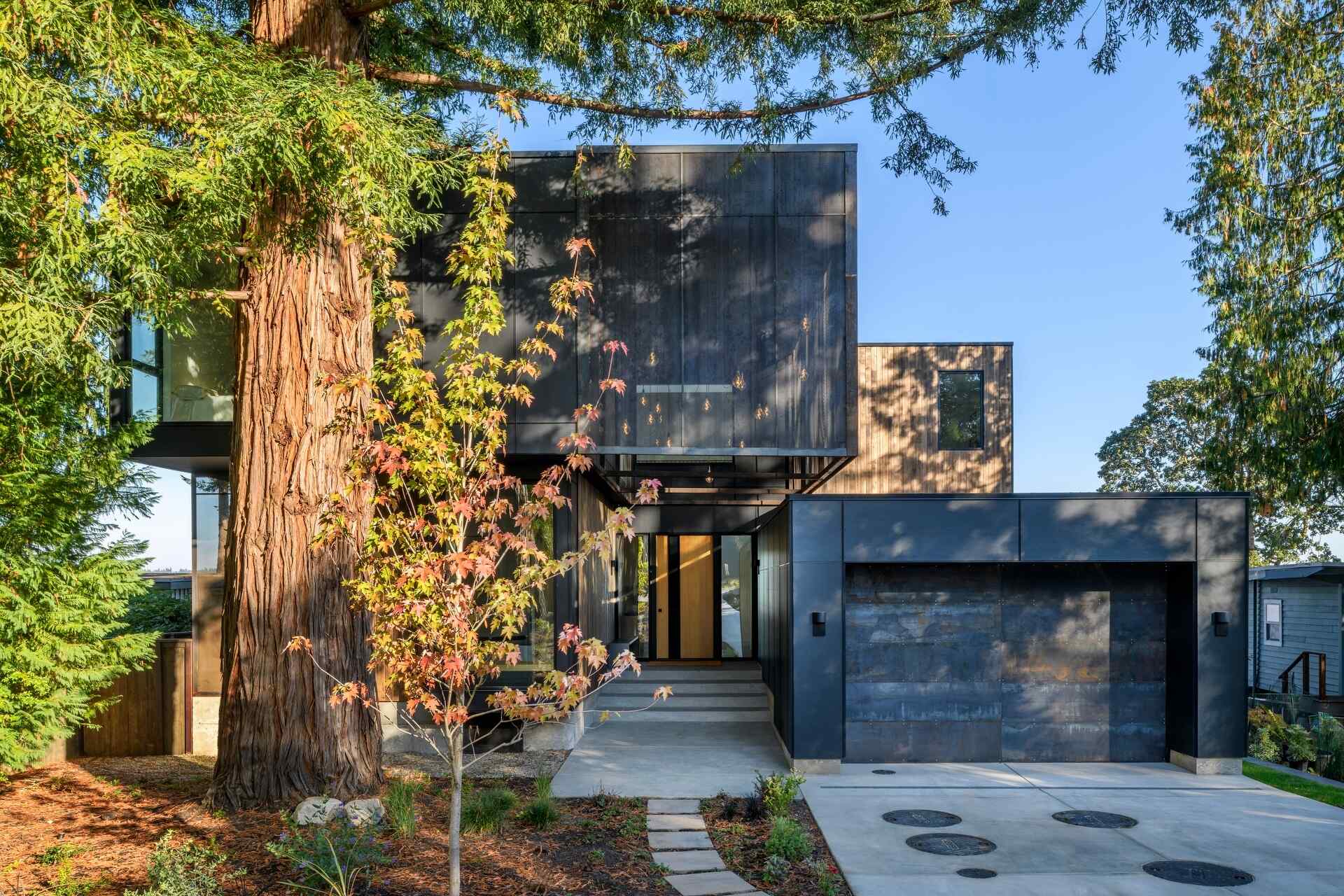
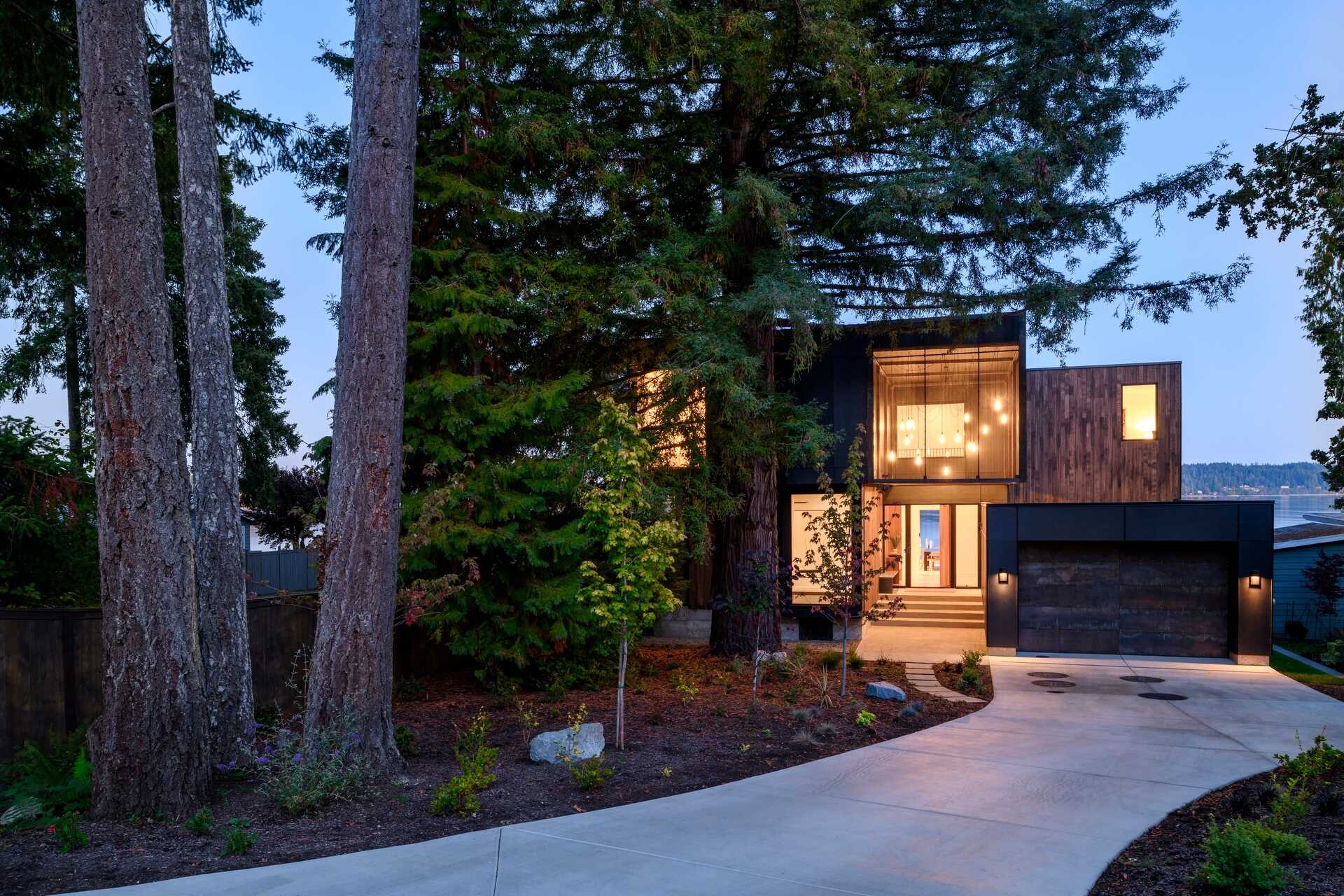
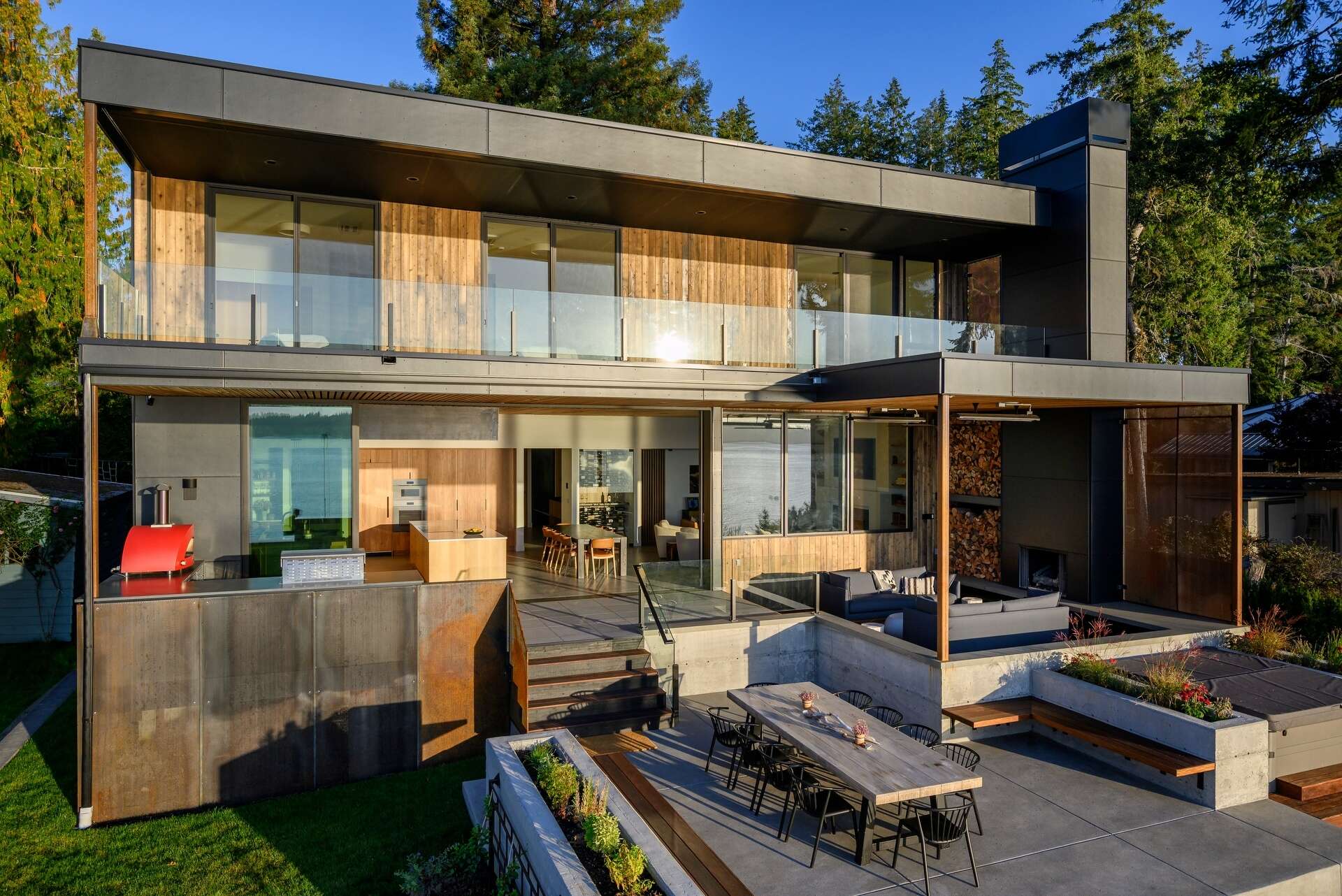
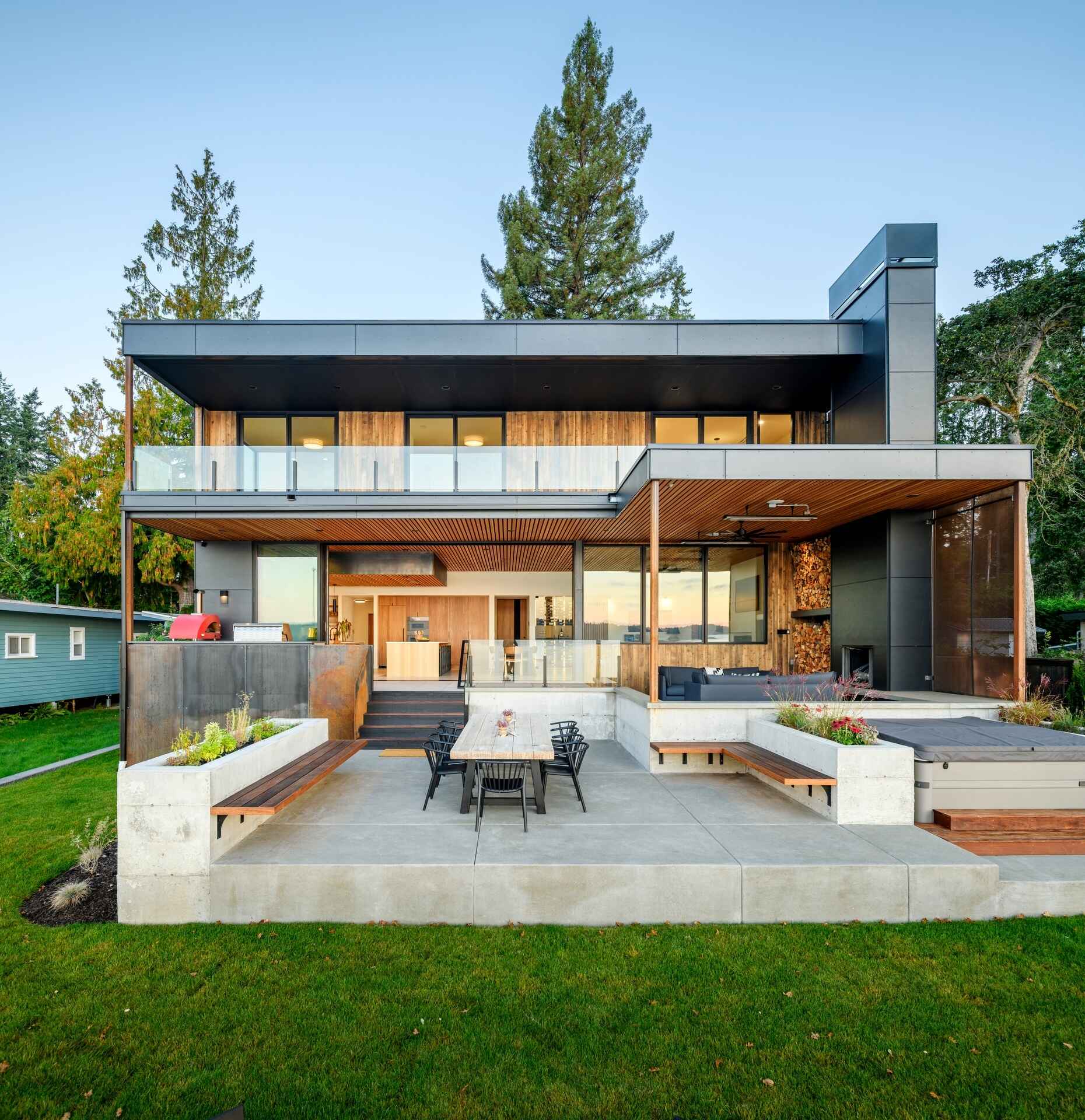
The new house follows the footprint of the original cabin while introducing a contemporary design suited to its shoreline location. Raised slightly on a porous foundation, it allows seasonal King Tide waters to move safely beneath the structure.
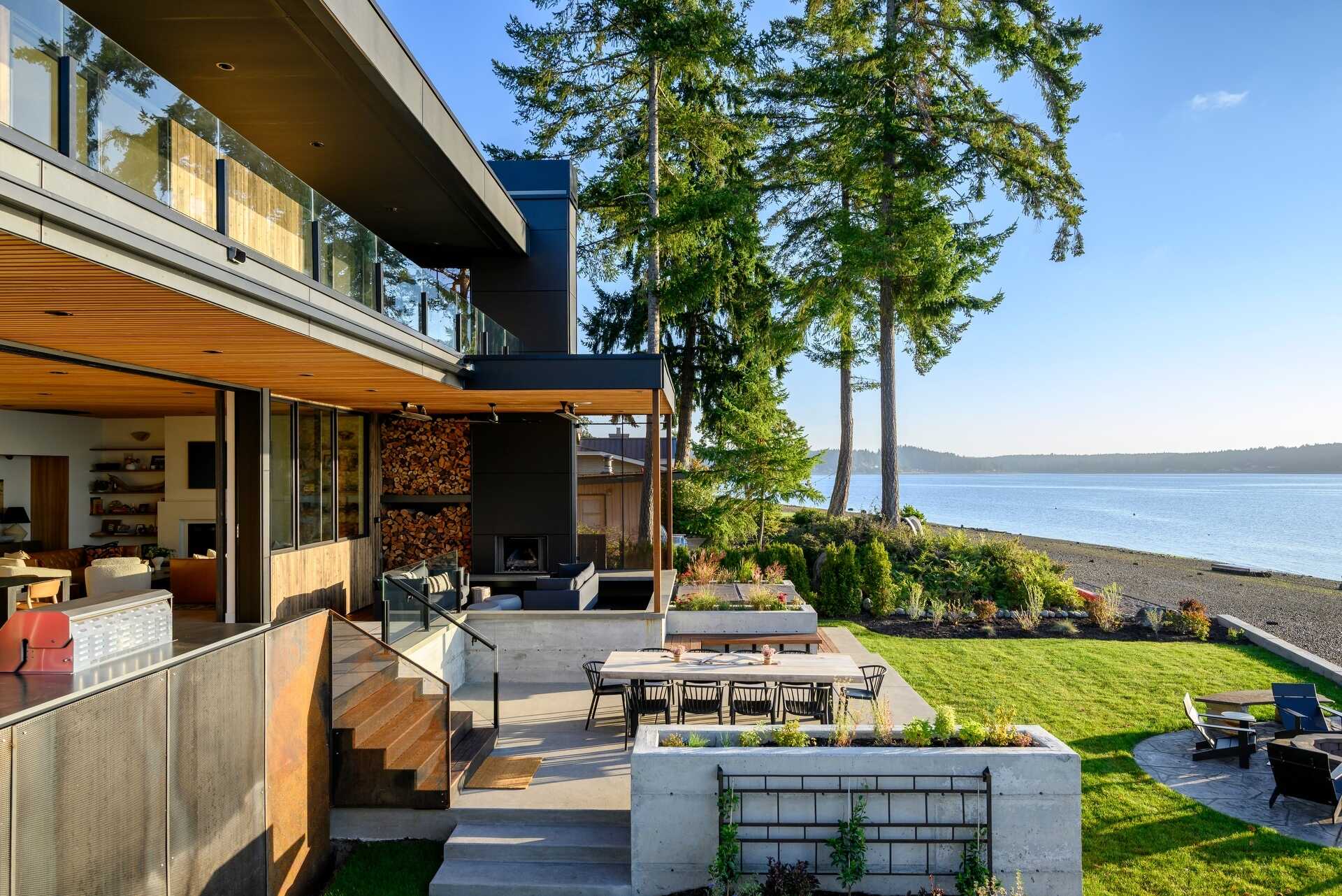
Warm timber, textured finishes, and expansive glazing give the home its Pacific Northwest character, while large decks and terraces extend the living spaces toward Puget Sound.
Why It’s Called Lantern House
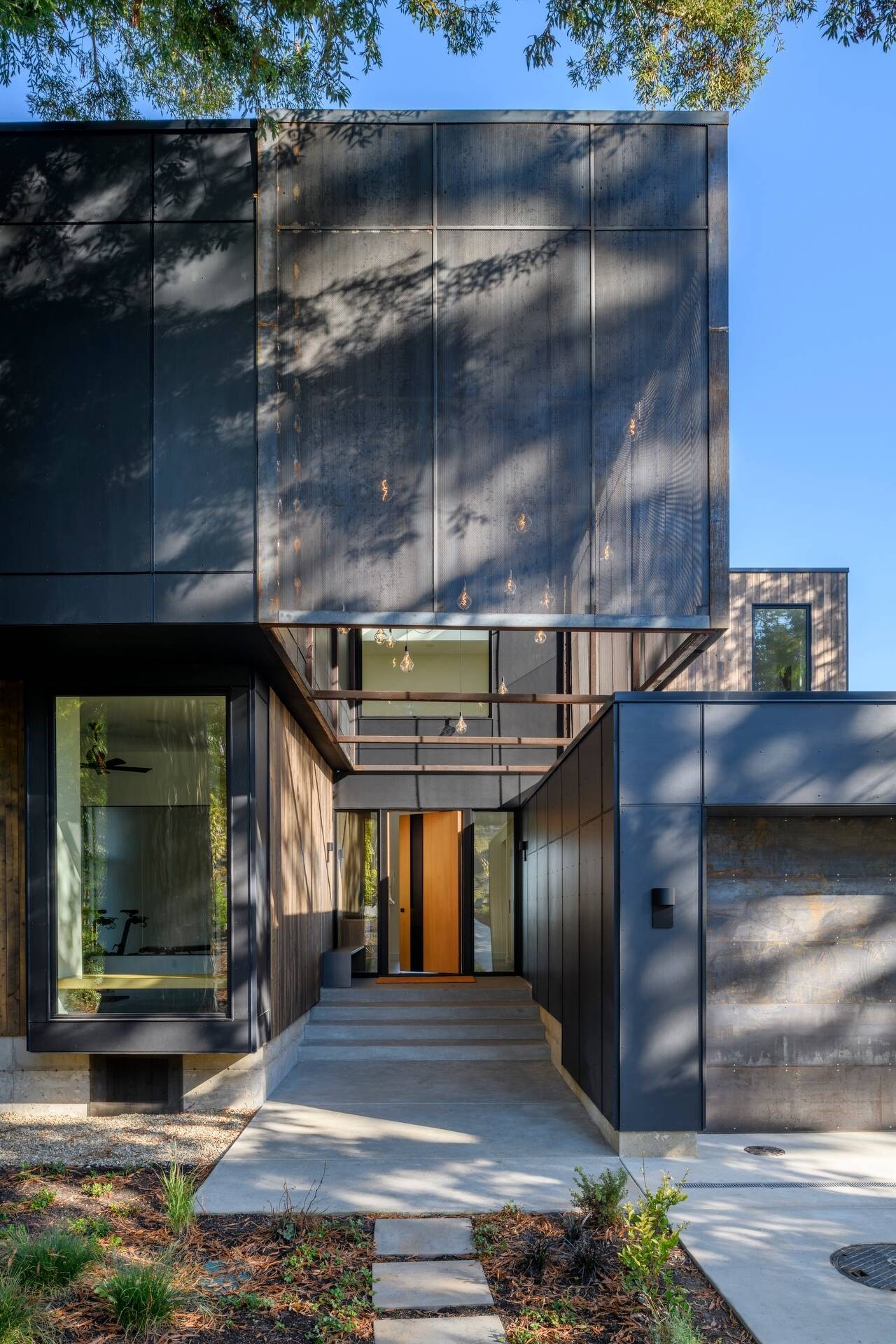
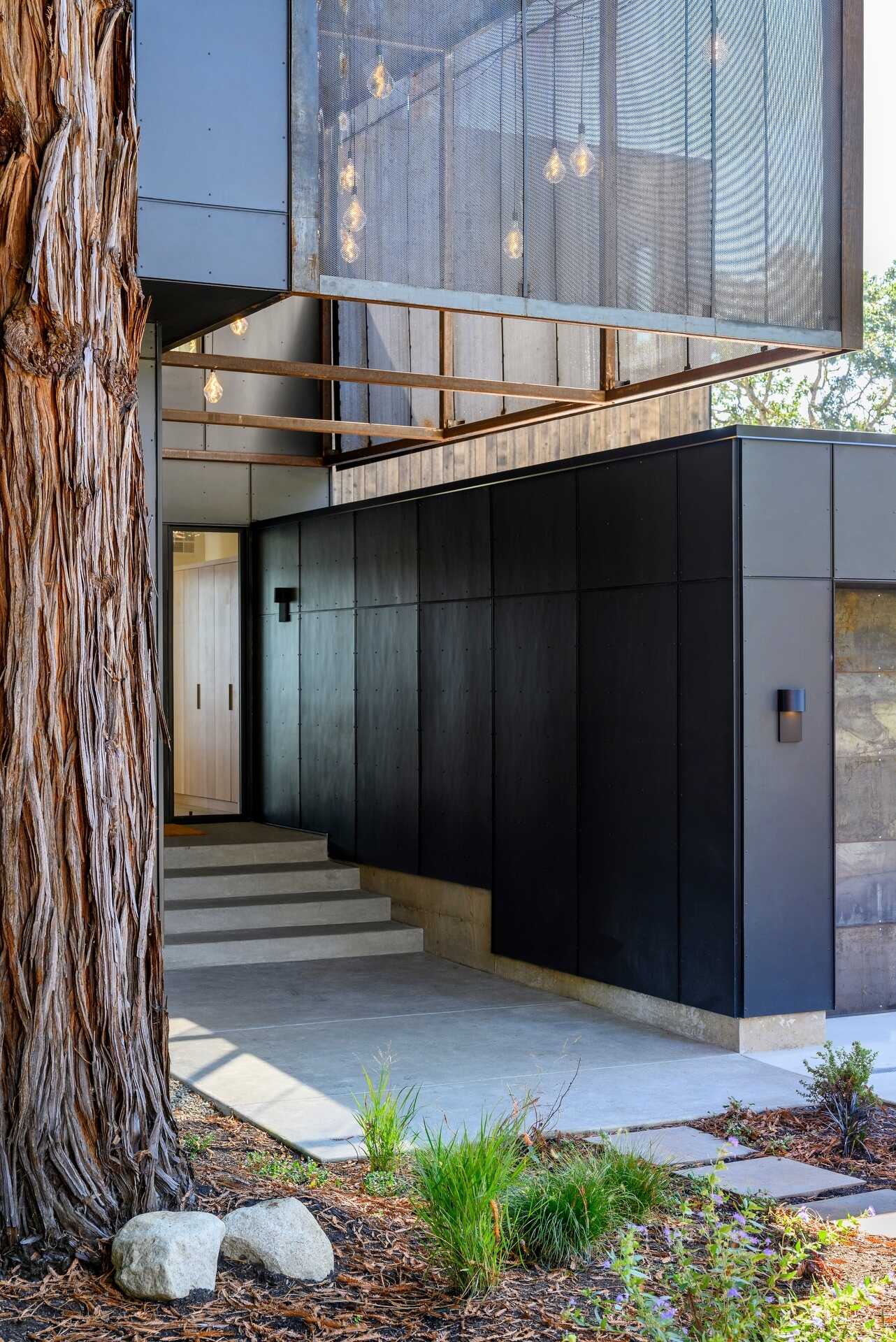
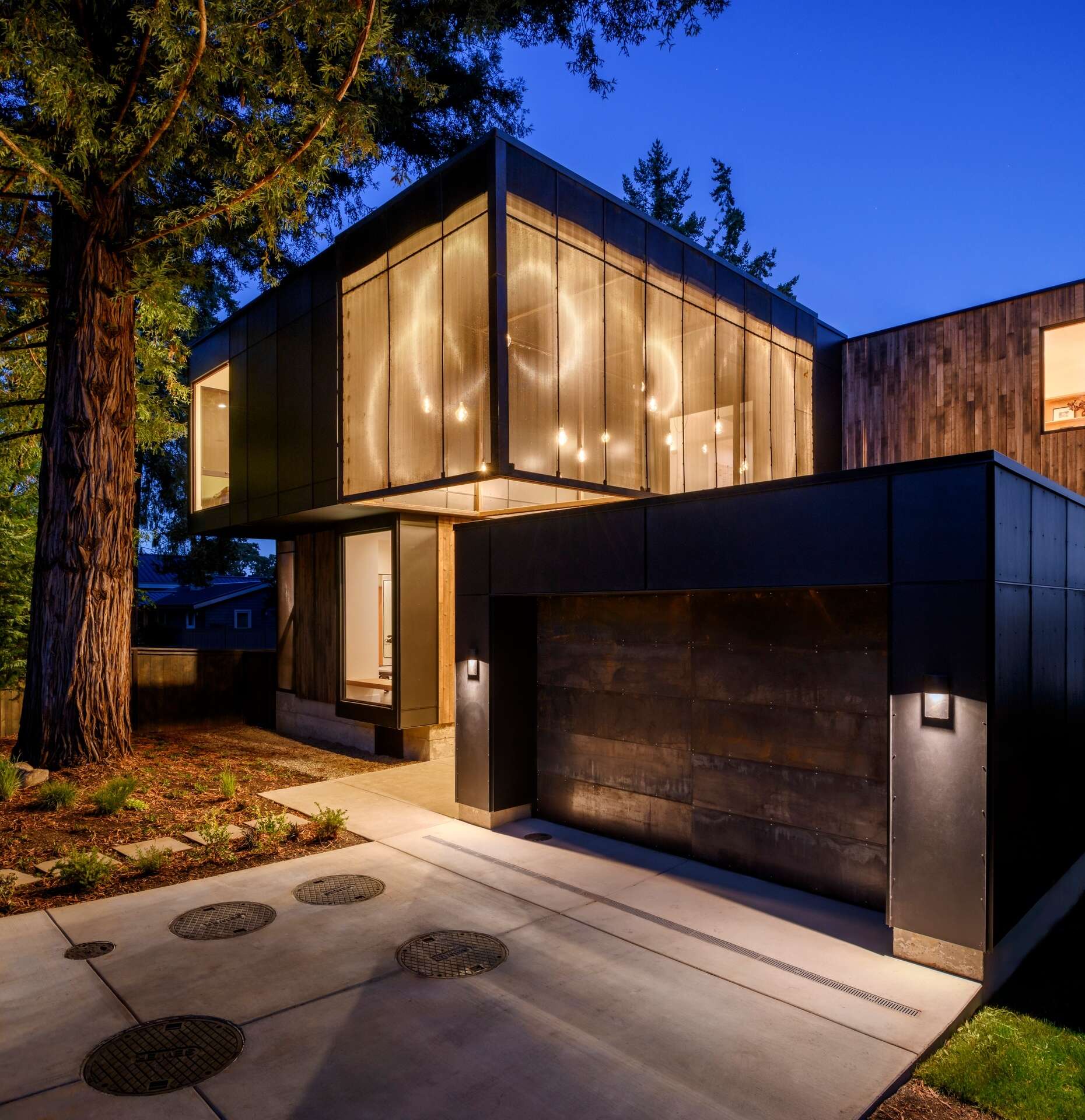
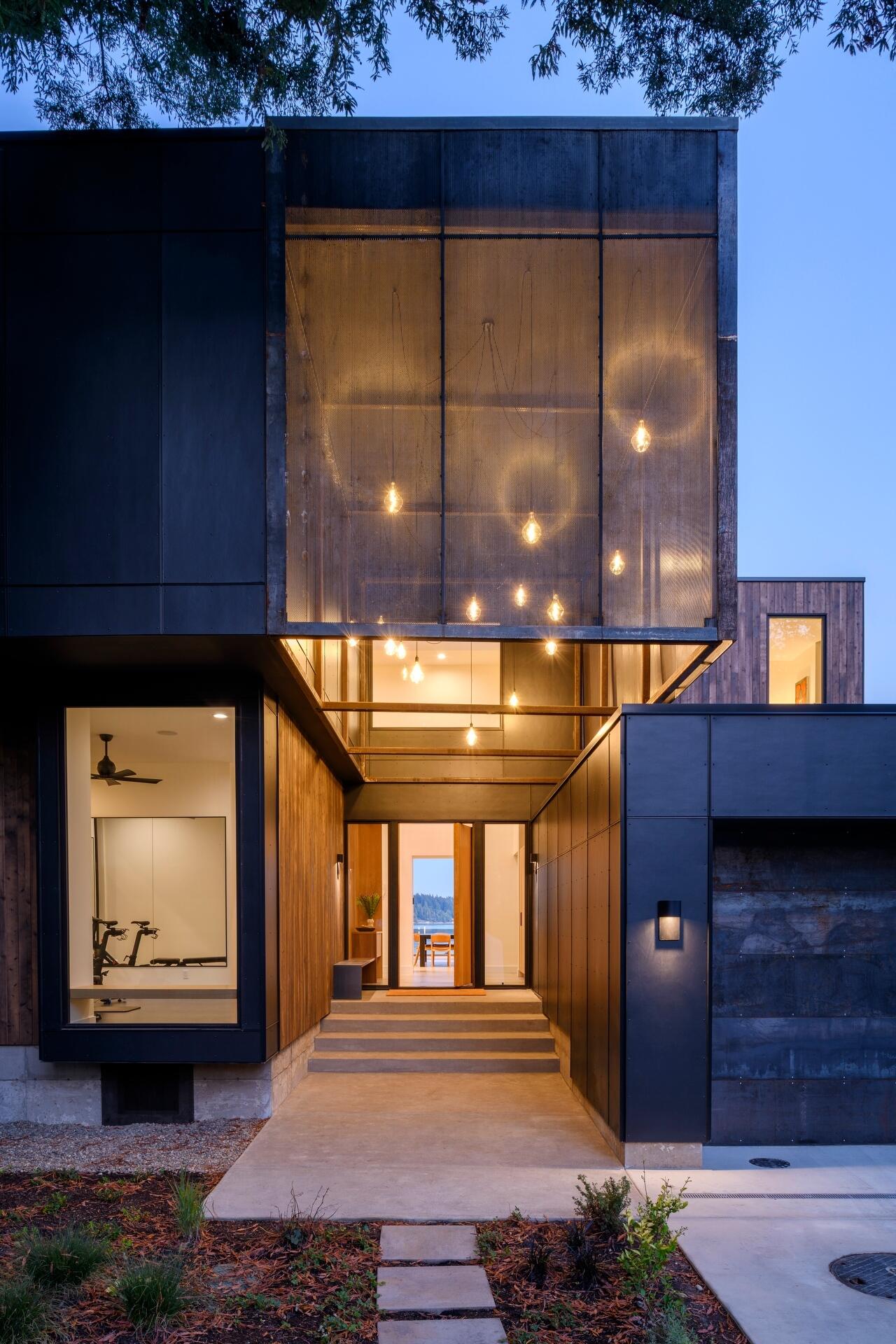
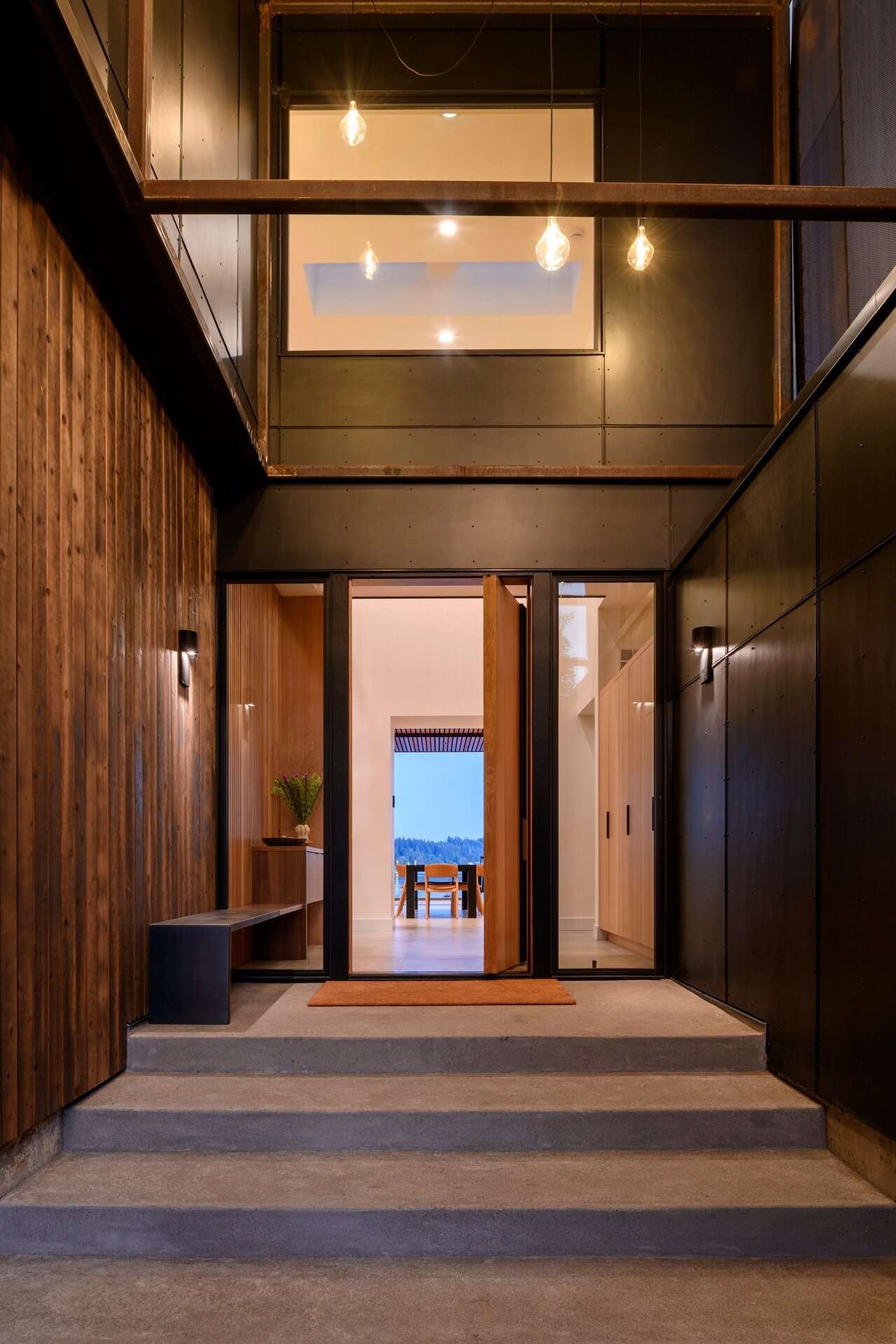
The home’s name comes from its eye-catching entrance. Framed by the island’s oldest redwood tree, suspended lanterns welcome visitors, while a perforated steel scrim softens their glow as daylight fades.
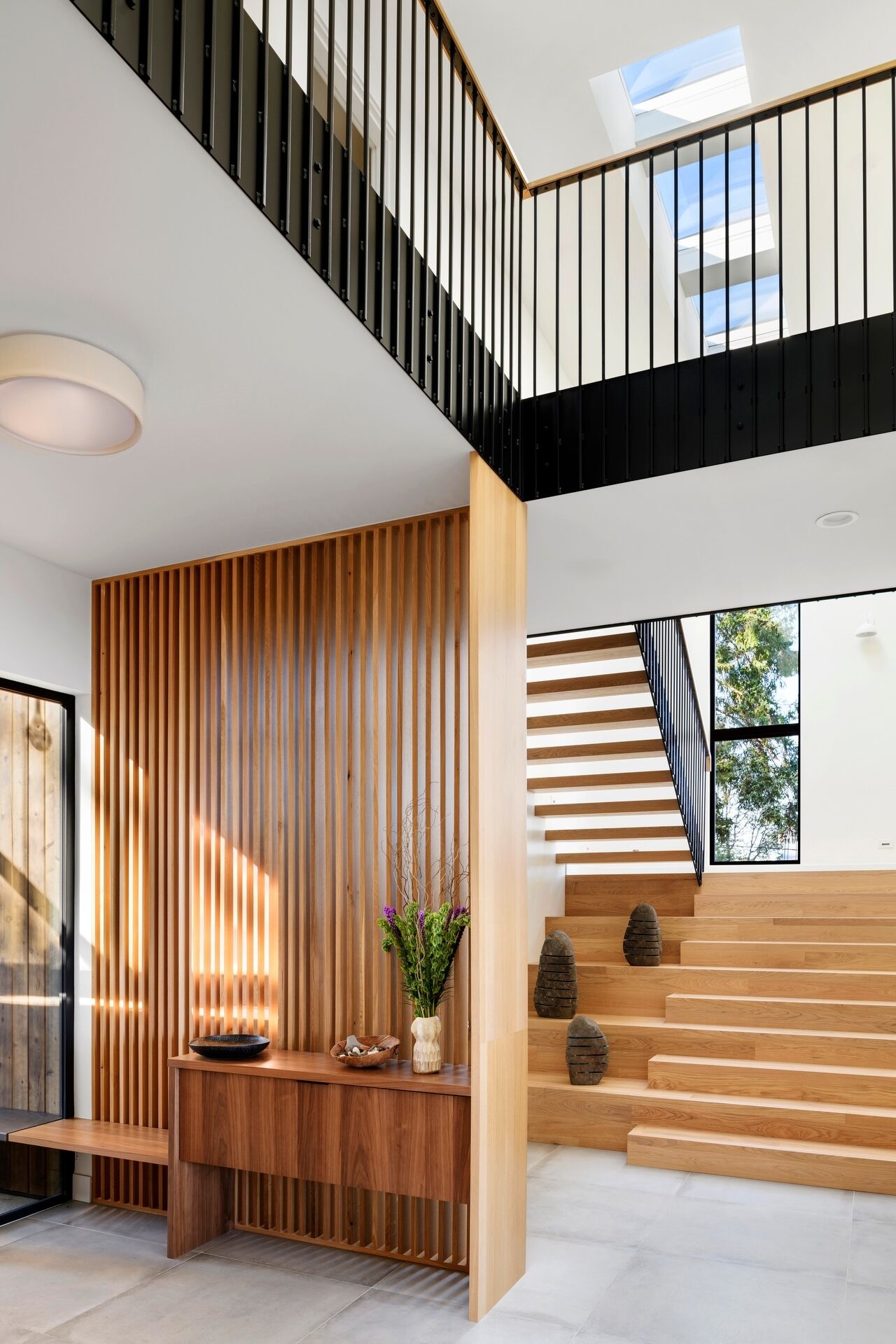
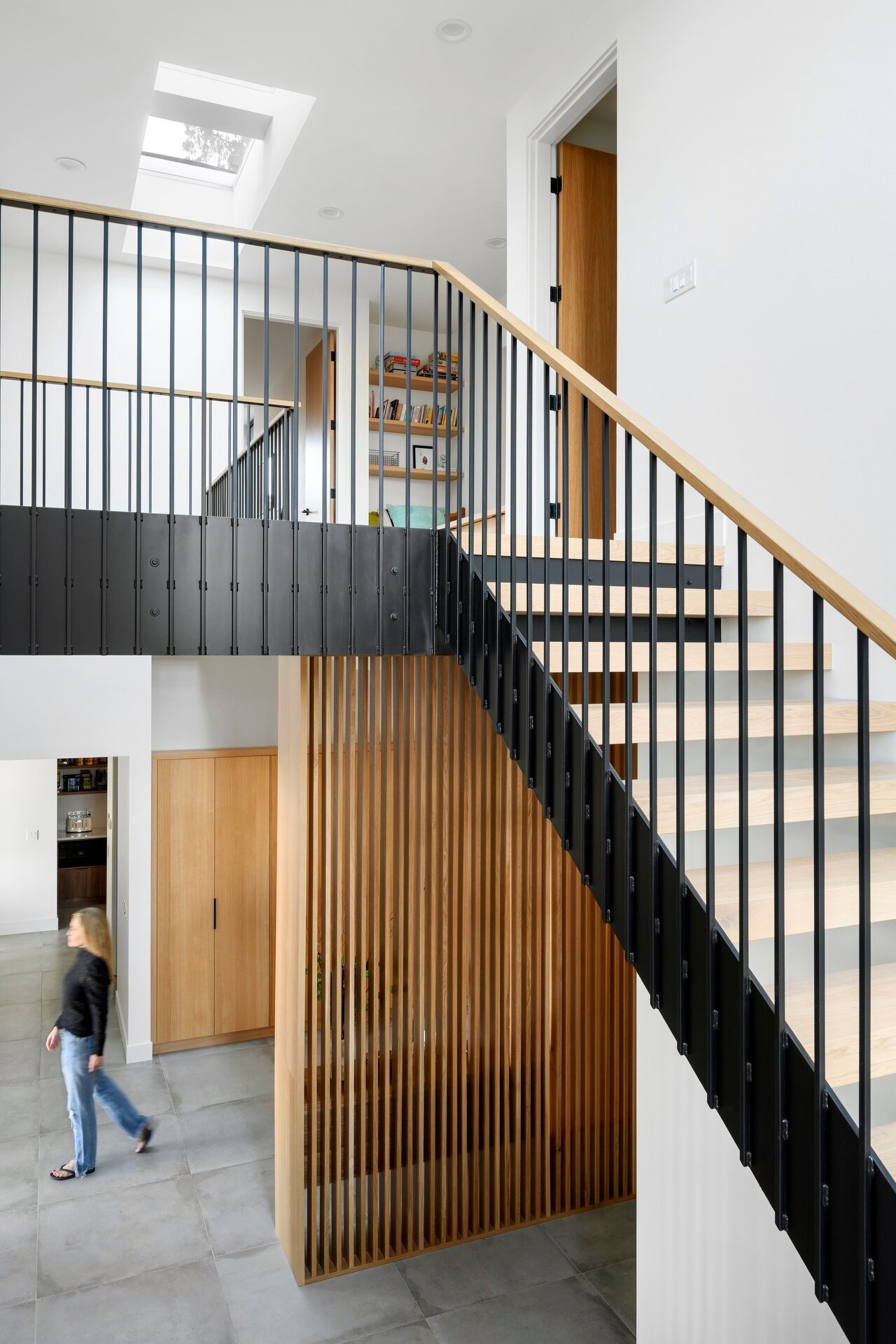
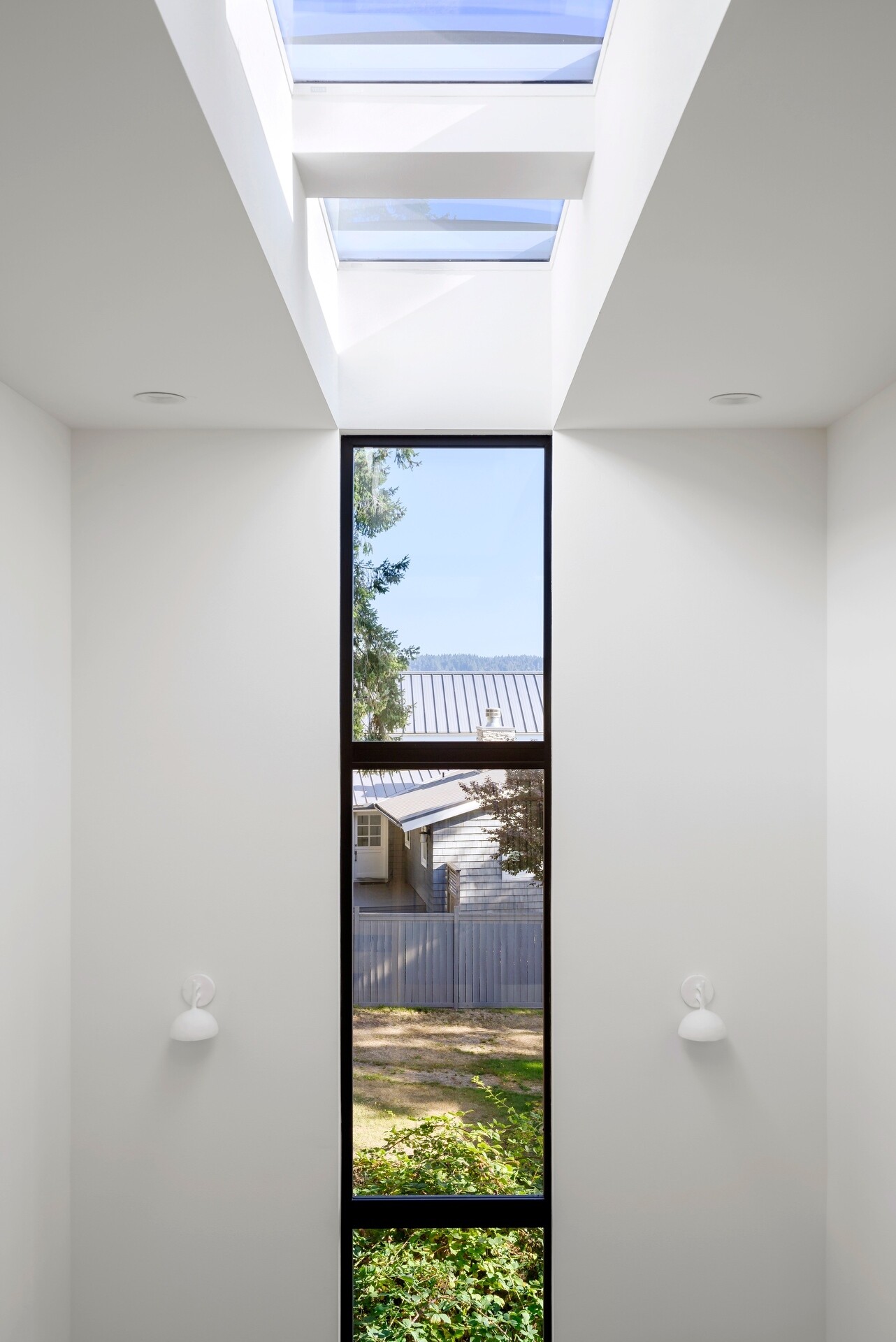
Inside, the double-height entry continues the experience with a skylight above that fills the interior with natural light throughout the day.
A Bright and Welcoming Entryway
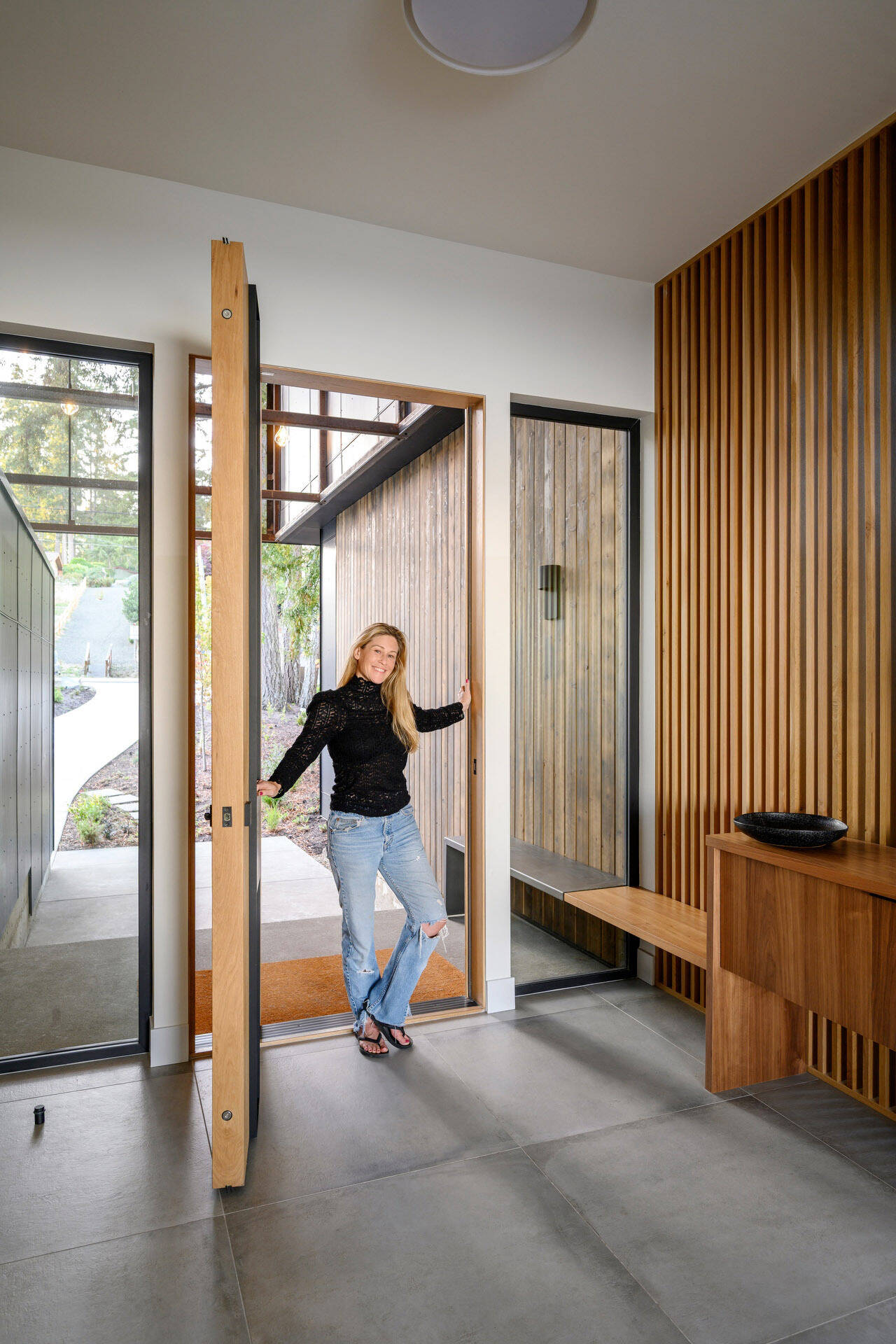
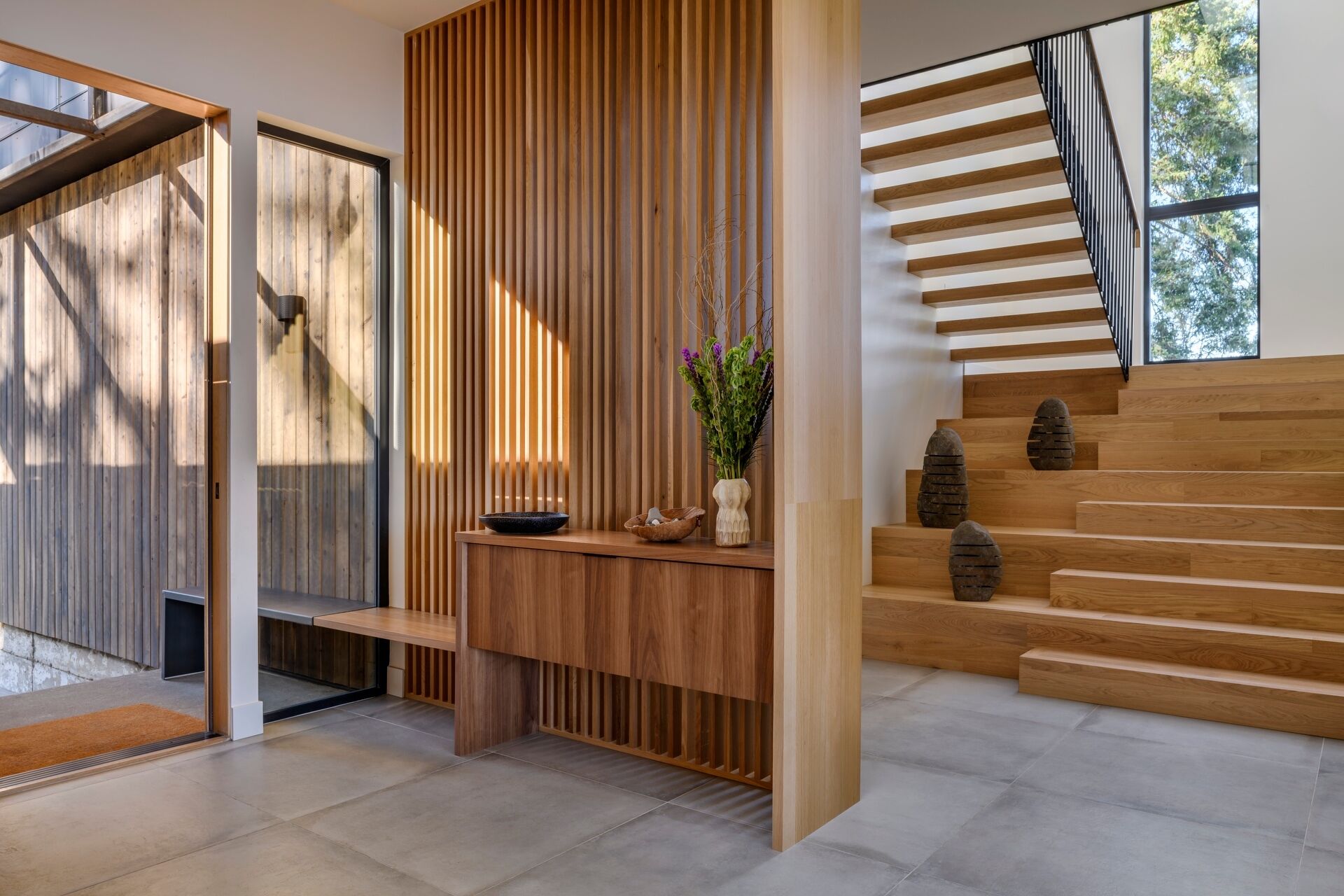
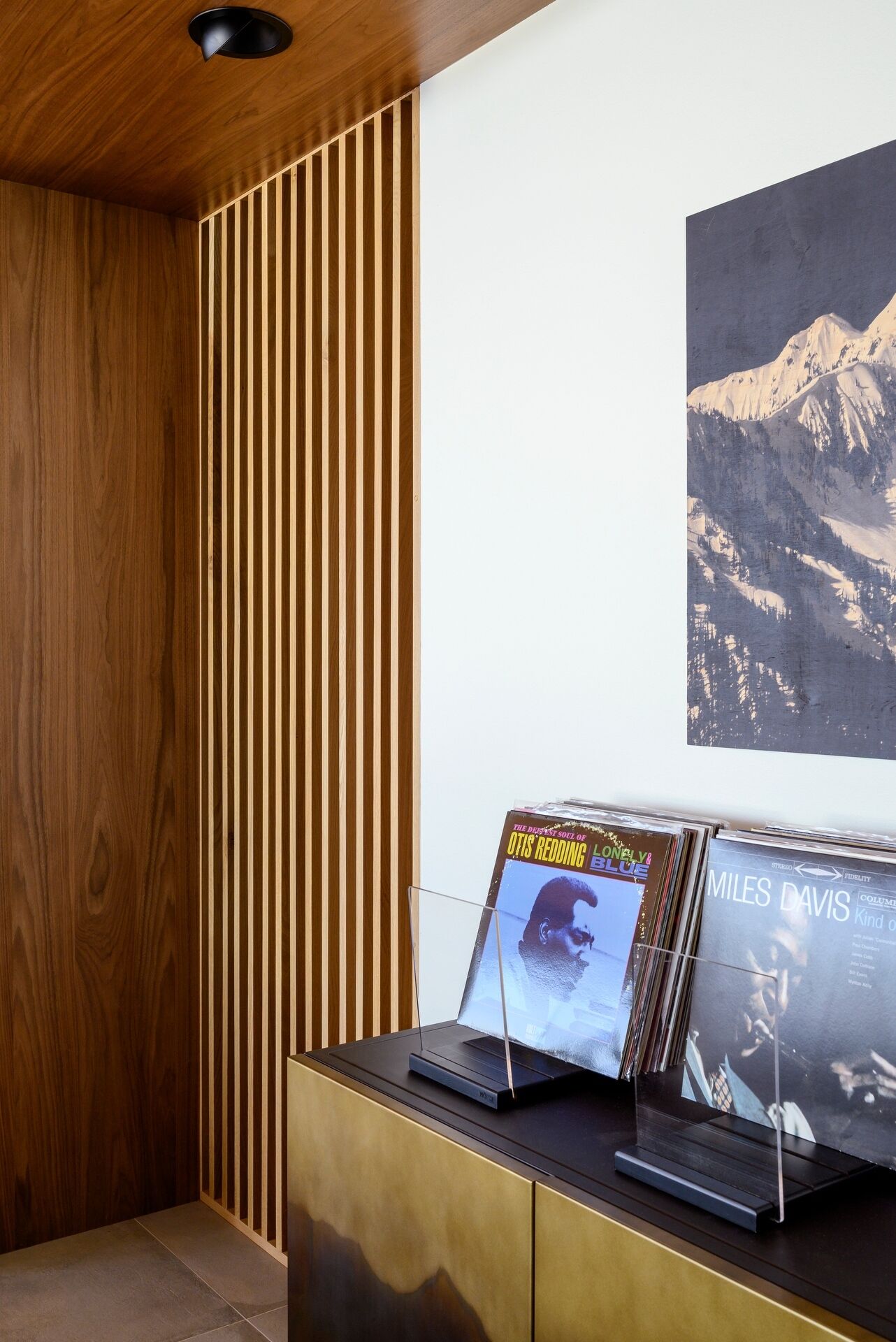
The entryway immediately introduces the home’s warm, natural palette. A bench flows from outside to inside, while a full-height wall of vertical timber battens adds texture and draws the eye upward, and a timber console provides a simple place for decorative objects.
A Living Room Designed for Gathering
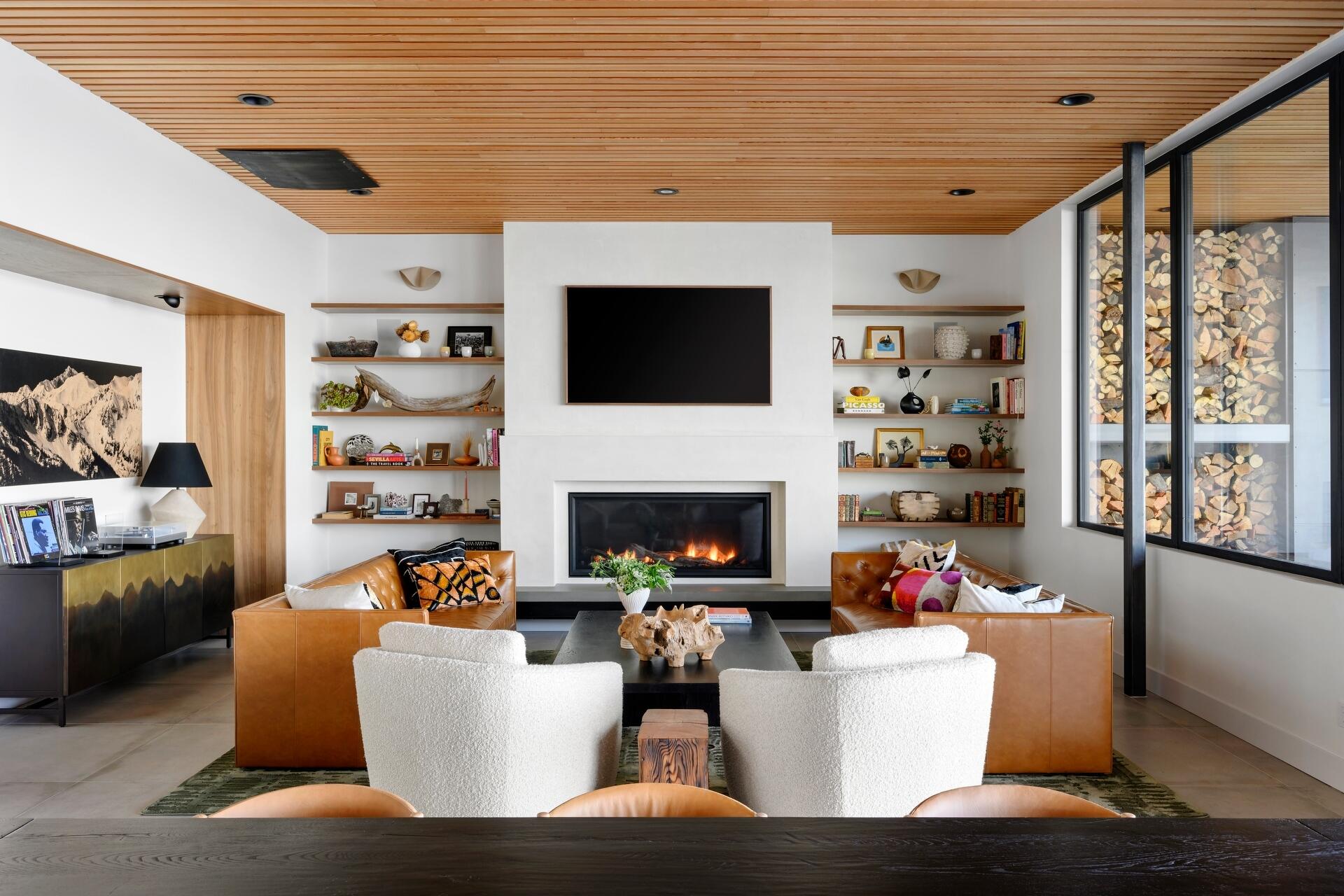
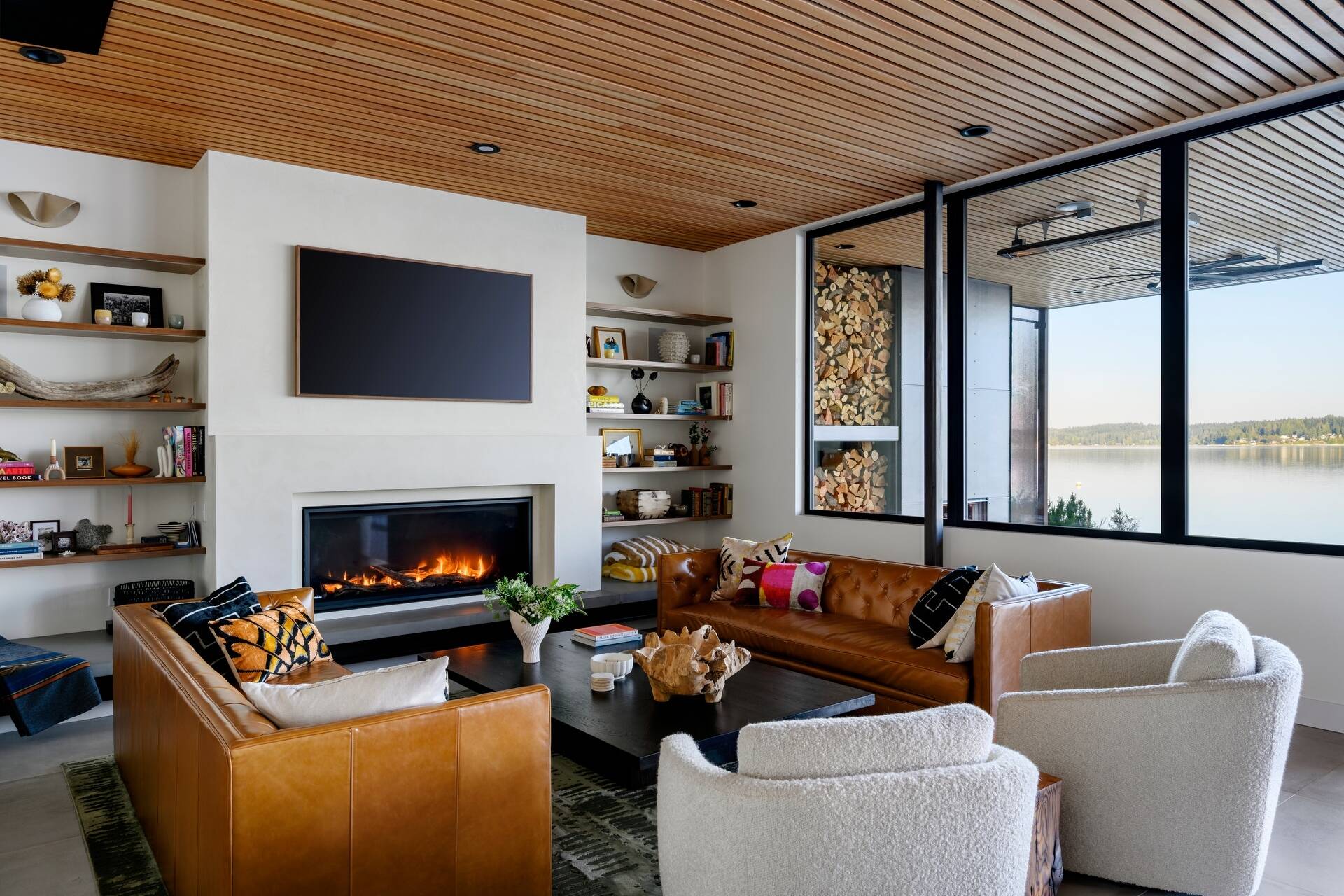
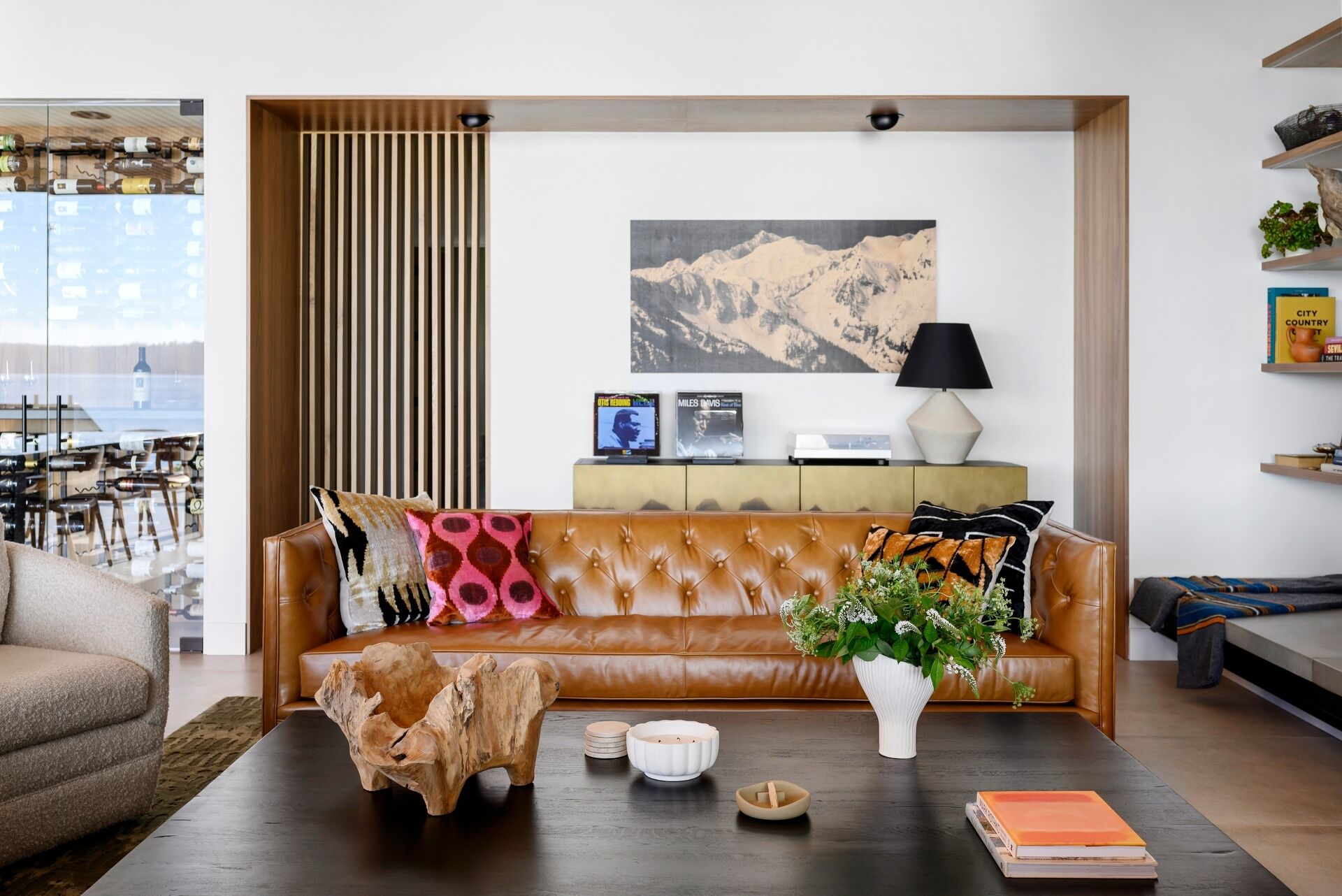
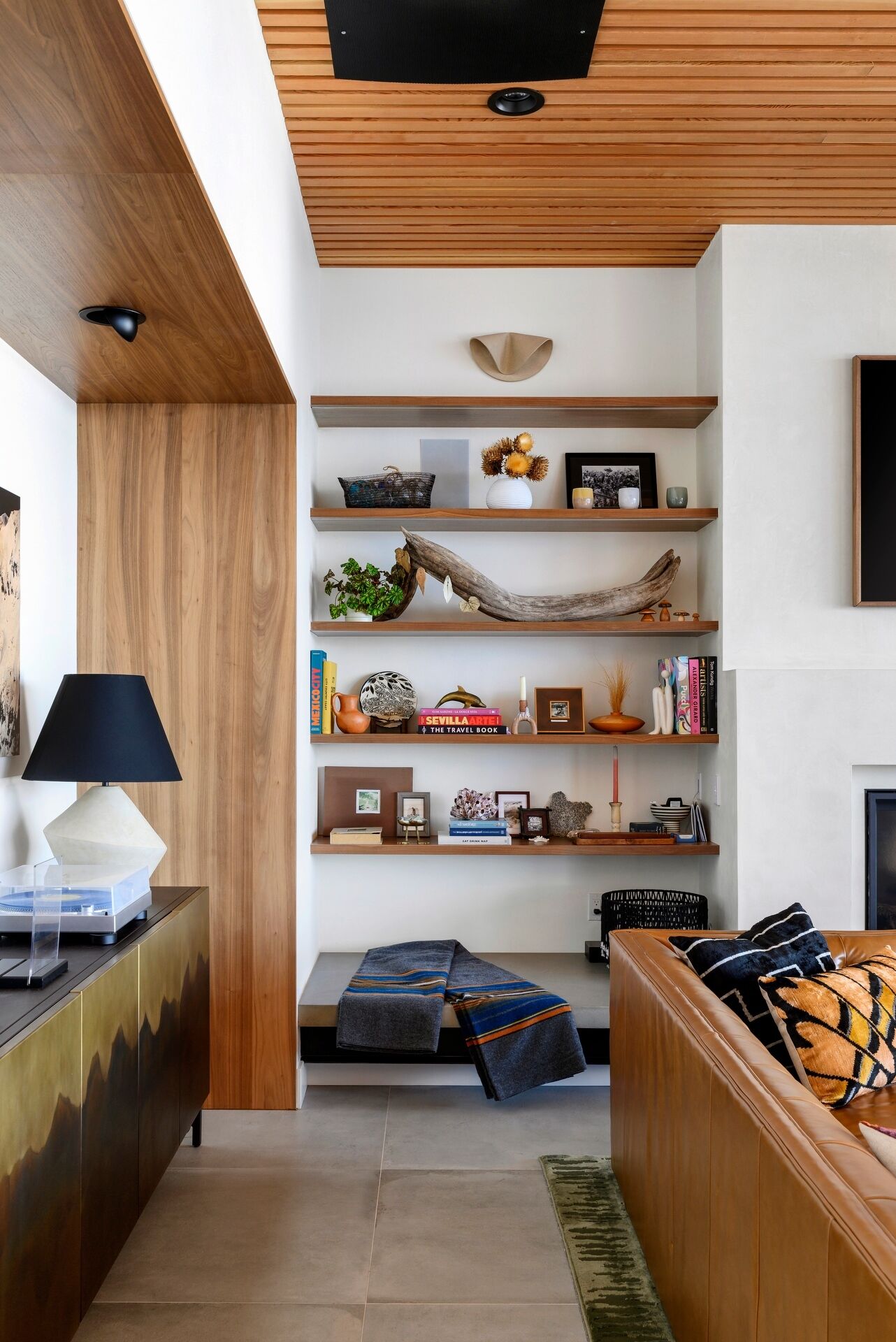
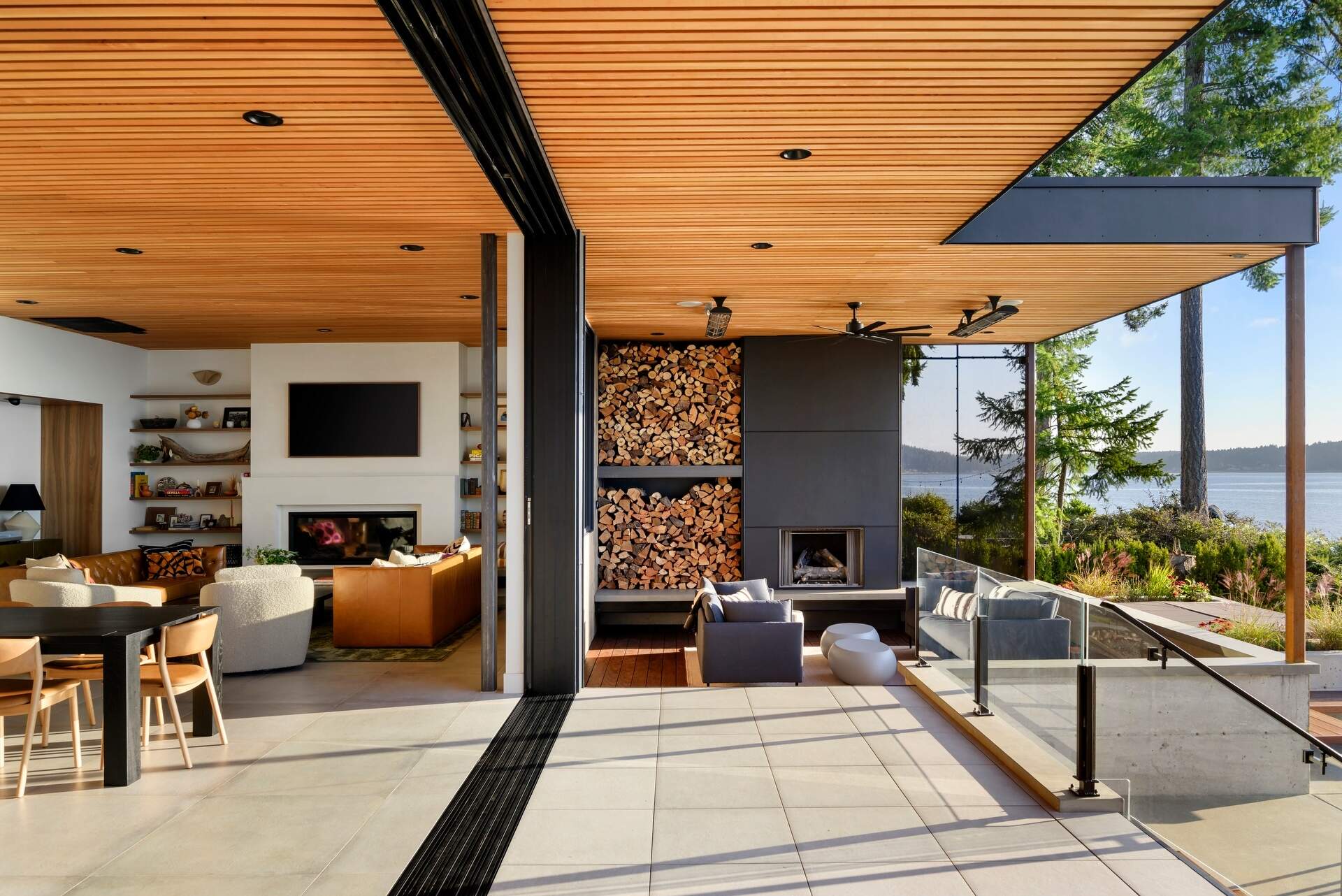
The living room brings everyone together around a large fireplace that anchors the space. Open shelving on either side displays books, artwork, and collected objects, adding personality without taking attention away from the clean architectural lines. A timber-lined ceiling introduces warmth overhead, while soft furnishings in leather and textured fabric create a relaxed, comfortable setting.
Dining With a View
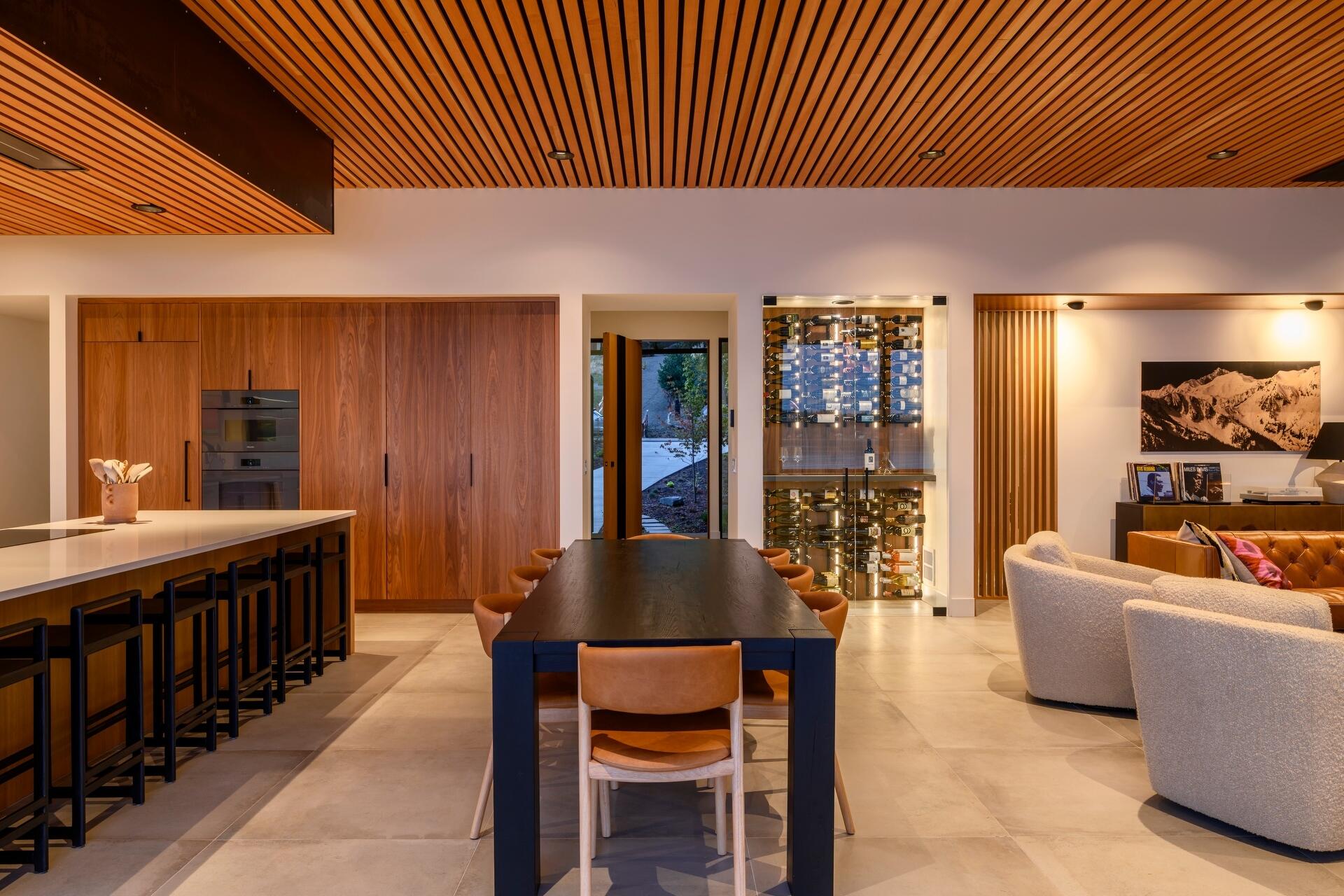
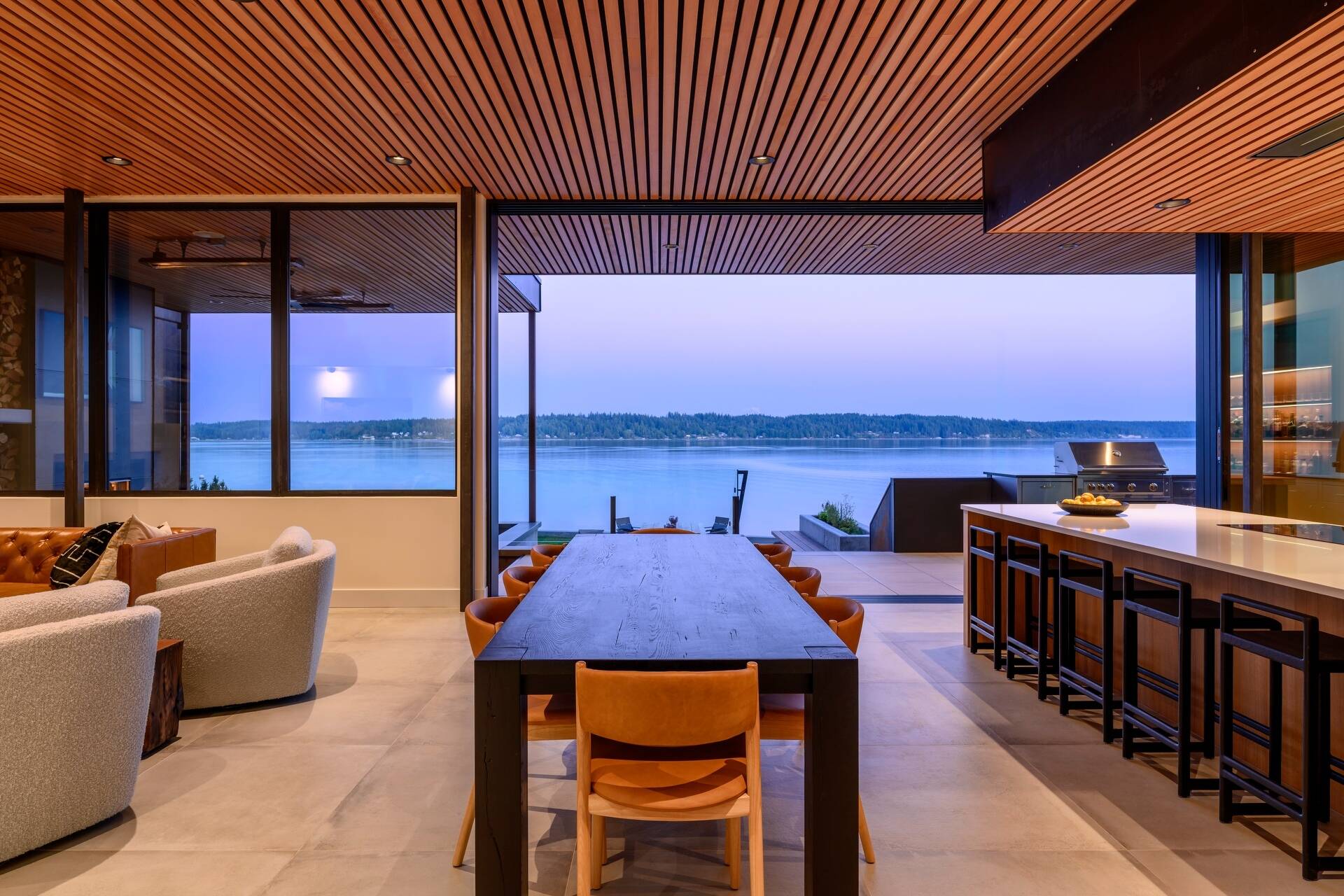
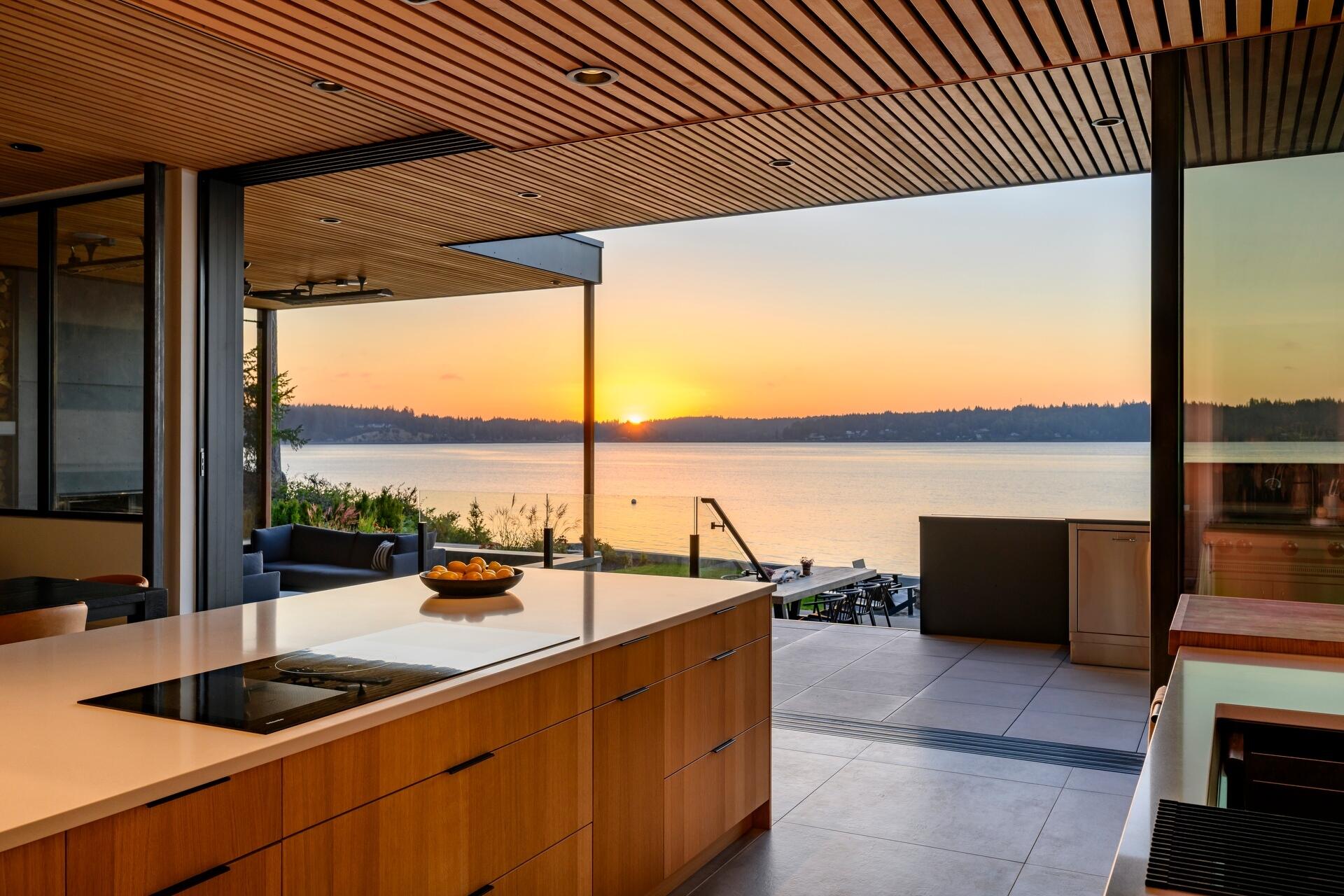
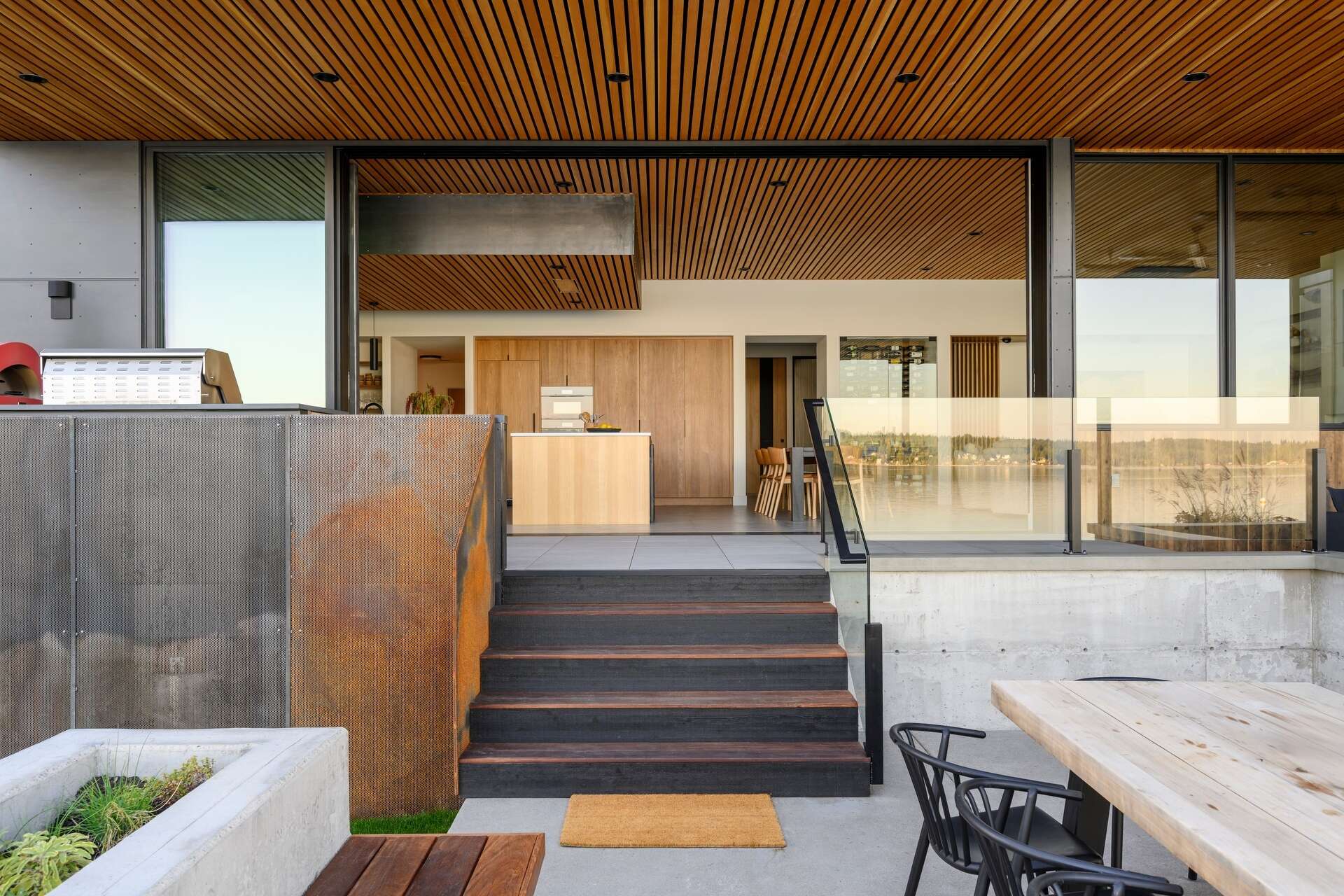
Positioned between the living room and kitchen, the dining area enjoys uninterrupted views across Puget Sound through large sliding glass doors that open directly onto the terrace. A long timber dining table anchors the space, making it ideal for family meals or entertaining while keeping the water as the backdrop.
A timber-lined ceiling continues from inside to outside, visually extending the living space beyond the glass. The open layout allows the dining area to flow naturally into the kitchen and outdoor entertaining spaces, making it easy to move between cooking, dining, and relaxing by the waterfront.
A Kitchen Designed for Cooking and Conversation
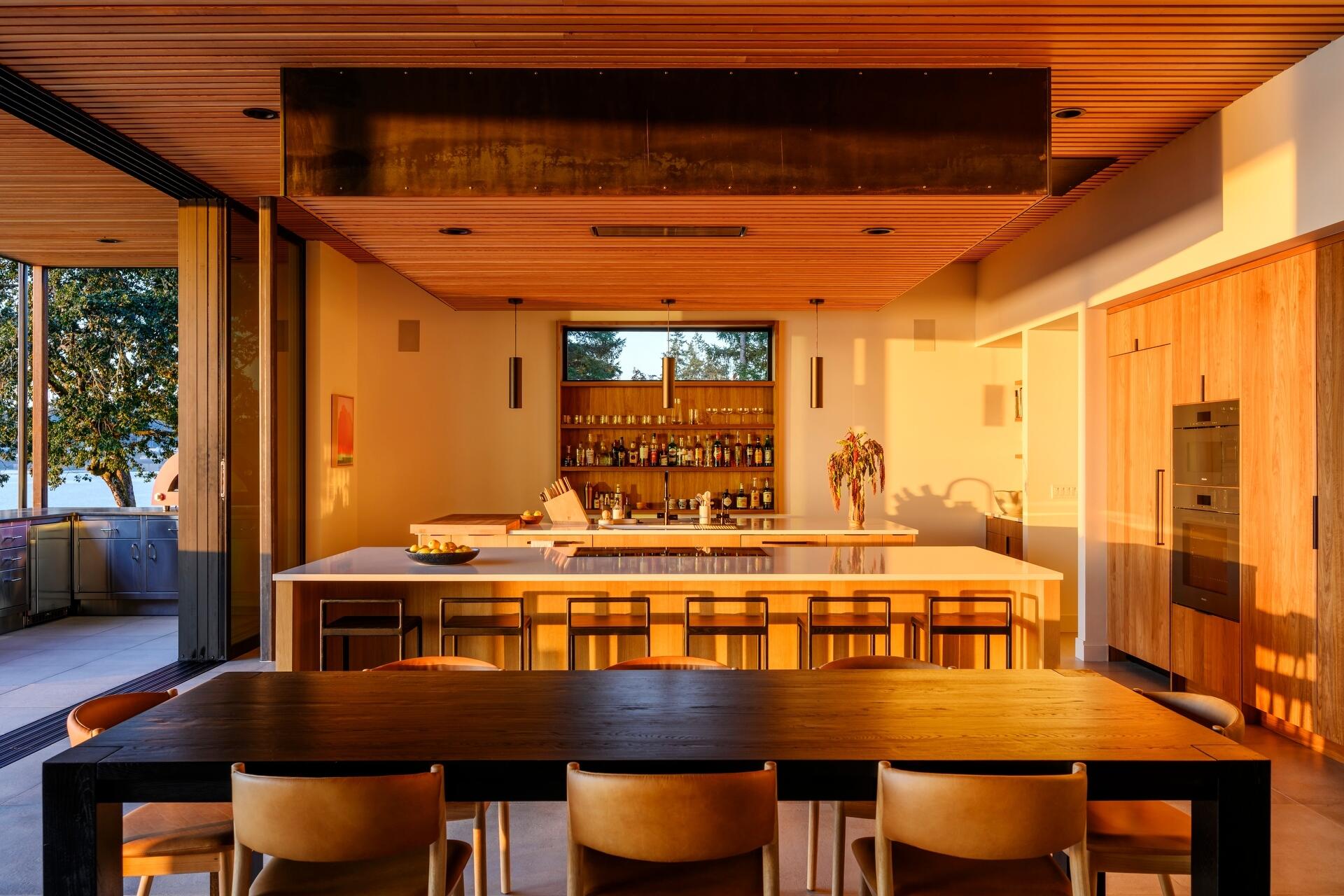
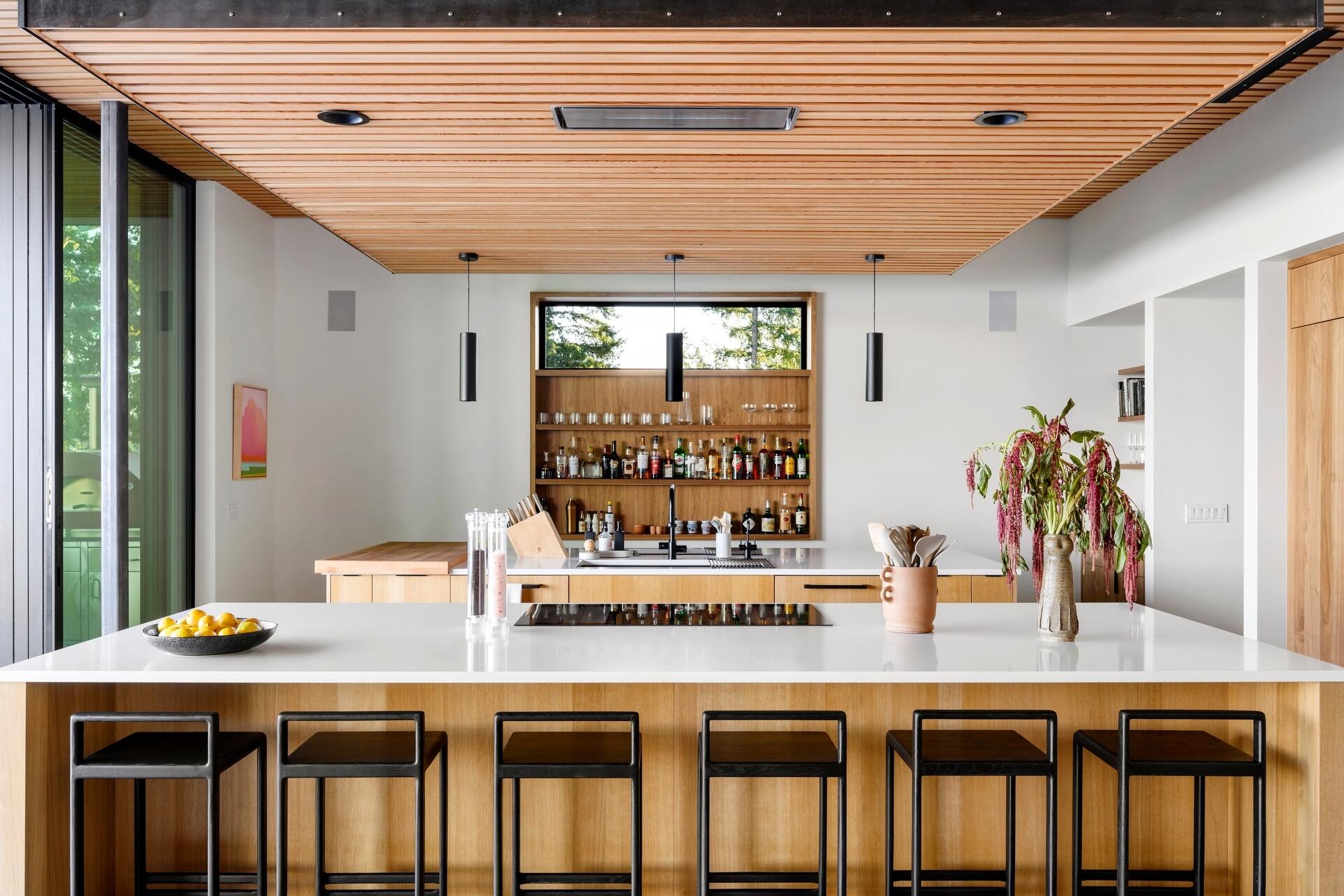
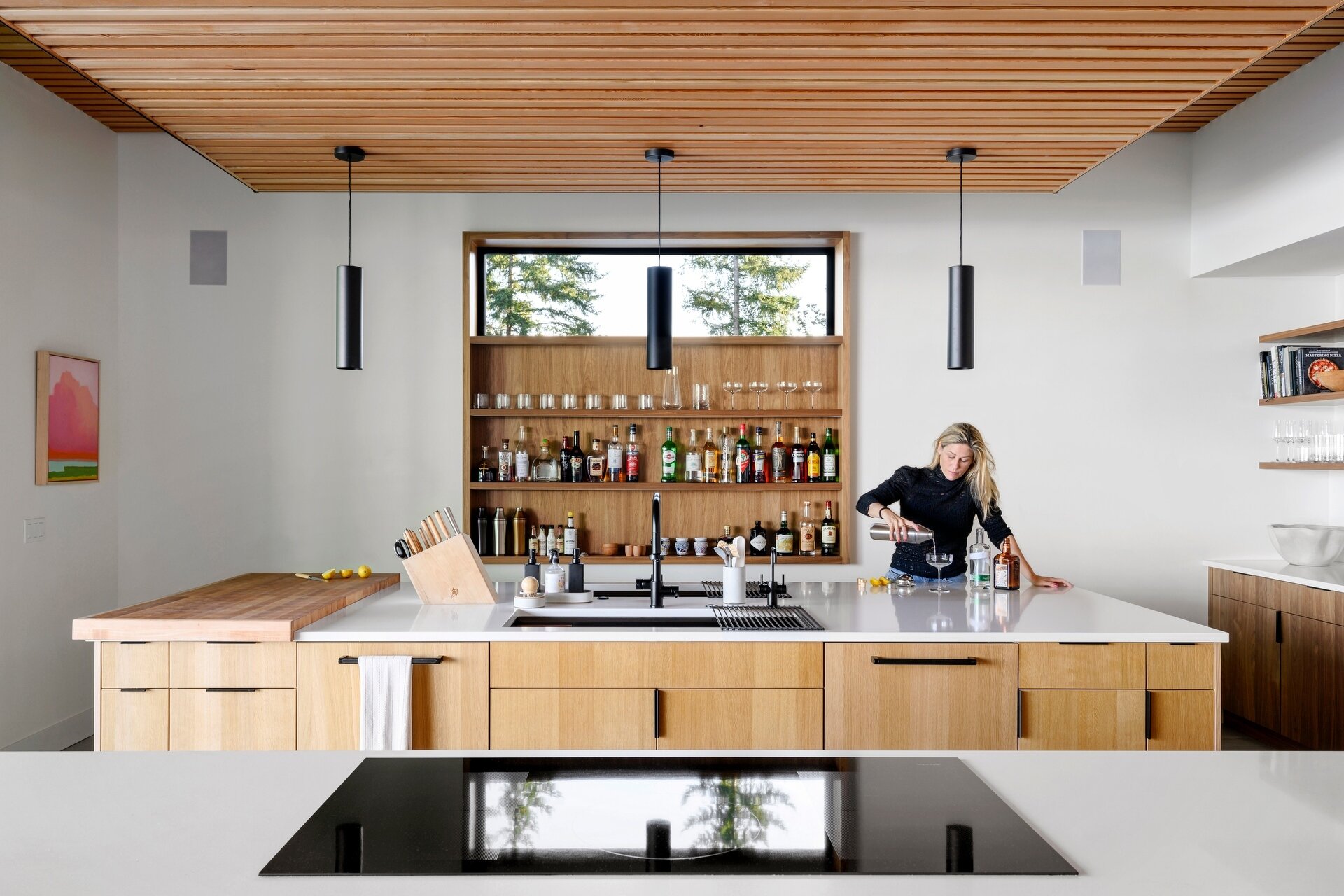
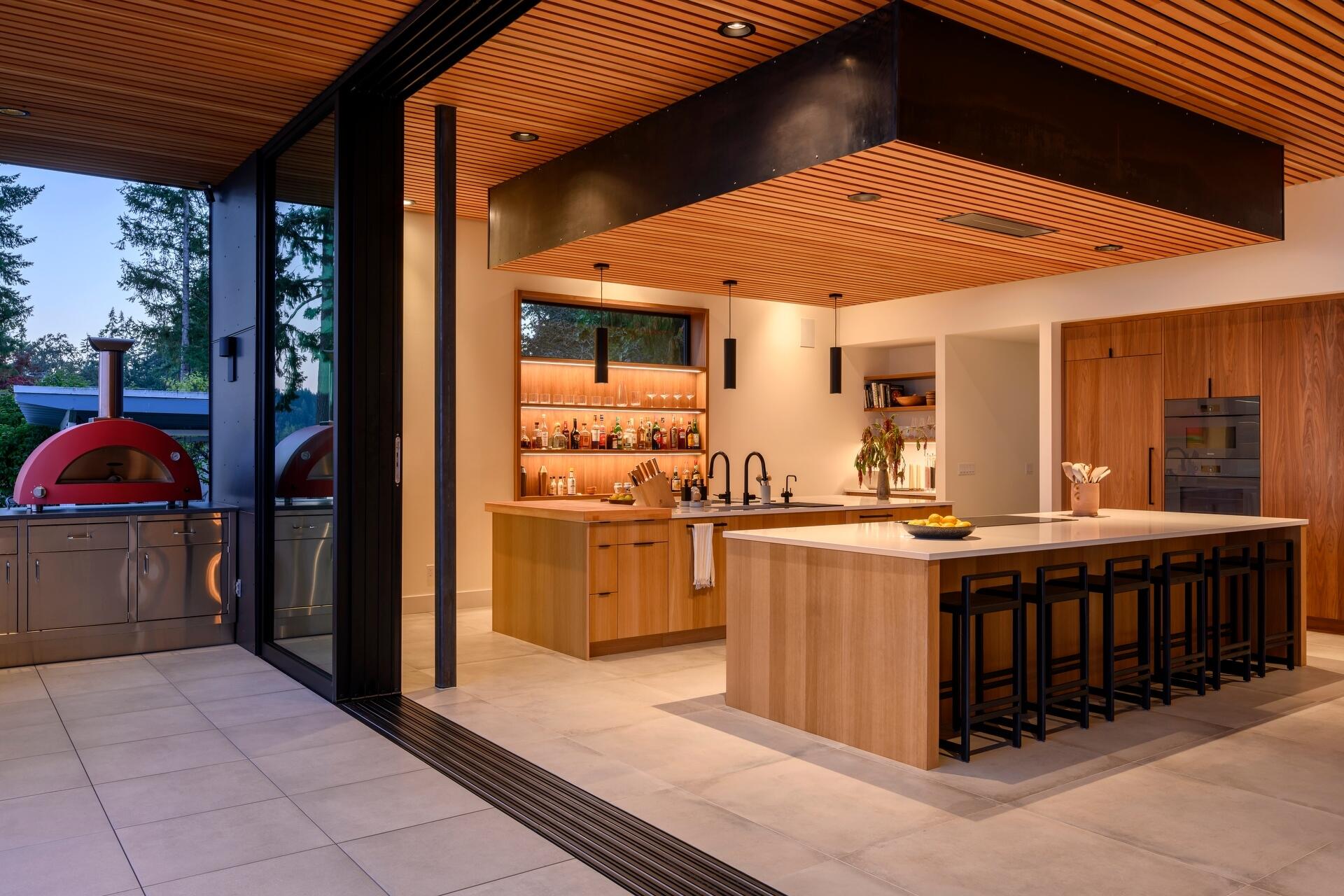
The kitchen combines clean, minimalist design with practical features for entertaining. Two large islands provide generous preparation space, casual seating, and plenty of room for family and guests to gather without interrupting the cooking area. Light timber cabinetry, crisp white countertops, and black accents create a timeless palette, while the timber-lined ceiling adds warmth overhead.
Behind the main workspace, open timber shelving displays glassware and bottles, turning everyday storage into a design feature. Large openings connect the kitchen to the dining area and terrace, allowing meals to flow easily from inside to out while keeping the views across Puget Sound close at hand.
Outdoor Living Along Puget Sound
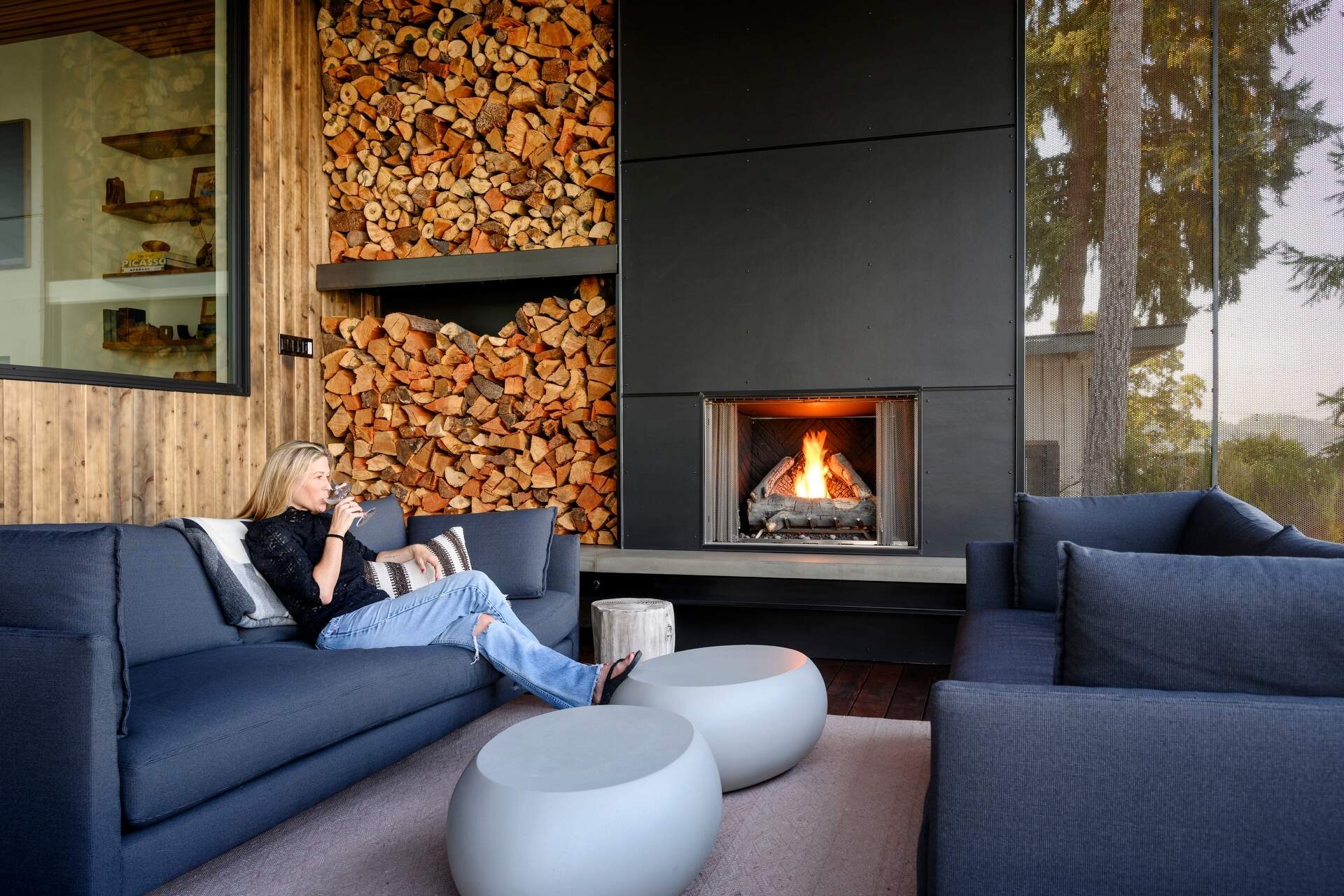
Outdoor spaces were an essential part of the design, with expansive terraces, decks, a covered fireplace, and a hot tub extending everyday living outside. These areas provide the perfect place to enjoy sunrise views, entertain friends, or simply relax beside the water.
A Staircase Filled With Daylight
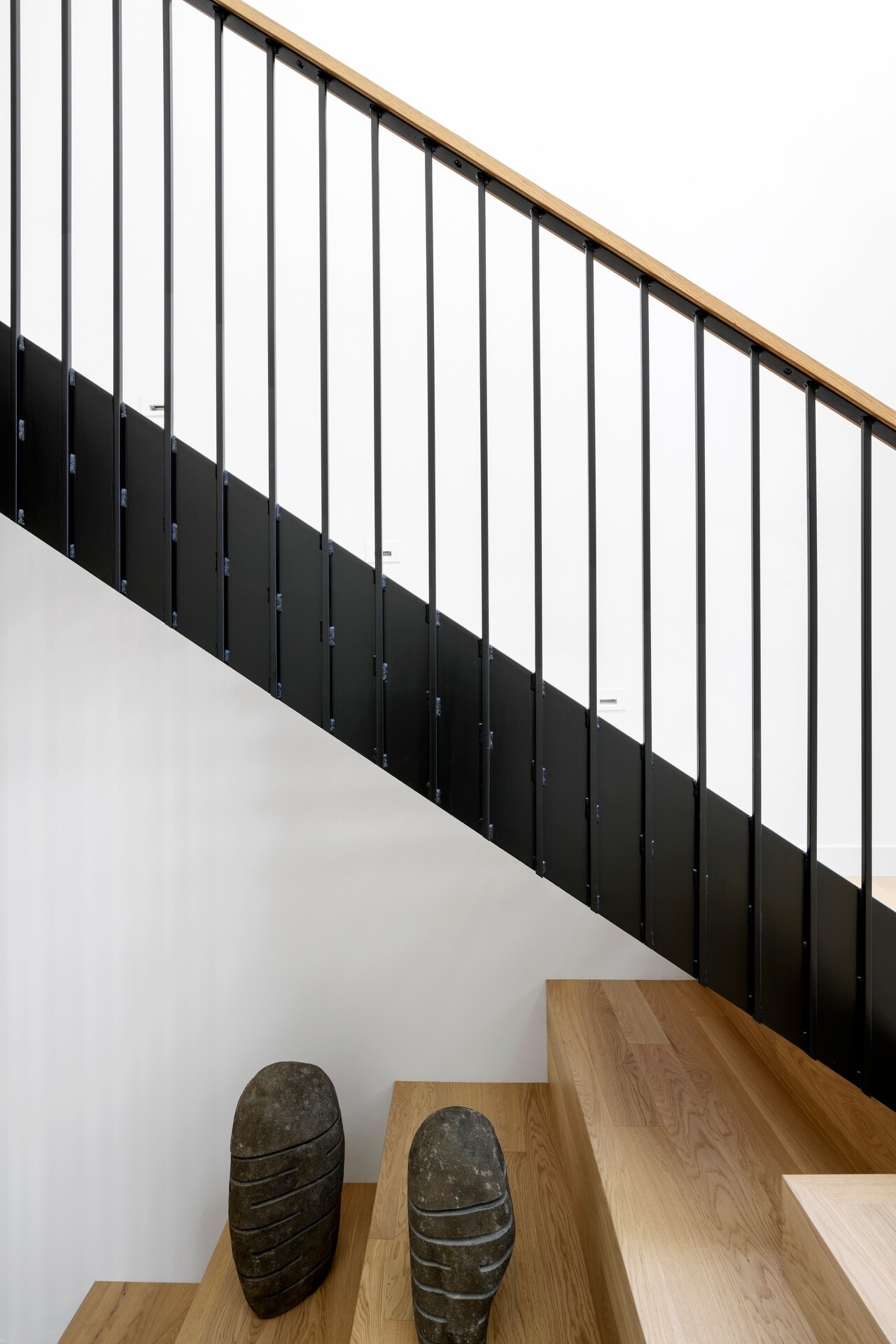
The staircase benefits from the home’s double-height design, allowing daylight from above and the windows brightening both levels. It creates an open transition between floors while reinforcing the home’s light-filled atmosphere.
A Home Office With a View
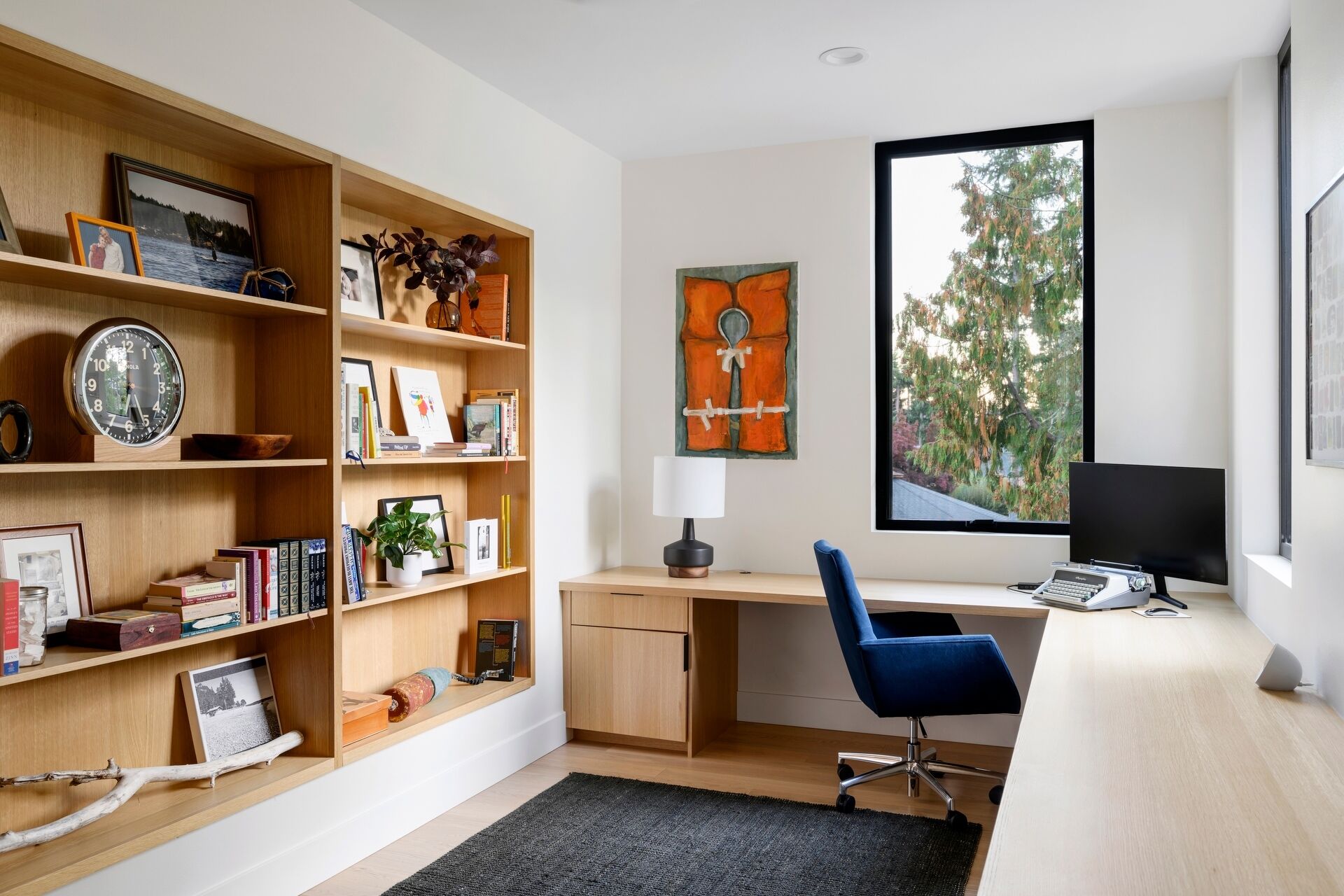
The dedicated home office enjoys the same abundance of natural light found throughout the house. Positioned to overlook the surrounding landscape with its built-in corner desk, it provides a bright and comfortable place to work.
Bedrooms That Make the View the Focus
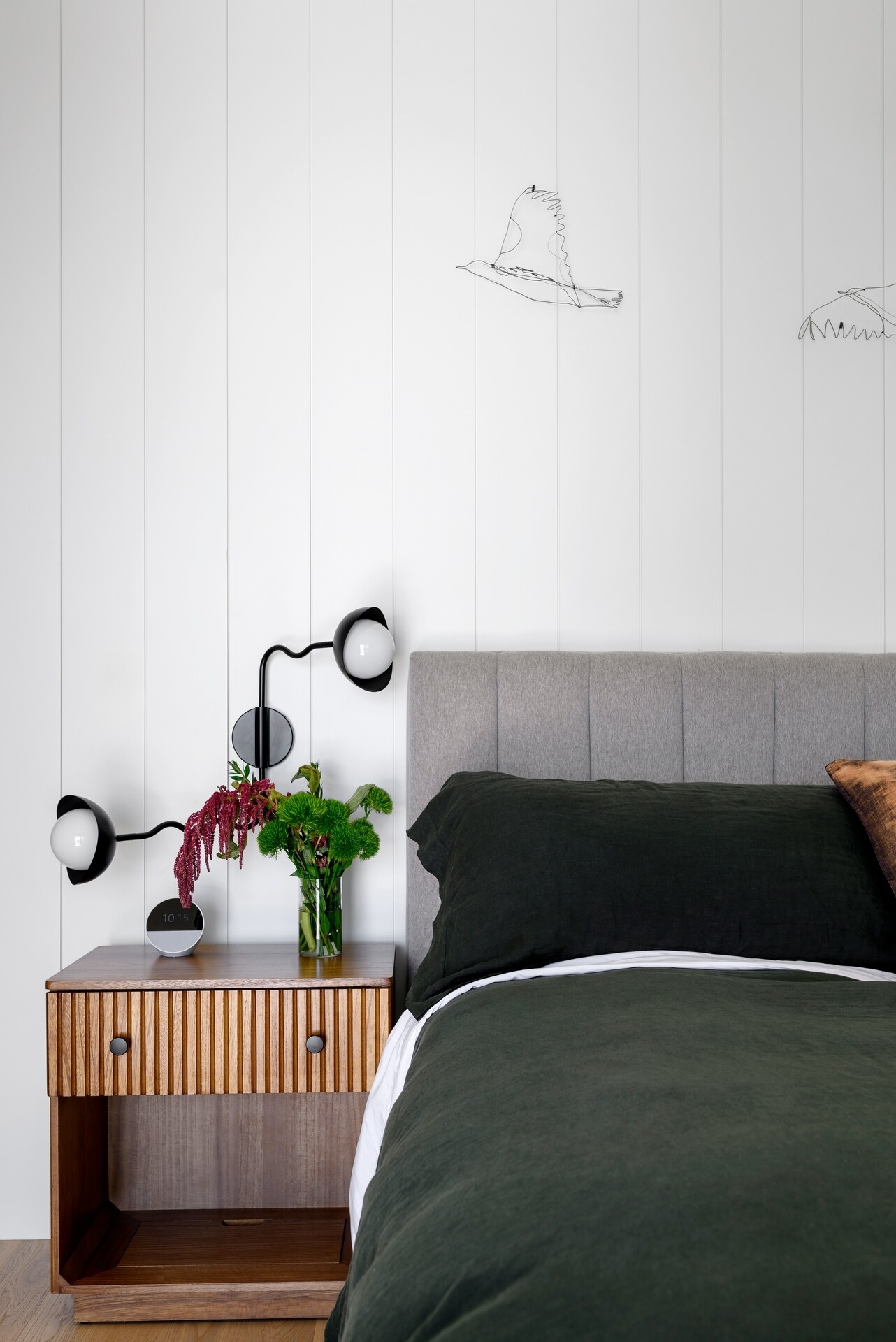
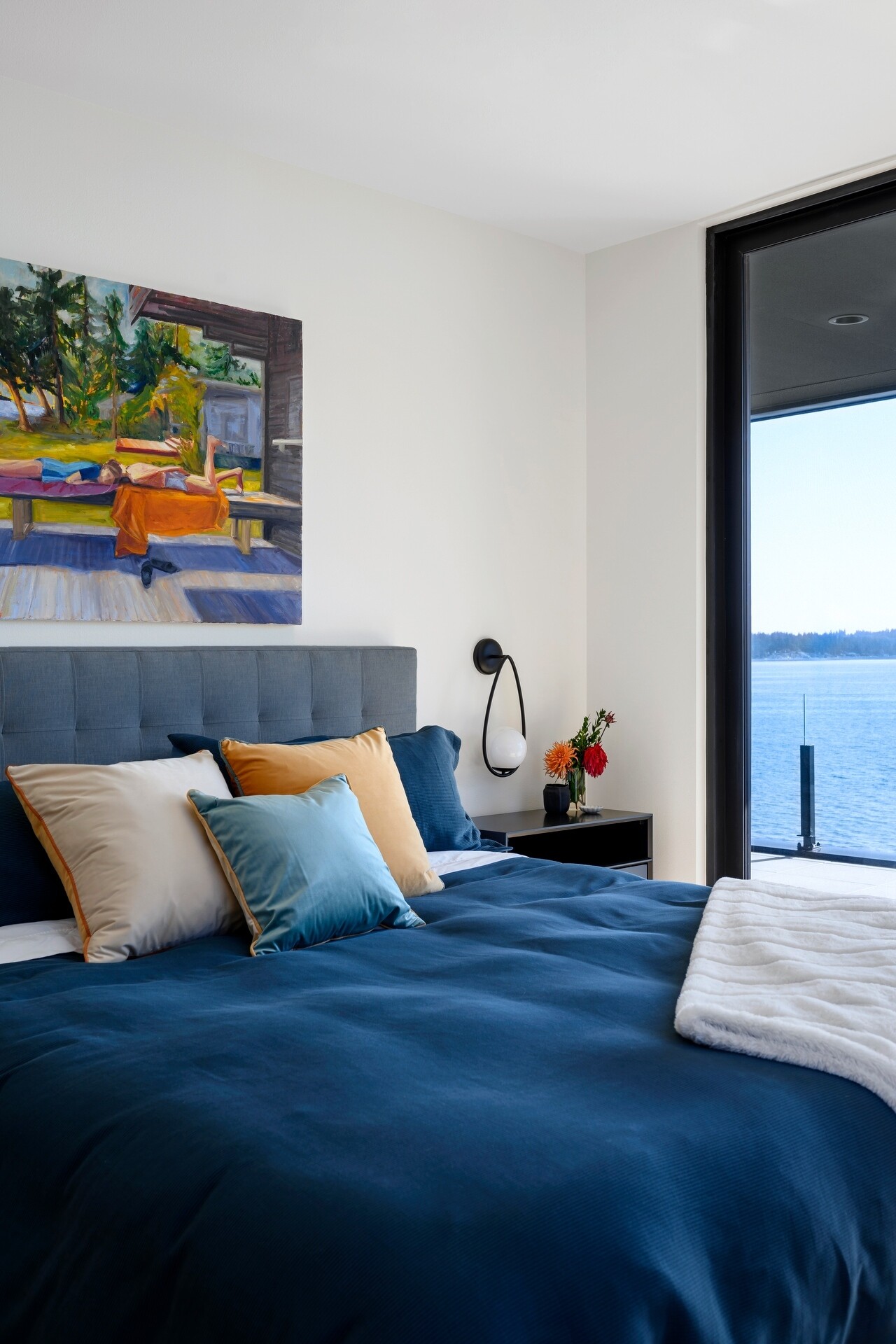
Each bedroom follows the same calm, understated design, allowing the views across Puget Sound to become the main feature. Soft upholstered headboards, warm timber furniture, and a restrained material palette create comfortable spaces, while artwork, sculptural lighting, and subtle decorative details add character without overwhelming the rooms.
A Bathroom Filled With Light
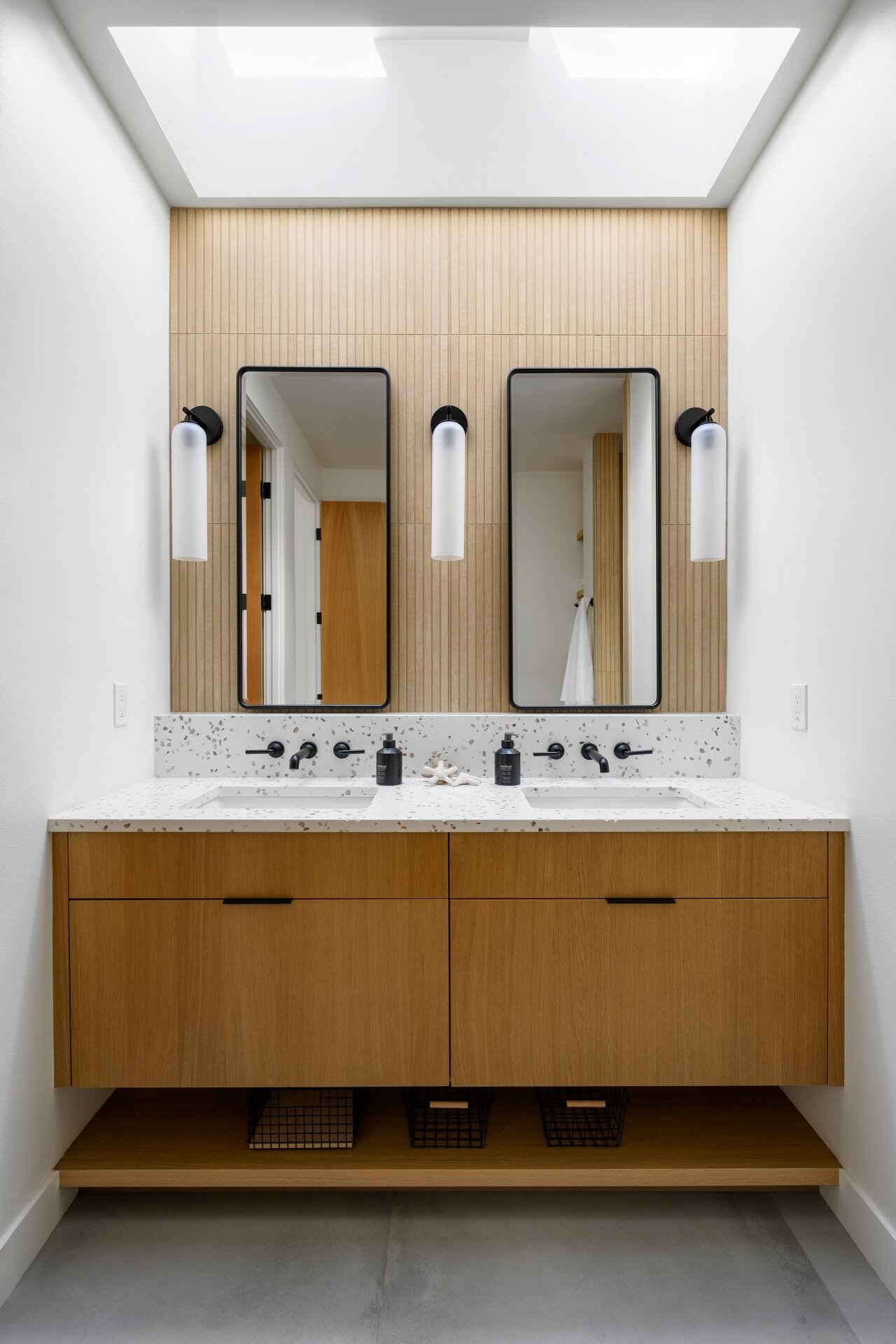
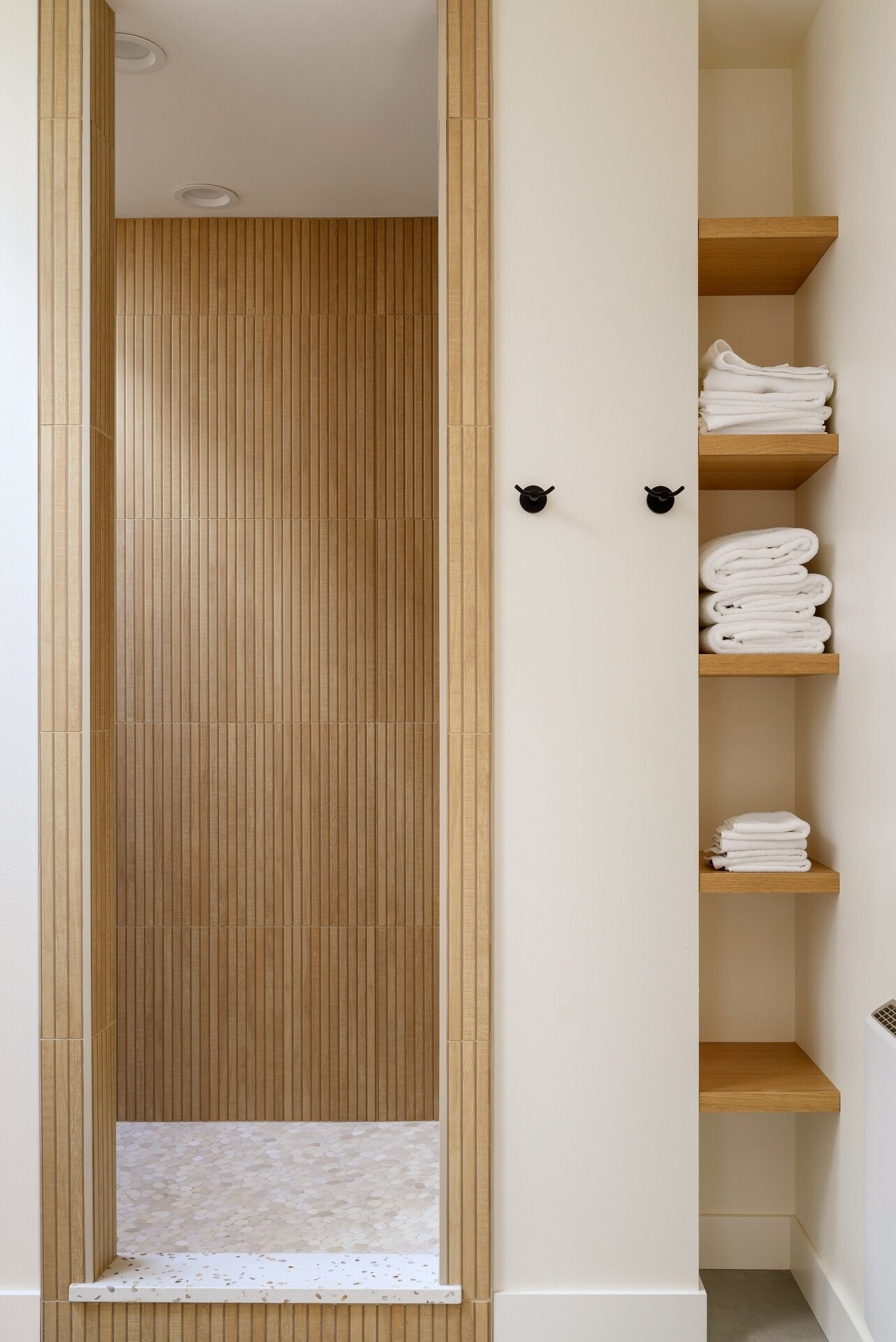
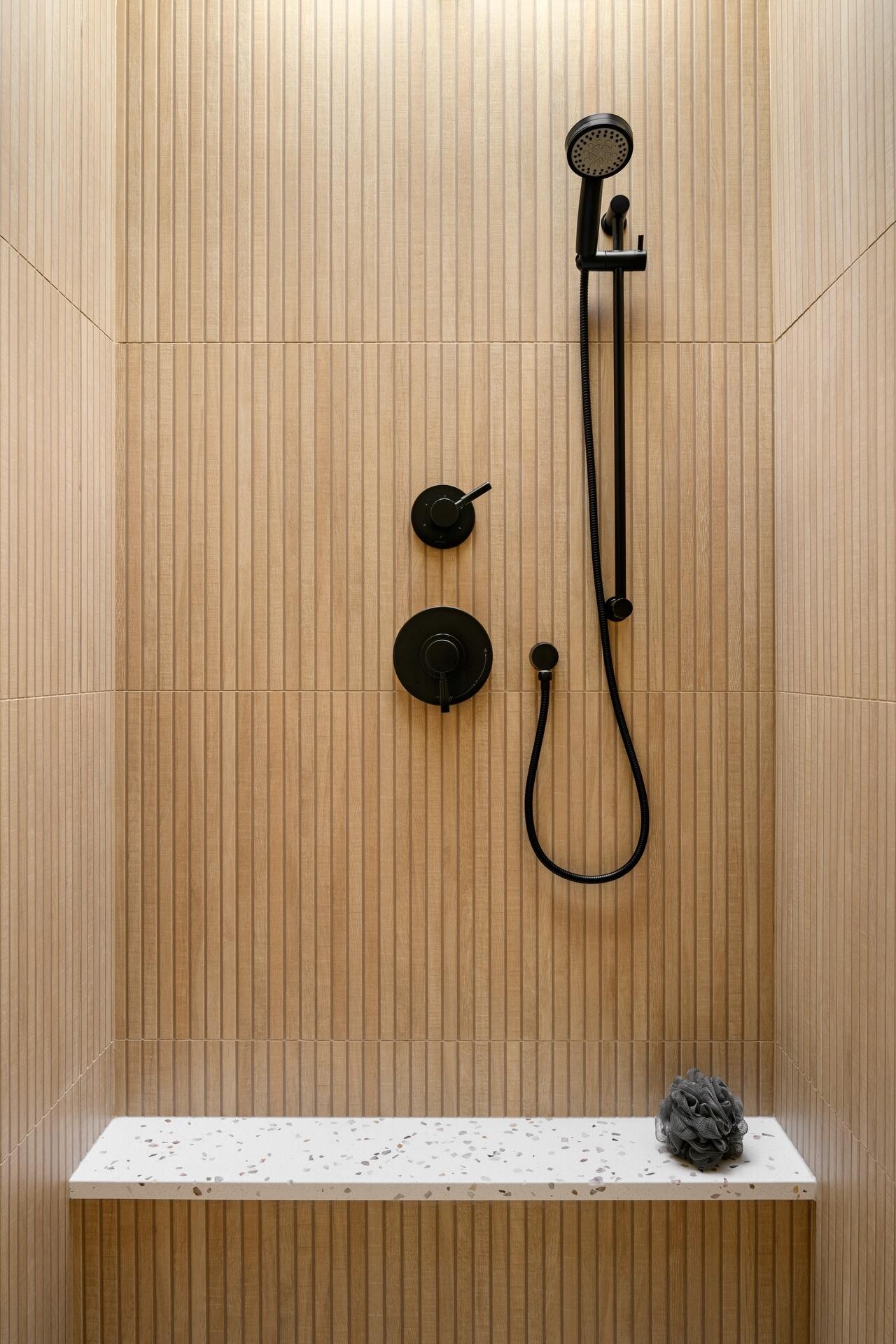
In the bathroom warm timber cabinetry has been combined with slim vertical wall tiles, creating a space that feels bright, simple, and full of texture. A double vanity provides plenty of room for two people, while black framed mirrors and matte black fixtures add contrast against the lighter finishes. Speckled white countertops continue into the shower bench, tying the entire room together.
Overhead skylights bring natural light into the space, making the narrow layout feel open and airy throughout the day. The result is a bathroom that balances practical everyday use with a clean, contemporary aesthetic.
A Laundry Room That’s Both Stylish and Practical
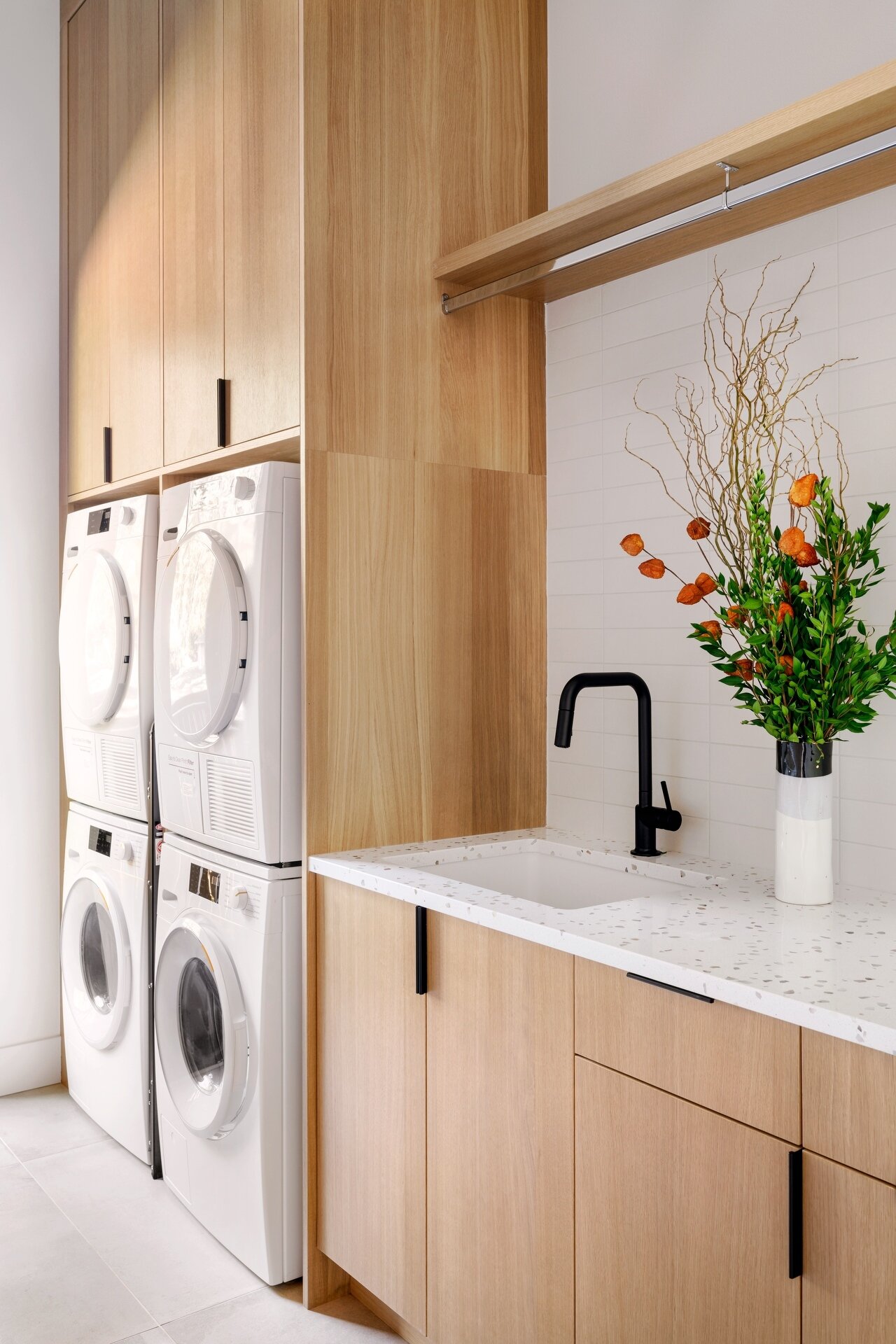
The laundry room carries the home’s warm, modern palette into one of its most functional spaces. Stacked white appliances are neatly integrated into timber cabinetry, a hanging rail provides convenient space for air-drying clothes without taking up extra room.
By relocating the original cabin across the street as a guest house, the family preserved an important part of their history while creating a modern home designed for the years ahead.